FEB

Blog

  • Prodi S1 Bisnis Digital UPI Kunjungi BG FEB UNS, Jalin Kerjasama

    Prodi S1 Bisnis Digital UPI Kunjungi BG FEB UNS, Jalin Kerjasama

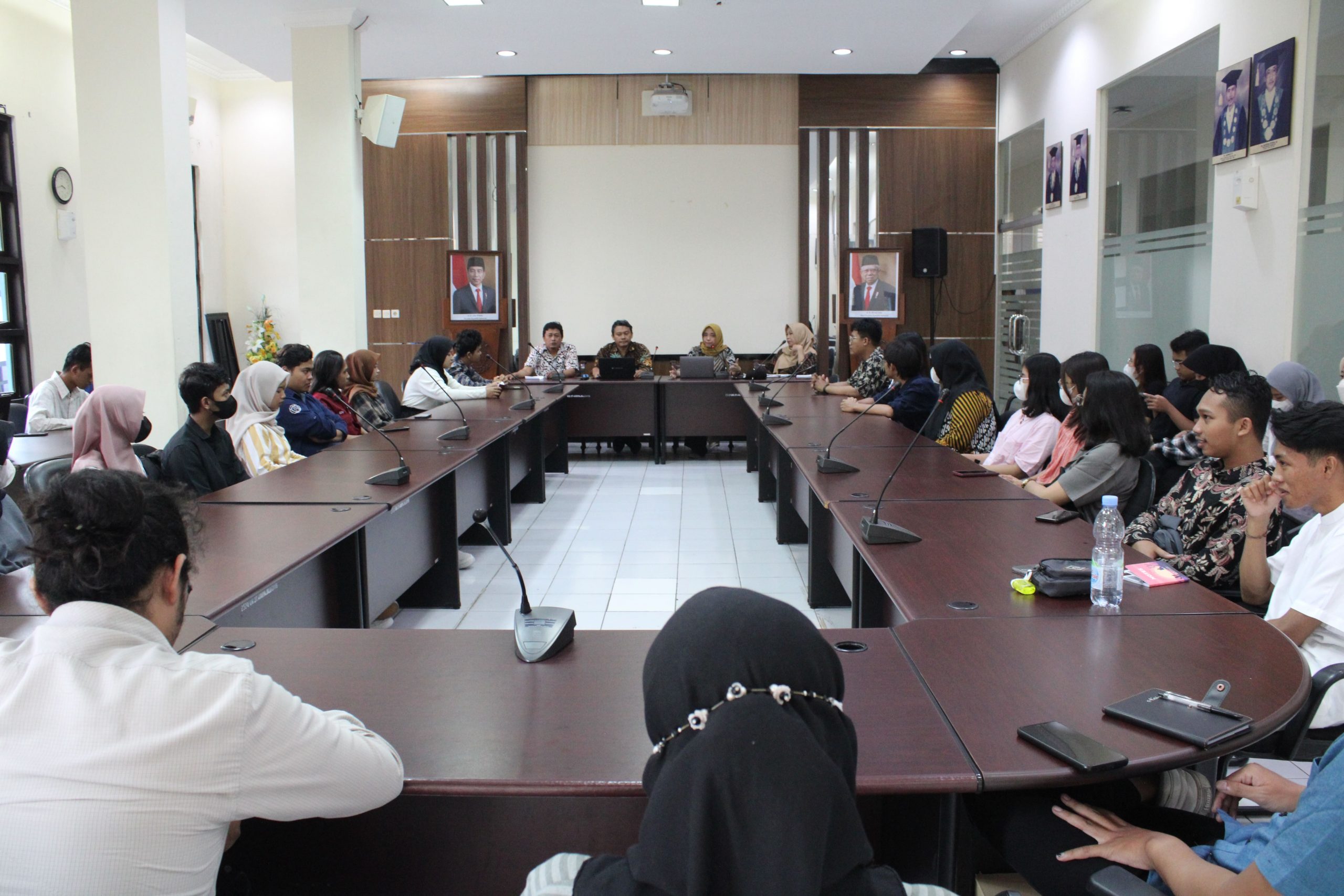
    Fakultas Ekonomi dan Bisnis (FEB) Universitas Sebelas Maret (UNS) menerima kunjungan Kepala Program Studi (Kaprodi) dan Dosen Program S1 Bisnis Digital (BisDig) Universitas Pendidikan Indonesia (UPI) , Jumat 23 Juni 2023 di Ruang Sidang 1 Gedung Soeharno TS.

    Kunjungan yang dipimpin oleh Ketua Program Studi (Kaprodi) S1 Bisnis Digital, Adam Hermawan, S.Kom., M.B.A disambut oleh Tastaftiyan Risfandy, S.E., M.Sc., Ph.D., Wakil Dekan Perencanaan, Kerjasama Bisnis dan Informasi , Kaprodi dan sejumlah Dosen BG FEB.

    Dalam sambutannya, Dr. Tastaftiyan mengucapkan selamat datang di UNS Solo dan merasa terhormat dikunjungi oleh Kaprodi dan Dosen BisDig UPI.

    Dikatakan, ada banyak peluang kerjasama yang bisa dilakukan, misalnya pertukaran mahasiswa. Potensi apa yang dimiliki oleh Prodi BisDig UPI maupun BG FEB UNS bisa digali, yang nantinya dari kerjasama itu akan saling menguntungkan kedua belah pihak.

    Sementara itu, Kaprodi BisDig UPI mengatakan, kunjungan ini dalam rangka pengembangan kerjasama bidang pendidikan, penelitian, pengabdian, publikasi ilmiah, dan kegiatan akademik lainnya serta Benchmarking manajemen program studi.

    “Saat ini kita masih harus banyak berlajar dari prodi Bisnis Digital lain, salah satu untuk mempercepat apa yang harus kita kejar maka kita harus banyak belajar pada lingkungan di luar kami” ungkapnya.

    Selanjutnya, Putra Pamungkas, M. Rech.,Ph.D., Plt. Kepala Program Studi Bisnis Digital FEB UNS menyampaikan profil BG FEB UNS.

    “BG FEB merupakan prodi baru di UNS yang berdiri pada tahun 2020, ada 5 Dosen tetap , dan baru memiliki satu angkatan, tahun ini adalah angkatan kedua. Alhamdulilah animonya sangat luar biasa, karane era digital ini sehingga banyak mendaftar” ungkapnya.

    Diinformasikan juga, tahun ini, angka keketatan Prodi BG berada di peringkat satu di UNS dan no lima di tingkat nasional untuk semua rumpun.

    Pada angkatan pertama, BG menerima  60 mahasiswa untuk 2 kelas, dan di tahun ini membuka 3 kelas.

    Prodi BG memiliki 3 jalur major konsentrasi, jalur keuangan digital atau finansial teknologi, marketing digital dan tata kelola digital.

    Lebih lanjut BisDig UPI  dan BG FEB saling berdiskusi, berbagi pengetahuan serta acara diakhiri dengan penandatanganan kerja sama oleh kedua belah pihak.
  • MESP FEB UNS Hosted a Workshop on Experimental Economics

    MESP FEB UNS Hosted a Workshop on Experimental Economics

    Experimental economics is an alternative way to collect data in economic research, specifically behavioral data of economic agents. The goal is to get a collection of data on a specific problem that is difficult or impossible to be gathered in the usual way.

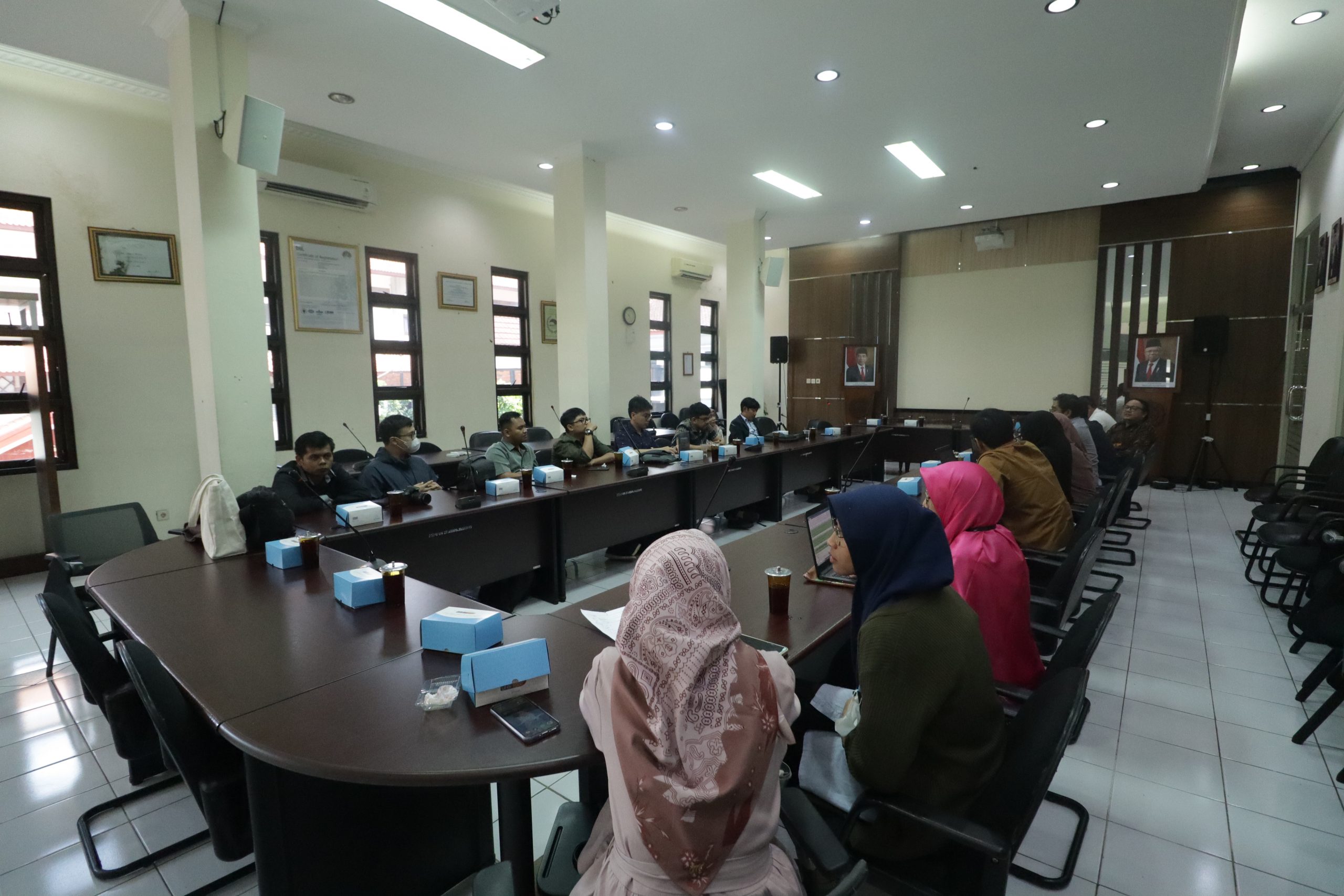
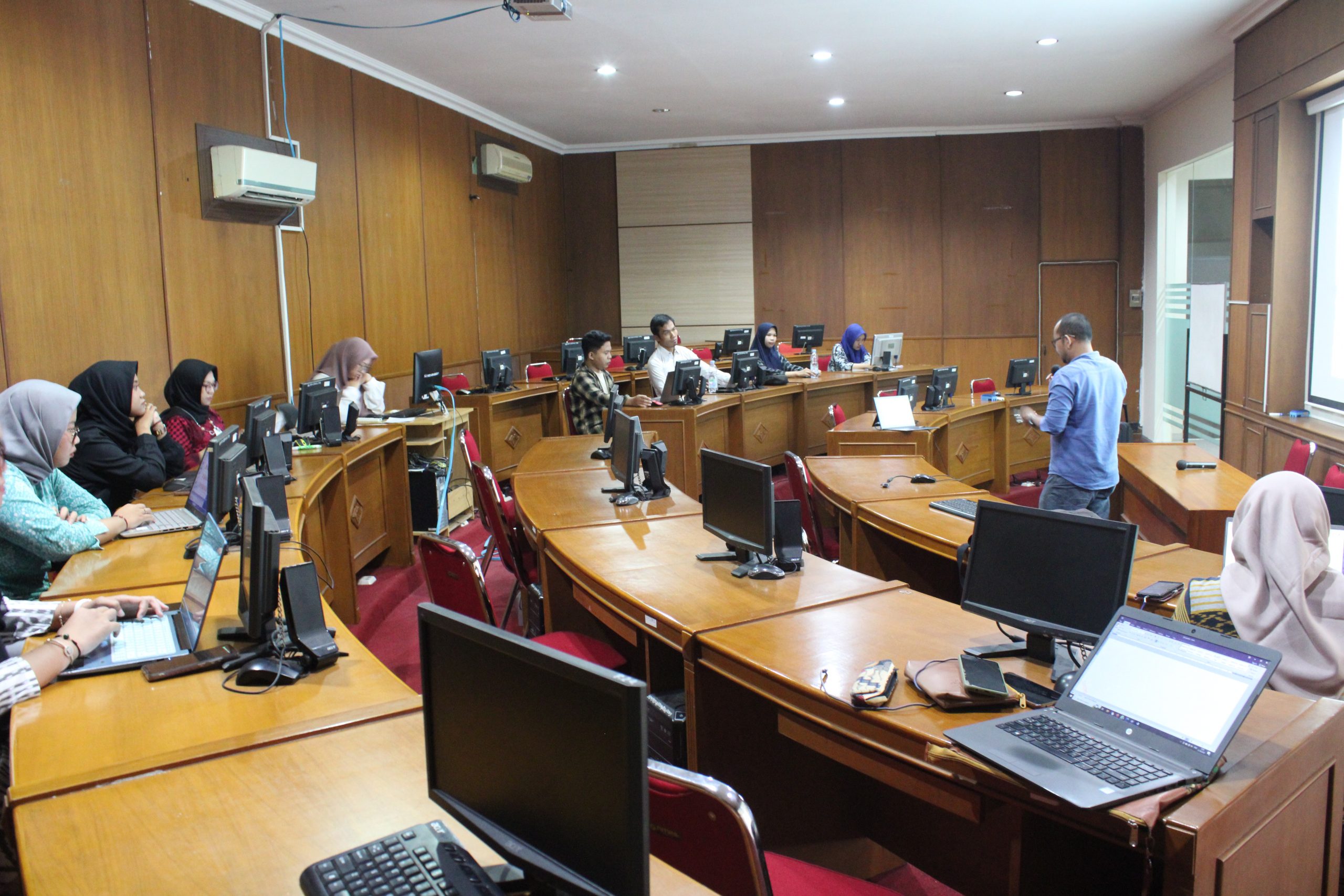
    Roth (1985) identified three types of experiments, the first of which was designed to discuss economic theory. The second is to investigate previously identified anomalies and the third is designed to inform policy. This statement was delivered by Dr. AGR. Deden Dinar Iskandar, SE, MA, a lecturer from FEB UNDIP, in the Experimental Economics Workshop organized by the Master in Economics and Development Studies (MESP) Study Program, Faculty of Economics and Business (FEB), Universitas Sebelas Maret (UNS). The hybrid workshop was conducted at the Teleconference Room Bachtiar Effendi Building FEB UNS and Zoom Meeting.

    In the occasion hosted on Wednesday 21 June 2023, he explained that experimental economics uses controlled experiments with people as research subjects to answer research or policy questions. “In experiments, we conduct controlled trials with people as subjects, almost similar to surveys but with controlled environments. There are data that we need but cannot be collected through a conventional way, for example, data about corruption, taxpayer compliance percentage, or data related to the response to a policy that the policy has not been implemented,” he explained.

    Further, he explained that economic theory is designed to be generally applicable to different sets of subjects.

    Economic experiments at first did not even consider the participants’ demographic data and very little analysis was done to examine how different individuals act differently.

    “In an experiment, there has to be an incentive, something positive that moves people to do something. People must be incentivized if we are to make people obey. All economic experiments involved equivalent rewards to participants. This practice is considered important to maintain the validity of the experiment,” he said.

    There are 4 types of experiments, the first being the conventional lab experiments, experiments that use a collection of students as subjects, use framing, and are carried out in a laboratory setting with the application of a set of rules. The next type is Artefactual field experiments, which is the same as conventional laboratory experiments but with a collection of non-standard subjects (not students). The third is Framed field experiments, which is the same as artefactual field experiments but using real context both in the task, rules, or collection of information used by the subject.
    The last is Natural field experiments, which is the same as framed field experiments but in an environment where the subject naturally performs his activities and the subject does not know that they are in the experiment. This type is widely used, for instance, a study that wants to see the behavior of middle to lower economic groups in terms of income subsidies from the government. In this experiment type, the researcher need to observe participants who receive a subsidy after a few weeks or months, and then the recipients’ behavior before and after getting a subsidy. By doing this observation, the people (subject) involved in the research will not feel like they’re in an experiment or observation.

  • Program Manager of FEB UGM Master of Science and Doctoral Program Visits FEB UNS

    Program Manager of FEB UGM Master of Science and Doctoral Program Visits FEB UNS

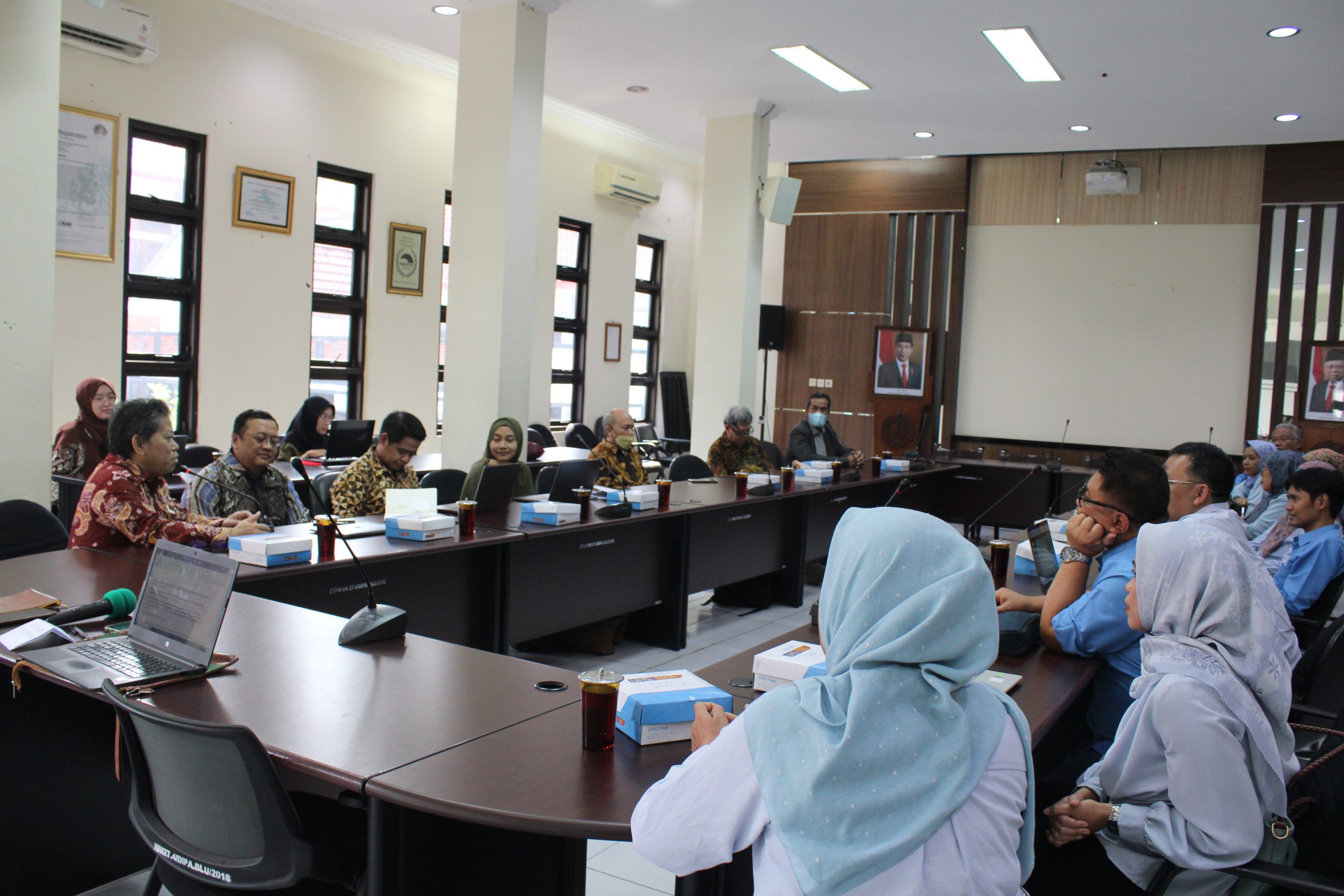
    The Faculty of Economics and Business (FEB), Universitas Sebelas Maret (UNS), welcomed a visit from the Program Manager of the Master of Science Study Program and Doctoral Program at Faculty of Economics and Business, Universitas Gadjah Mada (UGM). The warm ana amiable welcoming ceremony took place on Tuesday, June 20, 2023, in Assembly Room 1 of Soeharno TS Building, FEB UNS.

    The entourage led by the Coordinator of the Master of Science Study Program and Doctoral Program of FEB UGM, Prof. Catur Sugiyanto, M.S., Ph.D., was welcomed by the Dean, Head of Study Program for the Master’s and Doctoral Study Program FEB UNS, Head of UPM (Quality Assurance Unit) and P4M FEB.

    In his speech, the Dean of FEB UNS, Prof. Djoko Suhardjanto, M.Com (Hons), Ph.D., Ak., welcomed the Head of the FEB UGM Master of Science and Doctoral Program and staff for their visit to FEB UNS. Prof. Djoko also introduced FEB UNS leaders who were attending the event to welcome the team from UGM. Further he shares a highlight of the FEB UNS Masters and Doctoral program profile.

    To this day, FEB UNS has three Master’s Study Programs, namely Master of Accounting, Master of Management, and Master of Economics and Development Studies, and one Doctoral Program in Economics. Prof. Djoko also explained the general stages that must be passed by the Master’s and Doctoral programs students until graduation.

    “As a graduation requirement, there is a UNS Rector Regulation that requires Masters’ students to publish in international journal or Sinta 2 national journals, while Doctoral Program student is required to publish in reputable international journals,” he explained.

    Meanwhile, Prof. Catur as the leader of the UGM entourage expressed his gratitude for the opportunity to visit FEB UNS. “Our main goal is to learn from the younger ones, usually the young ones are more dynamic. Thus, in order to not be left behind we have to visit others more often. This morning we met with our colleagues at UI to discuss Bachelor (S1), Graduate (S2), and Doctoral (S3) study programs, and now we meet with FEB UNS to discuss Masters and Doctoral programs at UNS,” he said.

    He further reveals that the program manager for the Master of Science and Doctoral Program at UGM would like to know more about scientific publications that have been carried out by FEB UNS intensively. The discussion lasted for about two hours and went seamlessly. Hopefully, the discussion will bring benefits for FEB UGM and also UNS.

  • MESP Adakan Workshop, Angkat Tema Ekonomi Eksperimen

    MESP Adakan Workshop, Angkat Tema Ekonomi Eksperimen

    Ekonomi eksperimental adalah cara alternatif untuk mengumpulkan data dalam penelitian ekonomi, khususnya data perilaku agen ekonomi. Tujuannya adalah untuk mendapatkan kumpulan data tentang masalah yang sulit atau tidak mungkin ditemukan dengan cara yang biasa.

    Roth (1985) mengidentifikasi tiga jenis eksperimen, yang pertama eksperimen yang dirancang untuk membahas teori ekonomi. Kedua untuk menyelidiki anomali yang teridentifikasi sebelumnya dan yang ketiga dirancang untuk menginformasikan kebijakan.

    Pernyataan itu disampaikan Dr. AGR. Deden Dinar Iskandar, SE, MA, Dosen FEB UNDIP pada Workshop Ekonomi Eksperimen yang diselenggarakan oleh Program Studi Magister Ekonomi dan Studi Pembangunan (MESP) Fakultas Ekonomi dan Bisnis (FEB) Universitas Sebelas Maret (UNS), Rabu 21 Juni 2023 di Ruang Telekonferen Gedung Bachtiar Effendi dan Zoom Meeting.

    Dikatakan,  Ekonomi eksperimental menggunakan eksperimen terkendali dengan orang-orang sebagai subyek untuk menjawab pertanyaan penelitian atau kebijakan.

    “Dalam eksperimen, kita mengendalikan percobaan terkendali dengan orang-orang sebagai subyek, hampir mirip dengan survei, dengan lingkungan yang terkendali. Ada data-data yang kita perlukan tapi yang kita tidak bisa dapat dari cara yang konvesional, misalnya tentang korupsi, tentang kepatusan membayar pajak dan seterusnya atau terkait respon terhadap sebuah kebijakan yang kebijakaan tersebut belum diterapkan”jelasnya.

    Lebih lanjut dijelaskan, teori ekonomi dirancang untuk bisa diterapkan secara umum pada kumpulan subyek yang berbeda-beda.

    Eksperimen ekonomi pada awalnya bahkan tidak mempertimbangkan data demografis para peserta dan sangat sedikit analisis yang dilakukan untuk memeriksa bagaimana individu yang berbeda bertindak secara berbeda.

    “Dalam eksperimen harus ada insentif, sesuatu yang positif yang menggerakkan orang untuk melakukan sesuatu. Orang harus diberi insentif, jika kita ingin membuat orang-orang patuh. Semua eksperimen ekonomi melibatkan imbalan yang sepadan kepada peserta. Praktik ini dianggap penting untuk menjaga validitas dari eksperimen” ungkapnya.

    Ada 4 tipe eksperimen, conventional lab experiment, eksperimen yang menggunakan kumpulan mahasiswa sebagai subyek, menggunakan framing dan dilakukan dalam seting laboratorium dengan penerapan seperangkat aturan; Artefactual field experiment, sama dengan percobaan laboratorium konvensional tetapi dengan kumpulan subyek yang tidak standar (bukan mahasiswa); Framed field experiment, sama dengan artefactual field experiment tetapi dengan menggunakan konteks yang nyata baik dalam tugas, aturan, atau kumpulan informasi yang digunakan subyek; Natural field experiment, sama dengan framed field experiment tetapi di lingkungan tempat subyek secara alamiah melakukan aktifitasnya dan subyek tidak tahu bahwa mereka sedang dalam eksperimen.

    Tipe 4 banyak digunakan, contoh sebuah penelitian yang ingin melihat bagaimana melihat perilaku masyarakat golongan ekonomi menengah ke bawah dalam hal subsidi pendapatan dari pemerintah.

    Kita amati yang mendapat subsidi setelah beberapa minggu atau bulan, kita amati perilaku sebelum dan sesudah mendapatkan subsidi. Orang-orang tersebut tidak merasa sedang dalam percobaan atau eksperimen.

  • Pengelola Program Magister Sains dan Doktor FEB UGM Berkunjung ke FEB UNS

    Pengelola Program Magister Sains dan Doktor FEB UGM Berkunjung ke FEB UNS

    Fakultas Ekonomi dan Bisnis (FEB) Universitas Sebelas Maret (UNS) menerima kunjungan Pengelola Program Magister Sains dan Doktor Fakultas Ekonomika dan Bisnis Universitas Gadjah Mada (UGM), Selasa 20 Juni 2023 di Ruang Sidang 1 Gedung Soeharno TS.

    Kunjungan yang dipimpin oleh Koordinator Program Magister Sains dan Doktor FEB UGM, Prof. Catur Sugiyanto, M.S., Ph,D di sambut oleh Dekanat, Kepala Program Studi  (Kaprodi) Magister dan Doktor serta Kepala UPM dan P4M FEB.

    Dalam sambutannya, Dekan FEB UNS, Prof. Djoko Suhardjanto, M.Com (Hons), Ph.D, Ak, menyampaikan ucapan selamat datang kepada Kepala Program Magister Sains dan Doktor FEB UGM beserta staf  yang berkenan berkunjung ke FEB UNS.

    Dekan juga mengenalkan pimpinan FEB UNS yang hadir menyambut kedatangan Tim dari UGM dan menyampaikan sekilas profil Magister dan Doktor FEB UNS .

    FEB memiliki tiga Program Magister yakni Magister Akuntansi, Magister Manajemen dan Magister Ekonomi dan Studi Pembangunan serta memiliki satu Program Doktor Ilmu Ekonomi.

    Dekan juga menjelaskan secara garis besar tahapan yang harus dilalui oleh mahasiswa program magister dan doktor sampai pada kelulusan.

    “Sebagai syarat wisuda, ada Peraturan Rektor UNS yang mewajibkan mahasiswa  S2 untuk publikasi di jurnal internasional dan nasional Sinta 2 sedangkan S3 wajib untuk publikasi di jurnal internasional bereputasi” paparnya.

    Sementara itu, Prof. Catur sebagai pemimpin dalam kunjungan tersebut menyampaikan terima kasih atas kesempatan yang diberikan untuk bersilaturahmi ke FEB UNS.

    “Tujuan kami pada intinya adalah kami ingin belajar pada yang lebih muda, biasanya yang muda sangat dinamis. Supaya kami tidak ditinggal kami harus sering jalan-jalan. Tadi pagi bertemu rekan-rekan di UI untuk diskusikan tentang Program S1, S2, S3 dan saat ini dengan Magister dan Doktor di UNS” ungkapnya.

    Dikatakan, Pengelola Program Magister Sains dan Doktor UGM ingin mengetahui lebih banyak terkait publikasi yang telah sangat intensif dilakukan oleh FEB UNS.

    Diskusi yang berlangsung sekitar dua jam berjalan dengan lancar, semoga memberikan manfaat bagi FEB UGM dan juga UNS.

  • Monetary and Fiscal Studies Research Group Assisted Japeledok Village Farmers Producing Self-Made Fertilizer

    Monetary and Fiscal Studies Research Group Assisted Japeledok Village Farmers Producing Self-Made Fertilizer

    Education, research, and community service activities are lecturers’ duties and obligations within the Tri Dharma of Higher Education framework. To fulfill one of the Tri Dharma, community engagement-related activities aim to improve community welfare.

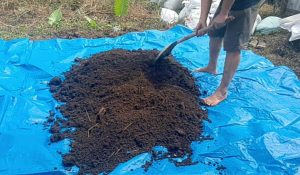
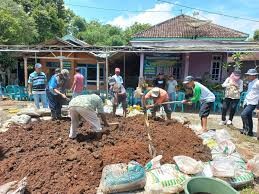
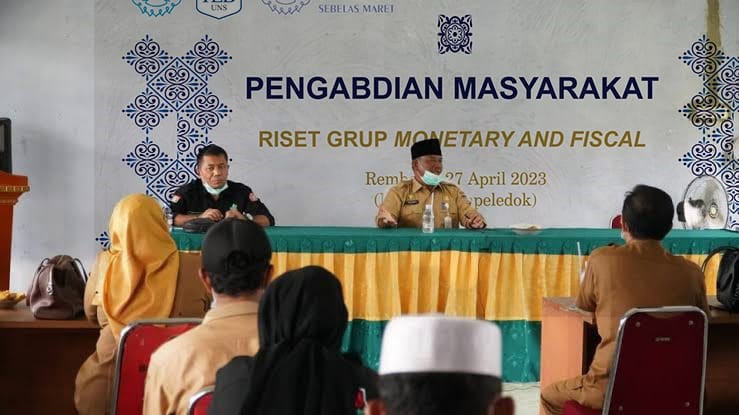
    A Community Service Team of the “Monetary and Fiscal Studies Research Group,” Development Economics Study Program, Faculty of Economics and Business (FEB) Universitas Sebelas Maret (UNS), carries out a training for self-made fertilizer manufacturing, at Japeledok Village, Pancur District, Rembang Regency. The activity was carried out on April 27, 2023, at the Japeledok Village Hall, Rembang Sub-district, Rembang Regency.

    The activities led by Dr. Tetuko Rawidyo Putro, S.E., M.Si., as the Chair of the Organizing Committee for the Community Service Team of the “Monetary and Fiscal Studies” Research Group. The community service program aims to support the enhancement of local community expertise in order to produce fertilizer independently, effectively and efficiently. “Farmers in Japeledok Village really need to produce fertilizer independently, to maximize the harvest results,” he said.

    According to him, the problems faced by farmers involves the use of less effective and efficient fertilizers offered in the market, which impacted the maximum yield of agricultural crops in Japeledok Village. Therefore, the team needs to intensively provide assistance to farmers.

    Ahmad Ariq, the Chairman of Karang Taruna (Youth Association) at Japeledok Village expressed his gratitude to the organizing team from DESP FEB UNS for assisting the farmers to produce fertilizer products independently. Hopefully, this assistance can improve the efficiency and effectiveness of agricultural crop yield in Japeledok Village.

  • Grup Riset Monetary and Fiscal Studies  Dampingi Petani Desa Japeledok, Buat Pupuk Mandiri

    Grup Riset Monetary and Fiscal Studies Dampingi Petani Desa Japeledok, Buat Pupuk Mandiri

    Kegiatan pendidikan, penelitian dan pengabdian kepada masyarakat merupakan tugas yang menjadi kewajiban dosen dalam rangka Tri Dharma Perguruan Tinggi.

    Untuk menunaikan salah satu tri dharma tersebut dilaksanakan kegiatan yang berkaitan dengan kepedulian dalam hal menyumbangkan pikirannya bagi kemajuan masyarakat.

    Tim Pengabdian Masyarakat Program Studi Ekonomi Pembangunan dan Grup Riset “Monetary and Fiscal Studies” Fakultas Ekonomi dan Bisnis (FEB) Universitas Sebelas Maret (UNS) memberikan pendampingan pembuatan pupuk secara mandiri di Desa Japeledok, Kecamatan Pancur, Kabupaten Rembang.

    Kegiatan terlaksana pada tanggal 27 April 2023 yang bertempat di Balai Desa Japeledok, Kecamatan Rembang, Kabupaten Rembang.

    Kegiatan yang diketuai oleh Dr. Tetuko Rawidyo Putro, S.E., M.Si, selaku ketua pelaksana Tim Pengabdian Masyarakat Grup Riset “Monetary and Fiscal Studies”  tersebut bertujuan untuk mendukung terbentuknya keahlian masyarakat agar dapat menciptakan pupuk secara mandiri, efektif dan efisien.

    “Petani di Desa Japeledok sangat perlu untuk menghasilkan produk pupuk secara mandiri agar hasilnya bisa maksimal” ungkapnya.

    Menurutnya, terdapat permasalahan yang dimiliki oleh petani yaitu kurang efektif dan efisiennya pupuk yang ditawarkan di pasar yang berdampak pada kurang maksimalnya hasil dari pertanian pada Desa Japeledok. Untuk itu, tim perlu secara intensif memberikan pendampingan kepada para petani.

    Ahmad Ariq, Ketua Karang Taruna Desa Japeledok menyampaikan terimakasih kepada para tim pelaksana yang telah membantu para petani untuk dapat menghasilkan produk pupuk secara mandiri.

    Dengan adanya pendampingan tersebut maka hasil dari pertanian di Desa Japeledok akan lebih efektif dan efisien.

  • Semester Exam for the February-July 2023 (2022B) Session

    Dear Course Lecturer
    for the February – July 2023 session (2022.B)
    at FEB UNS

    Following the announcement No. 3436/UN27.4/PK.03.02/2023, hereby we submit the Revised Information for the Procedure of the Final Semester Exam for the February – July 2023 session (2022.B) and a copy of UNS Rector Decree (page 5) UNS No. 687/UN27/HK/2022 regarding academic calendar for the 2022A session and 2022B session.

    Best regards_SKA08062023

    [pdf-embedder url="https://oktobrima.feb.uns.ac.id/wp-content/uploads/2023/06/Surat-Informasi-UAS-FEB-UNS-2022.pdf" title="Surat Informasi UAS FEB UNS 2022"]

  • Ujian Akhir Semester Genap Februari-Juli 2023

    Yth. Bapak dan Ibu Dosen Pengampu MK
    Semester Genap Periode Februari – Juli 2023 (2022.B)
    Di Lingkungan FEB UNS

    Selamat Pagi
    Menyusuli Surat No. 3436/UN27.4/PK.03.02/2023, maka kami kirimkan Revisi Informasi prosedur Ujian Akhir Semester (UAS) Semester Genap Periode Februari – Juli 2023 (2022.B) dan halaman 5 Salinan Keputusan Rektor UNS No. 687/UN27/HK/2022 tentang Kalender Akademik 2022A dan 2022B.

    Terima Kasih_SKA08062023

    [pdf-embedder url="https://oktobrima.feb.uns.ac.id/wp-content/uploads/2023/06/Surat-Informasi-UAS-FEB-UNS-2022.pdf" title="Surat Informasi UAS FEB UNS 2022"]

  • Good Organization Communication: A Message from the Academic, Research, and Student Affairs Division FEB UNS for FEB Ormawa

    Good Organization Communication: A Message from the Academic, Research, and Student Affairs Division FEB UNS for FEB Ormawa

    The Academic, Research, and Student Affairs Division of the Faculty of Economics and Business (FEB), Universitas Sebelas Maret (UNS), hosted a coordination meeting with all of the Student Organization administrators in FEB UNS. The meeting was conducted on Friday (9/6/2023), in Assembly Room 1, Soeharno TS Building FEB UNS. Dr. Dwi Prasetyani, SE, M.Si., Plt. (Acting Officer) for the Vice Dean of Academic, Research, and Student Affairs FEB UNS, delivered directions for the Students Organization (ORMAWA) at FEB UNS to implement good communication principles.

    “I want our interaction to start with good communication. You’re here to learn how to engage in an organization, I want you to know the principles of good communication,” she said in her speech.

    In organizational activities, students learn to deal with difficult matters, which obviously are not enjoyable, time-consuming, energy-consuming, and even sacrifice their feelings. However, along with this training, students will reap the benefit in the next three to four years. Students who join students organization will receive different outputs and outcomes compared to those who are not.

    As the FEB UNS received the mandate to deliver a good academic process. The faculty must manage its funding appropriately and provide suitable hard-skill and soft-skill outlets for students. Students should also understand the Faculty’s strategic plan, vision, and mission.

    Furthermore, she explains the 3 (three) graduate profiles of FEB UNS, first employed alumni. Not only employed, this profile only contributes to UNS growth when the graduates have not exceeded the maximum waiting period of 6 months and their salary is 1.2 times of the regional minimum wage. If a graduate does not meet these characteristics, then, it can be said that the graduate does not contribute to the accomplishment of an employed graduate. Second, is graduates who pursue a higher level of education, either through scholarships or personal funding, and the third is graduates who pursue entrepreneurial ventures.

    Dr. Dwi also emphasizes 3 principles that students must have, namely hard work, smart work, and networking. Further, she also highlighted that FEB students receive significant concern from the members of the FEB Alumni Association (KAFEB). “I hope ORMAWA administrators can participate in the internship vacancies provided by KAFEB UNS and be selected as intern students there. I don’t wish to see a gap between students and alumni. The alumni are eager to recruit our alumni,” she said encouragingly.

    On this occasion, there are other academic support staff who provided directives to students. The academic support staffs are Usman Sudarmaji, S.E., M.Acc., the Head Administrative Sub-Coordinator at FEB UNS, Nur Hariawan, S.H., the Head of Academic Sub-Coordinator at FEB UNS, Ardi Wikanto, S.E, Ak, the Head of Non-Academic Sub-Coordinator, and several academic support staff from the Student Affairs Division.