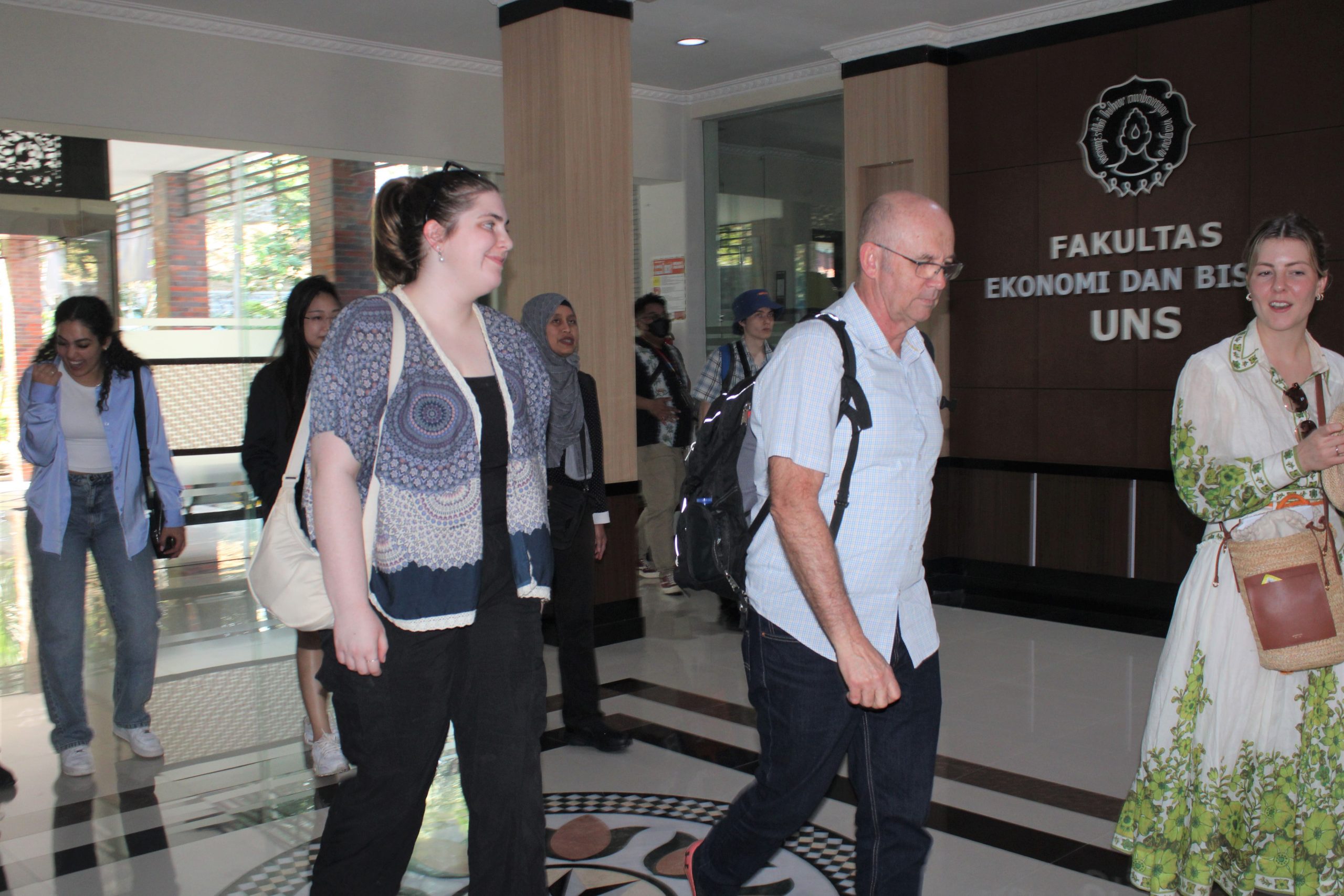
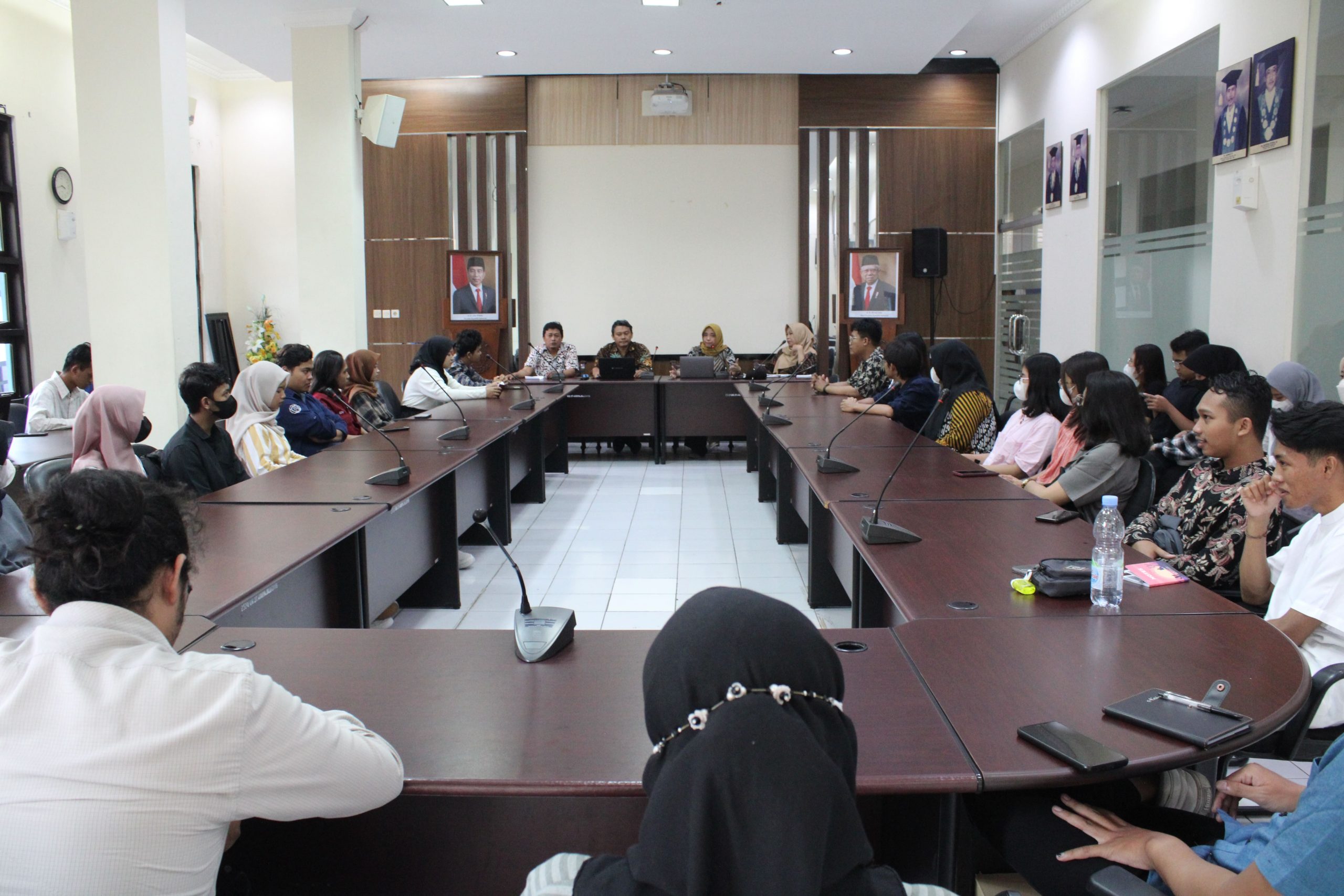
Faculty of Economics and Business (FEB), Universitas Sebelas Maret (UNS) strives to increase the number of inbound students to support UNS’s mission to become a reputable university at the international level.  To support this UNS mission, FEB hosted the Short Course Program ‘UNS International Summer Program’ in collaboration with the University of Canberra, Australia, through the New Colombo Plan Funding Scheme 2023 ‘Indonesian Economy’. The opening ceremony for this Summer Program was conducted on Friday (9/6/2023).
The International Summer Program will last for four days, starting from June 9 to June 13, 2023. Not only class lecture sessions, the short course program also includes various other academic activities such as industry visits, case study discussions, discussions with practitioners, and an introduction to Javanese culture.
In her opening speech representing the Dean of FEB UNS, Dr. Dwi Prasetyani, Plt. (Acting Officer) for the Vice Dean of Academic, Research, and Student Affairs FEB UNS, hopes that students from the University of Canberra can enjoy and get a pleasant experience while staying in Solo. “We are very grateful for the opportunity, the opportunity to welcome you here representing the Dean of FEB UNS. Welcome to Solo to the representatives of the University of Canberra, Mr. Simon Hoy and Mrs. Mira,” she said.
 Through her speech, Dr. Dwi Prasetyani also introduced some of the FEB UNS Deanery members and the lecturers who were attending the opening ceremony. She also hopes that the program can have a positive impact on both institutions.
Similar hopes were expressed by Mr. Simon Hoy, Associate Dean Partnerships and Engagement, Faculty of Business, Government & Law, University of Canberra Australia. “There will be many other activities within UNS and the University of Canberra cooperation program, such as student exchanges, lecturer exchanges, and joint research. Hopefully, through this program students can get international experience, as well as the opportunity to build international networks,” he said.
Not only that, Mr. Simon thanked the entire UNS team for welcoming the students from Australia. “Thank you for welcoming us so warmly and kindly. Thank you to the UNS Team for making this program went well,” he said.
Previously, UNS has established a partnership with the University of Canberra that has produced many activities apart from the Covid-19 Pandemic. Another representative from the University of Canberra, Dr. Riyana Miranti, who often attended various activities at FEB UNS, expressed her gratitude to UNS as a partner of the University of Canberra. She also revealed that in the New Colombo Plan Scheme, the University of Canberra needs support from partner universities.
 “Thanks to UNS for their support. We from the University of Canberra need support from partner universities starting from the application process. We also welcome UNS students to study in Canberra. Hopefully, UNS and the University of Canberra can build a sustainable collaboration.”
While in Solo, international students participating in the UNS International Summer Program will visit several business partners in Solo, including PT. Sritex, CV. Batik Laweyan, Rumah UMKM Manahan, and Sugarcane Museum. Students will also visit the Center of Excellence in Science and Technology (PUI) at UNS such as PUI Lithium Battery and PUI Javanologi.


 This shall be achieved in an “ASEAN way” in line with the principles of the ASEAN Charter. A peaceful solution, no interference, no confrontation, mutual respect, cooperation, dialogue, consensus, soft diplomacy,” he explained.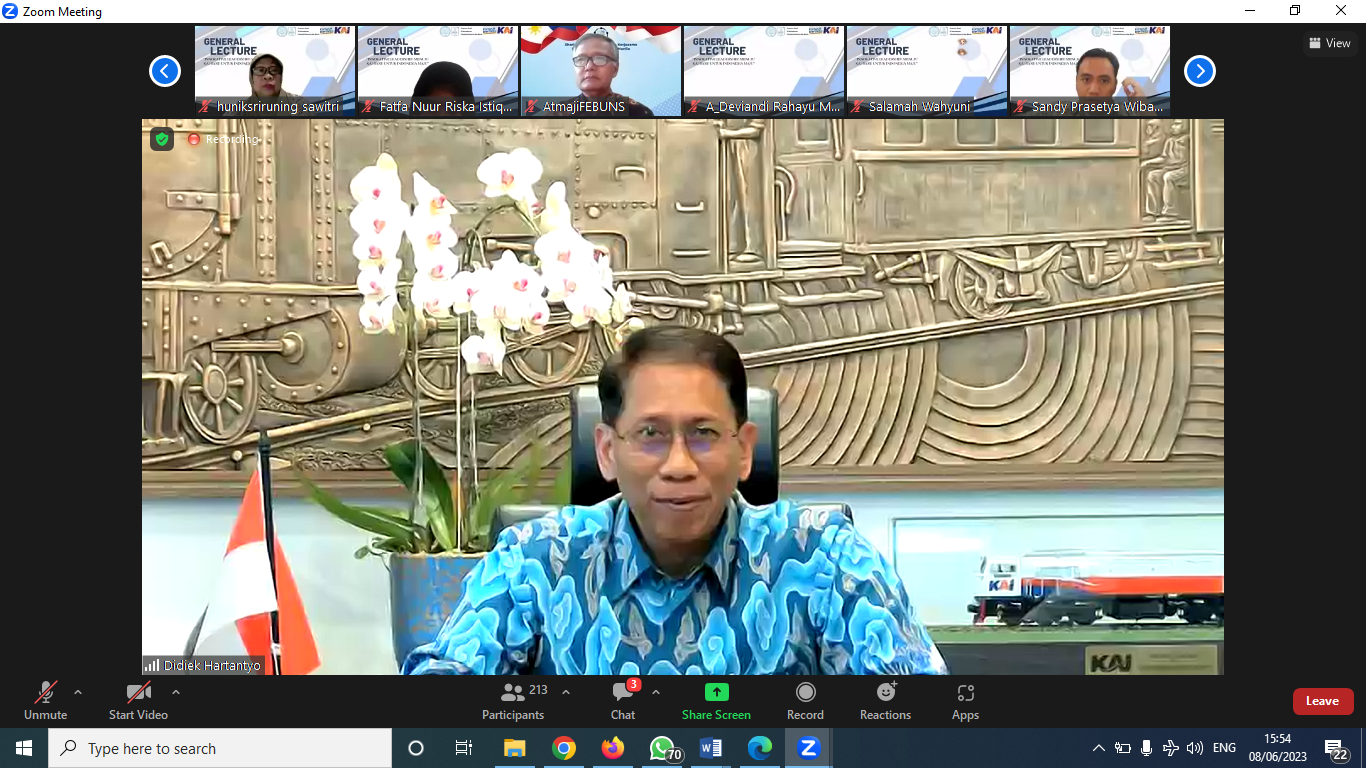
 In his material, Didiek quoted the statement of Deputy Minister of SOEs II, Kartika Wirjoatmodjo: “KAI became the executor for most difficult National Strategic Project in terms of risk and complexity level. Therefore, we need to master Functional Management Skills and Technical Sectoral Skills. However, within a transformation process, leadership skills are the key.”


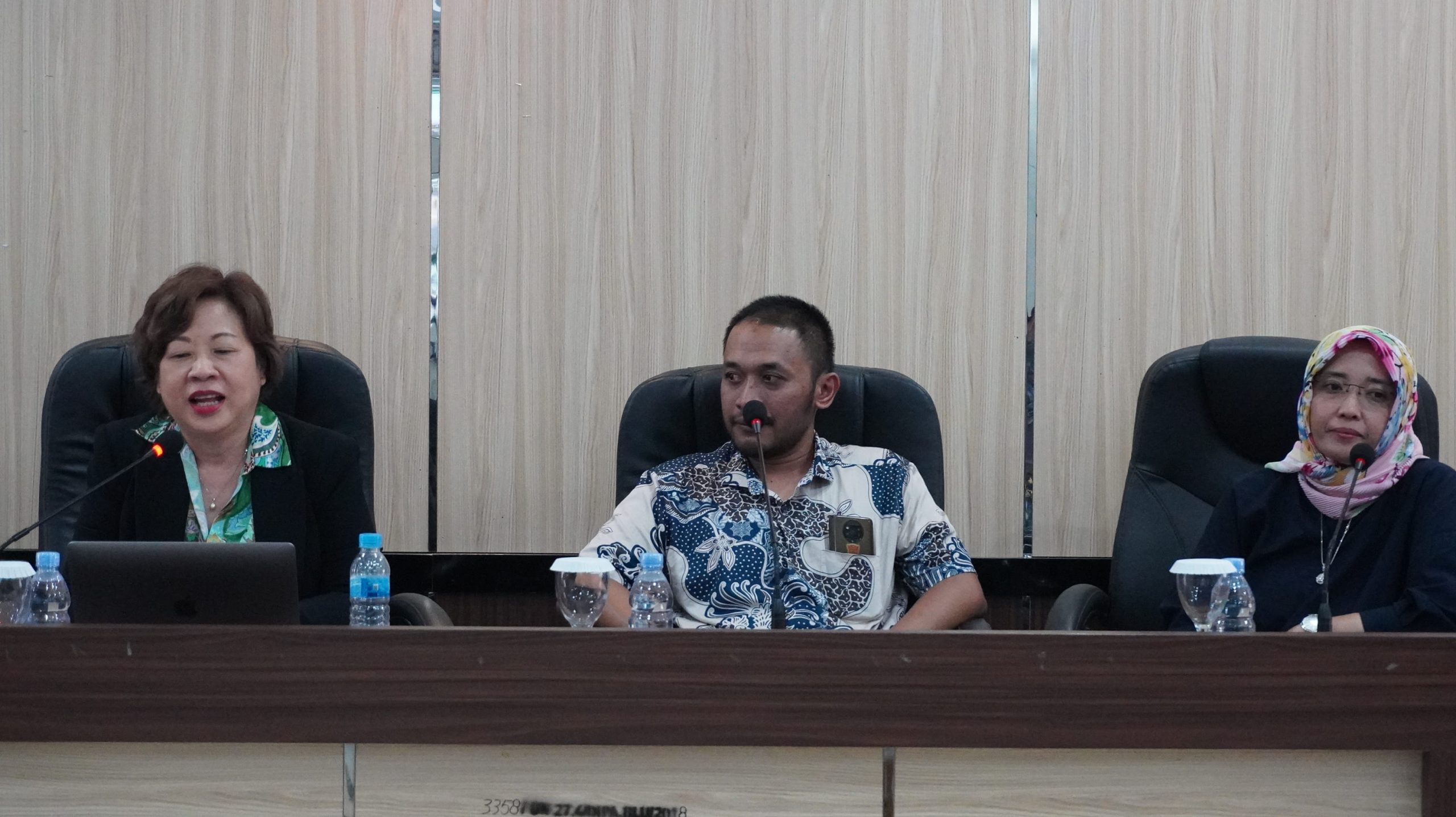


 Perubahan ini, menurut Prof. Caroline, tidak lepas dari pengaruh pademi Covid-19, dimana banyak pekerja kehilangan pekerjaan dan harus menemukan pekerjaan baru.
 Furthermore, she explained the growth of digital services, which developed during the Covid pandemic. Not only in the trade sector, teaching and learning activities have also been transformed, especially in the field of digital learning. Students inevitably have to learn new skills related to this digital development. “Today employers are no longer asking for academic degrees. They focus more on whether you can do the task given and whether you can do the task given. That’s why you need to learn a new skill set to support your future job,” she explained.