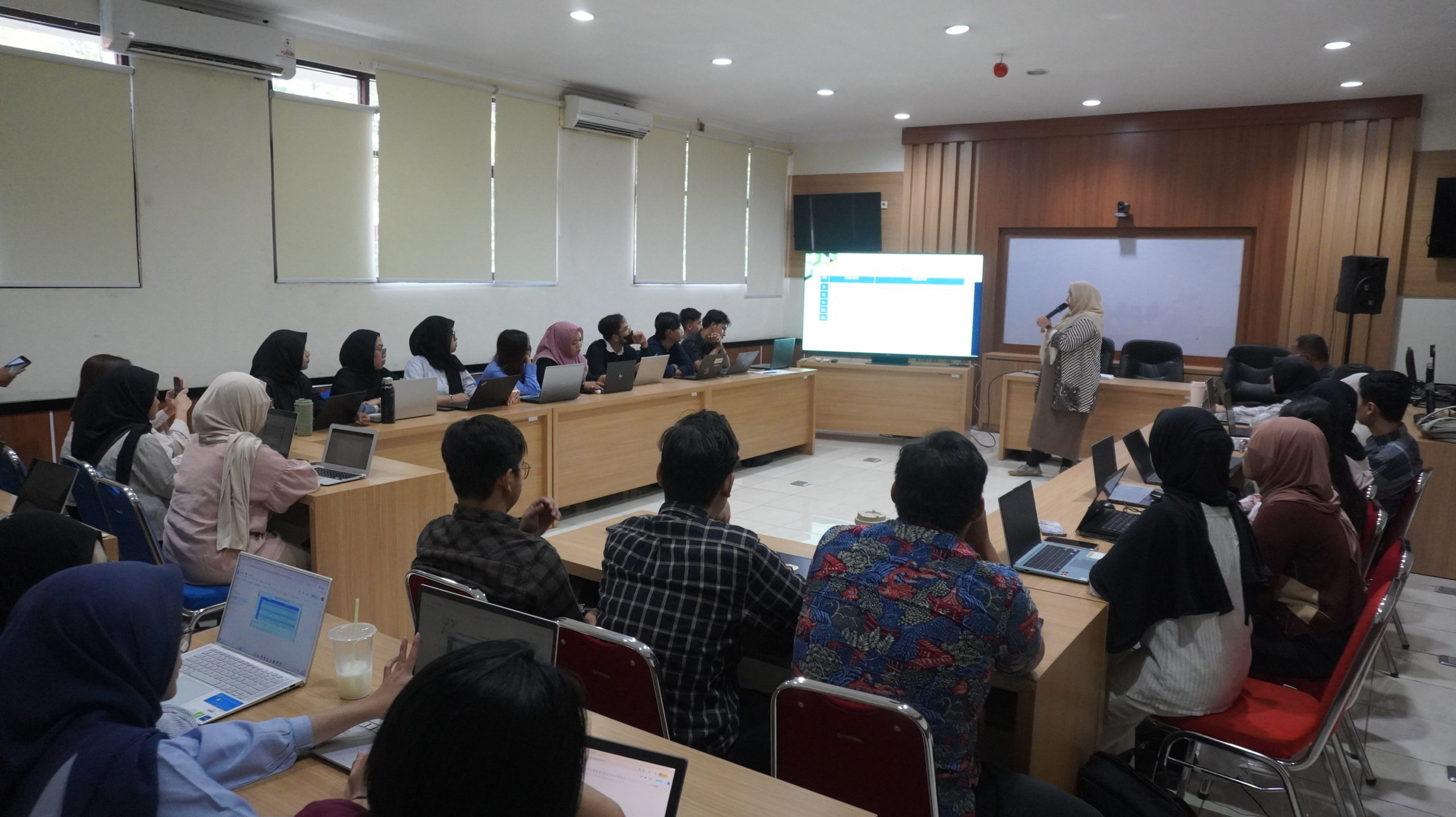
Faculty of Economics and Business (FEB), Universitas Sebelas Maret (UNS), organized the National Digital Marketing Training and Certification Program in collaboration with Data Academy as part of its efforts to strengthen students’ professional competencies before joining the workforce. The activity took place on 13–15 October 2025 at the Teleconference Room, Soedarah Soepono Building, FEB UNS, and was attended by 30 undergraduate students from the Management, Development Economics, and Digital Business Study Programs, from the 2022 cohort.
 The program began with two days of intensive training on 13–14 October, followed by a competency certification assessment by the National Professional Certification Agency (BNSP) on the third day, 15 October 2025.
Vice Dean for Student and Alumni Affairs, Dr. Tastaftiyan Risfandy, S.E., M.Sc., Ph.D., expressed that this initiative represents a strategic step to support FEB UNS’s vision of producing graduates who are not only academically excellent but also equipped with nationally recognized professional certifications. “We want FEB UNS students to have tangible qualifications that enable them to compete in the job market. Through this training, students not only gain theoretical knowledge but also earn BNSP certification that validates their skills in digital marketing,” he stated.
During the training, participants received in-depth sessions from professional digital marketing practitioners, focusing on digital marketing strategies, social media content management, SEO optimization, and digital marketing data analysis. The training was designed to help students understand both strategic and technical aspects of designing effective digital campaigns that align with industry needs.
Head of the Integrated Technology and Information Laboratory, Dr. Mulyadi, S.E., M.Si., explained that this training and certification program is part of the faculty’s policy to equip students with competency certificates as a supplement to their academic degrees (SKPI). “The faculty has set a policy that before graduation, FEB UNS students are expected to obtain competency certification. One of the facilitated schemes is Digital Marketing. Students not only receive training but also BNSP certificates that can be used when applying for jobs,” he said.
He added that the training was conducted intensively over two days using a hands-on training method to ensure students acquire practical skills that can be directly applied. On the third day, participants underwent a competency assessment conducted by BNSP assessors. “We hope all participants pass the assessment and receive the BNSP certificate. However, of course, the results depend on each student’s seriousness and preparation,” he added.
Dr. Mulyadi emphasized that this training was designed to provide equal opportunities for all students, not just those who already run businesses or have entrepreneurial experience. “In the first training, we required participants to have existing business ventures. This time, the approach is different—students in their seventh semester can all register to ensure equal access. This training serves as a learning space for those who are just starting and eager to explore the world of digital marketing,” he explained.
He also highlighted the importance of involving industry practitioners in the learning process. According to him, while many digital marketing learning resources are available for free online, direct mentoring by practitioners offers significant added value. “Many (people) now learn through YouTube or other online platforms. But learning directly from practitioners gives a different perspective, especially strategies and tips that are not always shared on free platforms. That is the added value of this program,” he emphasized.
As a follow-up, Dr. Mulyadi encouraged students to make the most of the knowledge and certification gained from this program to develop their potential in both the job market and entrepreneurship. “The ultimate goal of this program is not just obtaining a certificate, but how students can build their competencies further. We hope they continue honing their skills to become outstanding young professionals in the digital economy era,” he concluded.
This program reflects FEB UNS’s strong commitment to integrating academic education with professional competency development. It also contributes to the achievement of the Sustainable Development Goals (SDGs), particularly SDG 4 (Quality Education) and SDG 8 (Decent Work and Economic Growth), by enhancing students’ capacities to compete in the global labor market and contribute to the development of Indonesia’s digital economy.
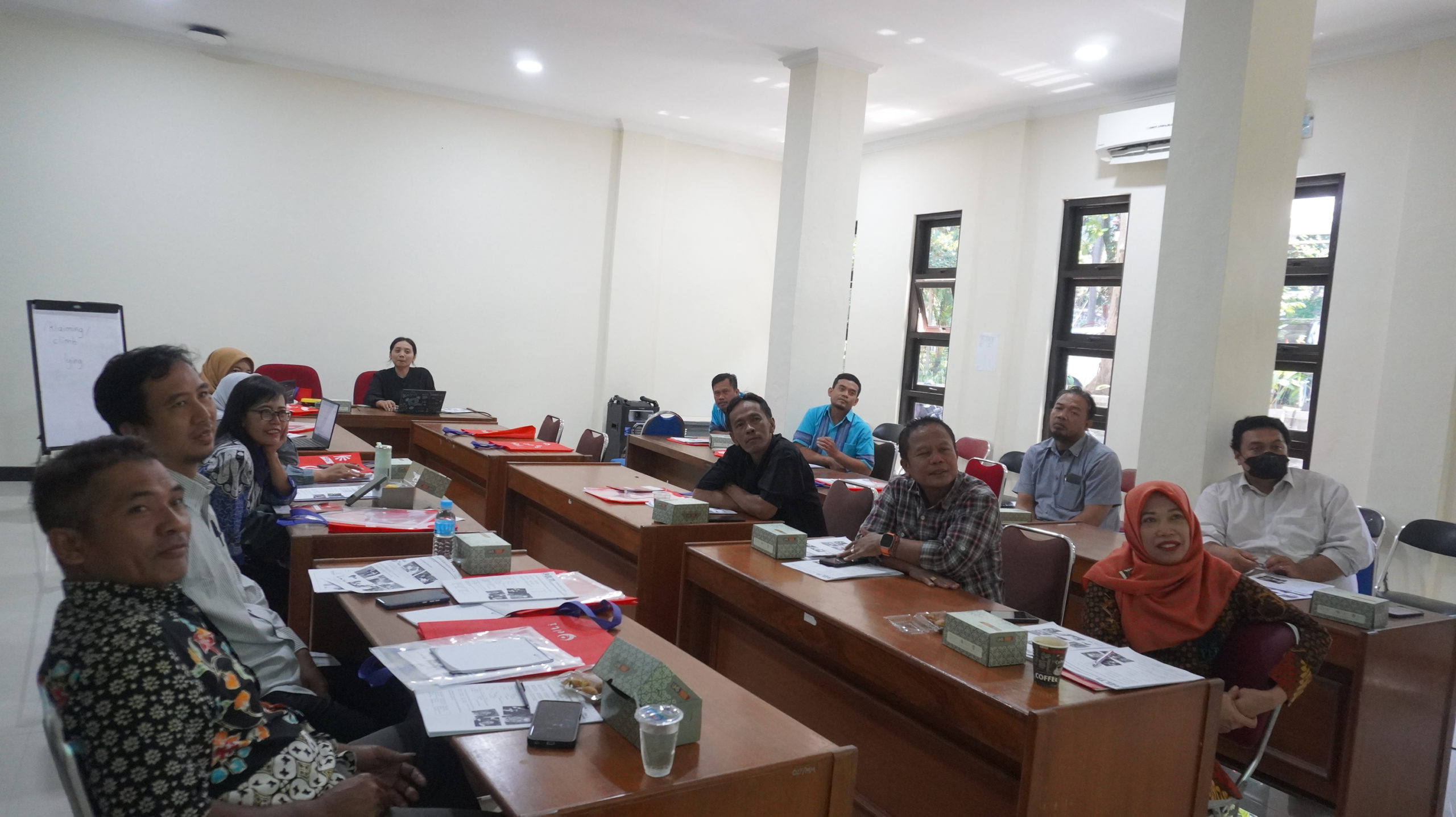
 The training took place over three days on 7, 9, and 14 October 2025 at Meeting Room 2, Soeharno TS Building, 1st Floor, FEB UNS. Academic Support Staff from various units across FEB UNS participated in two sessions of the workshop.

 He also encouraged staff to use technology to support their language learning process, such as translation applications and digital assistants. “Many tools are available now, from translators to AI tools. What matters most is the willingness to try and get used to it, because without practice, the skill will fade,” he added.
 He also shared plans to conduct regular training sessions for Academic Support Staff every quarter, covering various themes such as public speaking, work ethics, and public service improvement, as part of the faculty’s commitment to strengthening human resource capacity.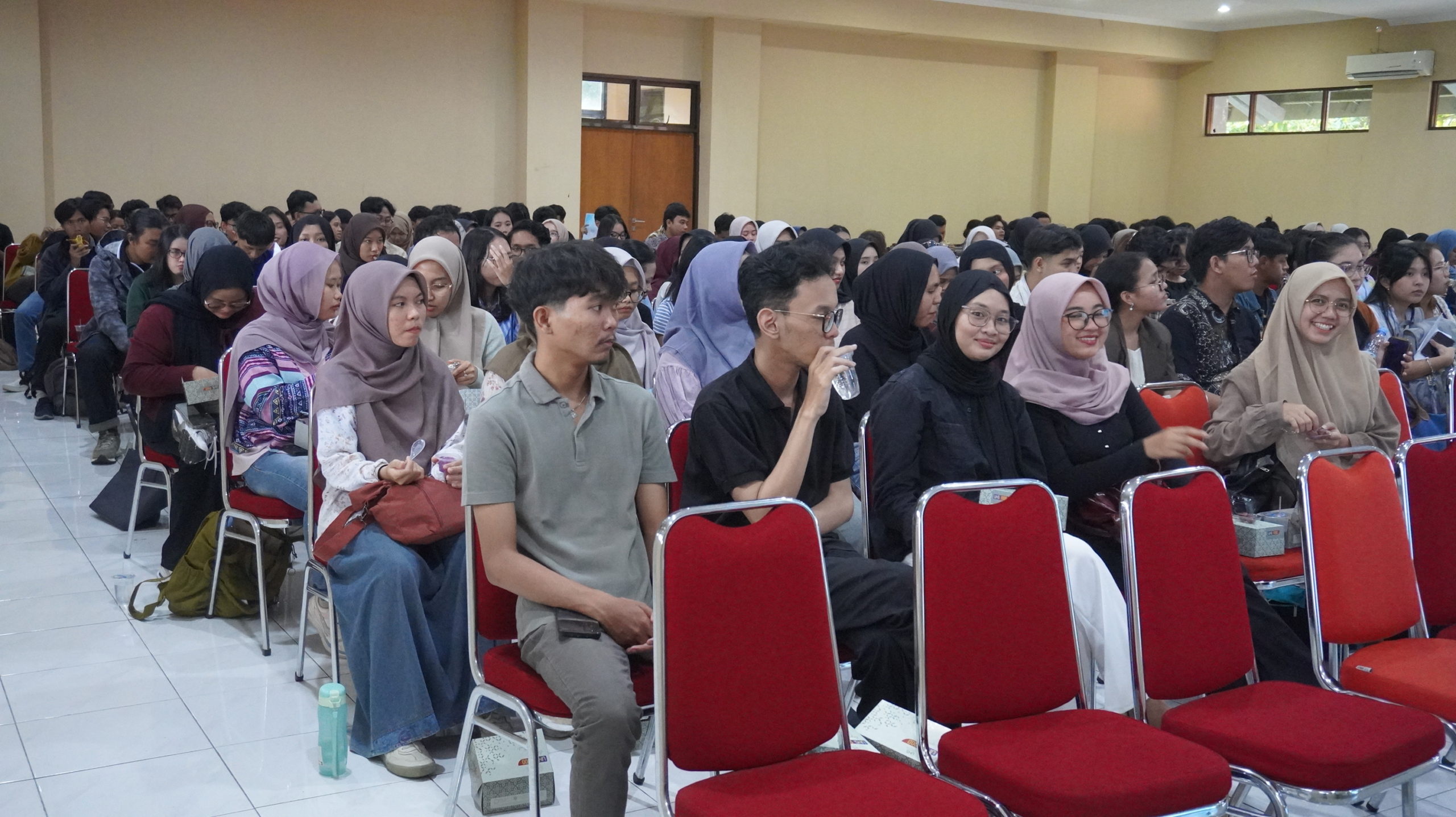
 Vice Dean for Student and Alumni Affairs FEB UNS, Tastaftiyan Risfandy, S.E., M.Sc., Ph.D., in his opening remarks, highlighted the importance of student readiness in facing an increasingly competitive job market. “You are now at the final stage of your campus life. It’s natural to feel both eager to graduate and anxious about entering the workforce. Securing a job is not easy; it takes time and preparation. Today, you will learn directly from practitioners about what companies truly expect from fresh graduates,” he stated.
 He further outlined Pertamina’s commitment to creating an inclusive work environment through the Respectful Workplace Policy, which ensures a workplace free from discrimination, violence, and harassment. Pertamina is the first state-owned enterprise to launch official guidelines on diversity, equity, and inclusion (DEI), with 20% female employees and 19.24% women in leadership positions as of Q1 2024.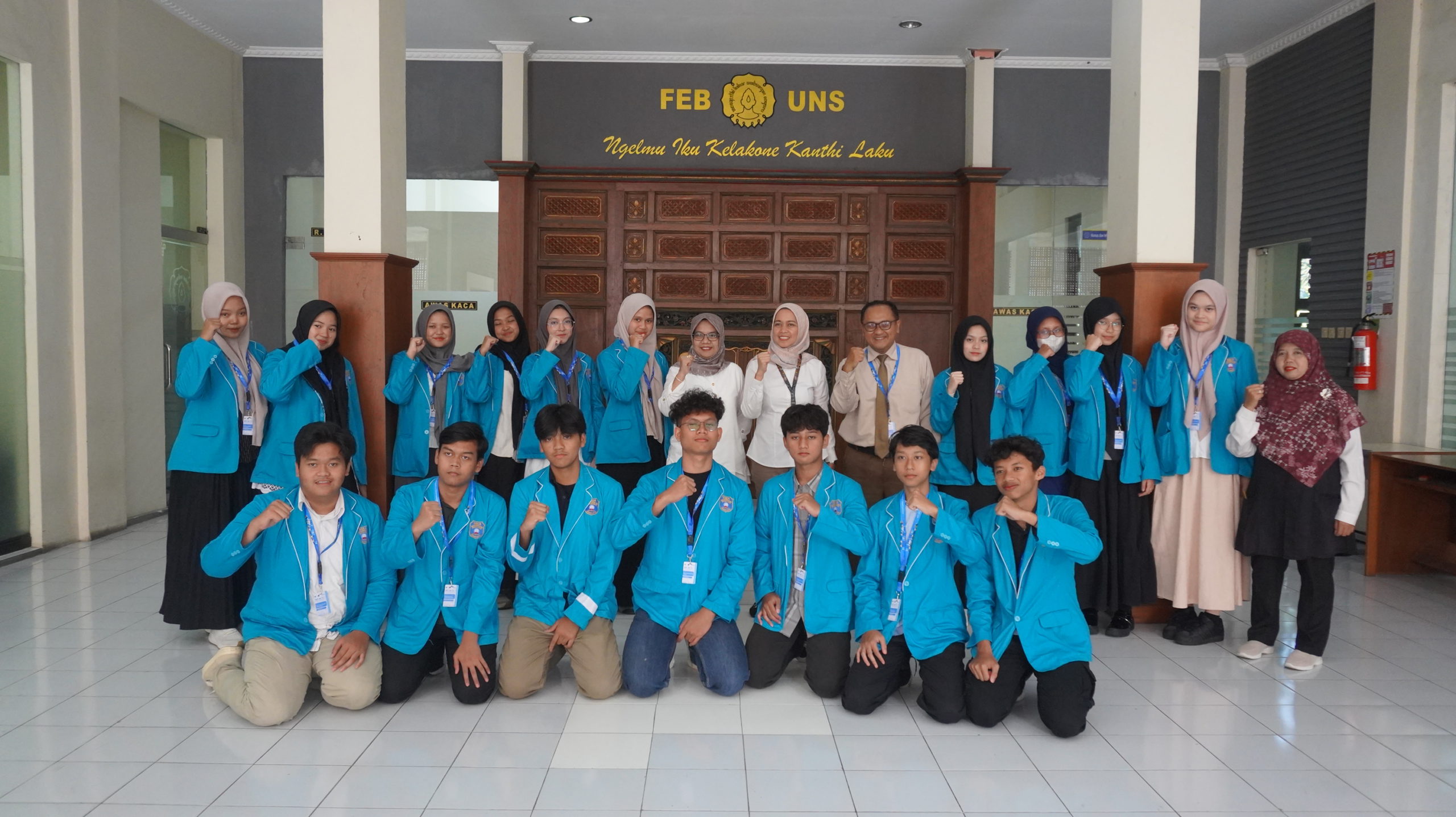
 The program started with a student handover ceremony, represented by the Principal of SMA Muhammadiyah PK Kottabarat, Hendro Susilo, S.Pd., and received by the Vice Dean for Academic and Research Affairs of FEB UNS, Prof. Dr. Tri Mulyaningsih, S.E., M.Si., Ph.D. In her remarks, Prof. Tri expressed appreciation for the trust placed in FEB UNS as a learning partner for the students. “We thank Mr. Hendro and the school leadership for entrusting FEB UNS to provide students with the opportunity to learn and experience academic life more closely,” said Prof. Tri.
 Prof. Tri then introduced various study programs offered at FEB UNS, including Management, Development Economics, Accounting, and Digital Business, which matched the students’ interests. She emphasized the importance of understanding the academic requirements of each program based on the Merdeka Curriculum applied in schools. She also explained several admission pathways to UNS, such as the National Selection Based on Achievement (SNBP), National Selection Based on Test (SNBT), and the Independent Selection pathway.
 She encouraged students to prepare early, both through academic achievements and by strengthening their test-taking skills. “Several study programs at FEB, such as Digital Business and Management, have highly competitive admission rates, so thorough preparation is essential,” she explained.
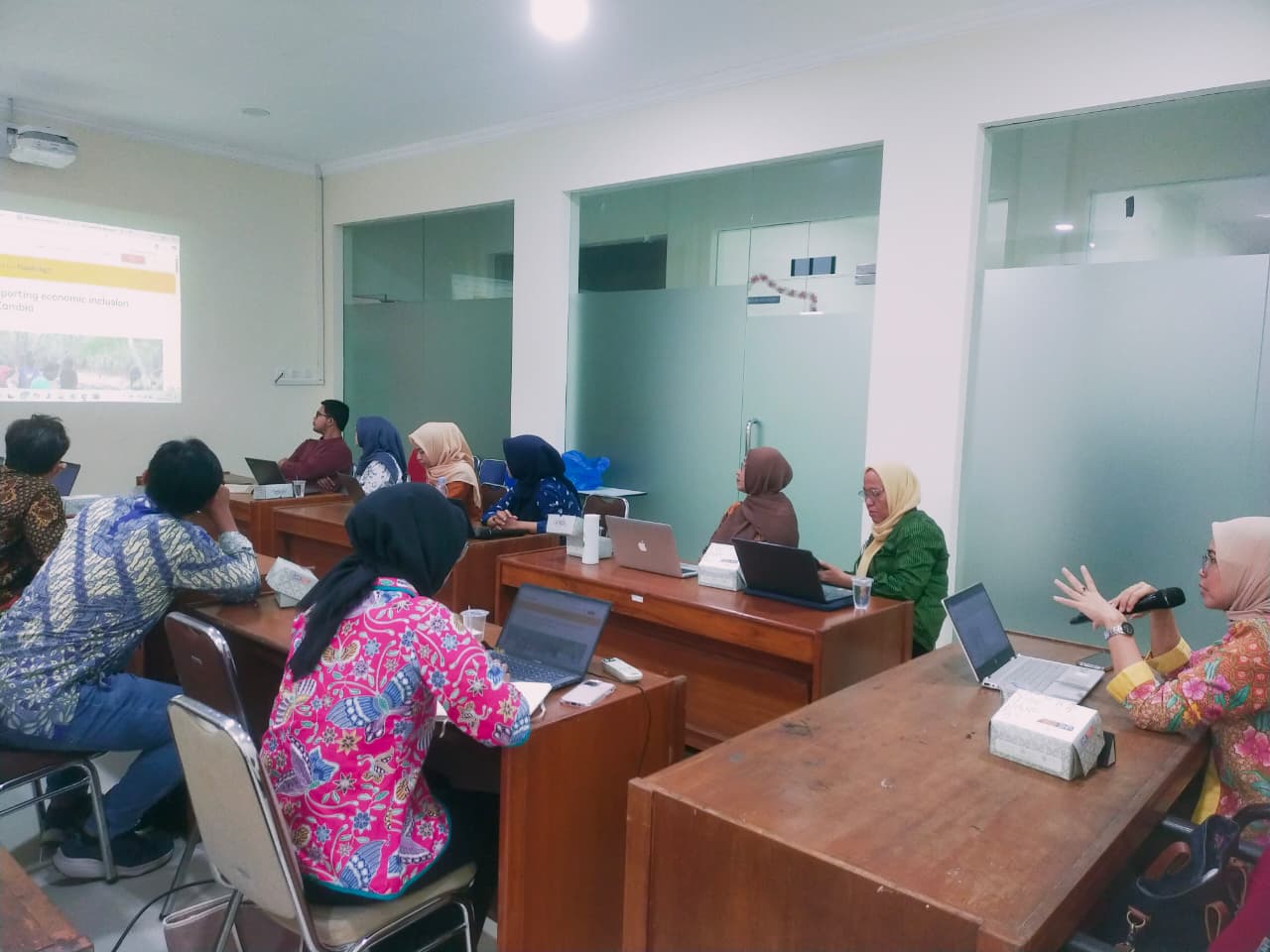


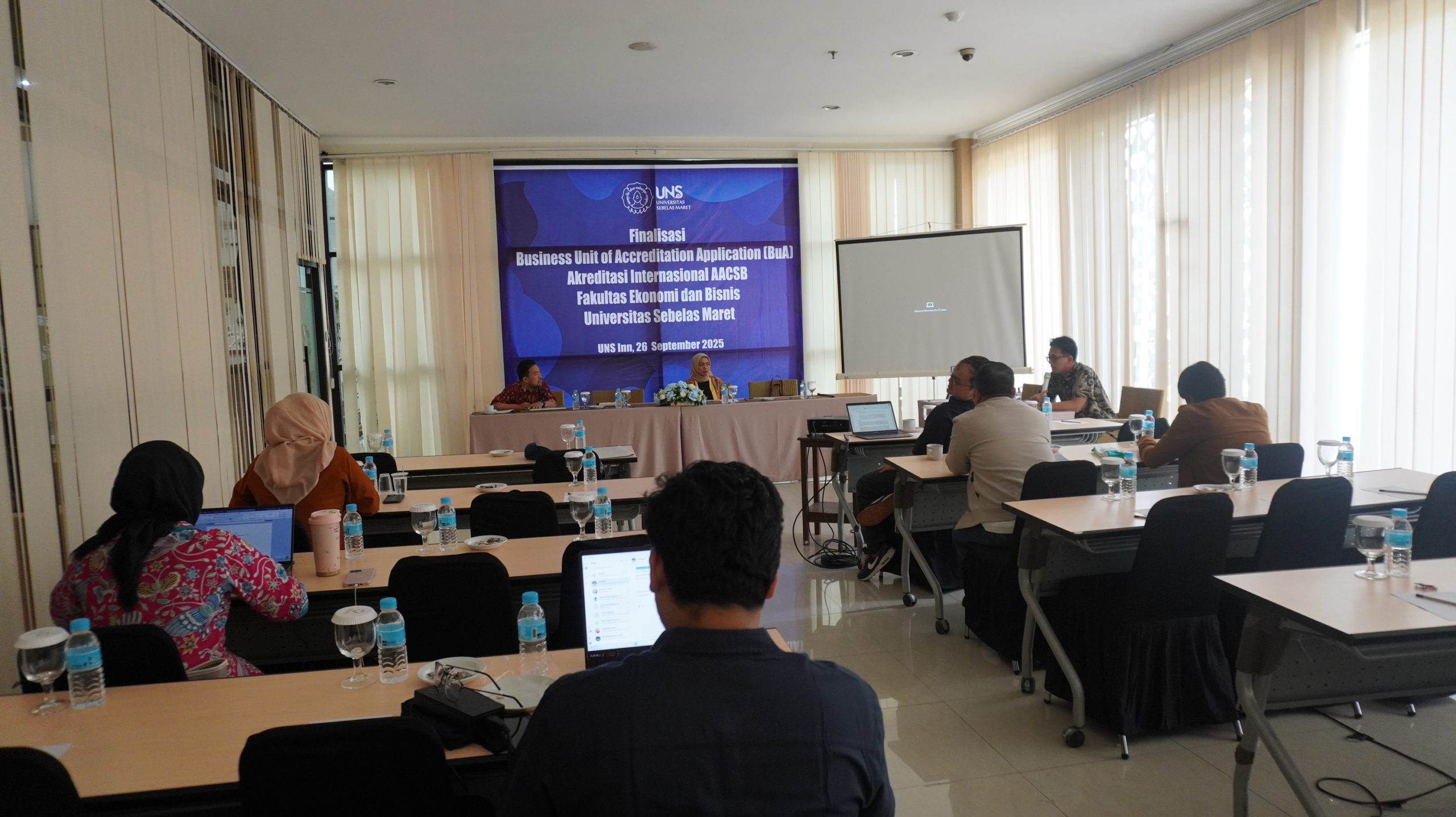
 The event was attended by the entire Dean Office team, including Prof. Bhimo Rizky Samudro, S.E., M.Si., Ph.D. (Dean of FEB UNS); Prof. Tri Mulyaningsih, S.E., M.Si., Ph.D. (Vice Dean for Academic and Research Affairs and Chair of AACSB); Tastaftiyan Risfandy, S.E., M.Sc., Ph.D. (Vice Dean for Student and Alumni Affairs); and Sutaryo, S.E., M.Si., Ph.D., Ak., CA., CRA., CRP., ACPA. (Vice Dean for Non-Academic Affairs). Also present was the AACSB taskforce team, which plays a key role in preparing the accreditation documents.
 The session continued with a presentation by Putra Pamungkas, S.E., M.Rech., Ph.D., who outlined the progress and refinement of the AACSB BuA documents.
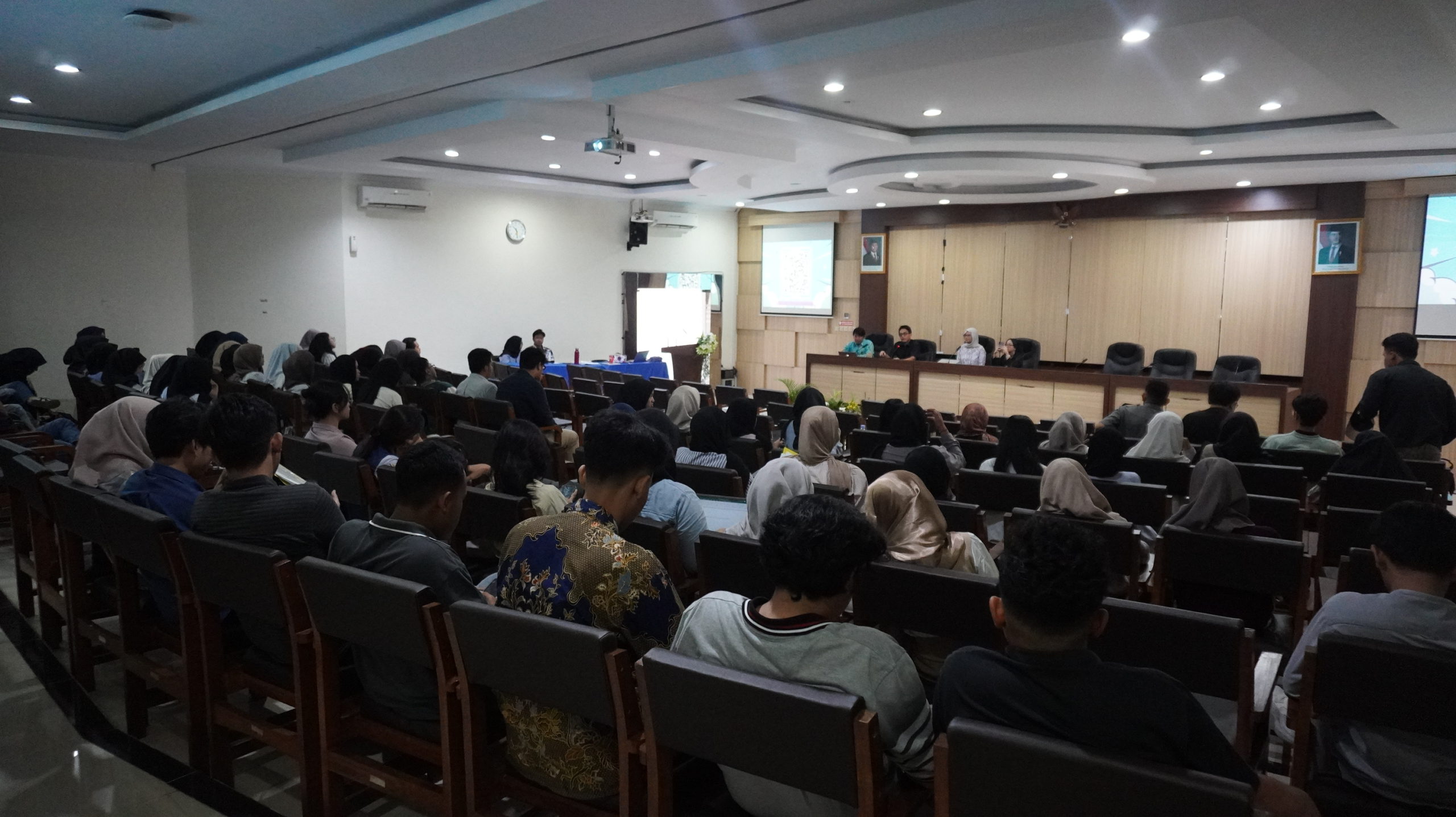
 Through this interactive seminar, participants gained a better understanding of strategies for building personal branding, digital financial management (digital cash stuffing), and information on the upcoming bluChamp Business Case Competition, a student-level business case analysis competition. Two inspiring speakers were featured in this session: Cintya Auricasita (Growth and Acquisition, BCA Digital) and Kintan Himawati (Senior Business Analyst, MarkPlus Institute). They shared practical experiences in digital business and career development, providing students with real insights to prepare for the professional world.
 In his remarks, Tastaftiyan Risfandy, S.E., M.Sc., Ph.D., Vice Dean for Student and Alumni Affairs of FEB UNS, emphasized the importance of such activities in supporting students’ self-actualization. “Activities like this are essential for students because they are currently in the stage of self-actualization. Students need to explore and maximize their potential. I often say, don’t just be ‘butterfly’ students — attending class and going home right after. However, don’t go to the other extreme either. As a faculty, we ensure students remain on the right and safe path,” he stated.
 Participants of bluChamp received e-certificates, valuable insights for future graduates, and special opportunities to join the bluChamp Business Case Competition at both regional and national levels. This event serves as a platform for FEB UNS students to prepare themselves as young professionals who excel in personal branding and financial management.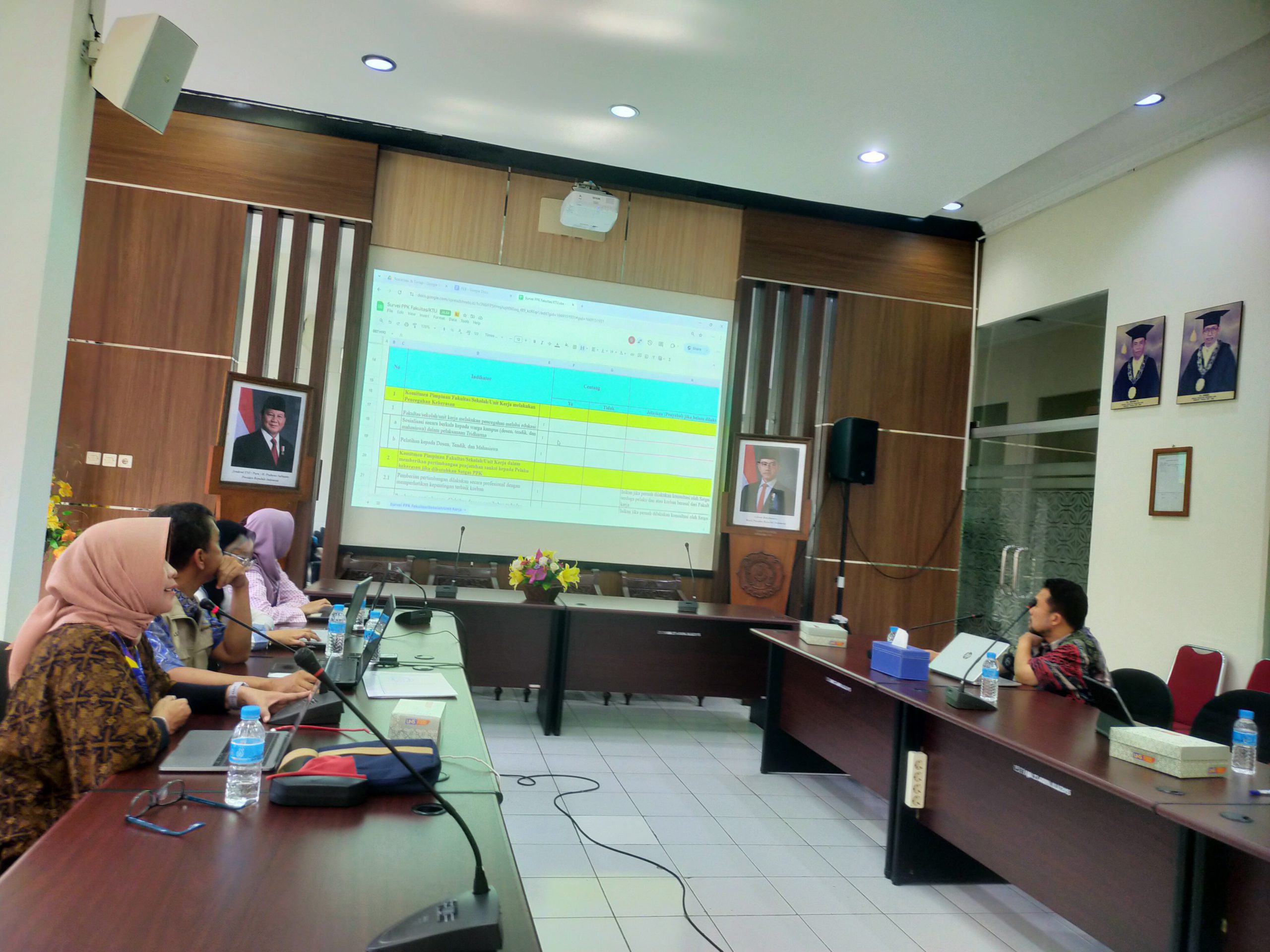


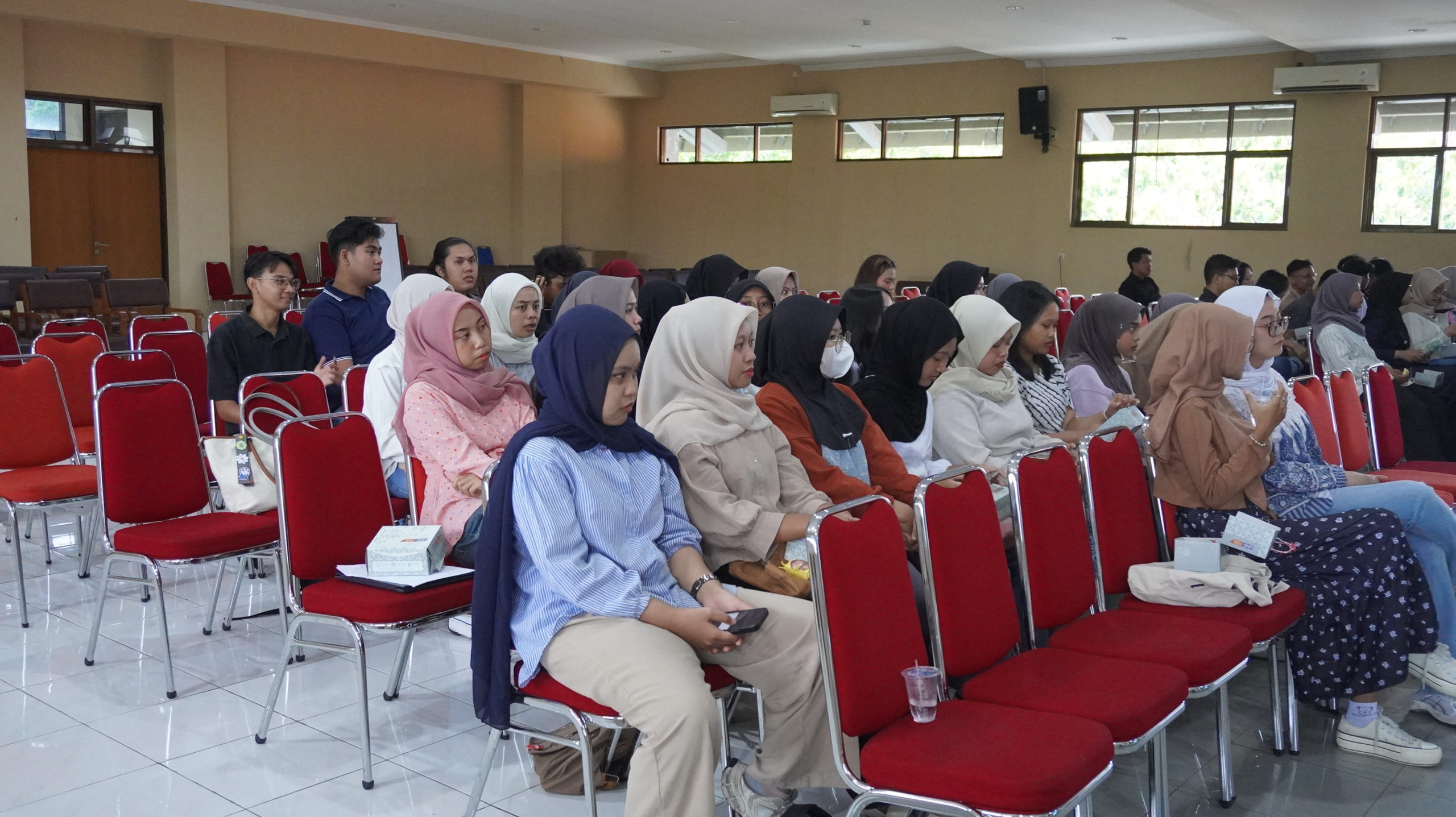

 “Development projects in Indonesia are currently directed toward empowering villages to create job opportunities and improve community welfare. Therefore, students need to develop skills related to village development so that they can contribute meaningfully after graduation,” she stated.
 In his presentation, Dr. Dwi Rudi Hartoyo outlined the direction of rural area development policies under the 2025–2029 National Medium-Term Development Plan (RPJMN). Future village development will emphasize economic, social, and ecological transformation based on local potential. The main strategies include providing basic services and infrastructure, strengthening human resource capacity and digital governance, transforming local economies through agriculture, tourism, and village-owned enterprises (BUMDes), and developing thematic areas that strengthen village–city linkages.
 Dr. Dwi Rudi further emphasized the significance of inter-village collaboration to increase efficiency, expand market access, and create new economic growth centers at the regency level. Through these efforts, village development can drive national economic growth while maintaining social and ecological resilience.

 Prof. Tri added that the RPL program at FEB UNS, particularly in the Master of Accounting and Master of Economics and Development Studies (MESP) programs, is designed to optimize new student admissions. “Since 2024, there has been a decline in student numbers. Therefore, the faculty needs to open new opportunities to make the programs more effective. Hopefully, RPL combined with the fast-track program will attract more students and offer flexibility that meets the needs of the professional world,” she stated.
 Meanwhile, Lulus Kurniasih, Ph.D., explained that the RPL curriculum is structured to support students with relevant work experience so they can complete their studies more efficiently. “Out of the total 56 credits required to earn a Master of Accounting degree, a maximum of 21 credits can be recognized through RPL. Consequently, students only need to complete 35 credits, consisting of 9 credits of core courses and 26 credits of thesis,” she explained.
 The RPL assessment process involves portfolio evaluation by an assessment team, additional assessments such as interviews or examinations if needed, and final decisions by the RPL Committee. Learning will be conducted in a hybrid format, both offline and online, with flexible scheduling outside regular working hours.
 On this occasion, Dr. Budi Legowo provided guidance on the RPL mechanism to ensure that the curriculum design and assessment procedures align with UNS academic quality standards. His input serves as an important contribution to the preparation of the RPL draft at both the faculty and program levels. Through this drafting process, FEB UNS reaffirms its commitment to introducing academic innovations that respond to the evolving professional landscape while expanding access to higher education.