FEB

Kategori: faculty

  • FEB UNS Lecturers Disseminate Findings on FinTech User Behavior in Central Java and Monetary Policy Responses

    FEB UNS Lecturers Disseminate Findings on FinTech User Behavior in Central Java and Monetary Policy Responses

    The development of financial technology (FinTech) has expanded not only public access to lending services but also facilitated financial transactions, both in cash and installment-based. In line with this growth, the Financial Services Authority (OJK) has issued several regulations, from POJK No. 13/2018 on Digital Financial Innovation to POJK No. 40/2024 on Information Technology-Based Co-Funding Services, to enhance oversight of FinTech operations.

    FinTech business growth in Indonesia continues to move in a positive direction, although the sector remains relatively small compared to the banking industry. This development encourages academics to study FinTech user behavior and disseminate the findings to students as part of academic learning.

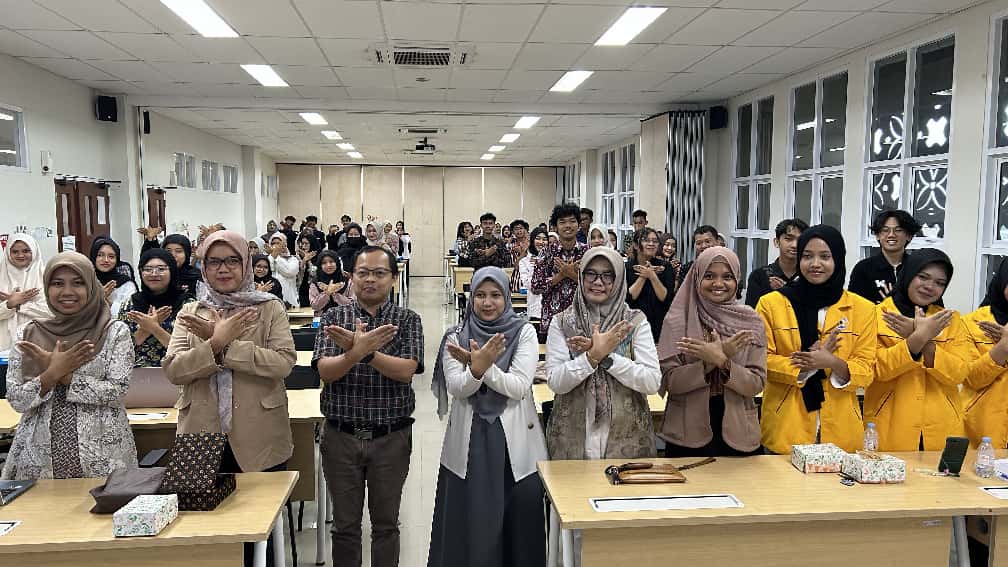
    As part of this dissemination effort, lecturers from the Development Economics Study Program, Faculty of Economics and Business (FEB), Universitas Sebelas Maret (UNS) deliver a public lecture entitled “FinTech User Behavior in Central Java and Monetary Policy Responses” on Saturday, 1 November 2025 at the Faculty of Engineering, Universitas Tidar (UNTIDAR). The event is attended by approximately 80 participants consisting of lecturers and students.

    The Head of the Development Economics Study Program, FEB UNTIDAR, Dr. Emma Dwi Ratnasari, S.E., M.Si., conveys appreciation for the inter-university collaboration that supports the implementation of the Tri Dharma of Higher Education. “Public lectures such as this serve as an important platform for sharing research findings and enhancing students’ perspectives through direct engagement with researchers,” she said in her remarks.
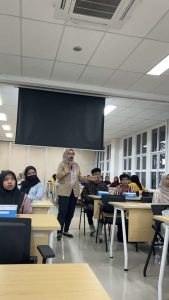
    Ika Alicia Sasanti, S.E., M.E., a lecturer of Development Economics at FEB UNS, in her presentation highlights the importance of accurate FinTech literacy for students in the digital era. She emphasizes that FinTech platforms currently operating are regulated by OJK and may serve as relevant topics for academic inquiry. “Students need to understand both the opportunities and risks of FinTech to make productive use of it. A repayment compliance rate exceeding 90 percent shows that the community is becoming more responsible in meeting its financial obligations,” she explained.

    She further emphasizes the need for sound business governance and data security to support healthy digital financial inclusion, and she points out the importance of monetary policy that adapts to future developments in the FinTech landscape.
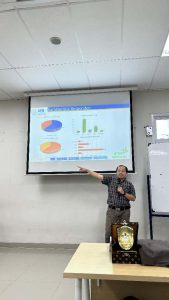
    Dr. Malik Cahyadin, FEB UNS LecturerFollowing this, Malik Cahyadin, S.E., M.Si., Ph.D., a lecturer of Development Economics at FEB UNS, presents findings from his research on FinTech user behavior in the Province of Central Java, funded by the UNS Institute for Research and Community Engagement (LPPM) in 2025. The study is conducted from July to early August 2025 with 585 respondents consisting of formal workers and micro-entrepreneurs.
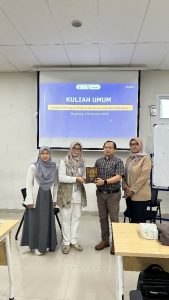
    Survey results show that 61.03 percent of respondents are female, 56.41 percent are senior high school graduates, and the majority are aged 17–25 years. Malik explains that financial technology adoption, installment repayment ability, and trust level influence FinTech transaction intensity positively. In contrast, age and gender influence transaction levels negatively. “Beyond literacy, OJK and FinTech service providers must ensure that digital financial services operate in a trustworthy and secure manner. Bank Indonesia should also consider the implications of FinTech for money supply and inflation,” he noted.

    This public lecture strengthens academic collaboration between higher education institutions and serves as a platform for integrating research outputs into student learning on digital economics. The dissemination of this research also contributes to the advancement of the Sustainable Development Goals (SDGs), particularly SDG 4 (Quality Education) and SDG 8 (Decent Work and Economic Growth), by promoting financial literacy, digital inclusion, and improved financial governance.
  • FEB UNS Collaboration with the Central Java BPKP to Strengthen Regional-Owned Enterprise Governance

    FEB UNS Collaboration with the Central Java BPKP to Strengthen Regional-Owned Enterprise Governance

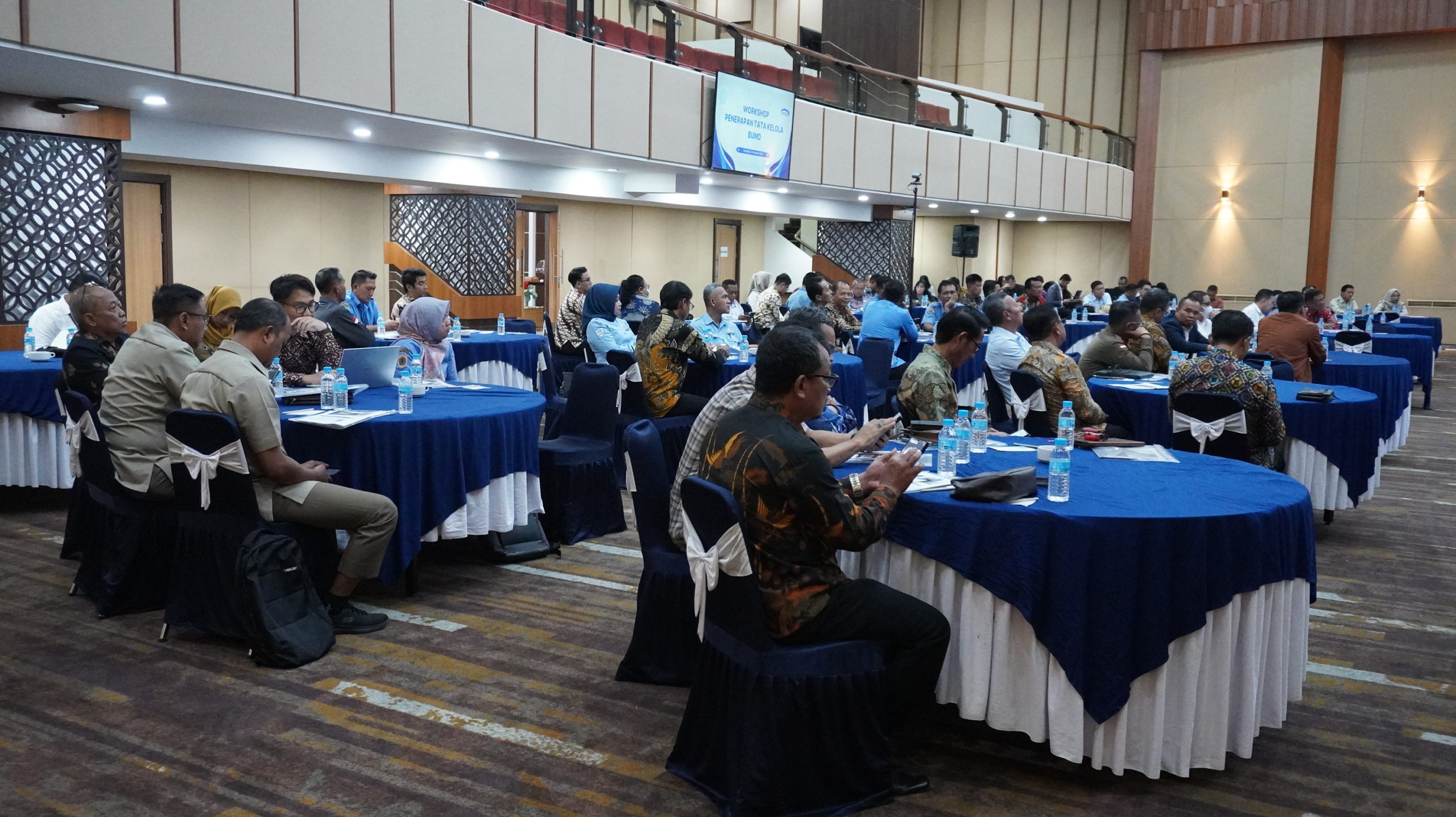
    Faculty of Economics and Business (FEB), Universitas Sebelas Maret (UNS), in collaboration with the Central Java Provincial Office of Financial and Development Supervisory Board (BPKP), organizes a Workshop on the Implementation of Governance for Regional-Owned Enterprises (BUMD) at UNS Tower. Organized on Monday, 3 November 2025, the workshop brings together Directors and Supervisory Board members from 32 Regional-Owned Enterprises across Central Java, including regional drinking water companies and province-level enterprises. The workshop aims to reinforce the implementation of Good Corporate Governance (GCG) principles in BUMD management and to support enhanced accountability and professionalism in regional enterprise operations.Dean of FEB UNS

    The Dean of FEB UNS, Prof. Bhimo Rizky Samudro, S.E., M.Si., Ph.D., states that the program forms part of a long-term collaboration between FEB UNS and BPKP established over recent years. The collaboration includes training programs, joint research, and the development of partnership-based classes involving lecturers and practitioners. “This collaboration brings significant benefit not only to BPKP but also to FEB UNS. This workshop is a concrete step in strengthening synergy between the academic environment and supervisory institutions to support more effective and precise BUMD governance,” Prof. Bhimo explains.

    He also expresses hope that the outcomes of the workshop will contribute meaningfully to improving BUMD governance in Central Java, ultimately supporting regional development.

    The Head of the Central Java BPKP Provincial Office, Buyung Wiromo Samudro, S.E., MBA., explains that the workshop is part of the 2025 evaluation study on the effectiveness of Good Corporate Governance implementation in BUMD. He affirms that GCG is essential for every BUMD in conducting its business operations. The principle is also mandated in Government Regulation No. 54 of 2017 on BUMD, serving as a foundation for building professional, transparent, and integrity-based governance.

    “Ensuring effective implementation of GCG requires commitment from regional leaders so that the principles of good governance are internalized across all corporate organs, from the supervisory board and directors to staff members,” Buyung states.

    Buyung further notes that BPKP has carried out GCG assessments in three BUMD in Central Java—Surakarta, Demak, and Sragen. The assessments aim to ensure that corporate governance principles are implemented in accordance with regulations and support public value creation. He also shares that BPKP’s attention to corporate governance began in the late 1990s, when the institution formed a special GCG task force to strengthen governance in state-owned enterprises before expanding its focus to regional-owned enterprises, which have their own distinct characteristics and challenges. “BUMD plays a strategic function not only as business entities but also as agents of regional development. Therefore, synergy with academic institutions such as UNS is important to develop governance methodologies and evaluations that suit regional needs,” he explains.

    On this occasion, the Vice-Rector for Planning, Collaboration, Internationalization, and Information UNS, Prof. Irwan Trinugroho, S.E., M.Sc., Ph.D., QCRO., expresses appreciation to BPKP for its trust in UNS. He emphasizes that UNS places strong emphasis on strengthening governance and integrity within public institutions through research, education, and community engagement. Prof. Irwan states, “This collaboration has been long-standing, involving joint research, outreach programs, and BPKP staff development at UNS. This workshop represents a concrete form of synergy between academics and practitioners in strengthening governance for public institutions and regional corporations.”

    He further highlights that improved governance will align positively with the performance and contribution of BUMD to regional development. “When BUMD has good governance, their performance improves, public services are enhanced, and eventually they contribute positively to regional revenue and community welfare,” he adds.

    The workshop, presented by resource persons from BPKP and FEB UNS, concludes with a Focus Group Discussion (FGD) session on strategies for achieving effective governance implementation in BUMD. Through this forum, participants are expected to obtain practical perspectives and actionable strategies for strengthening GCG in their respective regions.

    This collaboration not only contributes to improved BUMD governance but also supports the advancement of the Sustainable Development Goals (SDGs), particularly Goal 16:Peace, Justice and Strong Institutions and Goal 8: Decent Work and Economic Growth, through strengthened institutional capacity and equitable, sustainable economic governance at the regional level.


  • FEB UNS Launches Academic Handbook for Undergraduate, Master’s, and Doctoral Programs

    FEB UNS Launches Academic Handbook for Undergraduate, Master’s, and Doctoral Programs

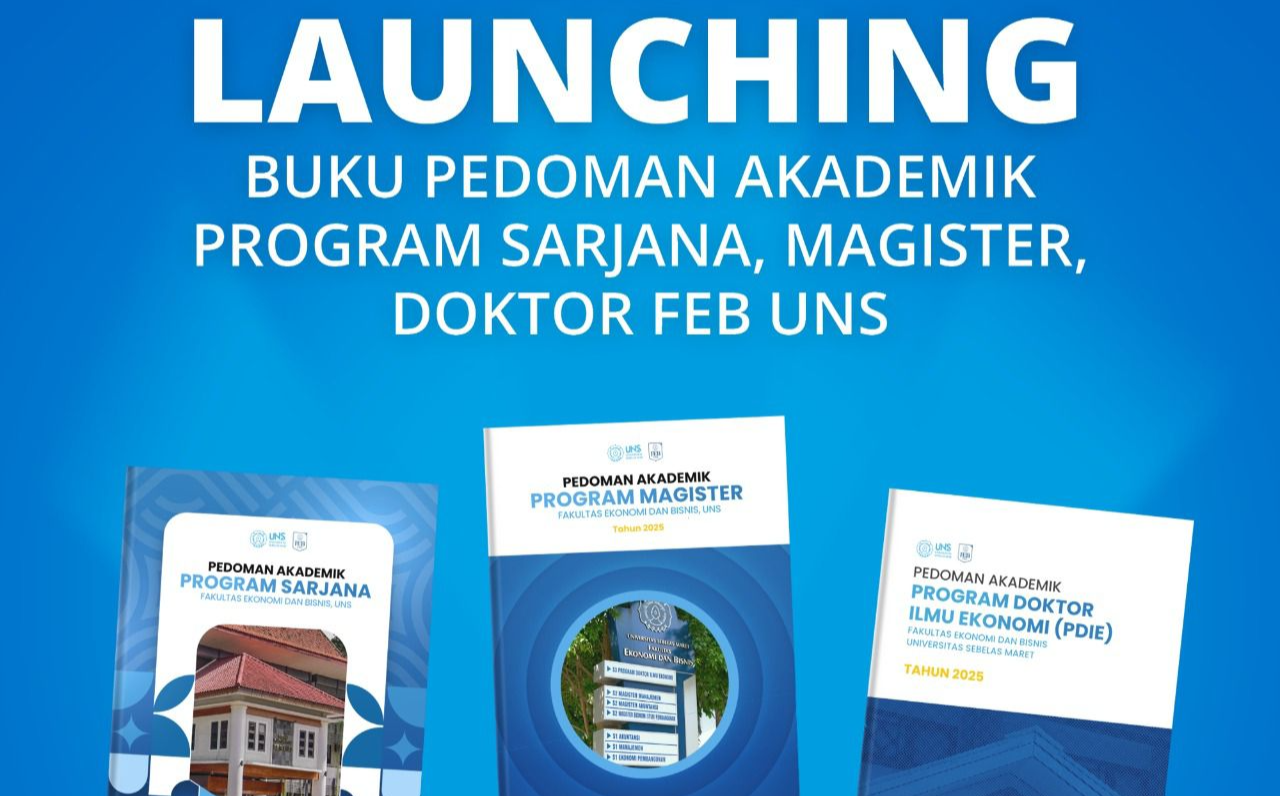
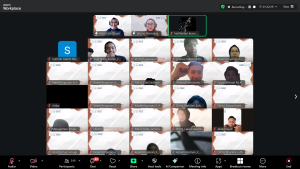
    Faculty of Economics and Business (FEB), Universitas Sebelas Maret (UNS) officially launched “Academic Handbook for Undergraduate, Master’s, and Doctoral Programs” on Friday, 3 October 2025. The event was conducted virtually and attended by all undergraduate, master’s, and doctoral students, as well as faculty members of FEB UNS.

    In her remarks, Vice Dean for Academic and Research Affairs, Prof. Tri Mulyaningsih, S.E., M.Si., Ph.D., emphasized the significance of the session for students. The academic handbook serves as a primary reference to help students navigate their academic journey in a more structured and focused manner.

    “There are two main objectives of this activity: improving the quality of graduates and enhancing the quality of curriculum and learning experiences. The academic and curricular information presented in this handbook will help students to graduate on time, acquire knowledge and skills relevant to the job market, and ensure a meaningful and enjoyable learning experience at FEB UNS,” she explained.
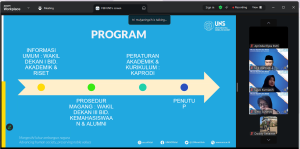
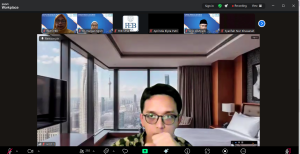
    Prof. Tri further added that the handbook also provides a comprehensive understanding of academic regulations, including lecture procedures, scientific writing guidelines, and the stages of final project completion. With this information, students are expected to design more effective learning strategies, enabling them not only to graduate but also to gain competencies that are relevant to professional settings.

    The handbook covers various essential aspects, including the vision and mission of UNS and FEB, organizational governance, academic regulations, curriculum, and supporting facilities. It is divided into three categories the Undergraduate Programs: Accounting, Management, Development Economics, and Digital Business. Master’s Programs covering the Master of Accounting (MAKSI), Master of Economics and Development Studies (MESP), and Master of Management (MM), and lastly the Doctoral Program in Economics (PDIE) with specializations in Accounting, Management, and Economics.

    In addition to the launching session, the event also addressed the latest regulations regarding student internships. Vice Dean for Student and Alumni Affairs, Tastaftiyan Risfandy, S.E., M.Sc., Ph.D., explained that internships at FEB UNS are divided into two categories: compulsory internships and independent internships. The compulsory internship is part of the curriculum, worth 3 credits, and requires submission of a final report. Meanwhile, the independent internship is initiated by students, carries no credit load, and does not require reporting. Detailed information on internship programs is included in the Academic Handbook.

    As a parallel session of the event, students participated in breakout room sessions led by each Head of Study Program. During these sessions, students received more in-depth explanations about the curriculum, academic regulations, and learning strategies specific to their programs. The interactive sessions provided opportunities for students to ask questions directly and obtain information tailored to their academic needs.

    Through the launch of this Academic Handbook, FEB UNS hopes that all students can follow a clearer academic path, understand their rights and responsibilities, and make full use of the available learning facilities. This initiative also reaffirms FEB UNS’s commitment to supporting the achievement of the Sustainable Development Goals (SDGs), particularly Goal 4 (Quality Education) through strengthened learning systems, Goal 8 (Decent Work and Economic Growth) through internship regulations, and Goal 9 (Industry, Innovation, and Infrastructure) through the provision of modern learning facilities.
  • General Lecture on Public Accounting Discusses Contemporary Issues and Mixed Methods Approach in Research

    General Lecture on Public Accounting Discusses Contemporary Issues and Mixed Methods Approach in Research

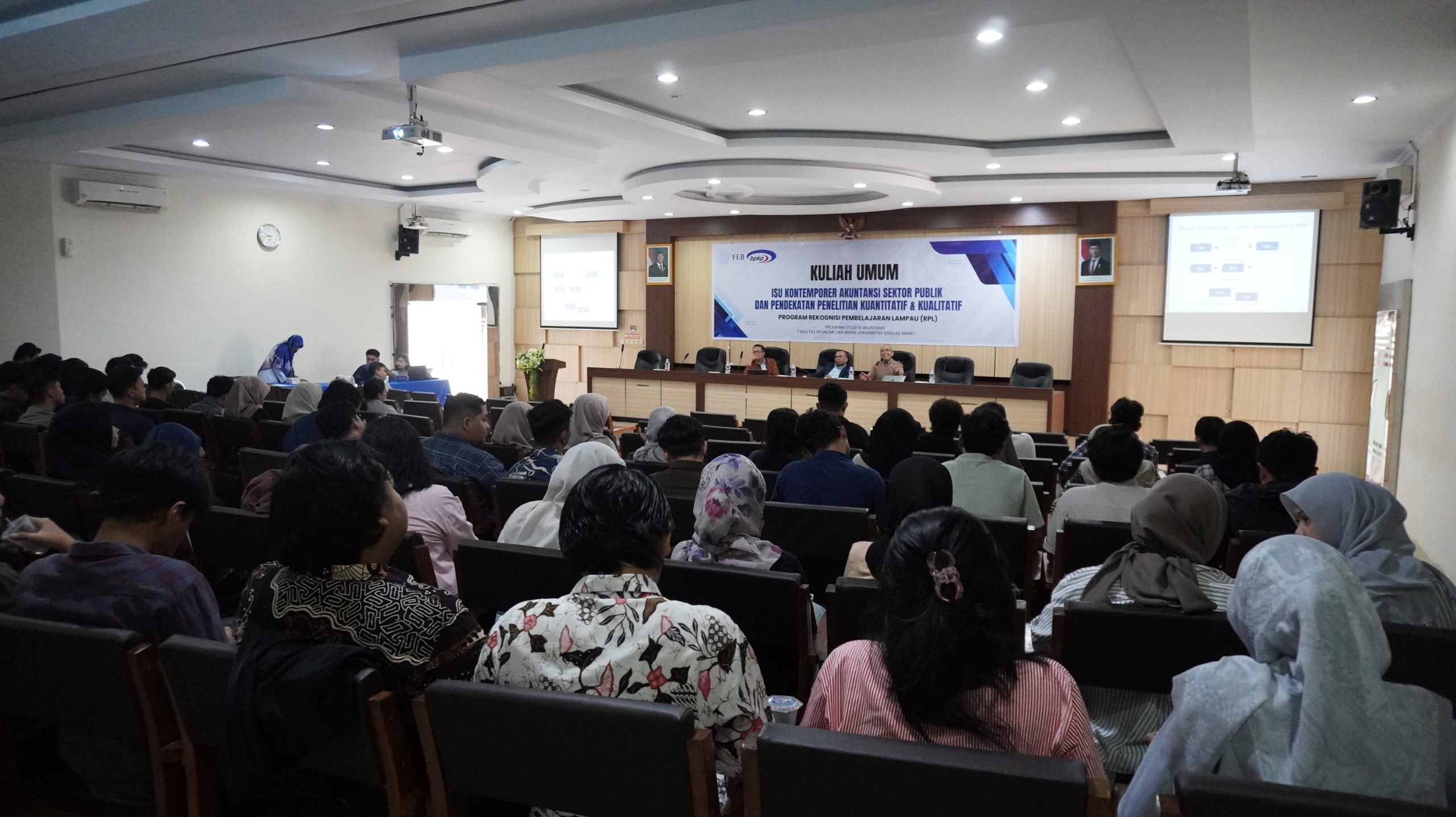
    To strengthen research literacy and broaden academic insight in public sector accounting study, the Accounting Study Program, Faculty of Economics and Business (FEB), Universitas Sebelas Maret (UNS), organized a general lecture entitled “Contemporary Issues in Public Sector Accounting and Mixed Methods Approach in Research.” This agenda is part of the Recognition of Prior Learning (RPL) program, in collaboration with the Financial and Development Supervisory Board (BPKP) and was attended by 90 BPKP employees from various regions across Indonesia.

    In his opening remarks, Prof. Doddy Setiawan, S.E., M.Si., Ph.D., Ak., Head of the Accounting Study Program, emphasized the need for a platform to enhance students’ knowledge on research activity, particularly in public sector accounting. He further stated, “We hope you can understand that both qualitative and quantitative approaches are equally important. Each offers a different perspective, but together they provide a more complete picture. Hopefully, this activity will help students complete their studies on time and even publish reputable publications, such as those indexed in Sinta 2 or Scopus.”

    Prof. Doddy further highlighted how important it is to have an early preparation in research to avoid rushed thesis writing. He noted, “We hope this event serves as a milestone for students to begin their research properly and to produce high-quality academic work.”

    Concluding his remarks, Prof. Doddy expressed appreciation to all parties involved in organizing the event and conveyed his hope that there will be a continuous initiatives as part of FEB UNS’s efforts to build a strong research culture within its academic environment.

    Meanwhile, Dr. Sutaryo, S.E., M.Si., Ph.D., Ak., CA., CRA., CRP., ACPA, Vice Dean for Non-Academic Affairs, who also served as the moderator, explained that this lecture is a continuation of the collaboration between UNS and BPKP. “UNS has been entrusted to teach 90 BPKP employees in this program. As a young professional with full potential, they are expected to become future leaders within BPKP. Therefore, strengthening their research literacy become the main focus to help them producing relevant and impactful research,” he said.

    He further explained that research is not merely about collecting data but about engaging in critical and creative thinking to discover new insights. “Research is about seeing what everyone else sees, but thinking about what others do not,” he remarked.

    The general lecture featured two keynote speakers. Dr. Rusdi Akbar, M.Sc., Ph.D., Ak., CA., from the Faculty of Economics and Business, Universitas Gadjah Mada (UGM), with material discussing “Mixed Research Approach.” In this material, he emphasized the importance of integrating qualitative and quantitative methods to achieve a comprehensive understanding of social realities. “Good research does not tests theories only, but also seeks to understand the meaning behind the numbers. The mixed methods approach provides a more holistic view of public accounting phenomena,” he explained.

    The second session was delivered by Taufiq Arifin, S.E., M.Sc., Ph.D., Ak., who presented material on “Generating Research Ideas.” In this occasion, he encouraged students to learn on how to produce high-impact research by identifying research gaps, observing contemporary issues, and utilizing diverse data sources, including text data such as public reports, speeches, and social media. He also highlighted that impactful research should not only focus on academic achievement but also contribute meaningfully to science and society.

    Through this general lecture, participants were introduced to modern research approaches, including textual analysis in public financial reports, qualitative data exploration through interviews and focus group discussions, and the integration of findings to address challenges in public sector governance.

    This lecture is expected to strengthen students’ research competencies and facilitating the efforts to establish more transparent, accountable, and integrity-based public governance. Moreover, this initiative contributes to the achievement of the Sustainable Development Goals (SDGs), particularly Goal 4 (Quality Education) and Goal 16 (Strong and Inclusive Institutions), by enhancing research capacity and academic literacy in public accounting aimed at promoting transparent and equitable governance.

  • P4M FEB Facilitates Researchers through Mentoring on Qualitative Research Publication

    P4M FEB Facilitates Researchers through Mentoring on Qualitative Research Publication

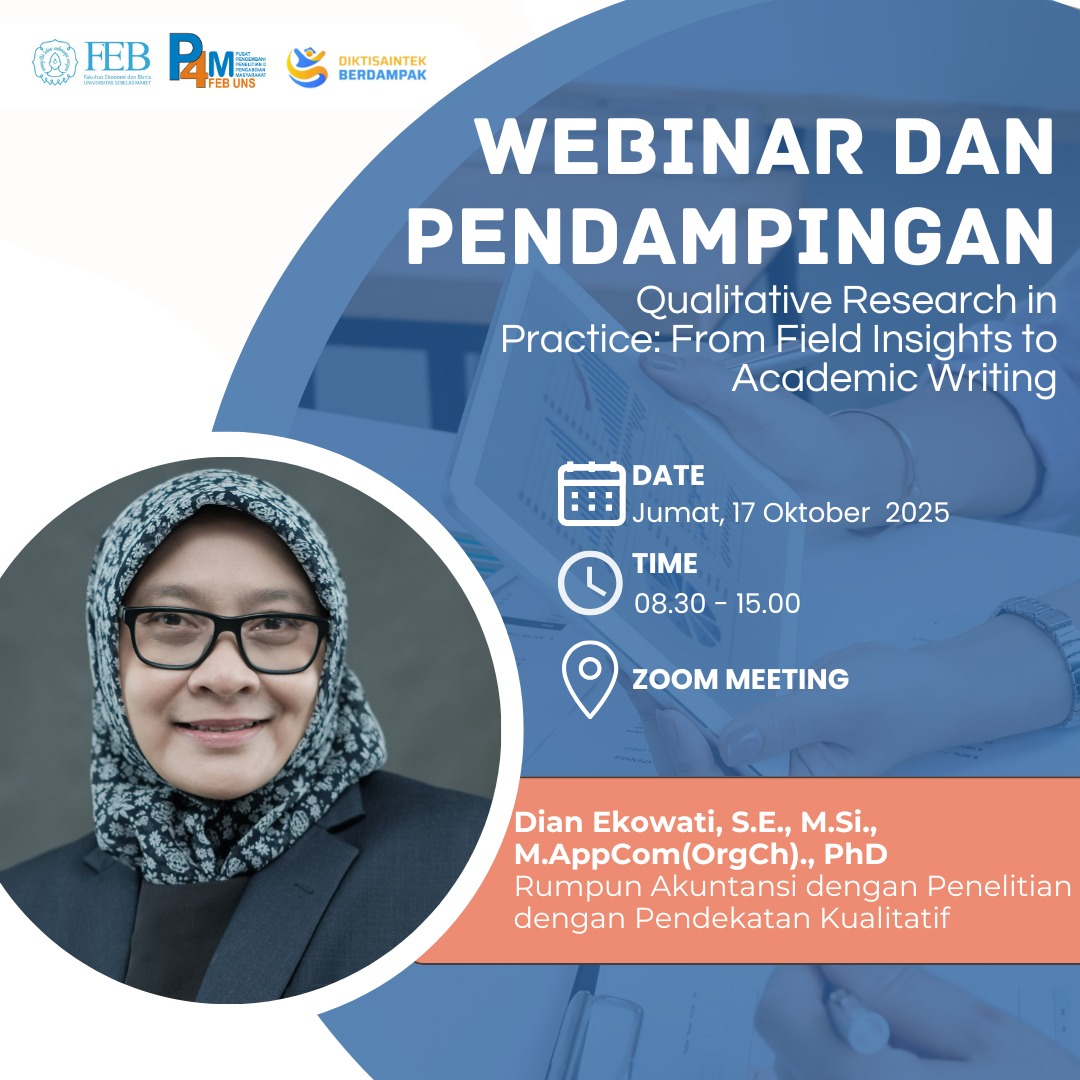
    The Center for Research and Community Engagement Development (P4M), Faculty of Economics and Business (FEB), Universitas Sebelas Maret (UNS), organizes a Webinar and Mentoring Session titled “Qualitative Research in Practice: From Field Insights to Academic Writing” on Friday, 17 October 2025. The event takes place virtually via Zoom Meeting and is attended by lecturers and researchers from various disciplines.

    Prof. Tri Mulyaningsih, S.E., M.Si., Ph.D., Vice Dean for Academic and Research Affairs of FEB UNS, explains that the faculty continues to develop the research clinic model, which is now delivered in an online format. The model integrates direct review and feedback sessions from experts to enhance academic writing skills across different research areas.

    Prof. Tri emphasizes that the research clinic serves as a learning platform that bridges early-stage researchers with experienced mentors to improve the quality and impact of academic publications. “Through this mentoring mechanism, researchers can receive structured feedback, refine their manuscripts, and build confidence in publishing in reputable journals,” she states.

    Chair of P4M, Dila Maghrifani, S.E., B.Sc., M.Sc., Ph.D., expresses her appreciation to all participants and speakers. She highlights the importance of collaboration and continuous learning to strengthen the research culture within FEB UNS.

    The main session features Dian Ekowati, S.E., M.Si., M.AppCom(OrgCh)., Ph.D., Head of the Human Capital and Organization Studies Research Group. In her presentation, Dian explains the fundamental differences between qualitative and quantitative research while addressing common misconceptions surrounding qualitative approaches. “Qualitative research is not a weak or subjective approach. On the contrary, it enables us to understand human and organizational dynamics in a more profound and contextual way,” she explains.

    Dian further elaborates on the stages of qualitative research, from formulating research questions and collecting data to conducting analysis using techniques such as coding and thematic analysis. She underlines the importance of accuracy, transparency, and ethical considerations throughout the research process.

    She also shares her experience in guiding students and researchers to formulate focused and exploratory research questions, noting that well-crafted questions are essential in producing meaningful and contributive research.

    In the closing session, the committee announces a follow-up mentoring program, where participants will have the opportunity to review and refine their research manuscripts with assigned mentors. Three papers are scheduled for review in this session, covering topics such as women’s leadership in higher education, digital behavior among millennials, and virtual leadership in global teams.

    FEB UNS continues to strengthen qualitative research capacity among academics and promote the improvement of scientific publications that contribute to knowledge advancement and societal development.

    Through this activity, FEB UNS supports the achievement of Sustainable Development Goals (SDGs), particularly Goal 4: Quality Education and Goal 9: Industry, Innovation, and Infrastructure, by reinforcing research capacity and a productive academic culture.

  • BKKBN Deputy Encourages UNS Students to Embrace Demographic Dividend Toward Golden Indonesia 2045

    BKKBN Deputy Encourages UNS Students to Embrace Demographic Dividend Toward Golden Indonesia 2045

    The Deputy for Population Control of the Ministry of Population and Family Development/National Population and Family Planning Agency (BKKBN), Dr. Bonivasius Prasetya Ichtiarto, delivers a public lecture entitled “Capitalizing on the Demographic Dividend to Achieve Golden Indonesia 2045” at the Auditorium of the Faculty of Economics and Business (FEB), Universitas Sebelas Maret (UNS), on Tuesday, October 14, 2025.

    The event is attended by BKKBN officials, the Vice Rector for Planning, Cooperation, Internationalization, and Information, Prof. Irwan Trinugroho, S.E., M.Sc., Ph.D., along with students from various study programs.

    The lecture serves as part of BKKBN’s initiative to educate young generations on strategies for population management and the potential of the demographic dividend in advancing national development.

    In his opening remarks, Prof. Irwan expresses his appreciation for the collaboration between UNS and BKKBN, which was established through the Consortium of Universities Concerned with Population Issues (PTPK) since 2023. He encourages students to take advantage of this collaboration to broaden their understanding and awareness of strategic population issues that directly shape the nation’s future.

    In his presentation, Dr. Bonivasius explains that the demographic dividend represents a golden opportunity that occurs when the proportion of the working-age population significantly exceeds that of the non-productive population. “This condition can become a driving force for economic growth, provided it is accompanied by the right investments in education, health, and workforce training,” he states.

    He further outlines the national vision of Golden Indonesia 2045, which emphasizes the development of excellent human resources—cultured, knowledgeable, and technologically adept—alongside sustainable and inclusive economic growth. Countries such as China, Singapore, Taiwan, and South Korea are cited as successful examples of nations that have effectively leveraged demographic opportunities to achieve rapid economic advancement.

    Dr. Bonivasius also highlights the critical role of students and youth in supporting BKKBN’s strategic programs, including the Foster Parents Movement to Prevent Stunting (GENTING)—family assistance and stunting prevention through education and monitoring; Taman Asuh Sayang Anak (TAMASYA)—parenting education and community-based daycare management; Indonesian Exemplary Fathers Movement (GATI)—premarital education and quality family development; and SIDAYA (Empowered Elderly)—elderly assistance and care training through an aged-care approach.

    Additionally, he encourages students to continue enhancing their digital literacy, entrepreneurial mindset, social and political participation, and readiness for the green economy and Industry 4.0. “The young generation is not merely an observer but the key driver toward Golden Indonesia 2045,” emphasizes Dr. Bonivasius.

    This public lecture also reinforces the university’s commitment to supporting the achievement of the Sustainable Development Goals (SDGs), particularly Goal 4 (Quality Education), Goal 8 (Decent Work and Economic Growth), and Goal 10 (Reduced Inequalities).

  • Management Study Program Organizes Guest Lecture: Examining AI Ethics and Regulation in the Banking Sector

    Management Study Program Organizes Guest Lecture: Examining AI Ethics and Regulation in the Banking Sector

    The Management Study Program, Faculty of Economics and Business (FEB), Universitas Sebelas Maret (UNS), organizes a guest lecture titled “Navigating the Ethics of AI in the Banking Industry” as part of the Business Ethics course on Sunday, October 19, 2025. The virtual session, which conducted via Zoom Meeting, featured Yuni Dwi Wijayanti, S.E., Ak., M.B.A., M.Com., CHRP., PCC., Policy Account Consultant at Hays Consulting Service, New Zealand.

    In her presentation, Yuni Dwi Wijayanti explained how Artificial Intelligence (AI) has brought major transformations to the banking industry, ranging from customer service to risk management systems and anti–money laundering (AML) initiatives. The application of AI has become a key element in improving efficiency, speed, and accuracy in the financial sector.

    She illustrated several applications, including the use of BNI’s chatbot DINI for 24-hour customer service, the application of machine learning in credit scoring to accelerate credit decision-making, and AI-based fraud detection systems that enhanced financial security in banks such as BNI and Suncorp.

    However, beyond these advantages, Yuni emphasized that AI also carries moral and social responsibilities. “AI is not merely a technological tool but a reflection of the values and decisions of the humans who operate it,” she stated.

    She highlighted several ethical challenges that need to be addressed, including bias and discrimination in data, lack of transparency in automated decisions, the importance of protecting personal data in accordance with Indonesia’s Personal Data Protection Act (UU PDP) 2022 and New Zealand’s Privacy Act 2020, as well as issues of accountability for system errors.

    Yuni highlighted the importance of the principle of explainability—the ability of financial institutions to justify AI-based decisions to their customers. At the global level, AI ethics practices are guided by the OECD AI Principles and the EU AI Act (2024), while Indonesia’s National AI Strategy 2020–2045 provides a national framework emphasizing innovation grounded in ethics and humanity.

    Concluding the session, Yuni reminded students to view AI not merely as a tool for efficiency but as a space for ethical decision-making. “AI can replace many human functions, but it will never replace morality, empathy, and responsibility,” she remarked.

    This lecture is part of the DIKTISAINTEK BERDAMPAK initiative, reaffirming the Management Study Program’s commitment to providing globally relevant and competitive education. It also supported the achievement of the Sustainable Development Goals (SDGs), particularly Goal 4 (Quality Education) and Goal 9 (Industry, Innovation, and Infrastructure), by strengthening digital ethics literacy in the era of artificial intelligence.

  • The Vice Mayor of Surakarta Delivers a Lecture at FEB UNS: Building Authentic Leadership in the Digital Era

    The Vice Mayor of Surakarta Delivers a Lecture at FEB UNS: Building Authentic Leadership in the Digital Era

    The Management Study Program, Faculty of Economics and Business (FEB), Universitas Sebelas Maret (UNS), organizes an online Practitioner Lecture titled “Leadership in the Digital Era: Building an Authentic Presence on Social Media” on Thursday, October 16, 2025. The session invited Astrid Widayani, S.S., S.E., M.B.A., Ph.D. (Cand.), Vice Mayor of Surakarta, as the keynote speaker, and is moderated by Dr. Wulan Permatasari, S.E., M.M., SHRM.CP.

    In her opening remarks, Dr. Sinto Sunaryo, S.E., M.Si., SHRM.CP., Head of the Management Study Program, explains that the practitioner lecture serves as a regular academic agenda designed to bridge theoretical knowledge with professional practice. “Students are expected to gain direct insights from practitioners to understand how theories are applied in real-world contexts, particularly in the field of leadership,” she states.
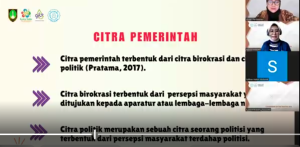
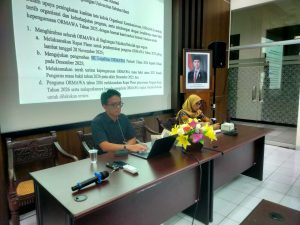
    Astrid Widayani begins her presentation by discussing the concept of a public official’s persona on social media—how a leader’s image and identity are constructed in the digital space to reach the public, communicate policies, and convey personal and emotional dimensions.

    She explains that the government’s image consists of two dimensions: bureaucratic image and political image, both of which are shaped by public perception of government officials and leaders. Astrid further highlights the concept of “authentic presence” as the foundation of leadership in the digital era. “An authentic presence on social media is not merely about being visible but about maintaining consistency between personal values and conveyed messages, ensuring transparency, and fostering two-way interaction,” she emphasizes.

    She adds that authenticity is measured by credibility, trust, and emotional connection between leaders and the public. As a practical strategy, Astrid outlines four steps to build authentic presence: identifying one’s core values, maintaining consistency through relevant content, actively listening to the audience, and engaging authentically without gimmicks. She concludes by emphasizing that “authenticity fosters public trust,” which serves as the cornerstone of sustainable leadership.

    The lecture, attended by students—mainly from the Management Study Program—runs interactively through a question-and-answer session. Through this activity, students not only learn about leadership theories but also gain understanding of how to develop a credible personal and leadership image in digital spaces.

    This practitioner lecture also supports the achievement of Sustainable Development Goals (SDGs), particularly SDG 4 (Quality Education) and SDG 16 (Peace, Justice, and Strong Institutions), by fostering a generation of young leaders who are ethical, adaptive, and communicative in the digital era.

  • Leadership Forum at FEB UNS Discusses Reorganization and Strengthening of Student Activity Unit Governance

    Leadership Forum at FEB UNS Discusses Reorganization and Strengthening of Student Activity Unit Governance

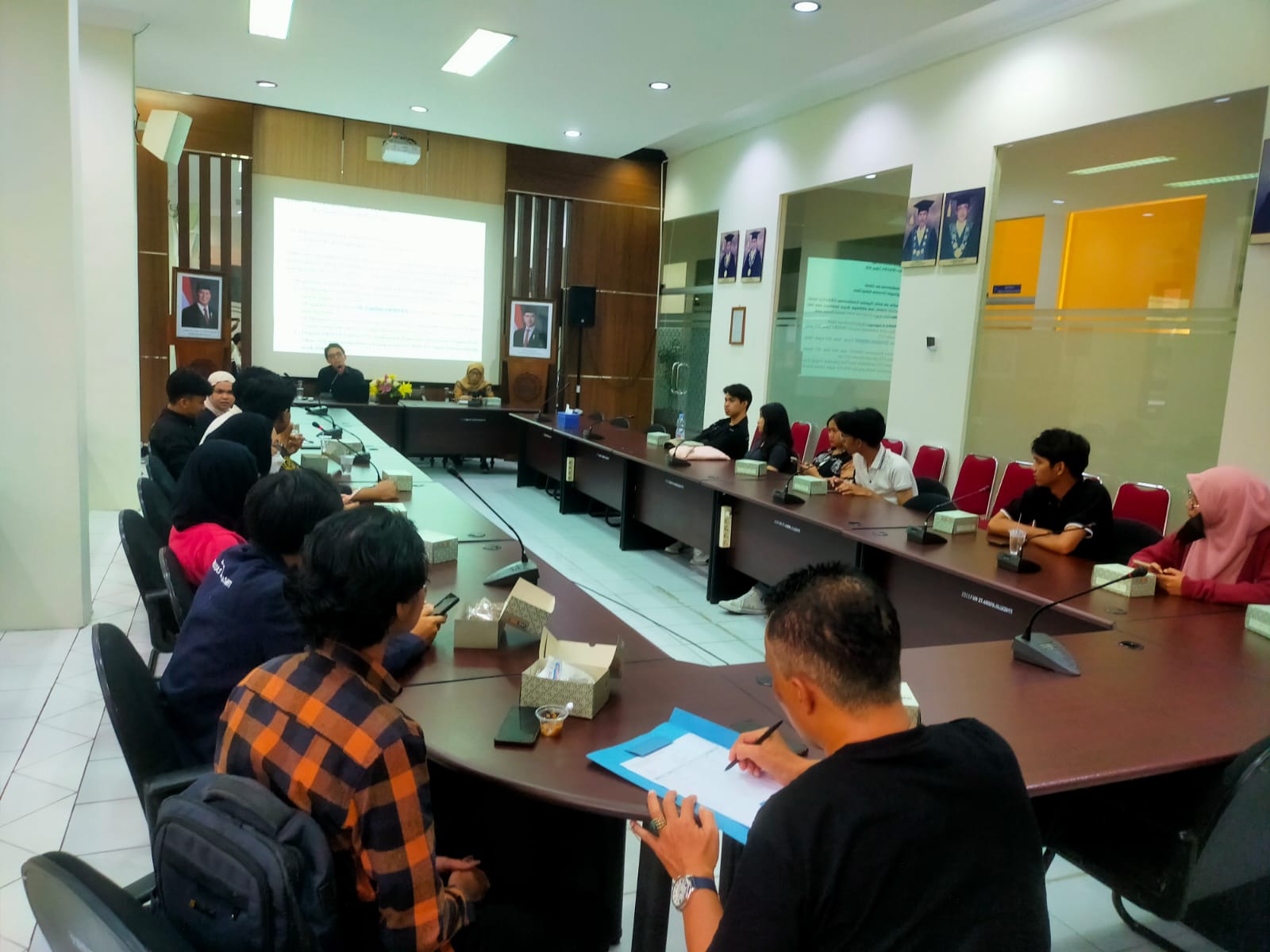
    Faculty of Economics and Business (FEB), Universitas Sebelas Maret (UNS), organized a Leadership Forum for Student Organizations (Ormawa) and Student Activity Units (UKM) on Friday, October 17, 2025, at the Soeharno TS Building Meeting Room 1, FEB UNS. The session was attended by the Chair, Deputy Chair, Secretaries, and Treasurers from all UKMs and Ormawas within FEB, along with representatives from the Student and Alumni Affairs Division. This forum marked the third meeting held as part of the preparation for the 2026 reorganization of student organizations and activity units.

    Vice Dean for Student and Alumni Affairs, Tastaftiyan Risfandy, S.E., M.Sc., Ph.D., expressed appreciation for the successful implementation of various student activities throughout the year, including Management Carnival organized by HMJM (Management Study Program Student Association), ALCOFE by HMJEP (Development Economics Study Program Student Association), and ACTIVE by HMJA (Accounting Study Program Student Association), among others. “These (student annual) event have reached their peak, and I truly understand how much effort it took to make them happen. My highest appreciation goes to all of you,” said Tastaftiyan.
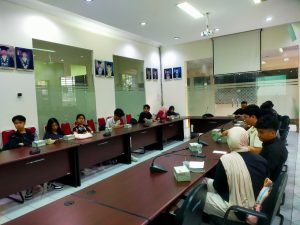
    He further explained that this year’s reorganization would be conducted earlier than before. Whereas last year the inauguration of new leaders took place in March, for 2026 it is scheduled for early January. This adjustment aims to provide new leaders with more time to adapt and implement their work programs before the start of the academic semester.

    The Division of Student Affairs is targeting the Ormawa Plenary Meeting to be held no later than November 28, 2025, covering the stages of leadership selection, election of executive boards, and recruitment of new members, which will be conducted simultaneously across all UKMs. “Hopefully, the official decrees can be signed by the Dean by the end of December, and the inauguration will be held together during the first week of the second term of the 2025-2026 academic session,” he added.

    The forum also discussed several strategic matters, including the mechanism for student surveys, reservation policy for room and/or facilities, and plans for UKM office renovation. Representatives from UKMs proposed that all Standard Operating Procedures (SOP) related to Ormawa operation and activities be made publicly accessible, and that any changes in regulations or Organizational Structure and Work Procedures (SOTK) are disseminated through joint forums to avoid miscommunication and ensure seamless coordination of student activities.
    Amelia Zailani Pertiwi, S.IP., Head of the Non-Academic Subdivision, explained that the renovation of UKM offices is currently in progress and that a new procedure for room reservation will be established to ensure greater transparency and fairness.

    Through this forum, FEB UNS reaffirmed its commitment to strengthening participatory and accountable student governance. Initiatives such as synchronized reorganization schedules, transparent SOPs, and the optimization of student facilities are expected to foster an inclusive, productive, and sustainable student organizational environment. This effort aligns with the Sustainable Development Goals (SDGs), particularly SDG 4 (Quality Education) and SDG 16 (Peace, Justice, and Strong Institutions), by promoting institutional resilience and participatory student engagement within the university community.

  • Strengthening Graduate Program Competitiveness, FEB UNS Discusses RPL Curriculum for MESP

    Strengthening Graduate Program Competitiveness, FEB UNS Discusses RPL Curriculum for MESP

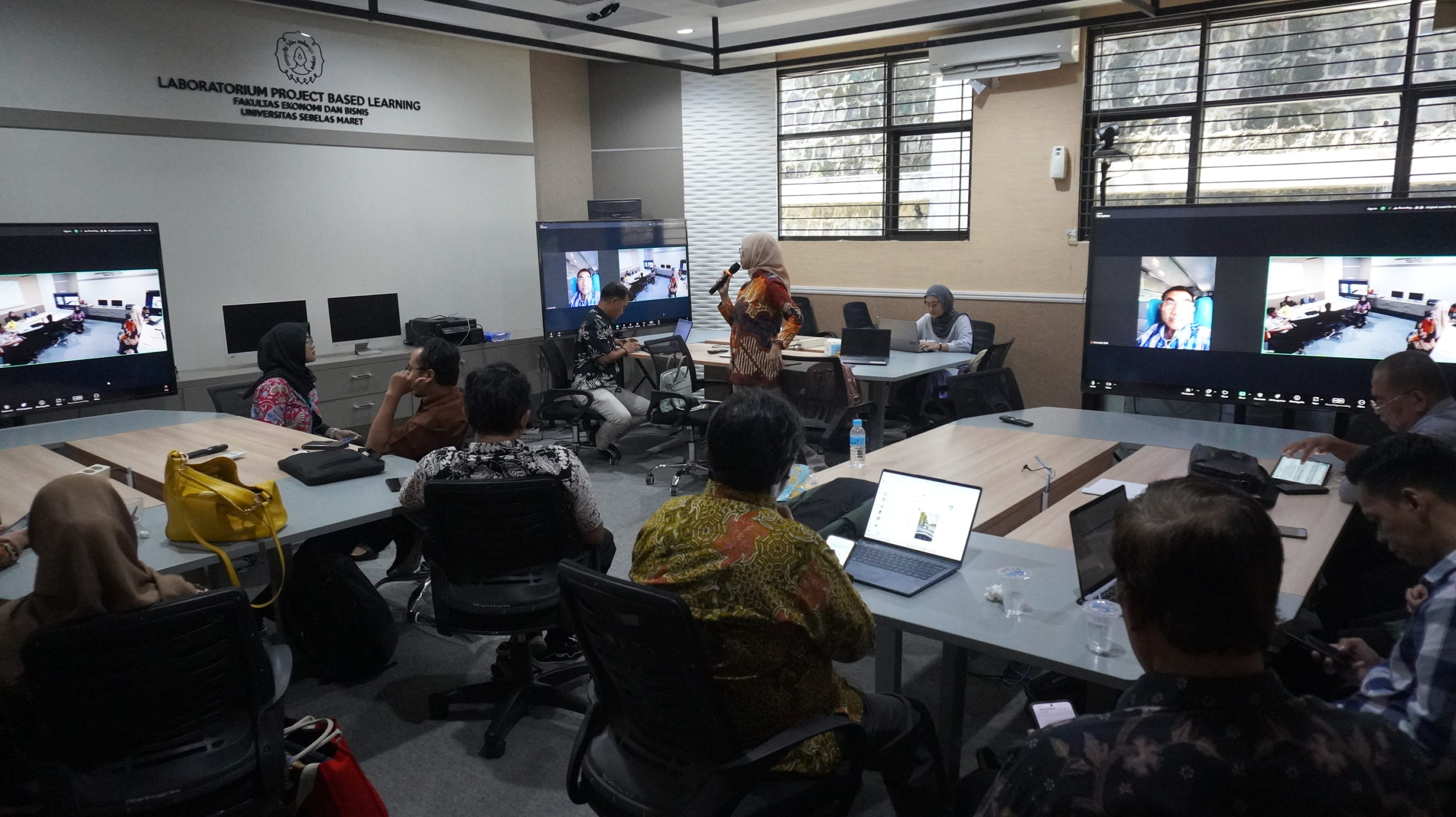
    Faculty of Economics and Business (FEB), Universitas Sebelas Maret (UNS), held a Preliminary Discussion of the Recognition of Prior Learning (RPL) Curriculum for the Master’s Program in Economics and Development Studies (MESP) on Thursday, October 16, 2025, at the Project-Based Learning (PBL) Laboratory, Soedarah Soepono Building, FEB UNS.

    The session was opened by Prof. Tri Mulyaningsih, S.E., M.Si., Ph.D., Vice Dean for Academic and Research Affairs of FEB UNS, and attended by Prof. Dr. Suryanto, S.E., M.Si., Head of the MESP Program; Prof. Dr. Sarwanto, S.Pd., M.Si., Head of the Institute for Educational Development and Quality Assurance (LPPMP) UNS, who were attending the session virtually, as well as lecturers of the MESP Program.

    In her remarks, Prof. Tri Mulyaningsih explained that the discussion marked an important step in facilitating the MESP Program’s preparation to launch its RPL track. She stated, “RPL is the acknowledgment of learning outcomes acquired through prior professional experience. FEB has gained experience in managing RPL at the undergraduate level, such as in the Accounting Study Program that admitted students from the Financial and Development Supervisory Board (BPKP). For the master’s level, we are designing an RPL model based on credit recognition through professional portfolios rather than mere credit transfers.”

    She further explained that RPL offers extensive potential for collaboration with government agencies and professional institutions. Through RPL, study programs can attract practitioners with relevant experience, thereby not only increasing student enrollment but also enriching academic interaction in the classroom.

    “The development of RPL should not only be viewed from an academic standpoint but also from the perspective of program efficiency. Some programs still face challenges in student enrollment. With RPL, we hope to enhance program attractiveness, expand collaborative networks, and make the curriculum more aligned with labor market needs,” she added.

    Meanwhile, Prof. Dr. Suryanto, S.E., M.Si., Head of the MESP Program, noted that this discussion is part of the curriculum renewal effort to strengthen the competitiveness of the master’s programs within FEB UNS. He stated, “We are still lagging behind the Master of Management Program in terms of student admission. Therefore, in addition to the existing regular and fast-track programs, RPL provides an important alternative for prospective students who already possess professional experience and competencies.”

    He added that the RPL model in MESP will open opportunities for graduates from both Economics and non-Economics undergraduate programs with at least three years of work experience, particularly in planning, public policy, or regional economics. Through an assessment and portfolio-based mechanism, participants’ professional experiences will be recognized as part of their learning outcomes in accordance with academic standards.

    The interactive discussion also received substantive input from LPPMP UNS regarding academic governance and administrative requirements for RPL, including registration criteria, credit recognition procedures, and portfolio verification processes.

    Through this curriculum draft discussion, the MESP Program is expected to open the RPL track in the even semester of the 2025/2026 academic year. The program aims to expand access to higher education for professionals while contributing to the enhancement of human resource capacity in economic planning and policy development.

    This initiative aligns with FEB UNS’s commitment to supporting the Sustainable Development Goals (SDGs), particularly SDG 4 on Quality Education through inclusive learning access and recognition of non-formal education, and SDG 8 on Decent Work and Economic Growth through the advancement of professional capacity in public and development economics sectors.