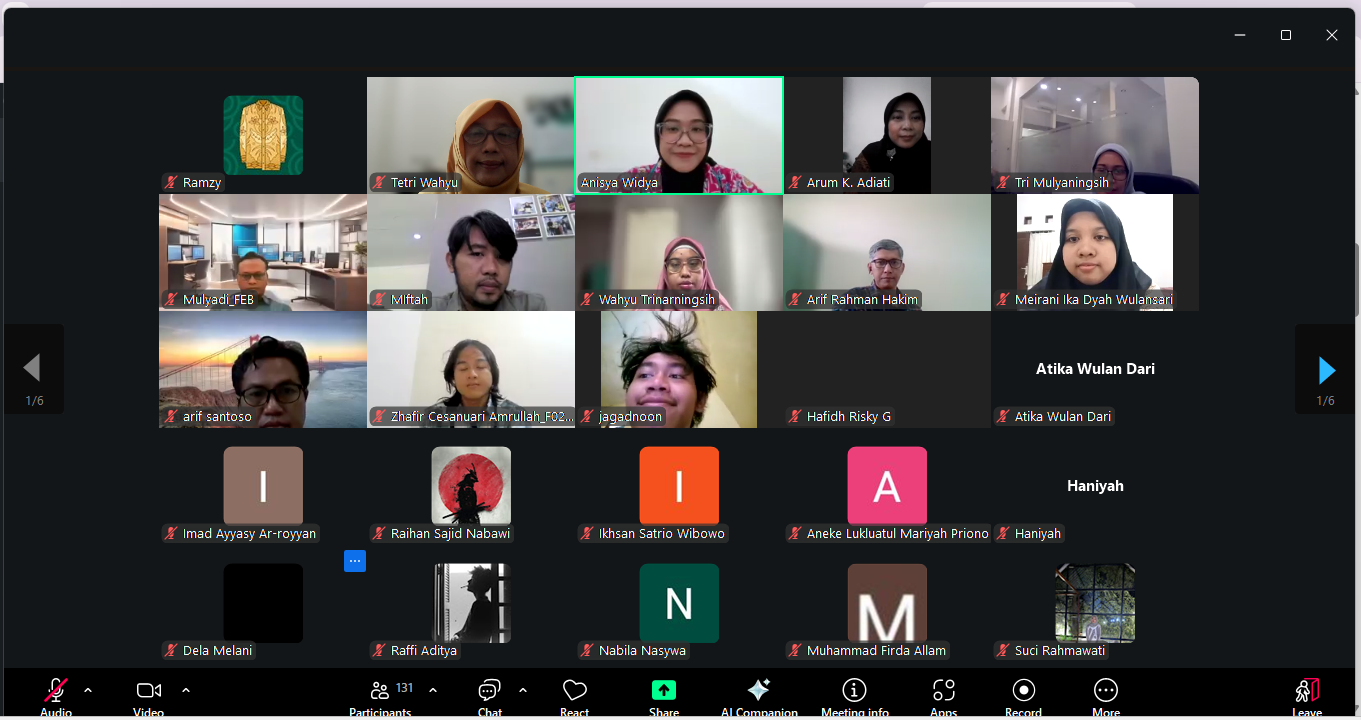
Faculty of Economics and Business, Universitas Sebelas Maret (FEB UNS), organized a Program Dissemination Session on Training and Certification of Competency offered by the various laboratories within FEB UNS. The session, held virtually via Zoom Meeting, was mandatory for all students of the 2022, 2023, and 2024 cohorts.
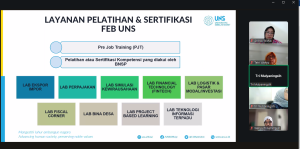 In her opening remarks, Vice Dean of Academic and Research Affairs FEB UNS, Prof. Tri Mulyaningsih, S.E., M.Si., Ph.D., cited several survey results and news reports highlighting the major challenges in Indonesia’s labor market. She noted that job growth in Indonesia remains focused on quantity rather than quality, leading many job seekers to face difficulties due to a mismatch between their skills and industry needs.
A survey by Bank Indonesia showed that the national labor market is weakening, with around 44 million young people struggling to secure employment because of this skills gap. This phenomenon underscores the urgent need for relevant and competitive competency enhancement.  “We are striving to provide students with a wide range of extracurricular training programs that can strengthen their skills. Certification from these training programs is also a requirement to sit for the thesis examination. Students are required to join at least one, or more depending on their interests and the field they wish to explore further,” explained Prof. Tri.
 She further expressed hope that the dissemination would provide students with comprehensive information to increase both their participation and the quality of engagement in training and certification programs. Currently, nine active laboratories at FEB UNS offer training and certification recognized by the National Professional Certification Agency (BNSP). These include: the Export-Import Laboratory, the Taxation Laboratory, the Entrepreneurship Simulation Laboratory, the Financial Technology (Fintech) Laboratory, the Logistics and Capital Market/Investment Laboratory, the Project-Based Learning Laboratory, the Information Technology Laboratory, the Village Empowerment Laboratory, and the Fiscal Corner Laboratory.
Each laboratory provides certification programs that are mandatory for students before their final thesis examination. These certifications are valid for three years and nationally recognized by BNSP, giving students a valuable advantage in the labor market.
“We hope these training and certifications will not only serve as a formality but also provide students with practical skills that they can apply in building successful and meaningful careers,” Prof. Tri added.
Vice Dean of Student and Alumni Affairs FEB UNS, Dr. Tastaftiyan Risfandy, S.E., M.Sc., Ph.D., also emphasized that seventh-semester students are required to participate in Pre-Job Training (PJT) as part of the training program. He further highlighted the collaboration with Universitas Gadjah Mada (UGM) on the topic of Green Jobs Skills for Impact. Green jobs, he explained, are not only environmentally friendly but also socially, economically, and ecologically impactful, integrating employment, environmental quality, and sustainable economic growth.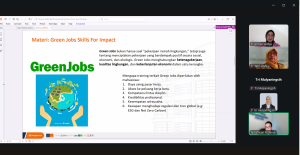
“Green Jobs training is essential for students to strengthen their competitiveness in the labor market, open new job opportunities, develop interdisciplinary competencies, build professional credibility, and even pursue entrepreneurship,” he stated.
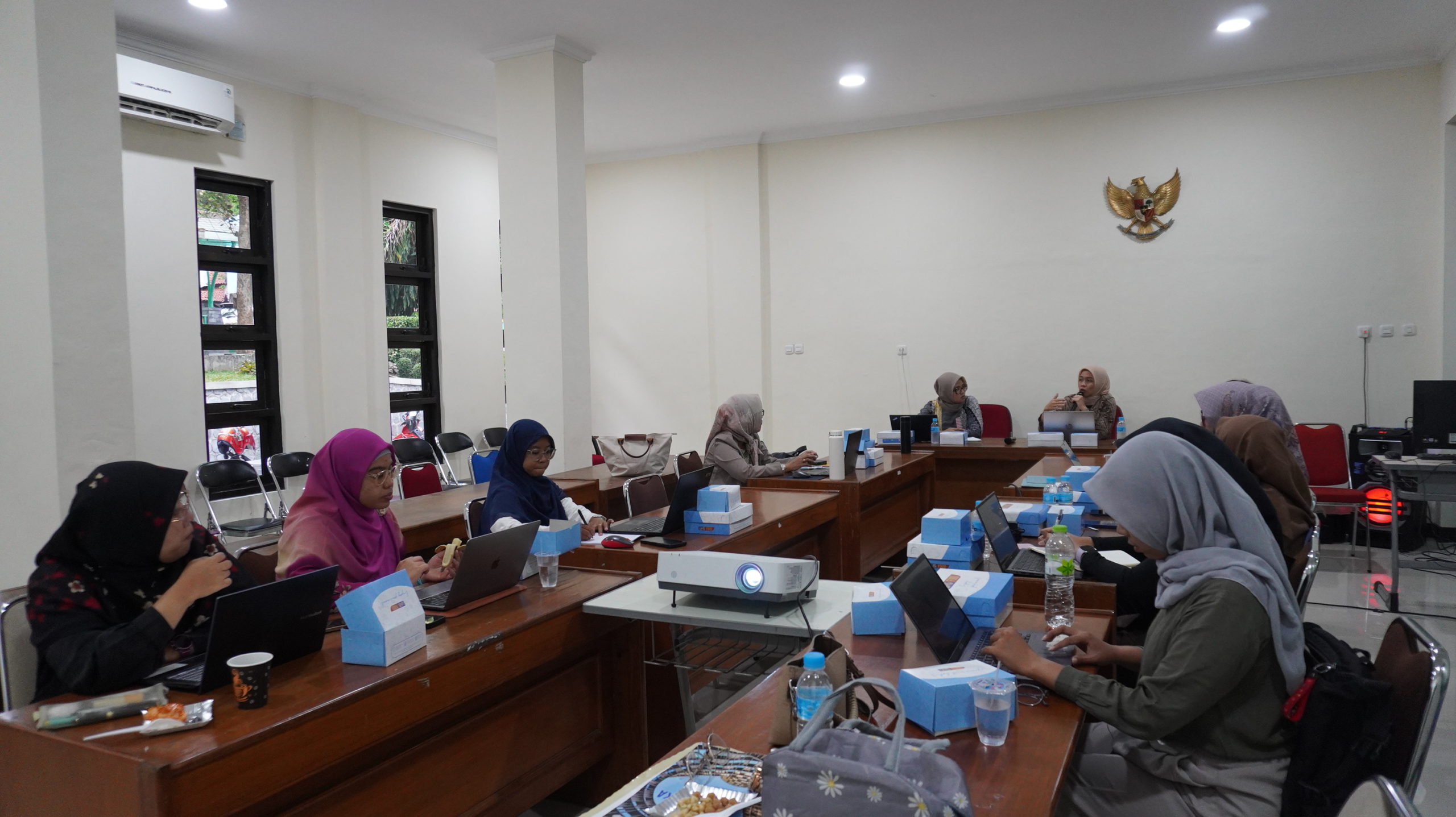
The session proceeded with presentations from the heads of the nine FEB UNS laboratories, who detailed the training and certification programs available to students along with their schedules, enabling students to select the most suitable programs based on their interests and skill development needs.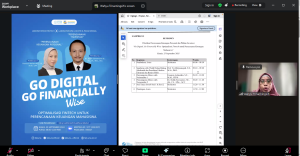
The Training and Certification Program of FEB UNS laboratories is in line with the Sustainable Development Goals (SDGs), particularly Goal 4: Quality Education, which emphasizes access to quality education and skill development. In addition, with its focus on Green Jobs and village empowerment, the program also contributes to SDG 8: Decent Work and Economic Growth, and SDG 11: Sustainable Cities and Communities, by promoting inclusive and sustainable economic development.

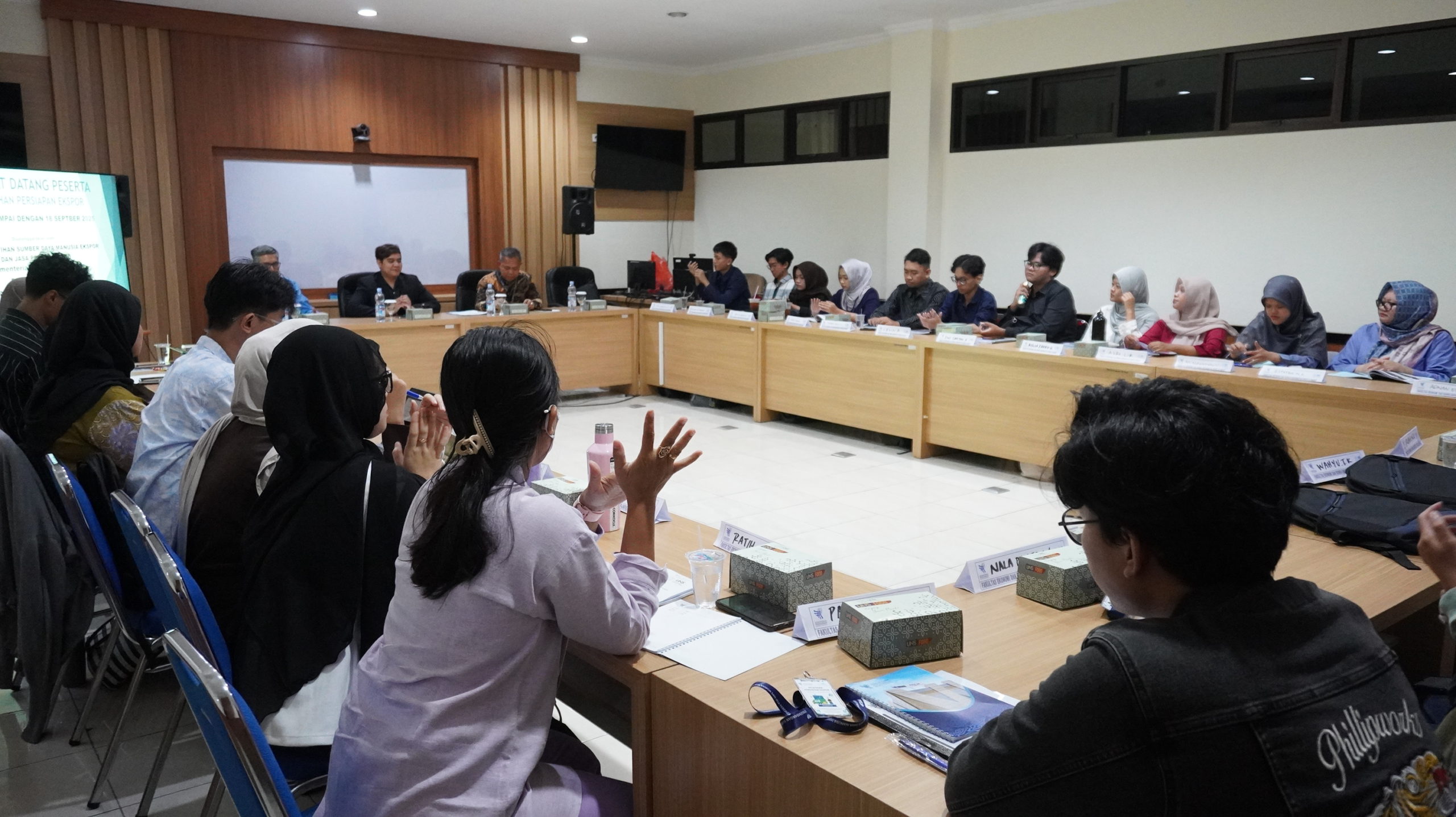
 The training was conducted over three days, from September 16 to 18, 2025, and concluded with a certification exam on the fourth day, September 19, 2025. The certification exam is part of the export competency certification scheme, designed to ensure participants’ readiness to take part in the export sector professionally and according to standardized procedures.
 The program featured experienced speakers in international trade, including Fernandes, Eriklex D., and Lukman Nurjaman, to deliver key materials on export procedures, documentation, international payment mechanisms, and trade regulations.
 “We hope the participants can stay focused and understand the materials delivered by the instructors. Hopefully, all of them will pass the certification competency test and become successful and competent individuals capable of competing in the economic and business sector, particularly in advancing Indonesia’s export-import development,” he said.
 Meanwhile, Head of the Export-Import Laboratory FEB UNS, Dr. Arif Rahman Hakim, S.E., M.Ec.Dev., highlighted that collaboration between FEB UNS and PPEJP has been established since 2001. One of the significant accomplishment of the partnership was the establishment of the Export-Import Laboratory as a center for learning and competency development in international trade.

 “Our conclusion is that policies based on providing choice hold potential as an effective strategy to encourage healthy eating among adolescents. However, interventions need to be continuous and tailored to age in order to achieve long-term impact,” Prof. Tri stated.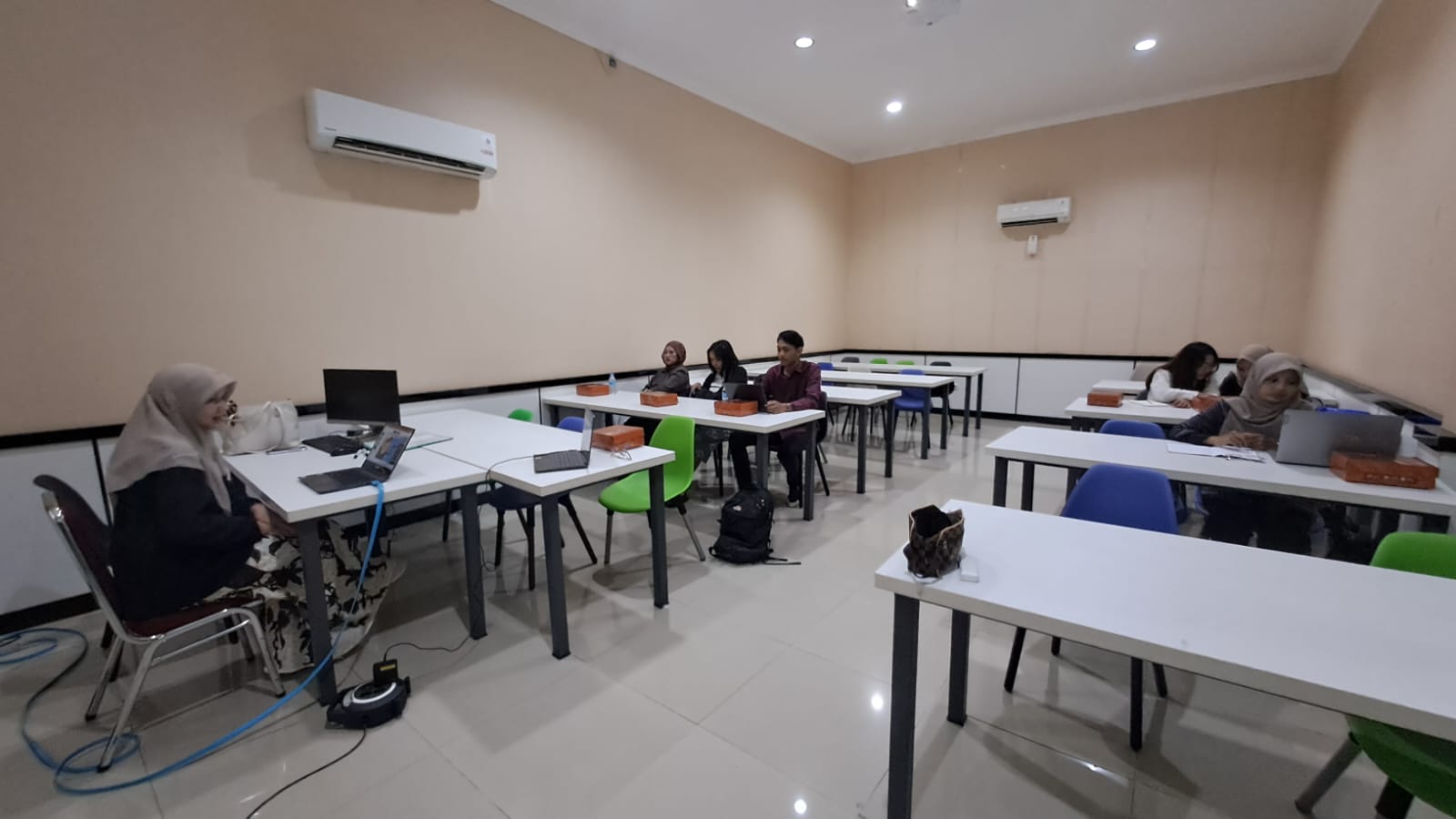

 The program is open to students with a minimum GPA of 3.50, a TOEFL score of at least 450, and a TPA score of 425 or a passing result on the Scholastic Aptitude Test from the UNS Faculty of Psychology, along with one recommendation letter from a faculty member holding a doctoral degree. Beyond administrative selection, applicants are also required to undergo an academic interview to ensure their readiness and motivation for joining the program. In addition to introducing the fast-track pathway, the event also highlighted various scholarship opportunities available to both fast-track and regular students.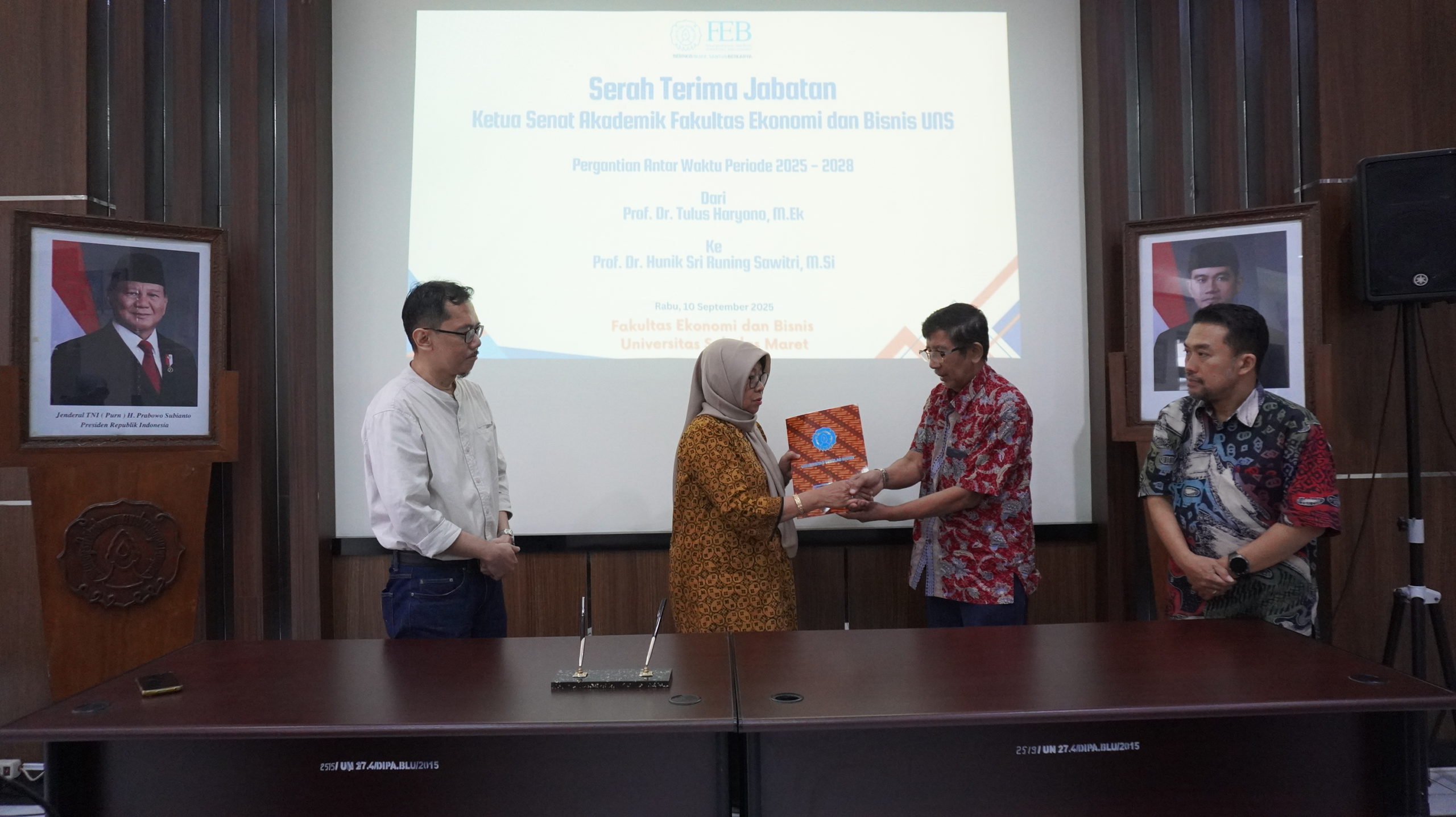
 The signing of the official handover document was conducted formally and witnessed by the Dean of FEB UNS, Prof. Bhimo Rizky Samudro, S.E., M.Si., Ph.D., along with the Secretary of SAF FEB UNS, Reza Rahardian, S.E., M.Si. The event was also attended by members of the Academic Senate of FEB UNS.
 In his remarks, Prof. Tulus expressed gratitude for the collaboration and support he received during his tenure. He stated that as of September 1, 2025, he has officially entered retirement. “Thank you for all the support. I may have not contributed much to FEB UNS, and I apologize if I made mistakes along the way,” he conveyed with humility.
 As the newly appointed Chair of SAF, Prof. Hunik emphasized her commitment to continue strengthening the role of SAF in maintaining sound academic governance and called for collective support from all members. “I sincerely ask for your support, for me to be able to fulfil this responsibility well,” she said.
 On behalf of FEB UNS Board of Professor and all senate members, appreciation was extended to Prof. Tulus for his consistent leadership, meaningful contributions, and commitment to upholding SAF’s function as an internal oversight body with a strategic role in shaping faculty academic policies.
 The Dean of FEB UNS, Prof. Bhimo Rizky Samudro, also expressed his appreciation both personally and representing the faculty to Prof. Tulus for his dedication and inspiration throughout his term. “Prof. Tulus has provided many valuable insights for the faculty. Hopefully, Prof. Hunik will carry this transition forward and further contribute to improving academic policies within FEB,” he noted.
 This leadership transition reflects FEB UNS’s commitment to the principles of Good Governance and Quality Education, in line with the Sustainable Development Goals (SDGs), particularly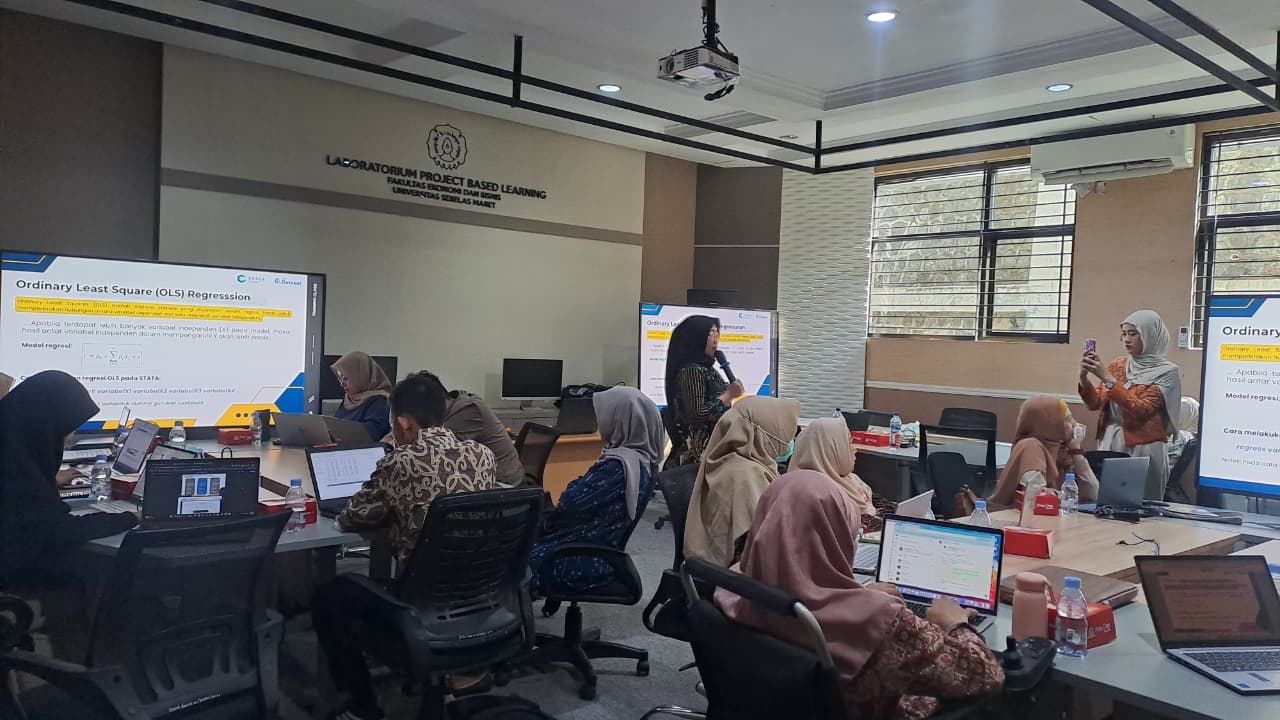
 The training aims to strengthen lecturers’ skills to use STATA as a quantitative data analysis tools, particularly in supporting research and scientific publication. The Head of the Accounting Study Program, Prof. Doddy Setiawan, S.E., M.Si., Ph.D., Ak., in his opening remarks, emphasized the need for mastering modern statistical software to produce high-quality research for publication in both national and international journals.
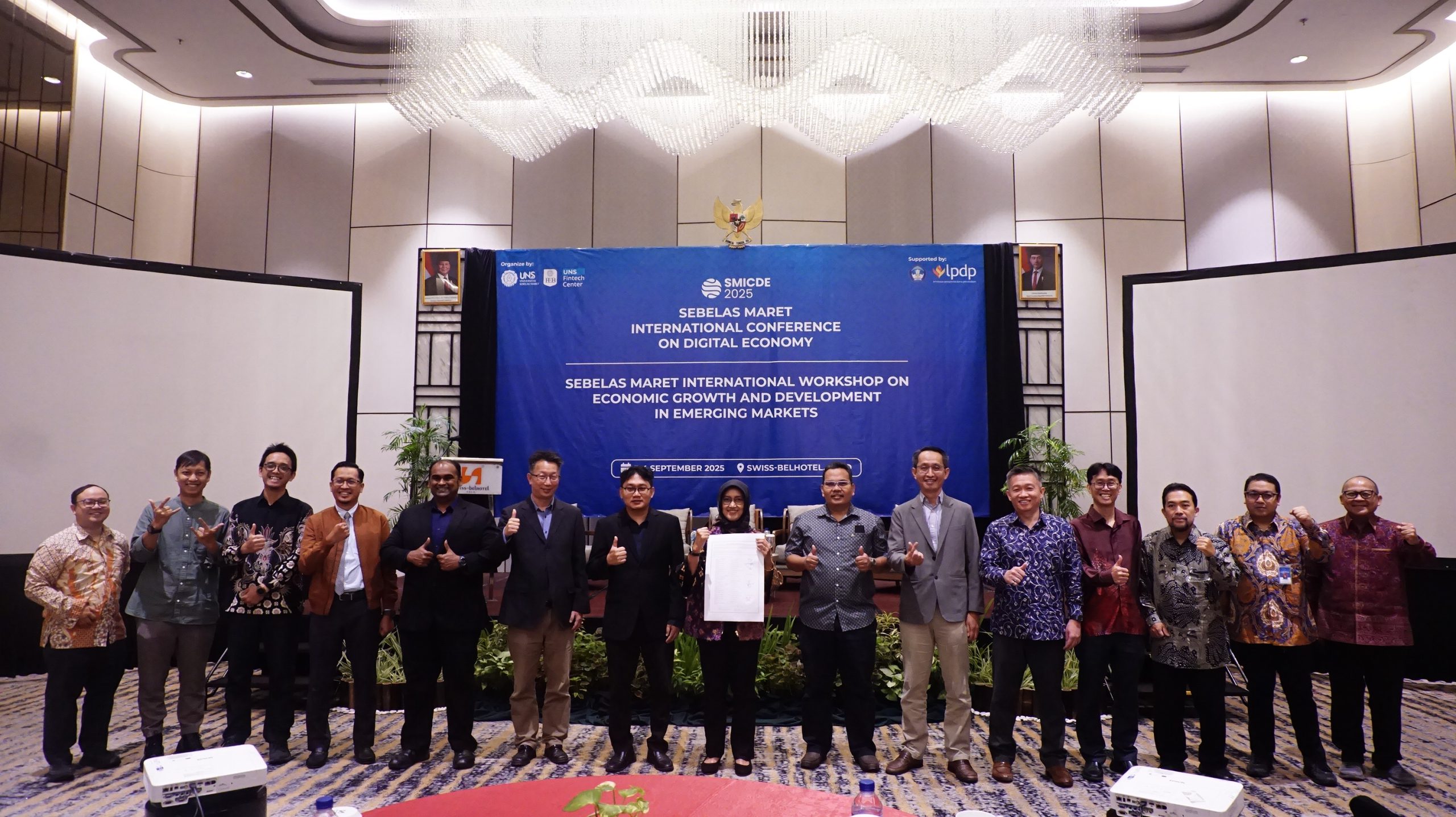


 The 2025 SMICDE, carrying the theme “Towards Digital Future: New Challenges in Global Economics,” also serves as the venue for the Declaration of Consortium on SDG 8: “International Association of Studies on Economic Growth and Development in Emerging Markets.” The declaration was signed by representatives from UNS, University of Akron (USA), Harvard University & University of Messina, Universiti Putra Malaysia, Universiti Utara Malaysia, Universiti Sains Malaysia, Universiti Malaysia Sarawak, Chung Hua University Taiwan, Asia Pacific University Malaysia, University of Malaya Malaysia, Taylor’s University Malaysia, University of Buckingham UK, and Ostim Technical University Turkey.

 “Hopefully, this declaration will not only remain as a ceremonial statement, but also a concrete commitment to advancing SDG 8, promoting inclusive and sustainable economic growth, productive employment, and decent work for all. UNS will take an active leadership role, not merely as a member, but also coordinating and leading activities within this network to ensure that this collaboration yields meaningful impact. Let us work together to advance the achievement of the SDGs in developing countries,” she emphasized.
 “We are honored to host a meeting that brings together academics, practitioners, policymakers, and industry leaders from around the world. We believe that cross-disciplinary and cross-institutional collaboration is crucial in addressing today’s digital challenges. Through this conference, we hope to encourage knowledge exchange, best practices, and partnerships that will contribute to advancing digital innovation for global prosperity,” he stated.
 Held at Swiss-Belhotel Solo on September 3–4, 2025, this year SMICDE featured the Sebelas Maret International Workshop on Economic Growth and Development in Emerging Markets on its opening day. The workshop hosted nine speakers and five discussants who presented interactive academic discussions in various topic regarding economic growth and SDG’s.
 This workshop, along with the SMICDE conference, reflects the active role of Universitas Sebelas Maret in accelerating the achievement of SDG 8: Decent Work and Economic Growth, as highlighted in Prof. Irwan Trinugroho, S.E., MSc., Ph.D., QCRO., Vice Rector for Planning, Cooperation, Internationalization, and Information of UNS, remarks.
 Awards for best papers were given to five selected articles across three categories. For the Master’s (S2) category, the award went to Bimo Saktiawan from Universitas Gadjah Mada (UGM) with his article entitled “When Diversity is High, Can it Avoid Ethical Breaches? The Impact of Board Gender Inclusion on Greenwashing Practices.”
 Three awards in the Faculty Member and Researcher category were granted to: “Asymmetric Risk Premium in the Digital Asset Market” by Berlian Karlina (Universitas Indonesia) awarded the Best Paper 3; “Does Islamic Financial Development Drive Energy Transition in OIC Countries: The Role of Institutional Quality” by Rahmat Heru Setianto (Universitas Airlangga) with Best Paper 2 award; and “Does Playing by the Rules Pay-off? Market Conduct & Performance in Indonesia’s Life Insurance Sector” by Ahmad Danu Prasetyo (OJK Institute), is selected as the First Best Paper.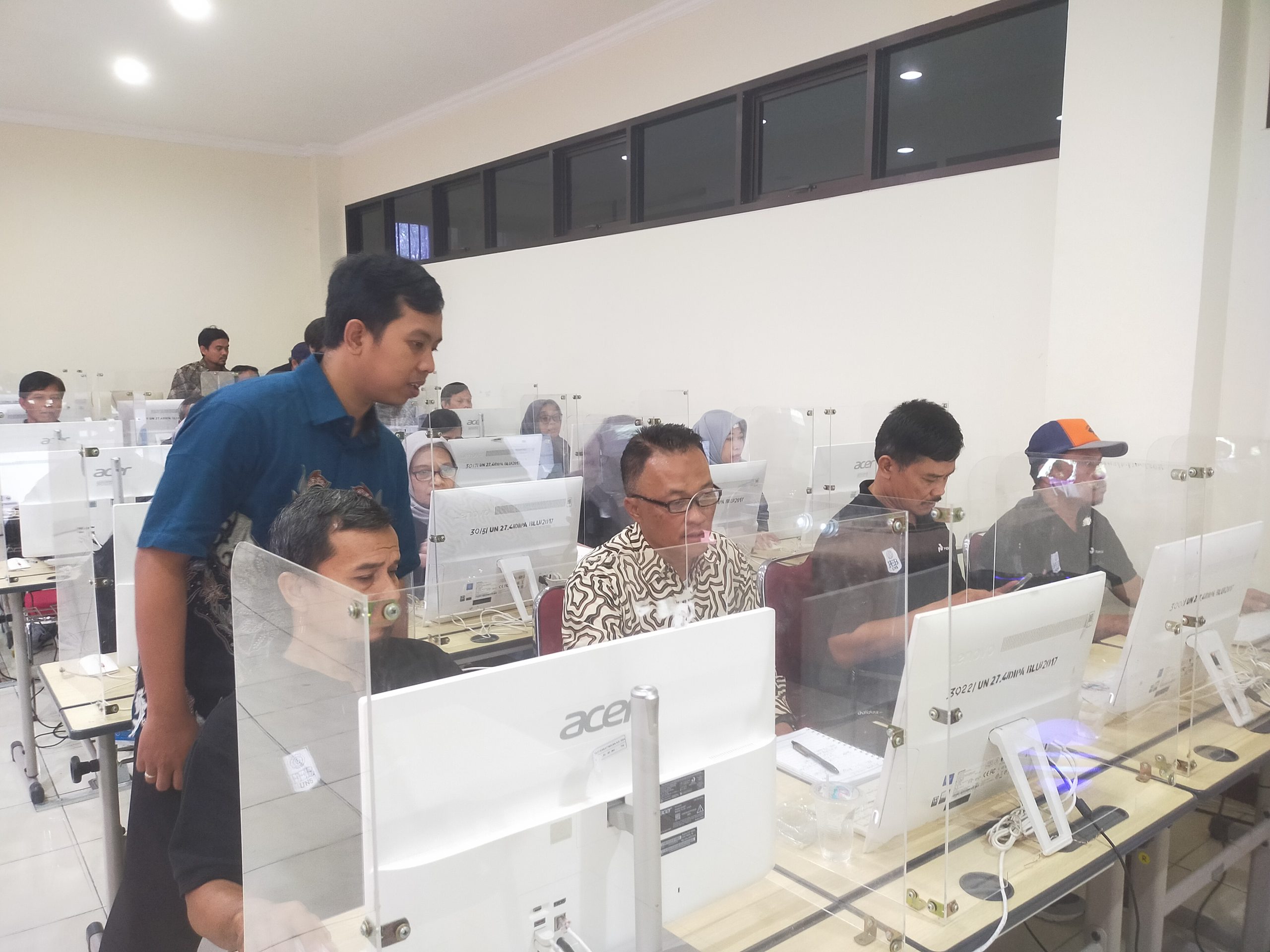


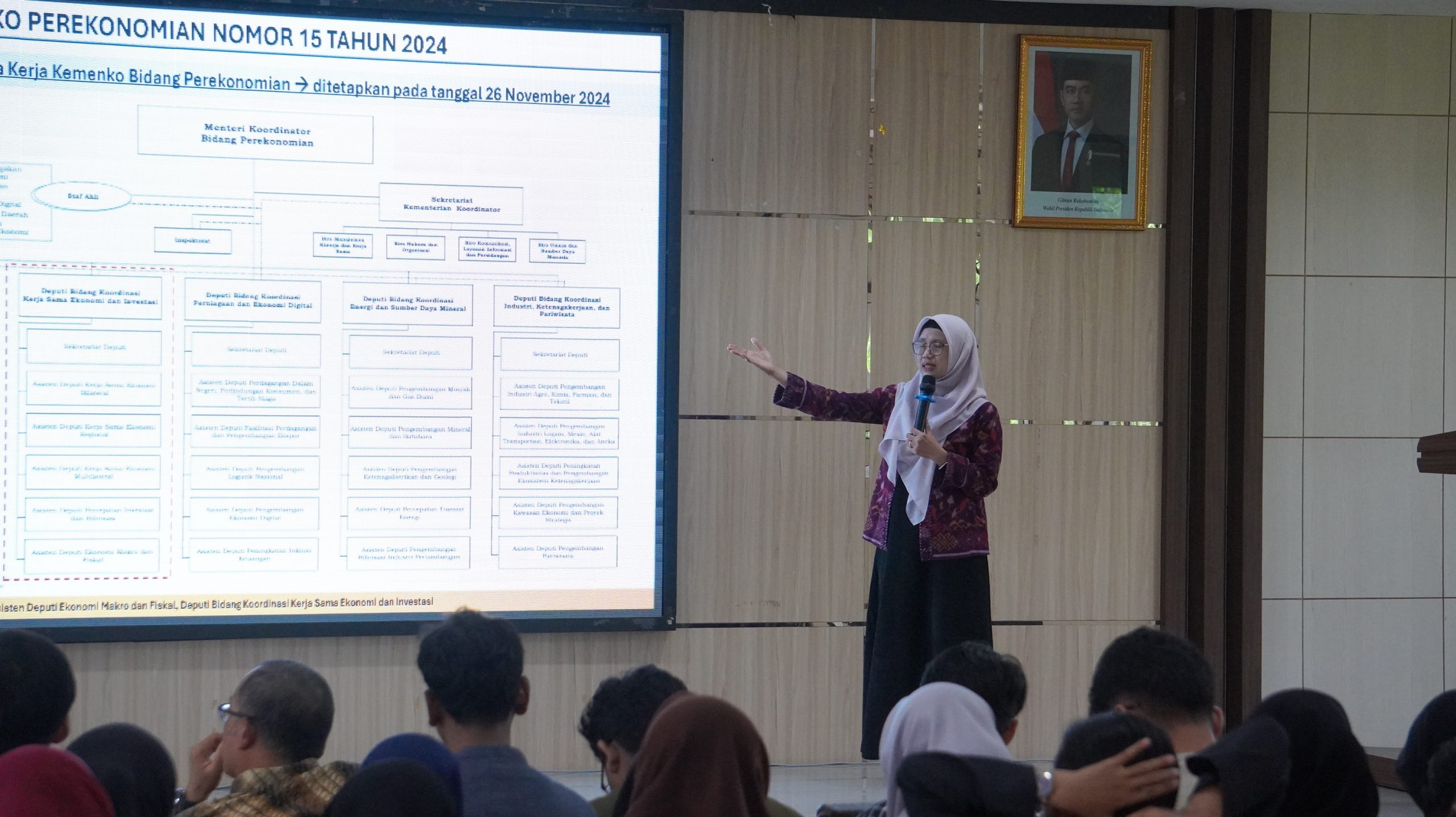
 In his opening remarks, Prof. Bhimo Rizky Samudro, S.E., M.Si., Ph.D., Dean of FEB UNS, emphasized that this activity is an important forum that provides students with in-depth insights, information, and up-to-date data, particularly on domestic and global economic developments. He highlighted its strategic importance for students, especially those entering their seventh semester.
 “This event is the right moment for students to ask questions, engage in discussions, and analyze current economic developments,” stated Prof. Bhimo.
 The Coordinating Ministry for Economic Affairs also offers internship opportunities for students. These internships not only provide practical experience but also broaden professional networks and deepen understanding of public policy formulation. Through this initiative, FEB UNS hopes students will gain not only academic insights but also motivation and readiness to pursue careers in economics while contributing to national development.
 This activity aligns with FEB UNS’s commitment to supporting the Sustainable Development Goals (SDGs), particularly