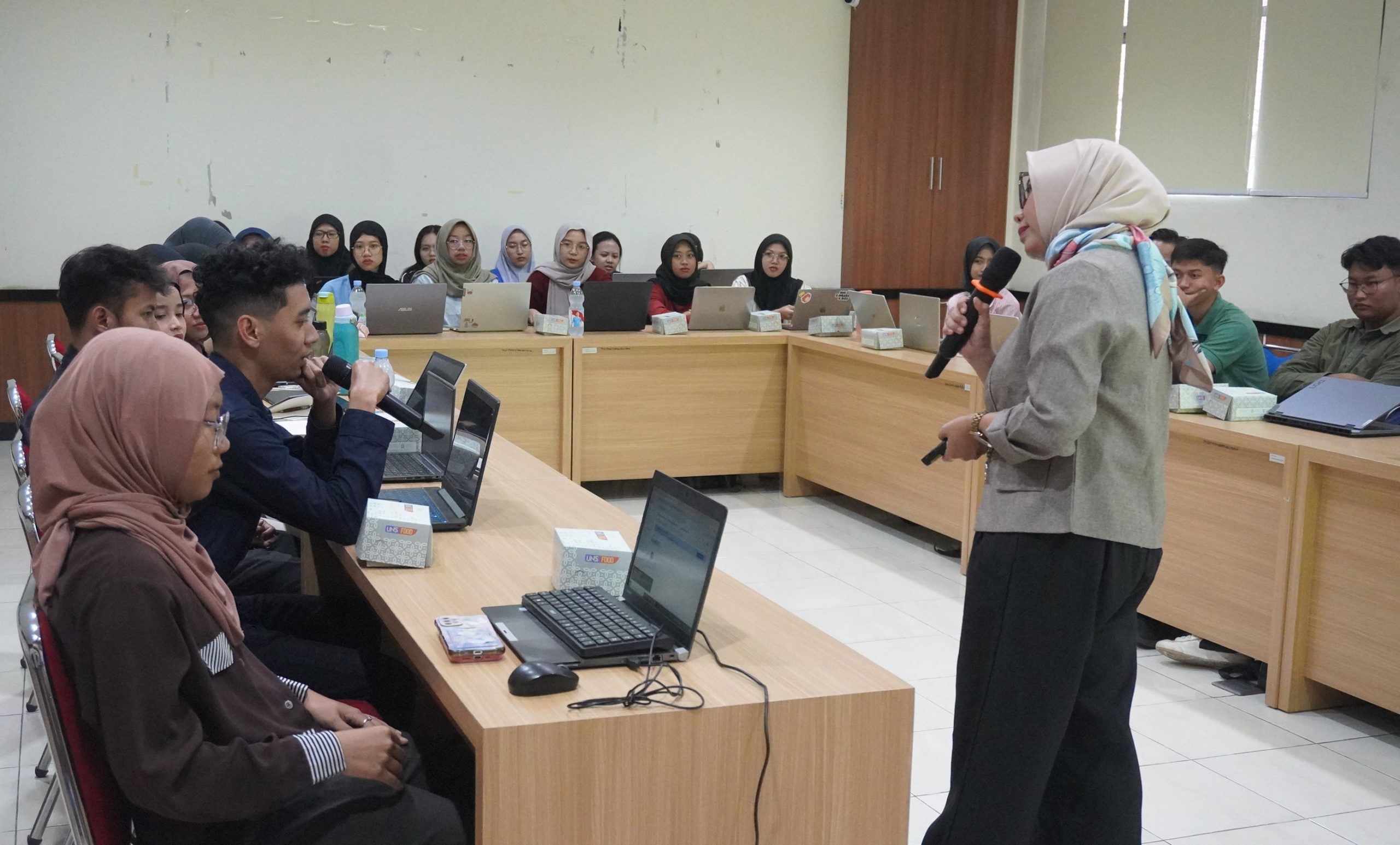
The Integrated Information Technology Laboratory, Faculty of Economics and Business (FEB), Universitas Sebelas Maret (UNS) held a training session titled “Modern Marketing with Social Media” on Tuesday, 30 September 2025. The event took place at Computer Lab E, Soedarah Soepono Building, FEB UNS, featuring Zahra Noor Eriza, S.I.Kom., M.M., a practitioner and academic in the field of communication and marketing management, as the speaker. Participants were equipped with the latest insights and practical skills in digital marketing strategies, particularly in utilizing social media platforms.
 Head of the Integrated Information Technology Laboratory, Mulyadi, S.E., M.Ec.Dev., emphasized in his remarks that this training serves as an important platform for students to gain a comprehensive understanding of the digital marketing landscape. “We provide students the opportunity to learn directly from practitioners. Our focus this time is on social media and digital advertising, which will be explored in depth by Ms. Zahra. The enthusiasm has been remarkable, with more than 50 registrants. The first session accommodates 30 participants, while the remaining participants will join the second session,” he explained.
Through this program, FEB UNS aims to equip students and other participants with a solid understanding of modern digital marketing concepts and the ability to apply them in business contexts as well as in their professional career development. This initiative reflects FEB UNS’s commitment to preparing adaptive and innovative human resources who are capable of competing in the rapidly evolving digital era.
In her presentation, Zahra highlighted that the materials she shared were not merely theoretical but based on her real-world experiences. The topics covered included strategies for building brand awareness and increasing audience engagement through social media marketing, the use of paid social ads as an effective tool to reach broader and more targeted markets, and best practices in digital marketing that align with current industry trends.
 “I have tested these strategies with considerable investment—from creating advertisements and paying employees to dealing with hate speech and online comments. These experiences are part of the process that cannot be found in textbooks. That is why I want this session to go beyond explanations and include brainstorming and hands-on practice, both for personal branding and business purposes,” she explained.
Zahra also emphasized the importance of communication, which is often overlooked in digital marketing. She shared practical tips such as proper microphone handling techniques and ways to respond to audience comments, which support effective marketing execution.
 The session was conducted interactively, with participants actively engaging in discussions, asking questions, and participating in hands-on practice facilitated by the speaker. Their enthusiasm reflects the strong interest of FEB UNS students in deepening their digital marketing skills.
This activity supports the achievement of the Sustainable Development Goals (SDGs), particularly Goal 4 (Quality Education), Goal 8 (Decent Work and Economic Growth), and Goal 9 (Industry, Innovation, and Infrastructure), by strengthening human resource capacity to face the challenges of the digital era.

 In her opening remarks, Prof. Tri Mulyaningsih, S.E., M.Si., Ph.D., Vice Dean for Academic and Research Affairs FEB UNS, emphasized the importance of financial literacy for students to prepare for future professional challenges and the dynamics of the global economy. “For today’s session, two laboratories are collaborating: the Fintech Lab coordinated by Ms. Wahyu Trinarningsih, and the Logistics and Capital Market Lab led by Mr. Arif Lukman Santoso. Both labs are actively developing training programs that lead to competency certifications through UNS’s Professional Certification Institute (LSP) in collaboration with BNSP,” she explained.
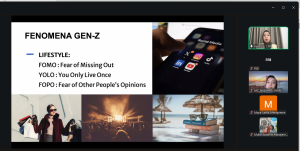
 The first session featured Fennicia Auliantika presenting “Go Digital, Go Financially Wise: Optimizing Fintech for Student Financial Planning.” She addressed how Generation Z is often influenced by lifestyle patterns driven by FOMO (Fear of Missing Out), YOLO (You Only Live Once), and FOPO (Fear of Other People’s Opinions). These habits can lead to impulsive spending behavior, made worse by the easy access to pay-later services and online loans. “It’s not about how much money you have, but how smartly you manage it,” Fennicia stressed.
 Fennicia also introduced the use of financial technology tools such as digital banking, investment platforms, and automatic budgeting apps integrated with bank accounts. However, she reminded students to be cautious about data security, use only official apps registered with OJK, and avoid illegal investment schemes that promise unrealistic returns.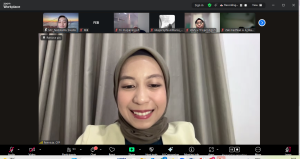
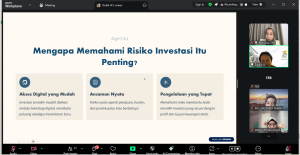 This public lecture not only broadened FEB UNS students’ knowledge of financial management but also strengthened their readiness to face investment risks in the digital era. The insights provided by both speakers are expected to encourage students to develop smart, critical, and prudent financial mindsets.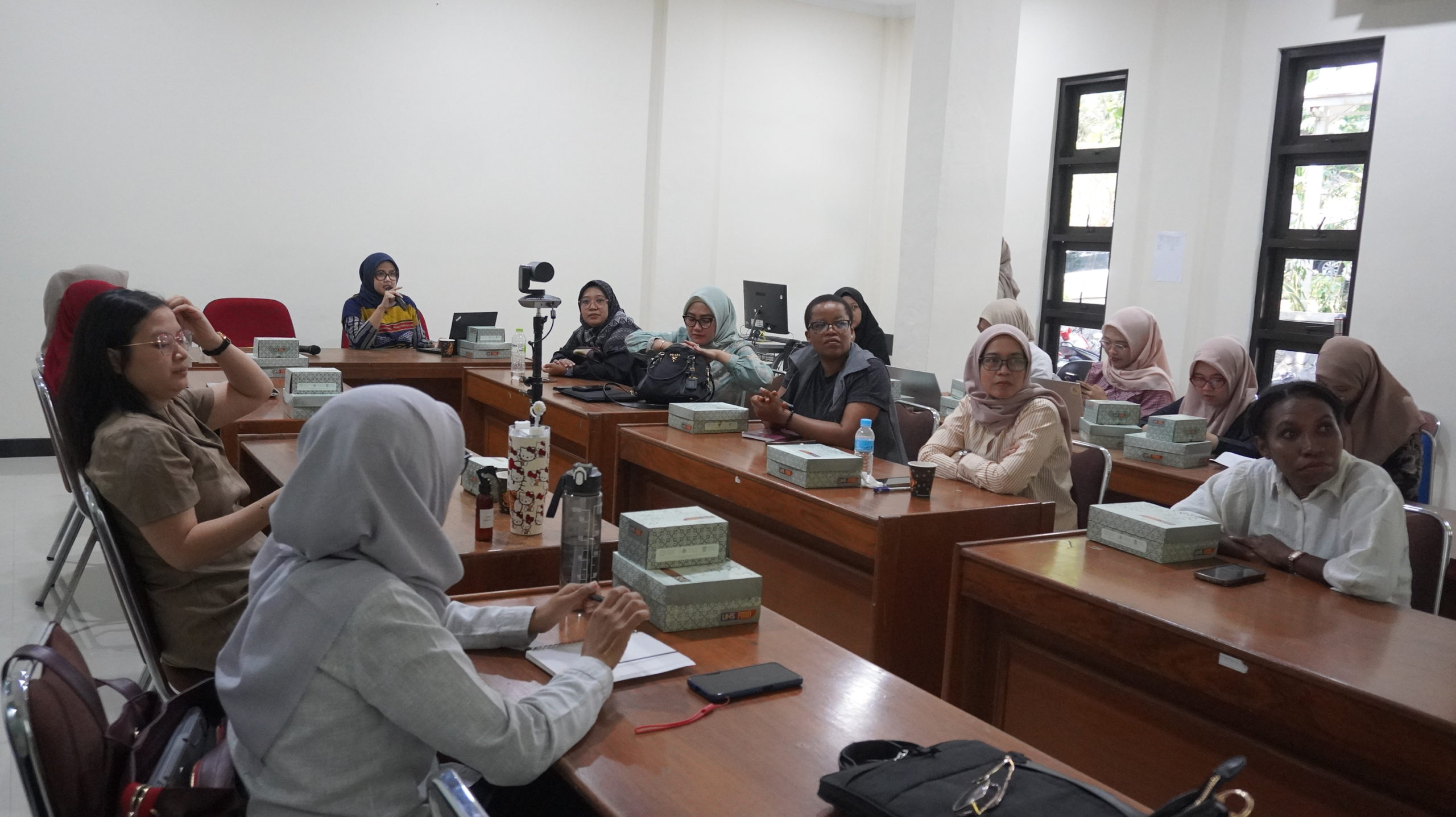


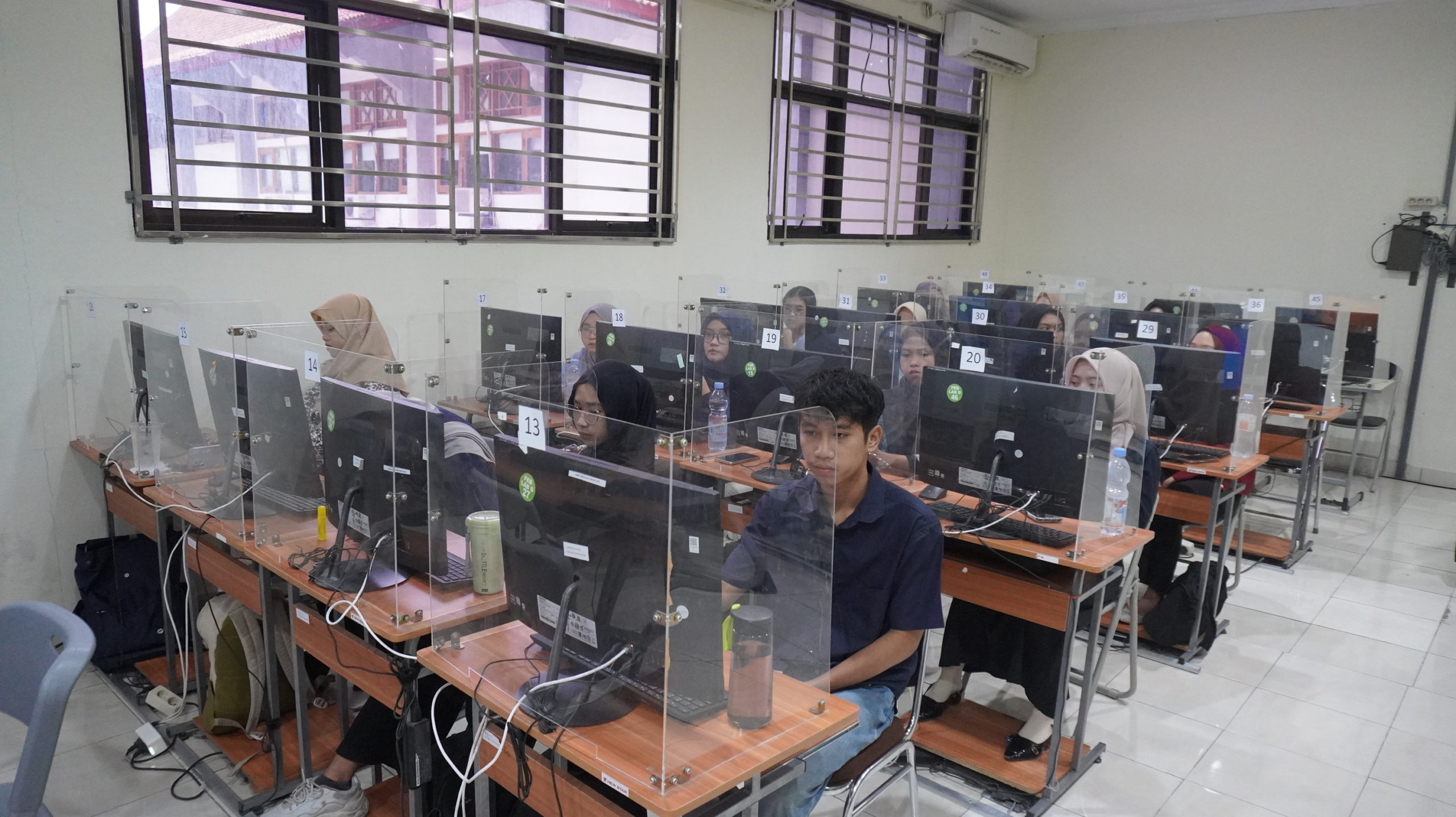
 The training covered both introductory and hands-on sessions on Coretax, including simulations of electronic tax return (SPT) filing and reporting, e-invoice creation, and the use of various digital tax administration features. Through computer laboratory practice, participants gained integrated learning experiences that combined taxation theory with the technical skills required in the professional field.
 In her opening remarks, Prof. Tri Mulyaningsih, S.E., M.Si., Ph.D., Vice Dean for Academic and Research Affairs of FEB UNS, emphasized the importance of mastering tax technology for accounting students. “Tax reporting now uses the Coretax application, thus, accountants must understand the process as well as mastering the skill to use the application. We encourage students to actively participate in training to gain both knowledge at the same time completing and earning the competency certification,” she stated.
 Prof. Tri also highlighted the faculty’s commitment to strengthen the role of laboratories as centers for practical learning activities. “Starting this year, there will be more laboratory-based training, not only in taxation but also in logistics, capital markets, and other areas. This is part of the faculty’s commitment to providing learning experiences relevant to industry needs,” she added.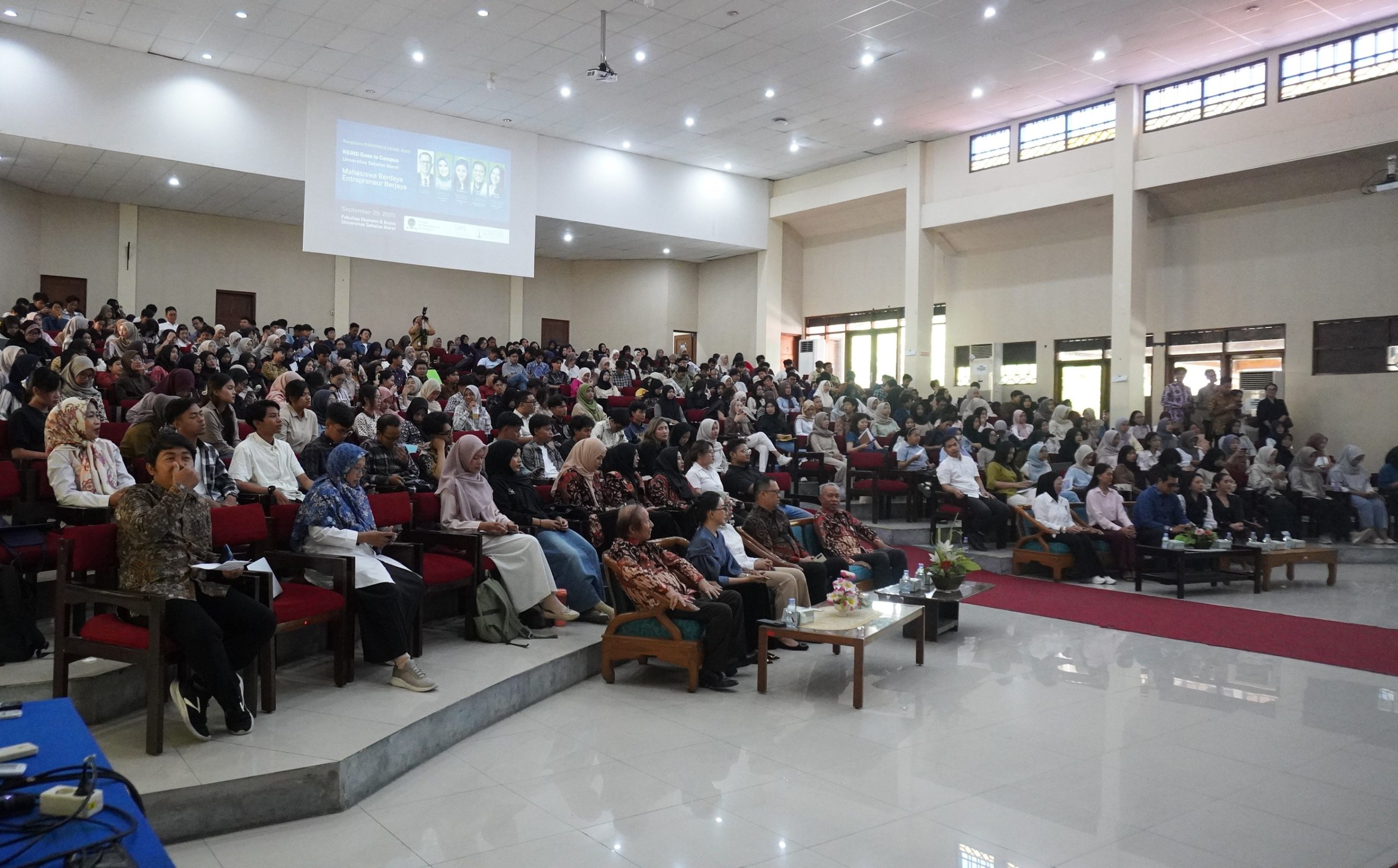
 The event was attended by Prof. Tri Mulyaningsih, S.E., M.Si., Ph.D., Vice Dean for Academic and Research Affairs of FEB UNS; Afda Rizal Armashita, Chairman of KEIND; and Astrid Widayani, Chairman of KEIND Central Java and Deputy Mayor of Surakarta.


 Through this talk show, FEB UNS students are expected to gain inspiration from national entrepreneurs and become future drivers of Indonesia’s entrepreneurial ecosystem, contributing to the vision of Indonesia Emas 2045. The activity also aligns with several Sustainable Development Goals (SDGs), particularly
 The lecture, entitled “Positioning Business Sustainability,” was conducted virtually on Wednesday, 3 September 2025, featuring Prof. Hooy Chee Wooi from Universiti Sains Malaysia (USM). In his presentation, Prof. Hooy discussed the objectives of business activities, the necessary steps to ensure business sustainability, and how to position the sustainability concept within a business.
 He further outlined strategies for ensuring business sustainability, which include clear business planning, strong financial management, market understanding, adaptability, flexibility, and investment in talent and organizational culture. With technological advancement, businesses also need to adopt automation and data-driven decision-making. Additional measures include risk management, maintaining a solid customer base, market growth, strong governance, and strategic collaboration.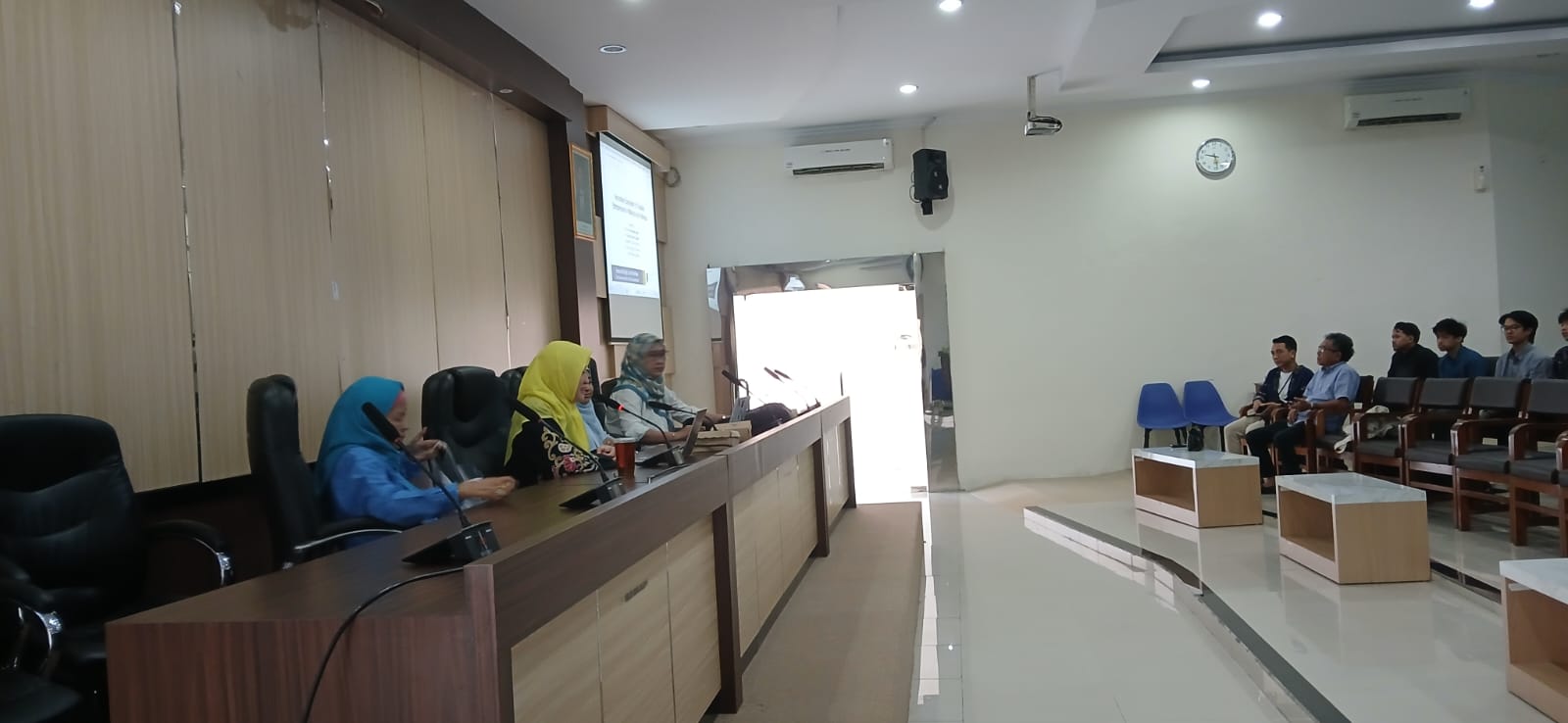
 The research explores two primary case studies: Batik Ciprat in Karangpatihan Village, Indonesia, and batik initiatives led by persons with disabilities in Malaysia, such as Rumah Harapan and Batik Kuala Lumpur. Preliminary findings from 51 respondents reveal that self-efficacy, barriers, and entrepreneurial intentions play a critical role in the success of PwD-driven digital businesses. The analysis further highlights the importance of digital tools in expanding market access, reducing operational costs, and reinforcing the social identity and role of disabled communities in the local economy.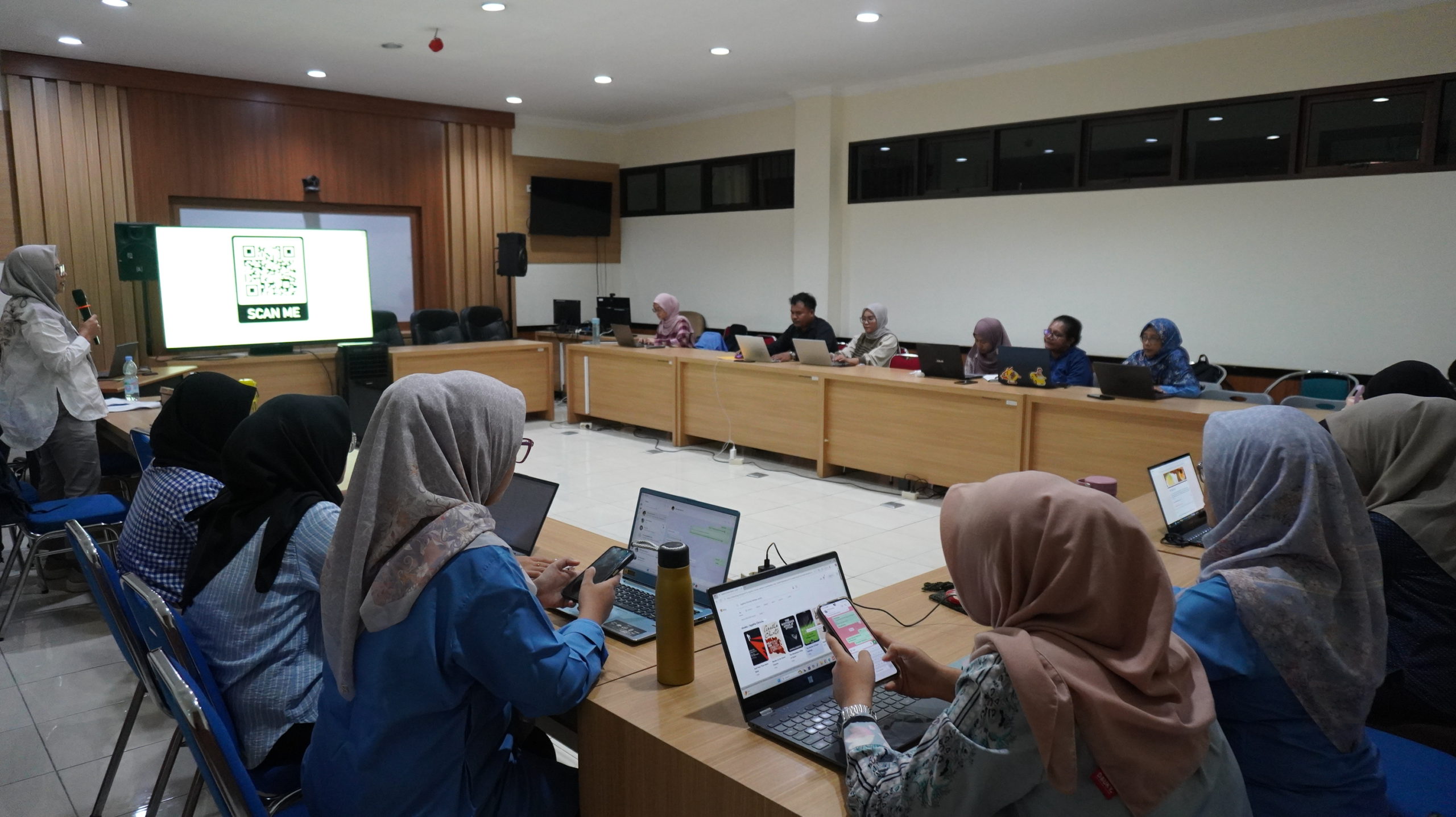

 Head of the MESP Program, Prof. Dr. Suryanto, S.E., M.S., in his opening remarks, emphasized that the workshop provided an important opportunity for students to gain deeper insight into the application of LCA in the field of economics. “This is the second time we are discussing LCA in a more practical way. Hopefully, students can understand how LCA can be applied in economics and make use of various open-source LCA tools,” said Prof. Suryanto.
 He also stressed the importance of active student participation to acquire new perspectives on environmental economics. Prof. Suryanto expressed his appreciation to the guest speaker and hoped that her guidance would help students better understand the techniques and strategies for effective use of LCA.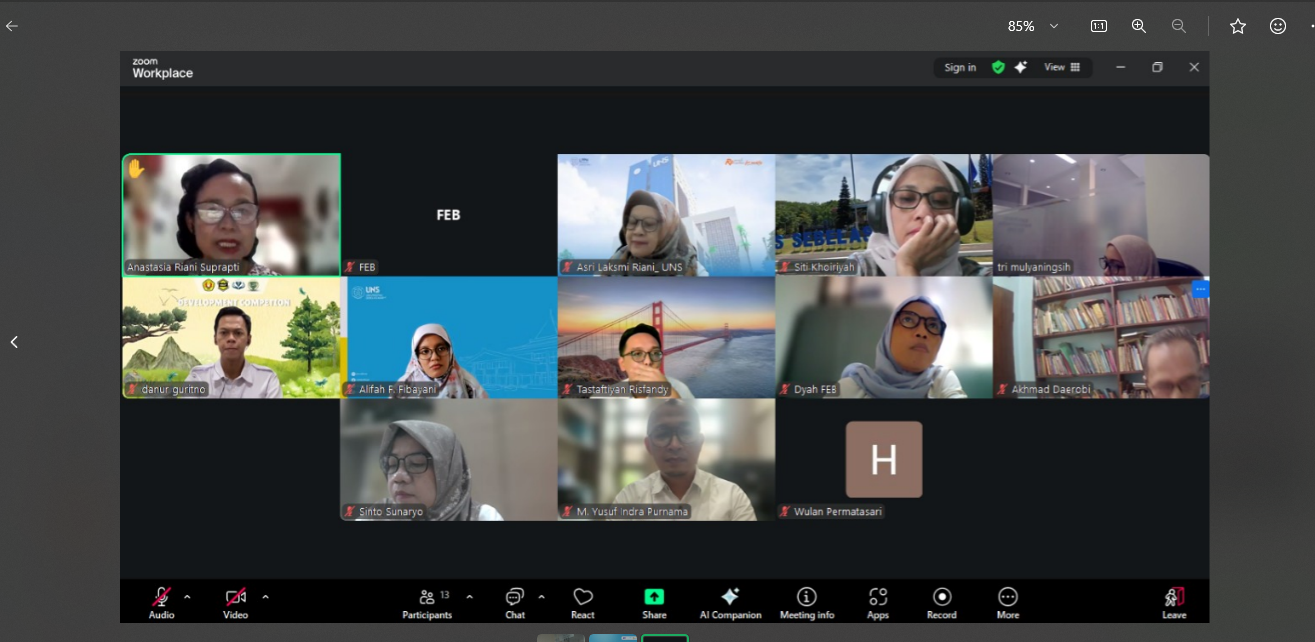
 At FEB UNS, the LMS will be implemented in various courses such as Human Resource Management, Human Resource Economics, and Employment Economics. The customized materials cover topics including current labor issues, company case studies, labor migration, and trade unions. The LMS is expected to address global challenges in employment, the green economy, and environmental sustainability. Through this platform, students can access online, interactive, and flexible learning resources.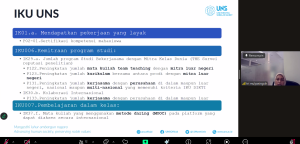
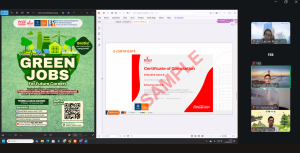 Participants will receive an international certificate from CCEP, free access to the five training modules, flexible online learning opportunities, and the chance to win cash prizes of up to IDR 5,000,000. During the discussion session, Muhammad Yusuf Indra Purnama, Ph.D., Head of the Development Economics Study Program, suggested that the independent learning process should remain under lecturer supervision to ensure student discipline and completion.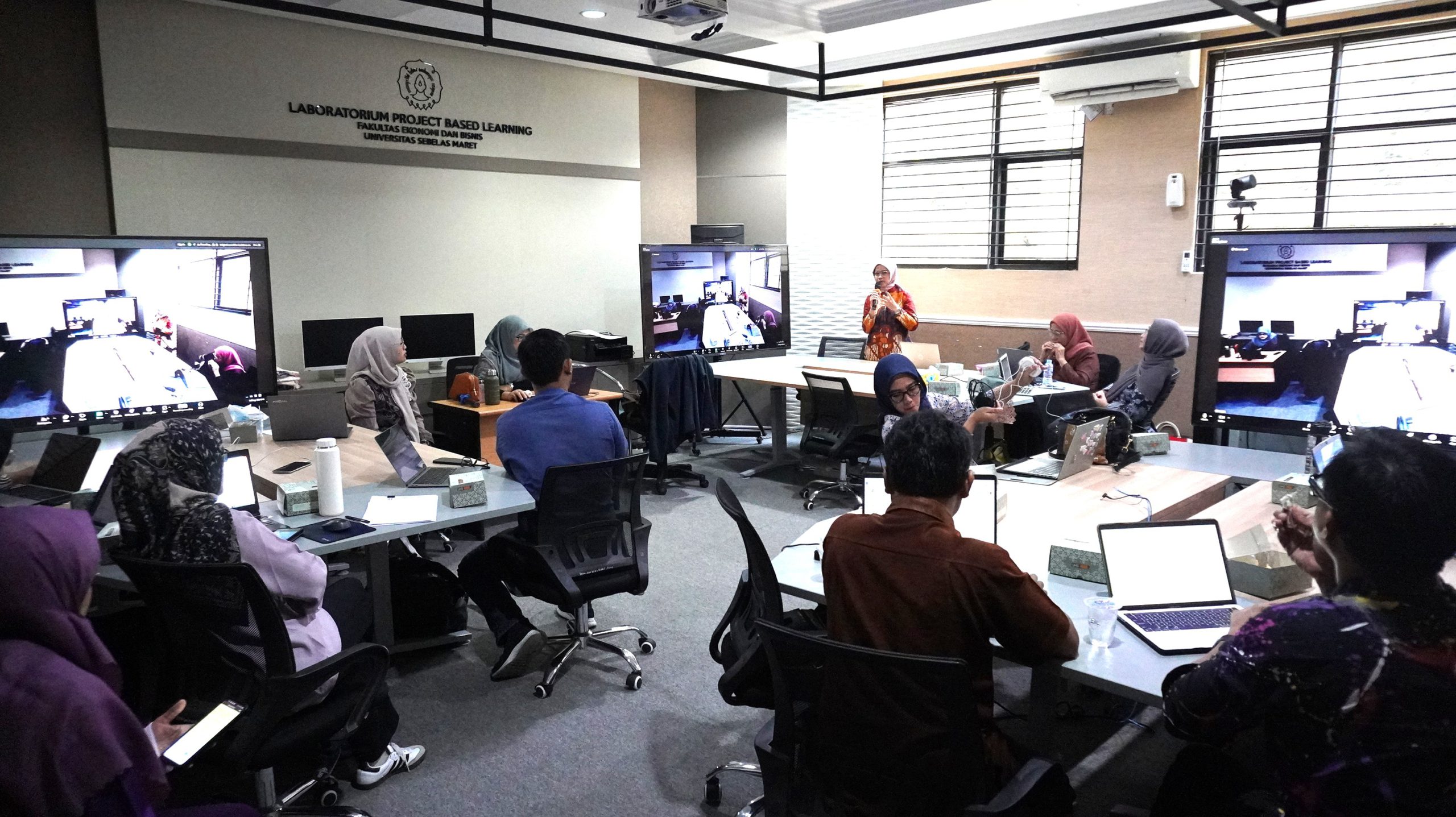
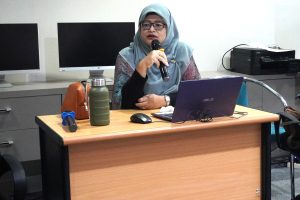


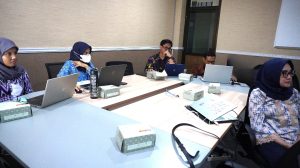 The workshop, which spanning from morning until late afternoon, was highly interactive. Participants actively engaged in discussions, Q&A sessions, and hands-on practice in developing syllabi and teaching materials. Their enthusiasm and active involvement reflected a strong commitment to enhancing the quality of English teaching within the faculty.