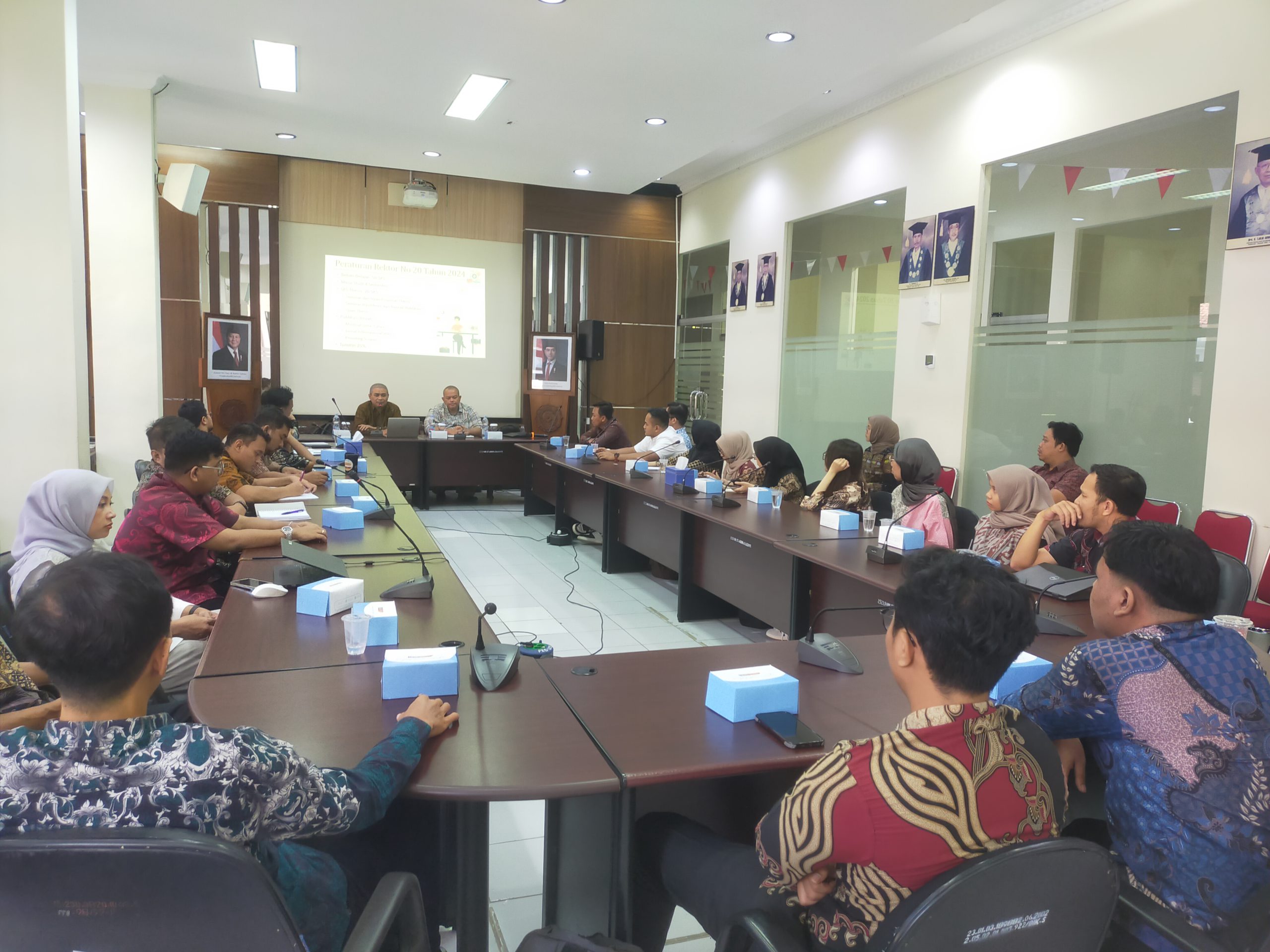
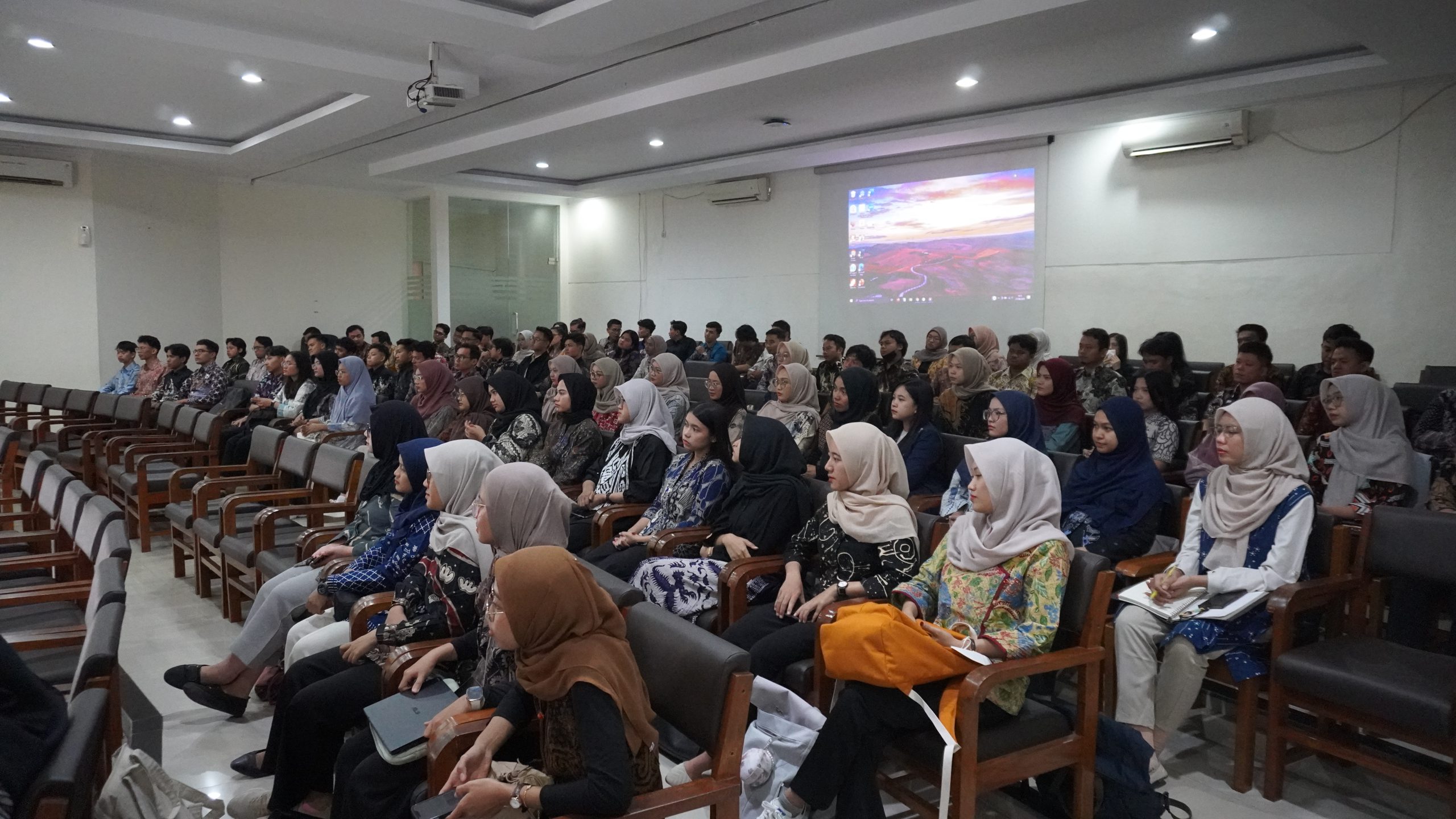
The Master of Management (MM) Study Program, Faculty of Economics and Business (FEB), Universitas Sebelas Maret (UNS), held its New Student Orientation on Saturday, 30 August 2025, at Meeting Room 1, Soeharno TS Building, FEB UNS. The event, attended by 36 new MM students, served as an introduction to the curriculum, learning system, and academic direction.

In his presentation, Dr. Lilik Wahyudi, S.E., M.Si., Head of the MM Study Program, explained the implementation of Rector’s Regulation No. 20 of 2024, which stipulates that MM students will complete 56 credits across four semesters, including 26 thesis credits. In addition to the thesis examination, students are required to produce publications in nationally or internationally accredited journals, with a maximum similarity index of 25 percent (Turnitin).
 One of the strategies introduced by the Head of the Study Program is the acceleration of scientific publications. Students are guided from the first semester through individual proposal writing. In the following semesters, the research is developed into a research report, transformed into a manuscript for publication in the third semester, and finally presented in a research seminar during the fourth semester. “We do not want you to spend too much time here; aim to finish within a maximum of two years,” he emphasized.
To support this target, students are provided with access to the EasyStudy MM UNS digital platform. A tiered thesis standard is also introduced, ranging from simple replication studies in Sinta-indexed journals to more complex research aimed at Q1–Q2 international journals.

Dr. Lilik emphasized that the orientation is not merely an introduction, but also a strategic direction. “We want MM students to realize from the very beginning that their academic journey does not stop at writing a thesis. You must be prepared to produce scientific works that can be published and make a broad impact, both nationally and internationally,” he said.
Through this structured curriculum designed to accelerate research and publication, the MM Study Program UNS is committed to producing graduates who not only complete their studies on time but are also productive in generating recognized scientific works. Following the strategic direction delivered by the Head of the MM Study Program, the event continued with a session on Strategies for On-Time Graduation at the Master’s Level, presented by Dr. I Made Bayu Dirgantara, S.E., M.M., lecturer at Universitas Diponegoro. This session provided guidance to new students on how to design effective academic strategies.

The program then proceeded with academic information delivered by Dyah Wasita Winahyu, S.E., Head of the Academic Subdivision FEB UNS, who outlined the academic and administrative regulations students must understand throughout their studies.
This activity aligns with the Sustainable Development Goals (SDGs), particularly SDG 4: Quality Education, by promoting inclusive and equitable learning, and SDG 8: Decent Work and Economic Growth, by encouraging innovation and research that contribute to sustainable economic development and the creation of decent employment opportunities. With this structured academic strategy, graduates of the MM Study Program FEB UNS are expected to become agents of change who support sustainable development at both the national and global levels.

 Yani Maryudiasti, S.Sos., M.Si., Head of the UPT of UNS Archives, emphasized the objective of this activity as part of ongoing efforts to improve archival governance in line with accountability and efficiency principles. She noted that this initiative also aims to ensure effective and efficient archival management across UNS.
 In preparation for the event, the UPT of UNS Archives had previously distributed several documents to all work units, including FEB. These consisted of the 2025 internal archival supervision instrument, sample supporting documents for internal archival supervision, and the schedule for its implementation. Archivists at FEB independently completed the assessment forms and attached supporting evidence.
 Following the welcoming session and the explanation of the assessment results from the self-assessment forms, the UNS archival team conducted a direct inspection of several rooms managing both academic and non-academic records, as well as the archive administration space at FEB UNS.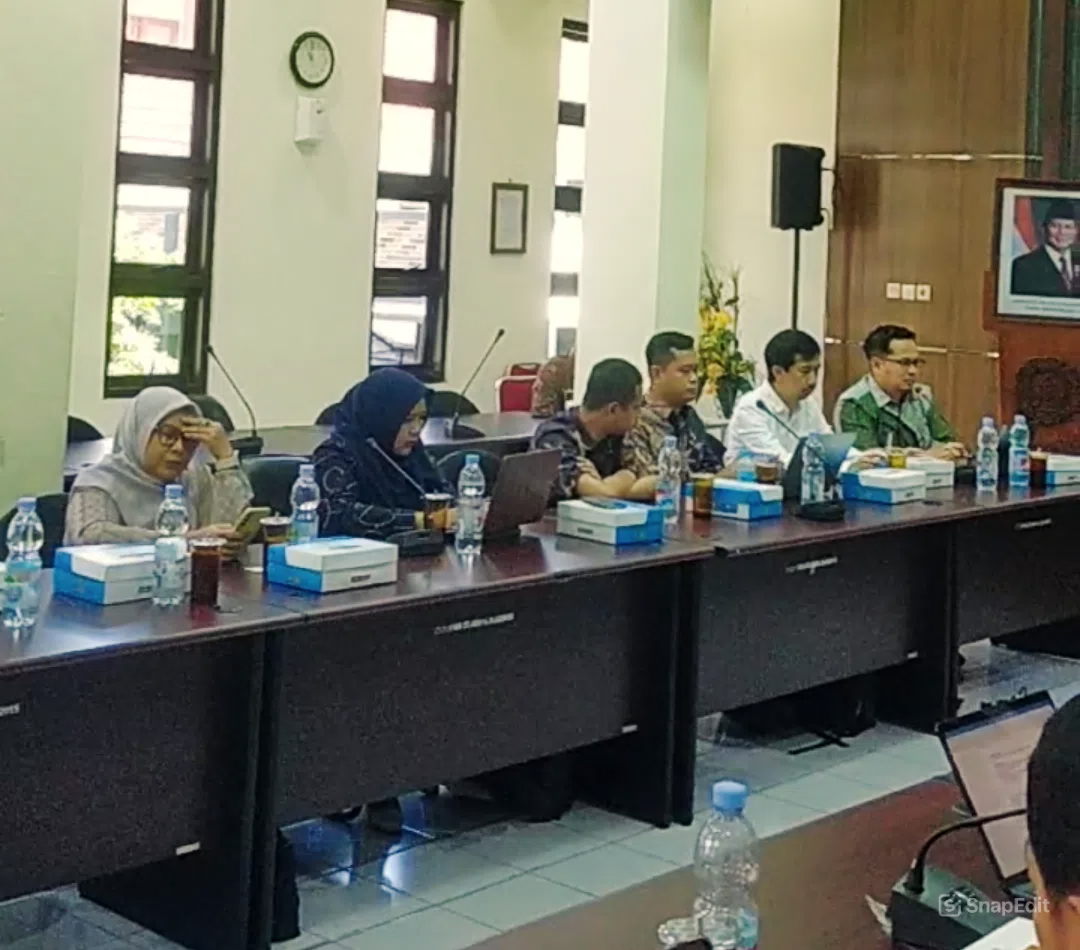
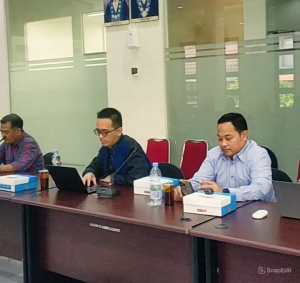
 In her welcoming remarks, Prof. Tri conveyed appreciation for the visit and presented the profile and achievements of the faculty, in academics, research, and community engagement activities. “In our efforts toward internationalization, we continue to strengthen collaboration, research, community engagement, and scientific publications. In term of university and faculty rankings, particularly in the fields of Economics, Econometrics, Accounting, and Management, we see an upward trend,” stated Prof. Tri.
 To support learning and research, the faculty is equipped with eight laboratories, which can be categorized as the data laboratories, business laboratories, and learning laboratories. These facilities are available not only for the students and lecturers but are also expected to provide services to external users. Additionally, serving as platforms for research development and international publications FEB UNS is a home for 20 interdisciplinary research groups, where the research ecosystem is further supported by regular forums, such as the monthly Working Paper Forum.
 Meanwhile, Dr. rer. pol. Ferry Prasetyia, S.E., M.App.Ec., Head of the Department of Economics FEB UB, expressed appreciation for the warm welcome extended by FEB UNS. “Thank you to Prof. Tri and all the faculty leaders for the hospitality. This visit follows FEB UNS’s visit to UB in 2023. We hope it will strengthen synergy and collaboration going forward,” said Dr. Ferry.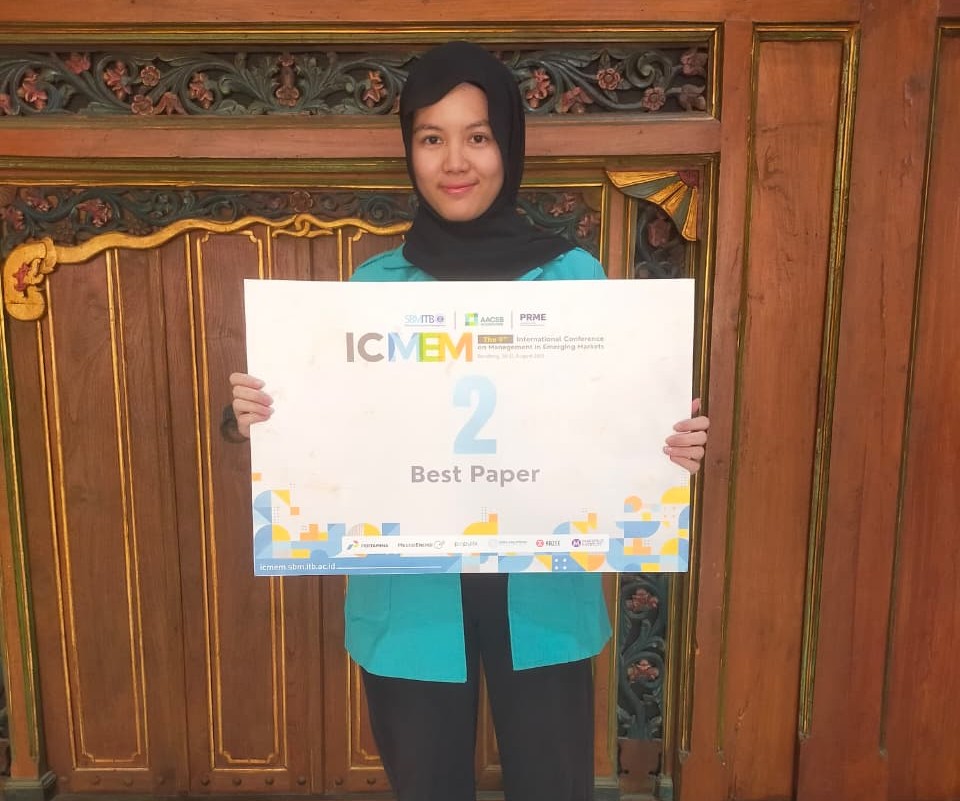
 Presenting an article entitled “Gender Diversity on Corporate Boards and ESG Controversies: A Sector-Sensitive Analysis of Women in Governance,” she highlights the relationship between gender diversity on corporate boards and Environmental, Social, and Governance (ESG) controversies in Indonesia. Drawing upon the Upper Echelons Theory and Resource-Based View (RBV), the research examined four sensitive sectors: energy (PT Pertamina), mining (PT Adaro Energy), agribusiness (PT Astra Agro Lestari), and banking (Bank Rakyat Indonesia).
 ICMEM 2025 served as an international forum bringing together academics, practitioners, and researchers from various countries to discuss business and management challenges in emerging markets. This accomplishment further strengthens UNS’s commitment to producing research that is relevant to global challenges, inclusive, and sustainable.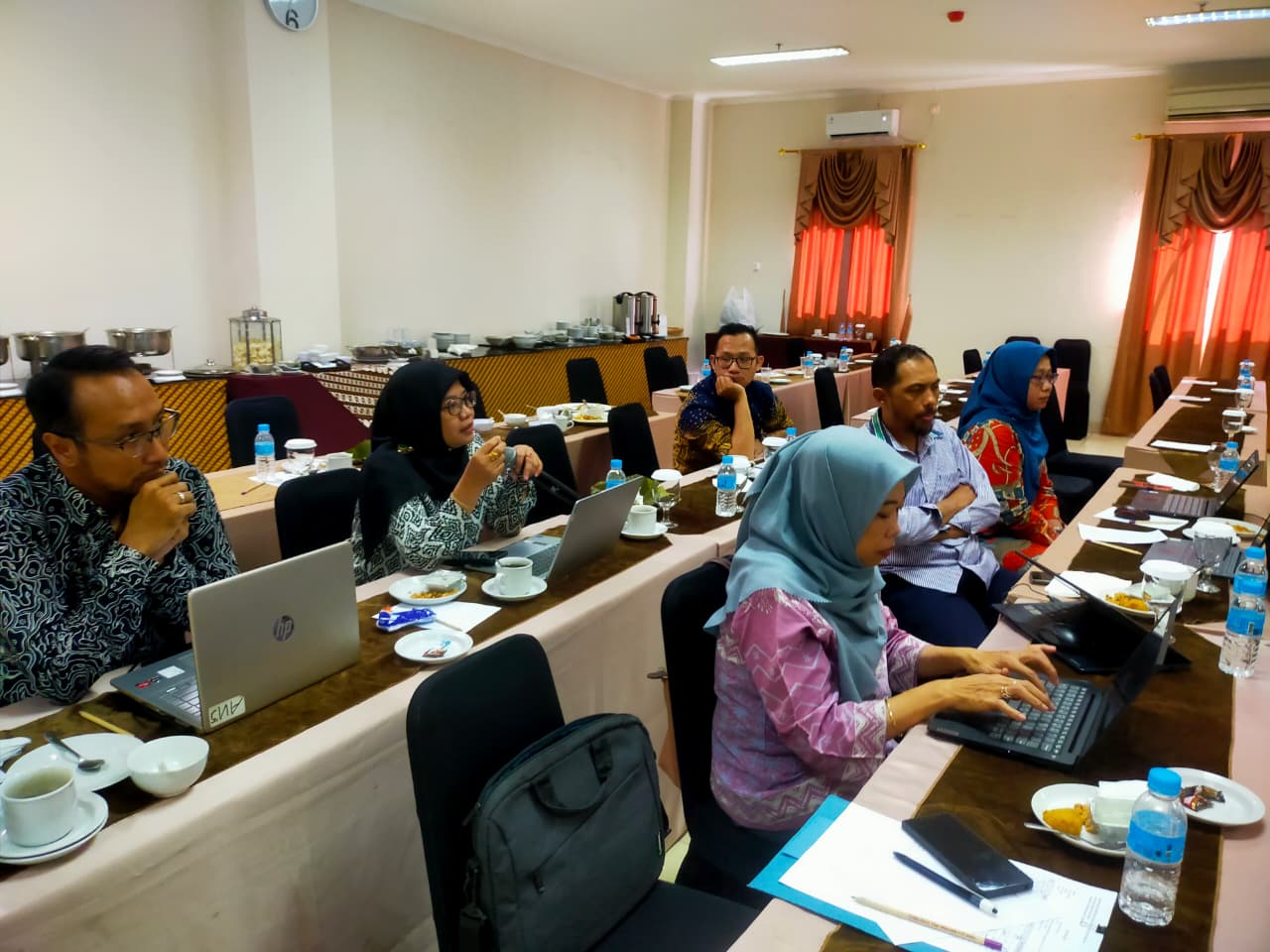

 This initiative is a joint-effort undertaken by the Academic Affairs Division (Division 1) and the Student and Alumni Affairs Division (Third Division). In its presentation, the Division highlighted the importance of structuring mandatory internships, which apply generally to all study programs and must be reported to each program. On the other hand, there are also independently managed internships by students within the MBKM framework, now known as Impactful Internships.
 It is important to understand that the current implementation of internships refers to Ministerial Regulation (Permendikbudristek) No. 63 of 2024 on the Implementation of Student Internships. FEB UNS, through Division 3, is committed to preparing and launching the Internship Handbook in the near future. One of the key discussions was the positioning and relationship between Mandatory Internships, MBKM Internships, and Impactful Internships within the curriculum structure and academic policies.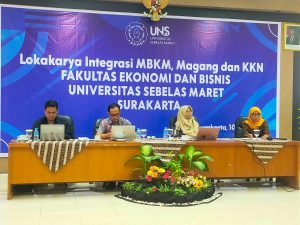
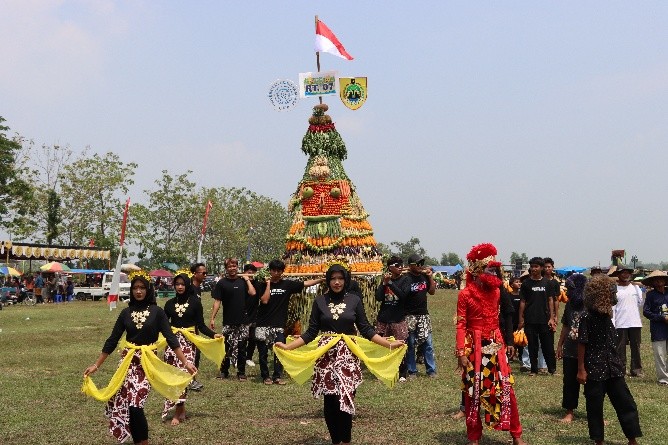

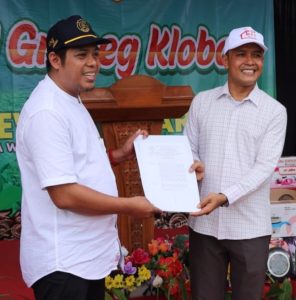
 On August 24, 2025, the second “Grebeg Klobot” was held, showcasing significant progress compared to the previous year. The number of gunungan (ornamental mountain-shaped offerings) increased from 13 to 17, with more diverse and creative designs.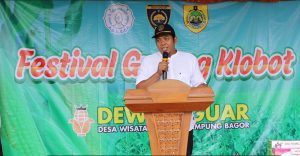


 Head of the Accounting Study Program at FEB UNS, Prof. Doddy Setiawan, S.E., M.Si., Ph.D., delivered a welcoming speech to all Accounting lecturers in attendance and expressed his gratitude to the two speakers for their willingness to share knowledge and experience. “We sincerely thank both speakers for dedicating their time to contribute to this forum. Hopefully, this activity will provide great benefits for all of us,” he stated.
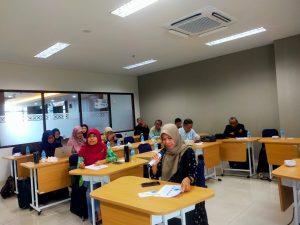 The discussion then continued with a presentation by Dr. Luluk Widyawati, who outlined that the curriculum review process involves three main stages: defining the Learning Outcomes (CPL), translating the CPL into courses and determining credit weight (SKS), and further detailing CPL and courses into structured learning processes for each session. “These three stages serve as the basis for evaluating the existing curriculum and for developing the Undergraduate Accounting curriculum at Universitas Indonesia,” said Dr. Luluk.
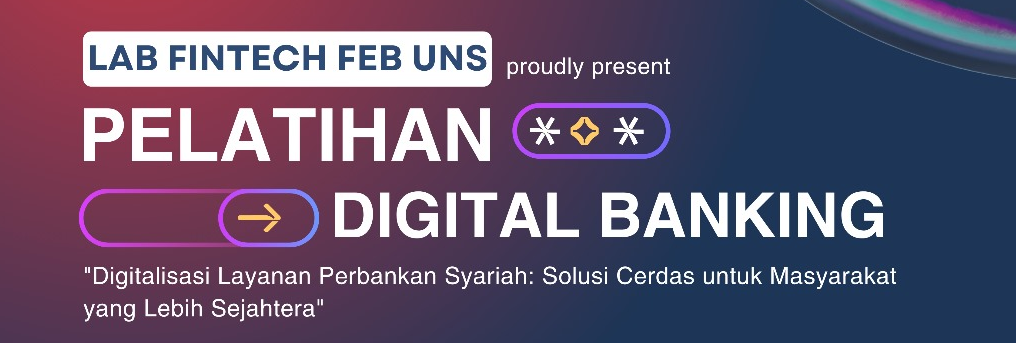
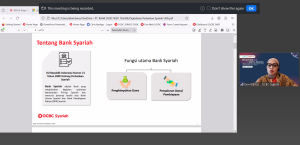
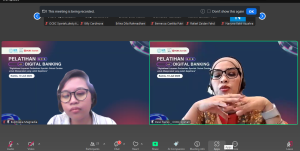 She also expressed her appreciation to the Head of the Fintech Laboratory, Wahyu Trinarningsih, and the organizing committee for their dedication in making this activity a success. “We hope this program not only broadens students’ knowledge but also provides practical skills for building careers in the digital Islamic banking sector. I also entrusted Ms. Dewi to share her experiences in product development and strategies for staying competitive amid the rapid innovation in banking products today,” she added.
 “FEB UNS graduates must have added value—not only a diploma but also competencies that are relevant to industry needs,” concluded Prof. Tri.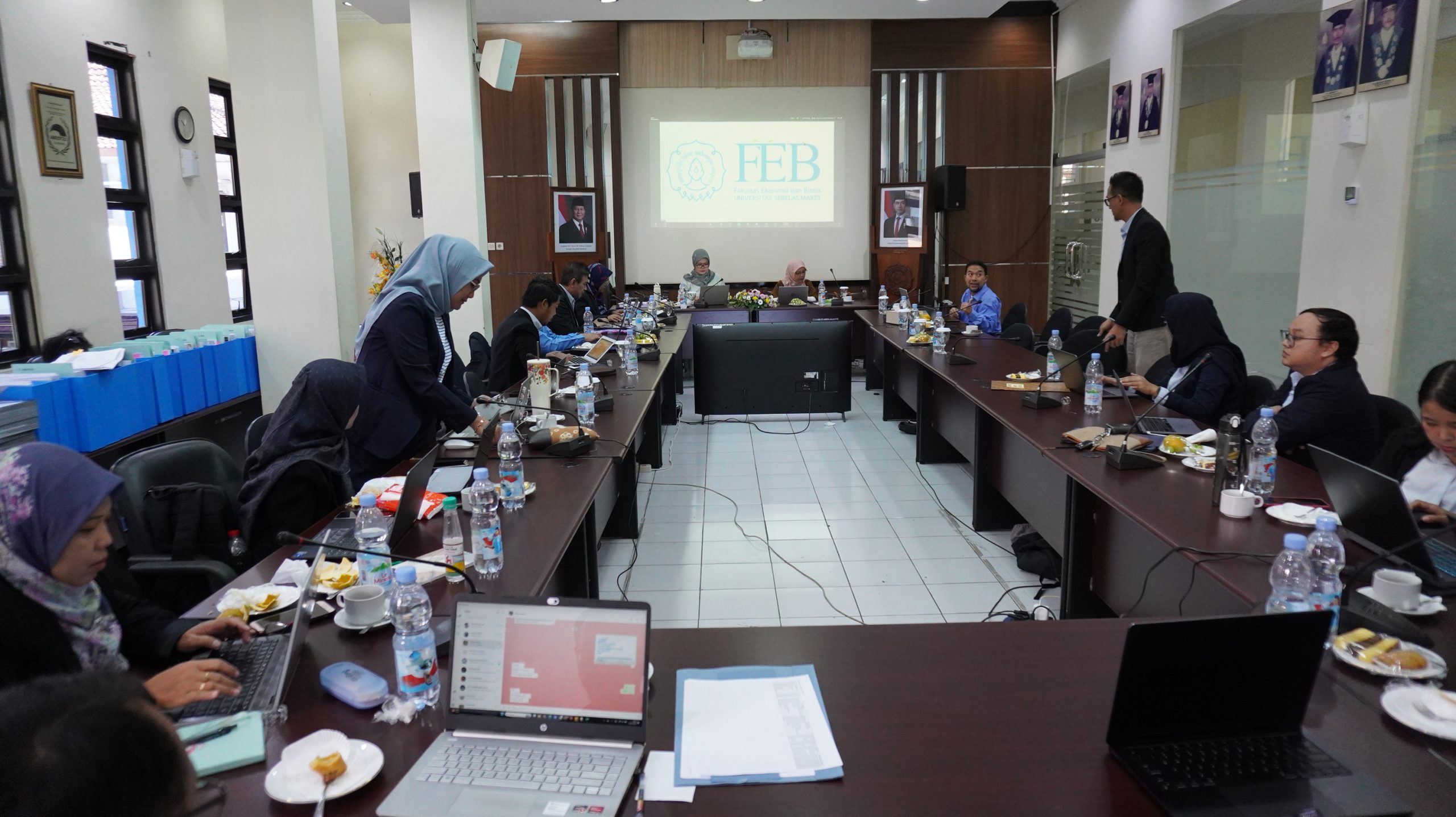
 The assessor team consisted of Prof. Dr. Farida Titik Kristanti, S.E., M.Si., from Telkom University, and Dr. Wuryan Andayani, C.A., M.Si., CSRS., CSRA., CMA., from Universitas Brawijaya. They were formally welcomed at the Rectorate Meeting Room by Prof. Dr. Fitria Rahmawati, S.Si., M.Si., Vice Rector for Academic and Research Affairs, together with the FEB UNS Dean Office, heads of the respective study programs, and representatives from the UNS Institute for Educational Development and Quality Assurance.


 Prof. Tri Mulyaningsih, S.E., M.Si., Ph.D., Vice Dean for Academic and Research Affairs, in her remarks, highlighted the national and international accreditations achieved by FEB UNS, including “Unggul (Superior)” accreditation from LAMEMBA and international accreditation from AQAS. She also noted that FEB UNS is in the process of pursuing accreditation from the world’s prestigious body, AACSB.
 Meanwhile, the Head of the Undergraduate Accounting Study Program, Prof. Doddy Setiawan, S.E., M.Si., Ph.D., Ak., explained that the study program offers an academic incentive in the form of exemption from the thesis examination for students who successfully publish their scientific work in reputable journals, at least SINTA 2. However, students are still required to write a thesis as part of their academic process. He also explained that from the second semester, students will begin taking Research Methodology courses and start engaging in discussions with lecturers. By the third semester, they may choose a supervisor to guide them in preparing their thesis proposal.
 As part of the orientation process, the session continued with an academic lecture titled “Emerging Research in Public Sector Accounting” delivered by Prof. Dra. Y. Anni Aryani, M.Prof. Acc., Ph.D., Ak., CA. The lecture provided students with an initial perspective on the importance of research in accountable and transparent public sector governance.