The Universitas Sebelas Maret Academic Calendar for the 2025/2026 session can be accessed from the following link: https://oktobrima.feb.uns.ac.id/wp-content/uploads/2025/07/Kalender-Akademik-2025-2026.pdf
Kategori: faculty
-
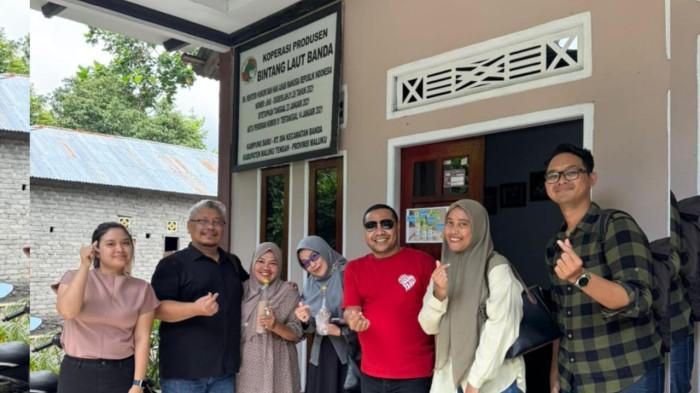
FEB UNS Researchers Develop Inclusive Economic Model on Banda Island, Engaging MSMEs and People with Disabilities
A research team from the Faculty of Economics and Business (FEB), Universitas Sebelas Maret (UNS), led by Prof. Dr. Budhi Haryanto, M.M., has completed a groundbreaking field study that may transform economic development in archipelagic regions. Conducted on July 19–24, 2025, the study focused on exploring the unique potential of the Banda Islands, Central Maluku, and designing an inclusive economic model rooted in local characteristics. This initiative is part of the 2025 Fundamental Research Grant under the BIMA Dikti scheme.
The team’s arrival in Banda Neira was warmly welcomed by the Subdistrict Government, which commended the direct involvement of leading academics in community-based research, particularly in remote areas often overlooked in national development programs. The study involved in-depth interviews and field observations of local micro, small, and medium enterprises (MSMEs), specializing in nutmeg-based products, marine crafts, and traditional culinary businesses. Uniquely, the research also reached out to entrepreneurs from the disability community, a group often marginalized in economic empowerment initiatives.
“We discovered numerous local business practices deeply rooted in cultural values, mutual cooperation, and innovations born from limited resources,” said Prof. Budhi Haryanto. He further emphasized that the research not only documents local economic practices but also explores the potential for creating inclusive, adaptive, and sustainable business models suitable for island regions.
The research team was strengthened by cross-institutional collaboration, involving academics from various universities. Among them were Cheryl Marlitta Stefia from Universitas Kristen Duta Wacana, Eni Munarsih from Universitas Mahakarya Asia, and Baretha Meisar Titioka from Politeknik Negeri Ambon—doctoral candidates at the Doctoral Program in Economics (PDIE) FEB UNS. Additionally, Sabda Adji Kurniawan from Universitas Pattimura contributed perspectives on cross-cultural and interregional economic analysis.
Amid their research activities, Prof. Budhi Haryanto also delivered a guest lecture at Universitas Banda Neira, attended by students, faculty members, and community leaders. He highlighted the importance of strategic approaches to region-based MSME development and underscored the need for synergy between academia, local government, and local communities. “Research is not solely for publication purposes—it must also deliver tangible benefits to society. We believe knowledge must take root and address the real challenges faced by communities, including MSMEs in island regions,” he stated.
Following the data collection phase, the team will proceed with analysis and model development based on empirical findings. The resulting framework is expected to serve as a practical guide for designing policies and empowerment strategies for MSMEs in underdeveloped and archipelagic areas, particularly those involving vulnerable groups. This research strengthens UNS’s position as a university strongly committed to driving social transformation through transformative and collaborative research.
-

Behavioral Marketing Research Group FEB UNS Holds FGD: Campus Incubators as Launchpads of Future Businesses
Startup incubators at universities play a pivotal role in fostering innovation and supporting business growth based on academic research. By providing a conducive environment for students and researchers to develop their ideas into tangible solutions, incubators serve as a bridge between academia and industry. However, despite their significant potential, university incubators often encounter challenges that hinder startup development.
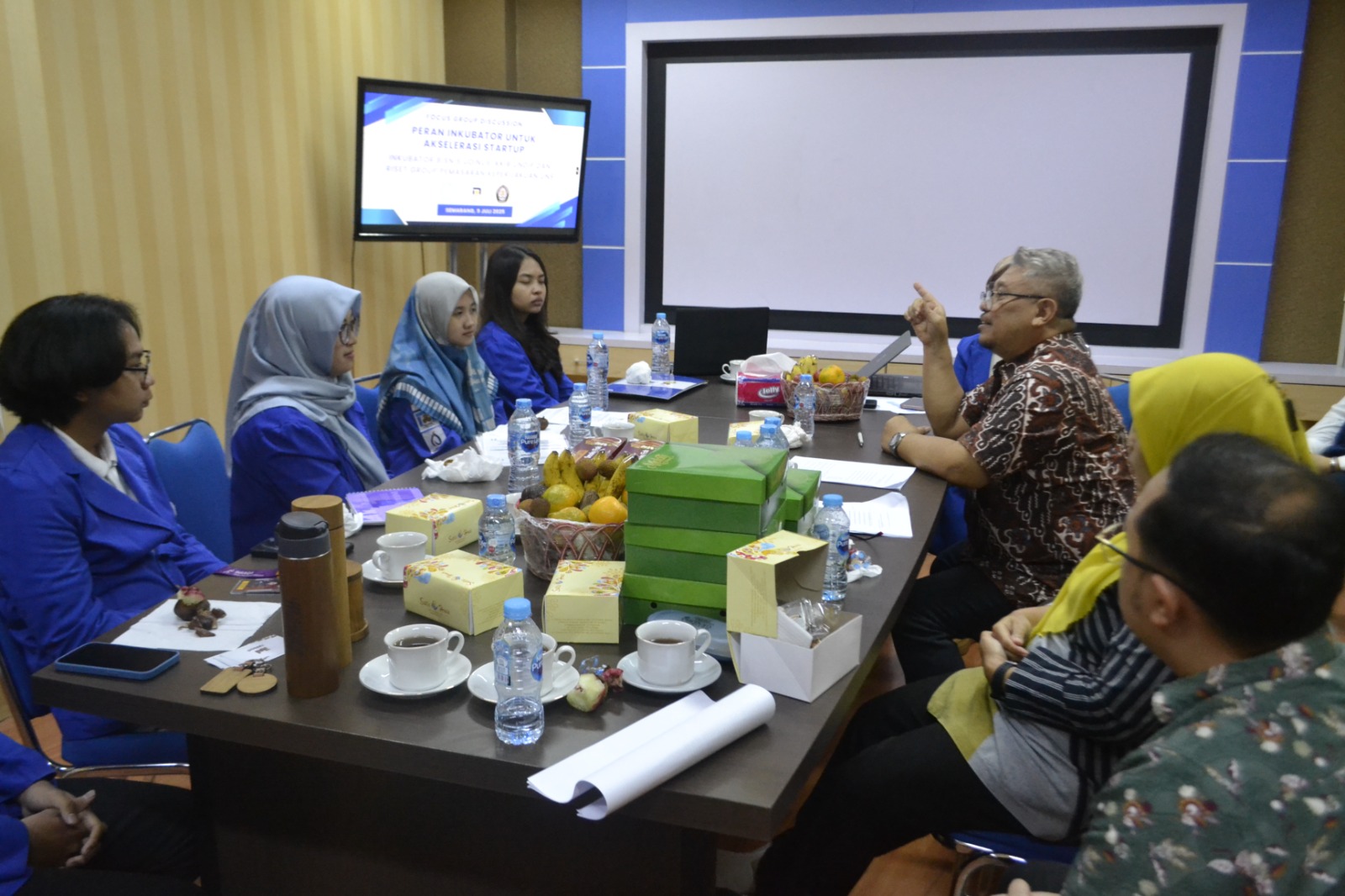
To address these issues, the Behavioral Marketing Research Group of the Faculty of Economics and Business (FEB), Universitas Sebelas Maret (UNS), conducted a Focus Group Discussion (FGD) with the UDINUS Business Incubation Center (PIB UDINUS) and several student startups from UDINUS on Wednesday, July 9, 2025.
Dr. Ahmad Ikhwan Setiawan, S.E., M.T., Chair of the Behavioral Marketing Research Group, emphasized that mentorship quality is a key factor determining startup success. “Mentors not only provide technical counsel but also assist in strategic decision-making, facilitate professional networking, and support entrepreneurial mindset development,” he stated. He also noted that incubators should build mentorship networks involving successful alumni, industry practitioners, and academics familiar with innovation and business dynamics.
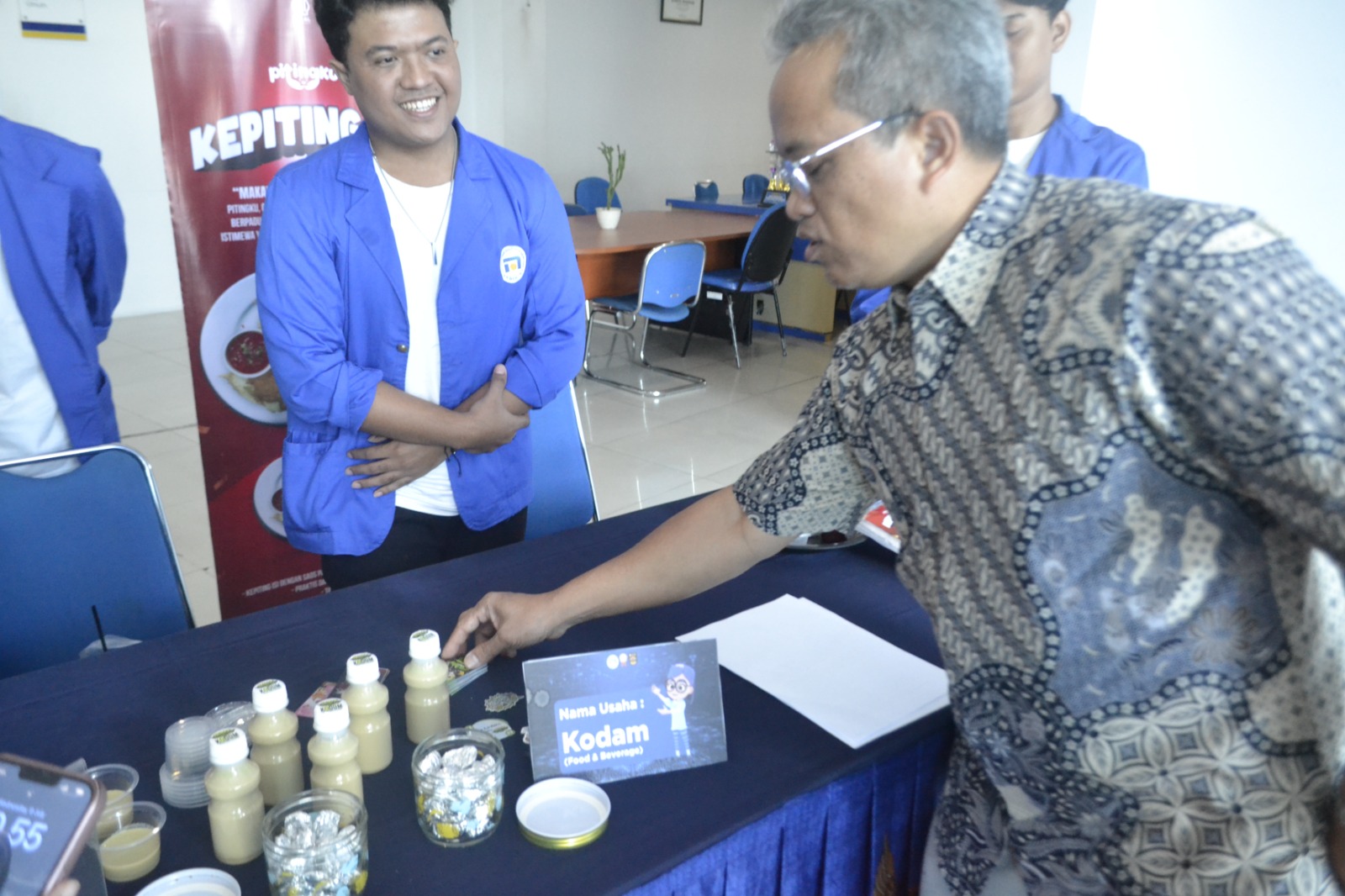
Dr. Nilla Tristiarini, S.E., M.Si., CSRA., Head of the UDINUS Entrepreneurship Institute, highlighted the importance of integrating entrepreneurship into academic curricula to instill business-oriented thinking among students from an early stage. “Programs such as startup bootcamps, innovation competitions, and business training can help foster a strong entrepreneurial mindset within academic settings,” she explained.
Additionally, Prof. Budhi Haryanto, S.E., M.M., stressed that research-based startups need support in market validation to ensure their products meet industry needs. Universities, he said, can provide business training, market research, and effective marketing strategy programs to help startups identify appropriate target markets.
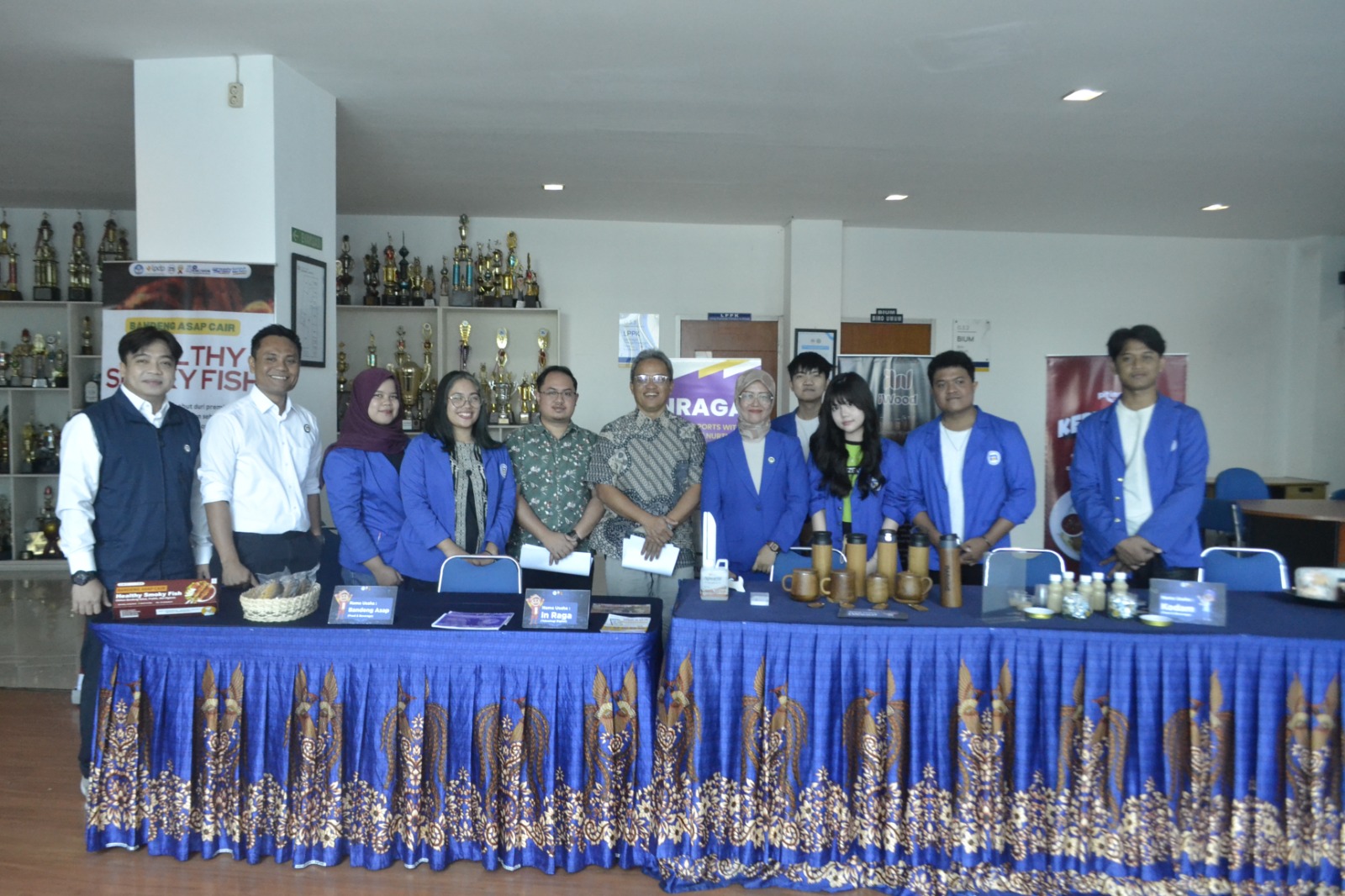
Proactive marketing efforts were also underscored by Amina Sukma Dewi, S.E., M.Si., who stated that leveraging online platforms such as social media, marketplaces, and digital advertising is essential for startups to broaden their customer reach. “With the right marketing strategies, startups can enhance brand awareness and accelerate business growth in the digital era,” she added.
The FGD concluded with presentations showcasing the success of five UDINUS startups in penetrating both regional and national markets, further highlighting the vital role of campus-based incubators as hubs for nurturing future-ready businesses.
-
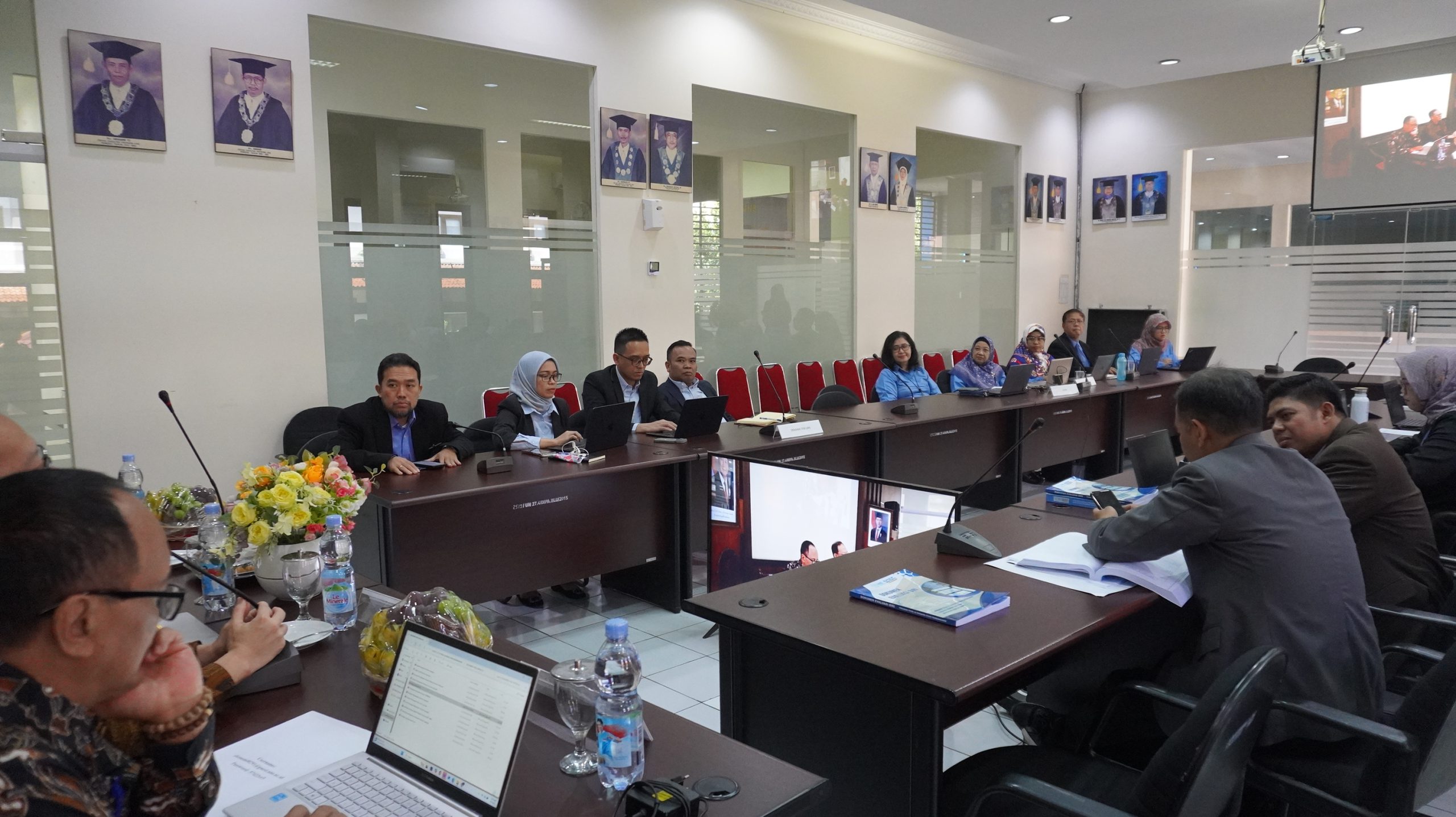
LAMEMBA Conducts On-site Assessment of the Master’s Program in Economics and Development Studies at FEB UNS
The Faculty of Economics and Business (FEB), Universitas Sebelas Maret (UNS), welcomed the assessment team from the Institute of Accreditation for Economics, Management, Business, and Accounting Programs (LAMEMBA) on Tuesday–Wednesday, July 8–9, 2025. The assessment took place in Meeting Room 1, Soeharno TS Building, FEB UNS.
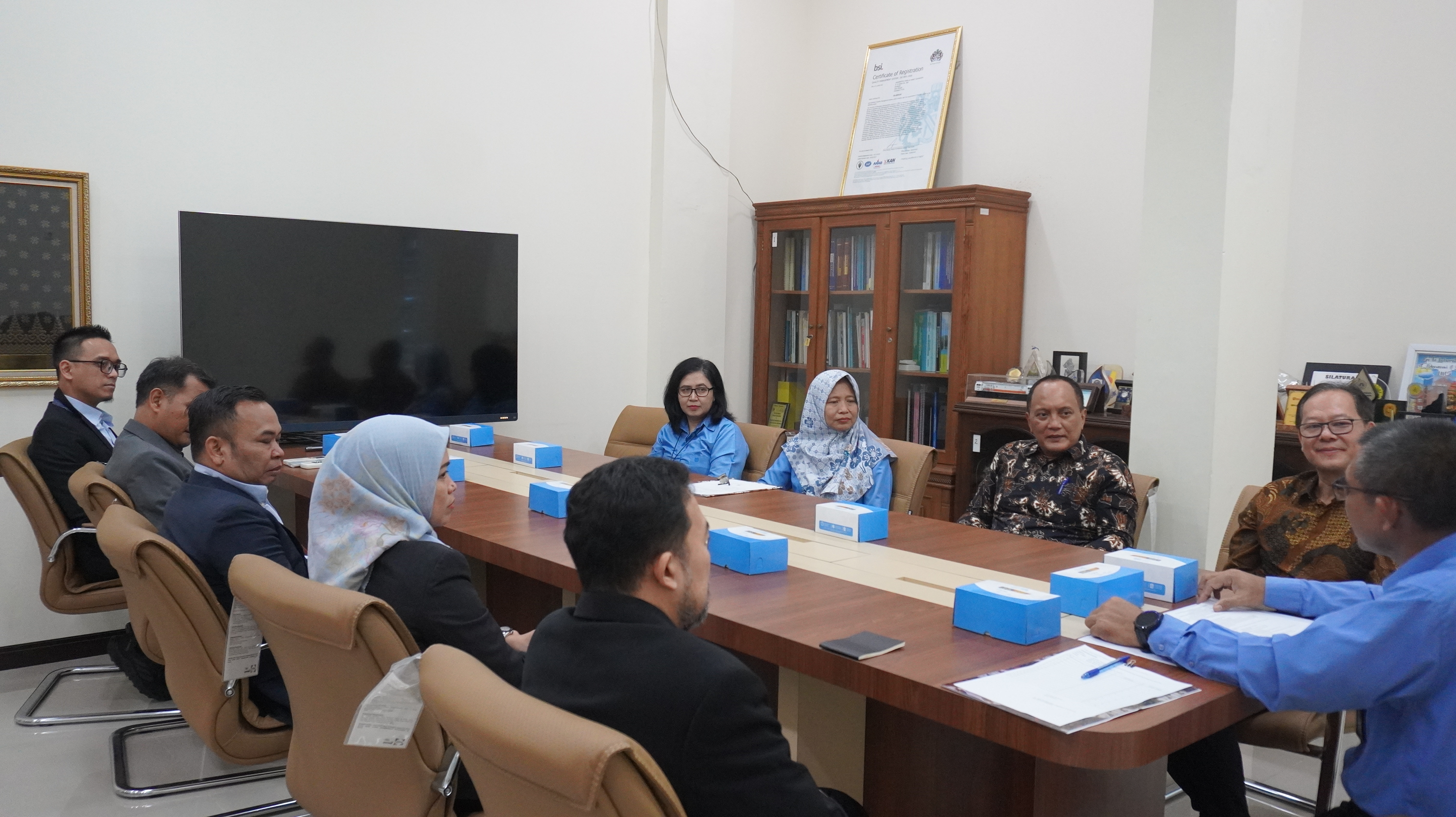
 The assessment, led by assessors Prof. Suyanto, S.E., M.Ec.Dev., Ph.D., from the Universitas Surabaya and Prof. Ida Bagus Putu Purbadharmaja, S.E., M.E., from Universitas Udayana, was part of the on-site assessment for the Master’s Program in Economics and Development Studies at FEB UNS.
 In his opening remarks, delivered before the Dean Office, the Head of the Master’s Program in Economics and Development Studies, the Quality Assurance Unit (UPM), and the Accreditation Taskforce Team, Prof. Suyanto emphasized that the assessors’ visit aimed to validate the content of the accreditation documents submitted by the program.
 “All statements provided in the documents must not only be descriptive narratives, but also supported by concrete evidence. These include regulations and records of implementation. We will work thoroughly, so we expect consistent responses from everyone involved. We will provide a report based on everything we observe on site. Often, we find that the real action conducted on-site is even more impressive. Therefore, we hope the team will work more swiftly and more effectively,” he explained.
During the assessment, the first day featured interview sessions conducted by Prof. Ida Bagus Putu Purbadharmaja. The interviews were held in several stages, involving users, alumni, lecturers, and students.
 On the second day, the assessors conducted a facilities review, visiting several FEB units including the Center for Research and Community Engagement Development (P4M), Fiscal Corner, professors’ offices, archives room, classrooms, Konimex Hall, student workspace, and the Computer Laboratory.
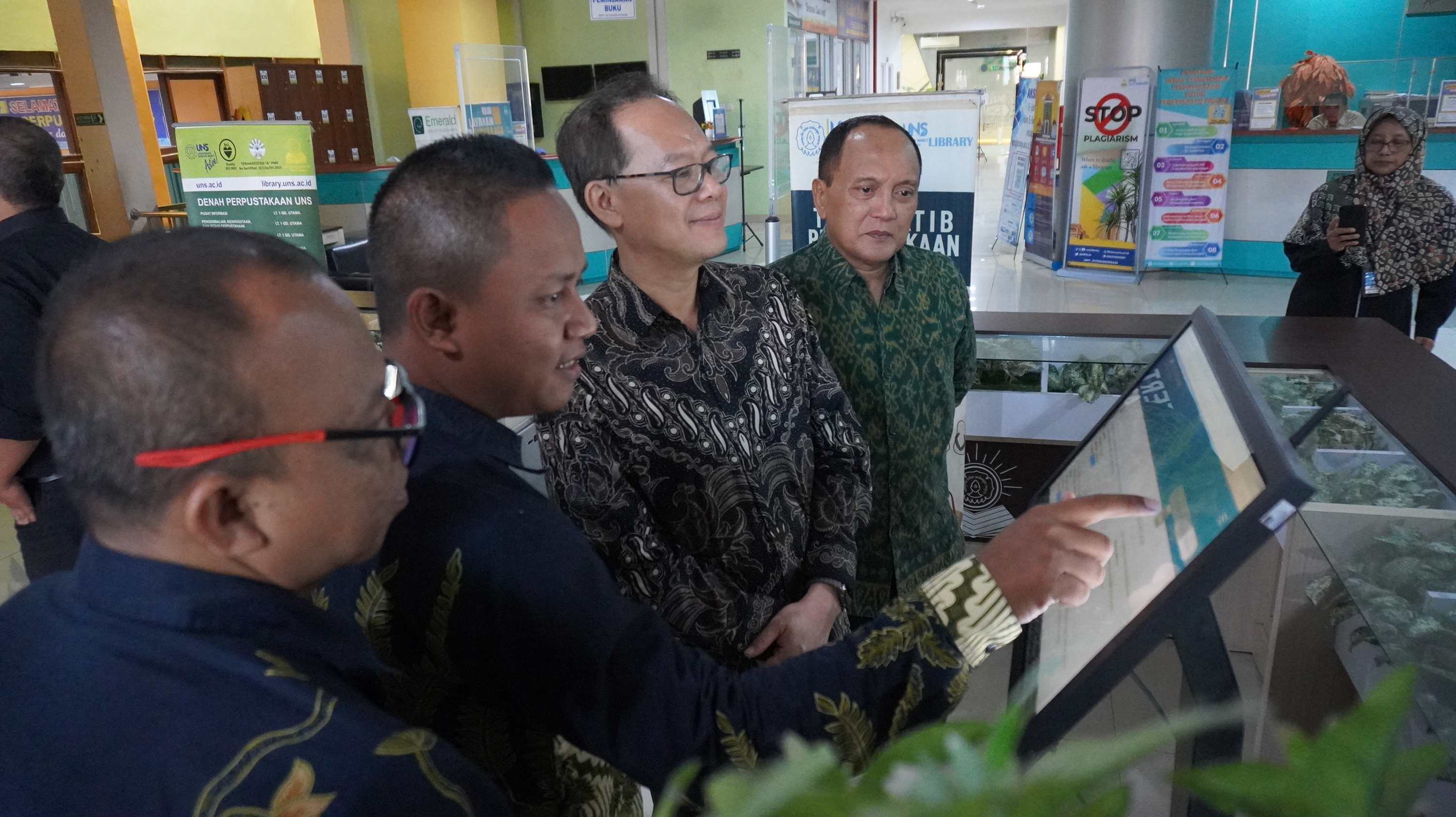 The visit concluded with a feedback session, signing of the on-site assessment report, and the official closing ceremony.
-
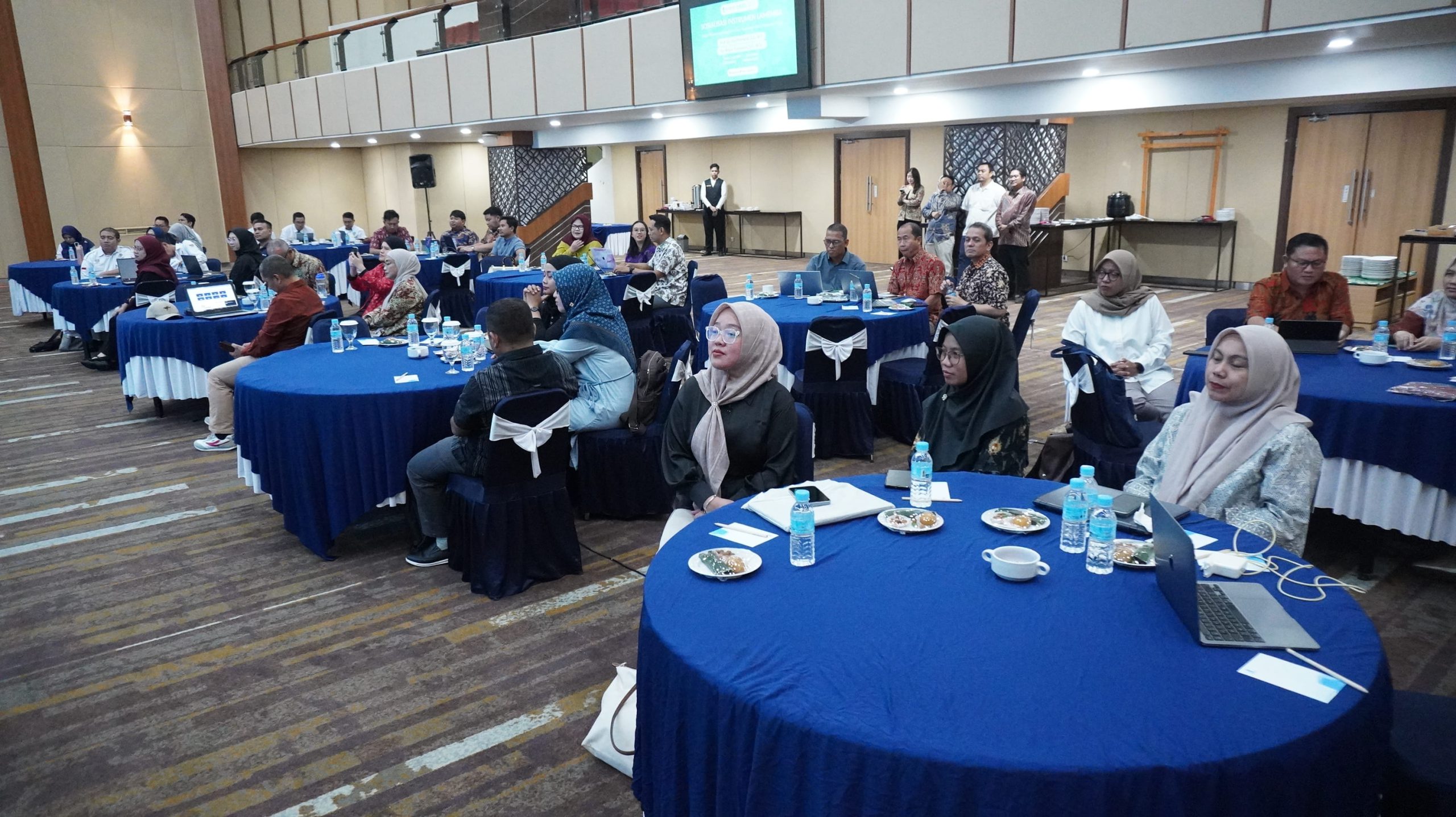
Strengthening Quality Assurance: FEB UNS Digital Business Study Program and APBISDI Host 2025 LAMEMBA Accreditation Instrument Dissemination and In-Depth Workshop
The Digital Business Study Program, Faculty of Economics and Business (FEB), Universitas Sebelas Maret (UNS), in collaboration with the Indonesian Association of Digital Business Professionals and Educators (APBISDI), organized a Dissemination and In-Depth Workshop on the 2025 LAMEMBA Accreditation Instrument. The event took place on Monday, July 7, 2025, at the Ki Hadjar Dewantara Building, UNS Tower.
 Attended by Digital Business Study Program administrator from various universities across Indonesia, the event featured speakers from the Executive Board of LAMEMBA (Institute of Accreditation for Economics, Management, Business, and Accounting Programs), Prof. Dr. Ina Primiana, S.E., M.T., and Dr. Ahyar Yuniawan, S.E., M.Si.
Also present on the occasion were Vice Rector for Planning, Partnership, Business, and Information Affairs UNS, Prof. Irwan Trinugroho, S.E., M.Sc., Ph.D.; Vice Dean for Student and Alumni Affairs FEB UNS, Tastaftiyan Risfandy, S.E., M.Sc., Ph.D.; and Head of the Digital Business Study Program FEB UNS, Aldy Fariz Achsanta, S.E., M.Rech., Ph.D.
 Dr. Mery Citra Sondari, S.E., M.Si., Chair of APBISDI, expressed optimism regarding the promising employment opportunities offered by Digital Business programs. She noted that several Digital Business programs have achieved commendable graduate absorption rates. “We must take advantage of and maintain these opportunities. It is important to ensure that the public does not perceive Digital Business programs as low quality. As a relatively new program, it requires our collective support, both in terms of academic development and industry linkage,” she said.
 In line with this concern, she also emphasized that APBISDI’s national board places a strong focus on quality. APBISDI has conducted multiple socialization sessions, which will be followed by further workshops tailored to the distinctive nature of Digital Business programs. Additionally, APBISDI is committed to designing and launching various initiatives to advance its programs and agenda. This occasion is expected to deliver substantial benefits that can be implemented by each participating study program, particularly in preparing effective teaching and learning strategies in pursuit of excellent accreditation.
In his remarks, Prof. Irwan Trinugroho stated that although the Digital Business program is relatively new, it has quickly become one of the most competitive programs at UNS since it was first introduced through the SNBT student admission track in 2023. This, he said, reflects strong external market recognition of the program.

He also highlighted that the UNS Rector pays considerable attention to the Digital Business program. Despite being new, its high competitiveness prompted UNS to recruit additional lecturers. In 2025, three new lecturers were appointed, although the program requires six. “The human resources are outstanding—nearly all of the lecturers are young professionals with overseas academic backgrounds,” he added.
 Concluding his remarks, Prof. Irwan urged all parties to continue strengthening the quality assurance system of the Digital Business program, noting that the market already has trust in its potential. The event, held from morning to late afternoon, featured dynamic discussions in which the speakers responded to various questions, concerns, and suggestions from participants.
 -
Community Engagement by the Financial Management Research Group of FEB UNS: Fostering the Independence of MSMEs Among Beneficiary Families of the Program Keluarga Harapan (PKH)
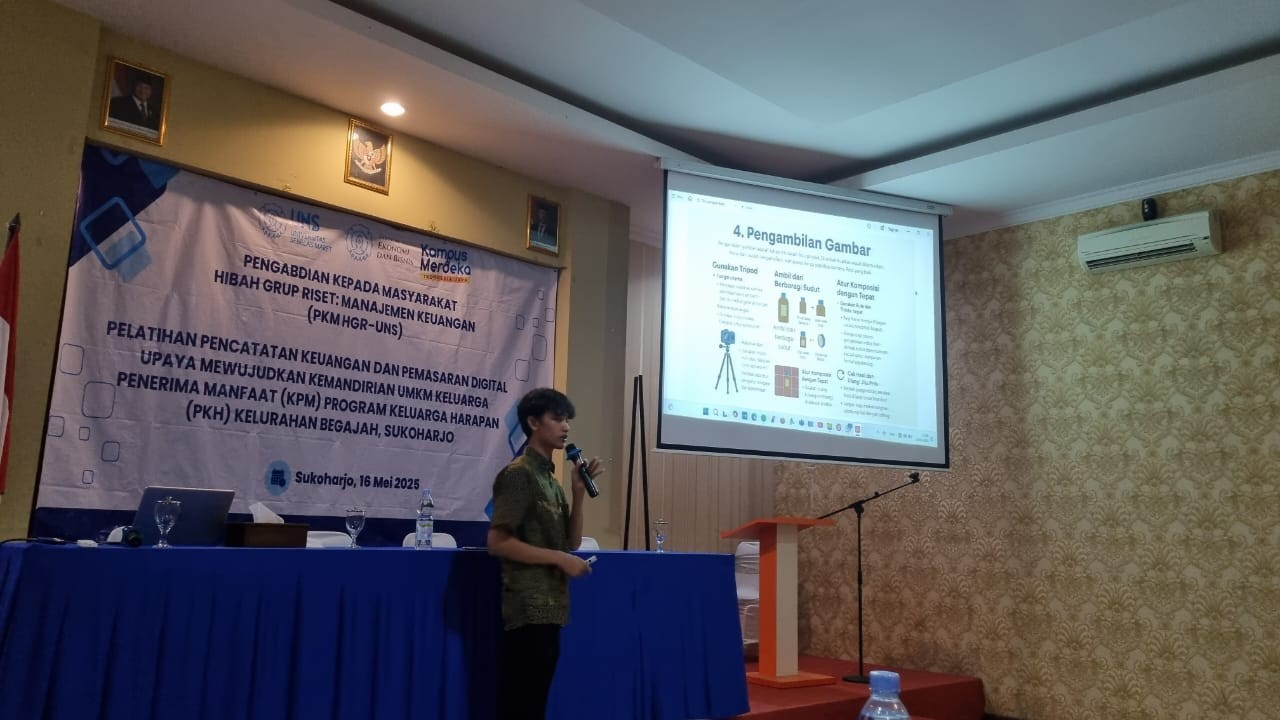
The Financial Management Research Group of the Faculty of Economics and Business, Universitas Sebelas Maret (FEB UNS), under the Research Group Grants for Community Engagement (PKM-HGR) hosted a training program entitled “Fostering MSMEs Independence among Beneficiary Families (KPM) of the Program Keluarga Harapan (PKH) in Begajah Subdistrict, Sukoharjo.” Held on Friday, 16 May 2025, from 13.00 to 17.00 WIB in Begajah, Sukoharjo, the activity was attended by 30 MSME entrepreneurs who are recipients of the PKH program. The program aimed to enhance their capacity in financial recording and digital marketing.
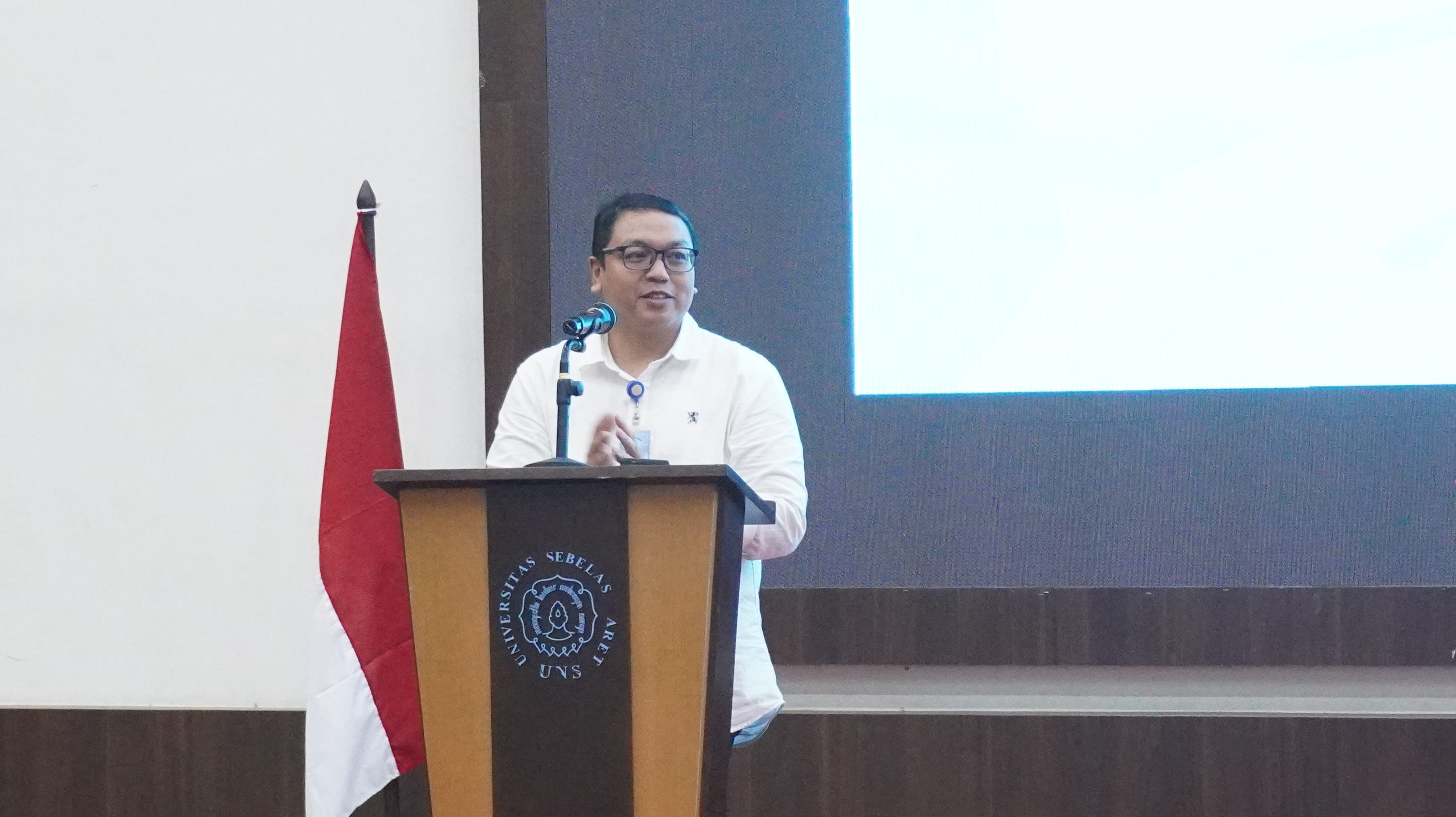
The event was attended by lecturers from the Financial Management Research Group, including Dr. Endang Suhari, M.Si.; Dr. Bambang Hadinugroho, S.E., M.Si.; Dr. Setianingtyas Honggowati, M.M., Ak., CPMA.; Dr. Harmadi, M.M.; Alpha Liana Yuvita Rahma, S.Hut., MBA.; and Ria Esana, S.AB., MBA. The session began with an opening remarks by Dr. Bambang Hadinugroho, S.E., M.Si., as Head of the Financial Management Research Group.
 Following the opening remarks, Bambang Sudiono, S.Km., M.M. (Secretary of the Social Affairs Office of Sukoharjo Municipality), and Muhammad Jaelani, S.Sos. (PKH Coordinator of Sukoharjo Municipality), delivered a short welcome speech to the UNS Team and attending participants. The event also received strong support from PKH mentor Widia Lestari, S.Sos., M.Sos.
The first session material was delivered by young entrepreneur Izzudin Abdurrahman Alghiffari, who provided training on digital marketing, with a focus on utilizing social media platforms such as WhatsApp Status and Instagram for product promotion and sales enhancement. The second session was presented by Ria Esana, S.AB., MBA., who delivered a training on financial recording using the SIAPIK application.
 SIAPIK is designed to assist MSME entrepreneurs in recording business transactions in a digital, simple, and systematic manner. During the training, participants received handouts as training guides for both digital marketing and SIAPIK-based financial recording.
The third session, an interactive Q&A addressing the challenges faced by the participants in managing their businesses, was led by Dr. Setianingtyas Honggowati, M.M., Ak., CPMA. The event concluded with distribution of door prizes and participants insights. The training served not only as a learning platform but also fostered active interaction between the speakers and participants, allowing for the exchange of experiences and strategies in overcoming business obstacles.

The involvement of academic staff and practitioners in this program is expected to contribute meaningfully to improving the digital literacy and entrepreneurial skills of MSME actors. Through this initiative, the Financial Management Research Group of FEB UNS hopes that MSMEs among PKH beneficiary families in Begajah, Sukoharjo will become more self-reliant and adaptable to technology. Moreover, participants are expected to have better understanding and skill to use social media to reach a broader market and manage their businesses more professionally. This activity stands as a concrete example of the university’s role in empowering communities toward economic independence.
-
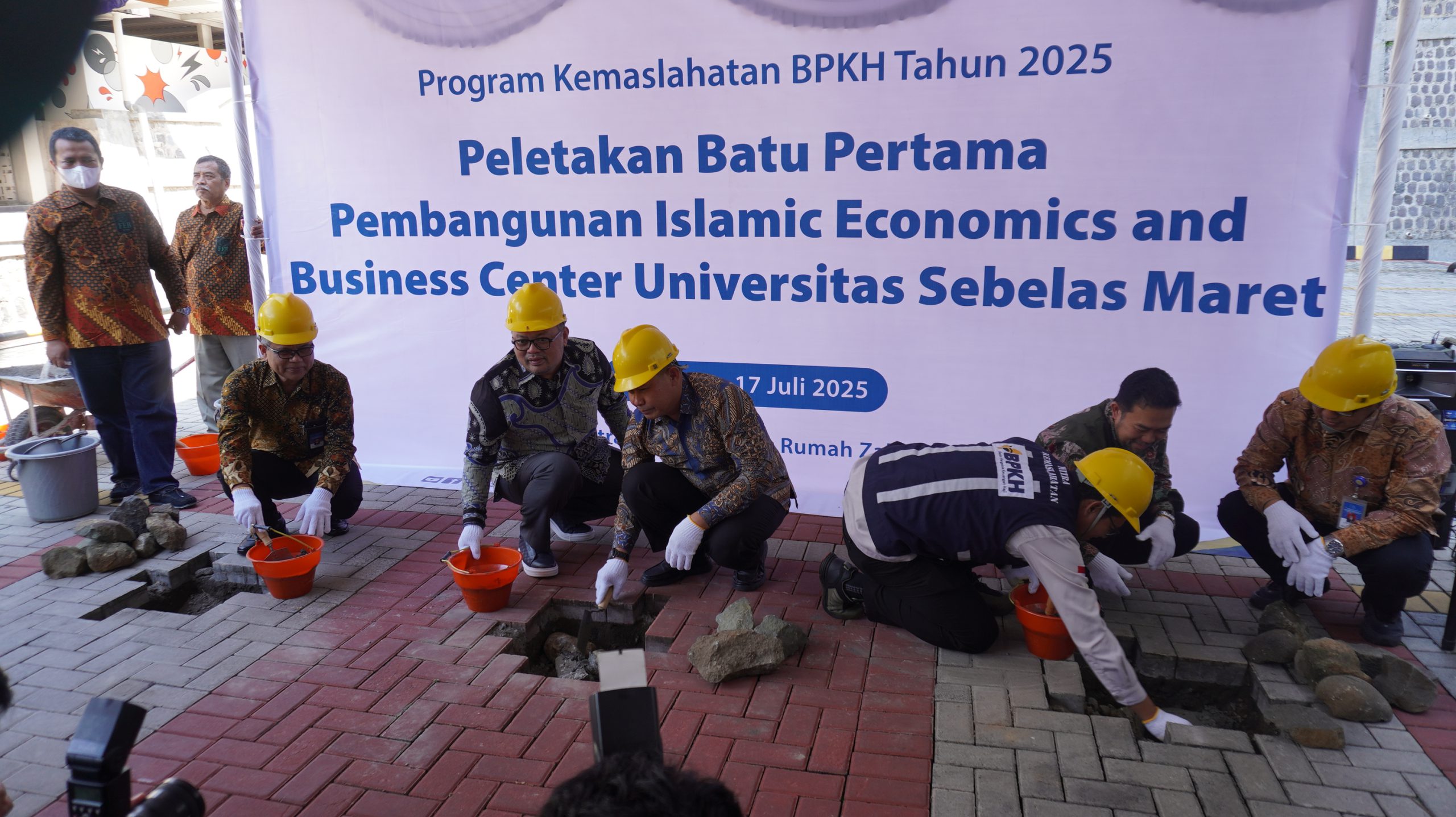
BPKH and UNS Collaboration to Launch the Islamic Economics and Business Center at FEB UNS
The Hajj Financial Management Agency (BPKH), in collaboration with Universitas Sebelas Maret (UNS) Surakarta, has officially commenced the construction of the Islamic Economics and Business Center Building at the Faculty of Economics and Business (FEB) UNS. The groundbreaking ceremony took place on Thursday, 17 July 2025, in the courtyard of Soedarah Soepono Building, FEB UNS.
 The ceremony was attended by the Rector of UNS, Prof. Dr. dr. Hartono, M.Si.; Vice Rector for Planning, Partnership, Internationalization, and Information Affairs, Prof. Irwan Trinugroho, S.E., M.Sc., Ph.D.; Director of Finance, Assets, and General Affairs UNS, Taufiq Arifin, S.E., M.Sc., PhD., Ak.; Supervisory Board Member of BPKH, Dr. Mulyadi; CEO of Rumah Zakat, Irvan Nugraha; Dean of FEB UNS, Prof. Bhimo Rizky Samudro, S.E., M.Si., Ph.D.; and Vice Dean for Non-Academic Affairs FEB UNS, Sutaryo, S.E., M.Si., PhD., Ak., CA., CRA., CRP., ACPA.
This establishment marks a significant milestone in advancing education, academic research, and community engagement, as well as the practical implementation of Islamic economics and business in Indonesia. The groundbreaking serves as a symbol of BPKH’s commitment to supporting education and fostering a sustainable Islamic economic ecosystem that delivers tangible benefits for Indonesian society.

In his remarks, Dr. Mulyadi stated that the initiative is part of BPKH’s Program Kemaslahatan (Welfare Program), funded by the financial returns of the Dana Abadi Umat (Community Endowment Fund-DAU), not the initial deposits of Hajj pilgrims. For this program, BPKH collaborates with Rumah Zakat as its implementing partner. “Currently, BPKH manages approximately IDR 3.9 trillion DAU, which is invested in various sharia-compliant instruments. The principal is preserved, and only the returns are allocated to support beneficial programs across Indonesia. The construction of this Islamic Economics and Business Center falls under the ‘Education and Da’wah’ category and is part of our broader mission to uplift Indonesian society,” Dr. Mulyadi explained.
 The Islamic Economics and Business Center is expected to serve as a platform for developing academic knowledge and practical skills in Islamic economics and business. Its programs aim to nurture talents and practitioners who are capable of addressing global economic challenges through values-based Islamic approaches that benefit the progress of the nation. “In addition, the center will offer public education on Islamic economic and business concepts, promoting the adoption of fair, sustainable, and inclusive Islamic principles both at the individual and community levels,” Dr. Mulyadi added.
He also expressed optimism that the collaboration between BPKH and UNS will continue to grow and contribute significantly to education, research, and community engagement. The center is envisioned to foster future leaders and professionals in Islamic economics and business who possess both excellence and integrity, thus advancing Indonesia’s development.
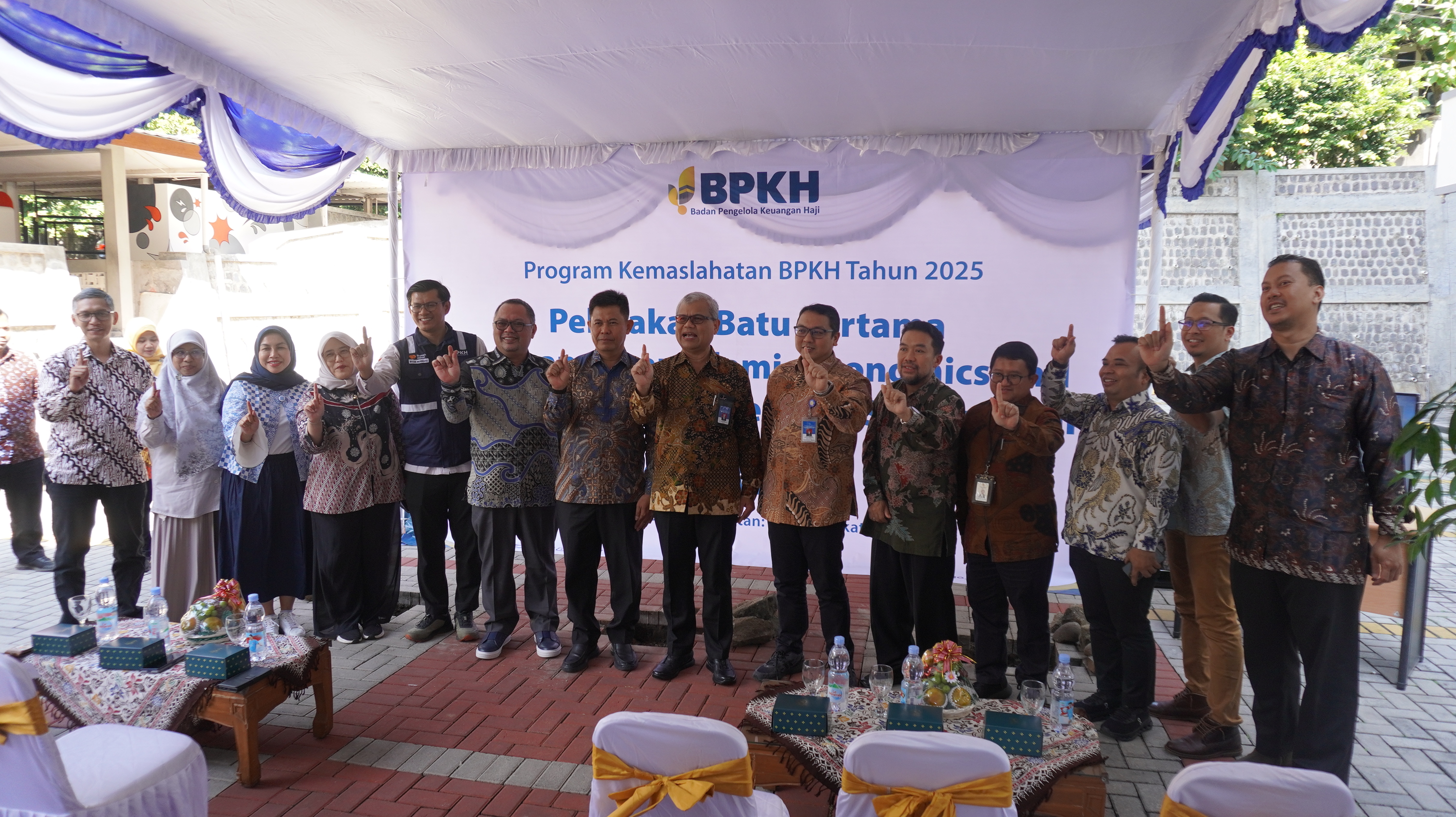 Rector of UNS, Prof. Dr. dr. Hartono, M.Si., warmly welcomed the initiative. In his remarks, he emphasized that the establishment of the center represents a long-awaited milestone for the academic community and the broader public. “This is a highly anticipated development, and we extend our deepest gratitude to BPKH and Rumah Zakat for their instrumental roles in realizing the Islamic Economics and Business Center at UNS,” he stated.
Prof. Hartono further remarked that the building symbolizes a shared aspiration and responsibility that must be nurtured collectively. “This is more than a physical structure—it is a legacy. May it become a model, and more importantly, a place where impactful activities are carried out for the benefit of UNS, the surrounding community, the nation, and especially the Muslim community in advancing Islamic economics and business,” he affirmed.
The construction of the Islamic Economics and Business Center reflects the solid synergy between UNS and BPKH in promoting inclusive development in Indonesia through education, research, and community engagement rooted in applicable, sustainable, and impactful Islamic economic practices.
-
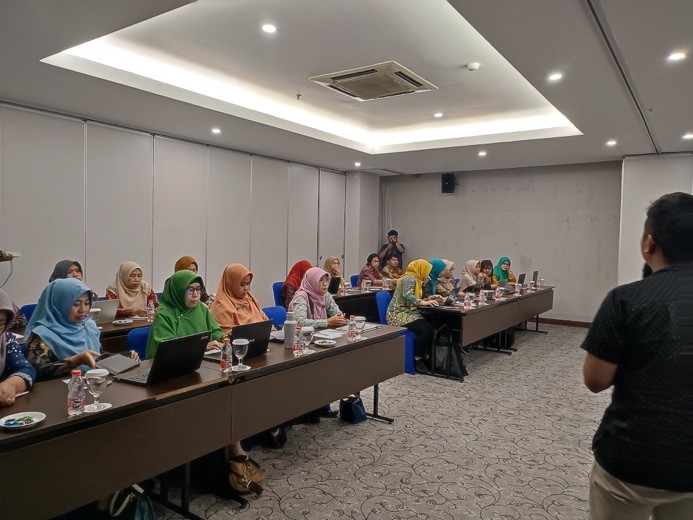
FEB UNS Hosted a Financial Literacy Assistance for MSMEs in Karanganyar
The Faculty of Economics and Business (FEB), Universitas Sebelas Maret (UNS), through its Community Partnership Program (PKM) Team, conducted an assistance program to improve financial literacy for Micro, Small, and Medium Enterprises (MSMEs) in Karanganyar Municipality. The activity took place on Wednesday, 2 July 2025.

Financial Literacy Assistance for Karanganyar MSME by FEB UNS The program was led by Prof. Dr. E. Muhtar, S.Pd., M.Si., CFRA., and attended by MSME actors operating in various sectors across Karanganyar. Also present at the event were Dr. Jaka Winarna, M.Si., Ak., CA., and Sutaryo, S.E., M.Si., Ph.D., Ak., CA., CRA., CRP., ACPA., who are members of the PKM-UNS Team, along with MSME owners engaged in various business sectors throughout the region.
In his remarks, Dr. Sutaryo emphasized that the initiative was not merely aimed at enhancing business capacity but also at advancing financial inclusion. He further highlights the program objective to strengthen financial inclusion and empower MSMEs to become more independent, competitive, and resilient in the face of long-term business challenges.
He added that that sound financial literacy would enable the community, particularly MSME actors to make more informed decisions in managing their income and working capital wisely, which in turn contributes to sustainable economic growth, especially in Karanganyar Municipality.
The program also featured a sharing session in which MSME owners discussed their experiences, regarding the challenges and strategies in running their businesses, as well as approaches to improving the competitiveness of their products in both national and global markets. This initiative reflects FEB UNS’s commitment to community empowerment through structured academic engagement, particularly in the area of economic development at the grassroots level.
-
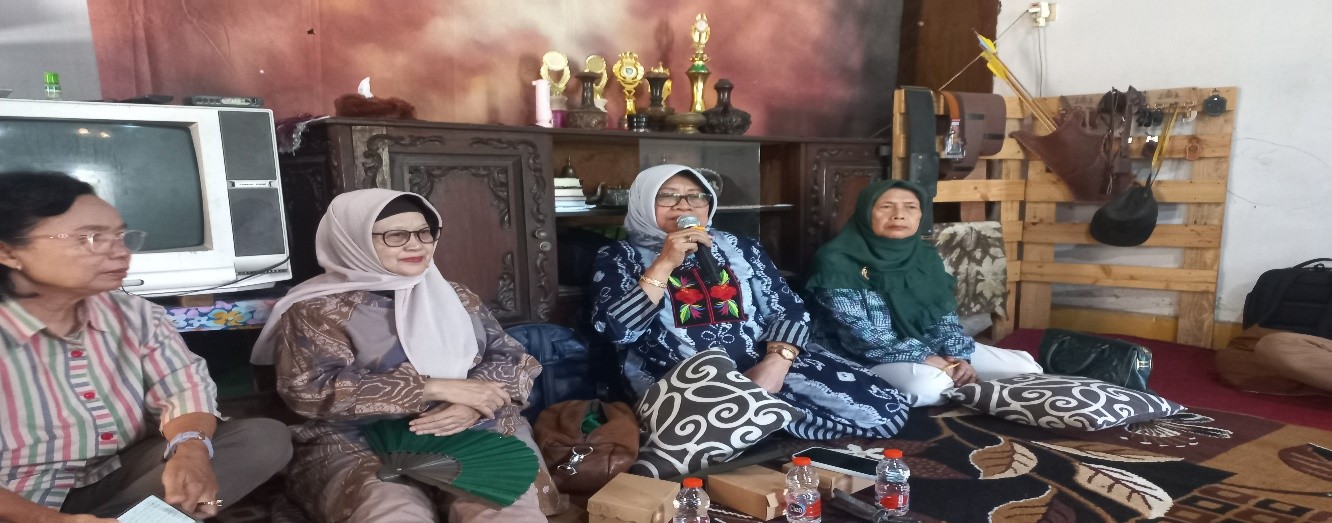
Providing Tax Literacy and Production Equipment Assistance Creative Economy Research Group Supports Leather-Based MSMEs
The Creative Economy Research Group of the Faculty of Economics and Business (FEB), Universitas Sebelas Maret (UNS), conducted a tax training program for leather-based Micro, Small, and Medium Enterprises (MSMEs) in Mojopurna Village, Magetan, East Java, Wednesday, April 23, 2025. This initiative is a continuation of the group’s previous community engagement efforts in 2024, where the team delivered training on financial recording and bookkeeping for MSMEs.
The recent training was designed to address the emerging needs of MSMEs as they prepare to comply with taxation regulations, particularly in response to the increasing volume of orders and expanding markets following the COVID-19 pandemic recovery.
The session began with an overview of MSME tax obligations and the benefits of complying as a registered taxpayer, followed by a practical exercise on calculating MSME taxes based on Government Regulation No. 23 of 2018. The training provided MSME participants with greater clarity and helped dispel concerns about the financial burden of taxation.
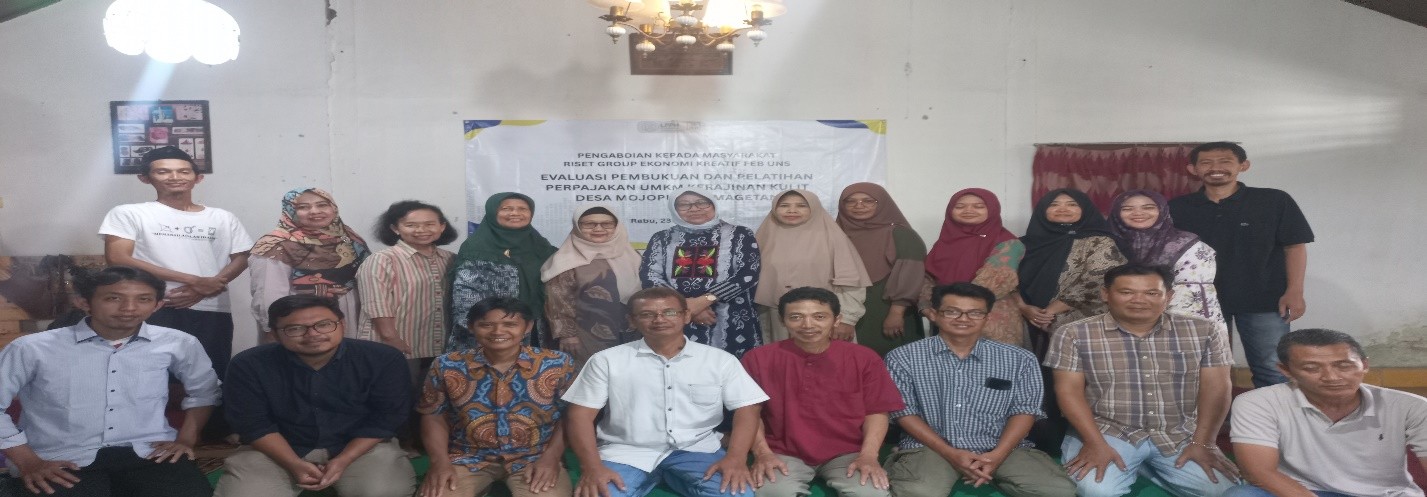
In addition to the tax training, the community engagement activity also included the provision of a pressing machine to support increased production capacity. The machine was awarded in recognition of the MSME’s commitment to developing new product innovations aligned with market demands. The equipment has already been utilized to fulfill recent orders for newly launched products developed by mentored MSMEs.
Through its community engagement programs, the Creative Economy Research Group of FEB UNS remains committed to encouraging continuous innovation and supporting the growth of creative MSMEs across Indonesia.
-
Green Economy and Sustainable Development Research Group FEB UNS Organizes Organic Waste Processing Training
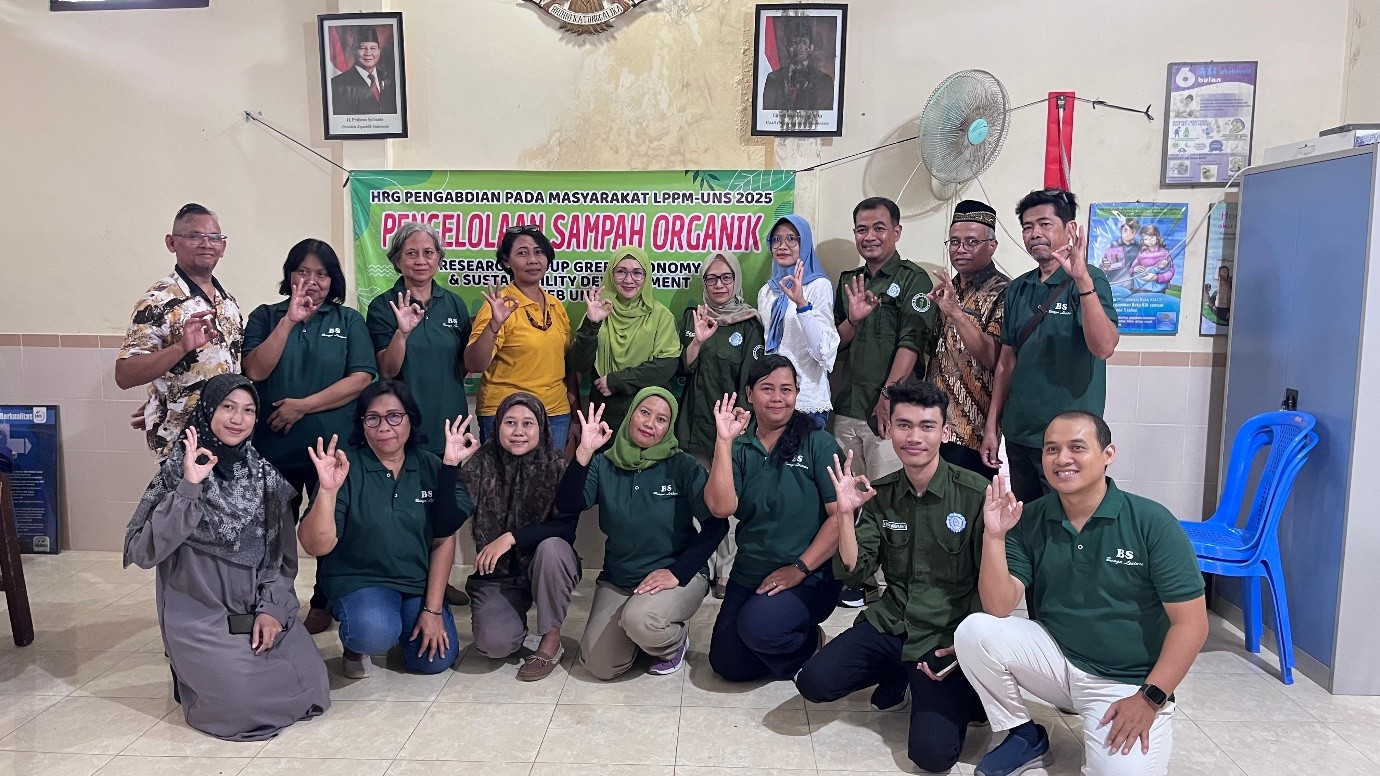
The Green Economy and Sustainable Development Research Group of the Faculty of Economics and Business (FEB), Universitas Sebelas Maret (UNS), organized a community training session on Organic Waste Processing for residents of Jogoyudan RW 11, Gowongan, Yogyakarta. The training took place on Saturday, 31 May 2025, and featured Prof. Dr. Izza Mafruhah, S.E., M.Si., and Prof. Dr. Suryanto, S.E., M.Si., as speakers.
Prof. Dr. Suryanto emphasized the importance of raising public awareness in managing household waste. He stated that awareness is the key to creating a cleaner and healthier environment. Currently, household waste constitutes the majority of waste in the City of Yogyakarta. This condition calls for an active role from the community to sort and manage waste starting from the household level. Through this initiative, the government’s efforts in addressing waste management issues can be more effective and sustainable.
Prof. Dr. Izza Mafruhah delivered a practical session on organic waste processing using maggots as decomposers. The session included maggot cultivation techniques, growing and harvesting processes, and sorting methods. Cultivated maggots can be utilized for various commercial purposes, including animal feed, fishing bait, and other value-added products. According to Prof. Izza, maggot cultivation not only provides an innovative solution to urban waste problems in Yogyakarta but also significantly contributes to the local economy. Maggots offer substantial economic value, enabling community members to generate additional income while helping to reduce household waste.
Concluding the session, the Green Economy and Sustainable Development Research Group of FEB UNS distributed starter maggot cultures to residents of Jogoyudan RW 11. The provision of these maggots is expected to empower the community to independently manage household waste and serve as an initial step toward sustainable waste processing practices across the city of Yogyakarta.
This organic waste management training using maggot cultivation become an actual actions to support the SDG 12: responsible consumption and production by reducing waste through circular economy. The training session also in line with SDG 11: sustainable city and community, by empowering the community through their active participation to maintain health and cleanliness in urban environment.