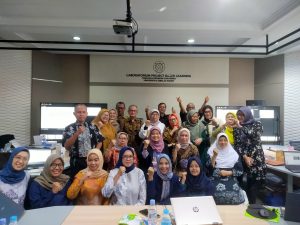
Academic Support Staff (Tendik) at the Faculty of Economics and Business (FEB), Universitas Sebelas Maret (UNS), participated in a Microsoft Office Training held at the FEB Computer Laboratory on Thursday, 5 June 2025. The training was attended by 20 participants, mostly from the academic administration, lecture services, and student affairs divisions. The one-day session was facilitated by Tri Haryatmo, M.Pd., from the Balai Besar Guru Penggerak (BBGP).
This training aimed to strengthen the staff’s digital proficiency, especially in improving service quality, work efficiency, and operational effectiveness. By mastering Microsoft Office tools such as Word, Excel, and PowerPoint, the participants are expected to enhance their daily performance and support their career development, including potential certification. These digital competencies are considered essential to meet the demands of an increasingly digitized work environment.
Prof. Tri Mulyaningsih, S.E., M.Si., Ph.D., Vice Dean for Academic and Research Affairs of FEB UNS, explained that the training is part of the faculty’s initiative to support staff capacity building.
“Prior to this training, we conducted a needs assessment for capacity building. We found that Microsoft Office proficiency is a fundamental need, particularly in academic administrative units. The aim is to ease the workload for our staff, enabling them to work more efficiently—such as producing well-formatted documents more quickly,” she said.
She emphasized that staff with strong Microsoft Office skills play a vital role in ensuring smooth and efficient operations within the faculty. The ability to manage data, compile reports, create presentations, and facilitate collaboration significantly boosts both the speed and quality of administrative work.
Prof. Tri also encouraged staff to provide feedback on areas they would like to explore further to improve their digital skills. She added that the Academic Division has planned additional training for Siakad Operators by inviting speakers from UNS ICT Center to discuss system operations, and from the Institute of Educational Quality Development and Assurance (LPPMP) to cover relevant regulations.
To promote sustainable organic waste management, the Institute for Research and Community Engagement (LPPM), Universitas Sebelas Maret (UNS), organized a Dissemination and Focus Group Discussion (FGD) session entitled Organic Waste Management at the “Reduce, Reuse, Recycle Waste Processing Facility (TPS3R) Mojo Makmur” in Jebres, Surakarta. The activity was attended by the Commander of Military District 0735/Surakarta, Lt. Col. Inf. Fictor Juradi Situmorang, S.I.P., M.I.P., who expressed interest in collaborating to strengthen organic waste management efforts.
The event opened with remarks by Prof. Dr. Suryanto, S.E., M.Si., Head of the Community Engagement Program (PKM). He highlighted the common perception that organic waste is often viewed as useless or even problematic. However, he emphasized that through the integration model of UMAITA—Poultry, Maggot, Fish, and Plants—organic waste can be transformed into valuable and economically beneficial resources.
The official opening was delivered by Santi Yuniati, S.So., M.A.P., Secretary of the Jebres Sub-District Office. She noted that the collaboration with UNS is not limited to this event alone, but is expected to continue, with the university serving as an academic partner that consistently supports TPS3R initiatives.
The event featured Prof. Dr. Izza Mafruhah, S.E., M.Si., as the main speaker. She presented insights on the circular economy and the innovation of using black soldier fly (BSF) maggots to address organic waste issues. Prof. Izza explained that Indonesia generates approximately 34.2 million tons of waste annually, with around 40% still unmanaged. In Surakarta, particularly the Jebres area, household and student food waste constitutes the largest portion. Maggot farming, she argued, offers an effective solution, being fast, odorless, safe, and environmentally friendly.
“Not only is maggot farming environmentally sustainable, but it also holds high economic value. Products like dried maggots and maggot meal can serve as feed for poultry and fish, reducing feed costs by up to 40%,” she explained.
During the FGD session moderated by Dr. Nurul Istiqomah, S.E., M.Si., Mr. Sunarno, manager of TPS3R Mojo Makmur, described the current operations involving composting, liquid fertilizer production, and maggot cultivation, despite facing challenges related to waste supply and distribution.
Lt. Col. Fictor Situmorang affirmed the TNI’s commitment to supporting the initiative, noting that organic waste management aligns with national efforts in food security and environmental cleanliness. “We are ready to collaborate with all stakeholders to ensure the success of this program,” he stated.
Community representatives raised concerns about the lack of public participation in waste sorting, while Mrs. Santi from the sub-district office encouraged the establishment of a community-based waste bank as a strategic long-term solution.
One innovative proposal discussed was forming partnerships with local food vendors to supply leftover food for maggot cultivation and utilizing liquid fertilizer for hydroponic agriculture at the TPS3R site.
This activity is expected to serve as a milestone in developing an integrated organic waste management ecosystem that leverages community participation and local technology, with support from government bodies, academics, and the wider community.
To provide a real-world perspective on public policy—particularly at the local government level—45 of sixth-semester students from the Development Economics Program, Faculty of Economics and Business (FEB), Universitas Sebelas Maret (UNS), took part in a Field Study Lecture (Kuliah Kunjungan Lapangan/KKL) on Tuesday, 17 June 2025, at the Sukoharjo Regency Government Office.
This activity is part of the learning program for two courses: Public Policy Analysis and Public Economics II, taught by Ariyanto Adhi Nugroho, SE., M.Ec.Dev., MAPPI (Cert), a lecturer at FEB UNS. “Through this field study, students are expected to learn directly from public policy actors—not just through theories and literature. This is undoubtedly a valuable experience for students, especially as they can engage directly with the Vice Regent, department heads, and other relevant officials,” explained Ariyanto.
The activity was warmly welcomed by the Vice Regent of Sukoharjo, Eko Sapto Purnomo, SE. In his address, he stated that the current generation is working toward the vision of Indonesia Emas 2045. One of the ways to achieve this is by expanding access to education, including through initiatives like this field study. Students can learn how policies are formulated at the regional level. At the same time, students can also contribute through their research, offering insights and solutions to current issues.
He also highlighted the rapid development of Sukoharjo Regency. With a complex regional profile that includes rural, urban, and metropolitan areas, it demands policies that are both precise and contextually appropriate.
The event concluded with an open discussion session, allowing students to pose questions directly to department heads or their representatives. Among the most discussed topics were waste management, the digitalisation of Micro, Small, and Medium Enterprises (MSMEs), and local innovations in addressing societal challenges.
The SDG No.13 Pitching Video Competition hosted virtually by UiTM MARA Malaysia on May 15, 2025, serves as a platform for students to act as agents of change by advocating for sustainability issues, particularly climate change. Participants were required to produce a three-minute video presenting their ideas on climate change in alignment with Sustainable Development Goal (SDG) No.13. The videos addressed the core issues, proposed solutions, and their potential environmental impacts. In this competition, two teams from the Accounting Study Program, Faculty of Economics and Business (FEB), Universitas Sebelas Maret (UNS), were awarded with two distinguished rewards.
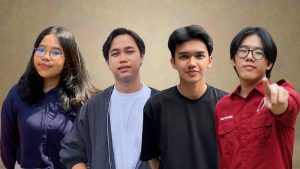
from left to right: Zhenix Priskadisa Suryani, Rizki Restu Fauzi, Eric Dwi Muhammad, and Thomas Tirta Yudistira
The first team consisting of Rizki Restu Fauzi, Eric Dwi Muhammad, Thomas Tirta Yudistira, and Zhenix Priskadisa Suryani won third place. While, the second team—comprising Abdillah Adib Had Farhan, Alma Az-zahra, and Aisyah Risqi Wardani—was awarded Most Promising Video.
Throughout the competition, both teams conducted simple research by collecting relevant data to support the ideas conveyed in their videos. Following the research, they then drafted scripts and sourced visual materials such as raw footage, infographics, and additional visuals. All editing, including the recording of voiceovers, was carried out to produce compelling and engaging videos.
Thomas and his team presented a video titled “Save Our Earth or Save Our Life.” “Through this title, we wanted to emphasize that, what we needed to protect is not just the planet or our living space, but our very own lives. The consequences of climate change that we are contributing to, directly affect our own survival,” Thomas explained to the FEB UNS media team. Further, he mentioned that he video also demonstrated practical examples of sustainable student behaviors, such as using public transportation and reducing plastic usage—practices that have become increasingly rare among younger generations. The team conveyed a strong message: protecting the Earth is a shared responsibility, and it is important to avoid actions that pollute and degrade the purity of our living environment, which may already be critically damaged.
from left to right: lma Az-zahra, Aisyah Risqi Wardani, and Abdillah Adib Had Farhan
Meanwhile, Abdillah and his team presented the theme “Implementing SDG 13 through Food Waste Management on Campus,” which earned them the Most Promising Video award. “This idea came from our concern over the significant amount of food waste on campus, which, if not properly managed, could contribute to increased greenhouse gas emissions. We proposed a solution involving collaboration with campus canteens to offer more flexible and needs-based food portions, supported by digital systems, to reduce waste,” Abdillah explained.
The team also suggested that the university increase awareness campaigns among students and the broader campus academic community regarding the importance of reducing food waste. They further proposed that leftover food could be repurposed into compost. Through their video, the team aimed to show that meaningful contributions to climate action do not require large-scale initiatives. As centers of education, universities can serve as role models for sustainable living by taking small but impactful steps.
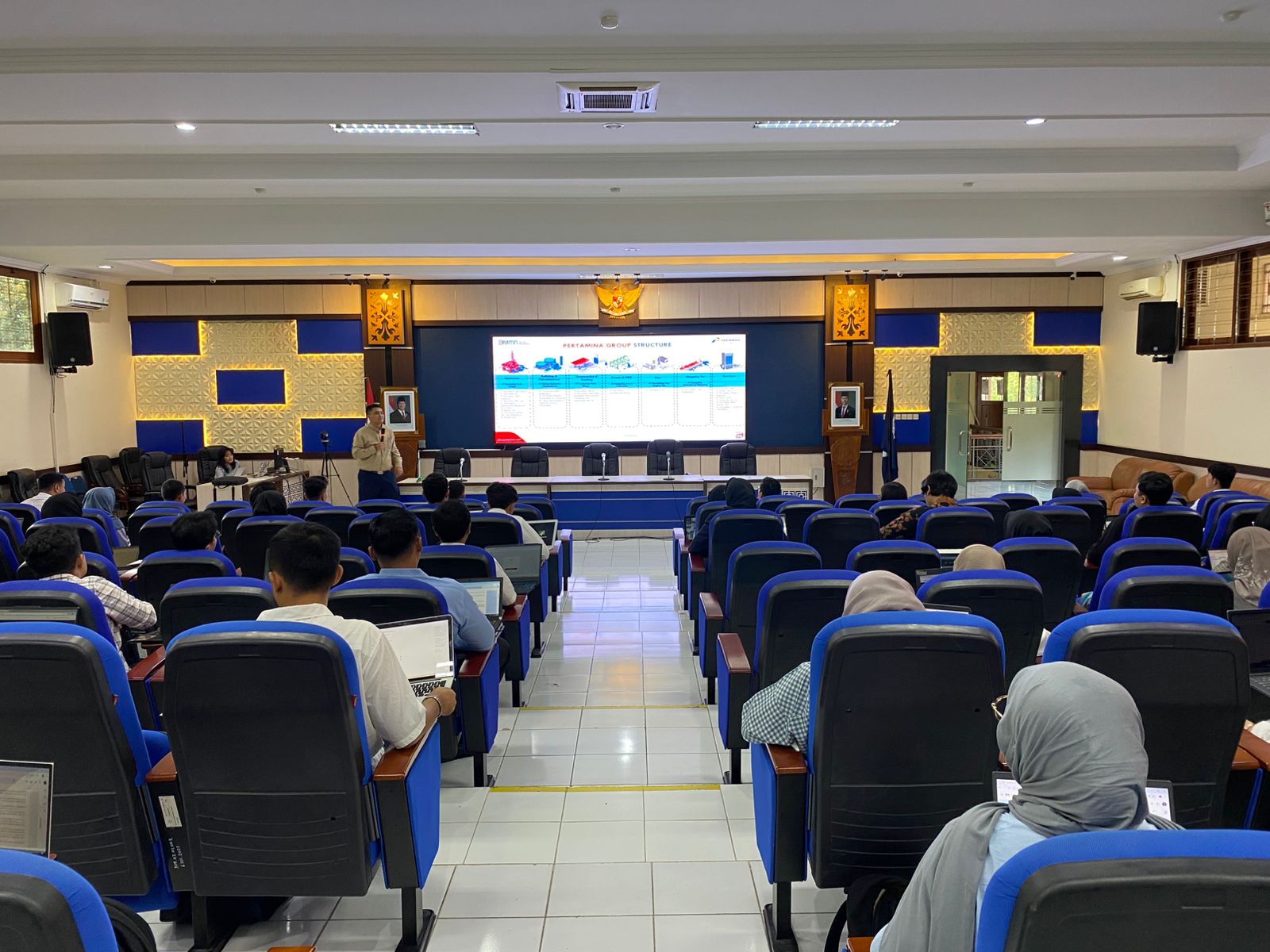
Hundreds of alumni from the Faculty of Economics and Business (FEB), Faculty of Engineering (FT), and Faculty of Law (FH), Universitas Sebelas Maret (UNS), took part in the selection process through the Talent Sourcing/Professional Development/Career Opportunity Program at PT Pertamina Hulu Energi. The selection was held in the Multimedia Room of the Faculty of Engineering, UNS, on Thursday, 12 June 2025. This activity was conducted as a part of a collaborative partnership between UNS—specifically FEB, FT, and FH—and PT Pertamina Hulu Energi.
Dean of FEB, Prof. Bhimo Rizky Samudro, S.E., M.Si., Ph.D., expressed his appreciation for the collaboration between Pertamina Hulu Energi and UNS, particularly in providing valuable opportunities for alumni from FEB, FT, and FH to join Pertamina Hulu Energi. “This selection process is truly helpful, especially for FEB alumni. We welcome it warmly, and it will certainly benefit our graduates. Hopefully, it can become an annual program and be extended to other faculties within UNS,” he stated.
Head of Cooperation at FEB UNS, Johadi, S.E., M.Sc., explained that this initiative reflects FEB UNS’s commitment to facilitating alumni—particularly from the Accounting and Management Study Programs, either from the field of Finance and other concentrations—thus, that they gain relevant experience in the financial sector, which will be needed to enter the labor market, especially with opportunities to work at PT Pertamina Hulu Energi.
Through this partnership, FEB UNS alumni who pass the full selection process will be able to contribute meaningfully to the energy sector’s performance, particularly at PT Pertamina Hulu Energi. Moreover, hopefully, this program will support UNS alumni in securing employment within less than three months after graduation. “Our hope is that this initiative offers alumni the opportunity to compete for positions at well-established state-owned enterprises (BUMNs), which typically offer better salary prospects,” he added.
He also mentioned that this collaboration will be a continuous effort and developed further, not only focusing on recruitment but also encompassing career development and preparation for entering the professional workforce.
Through similar programs, it is expected that more UNS graduates will secure positions within BUMNs, especially those under the Pertamina holding group. In the longer term, within the next 15 to 25 years, it is hoped that UNS alumni will make a substantial contribution to Pertamina.
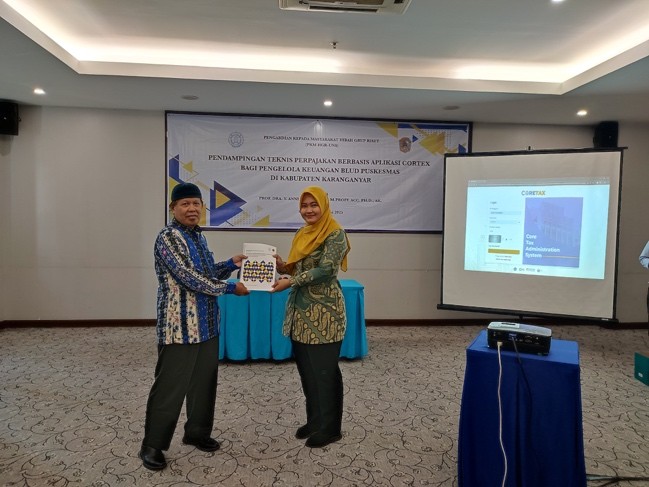
The Behavioral Accounting Research Group, through its Community Engagement Program-Research Group Grant (PKM HGR), Faculty of Economics and Business (FEB), Universitas Sebelas Maret (UNS), hosted a technical assistance program focused on taxation using the Coretax application for Regional Public Service Agency (BLUD) Puskesmas (Community Health Center) financial managers in the Karanganyar Municipality. This activity was held on Tuesday, 10 June 2025.
The Behavioral Accounting Research Group, led by Prof. Dra. Y. Anni Aryani, M.Prof.Acc., Ph.D., Ak., CA., in collaboration with the Karanganyar District Health Office, conducted this program, with a total of 21 representatives from Puskesmas units throughout the municipality.
The event was also attended by several FEB UNS lecturers, including Dr. Payamta, M.Si., Ak., CA., CPA., CFI., AseanCPA., CRA., CRP., and Muhammad Alif Nur Irvan, S.Ak., M.Acc., Akt., CPA.
In his opening remarks, Dr. Payamta emphasized the importance of the role played by financial managers of BLUD Puskesmas in understanding and operating the Coretax application to ensure smooth tax administration. He also noted that the activity is expected to enhance efficiency and transparency in tax management at BLUD Puskesmas and to strengthen coordination between local government bodies and related institutions in matters of financial and tax administration. The program concluded with a symbolic presentation of pocket handbook to the participants, serving as a practical manual for operating the Coretax application.
Universitas Sebelas Maret (UNS) Surakarta held a Career Day in collaboration with Pertamina Hulu Energi (PHE) and Dealls Jobs. The event took place on Wednesday, 11 June 2025, at the Suhardi Hall, Faculty of Economics and Business (FEB) UNS.
The event was attended by key university figures, including Dr. Dwi Prasetyani, S.E., M.Si., Director of the Directorate of Alumni and Student Entrepreneurship (DAKM) UNS; Prof. Bhimo Rizky Samudro, S.E., M.Si., Ph.D., Dean of FEB UNS; Prof. Dr. Ir. Wahyudi Sutopo, S.T., M.Si., Dean of the Faculty of Engineering; and Johadi, S.E., M.Sc., Head of Partnership Office at FEB UNS.
The Career Day attracted more than 600 participants from various academic backgrounds and disciplines, including fresh graduates, experienced job seekers, and internship candidates. The event featured three main segments: Inspiring Talks, Career Tips, and On-site Assessments. Attendees gained valuable career insights, motivation, and direct access to the recruitment process conducted by PHE, along with the opportunity to engage with professionals from the oil and gas industry.
Dr. Dwi Prasetyani highlighted the importance of campus-based talent scouting initiatives. She noted that UNS continues to build partnerships with numerous national institutions. “In addition to Pertamina Hulu Energi, we have also welcomed institutions such as Pertamina Patra Niaga, Kilang Pertamina Internasional, Bank Indonesia, Bank Mandiri, BRI, and others. The goal is to enhance the competencies of UNS students and graduates in preparing for the workforce,” she explained.
During the Inspiring Talks session, two UNS alumni served as keynote speakers. Dewi Kurnia Salwa, VP of Human Capital at Subholding Upstream PT Pertamina Hulu Energi, delivered a talk titled “Unlocking Career Opportunities in Oil & Gas.” She emphasized the broad career opportunities available in the energy sector for today’s youth. “Pertamina Hulu Energi is undergoing significant growth in upstream oil and gas and other energy business lines. We hope that UNS candidates can become part of PHE’s future talent pool,” she said. Dewi also expressed that the success of UNS alumni within PHE stands as a testament to the university’s quality of education. She encouraged students to embody the values of hard work, loyalty, and strong competence exemplified by their predecessors.
The second talk was given by Sri Darmastuti, Officer for Safety Cepu & ADK HSSE Zone 11 Regional 4 PHE, under the title “Success Stories: Women in the Oil & Gas Industry.” She shared her personal experiences working in the oil and gas sector and discussed the various facilities and support systems provided by the company, particularly for women employees. These include equal career progression, maternity leave, and more. According to her, the energy sector today offers ample opportunities for women to contribute meaningfully.
In addition to the talk show sessions, participants were also introduced to the corporate profile of PT Pertamina (Persero). The presentation highlighted the role of PHE as the Subholding for Upstream operations since 2021. PHE currently manages 40 domestic working areas and 27 international operations across 13 countries. As the upstream subholding, PHE is responsible for strategic planning and policy-making in the national oil and gas sector, while regional areas focus on operational management and resource development. By the end of 2021, PHE oversaw 68 subsidiaries and six joint ventures.
Pertamina, as a State-Owned Enterprise (BUMN), upholds core values that include Integrity, Competence, Harmony, Loyalty, Adaptability, and Collaboration, collectively abbreviated as AKHLAK. These values serve as guiding principles for Pertamina Hulu Energi employees in their professional conduct.
Andhika Sudarman, CEO of Dealls Jobs and Founder of Kantorku HRIS, also shared practical guidance on launching a successful career in his session titled “Guide to Your First Job & Navigating Career Path.” He emphasized three key areas: understanding personal values, continuous learning, and self-development.
The Association to Advance Collegiate Schools of Business (AACSB) is an international accreditation body that recognizes business schools and accounting programs that meet exceptionally high standards in education quality. Established in 1916 in the United States, AACSB focuses on granting international accreditation to business schools and accounting programs worldwide. Its aim is to enhance the quality of business education through rigorous global standards.
Earning AACSB accreditation provides numerous benefits, including global prestige—as only around 5% of business schools worldwide have received this accreditation. It also signifies high-quality standards, requiring institutions to demonstrate excellence in teaching, research, curriculum development, and faculty advancement. Additionally, graduates from AACSB-accredited institutions are often seen as more competitive in the global job market. Furthermore, AACSB accreditation facilitates broader opportunities for international collaboration and exchanges with other leading institutions.
Several key processes must be undertaken by a faculty to achieve AACSB accreditation. These include submitting an eligibility application to AACSB outlining the institution’s structure, programs, and initial readiness; entering a mentoring phase where an AACSB-appointed mentor helps the institution prepare an initial self-evaluation report (iSER) and develop strategies to meet AACSB standards; compiling and submitting the iSER that outlines how the faculty meets the nine AACSB standards; implementing planned improvements and submitting periodic progress reports; undergoing a peer review visit by an external team to verify alignment with AACSB standards; and finally, receiving an accreditation decision from the AACSB committee, which may grant, postpone, or deny accreditation.
FEB UNS Towards AACSB Accreditation
The Faculty of Economics and Business, Universitas Sebelas Maret (FEB UNS), remains committed to continuously improving the quality of higher education in the fields of economics and business. FEB UNS has been a registered member of AACSB for more than a decade. In line with this, FEB UNS must undertake more determined efforts to advance its transformation toward international standards in education, research, and community service. Under the current leadership of Dean Prof. Bhimo Rizky Samudro, S.E., M.Si., Ph.D., the faculty has made a firm commitment to begin the AACSB accreditation process.
“In this period, I believe we must take this seriously, especially since we have received full support from the university. This will indeed be a long process, possibly taking years, but it must be initiated and carried out immediately. Regardless of who leads the faculty or taskforce in the future, this process needs to begin now and continue moving forward,” stated the Dean during a Focus Group Discussion (FGD) on AACSB Eligibility.
FEB UNS is now actively initiating the Eligibility Application process, which serves as the first step towards achieving AACSB accreditation. This phase marks the faculty’s institutional commitment to continuous development, aligning itself with international standards, and producing graduates capable of competing at the global level. With full support from the faculty members, FEB UNS is prepared to undertake this transformation gradually and systematically.
Tastaftiyan Risfandy, S.E., M.Sc., Ph.D., Vice Dean for Student and Alumni Affairs, emphasized that the AACSB accreditation process is highly selective and requires long-term commitment to improving overall quality. “Since 2010, we have been an AACSB member. Under the Dean’s directive, starting this year, we must begin the process. We need to intensify our efforts, follow the procedures closely, and hopefully the process will run as intended. Hopefully, by the end of this leadership period, we will have obtained the accreditation,” he stated.
AACSB Eligibility Application Discussion with Mandra Lazuardi Kitri, MBA, from ITB
According to him, AACSB differs from other accreditation schemes. Most accreditation processes involve reporting the faculty’s performance and submitting it to the accreditation body. However, AACSB begins with the eligibility application, and the path to full accreditation takes a minimum of five years. During this time, the faculty will undergo assessments by AACSB reviewers and complete several required stages. “We will prepare the eligibility documentation and accreditation report. If this stage is successful, the full accreditation process will commence next year and continue over the following five years. So even as the leadership changes, the accreditation process will remain ongoing. The key is that AACSB will introduce major institutional changes, even if the current Dean Office is not the one to report the final outcomes. It will require dedicated efforts,” he further explained.
AACSB Team after Eligibility Application Discussion
Several initial steps have been taken by the Dean Office, including issuing an official mandate to the AACSB Accreditation Document Team, chaired by Vice Dean for Academic and Research Affairs, Prof. Tri Mulyaningsih, S.E., M.Si., Ph.D., with Tastaftiyan Risfandy, S.E., M.Sc., Ph.D., as secretary, and supported by several other faculty members. FEB has also conducted various FGDs by inviting experts from AACSB-accredited universities, both domestic and international, as well as conducting regular internal discussions involving the Dean Office and taskforce team.
Looking ahead, FEB UNS hopes to achieve AACSB accreditation as recognition of the quality of education it provides. This process is expected not only to enhance the faculty’s international reputation but also to encourage ongoing improvements in the curriculum, research activities, and human resource development. With full support from the academic community, FEB UNS remains optimistic about producing graduates who are prepared to compete globally. This process marks an important momentum in strengthening FEB UNS’s position in the global business education landscape, while also equipping its graduates with high competitiveness at both national and international levels.
The Faculty of Economics and Business (FEB), Universitas Sebelas Maret (UNS), welcomed several lecturers from the Faculty of Business and Management, Universiti Teknologi MARA (UiTM), Malaysia, to deliver guest lectures across various classes on Monday, 28 April 2025. This activity is a continuation of the academic partnership between FEB UNS and the Faculty of Business and Management, UiTM, Malaysia.
The visiting lecturers from UiTM included Dr. Faridah Pardi, Hilwana Abd Karim, Nur Alia Amirnordin, Dr. Nurazilah Zainal, Nur Fadhlina Zainal Abedin, and Tengku Sharifeleani Ratul Maknu. Dr. Faridah Pardi delivered a lecture for the Econometrics I class (Development Economics Study Program), presenting material on “Regression Analysis: Simple Linear Regression & Multivariate Regression.” Meanwhile, Hilwana Abd Karim and Nur Alia Amirnordin delivered lectures in the Management class (Development Economics Study Program). Dr. Nurazilah Zainal and Nur Fadhlina Zainal Abedin spoke in the Financial Management II class (Management Study Program), and Tengku Sharifeleani Ratul Maknu presented in the Principles of Marketing class (Digital Business Study Program), discussing the topic “Business Model Canvas.”
In the Principles of Marketing course, Tengku Sharifeleani explained how to conduct a BMC (Business Model Canvas) analysis for a particular brand and invited students who had previously participated in BMC competitions to give presentations. The guest lectures were held from 10:30 to 12:00 WIB in the Soeharno TS Building and the Bachtiar Effendi Building of FEB UNS, taking place in separate sessions. The lectures proceeded seamlessly and concluded with the awarding of prizes to students who actively participated.
This Guest Lecture Program offered an engaging platform to broaden students’ insights and knowledge in economics and business. It is also expected to contribute to the development of an adaptive curriculum at FEB UNS while strengthening academic collaboration with the Faculty of Business and Management, Universiti Teknologi MARA (UiTM), Malaysia.
Master of Accounting Program (MAKSI) Study Program, Faculty of Economics and Business, Universitas Sebelas Maret (FEB UNS), successfully earns “Excellent” accreditation from the Institute of Accreditation for Economics, Management, Business, and Accounting Programs (LAMEMBA). This achievement is officially confirmed through the issuance of a certificate based on LAMEMBA Decree No. 2264/DE/A.5/AR.10/V/2025.
The accreditation certificate, signed on May 2, 2025, remains valid for five years, from May 2, 2025, until May 2, 2030.
Dean of FEB UNS, Prof. Bhimo Rizky Samudro, S.E., M.Si., Ph.D., extends his congratulations to the MAKSI Study Program for obtaining the “Excellent” accreditation status from LAMEMBA. “My sincere appreciation and thanks go to the Head of the MAKSI Program, Ibu Lulus, as well as the entire team—both the current and previous faculty members, the task force, faculty colleagues, academic support staff, and students—who have contributed to this achievement. Thank you for your hard work in building the MAKSI Study Program together, which has now been proven successful,” he states.
Through this accreditation, the program is able to objectively demonstrate its quality, encourage continuous improvement, enhance competitiveness, and receive official recognition that is crucial for its graduates, institutional collaborations, and various advanced academic programs.
The on-site reaccreditation assessment for the MAKSI Program took place on Monday and Tuesday, February 24–25, 2025. Two assessors from LAMEMBA, Prof. Aulia Fuad Rahman, S.E., M.Si., D.B.A., Ak., CA., from Universitas Brawijaya, and Dr. Arie Pratama, S.E., M.Ak., from Universitas Padjadjaran, conducted the assessment.
On the first day of the visit, the assessors are received by officials from the Institute for Educational Development and Quality Assurance (LPPMP) UNS, the FEB UNS Dean Office, and the Head of the MAKSI Program. The visit continues with field assessments at the FEB UNS campus.
Following the accreditation of the MAKSI Program, upcoming assessments are scheduled for the Master’s Program in Economics and Development Studies (MESP) and the Master of Management Program (MM). It is expected that preparations for these programs can begin early to ensure a seamless assessment process.

 This training aimed to strengthen the staff’s digital proficiency, especially in improving service quality, work efficiency, and operational effectiveness. By mastering Microsoft Office tools such as Word, Excel, and PowerPoint, the participants are expected to enhance their daily performance and support their career development, including potential certification. These digital competencies are considered essential to meet the demands of an increasingly digitized work environment.
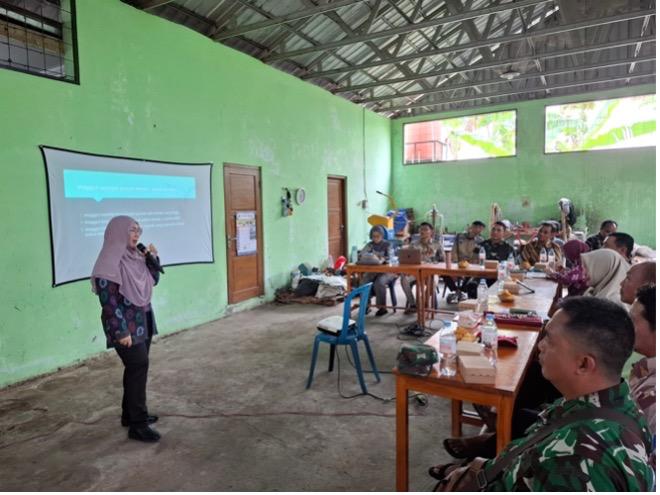
 The event opened with remarks by Prof. Dr. Suryanto, S.E., M.Si., Head of the Community Engagement Program (PKM). He highlighted the common perception that organic waste is often viewed as useless or even problematic. However, he emphasized that through the integration model of UMAITA—Poultry, Maggot, Fish, and Plants—organic waste can be transformed into valuable and economically beneficial resources.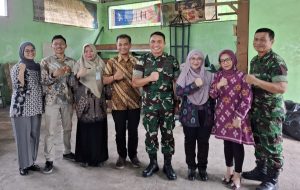

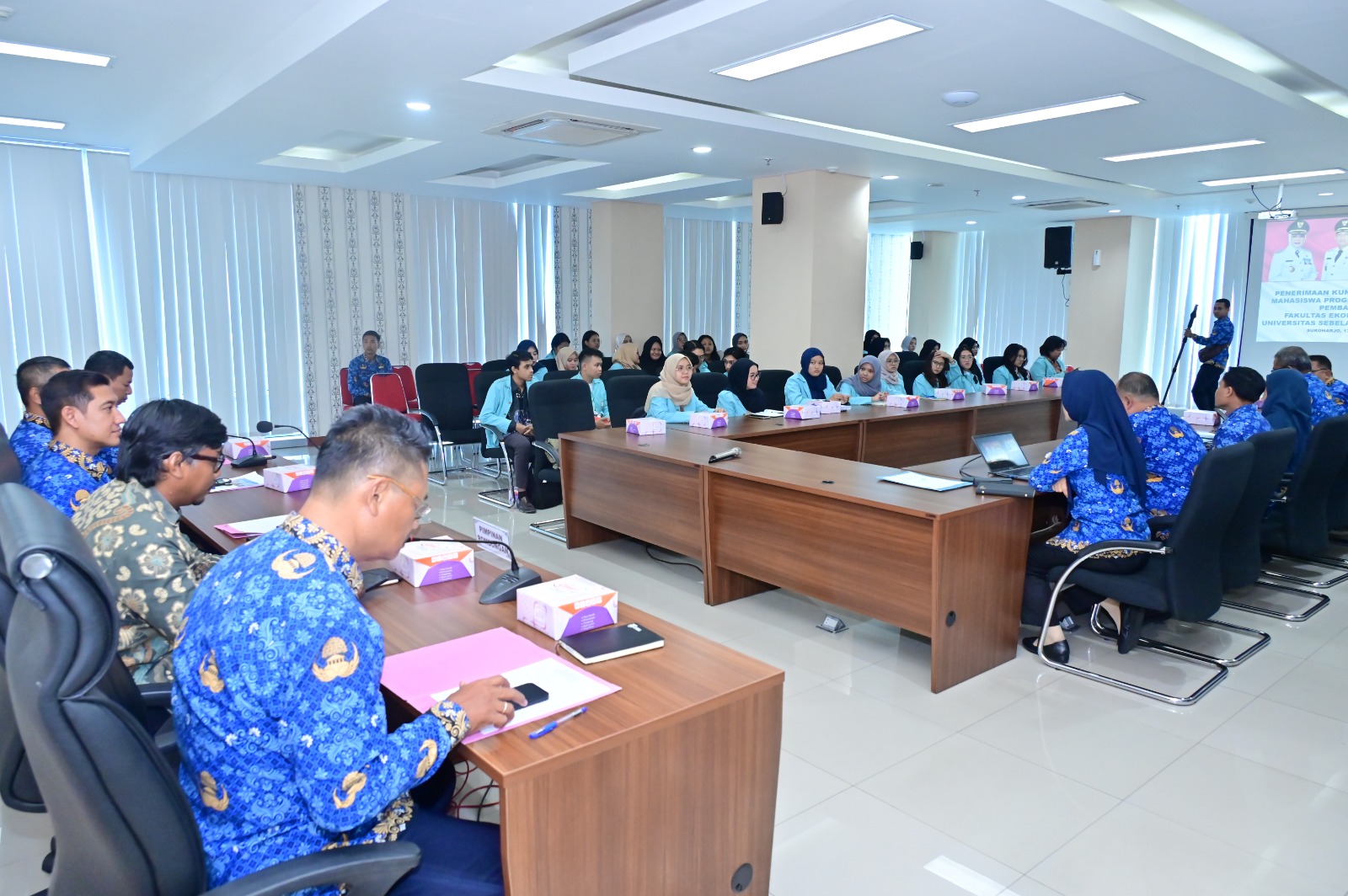
 This activity is part of the learning program for two courses: Public Policy Analysis and Public Economics II, taught by Ariyanto Adhi Nugroho, SE., M.Ec.Dev., MAPPI (Cert), a lecturer at FEB UNS. “Through this field study, students are expected to learn directly from public policy actors—not just through theories and literature. This is undoubtedly a valuable experience for students, especially as they can engage directly with the Vice Regent, department heads, and other relevant officials,” explained Ariyanto.
 The activity was warmly welcomed by the Vice Regent of Sukoharjo, Eko Sapto Purnomo, SE. In his address, he stated that the current generation is working toward the vision of Indonesia Emas 2045. One of the ways to achieve this is by expanding access to education, including through initiatives like this field study. Students can learn how policies are formulated at the regional level. At the same time, students can also contribute through their research, offering insights and solutions to current issues.
 He also highlighted the rapid development of Sukoharjo Regency. With a complex regional profile that includes rural, urban, and metropolitan areas, it demands policies that are both precise and contextually appropriate.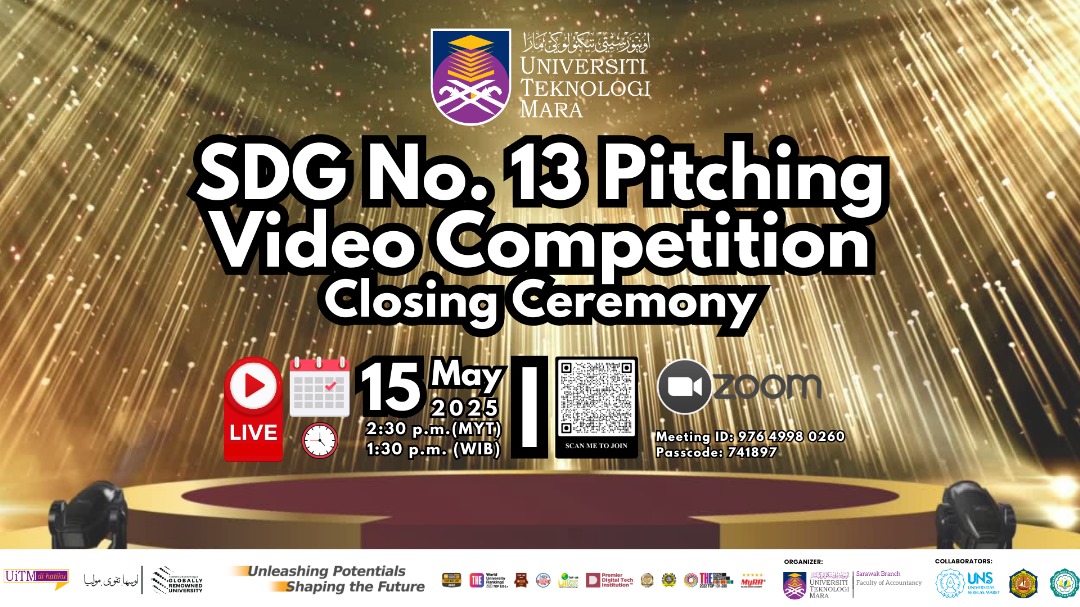

 Head of Cooperation at FEB UNS, Johadi, S.E., M.Sc., explained that this initiative reflects FEB UNS’s commitment to facilitating alumni—particularly from the Accounting and Management Study Programs, either from the field of Finance and other concentrations—thus, that they gain relevant experience in the financial sector, which will be needed to enter the labor market, especially with opportunities to work at PT Pertamina Hulu Energi.
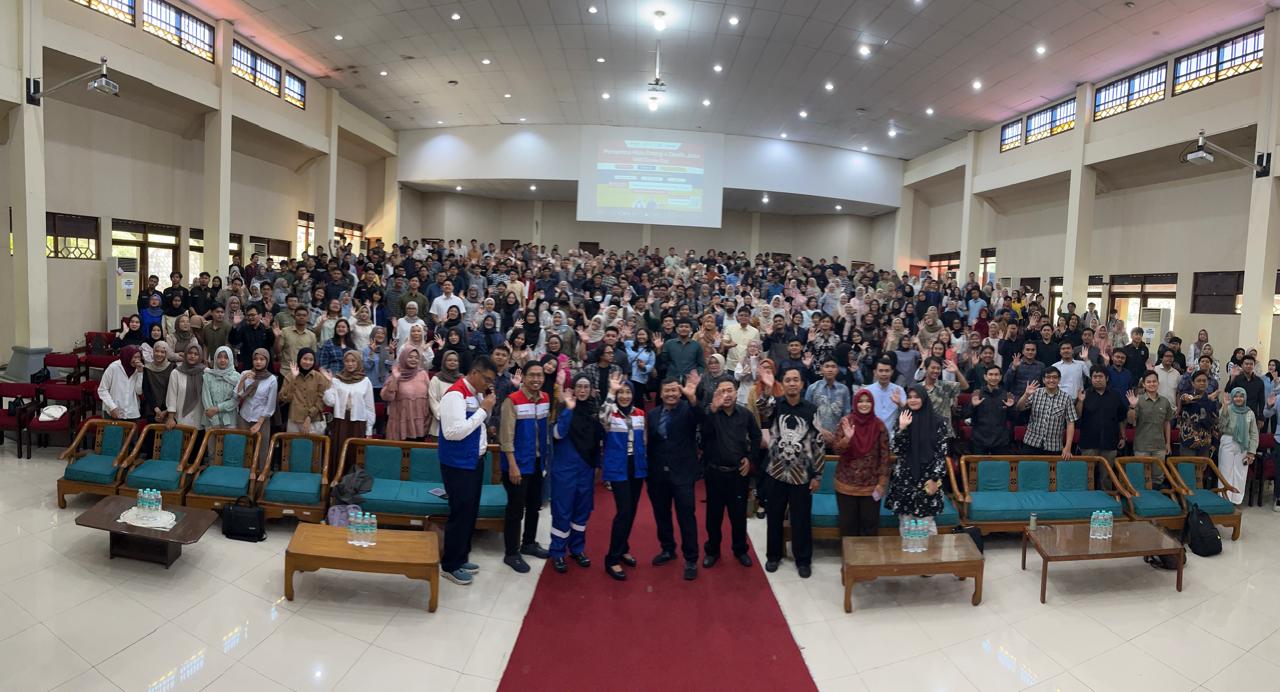

 During the Inspiring Talks session, two UNS alumni served as keynote speakers. Dewi Kurnia Salwa, VP of Human Capital at Subholding Upstream PT Pertamina Hulu Energi, delivered a talk titled “Unlocking Career Opportunities in Oil & Gas.” She emphasized the broad career opportunities available in the energy sector for today’s youth. “Pertamina Hulu Energi is undergoing significant growth in upstream oil and gas and other energy business lines. We hope that UNS candidates can become part of PHE’s future talent pool,” she said. Dewi also expressed that the success of UNS alumni within PHE stands as a testament to the university’s quality of education. She encouraged students to embody the values of hard work, loyalty, and strong competence exemplified by their predecessors.
 In addition to the talk show sessions, participants were also introduced to the corporate profile of PT Pertamina (Persero). The presentation highlighted the role of PHE as the Subholding for Upstream operations since 2021. PHE currently manages 40 domestic working areas and 27 international operations across 13 countries. As the upstream subholding, PHE is responsible for strategic planning and policy-making in the national oil and gas sector, while regional areas focus on operational management and resource development. By the end of 2021, PHE oversaw 68 subsidiaries and six joint ventures.


 In the Principles of Marketing course, Tengku Sharifeleani explained how to conduct a BMC (Business Model Canvas) analysis for a particular brand and invited students who had previously participated in BMC competitions to give presentations. The guest lectures were held from 10:30 to 12:00 WIB in the Soeharno TS Building and the Bachtiar Effendi Building of FEB UNS, taking place in separate sessions. The lectures proceeded seamlessly and concluded with the awarding of prizes to students who actively participated.