
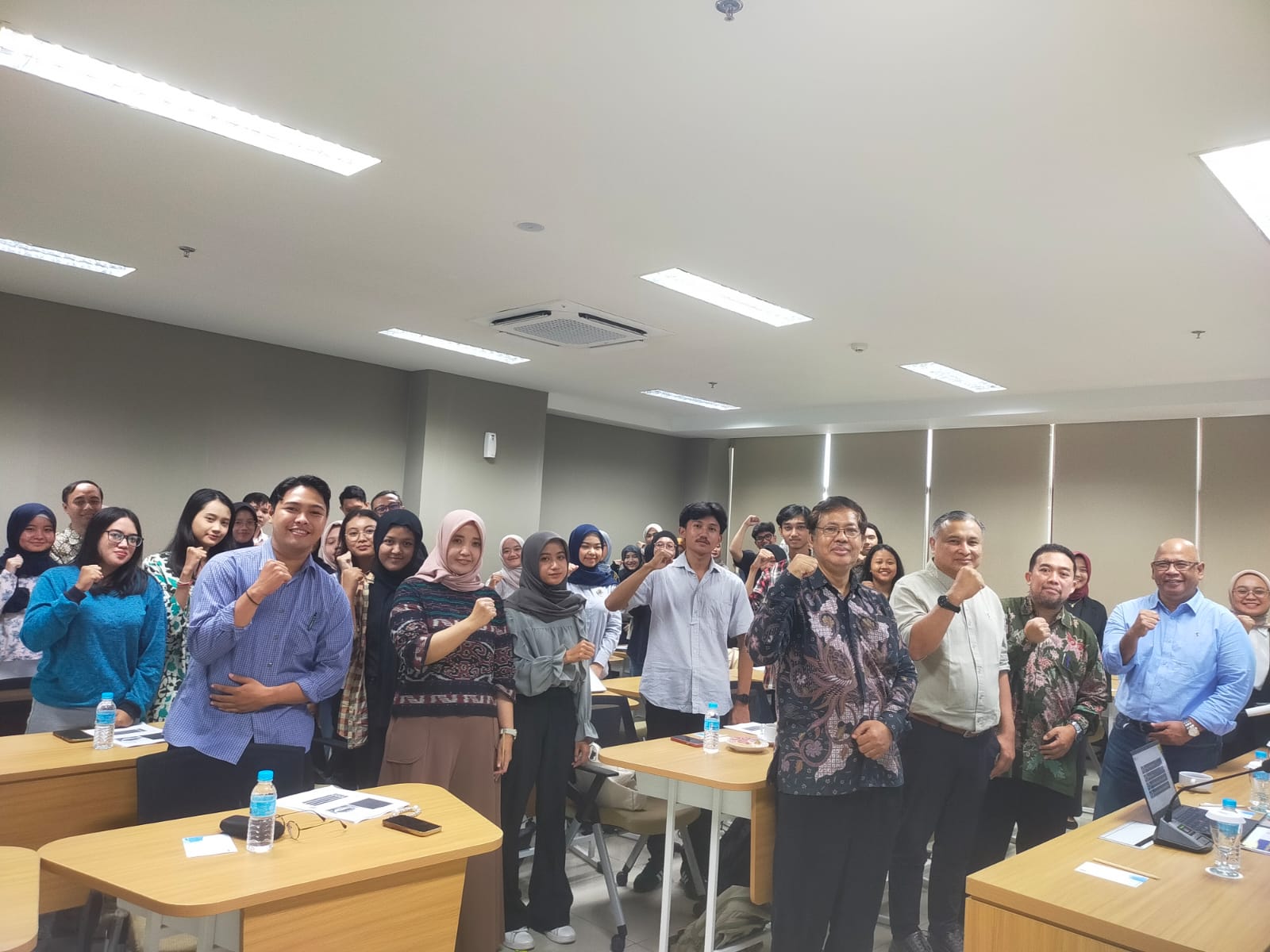
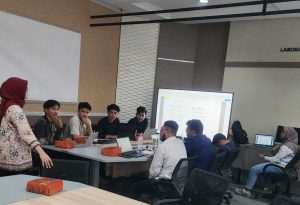
The Taxation Laboratory of the Faculty of Economics and Business (FEB), Universitas Sebelas Maret (UNS) held a Public Lecture on Taxation entitled Tax and Finance in the Digital Era: Challenges and Opportunities on Friday, 13 June 2025, at the Konimex Hall, Bachtiar Effendi Building, FEB UNS. The event, attended by faculty members and students, featured Jafar Shodiq, S.Akt., M.Ak., Managing Partner of MNCo Juara, as the keynote speaker.

At the beginning of his presentation, Jafar explained that a career in the field of taxation is considered prestigious and attractive, offering broad career prospects, competitive remuneration, diverse professional pathways, and opportunities for international careers. Positions available in taxation include tax staff or manager, tax accountant, lecturer or instructor or taxation speaker, tax officer at the Directorate General of Taxes, taxation writer (books, magazines, newspapers), tax planner, tax consultant, and tax attorney (taxpayer legal counsel).
Furthermore, Jafar elaborated that in an increasingly dynamic economy, more individuals are choosing to pursue careers as tax consultants. With high demand for tax professionals, competitive salaries, and engaging challenges, this field offers significant opportunities for those aspiring to build a successful career.
Tax consultants play a crucial role in assisting businesses and individuals in understanding and complying with complex tax regulations. Equipped with the appropriate skills, they can provide effective and strategic solutions while contributing to economic growth.
“A career in taxation is not only promising in terms of financial rewards but also provides continuous opportunities to learn and grow. Each tax case is unique, and this makes our work perpetually engaging,” he stated.
With the growing number of opportunities in this sector, individuals interested in pursuing a career in taxation are encouraged to explore relevant education and training. Preparing for a career in taxation offers various opportunities and challenges that must be understood. A SWOT analysis indicates that the strengths of taxation as a profession include the high demand for tax experts and competitive salaries. However, the weaknesses or constraints to consider are the intense competition and the necessity for continuous knowledge updates. The prospects of economic growth and the increasing need for taxation services are balanced by its challenges, mainly dynamic changes in taxation regulatory and negative public perceptions of the profession.

He further explained the benefits of taxation literacy for entrepreneurs. In this context, taxation understanding provides indirect yet significant advantages for business owners. Through in-depth financial analysis, entrepreneurs can identify opportunities and challenges and make more strategic business decisions. Moreover, compliance with tax regulations enhances the company’s credibility in the eyes of investors, creating further opportunities for growth.
Through this occasion, FEB UNS supports SDG 4 (Quality Education) by providing students with access to contextual learning and practical skills to prepare them to enter the employment. Discussion on taxation also closely relates to SDG 8 (Decent Work and Economic Growth), as it promotes students understanding on the importance of tax compliance in economic development and opens up broad career opportunities within the field of taxation.
The taxation laboratory, as part of educational innovation at FEB UNS, also contributes to SDG 9 (Industry, Innovation, and Infrastructure) by developing talents with adaptive skills, particularly in the face of technological developments and digital financial regulations. Furthermore, collaboration with professional tax practitioners like Jafar Shodiq reflects the spirit of SDG 17 (Partnerships to Achieve the Goals), where synergy between education and industry is key to producing quality and globally competitive graduates.
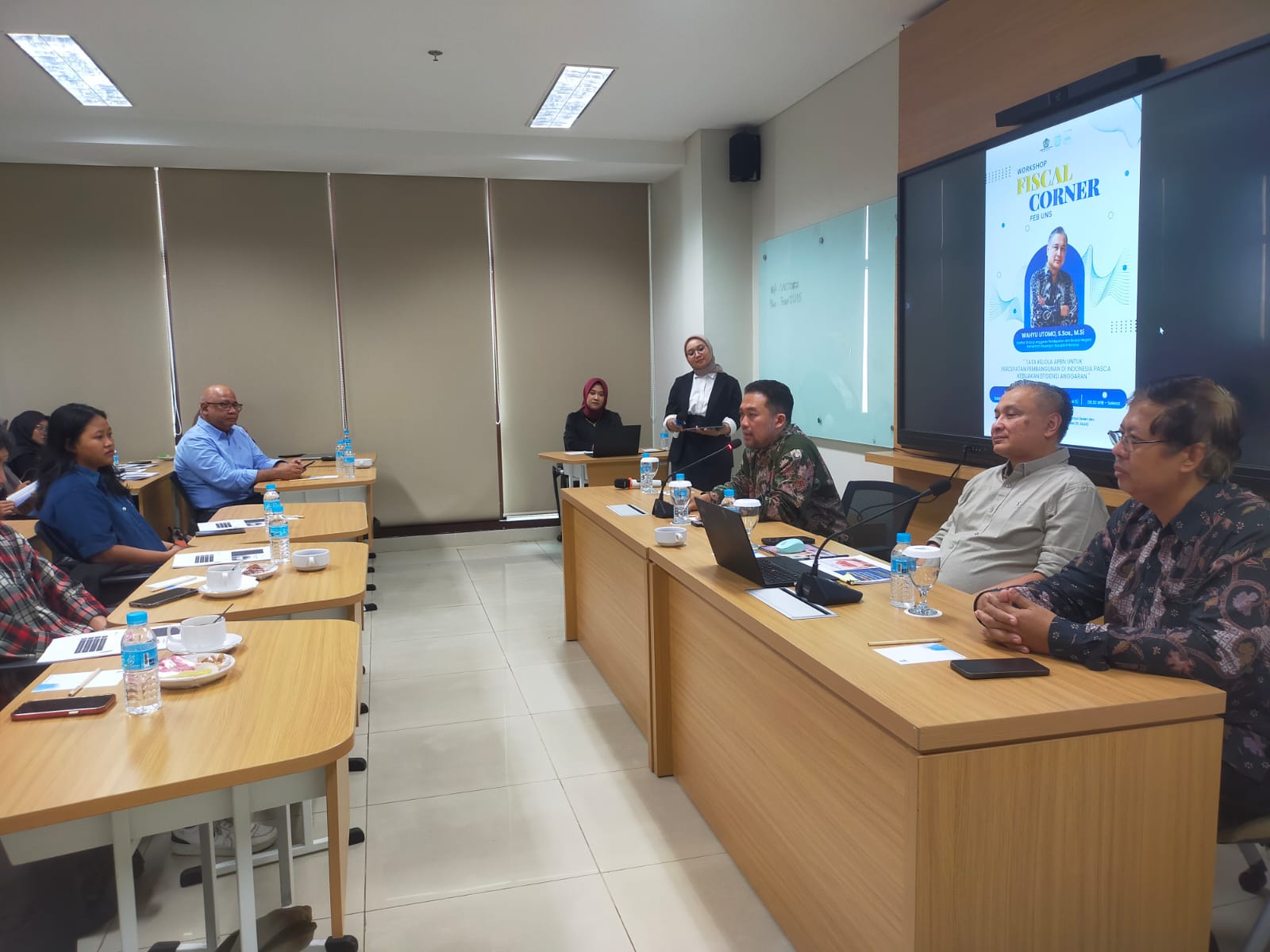
 Based on this objective, the APBN, as an instrument of fiscal policy, must be designed to respond effectively to economic dynamics, address challenges, and optimally support development agendas, so the APBN itself must remain healthy. The APBN is an instrument—if it is not healthy, it is impossible for a country to strongly stimulate the economy and foster widespread prosperity. For this reason, the APBN has three functions: stabilization, allocation, and distribution.
 “In the midst of limited fiscal space, how can we continue to stimulate the economy and support various development agendas for public welfare? The APBN must remain healthy. Indeed, there must now be innovation and adaptation to new work patterns—collaboration with enterprises, leveraging the role of Regional Public Service Agencies (BLU), and the role of State-Owned Enterprises (BUMN),” he conveyed.
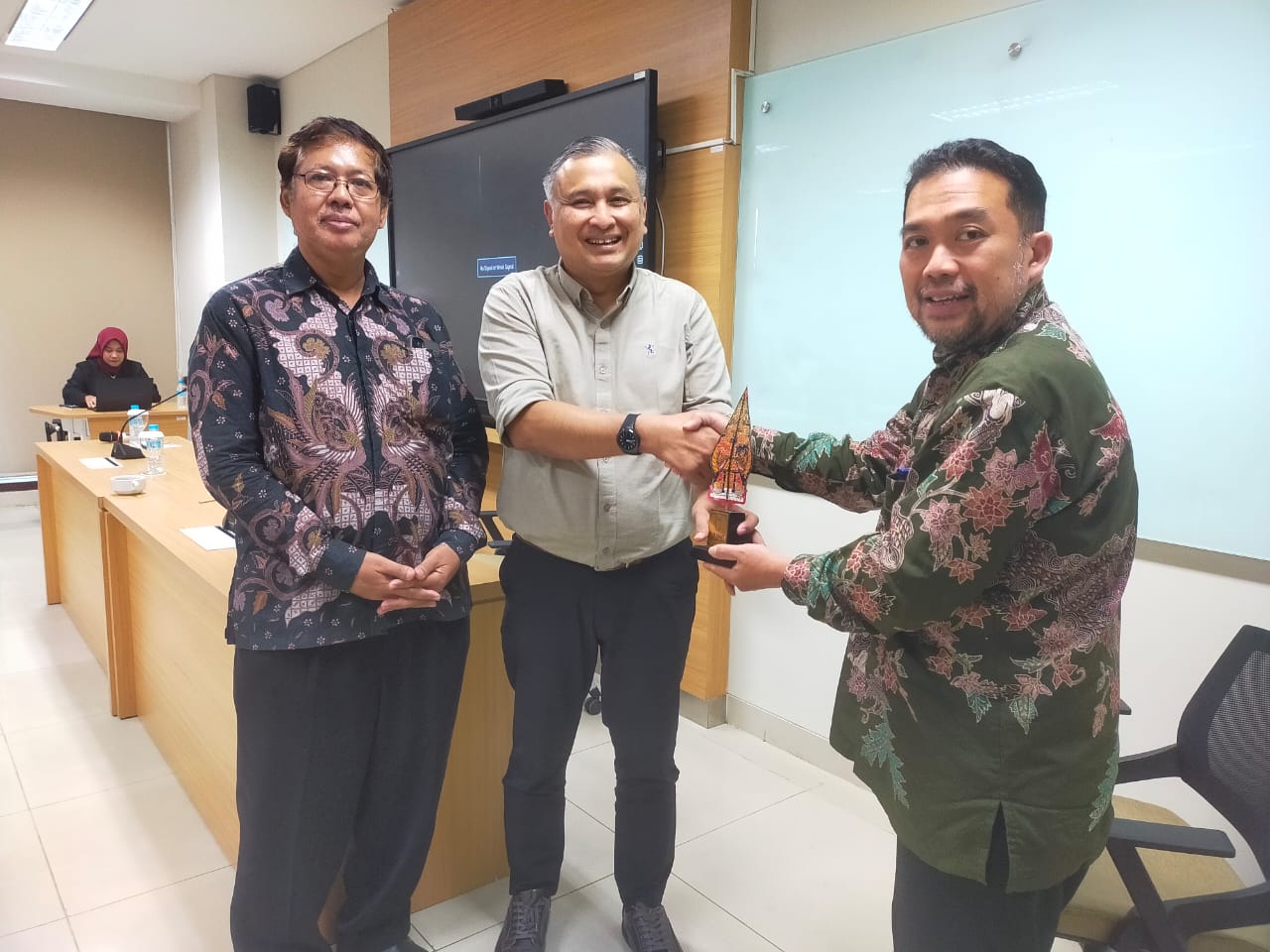 The second principle is that fiscal policy must serve as an oversight instrument to ensure policy consistency so that short-term, medium-term, and long-term policies are implemented properly. Policymaking should not only focusing on short-term policy, since pragmatism will undermine long-term strategies instead.
 Tax reform and strengthening the financial system are also key priorities, aimed at broadening the tax base and increasing tax compliance. In addition, the government will develop innovative and sustainable financing schemes to support priority programs.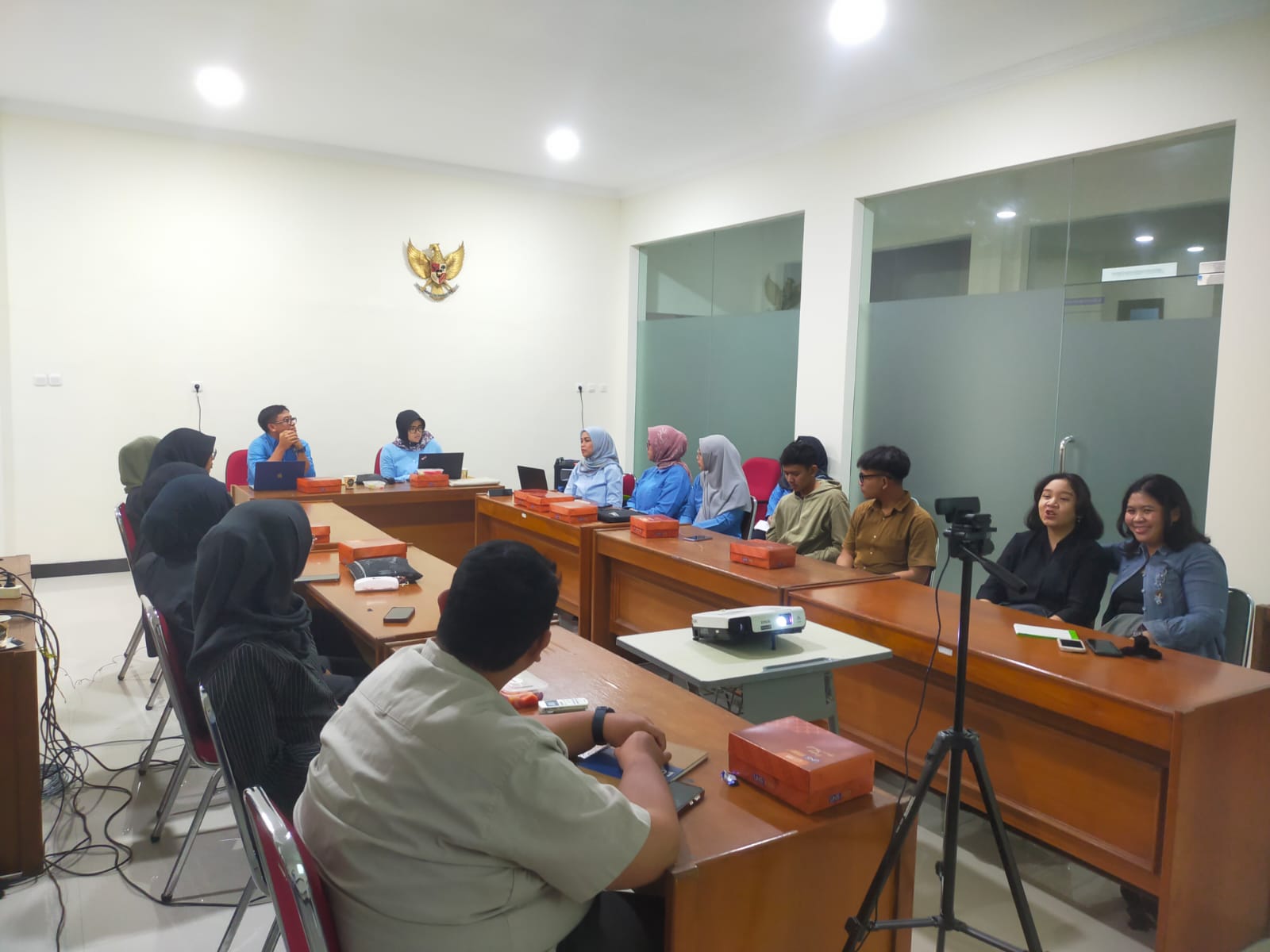
 Dila Maghrifani, S.E., B.Sc., M.Sc., Ph.D., Head of P4M, conveyed that the forum was part of the dissemination of academic research findings to broaden the insights of the academic community, particularly regarding sustainable entrepreneurship development, eco-innovation, and the growth of renewable energy startups in Indonesia.
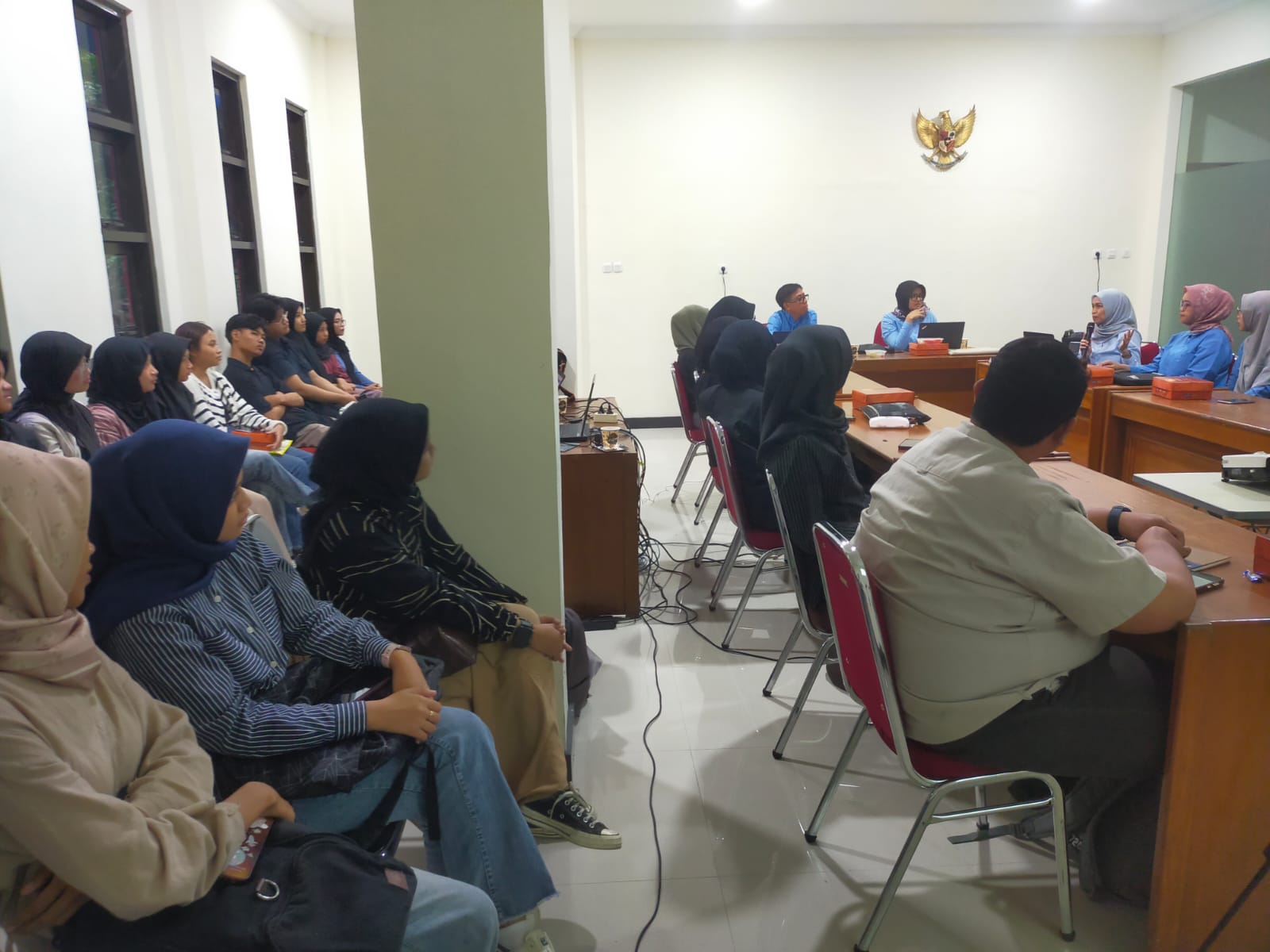
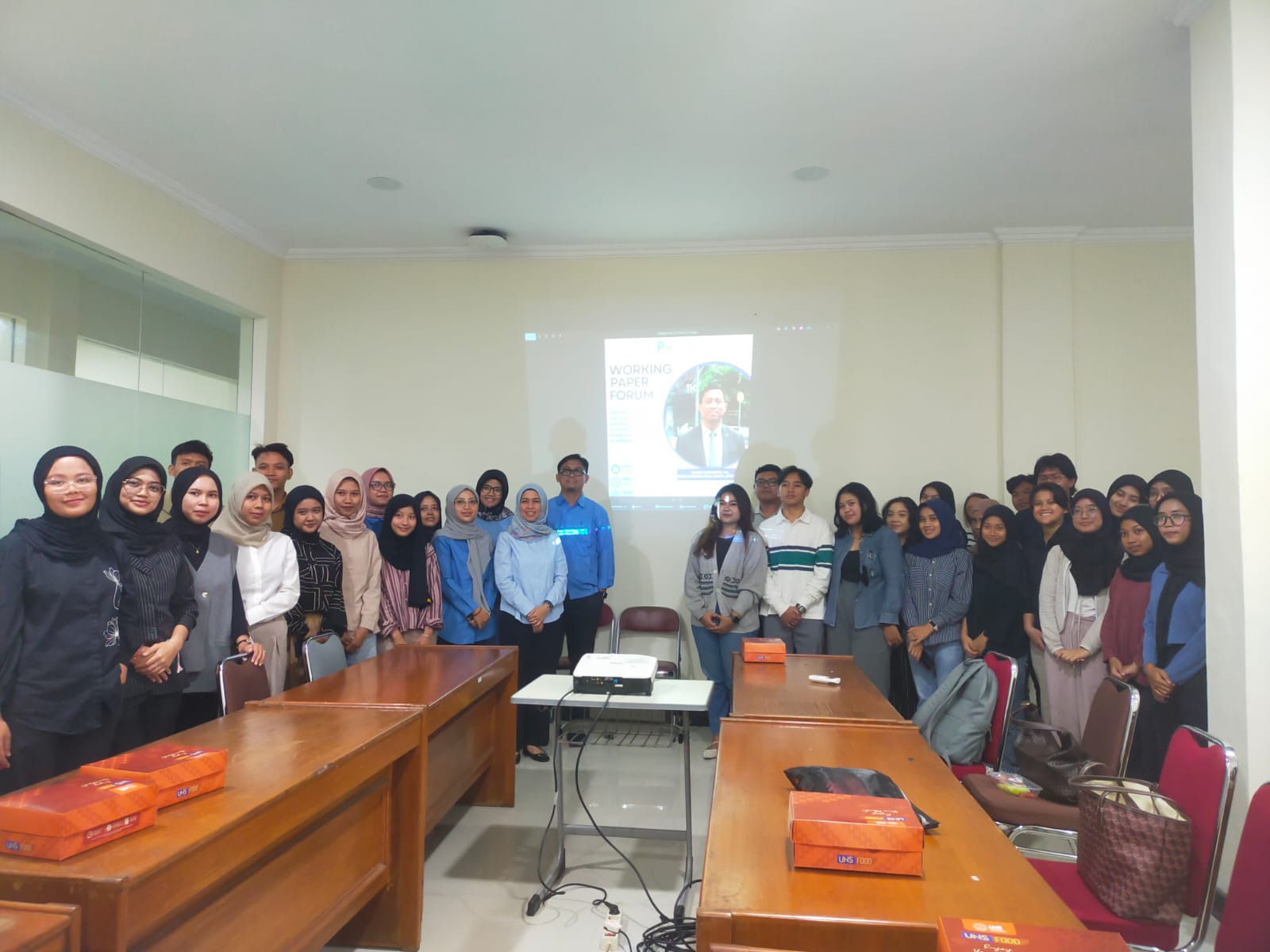 The research conducted by Dr. Catur Sugiarto and colleagues employed a mixed-methods approach to identify factors influencing the success of business incubators in the renewable energy sector. This approach is expected to offer deeper insights into how incubators can contribute to renewable energy development in Indonesia.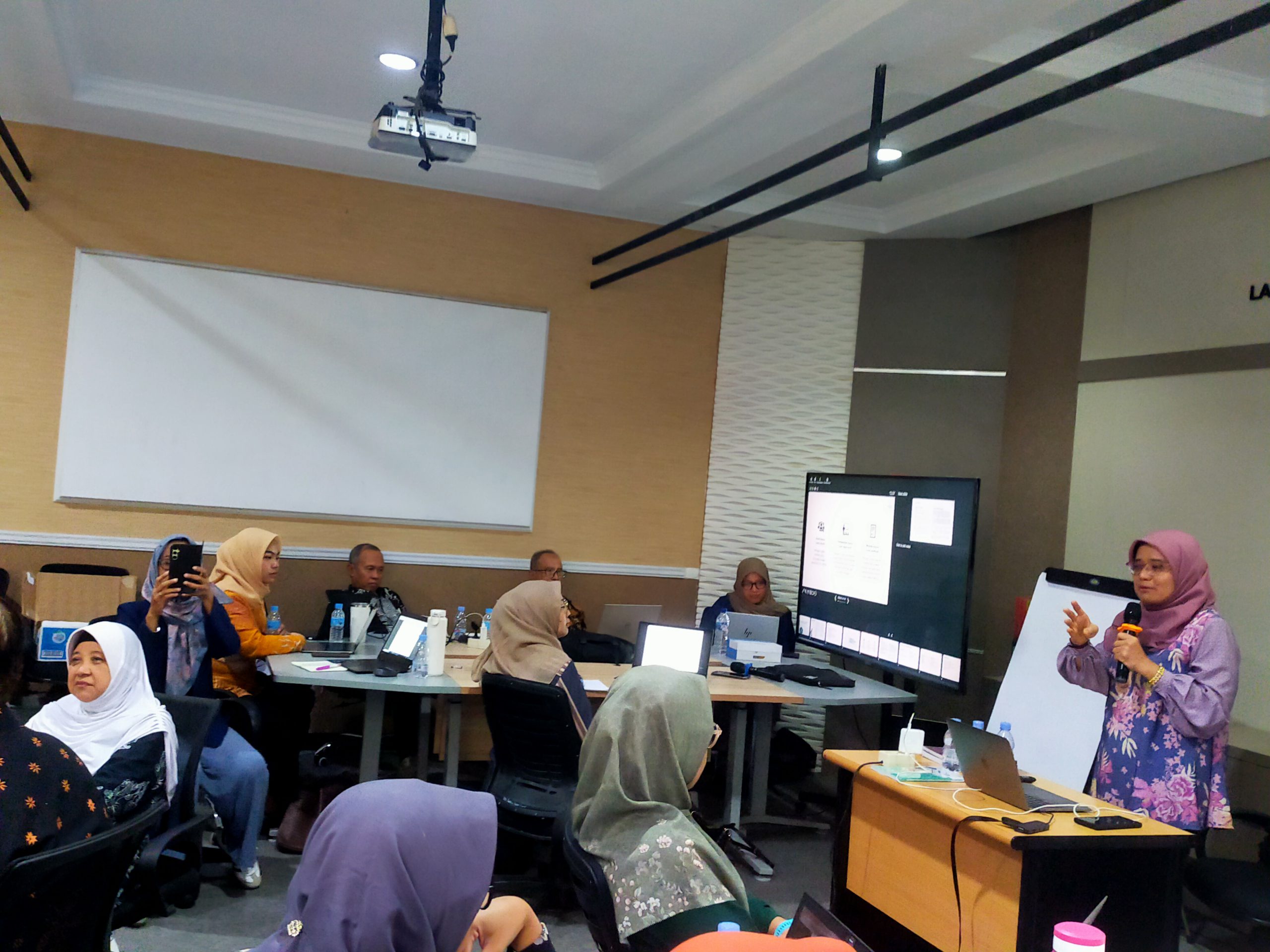

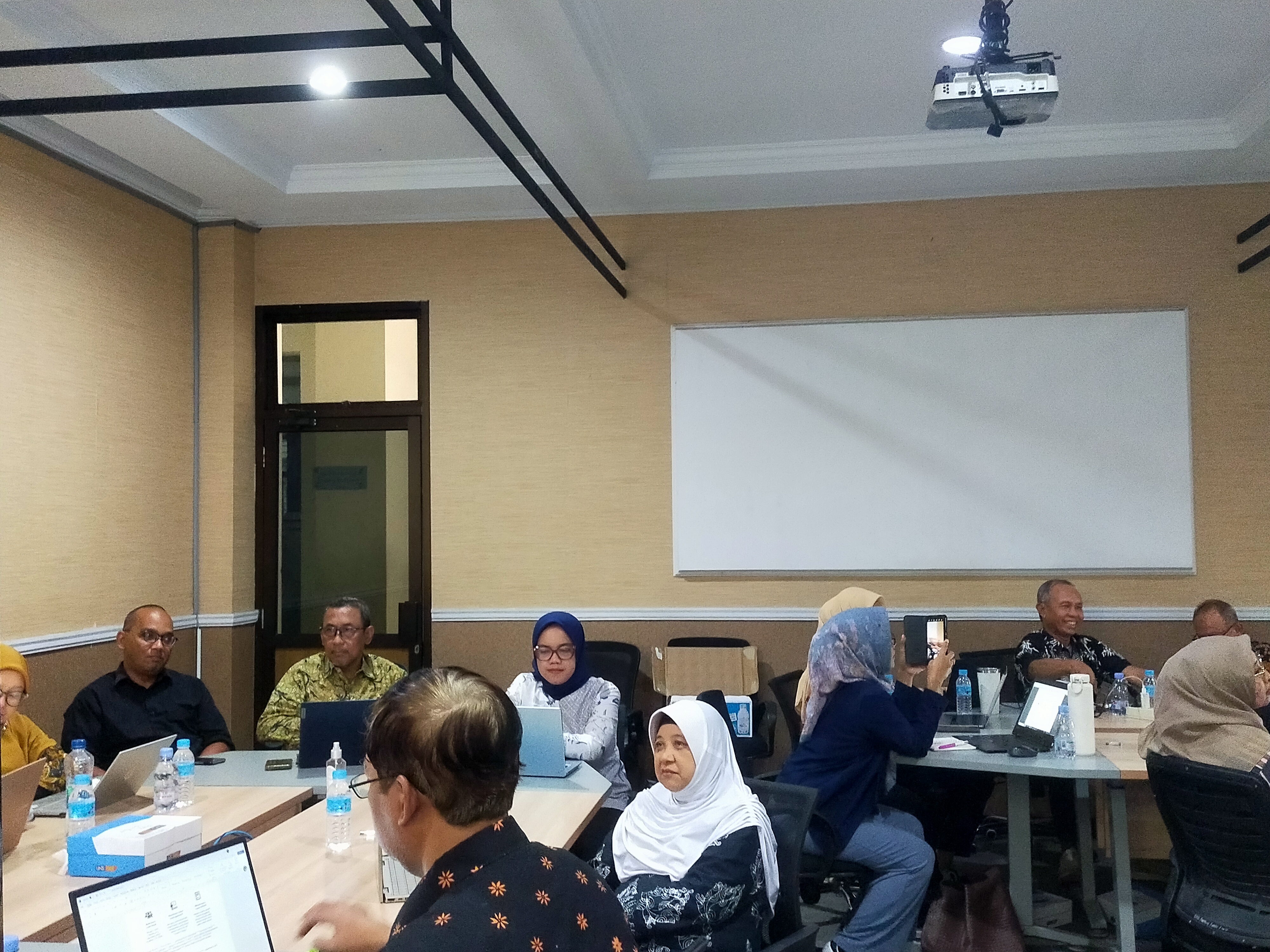
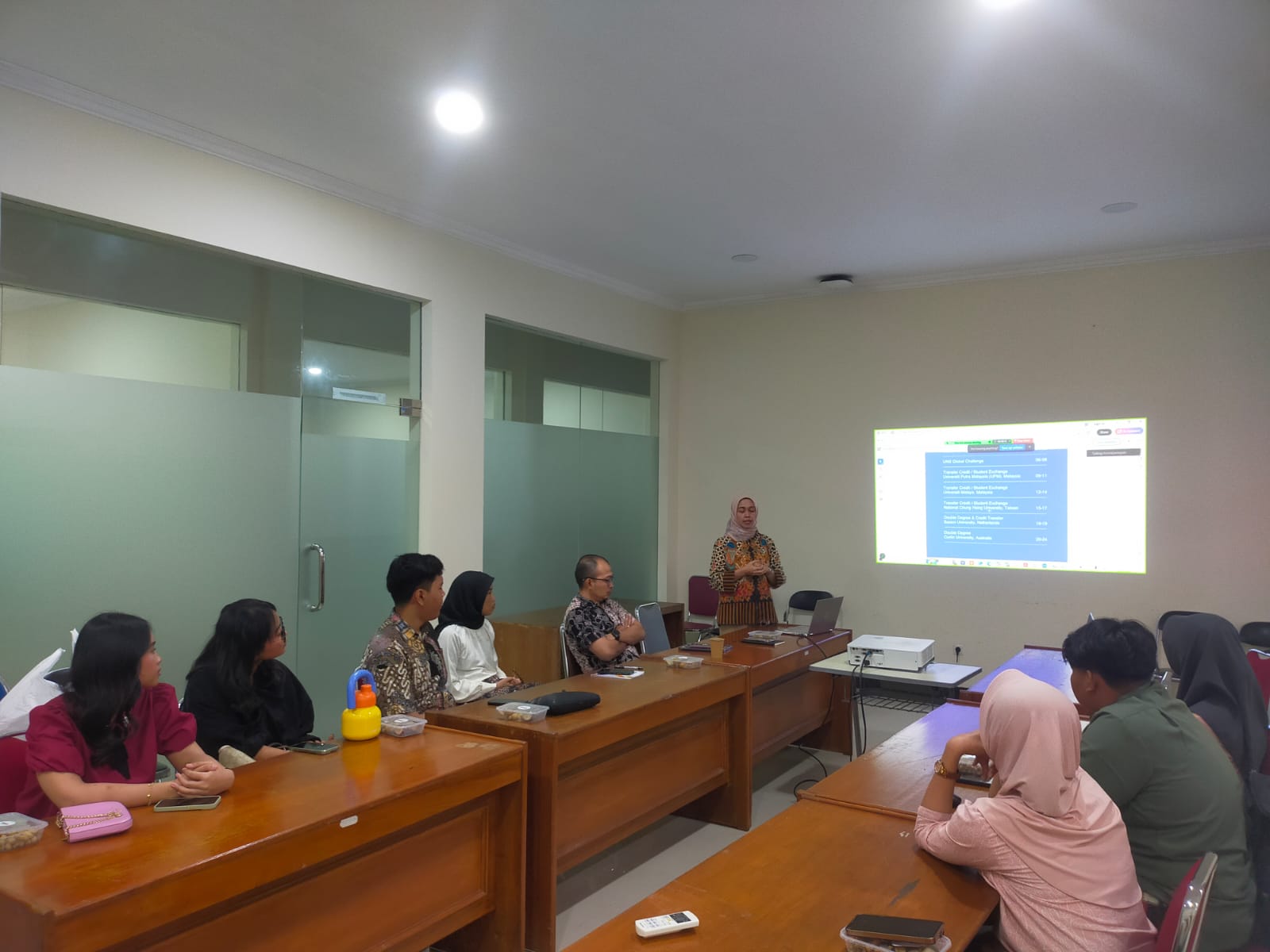
 The timeframe and duration for the Short-Term Programs range between 1–2 weeks and are held during the semester break (December–January). Meanwhile, the Credit Transfer programs are conducted in the even or odd semesters with varying durations.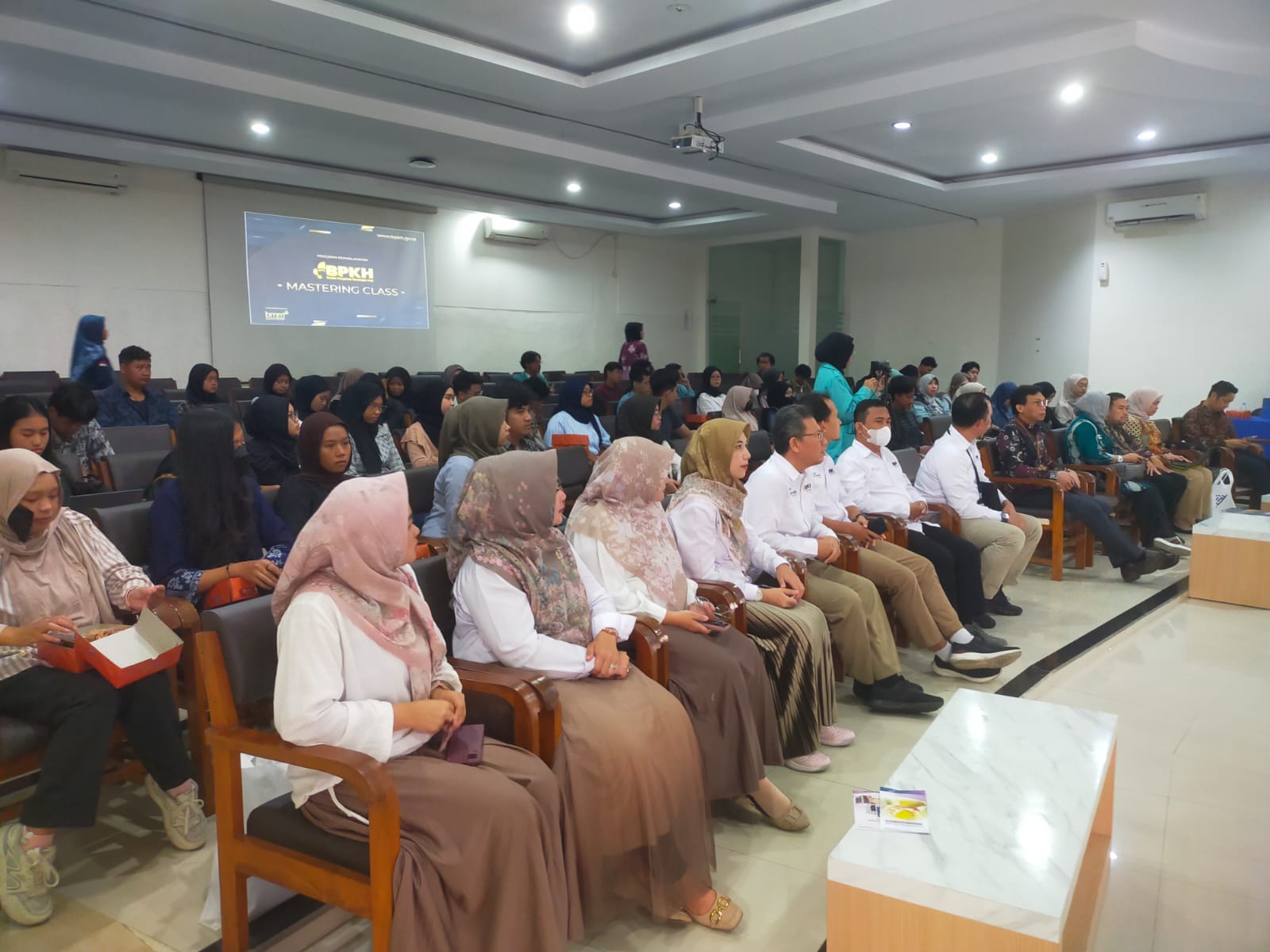
 In his remarks, the Dean of FEB UNS, Prof. Bhimo Rizky Samudro, S.E., M.Si., Ph.D., stated that this activity serves as an excellent forum. Moreover, the event offers substantial benefits to students by enhancing their knowledge of Islamic financial literacy. The implementation of the BPKH Mastering Class also represents a form of collaboration that is highly valuable to both parties. Therefore, Prof. Bhimo expressed his hope that this partnership can be further developed in the future.

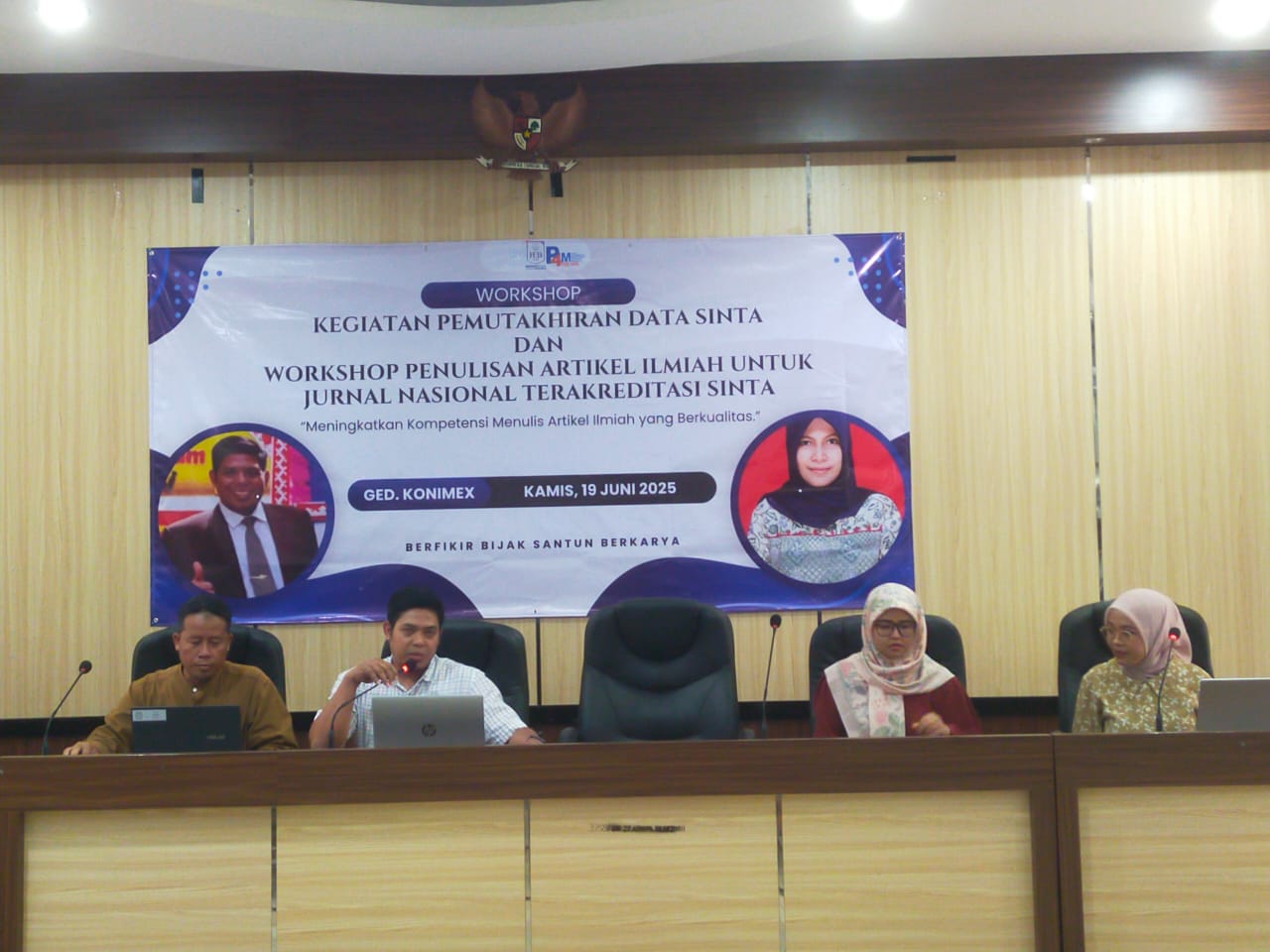
 Concluding his presentation, Sarjiyanto expressed his hope that the workshop and guidelines provided by the LPPM team would increase awareness among participants about the significance of using SINTA effectively to enhance both individual and institutional rankings and reputations at the national and international levels.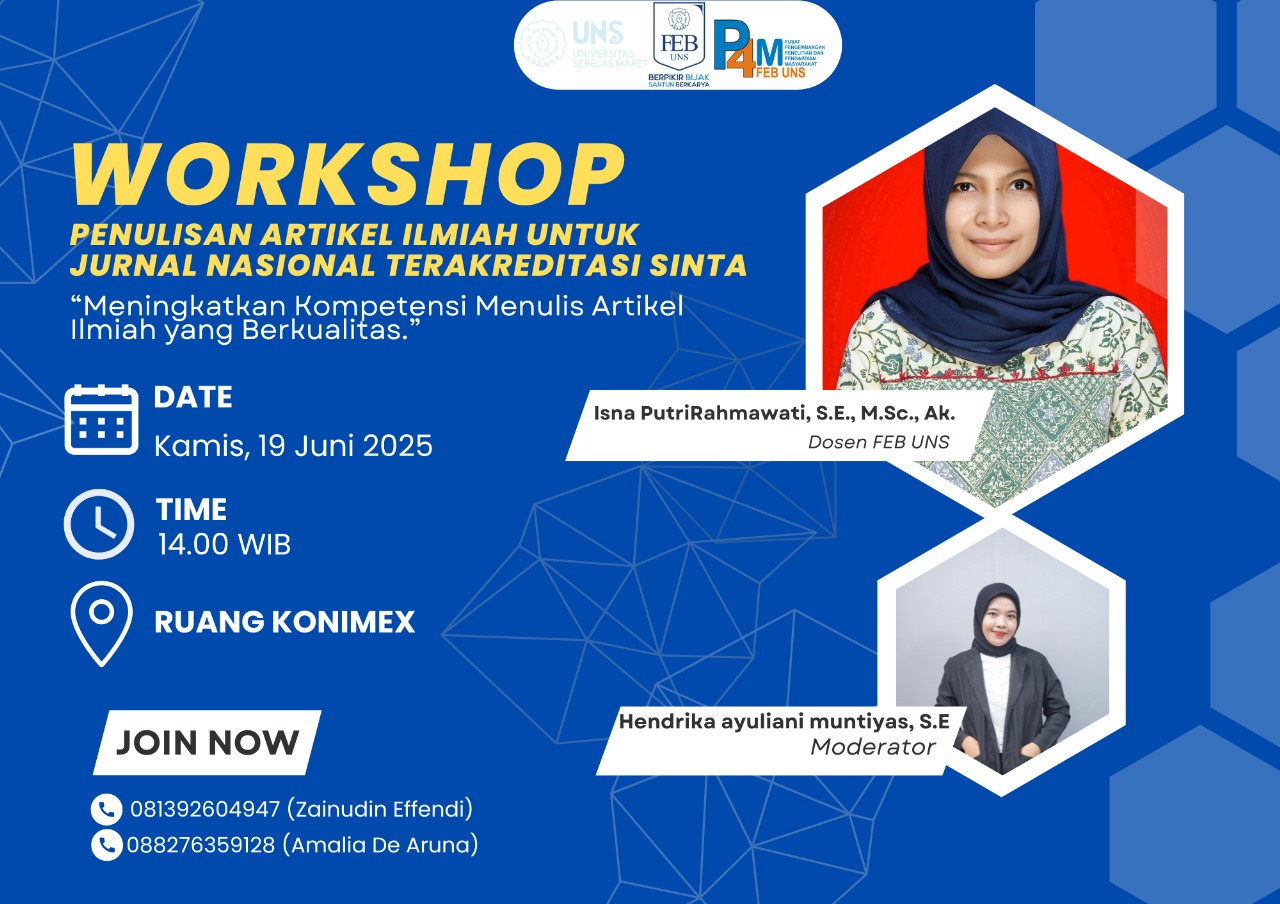
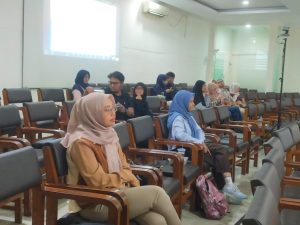 In her opening remarks, Dila Maghrifani, S.E., B.Sc., M.Sc., Ph.D., Head of P4M, emphasized that the workshop aimed to enhance participants’ skills and understanding in preparing high-quality scientific articles aligned with the standards of SINTA (Science and Technology Index) accreditation. The session was also designed to equip participants with effective publication strategies to increase the acceptance rate of their manuscripts in indexed journals.
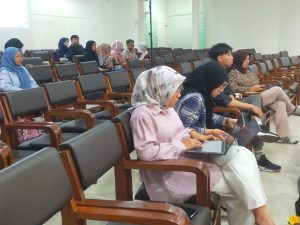 Isna shared her experience of supervising five to eight students each year. Typically, two of the student’s articles will be successfully published in SINTA-2 journals, while the rest were published in SINTA-3, 4, or 5 journals. Her approach aims to ensure that students’ academic work does not remain idle in repositories or personal files but contributes to scholarly discussions.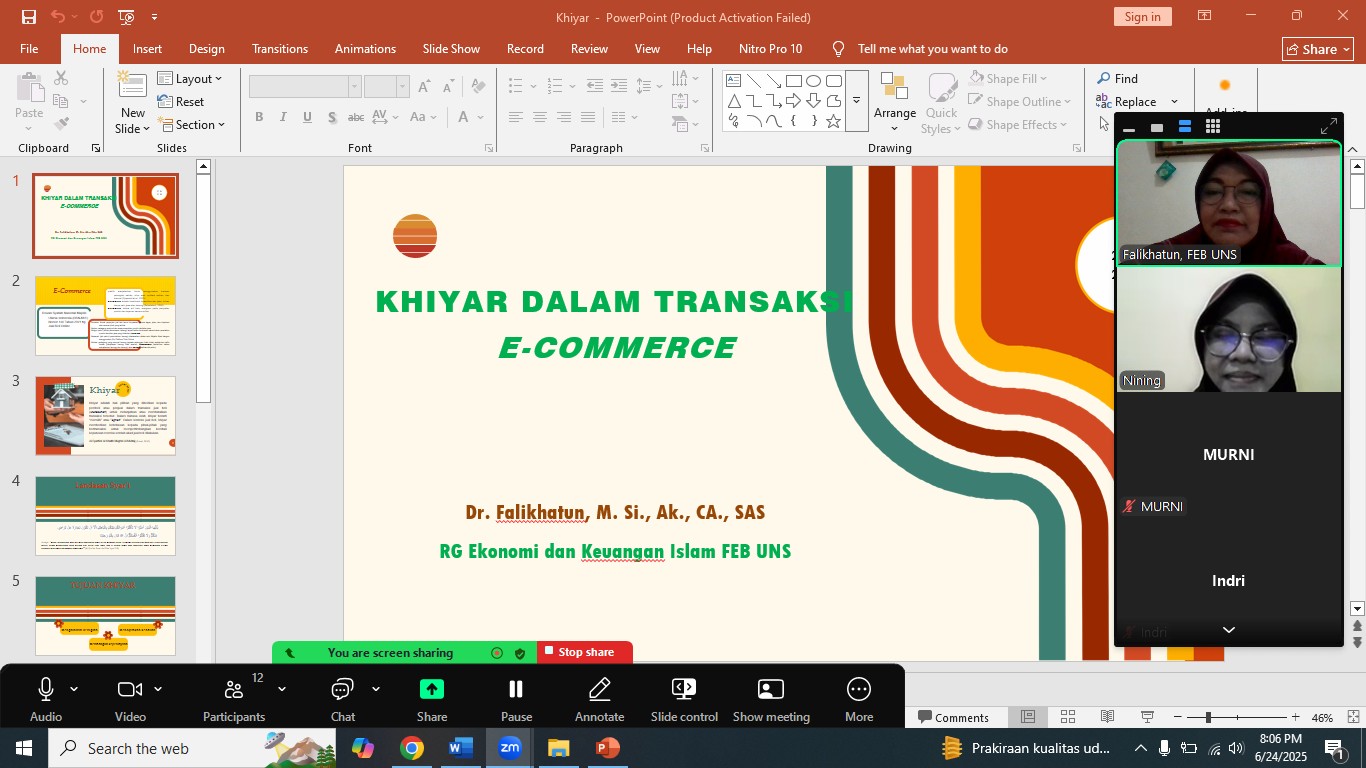
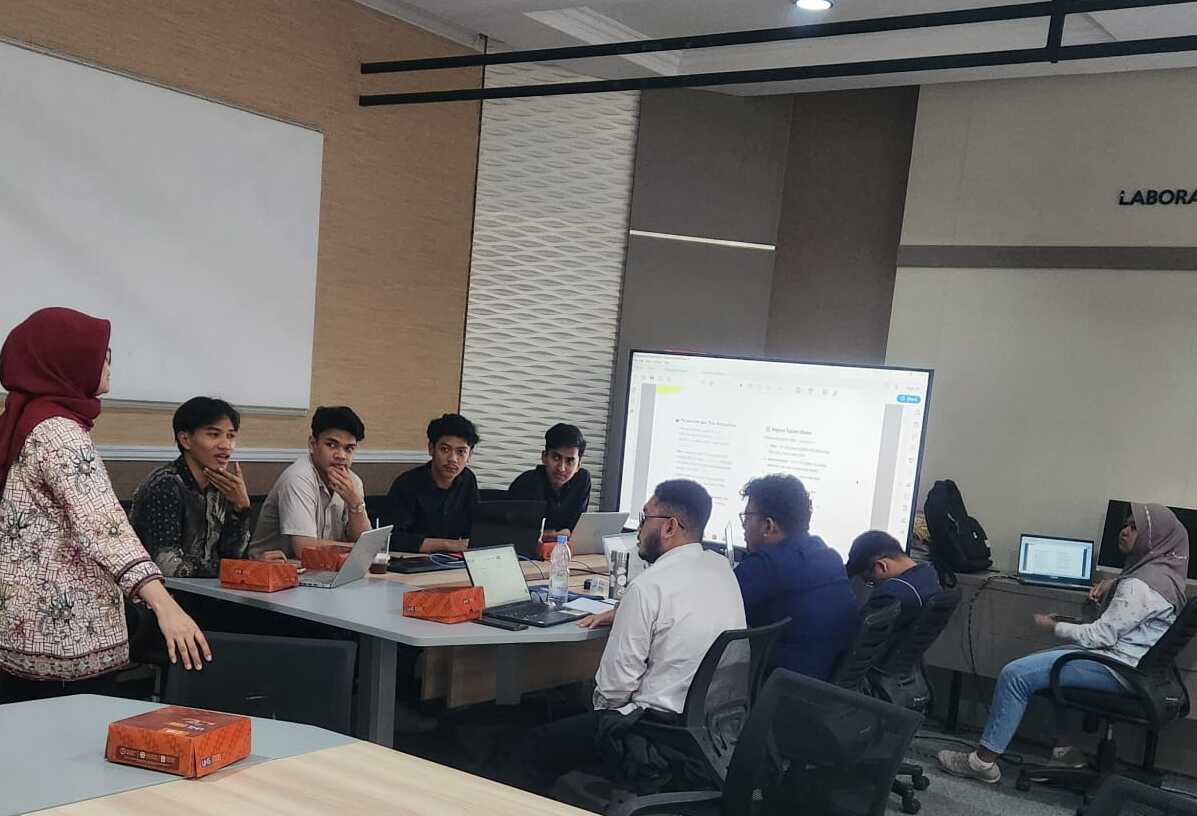
 The training featured resource persons from BNI Xpora and Solo-based export-import practitioners from CV Ivan Sugih Arta. Key topics covered included Export Market Research & Commodity Identification, Export Pricing and Negotiation, Payment Methods and Market Requirements, Promotion, Distribution, and Export Financing.