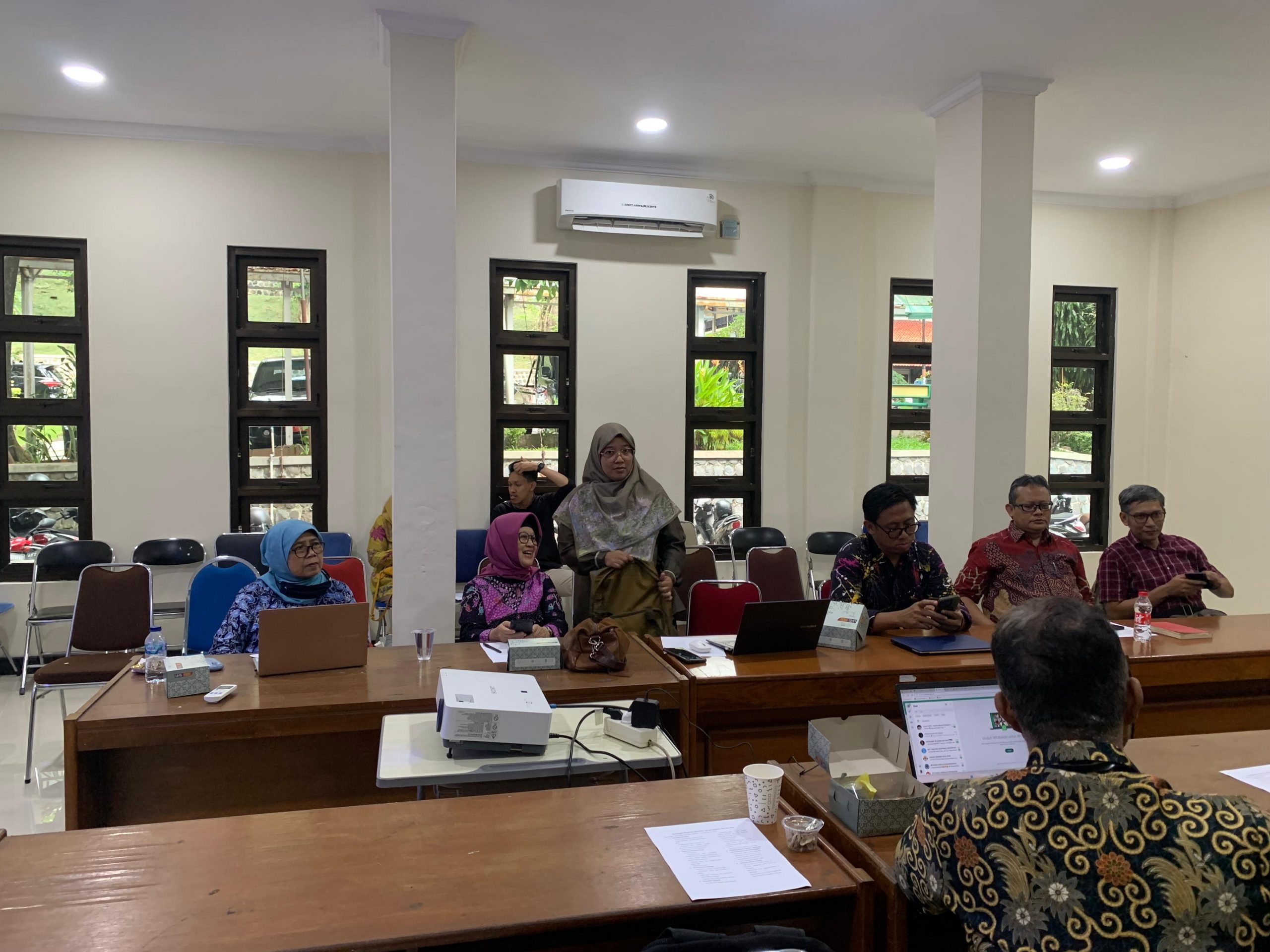
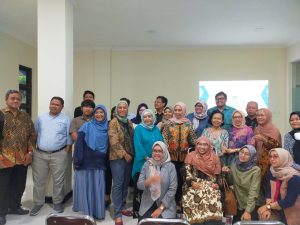
The formulation of a faculty-wide research roadmap is among the six flagship programs initiated by the Center for Research and Community Engagement Development (P4M), Faculty of Economics and Business (FEB), Universitas Sebelas Maret (UNS), for the year 2025. As part of this initiative, P4M held a Research Roadmap Development Workshop on Thursday, 13 February 2025, at the Coordination Room, Soeharno TS Building, 1st Floor. The session was attended by the heads and secretaries of all research groups within FEB.
Dila Maghrifani, S.E., B.Sc., M.Sc., Ph.D., Head of P4M FEB UNS, conveyed in her remarks that the FEB UNS Research Roadmap is developed based on the 2025 UNS Research and Community Engagement Guidelines. She further emphasized that each Research Group Roadmap must be aligned with Presidential Regulation No. 38 of 2018 concerning the National Research Master Plan (RIRN) 2017–2045. The roadmap development initiative is intended to provide strategic direction for research and community engagement activities at the faculty level.
 Dila elaborated that the draft roadmap outlines seven main thematic areas. The first area is Climate Change, which includes topics on business innovation and adaptation, economic impact assessments of climate change, disaster risk management, economic actors’ adaptation and mitigation strategies, as well as governance and accountability.
The second area is Renewable Energy, focusing on green economy, feasibility and implementation of renewable energy development, governance supporting sustainability initiatives, sustainable business strategies, and the circular economy.
The third area is Food Security, covering household food security, the relationship between climate change and food resilience, food environments and malnutrition, food diversification, nutrition transitions, and food quality.
The fourth theme is Creative Industries, encompassing digital transformation in business sectors, development of creative industry business models rooted in local wisdom and cultural heritage, MSME strengthening, entrepreneurship, Islamic finance innovation, governance and accountability supporting creative industry development, and corporate governance.
The fifth area addresses Human Capital Development and Poverty Alleviation, with research focused on human capital advancement, inclusive education, inclusive development, poverty reduction, and human resource development. The sixth thematic area is Finance and Banking, which includes digital transformation in banking, fintech adoption and financial inclusion, blockchain and cryptocurrency in the banking sector, open banking and API integration, and cybersecurity in digital banking.
The roadmap is also designed to contribute to the development of 16 core research themes set by UNS, in alignment with national priorities as formulated by the Ministry of Research and the National Innovation System (SINAS), while also supporting the University’s vision. These themes include: poverty alleviation; climate change and biodiversity; new and renewable energy; food security and safety; health, tropical diseases, nutrition and pharmaceuticals; disaster management and mitigation; national integration and social harmony; regional autonomy and decentralization; arts and culture/creative industries; infrastructure, transportation and defense technology; information and communication technology; human development and national competitiveness; Javanology; finance and banking; Pancasila and national values; and health facilities technology.
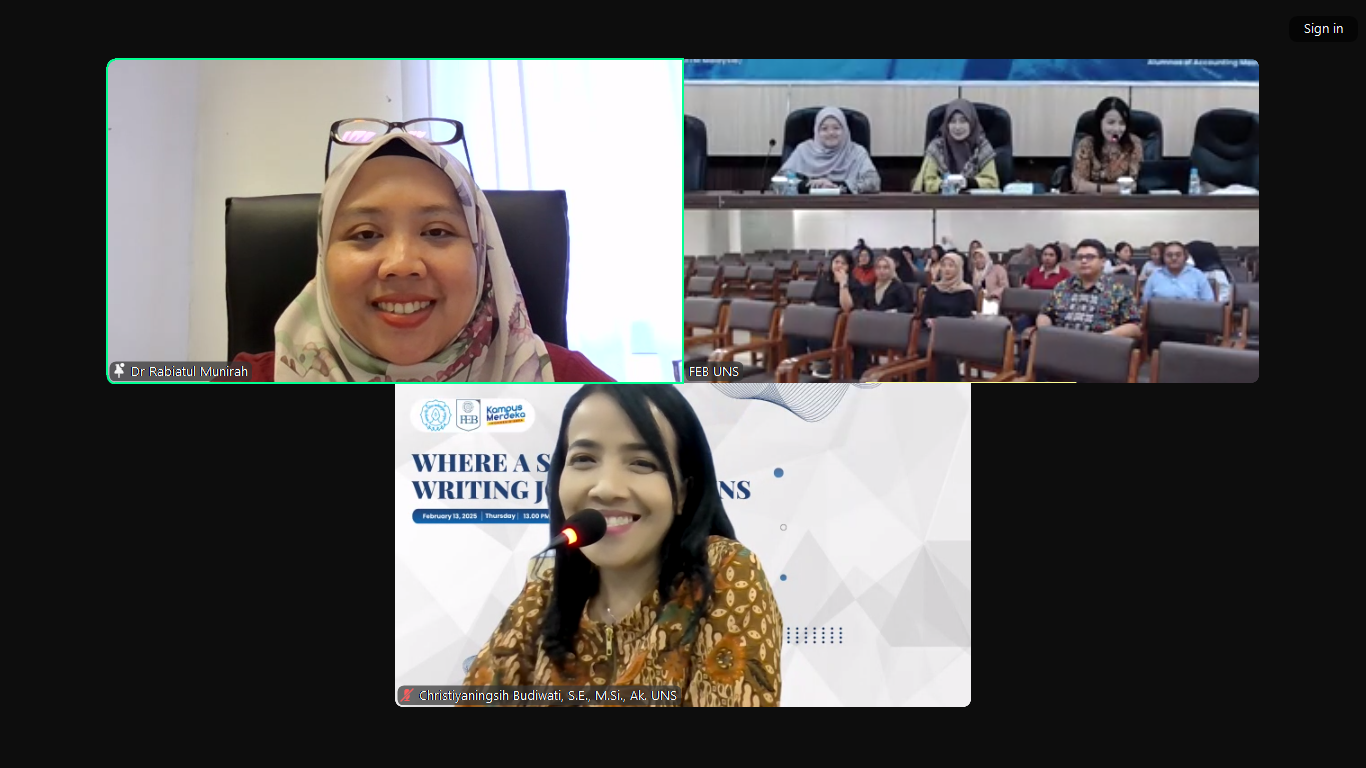
 The two speakers featured in the webinar were Dr. Rabiatul Munirah Alpandi from Universiti Teknologi MARA (UiTM), Malaysia, and Nadifa Salsabila Nizar, S.Ak., M.Ak., a MAKSI FEB UNS alumnae who currently serves as Director of General Affairs and Finance at RS Ortopedi Siaga Utama.
 Regarding the research and publication process, she highlighted the importance of identifying a problem to solve, once the student has determined their field of interest. Such problems can often be discovered through literature reviews. This process helps formulate the problem statement and identify research gaps from previous studies. Based on that, students can then define the purpose of their research and its contribution.
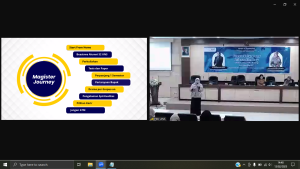 In contrast to Dr. Rabiatul’s theoretical presentation, the second speaker, Nadifa Salsabila Nizar, S.Ak., M.Ak., shared her personal academic journey during her time in the MAKSI program. She described the beginning of her studies, her successful application for the alumni scholarship, and the challenges she faced during the publication process, which eventually led her to extend her period of study. Alongside her story, Nadifa offered motivation and advice to current students of the program.
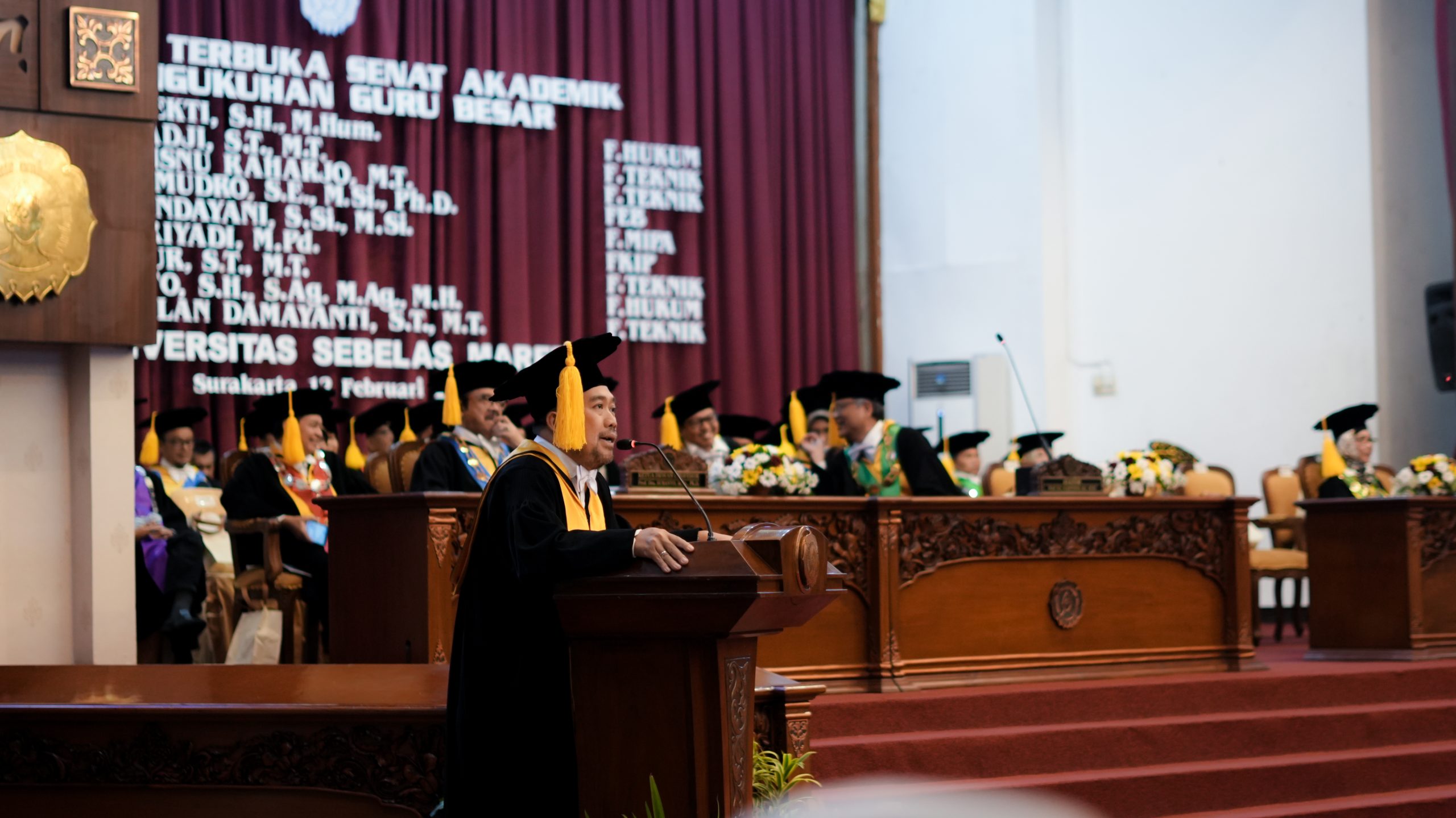


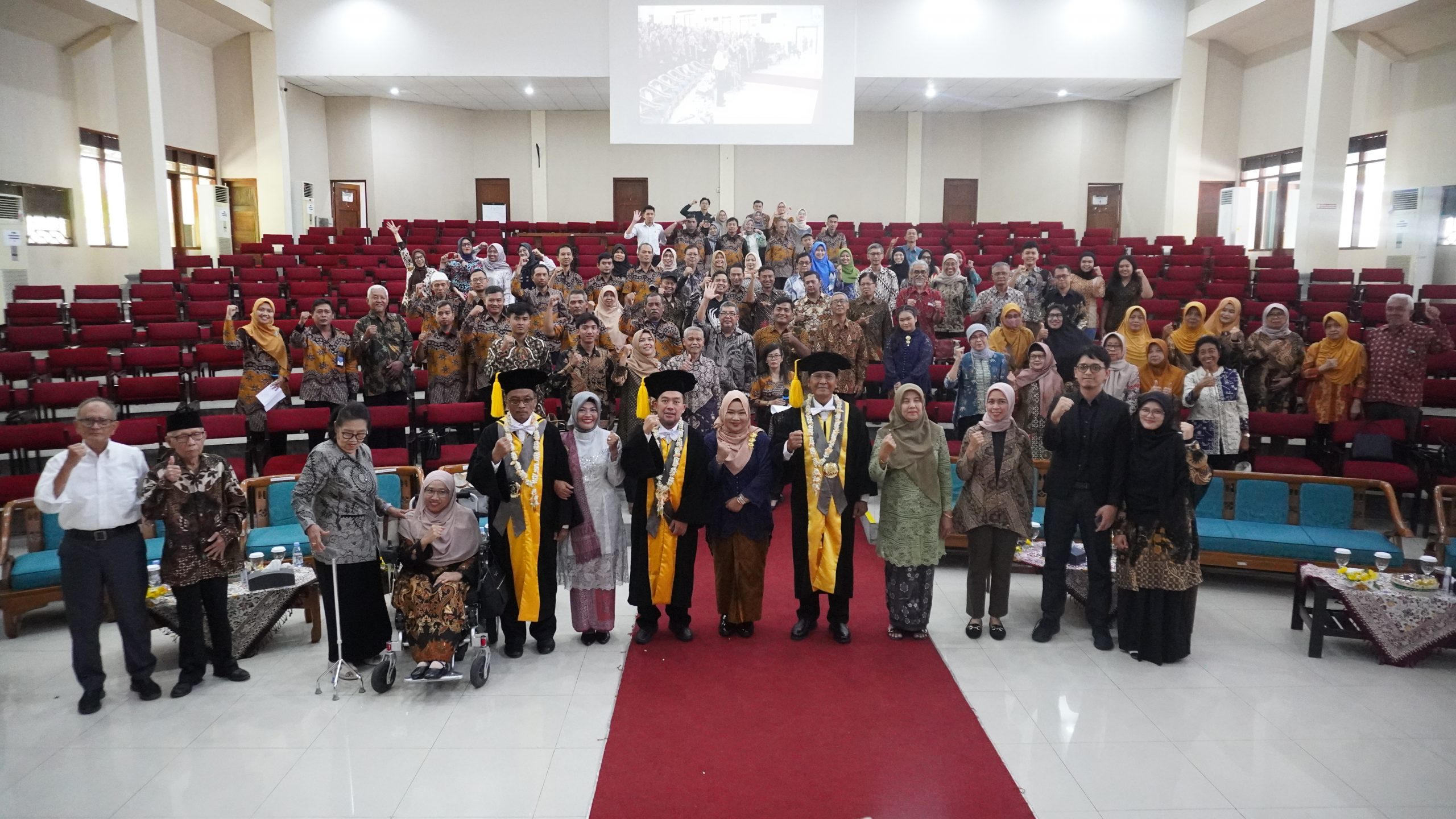


 “We are looking forward to see substantial progress at UNS, particularly within FEB. I would like to express my appreciation to the FEB leadership for drafting the AACSB Eligibility Application. In 2025, we must accelerate our efforts, and the university has already allocated budgetary support for this initiative. Hopefully, within the next three to four years, we can achieve AACSB accreditation and make FEB as a globally recognized faculty,” he stated.
 Through these historical reflections, hopefully, FEB faculty members will draw inspiration from the challenges, achievements, and valuable lessons of the past leaders. These insights serve as a reminder of the faculty’s long and dynamic journey, and offer lessons to be embraced in facing future transformations.
 Tax avoidance presents a major challenge to governments worldwide, particularly in developing countries that heavily rely on tax revenue as a primary source of state income. In response, governments have continued to improve their tax systems through digital transformation, expansion of the tax base, and increased public awareness to build fiscal independence and promote economic growth. One of the primary ethical implications of tax avoidance is the reduction in government revenue that could otherwise be allocated to public services such as healthcare, education, and infrastructure. Stakeholders—especially shareholders—may support such practices due to their potential to enhance corporate profits and returns. However, from the perspective of the government and society at large, these actions represent a disregard for corporate social responsibility.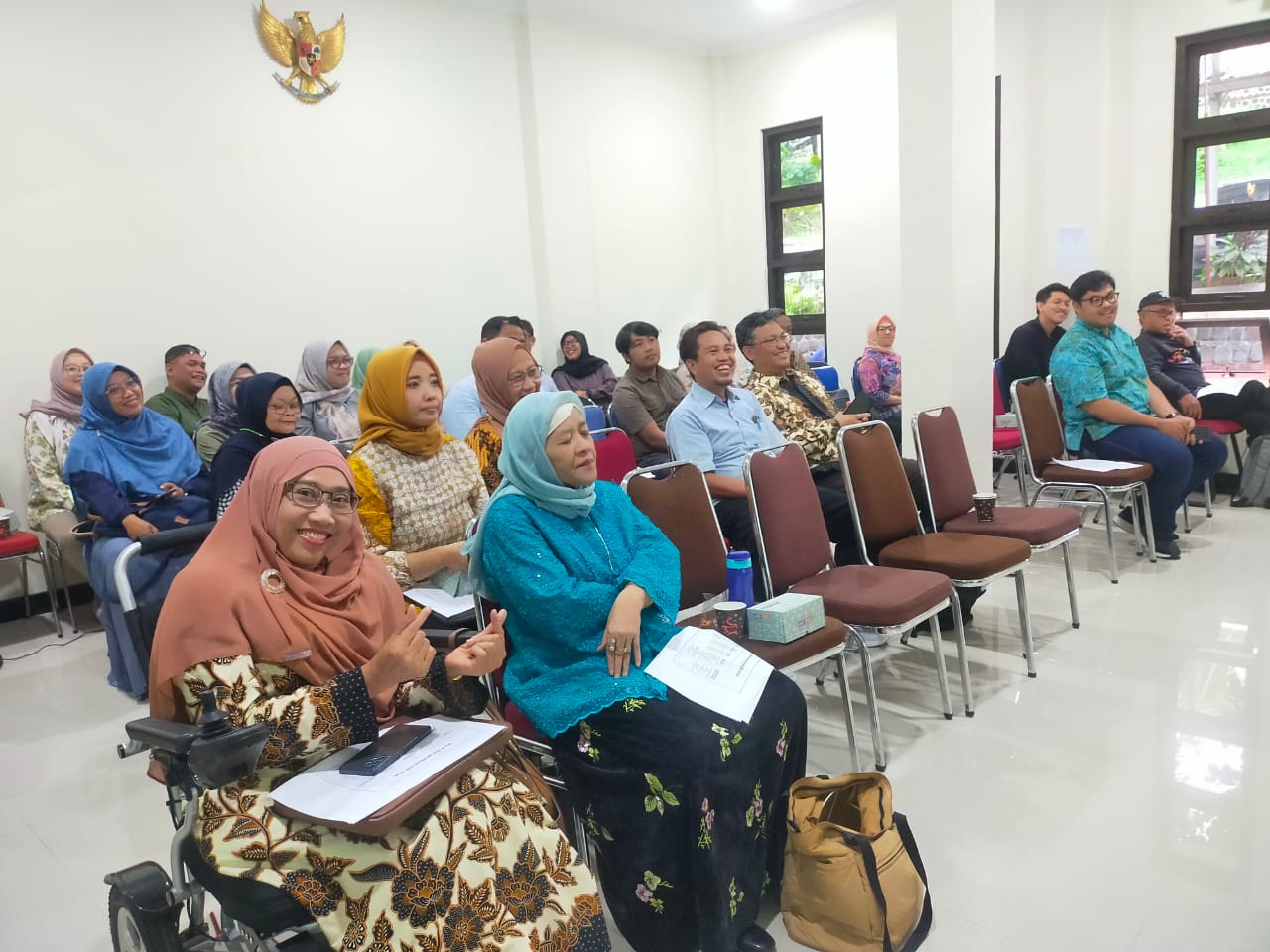

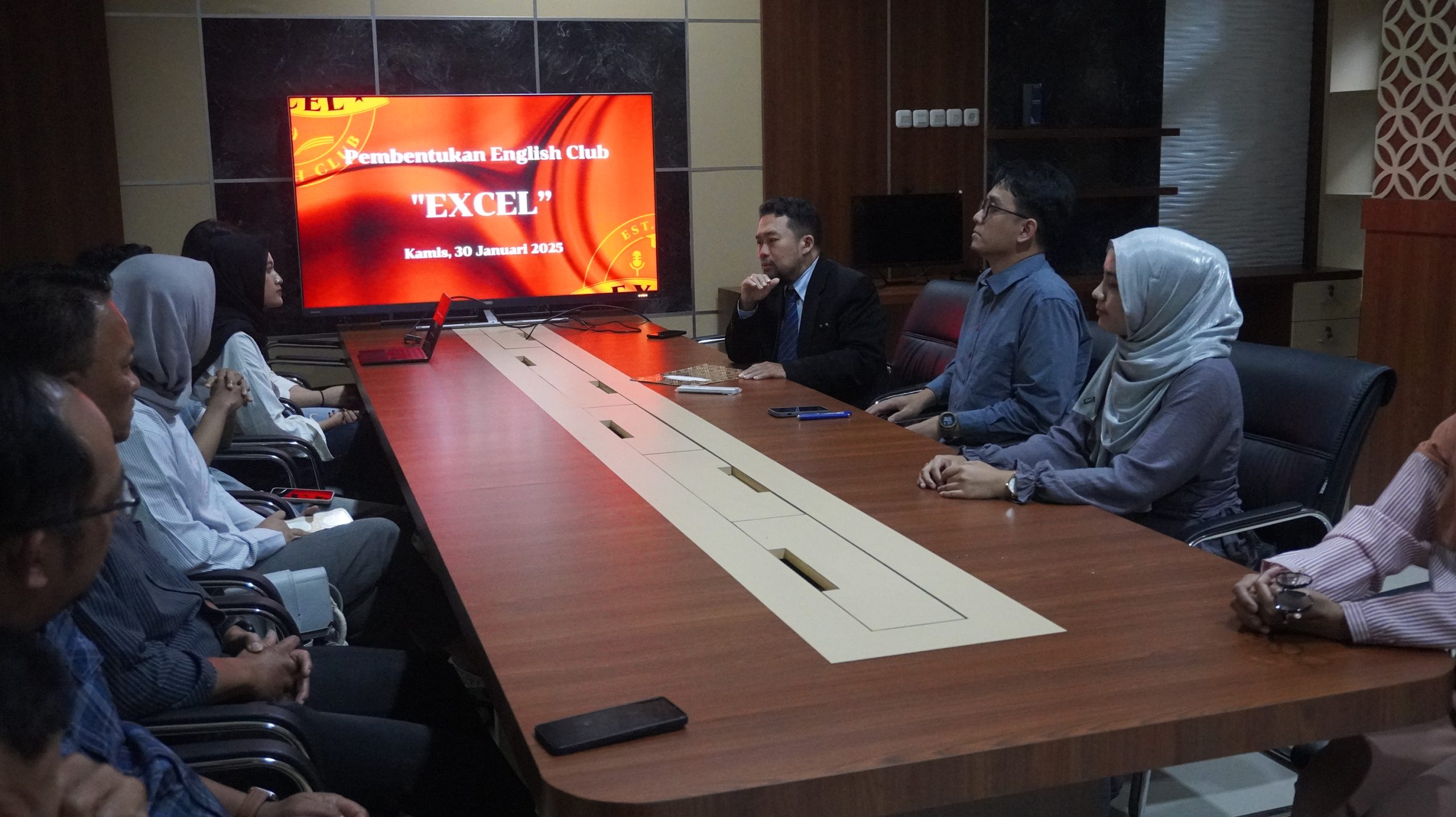
 Through activities such as discussions, debates, workshops, and community-based initiatives, members of English Club “Excel” can learn together, share insights, and develop their English skills in practical ways. The primary objective of the club is to create an environment that supports effective English language development while also enhancing members’ confidence in using the language.
 “Along with several students, we discussed and initiated a process to find the best way to support FEB students in competitions—particularly those involving English. This is also related to the requirements for Outstanding Student selections (Mawapres), where English proficiency is one of the key components. Mastery of English is highly important. With the establishment of this Ormawa, we hope it will serve as a bridge for students before they enter competitions. It allows them to connect and interact with their peers in the club, so they can develop their speaking and other related skills. I would like to thank the Dean for supporting the establishment of English Club “Excel,” especially in providing opportunities for students to improve their English language competence,” he stated.