A remarkable achievement was recently earned by Cheryl Marlitta Stefia, a doctoral student in the Doctoral Program in Economics (PDIE) at the Faculty of Economics and Business (FEB), Universitas Sebelas Maret (UNS). Specializing in marketing management under the supervision of Prof. Dr. Budhi Haryanto, Cheryl has been selected as one of only 15 awardees nationwide to receive the Australia Awards Fellowship, a highly competitive program funded by the Australian Government.
This international recognition marks a significant milestone in Cheryl’s academic journey and signals her growing impact in the field of sustainable economic development. In an official letter from the Department of Foreign Affairs and Trade (DFAT), Australia, Cheryl was notified of her successful selection: “The Department of Foreign Affairs and Trade (DFAT) is pleased to offer you an Australia Awards Fellowship to be hosted by Flinders University. The Fellowship titled ‘Women’s Economic Empowerment for Inclusive and Sustainable Development in Indonesia’ will be held from 01/04/2025 to 13/05/2025.”
This fellowship is part of Australia’s commitment to strengthening international partnerships and supporting shared development priorities. It aims to enhance individual and institutional capacity to address key development challenges across the region. Cheryl stood out in a highly competitive selection process, being chosen from thousands of applicants across Indonesia. “I feel deeply honored and grateful to be selected among such outstanding candidates,” said Cheryl.
She believes that her dissertation idea was the key factor in her acceptance. Her proposal focuses on economic empowerment of women through the lens of dynamic marketing management theory, a subject she finds highly relevant to the challenges faced by Small and Medium Enterprises (UMKM) in the digital era.
“My dissertation idea about empowering women economically using dynamic marketing strategies resonated strongly with the theme of the fellowship,” she explained. She further added that, “In a time of rapid market and technological shifts, MSMEs must become more adaptive and responsive. The theory I use supports that agility and resilience.”
Behind Cheryl’s success is the consistent guidance and mentorship of her supervisor, Prof. Dr. Budhi Haryanto, a senior lecturer at FEB UNS. “We are extremely proud of Cheryl’s achievement. Her research contributes not only to academic discourse but also to practical solutions for MSME development in Indonesia,” said Prof. Budhi. He further highlighted that “Her application of dynamic marketing management is innovative and relevant—empowering MSMEs to navigate the complexities of the global market.”
During her fellowship at Flinders University, Cheryl will engage in an intensive research program focusing on women’s economic empowerment and inclusive marketing strategies. The project is expected to generate concrete insights and policy recommendations that can support Indonesia’s efforts to enhance the competitiveness and inclusivity of its MSME sector.
Cheryl expressed deep appreciation for the support she’s received from her family, academic mentors, and fellow students. “I hope this research will not only benefit the academic community but also serve as a resource for policymakers and contribute to real, inclusive change for women in Indonesia,” she said.
Her acceptance into the Australia Awards Fellowship stands as a powerful testament to her dedication, academic excellence, and leadership potential. Cheryl’s work on women’s economic empowerment and strategic innovative marketing is set to make a significant impact and contribution to the development of Indonesia’s economy, particularly for UMKM, while also enhancing international ties through her participation in this fellowship.
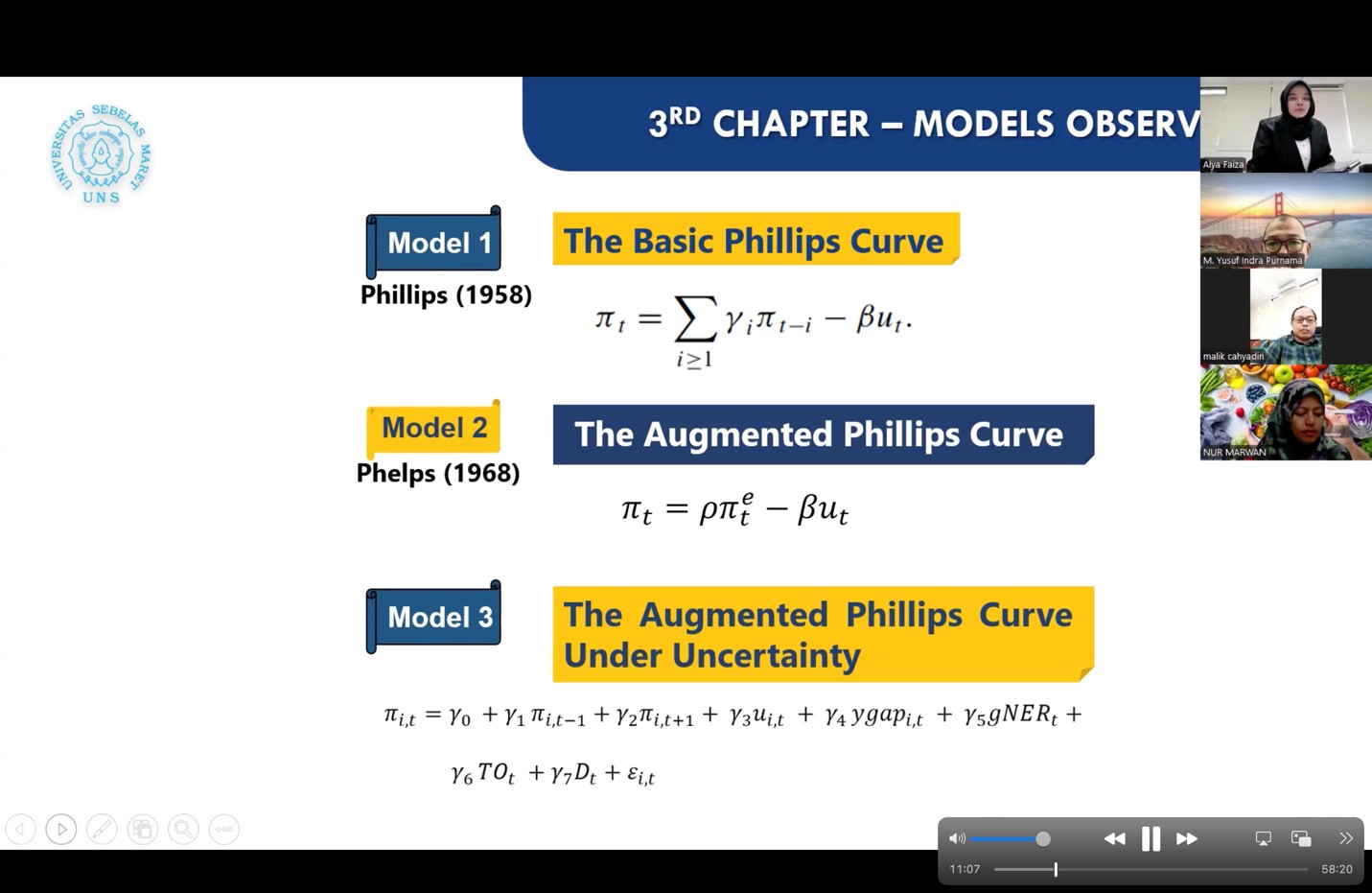
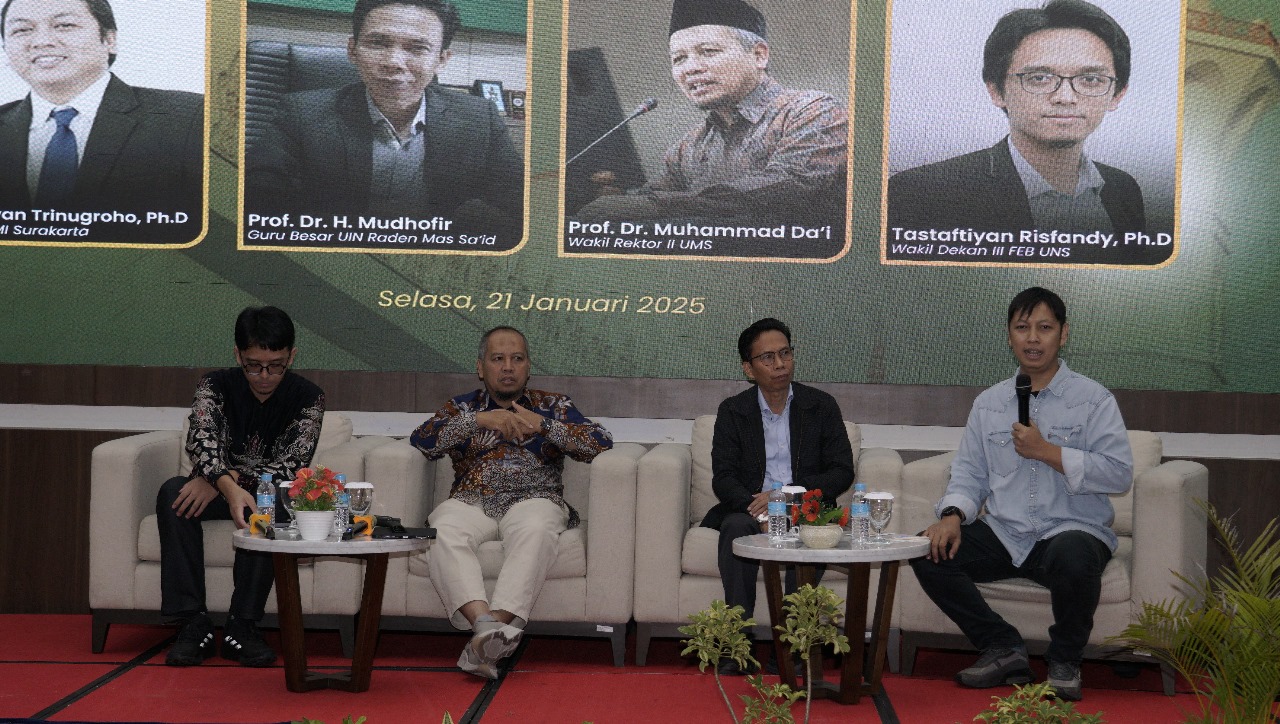
 Prof. Irwan further emphasized the significance of documenting and disseminating ICMI Surakarta’s ideas and contributions across various fields through online media, allowing broader access for both the public and key stakeholders. “We have a tremendous asset in the form of highly competent Muslim scholars in Solo. Instead of compiling their ideas into books—because not many people read books nowadays—we will publish their thoughts and ideas must be shared more broadly and published through digital media to reach both the public and policymakers. This is one of the work programs we intend to implement,” said Prof. Irwan.
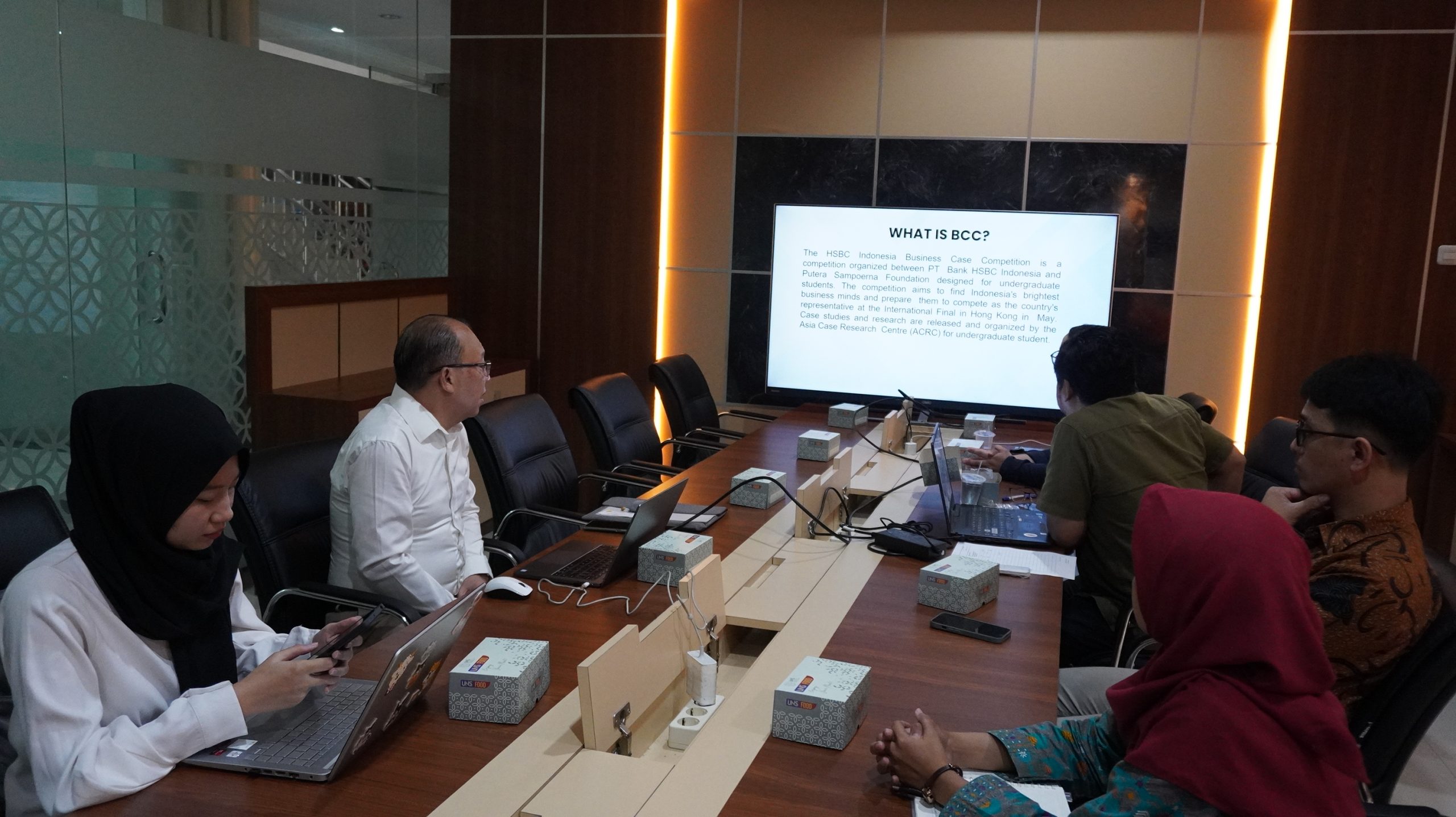
 Representing PT Bank HSBC Indonesia, Dr. Ari Warokka from Universitas Negeri Jakarta presented the detailed framework of the HSBC Indonesia Business Case Competition 2025. Organized in collaboration with the Putera Sampoerna Foundation, this national competition invites students to take on real-world business challenges and develop strategic solutions through a simulated boardroom experience.
 In his opening remarks, Tastaftiyan Risfandy, S.E., M.Sc., Ph.D., Vice Dean for Student and Alumni Affairs of FEB UNS, emphasized that the event aimed to encourage and facilitate students’ active participation in the UNS Global Challenge.
 “We have provided some guidelines and recommendations to the Heads of Study Programs (Kaprodi) and, to students—particularly those in their fourth semester and above—to take part in this program. Participation is not mandatory, but we truly appreciate it when students show an intention to join. In general, from what I see, this activity is quite accessible,” he explained.
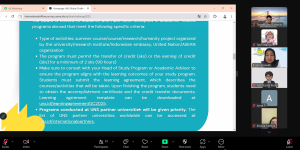 To provide students with better insight in selecting host institutions abroad and in preparing activity plans and other requirements, FEB invited the Head of the International Services Subdirectorate to explain the details of the program and the expectations of the International Office.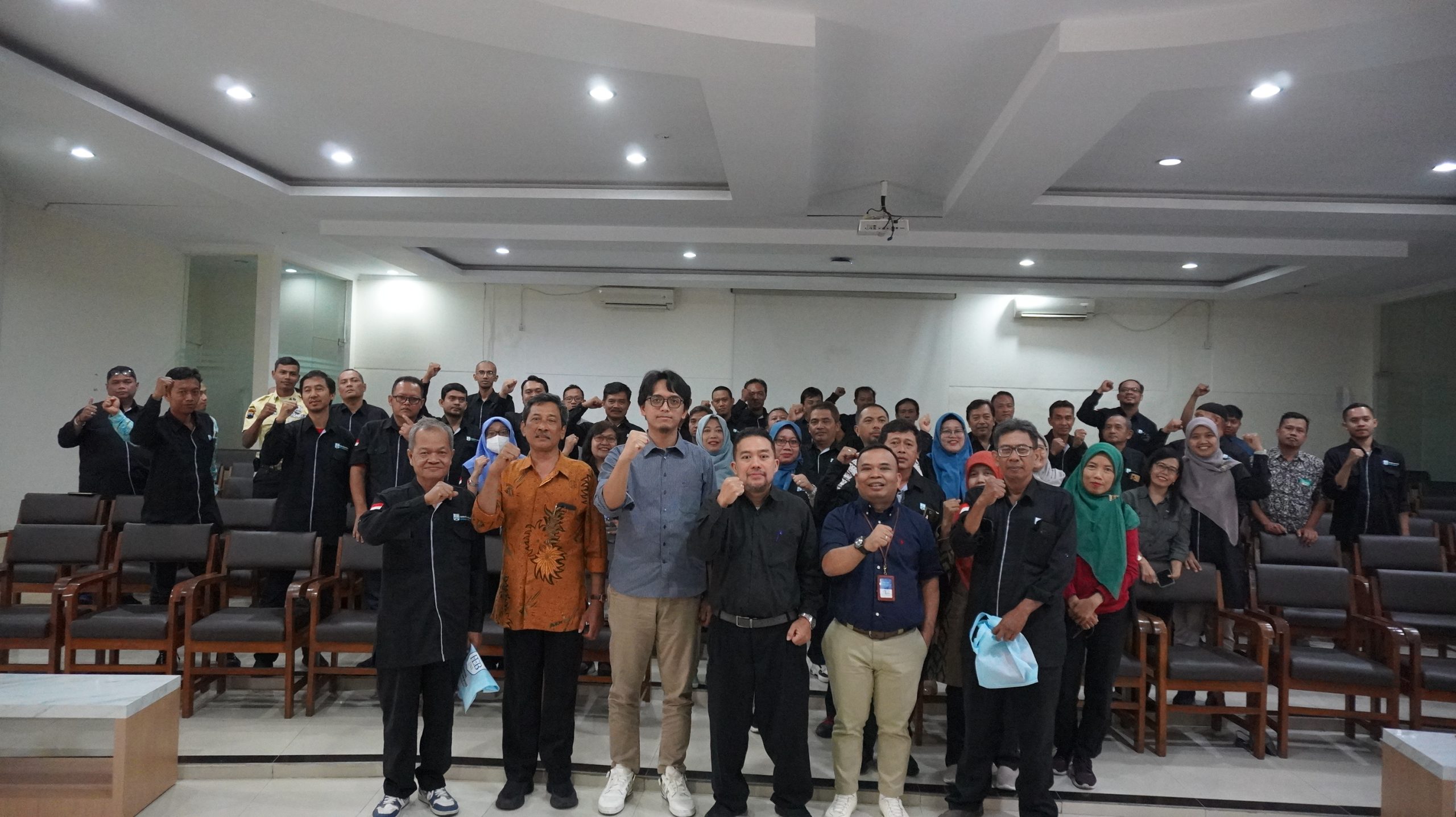
 Perspectives alignment also nurtures stronger relationships among individuals or groups by fostering mutual understanding and reducing conflict. Thus, shared perspectives promote more effective communication, improved cooperation, and optimal goal attainment. In light of this, the Dean’s Office hosted a gathering with the Academic Support Staff in the Faculty of Economics and Business (FEB), Universitas Sebelas Maret (UNS), on Wednesday, January 8, 2025, at the Konimex Hall, Bachtiar Effendi Building, FEB UNS.

 “The four of us, in the Dean’s office, each bring different styles due to our varied backgrounds. The Dean has shared his approach. What must be emphasized, however, is that we and our colleagues must exercise appropriate judgment—knowing our place, our timing, and the context. Even with good intentions, if actions are taken at the wrong time or without the right context, they may lead to problems,” he explained.
 The Vice Dean for Non-Academic Affairs also addressed the recent internal rotation of several academic support staff within FEB. He clarified that these changes were not based on personal preferences but rather on institutional needs and competencies, aimed at enhancing the faculty’s performance. He further stressed the importance of regeneration, thus, the faculty does not become overly reliant on specific individuals for certain competencies.
 Additional remarks were delivered by Prof. Tri Mulyaningsih, S.E., M.Si., Ph.D., Vice Dean for Academic and Research Affairs, and Tastaftiyan Risfandy, S.E., M.Sc., Ph.D., Vice Dean for Student and Alumni Affairs of FEB UNS.
 As part of the event, the Dean’s Office also held a farewell ceremony for three retiring academic support staff members: Adi Nugroho, S.IP., Darsono, and Sundoro. The Dean’s Office expressed their gratitude to the retirees for their years of dedication and service at FEB UNS until their retirement.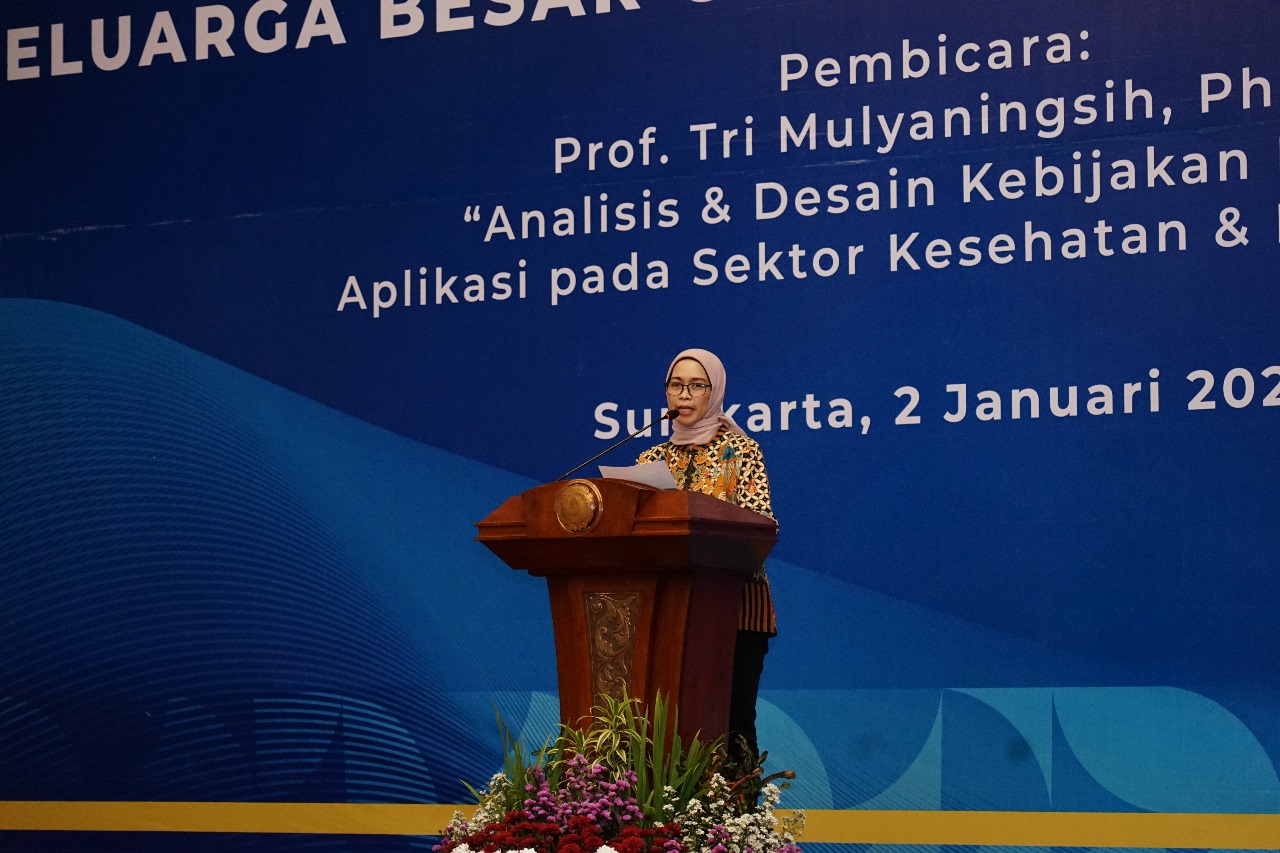
 Disparities in access to higher education in Indonesia are also a major development issue. According to UNESCO (2012), 35% of individuals from wealthier groups have access to universities, compared to only 5% from the poorest groups. Less than 10% of Indonesia’s workforce has attained higher education, significantly lagging behind neighboring countries such as Malaysia (23.4%) and Singapore (50%). Wage disparities (a skills premium of 3.32) indicate greater rewards for educated workers, which widens the economic gap. Additionally, malnutrition reduces the potential productivity of the workforce by 2–3% of GDP and contributes to increased fiscal burdens due to related health issues (e.g., stunting, anemia, diabetes). Economic estimates from the Global Nutrition Report indicate losses of up to USD 3.5 trillion annually.
 Prof. Tri went on to outline three designs of public policy. The first is a progressive policy design, focusing on both individuals and their environments. This approach includes behavior-based interventions (nudges) aimed at changing habits while maintaining freedom of choice. School-based policies are also encouraged, such as providing healthy meals, promoting healthy lifestyles, and introducing nutrition education at an early age.
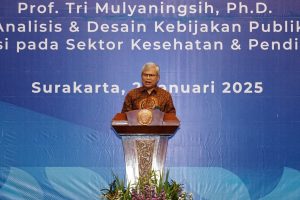 The third is an effective policy approach for vulnerable groups, particularly targeting adolescent girls. Nutrition during adolescence has significant effects on reproductive development and the quality of future generations. Programs providing free nutritious meals, sanitation, and other services aim to improve the nutritional status of school-aged adolescents.
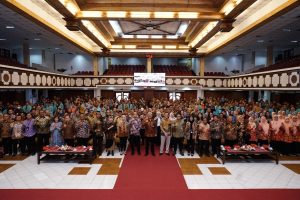 In concluding her presentation, the Professor—who currently serves as Vice Dean for Academic and Research Affairs at FEB UNS—summarized the key points as follows: development must support economic growth while improving public access to capacity-building opportunities; however, non-inclusive development leads to a range of issues; these issues can be addressed through public policy; yet, many policies are ineffective or result in inefficient public spending. Policy interventions should target both individuals and their environments—both physical and non-physical (such as schools and households). The behavioral economics approach using nudges is helpful in designing policies that influence public behavior while preserving individual choice.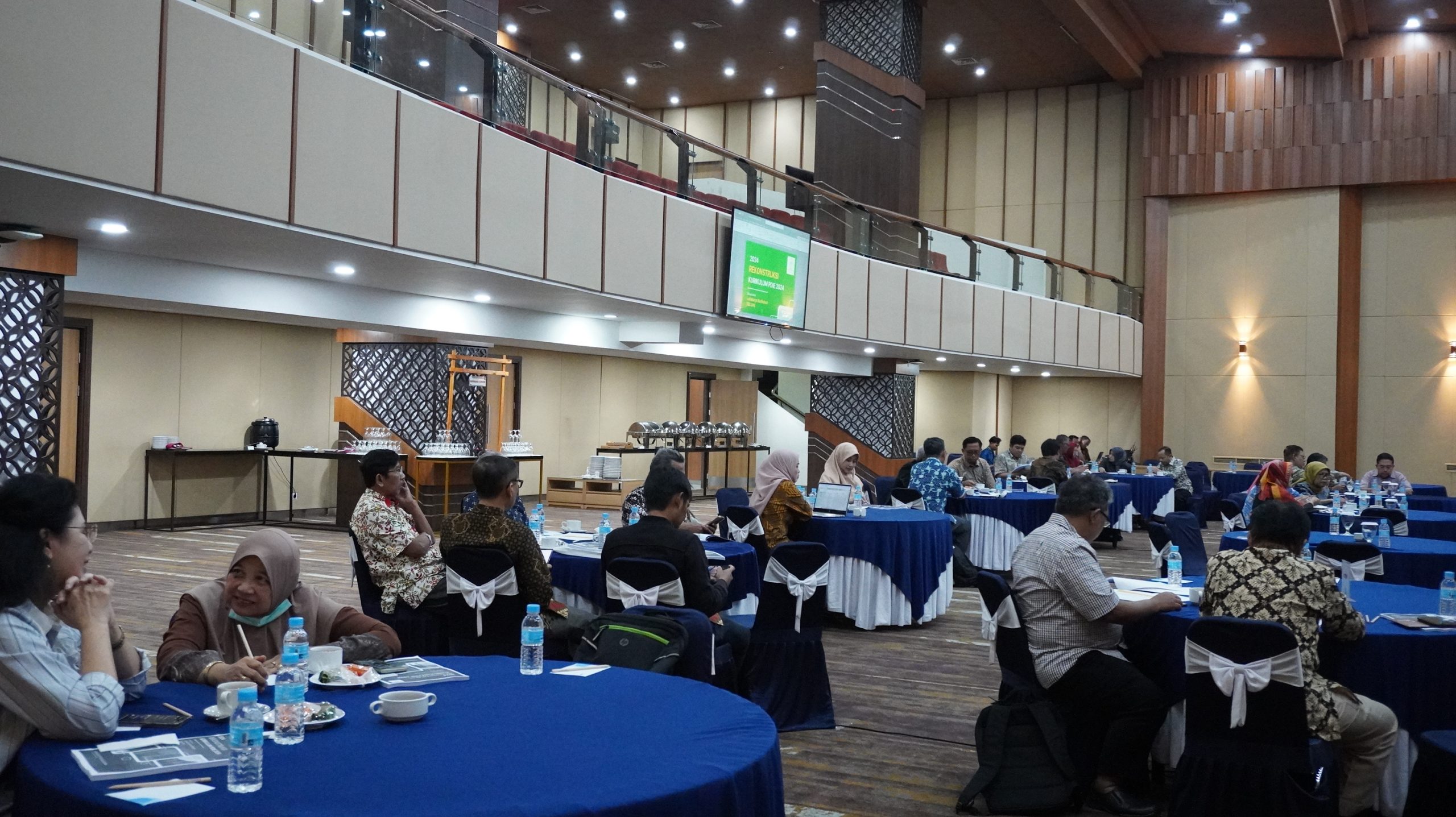
 In his opening remarks, Dr. Samudro expressed his appreciation to the program coordinators and teaching faculty for their commitment to participating in the curriculum development process. He emphasized the importance of this initiative in aligning academic programs with recent regulatory changes and improving academic management processes.
 Prior to this workshop, a preparatory session was held involving the program managers of the Master’s and Doctoral programs. The session focused on discussing key points from two regulatory documents: the Ministerial Regulation of the Ministry of Education, Culture, Research, and Technology (Permendikbudristek) No. 53 of 2023 on Quality Assurance in Higher Education, and UNS Rector’s Regulation No. 22 of 2024 concerning the management and implementation of Master’s and Doctoral programs at the university.
 Several critical issues were addressed during the workshop discussions. These included adjustments in the number of credit units (SKS) to align with the updated curriculum structure, reassignment of faculty members who have recently completed their studies, and improvements in academic management—particularly in the administration of examinations.
 “One major change involves the adjustment of credit loads. Under the new guidelines, the Master’s program requires 54 to 60 credit units, while the Doctoral program must comprise a minimum of 60 credits,” Prof. Mulyaningsih explained.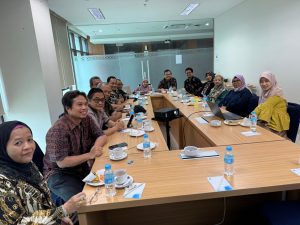
 The updated curriculum will apply to new students admitted in 2025 (starting February intake), while current students will continue under the existing curriculum. A transitional mechanism will be implemented to ensure that the process runs smoothly, particularly for students nearing the end of their programs.
 Regarding publication requirements, the standards remain unchanged: Master’s students are required to publish in SINTA-3 or higher-ranked national journals or international journals, while Doctoral students must publish in Scopus-indexed international journals as a prerequisite for thesis defense.
 Prof. Mulyaningsih views Permendikbudristek No. 53/2023 as a valuable opportunity for academic programs to comprehensively review and update their curricula. “This is a timely moment for programs and the faculty to revitalize the curriculum to ensure that it remains responsive and aligned with the demands of the evolving academic and professional landscape,” she concluded.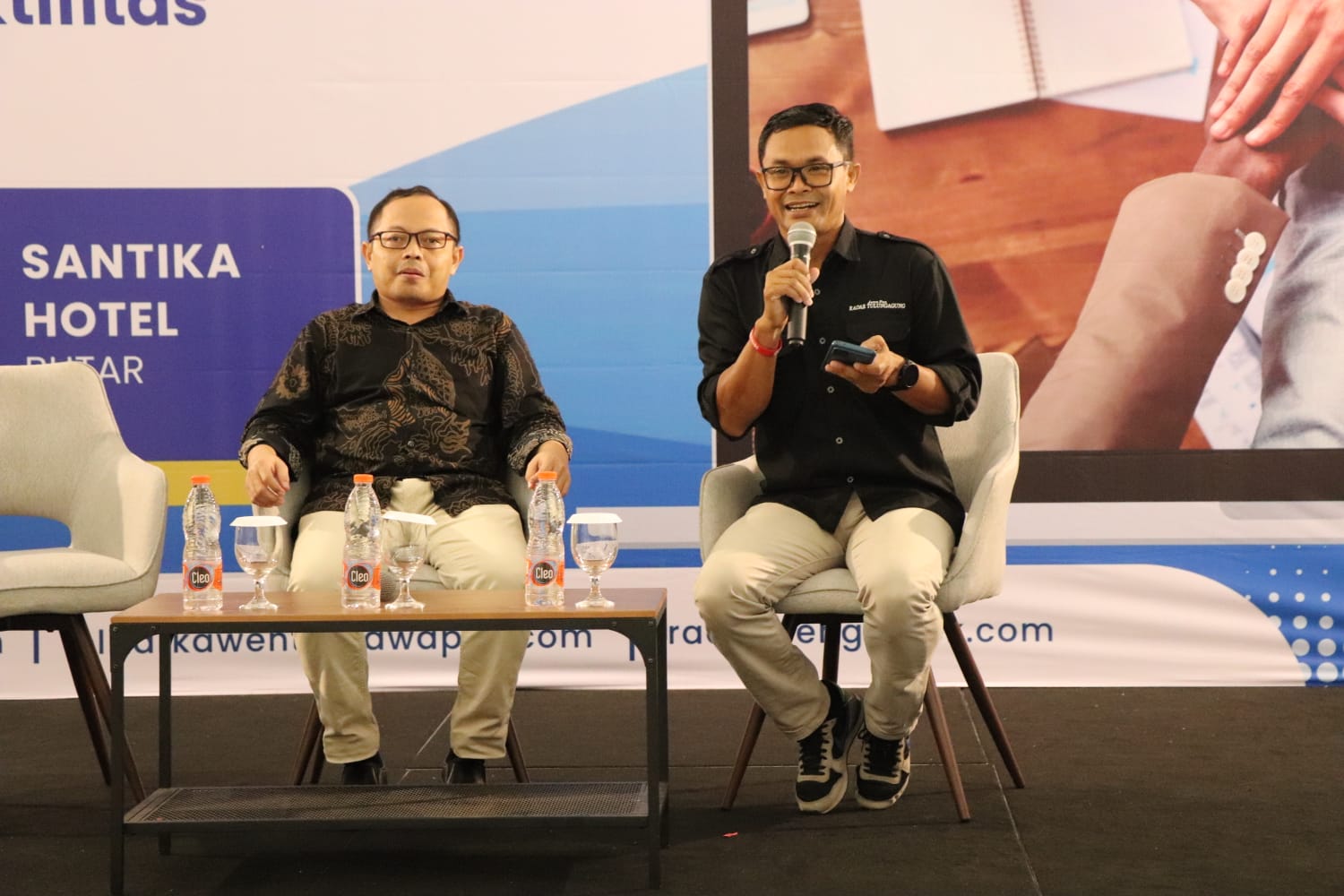
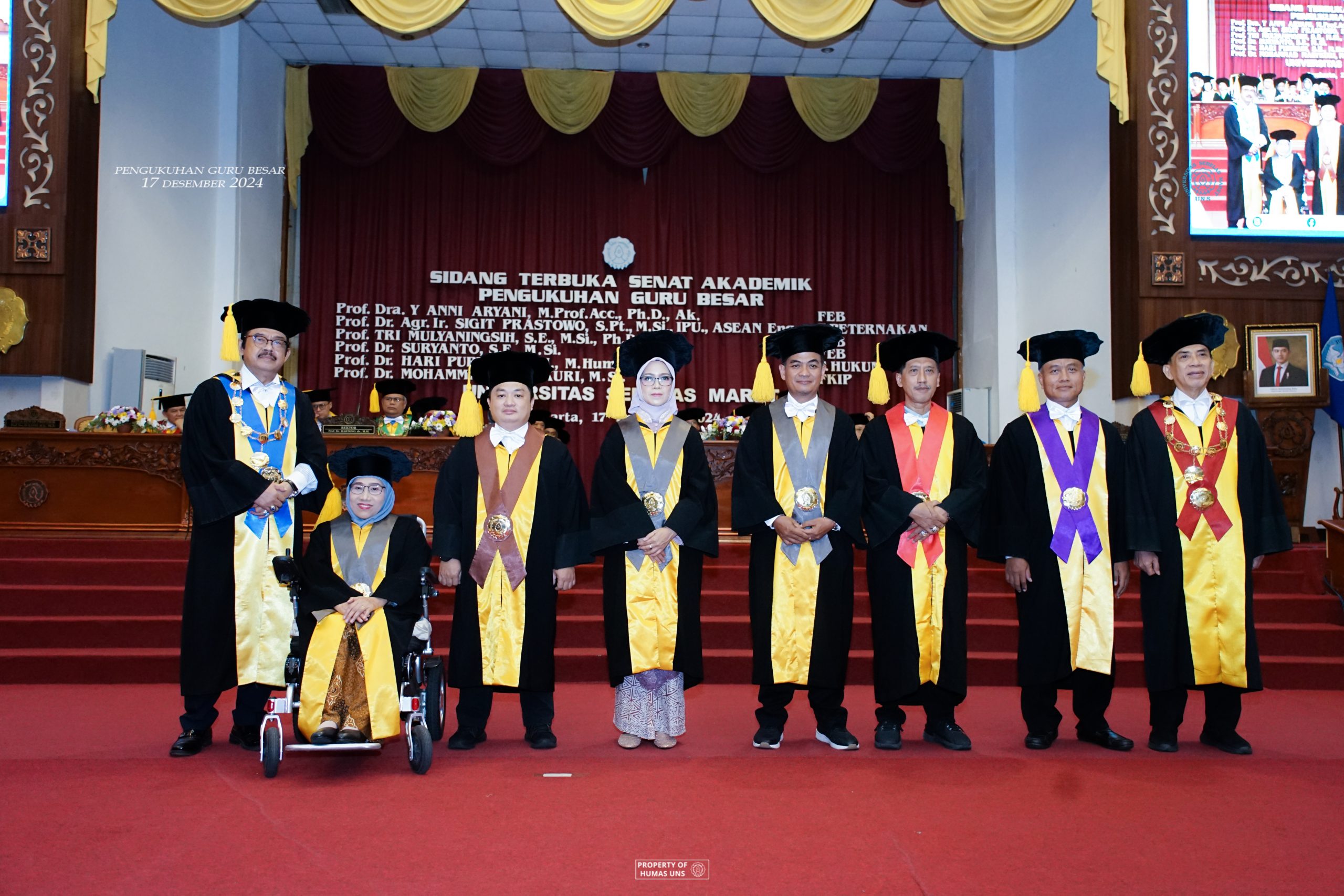


 The conferment of professorships upon Prof. Dra. Y. Anni Aryani, M.Prof.Acc., Ph.D., Prof. Tri Mulyaningsih, S.E., M.Si., Ph.D., and Prof. Dr. Suryanto, S.E., M.Si., marks a significant academic milestone for FEB UNS at the end of 2024. Their appointments are expected to further enhance the academic rigor, institutional strength, and research excellence in the faculty.

 Prof. Tri Mulyaningsih, the 22nd Professor at FEB and the 311th at UNS, was conferred the professorship in the field of Health Economics. Her inaugural speech carried the title “Malnutrition: Economic Losses and Policy Design to Improve Nutritional Status among Children and Adolescents.”

