Two faculty members from the Faculty of Economics and Business (FEB), Universitas Sebelas Maret (UNS), Lukman Hakim, S.E., M.Si., Ph.D., and Bhimo Rizky Samudro, S.E., M.Si., Ph.D., served as invited speakers in the Book Talk entitled ‘Evolusi Ekonomi Kota Solo (The Evolution of Solo’s Economy)’ on Wednesday, 11 December 2024. The event took place at the Suhardi Hall of FEB UNS and was organized by the Regional Office of the Indonesian Economic Scholars Association (ISEI) in Surakarta. More than 100 participants attended the session, including members of GenBI (Generasi Baru Indonesia), a student organization of Bank Indonesia scholarship recipients committed to becoming role models, agents of change, and frontliners in disseminating information from Bank Indonesia to the public.
In his presentation, Bhimo Rizky Samudro explained that ‘Evolusi Ekonomi Kota Solo’ was a collaborative publication authored by Lukman Hakim, Hery Sulistyo JNS, Mulyanto, Soejatno Kartodirjo, and others. The book explores Solo’s economic development over time, highlighting how the city’s economy has changed through the integration of traditional and modern elements.
 “This book describes the economic movement of Solo from the colonial period, the post-independence era, and into globalization and modernization. It also shows the local impacts of modernization,” stated Dr. Bhimo.
The book also outlines Solo’s economic history during the colonial period, particularly focusing on agriculture, such as rice and sugarcane, and the significance of batik as a major commodity. It covers infrastructure development during the Dutch period, such as railway construction. Additionally, it discusses the post-independence transformation from 1945 to the 1980s, including the growth of MSMEs in batik and textile sectors, urbanization, and the rise of small-scale industries.
 Solo is also positioned as a center of creative economy, marked by cultural festivals such as the Solo Batik Carnival and the revitalization of heritage areas including Pasar Gede and the Palace complex. Bhimo also noted the current challenges and opportunities facing the city: rapid urbanization and environmental pressures on one hand, and the digital transformation of MSMEs and tourism based on tradition on the other. He concluded that Solo has successfully maintained a balance between tradition and modernity, emphasizing the need for collaboration among the government, community, and business sectors.
 Dr. Lukman Hakim further elaborated that the book provides an analysis of the city’s economic evolution from the era of the royal kingdom to the current reform era. According to him, there are two main reasons why such a study is necessary. First, Solo holds a distinctive historical position as the seat of power in Javanese civilization. As the capital of the Mataram Islamic Kingdom, Solo has remained an important cultural center and regional trade hub in Indonesia. Second, studying Solo’s economic evolution offers insights into the roots of the city’s development and its transformation into what it is today, as well as a means to envision its future trajectory.
Lukman cited Dorodjatun Kuntjoro-Jakti (2000), who argued that history moves forward—not backward—and that society should neither romanticize the past as a “golden age” nor view it as a “dark era” that burdens the present. Instead, history should serve as a foundation for improving the capacity to anticipate the future.
The event also marked the inauguration of the ISEI UNS Chapter, chaired by Dr. Bhimo Rizky Samudro, Dean of FEB UNS. Additionally, ISEI Surakarta established a youth division, ISEI Muda, to accommodate young economics graduates. Aprilian Tri Setyan Wijaya, S.Ak., was appointed as its first chair.
 In his address, Aprilian stated that ISEI Muda is part of the broader ISEI organization, which is a major professional institution committed to advancing Indonesia’s economic resilience and development.“As a branch of ISEI, we in ISEI Muda are focusing on developing young economics alumni in Indonesia, particularly in Solo. We believe that the younger generation holds a strategic role in national economic development—whether through theory, research, or policy implementation with direct societal impact. On behalf of my fellow members, I would like to share our vision, mission, and goals for the future,” he explained.
 ISEI Muda’s vision includes three key initiatives. First, enhancing the role of ISEI Muda as a platform to sharpen members’ capabilities and skills. In this fast-changing era, economic challenges and opportunities are constantly evolving. Therefore, the younger generation must equip themselves with relevant knowledge and adaptive skills. Through seminars, discussions, training, and collaborative research, ISEI Muda aims to create learning opportunities and drive innovation.
Second, ISEI Muda plans to expand its network, both with local youth organizations in Solo and at the national level. Young economists should have broader access to information and become a bridge connecting academia, the workforce, and public policy.
 Third, ISEI Muda will actively engage in current socio-economic issues, from economic inequality and digital transformation to sustainability. The organization seeks to contribute with creative and forward-thinking perspectives.
“No journey can succeed without the support and encouragement of many parties, especially from our senior members in ISEI and our beloved FEB UNS. Therefore, I invite everyone to support and contribute to ISEI. I express my gratitude to the Solo Chapter for providing us with a strong foundation. We kindly ask for your blessings and support so that ISEI Muda may continue to contribute, bring renewed enthusiasm, and create a positive impact on the community, especially in Solo,” he concluded.


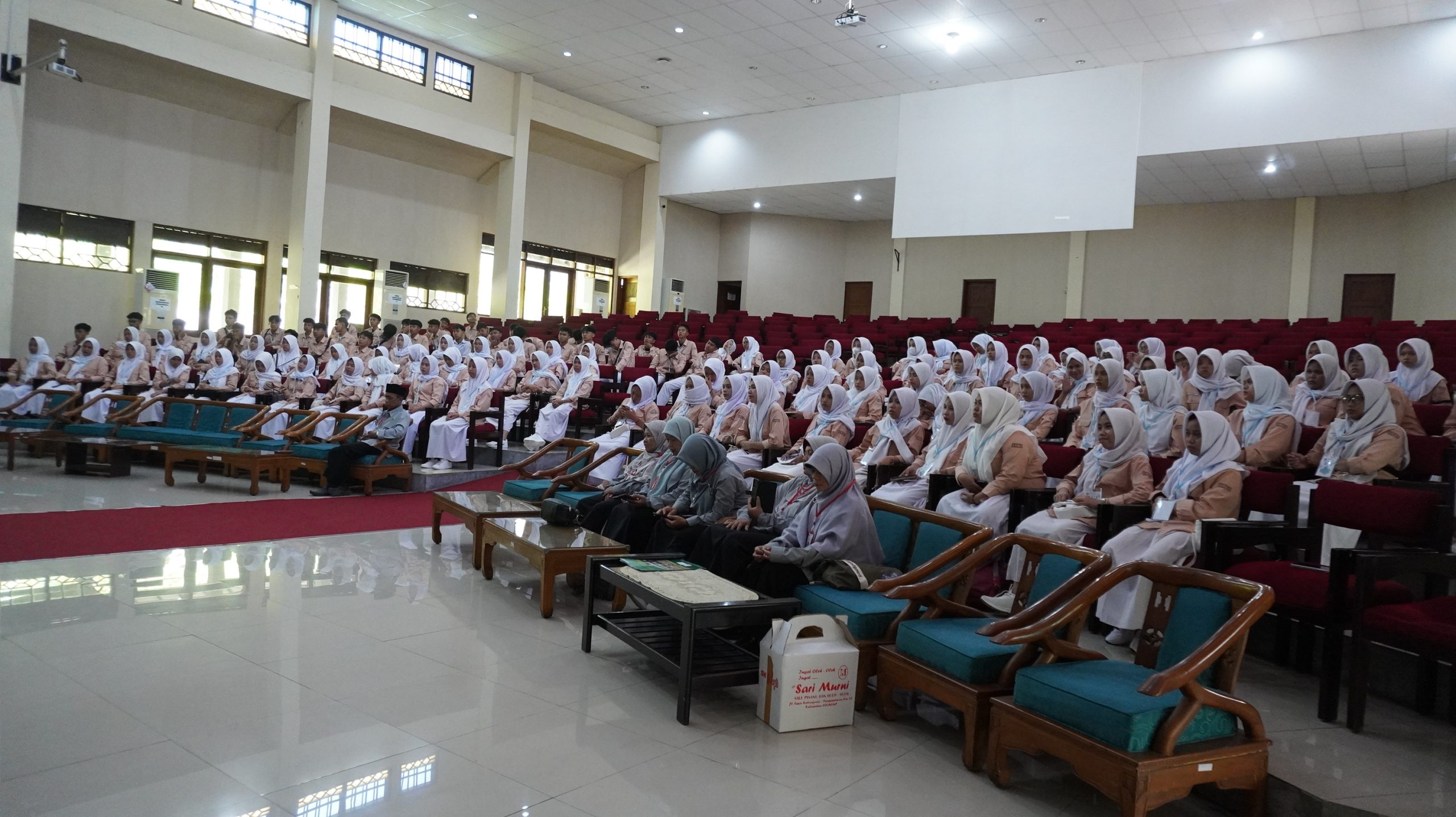

 He further advised the students to be diligent in their academic pursuits while also actively participating in student organizations to support personal development. “To be successful, in-class learning alone is not enough. It is also essential to engage in student organizations at the faculty or university level,” he added.


 This point was emphasized by Dr. Ahmad Ikhwan Setiawan, S.E., M.T., Head of the Behavioral Marketing Research Group, Faculty of Economics and Business (FEB), Universitas Sebelas Maret (UNS), during the Workshop and Focus Group Discussion (FGD) on Startup Business Acceleration, held on Thursday, December 12, 2024, in Solo.
 Dr. Ikhwan encouraged students to remain optimistic about entrepreneurship. “Many successful business figures started their ventures while they were still in university. Naturally, student entrepreneurs will face challenges along the way—but that’s where we come in. We are committed to mentoring and recommending actionable solutions to stakeholders who are involved in supporting these student ventures. Through this effort, we hope to accelerate the growth and performance of student startups,” he explained.
 The event, which gathered more than 50 student startups, is part of a broader research initiative carried out by the Startup Division Team, a consortium of five universities: Universitas Sebelas Maret (UNS) Surakarta, Universitas Islam Indonesia (UII) Yogyakarta, Universitas Pancasakti (UPANCA) Tegal, Sekolah Tinggi Pariwisata (STP) Sahid Surakarta, and Universitas Islam Negeri Raden Mas Said Surakarta.
 Following the workshop, the Behavioral Marketing Research Group facilitated a Focus Group Discussion (FGD) with the student participants to identify current obstacles in their business development journey. The session aimed to uncover key business management factors that have not yet been effectively implemented, which may be hindering startup success. These insights will be used to formulate targeted recommendations for improving business operations and identifying critical success factors for startup sustainability.
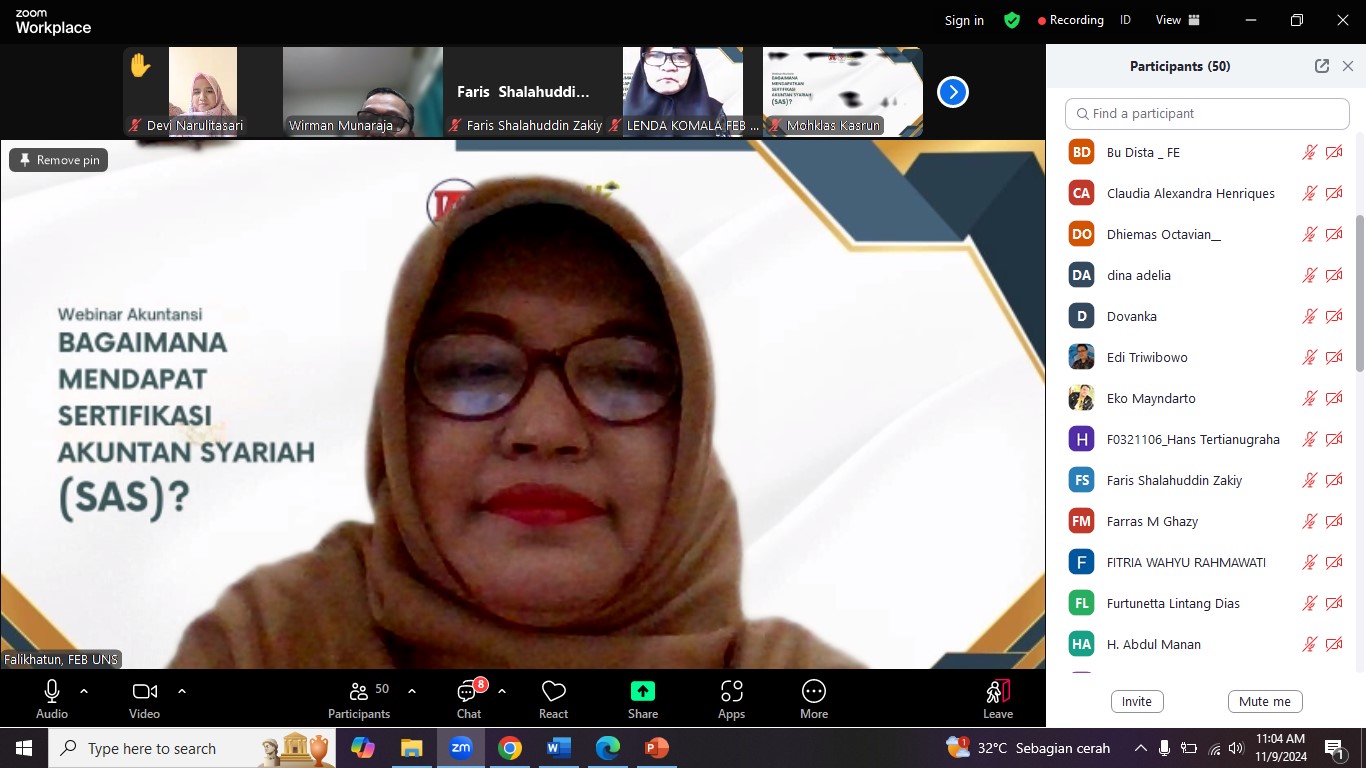
 “The purpose of SAS is to assess competency in sharia accounting, to serve as a quality benchmark for accountants seeking to understand sharia accounting, as a quality indicator for institutions looking to employ personnel with expertise in the field, and as a requirement for entry into certain professional roles in sharia accounting,” she explained.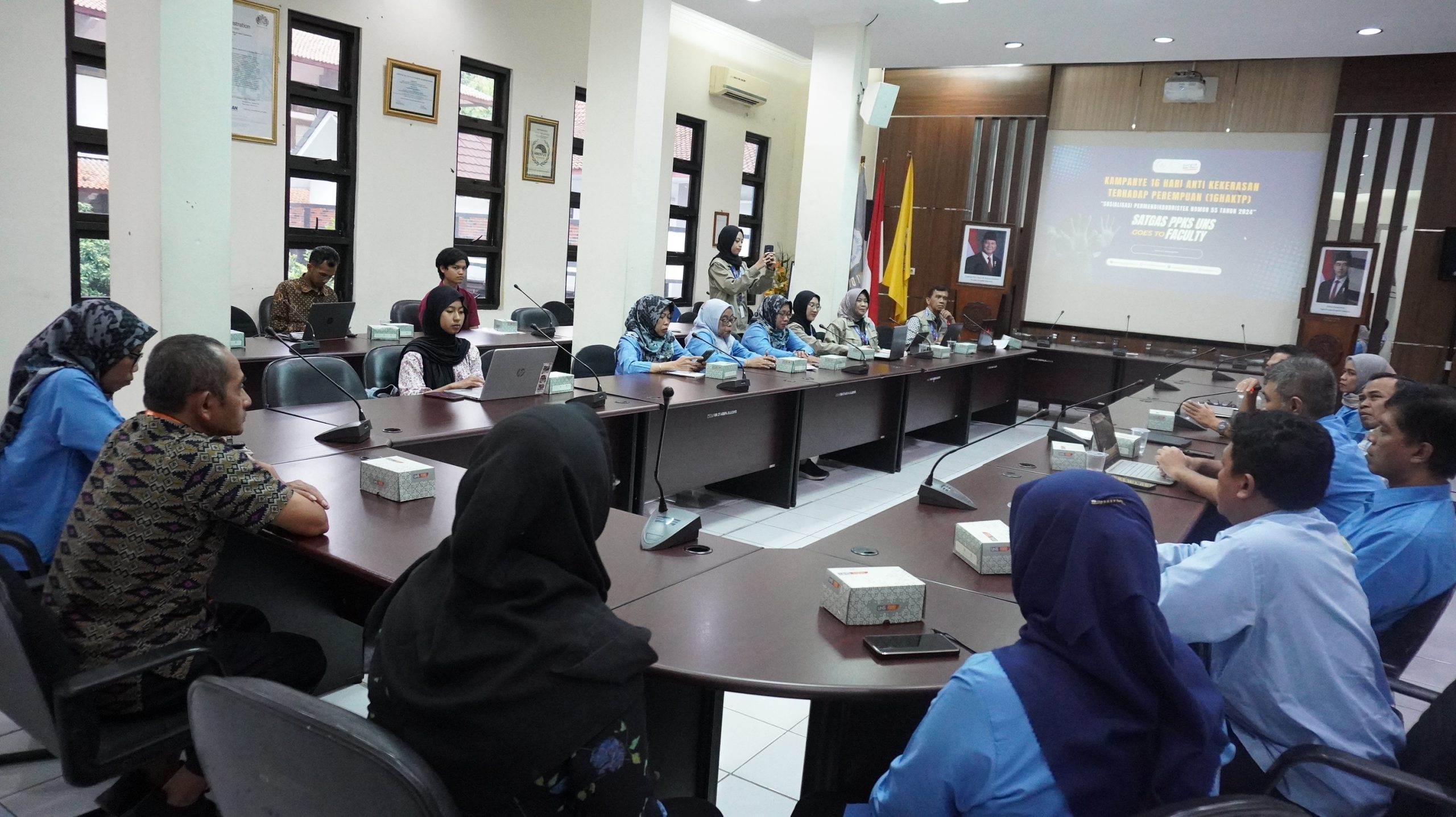
 Bhimo Rizky Samudro, S.E., M.Si., Ph.D., Dean of FEB UNS, expressed his appreciation for the Task Force’s presence and voiced strong support for all PPKS programs and initiatives. “This is highly relevant to the current dynamics within university campuses. We must actively prevent all forms of violence—especially sexual violence—as well as other types of misconduct in academic environments. FEB is fully committed to collaborating with the PPKS UNS Task Force on any upcoming programs or initiatives. What matters most is that we start with a clear and good intention—so that it can lead to positive and sustainable outcomes,” he remarked.
 Prof. Ismi further elaborated on the definition of violence, specifically sexual violence, which includes acts of harassment, coercion, and any form of inappropriate behavior involving sexual elements. According to her, prevention at UNS is carried out through learning modules, strengthening governance, fostering a healthy campus culture among students and educators, and improving campus infrastructure. When handling cases, UNS provides support through assistance, protection, case management, administrative sanctions, and the recovery of victims. The university also guarantees restorative measures, including public apologies from the institution and the reinstatement of rights that were lost or suspended during the investigative process.
 “We are grateful to Prof. B.M. for taking the time to join us at FEB UNS. Today, we will engage in a discussion on applied research—an approach we are eager to explore and expand within the Management Program,” she stated.
 She further noted that the integration of applied research has significant implications not only for faculty-led research but also for student-driven projects.
 “The research approaches adopted by a faculty unit are among the key indicators assessed in the AACSB accreditation process. Prof. B.M.’s presence today will serve as a valuable resource for strengthening our institutional readiness and enhancing our research capabilities in preparation for AACSB,” she added.
 In her opening remarks, Prof. Tri Mulyaningsih, S.E., M.Si., Ph.D., Vice Dean for Academic and Research Affairs, stated that events such as this forum are part of FEB’s ongoing internationalization efforts. She emphasized that FEB UNS is continuously developing engaging academic programs to enhance the learning experience of students enrolled in its International Undergraduate Program, particularly through improved access to student mobility opportunities.
 According to Prof. Tri, FEB UNS currently offers exchange opportunities with its partner universities in the ASEAN region, including Malaysia, Thailand, and the Philippines. In addition, the faculty has established collaborations with institutions in Taiwan and Russia that also offer student exchange programs.
 She further elaborated that the faculty aims to provide broader access for international class students to study abroad through various formats, including short-term exchanges, long-term mobility, and double-degree programs.
 “While earlier I spoke about outbound students, today we also welcome an example of an inbound student. Carmen is a graduate student conducting field research here at FEB UNS. Her presence demonstrates that international mobility comes in diverse forms, all of which aim to provide new academic and cultural experiences,” Prof. Tri stated.
 Carmen also shared insights into the academic and logistical processes she navigated as a Spanish student enrolled in a Dutch university while conducting fieldwork in Indonesia. Building on Carmen’s presentation, Prof. Tri further highlighted the interdisciplinary linkage between economics—particularly development economics—and public health, as exemplified in Carmen’s research.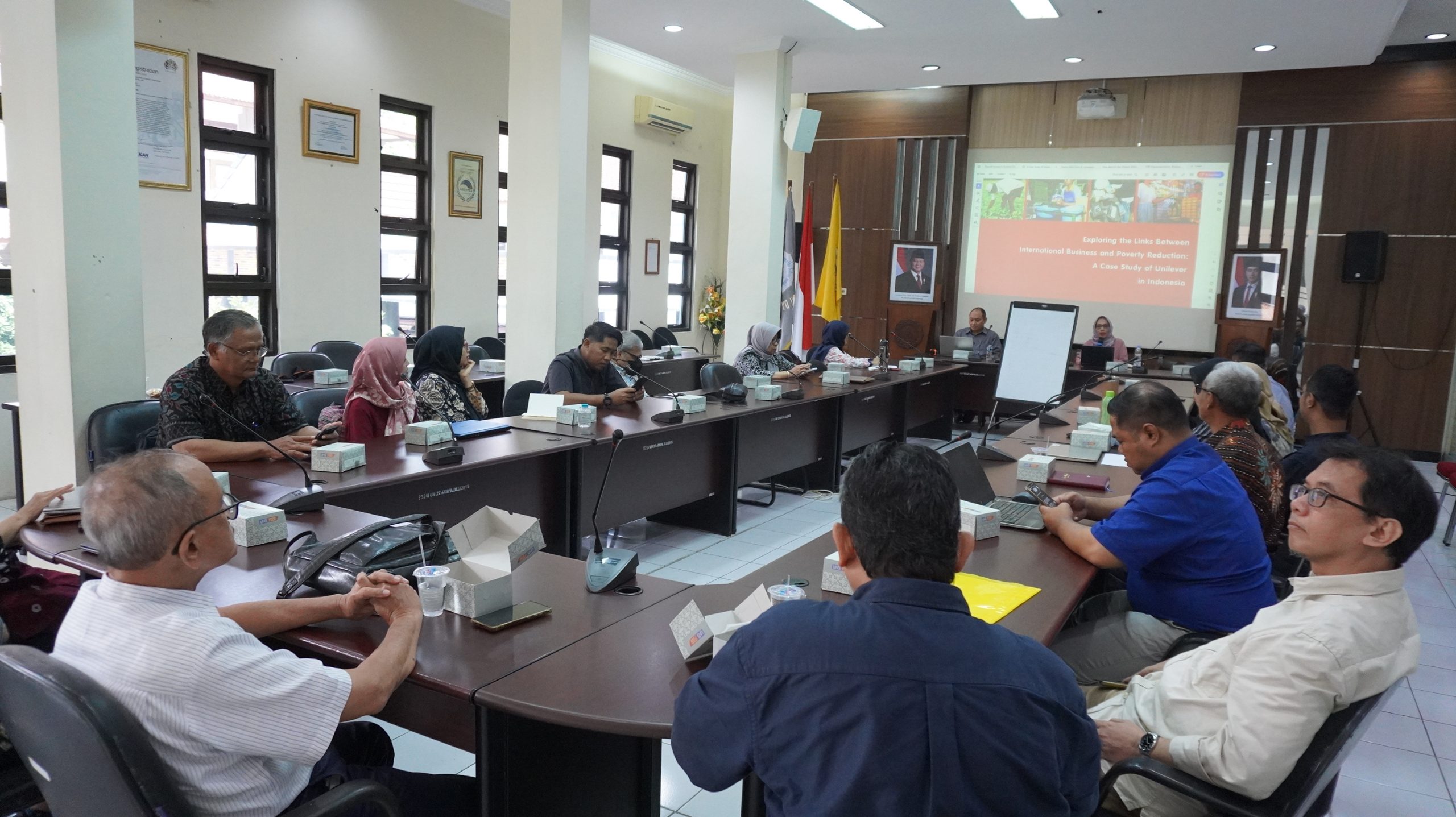

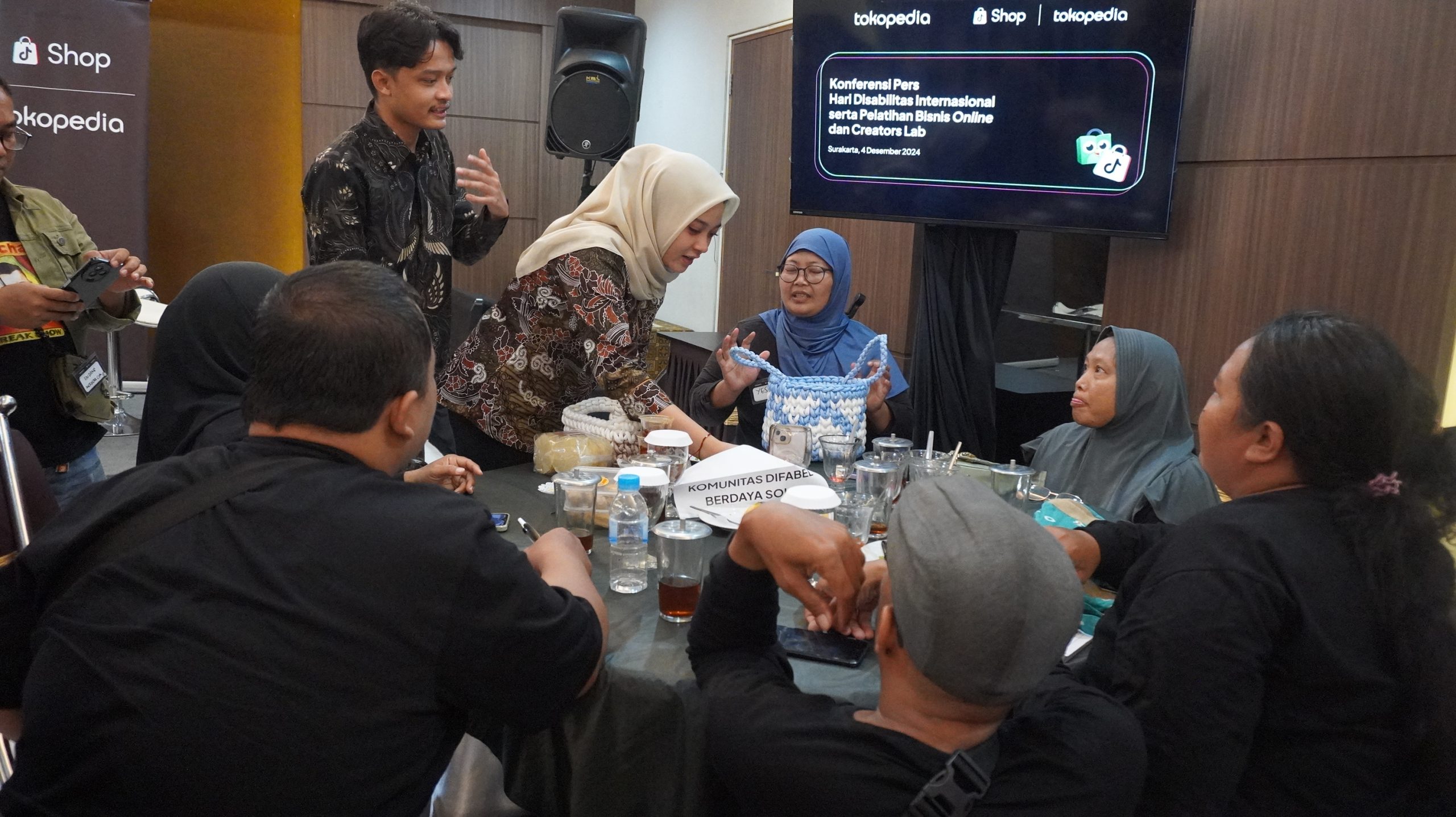
 The seven students were divided among five MSME groups and delivered training sessions focused on creating short, engaging videos designed to attract consumer interest. Several recommendations and tips were provided during the session for producing short-form video content to boost purchase intent.
 First, participants were advised that the most critical time to grab a viewer’s attention is within the first 0-2 seconds by showcasing the product and adding a compelling phrase such as, “This stylish shirt for only 50K?” During the next 3-10 second, the video should highlight product details and demonstrate real-life usage. Each shot should emphasize a different unique selling point. In the final 10–15 seconds, it is advised to include a clear call-to-action (CTA), followed by a closing reminder of the product’s strengths. On-screen text are also encouraged to make the content more informative.
 The MSME participants responded enthusiastically to the student-led training, showcasing a variety of products, including shirts, bags made from colorful stove wicks, snacks, and more.
 Established in 2020, the Difabel Berdaya Solo Community serves as a platform for individuals with disabilities to engage in creative and entrepreneurial activities. It currently has hundreds of members across the Greater Solo area, many of whom run their own MSMEs.