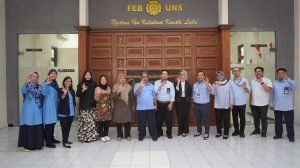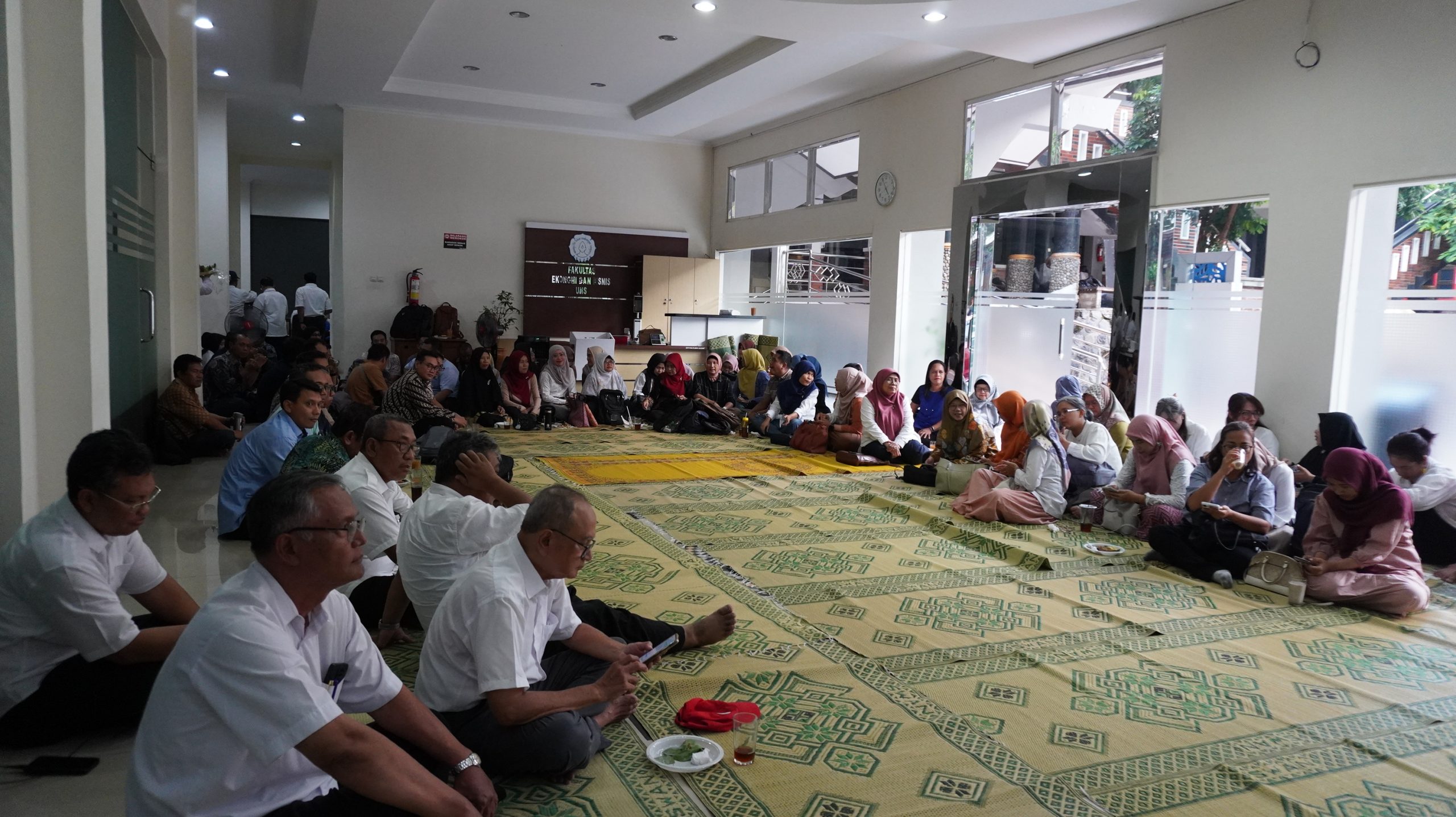
The Doctoral Program in Economics (PDIE), Faculty of Economics and Business, Universitas Sebelas Maret (FEB UNS), held a sarasehan (discussion forum) entitled “Collaborative Discussion Toward Academic Excellence and National & International Recognition.” This event was part of the program’s 16th-anniversary celebration and took place on Monday, October 28, 2024, Bachtiar Effendi Building lobby. Faculty leadership, lecturers, students, and alumni attended the gathering, which was conducted in an amiable setting, while enjoying HIK (Hidangan Istimewa Kampung), a traditional Solo culinary experience.
In his opening remarks, Prof. Agung Nur Probohudono, S.E., M.Si., Ph.D., Ak., CA., CFrA., Head of PDIE, emphasized that this event served as a platform for discussion. He highlighted the importance of input from students, faculty, and alumni in advancing PDIE FEB UNS.
 He also noted that the sarasehan was a moment of gratitude for PDIE’s journey over the past 16 years. “We are gathered here to express our gratitude for PDIE reaching its 16th year, marking its second lustrum as part of FEB UNS,” he stated.
Prof. Agung reported that, based on data from the Academic Information System (SIAKAD), PDIE currently has 155 active students and 186 graduates, expressing his hope for the enrolled students to complete their studies in a timely manner.
He further explained that, according to UNS Rector’s Regulation No. 22 of 2024 on the Management and Implementation of Master’s and Doctoral Programs, doctoral students may complete their studies in a minimum of five semesters, with a maximum study period of six years (12 semesters).
 In this occasion, Dr. Siti Aisyah Tri Rahayu, S.E., M.Si., was introduced as the Head for the Development Economics track, while Dr. Hidajat Hendarsjah, S.Si., M.M., was introduced as the Head for the Management track. Additionally, the forum marked the official establishment of the Himpunan Mahasiswa Program Doktor Ilmu Ekonomi (HMPDIE), a student association for PDIE students, with Adhitya Agri Putra, a student from the 2022 first academic session, appointed as its first chairman.
 Prior to this occasion, PDIE did not have a formal student association. The establishment of HMPDIE is expected to facilitate various academic and extracurricular activities and serve as a bridge between students and the PDIE administration for conveying feedback and addressing concerns.
 The sarasehan was conducted successfully, with valuable input, suggestions, and constructive feedback from faculty, students, and alumni. These contributions will play an important role in helping PDIE achieve academic excellence and strengthen its reputation both nationally and internationally.
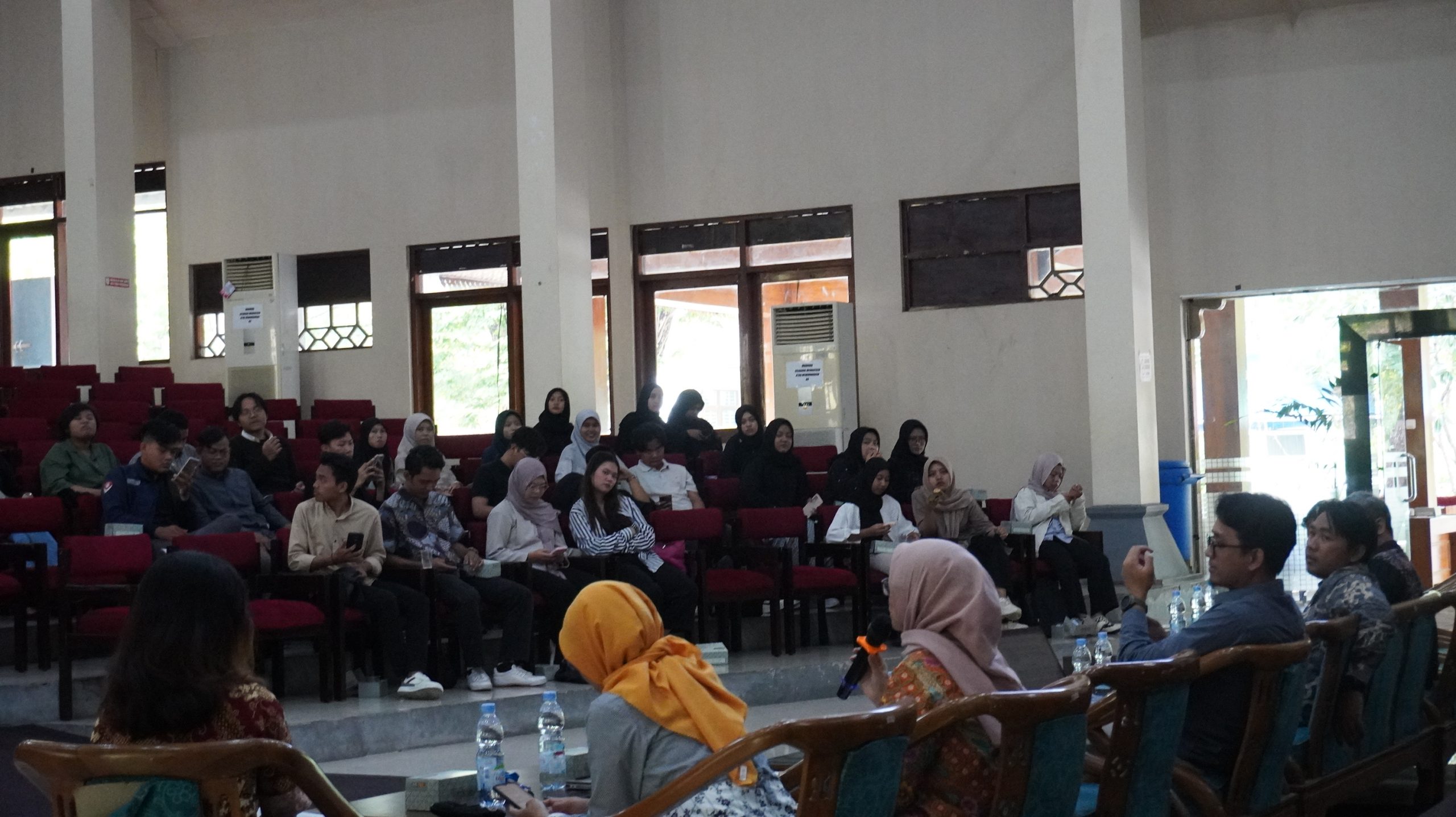
 Prior to the dialogue, BEM conducted a service satisfaction survey covering four key areas: academic services, student affairs, facilities and infrastructure, and financial services. The survey was conducted from September 29 to October 13, 2024, through Google Forms, with 126 FEB UNS students participating. The sampling method used was simple random sampling to ensure broad representation of the student body.
 She further encouraged students to adopt an intellectual approach when raising concerns, such as conducting research or publishing well-written pieces in appropriate media channels. According to her, this method increases the likelihood of their voices being heard.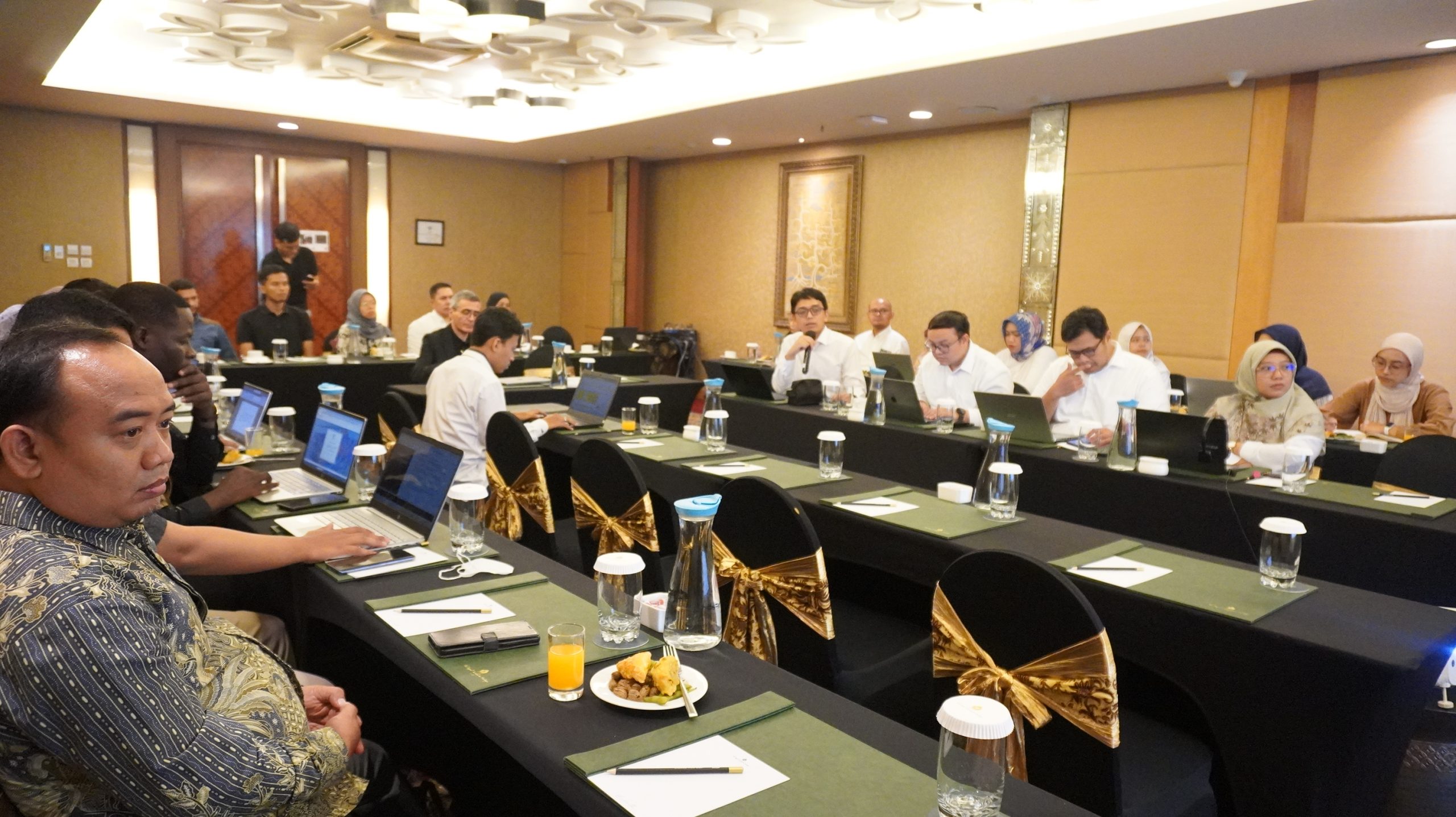
 On this occasion, three FEB UNS lecturers presented the results of their research. Putra Pamungkas, Ph.D., delivered a research entitled ‘Small Business Loans and Repayment Sustainability’; Tastaftiyan Risfandy, Ph.D., with the title ‘The Performance of Micro-Financial Institutions: Islamic VS Conventional Cooperatives’; and Arum Setyowati, Ph.D., with the title ‘The Role of Directors’ experiences on the Relationship between Corporate Responsibility toward Employees Practices and Firm Efficiency.’
 Regarding the Working Paper Series , the Vice-Rector for Planning, Partnership, Internationalization, and Information Affairs UNS, Prof. Irwan Trinugroho, S.E., M.Sc., Ph.D., said that this activity has become a tradition in FEB.
 Lecturers, especially young lecturers as well as graduate and postgraduate students, should be encouraged to actively participate. “This activity is a good initiative, this is a tradition that needs to be built in FEB, both for lecturers, S-2, S-3 students who have research that needs to be stimulated or presented, and to get input from many people. This will make the research results better,” he said.
 Prof. Tarazi considered that the three articles presented are strong and have shown good contributions. He further stated that research is a long-term process, and even senior researchers need to present their articles. This is important because when we present our research results in the form of articles both in workshops and scientific conferences, we will get new input/feedback that will improve the quality of the articles we write.
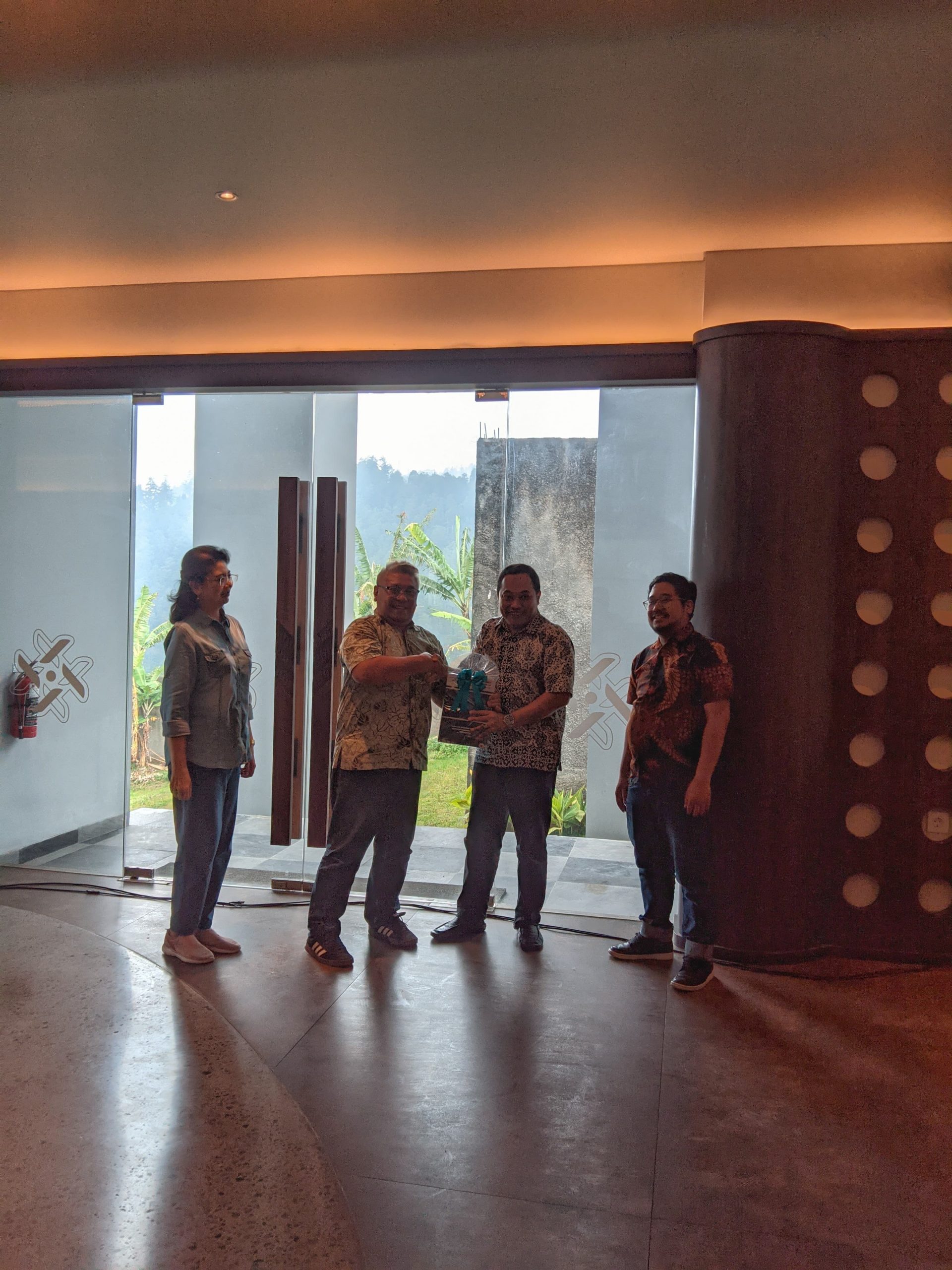
 The submitted report summarised UPM’s key activities, including results from the Internal Quality Audit (AMI) from 2022 to 2024, tracer studies of alumni users, and benchmarking visits to various institutions, including the Quality Assurance Units of FEB Universitas Gadjah Mada (UGM) and Universitas Indonesia (UI). These benchmarking efforts provided valuable insights into how other universities manage quality assurance and support teaching improvement.

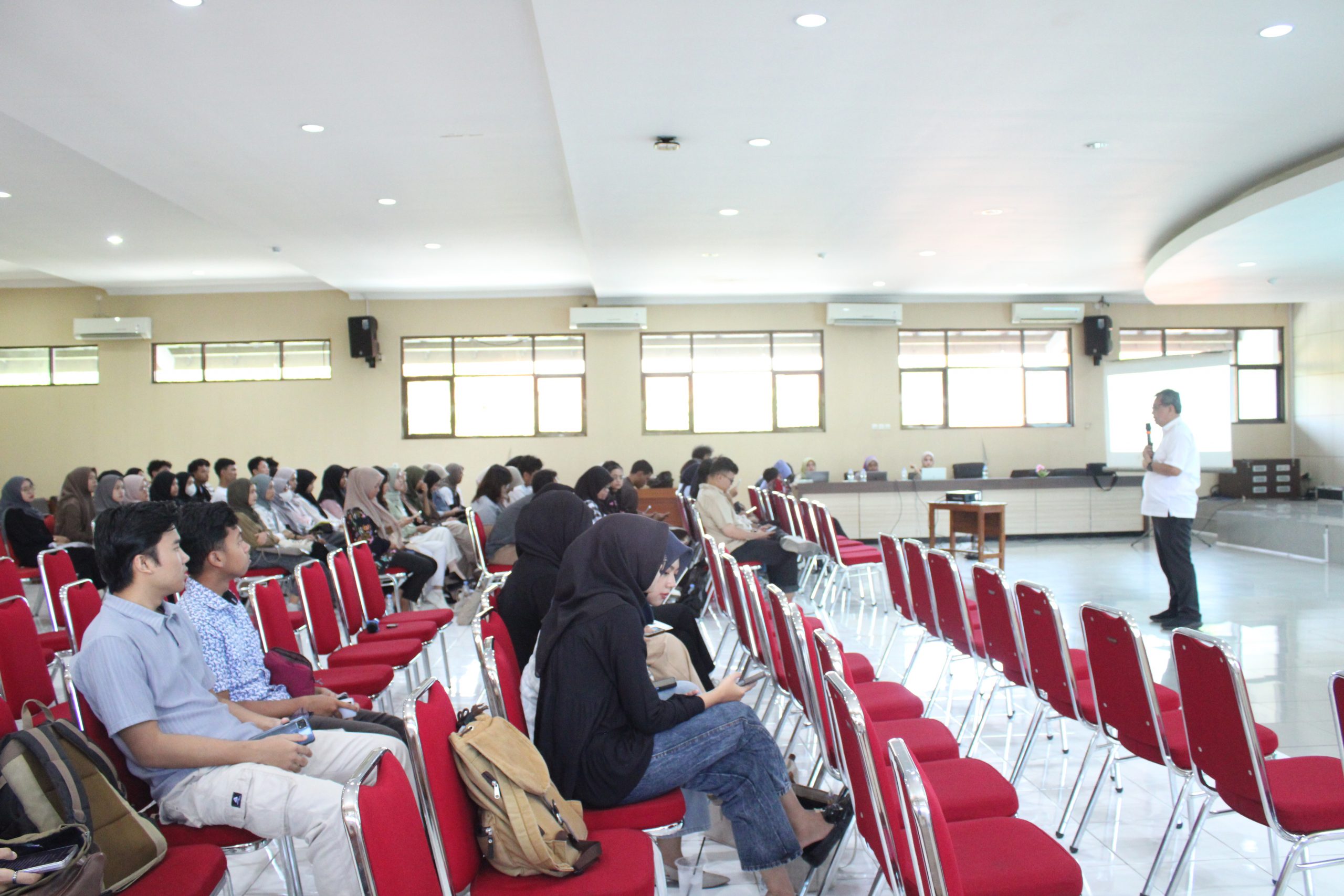
 The guest lecture was attended by over 100 undergraduate students from the Management and Development Economics programs. The session featured Daly Rustamblin, Director of the Bank Liquidation Group, as the keynote speaker, focusing on the theme of Bank Liquidation. The lecture is expected to help students understand the fundamental philosophy (mindset) and acquire the conceptual and practical skills (skill set) related to bank liquidation.
 In a Purchase & Assumption (P&A) approach, good assets are transferred to the acquiring bank, while bad assets are liquidated. Further, a Bridge Bank option involves establishment of a temporary bank to manage good assets, while bad assets are liquidated. In a Temporary Capital Injection, capital is provided to address the bank’s capital shortfall, ensuring compliance with the required capital adequacy ratio. Meanwhile, Liquidation involves converting all assets into cash to fulfill the bank’s obligations.
 Since LPS began operations in 2005, up to September 20, 2024, 137 banks (comprising 1 Commercial Bank, 122 Rural Banks (BPR), and 13 Sharia Rural Banks (BPRS)) have undergone liquidation. Currently, 19 BPR/BPRS are in the liquidation process, while 118 banks have completed liquidation (1 Commercial Bank, 106 BPR, and 11 BPRS).



 “Many companies face challenges in achieving successful transformation. Data from various sources suggest that 70% to 80% of companies attempting transformation do not achieve their intended goals. In this context, leadership plays a crucial role, requiring leaders who are fully committed to the process,” Dr. Rumaji explained.
 And lastly, transformations are often unsuccessful when carried out in a fragmented manner. Companies may focus on specific areas without integrating efforts across departments. Additionally, the varying capabilities of human resources must be addressed to ensure alignment throughout the organization.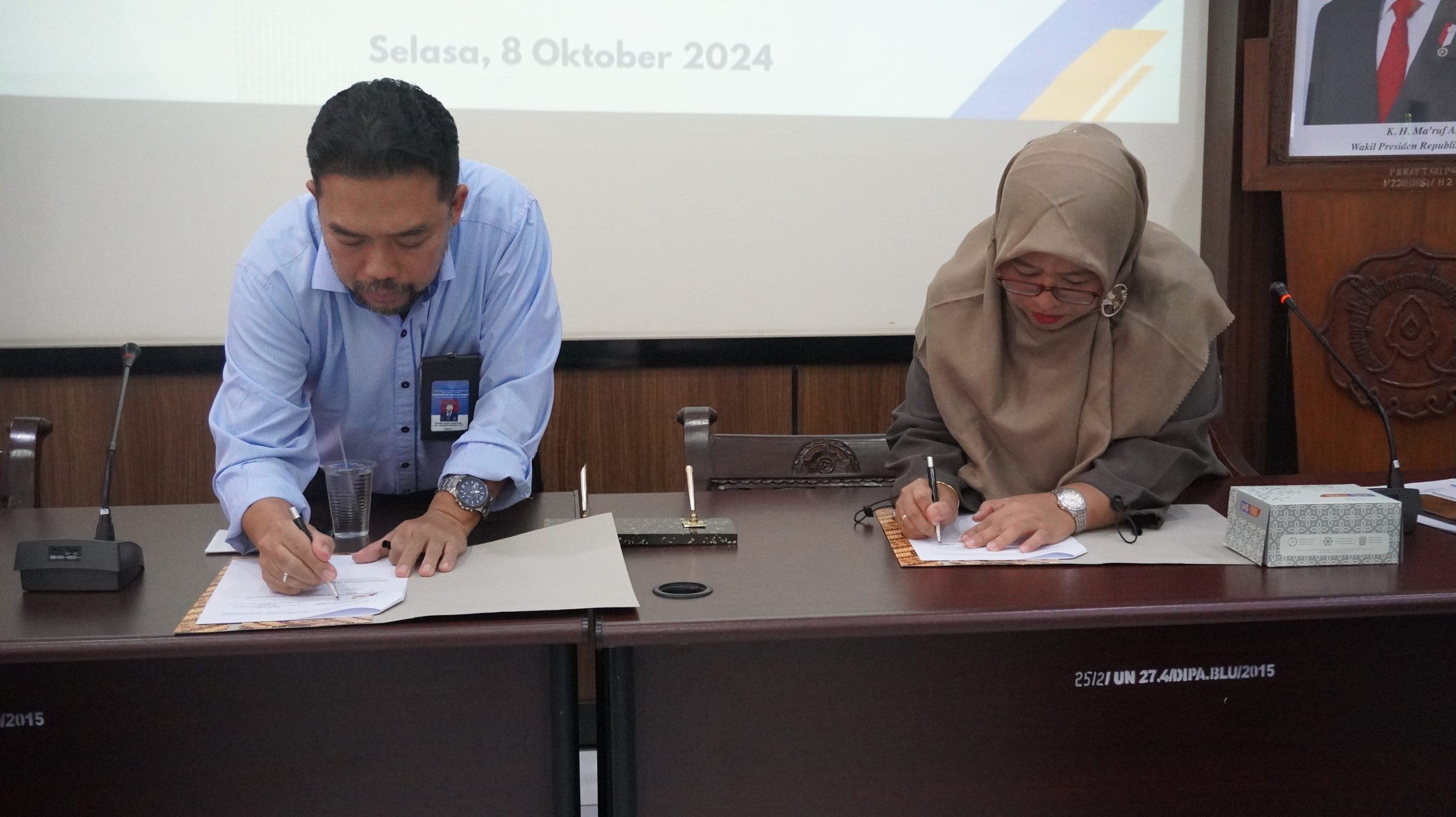

 The agreement, thus, outlines collaborative efforts in the fields of education, research, and community service, as well as the implementation of MBKM. In education sector the agreement will cover several activities such as Joint curriculum development, faculty and student exchanges, seminars, training sessions, and faculty capacity building. Other than the education, research activities covered such as collaborative studies, joint academic publications, and hosting scientific conferences that involve researchers from both institutions. Meanwhile in community service sector the collaboration will facilitate initiatives such as community empowerment programs and technology-based social projects.