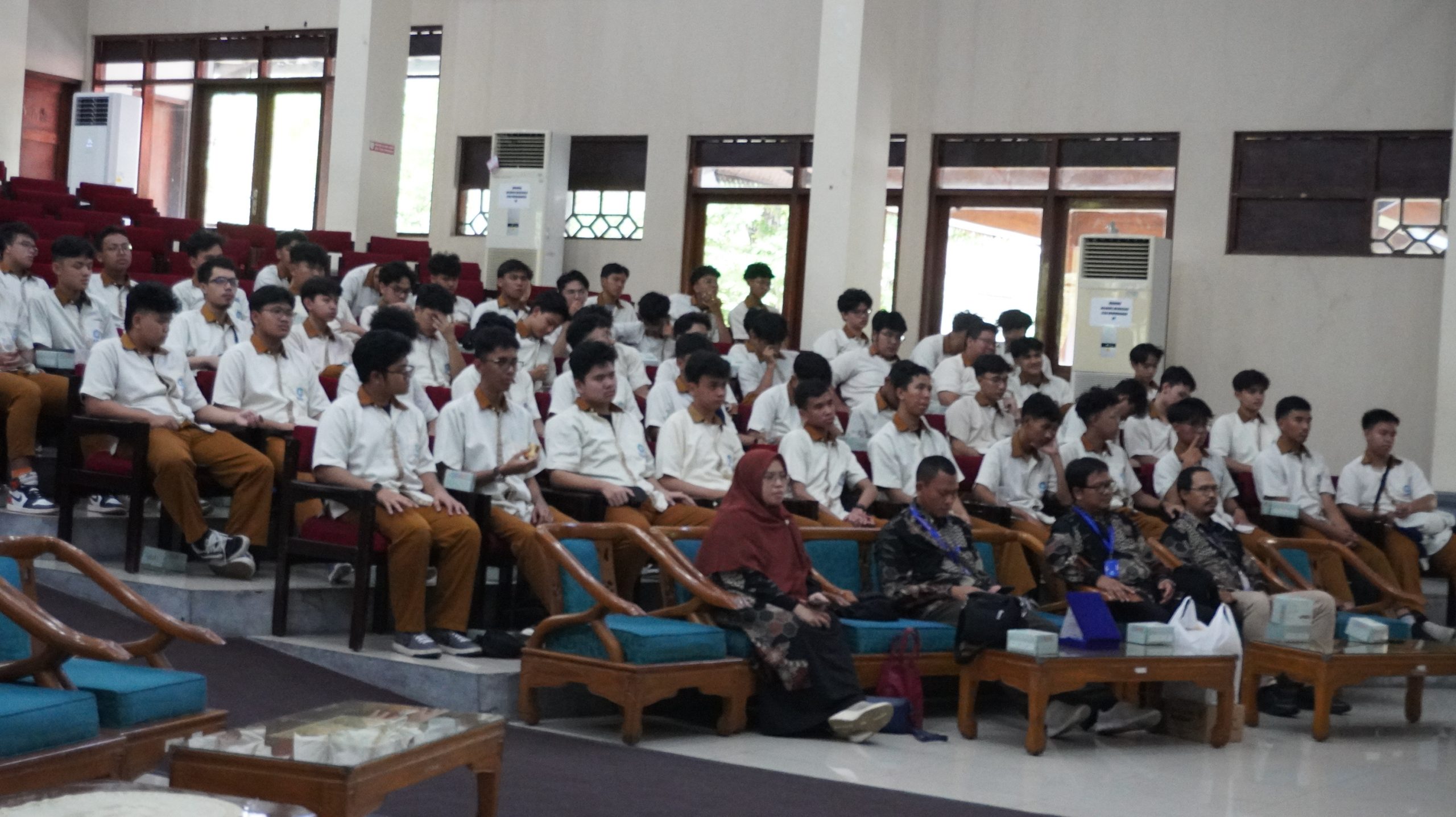
The Faculty of Economics and Business (FEB), Universitas Sebelas Maret (UNS) welcomed a visit from SMA Islam Terpadu (IT) Nurul Fikri Depok on Wednesday, October 9, 2024. The visit involved hundreds of students accompanied by several teachers, who were welcomed by FEB UNS leadership ranks in the Suhardi Building Auditorium Hall.
 Aldy Fariz Achsanta, S.E., M.Rech., Ph.D., Head of the Digital Business Undergraduate Program at FEB UNS, provided an overview of the faculty. He highlighted the four undergraduate programs offered in FEB UNS, namely, Management Study Program, Development Economics, Accounting, and Digital Business. Detailed explanations of each program were delivered by the respective program heads in attendance.
The visit aimed to provide students with valuable insights, helping them to better understand FEB UNS. This opportunity allowed the students to familiarize themselves with the faculty’s academic environment and the various study programs offered.
 In addition to an introduction to the Digital Business program by Aldy Fariz Achsanta, PhD., students also gained comprehensive information about the Management program from Dr. Sinto Sunaryo, S.E., M.Si., SHRM.CP., and the Economics and Development Studies program, presented by Muhammad Yusuf Indra Purnama, S.E., M.Rech., Ph.D.
Dra. Euis Ernawati, Principal of SMA IT Nurul Fikri, expressed her gratitude to the FEB UNS leadership for their warm reception. “We are deeply grateful and delighted to visit FEB UNS as part of this year’s campus visit program. This visit is intended to provide our 12th-grade students—two classes from the social sciences study and one from the natural sciences study—with additional knowledge about FEB UNS,” she stated.
The principal also requested FEB UNS to allow students to ask questions freely, ensuring they gain deeper insights. This knowledge will help prepare the students as they complete their educational data submissions (PDSS) at the end of 2024 and guide them in selecting study programs and universities for SNBT and independent admissions.
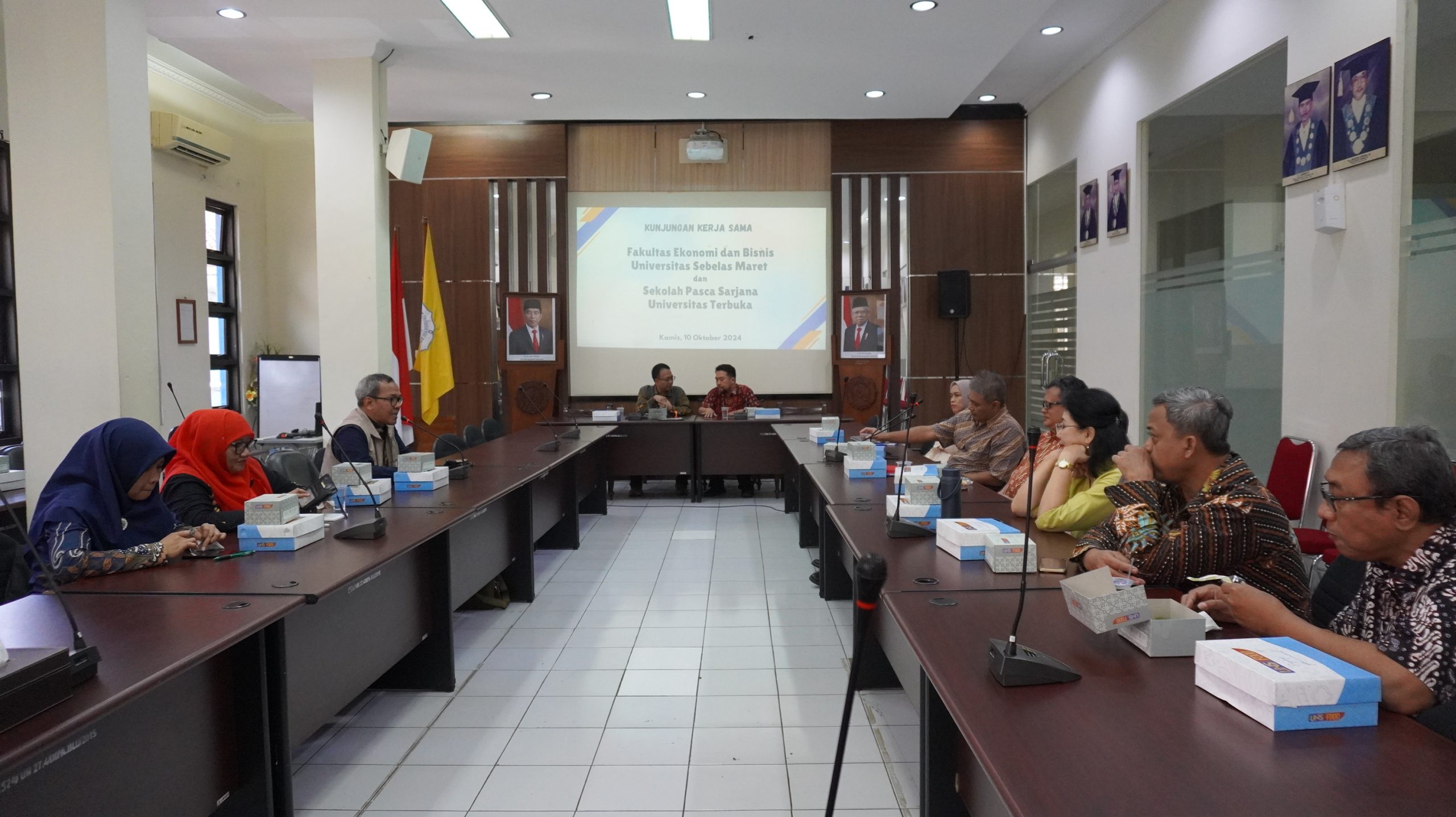


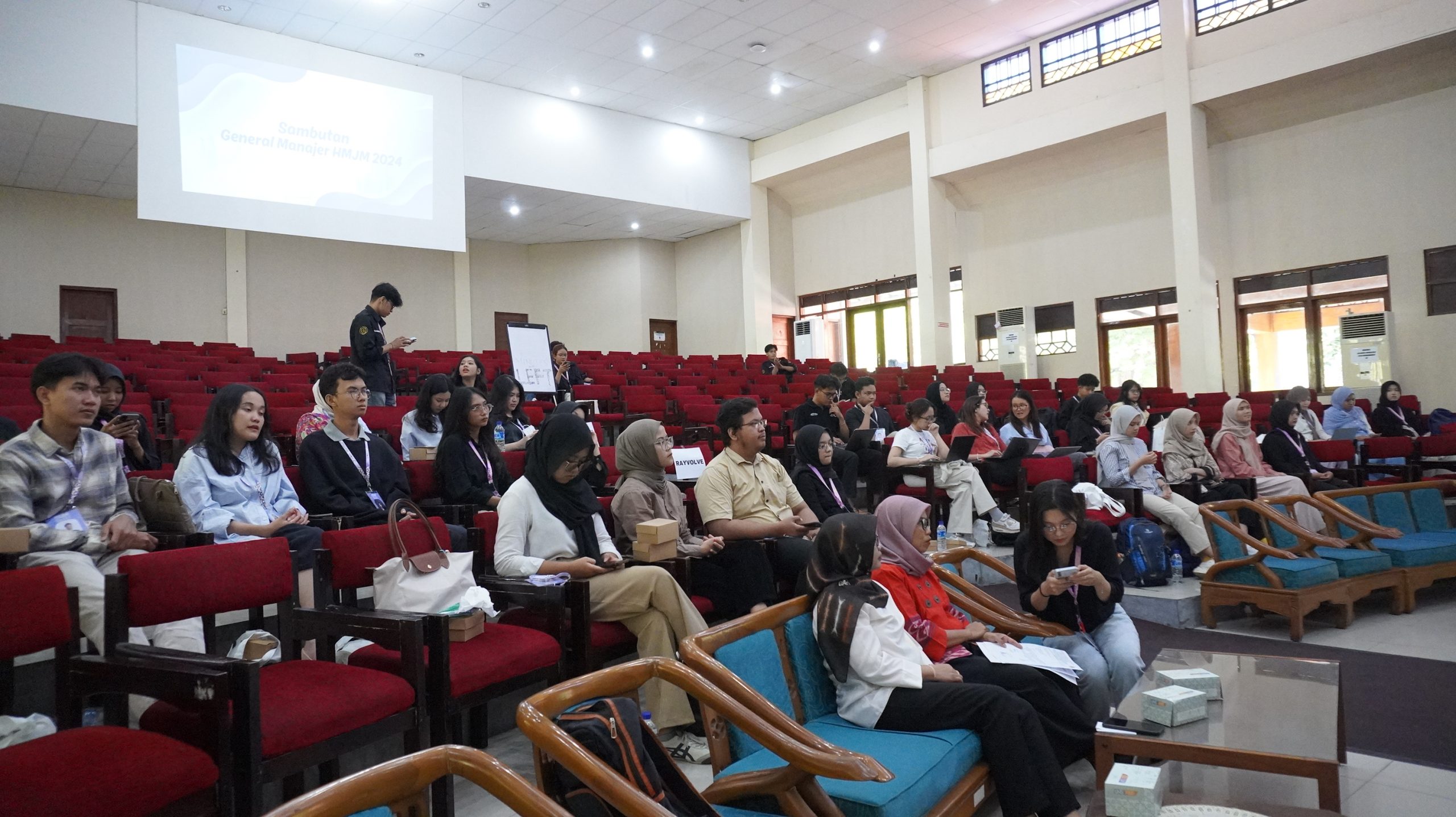
 As an annual event, SMBCC provides a platform for students to sharpen their analytical and critical thinking skills while crafting innovative business strategies. Held from October 10 to 12, 2024, at FEB UNS, SMBCC consists of four stages: registration, preliminary rounds, semifinals, and the final round. The initial three stages were conducted online, while the final round was conducted through an on-site session.

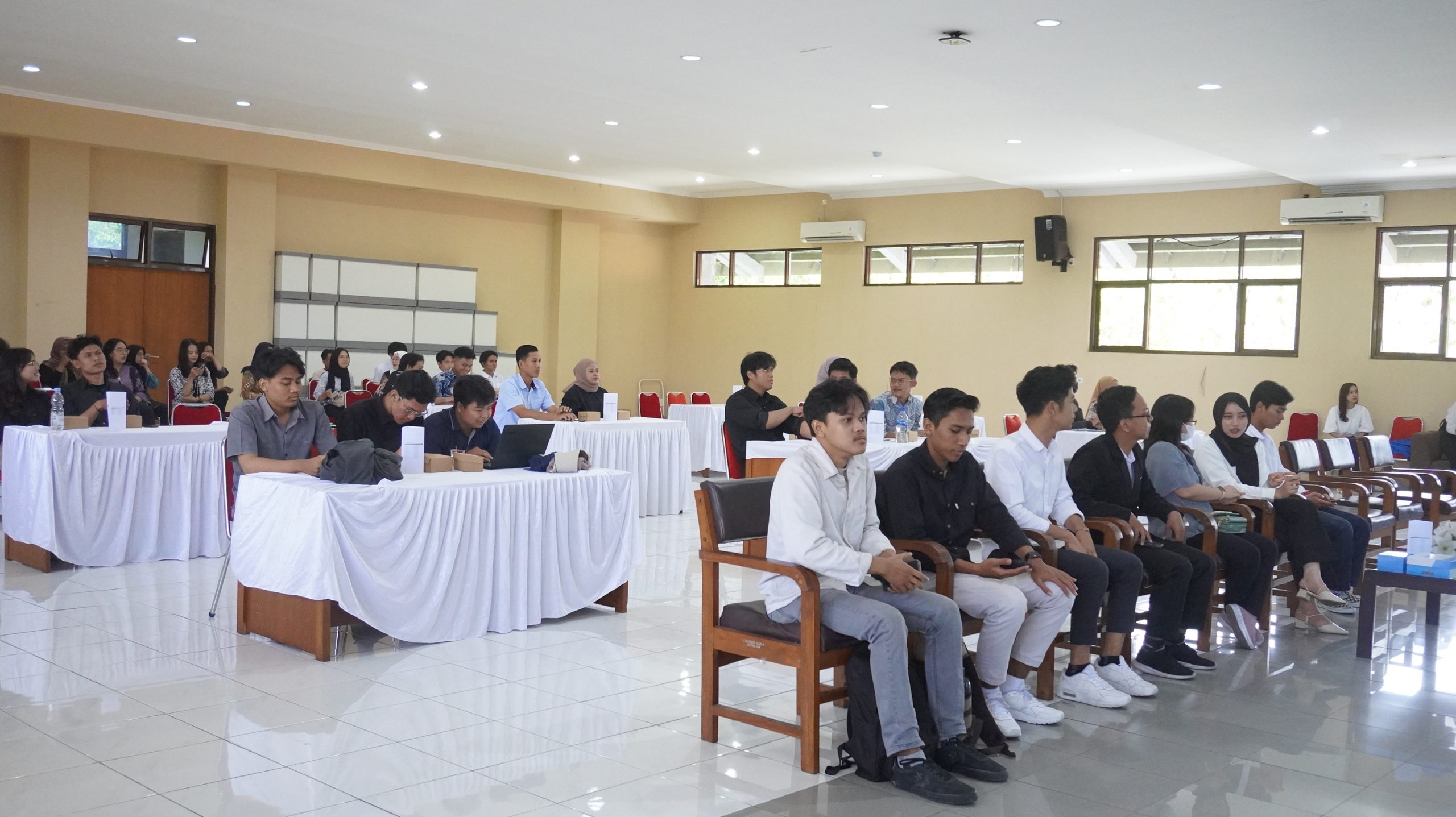
 SMARTVEST 2024 aims to help students assess their understanding of capital markets, particularly stocks/shares, while broadening their knowledge in areas such as stock theories, fundamental and technical analysis, and more. These objectives were highlighted by Abel Rizky Agustian, Director of the Investor Club FEB UNS, during the opening of the Sebelas Maret Investment Championship (SMIC) 2024 finals on Friday, October 4, 2024, at the 5th floor Auditorium of the Soedarah Soepono Building FEB UNS. He explained that the event comprises three main activities: the SMIC competition, a field trip, and a seminar entitled “Investalk.”
 SMIC 2024 is part of SMARTVEST 2024 and carries the grand theme entitled “The Future Prospect of Indonesia’s Capital Market: Taking Advantage of Economic Distrust.” Participants in the competition represent universities from across Indonesia, with nine teams advancing to the finals.
 The nine finalist teams include one team each from Semarang State Polytechnic, Universitas Diponegoro, Universitas Mataram, Universitas Negeri Semarang, Universitas Brawijaya, and Universitas Terbuka Surakarta, along with three teams from UNS.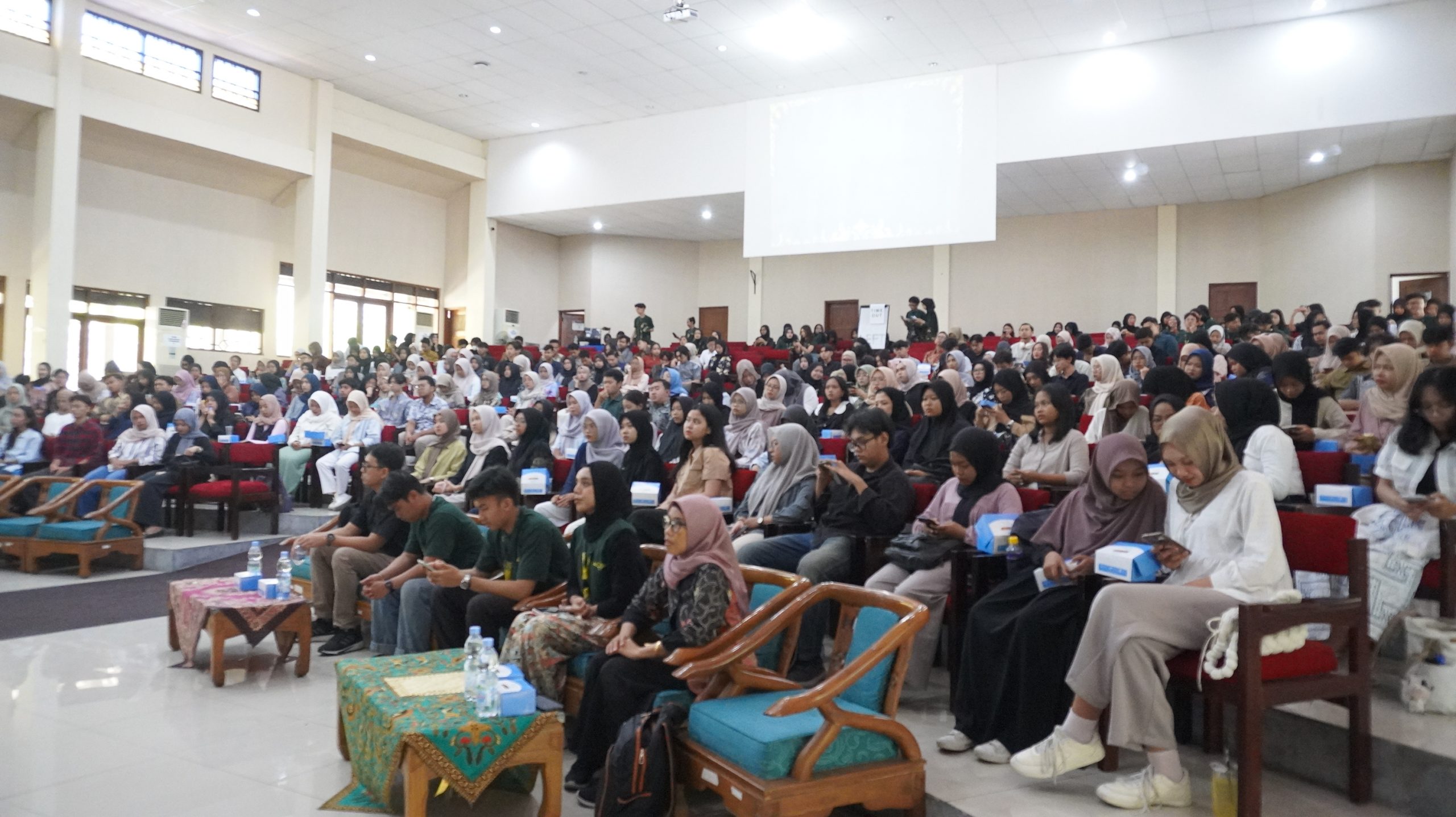
 The event featured notable speakers, including Dr. Anto Prabowo, MBA., Senior Advisor and Deputy Commissioner of Human Resources Operations at the Financial Services Authority; Anindytha Arsa, Edu-Content Creator and Special Advisor to the Ministry of Youth and Sports; and Rifal Afandi, President of GenBI Solo.
 Unlike the linear economic approach, which views the economy as a conventional cycle of producing, using, and discarding waste, the circular economy focuses on sustainability and innovation. He also pointed out the critical role of social media in spreading awareness and promoting circular economy practices across all levels of society.
 Additionally, he reminded the participants that the nation has an important capital related to the cultural wealth. He then, encouraged students, as agents of change, to utilize information platforms and social media effectively to advocate for these initiatives, considering the vast role of social media and digital campaign.

 The delegation, led by the Dean of FEB UNAIR, was warmly welcomed by the leadership and the Faculty Academic Senate (SAF) of FEB UNS in the 5th Floor Hall of the Soedarah Soepono Building.
 The Dean of FEB UNS, Bhimo Rizky Samudro, S.E., M.Si, Ph.D., extended his gratitude virtually, appreciating the visit from FEB UNAIR’s delegation.
 Welcoming the 23-member delegation from FEB UNAIR, the Dean of FEB UNS also extended a warm greeting to welcome the entourage to Solo, emphasizing the city’s unique charm and expressing hopes that the visit would inspire new ideas. He apologized for being unable to attend the meeting in person due to an assignment from the UNS Rector to visit Universitas Hasanuddin in Makassar.
 “Thank you to Prof. Tulus and the leaders of FEB UNS for such a warm welcome, adorned with a delightful lunch and keroncong performance. Our visit to FEB UNS is primarily a reciprocal one from FEB UNAIR’s Faculty Advisory Board, whose members include professors, department representatives, and faculty members,” she said.
 Ahead of the discussion session, Prof. Dr. Tulus Haryono, M.Ek., Chair of SAF FEB UNS, presented an overview of the organizational structure of SAF UNS, detailing its authority and introducing the commissions and teams. The event continued with a discussion session moderated by Dr. Sinto Sunaryo, S.E., M.Si., SHRM.CP., Vice Chair of SAF FEB UNS.
 The event featured two keynote speakers: Mirwan Surya Perdhana, S.E., M.M., Ph.D., Head of the MM Program at Universitas Diponegoro (UNDIP), and Prof. Dr. sc. Agr. Ir. Adi Ratriyanto, S.Pt., M.P., IPU., ASEAN Eng., a member of the drafting team for UNS Rector’s Regulations based on Permendikbudristek No. 53 of 2023. The workshop, attended by MM Program lecturers, was moderated by Wahyu Trinarningsih, S.E., M.M., M.A.
 She noted that although the university has not yet issued derivative regulations based on the Ministry’s policy, the program invited the Head of the MM Program at UNDIP, as UNDIP has already implemented the regulation. Additionally, the event included Prof. Adi Ratriyanto, a team member responsible for drafting the university’s regulation aligned with the Ministry’s directive.
 “The key issue is the increased credit requirements for the MM Program. Currently set at 36 credits, the new standard mandates a minimum of 54 and a maximum of 72 credits. One aspect highlighted is that mandatory dissemination of research publications will no longer be required. However, discussions at the university level suggest that UNS may still impose this requirement under specific conditions. With these additional credit requirements, discussions like this are essential,” she explained.
 She further expressed hope that the discussions during the workshop would serve as a valuable resource as the MM Study Program prepares for reaccreditation, with its current accreditation expiring in November 2025. Dr. Retno added that initial data collection for the reaccreditation process has already begun and will be further managed by the newly appointed Head of the MM Program, Dr. Lilik Wahyudi, S.E., M.Si.
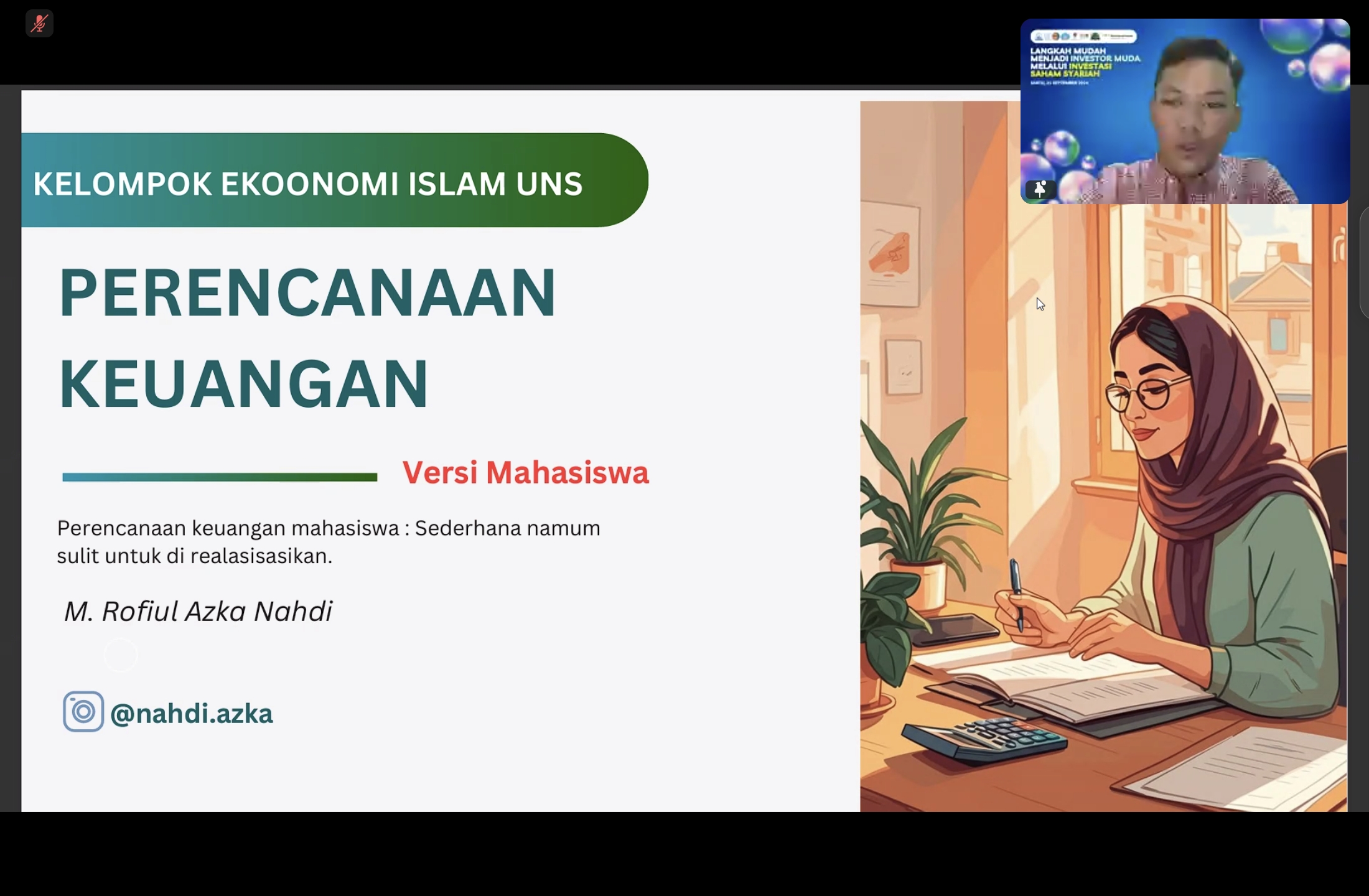
 The second speaker, Derry Yustria SE., MBA., CFP., an official at IDX Syariah since 2008, discussed the benefits of investing in sharia stocks. He highlighted that Sharia-compliant stocks can be inherited, donated, or used as dowries for marriage.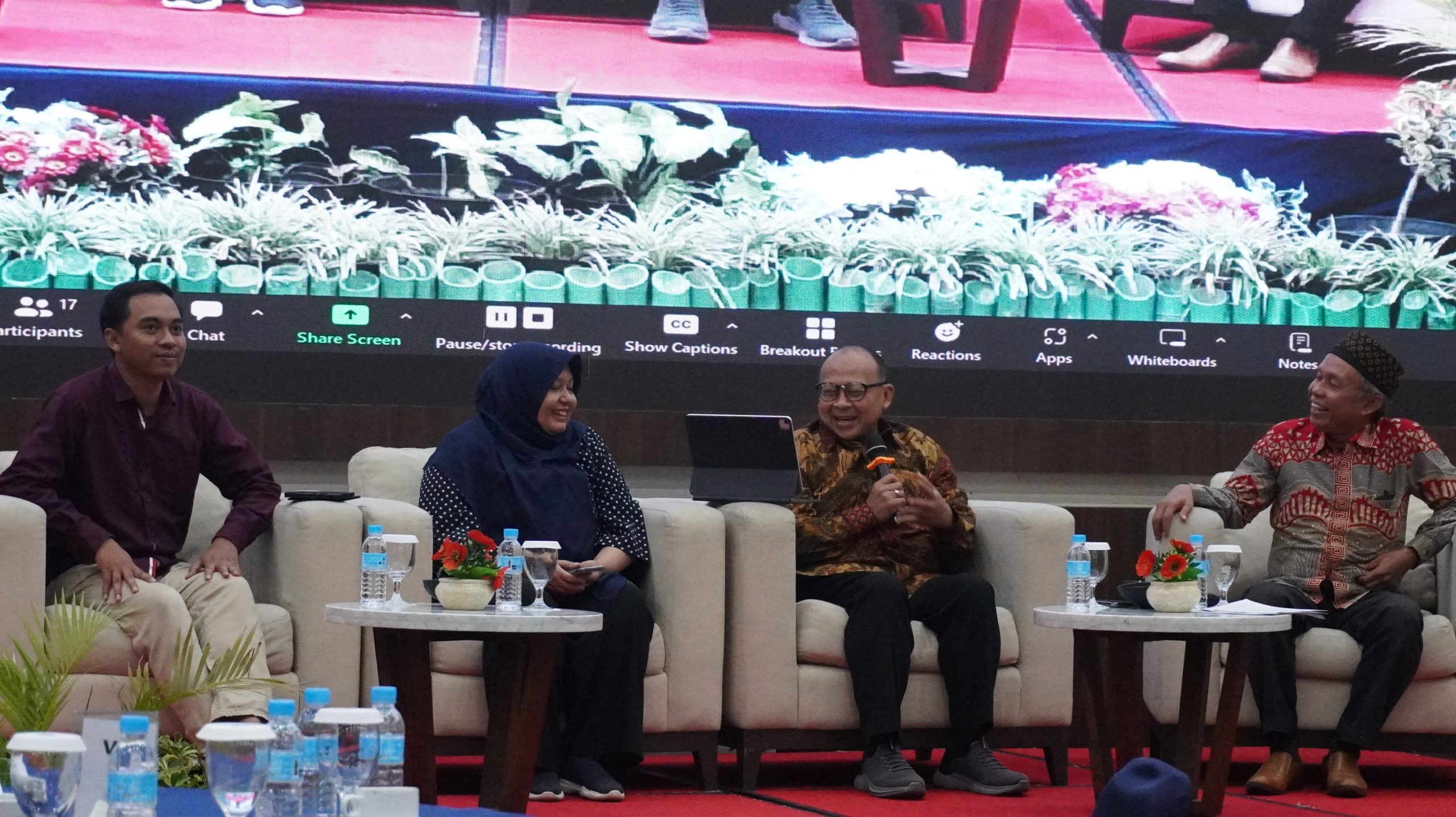
 The event, attended by both alumni and students of PDIE, featured three distinguished speakers: Dr. Erna Setiany, M.Si, Ak., Vice Rector of Universitas Mercu Buana; Dr. Anto Prabowo, MBA., Senior Advisor to the Financial Services Authority (OJK); and Dr. Rochmat Aldy Purnomo, M.Si., from Universitas Muhammadiyah Ponorogo.
 In her opening speech, Prof. Dr. Rahmawati, M.Si., Ak., Interim Head of the PDIE Program, explained that this event is part of an annual routine aimed at strengthening connections between alumni and current students.
 Prof. Rahmawati also highlighted the crucial role of PDIE alumni in supporting the program’s accreditation process. With over 155 alumni already recorded, their participation is essential in upcoming activities. PDIE is set for re-accreditation in 2026 using the Lamemba instrument.
 Additionally, Prof. Rahmawati shared feedback from an assessor in 2022, suggesting the separation of the PDIE program into three distinct doctoral programs: PDIE for Development Economics, Doctoral Program in Accounting (PDIA), and Doctoral Program in Management (PDIM). “This would make sense because alignment is essential. Development Economics should stay under PDIE, while Management and Accounting should each have their own proposals,” she explained.
 Regarding the typical study duration, Prof. Rahmawati noted that students usually complete their studies in an average of 4.2 years, with the ideal time frame being between 3 to 4 years. If students receive a scholarship for a 3-year program, it can be extended for an additional year.
 “From the beginning, as the first cohort of PDIE alumni, we’ve hoped to see the program’s quality continuously improve. We urge the program administrators not to tolerate any decline in quality. We are ready to help maintain and enhance the PDIE program so that it can stand alongside other advanced doctoral programs from leading universities,” he stated.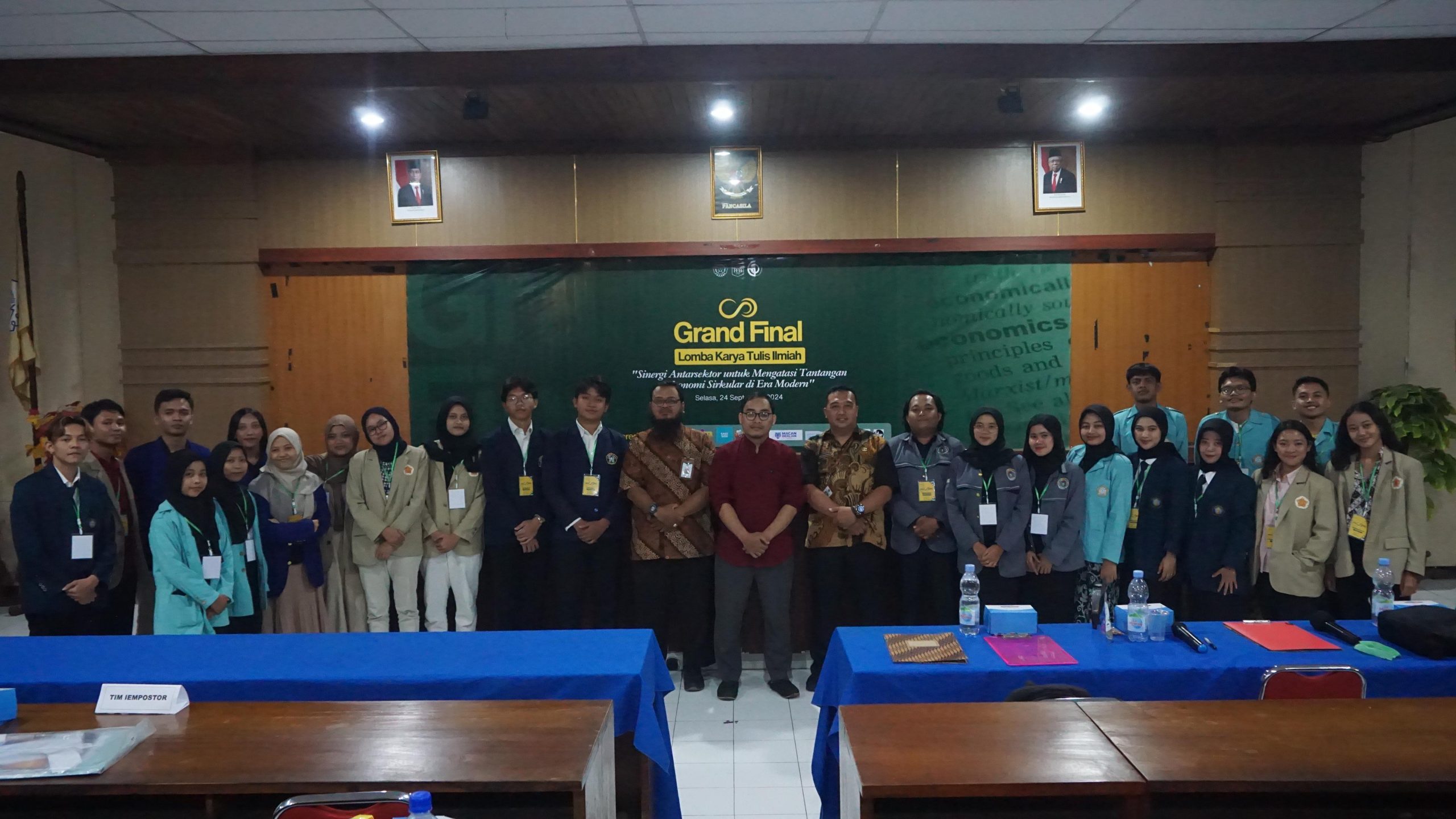


 The panel of judges consisted of three members: Muhammad Nur Hikmat, S.E., M.E., an academic from UNS; along with two external judges — Dr.(c). Ghulam Fathul Amri, SH., SST., ME., MESy., MKn., MM., MT., from the Surakarta City Government; and Rony Widjanarko, SH., MH., Head of the Surakarta City Research and Development Agency (Balitbangda).