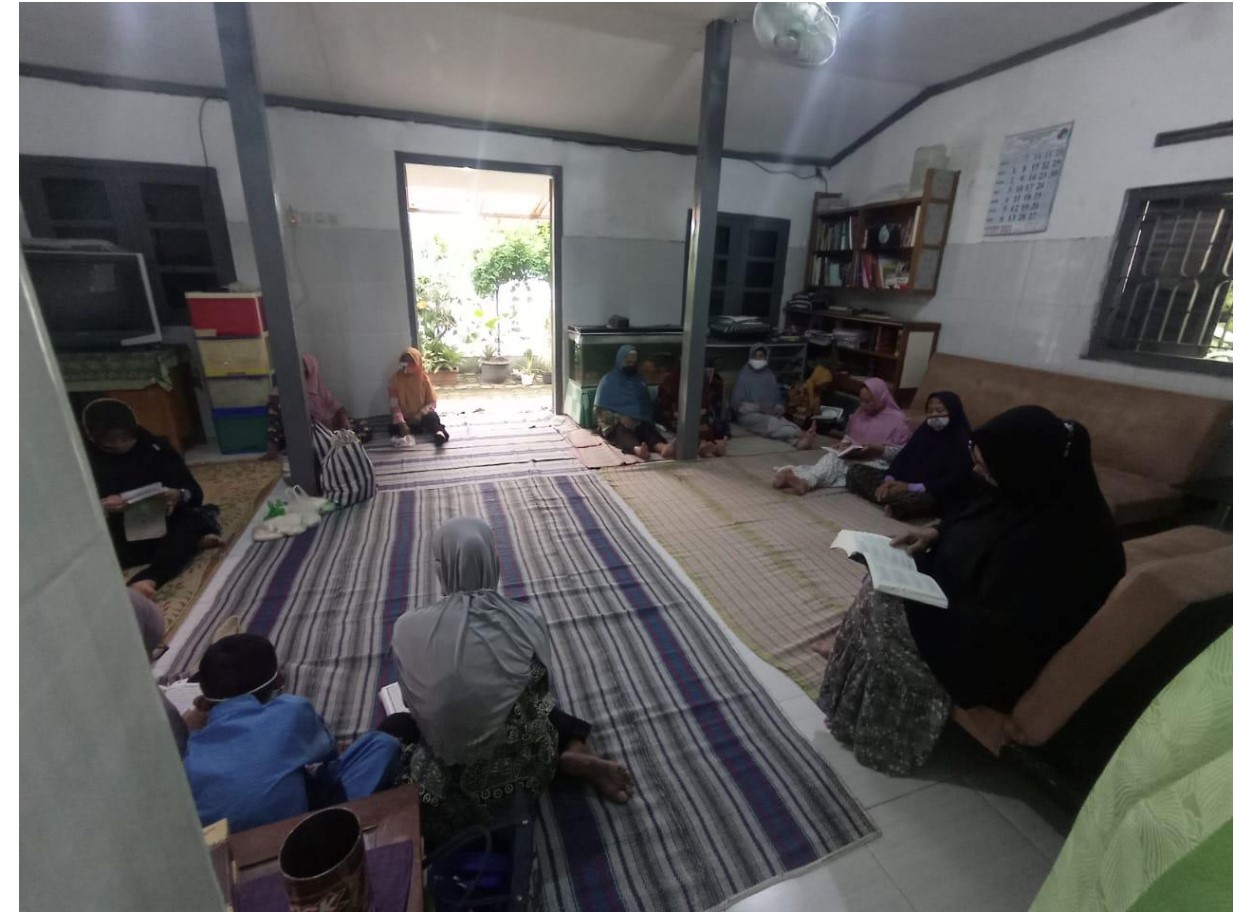
Qoryah Thoyibah is one of the programs organized by Aisyiyah focusing on ‘Amar makruf nahi munkar’ (promoting good deeds and avoiding evil actions). This program has been circulated to numerous regions and established Qoryah Thoyibah regional offices. One of them is the Qoryah Thoyibah Mawadah Warohmah, whose activity focuses on the Kampung Jagalan area.
Currently, the Qoryah Thoyibah is not only focused on studies and sermons. The group also engages in social activities such as community service and assisting community members with business potential. Qoryah Thoyibah helps those in need to develop their home industry or small business that produce Surakarta’s specialties souvenirs and traditional snacks.
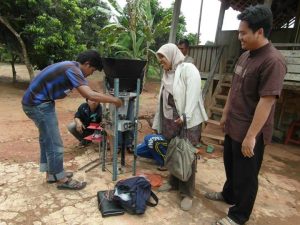
A community service team from the Faculty of Economics and Business (FEB), Universitas Sebelas Maret (UNS) Surakarta, led by Dr. Arum Kusumaningdyah Adiati, S.E, MM., along with Prof. Dr. Bambang Sutopo, M.Com., Ak., and Lina Nur Ardila, S.E., M.Ak., as the members, organized a coaching session on Surakarta’s specialties production management. The event, which was attended by the members of the Qoryah Thoyibah Kampung Jagalan Surakarta, focused on Micro, Small, and Medium Enterprises (MSMEs).
On this occasion, the FEB community service team explained to business owners about entrepreneurship and how to establish market share, including the SWOT analysis. The team also provided training and mentoring in financial management for small business owners to help them understand financial recordings related to their business in detail. Using this financial record, they can analyze and evaluate their business at any time required.
Marketing management training and coaching were also conducted to help participants develop the most appropriate promotion strategy to expand to a broader customer outreach beyond the Surakarta region.
The team provided training in promotional materials development for online media and SWOT analysis trial for marketing management purposes. The online media is expected to extend the MSMEs’ customer outreach, considering the product offered can be promoted better through online media branding, thus increasing consumers buying interest.
Through this assistance, business owners are expected to gain comprehensive knowledge and insights on how to be tenacious entrepreneurs with high optimism for their future endeavors.
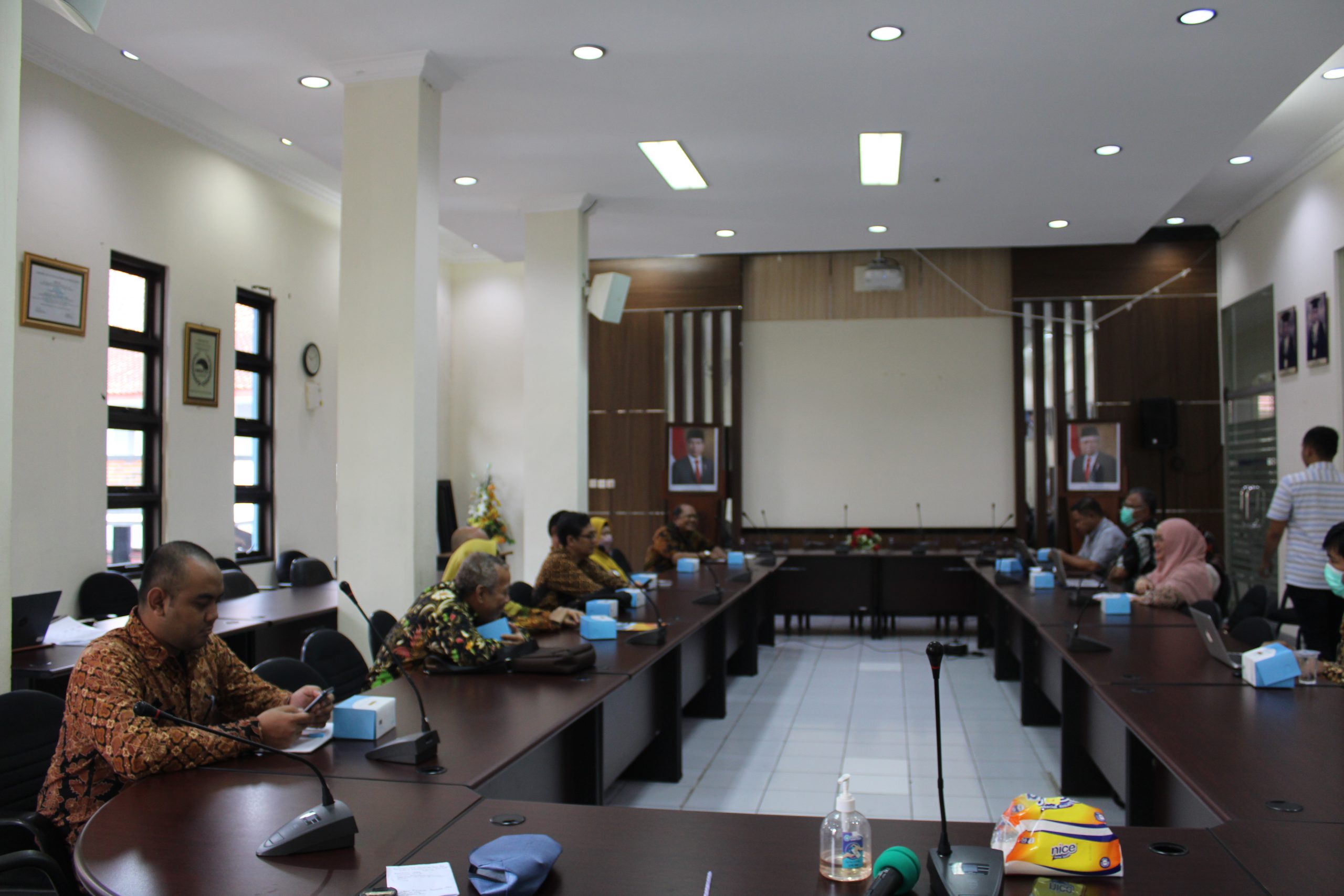
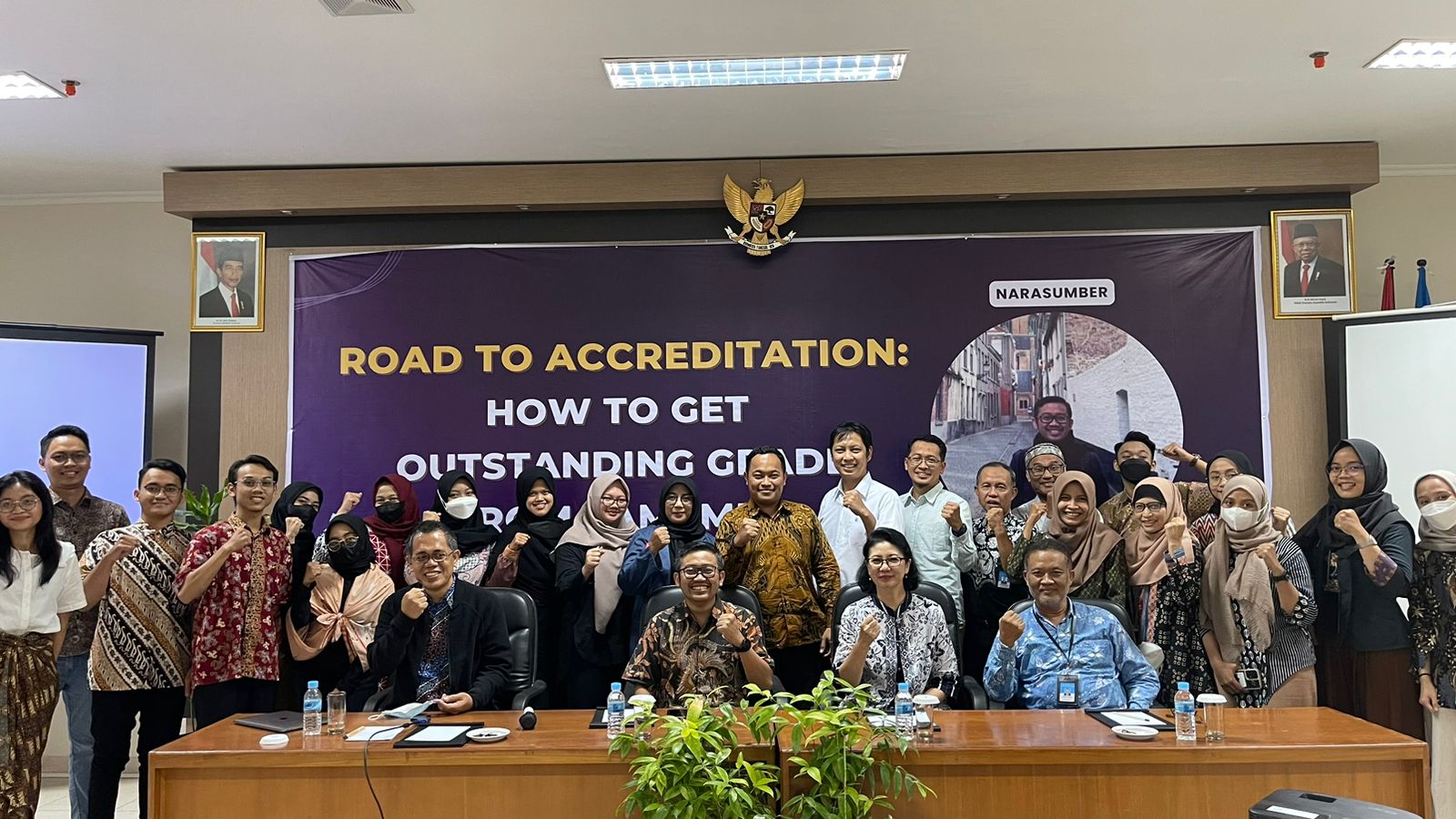
 The delegation was welcomed by the Vice-Dean of Academic Research and Academic FEB UNS, Prof. Dr. Izza Mafruhah, SE, M.Si., Head of Management Study Program, Dr. Atmaji, MM., and several Lecturers of the Re-accreditation Task Force Team of the Management Study Program, Dr. Sinto Sunaryo, S.E., M.Si., Sarwoto, S.E., M.Sc., and Miftachul Ma ‘Arif, S.E.I., M.M.

 “Regarding the curriculum, the Management Study Program has implemented the MBKM curriculum. This curriculum, accommodates students who do not participate and those who take the MBKM Program, and Alhamdulillah, last semester, there were 70 undergraduate Management Study Program students who participated in MBKM activities, the most participation within UNS,” he said.
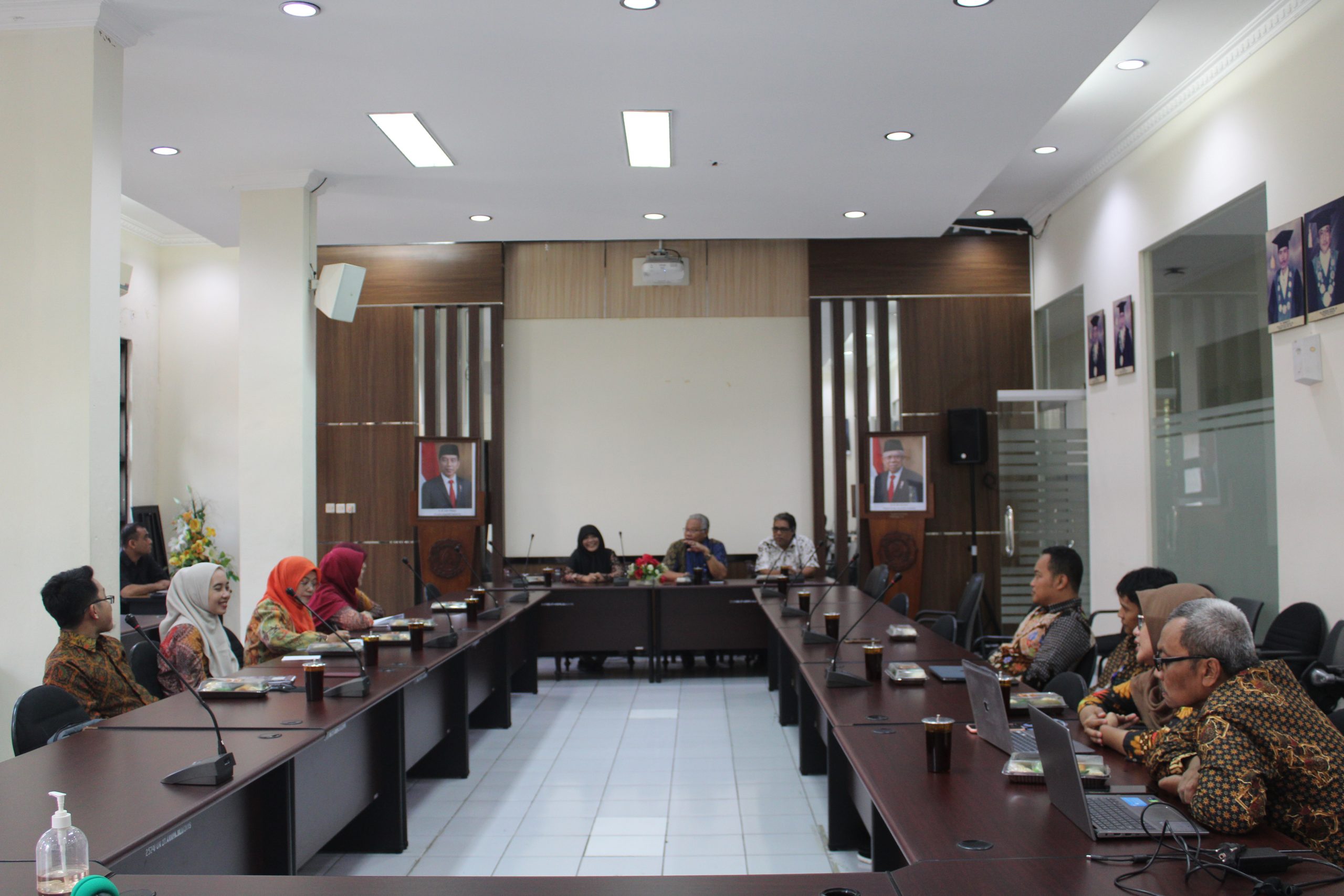


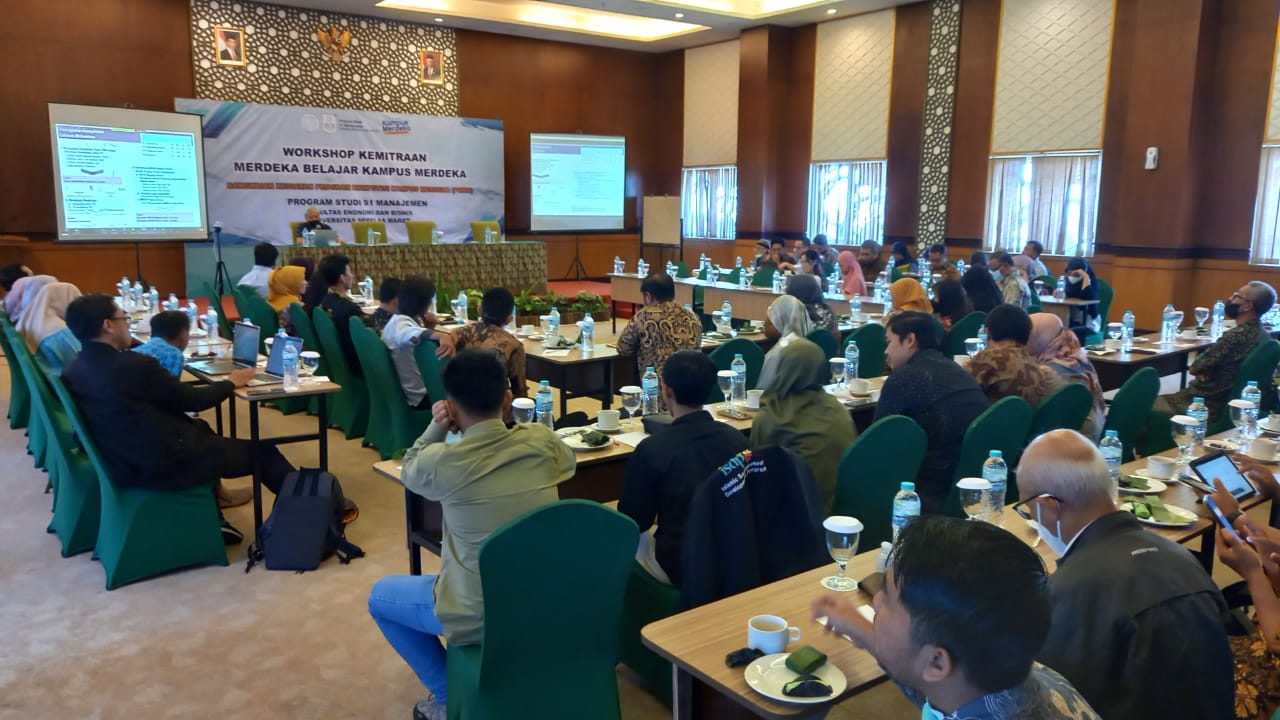
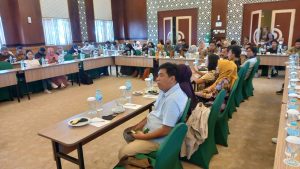 n his remarks, Dr. Atmaji, MM, as the Head of the Management Study Program FEB UNS, states that the study program welcomed the MBKM program, initiated by the Ministry of Education, Culture, Research, and Technology (Kemendikbud Ristek), by preparing various supporting programs. Responding to the MBKM program, the Management Study Program has designed supporting programs for the students interested in participating in MBKM.
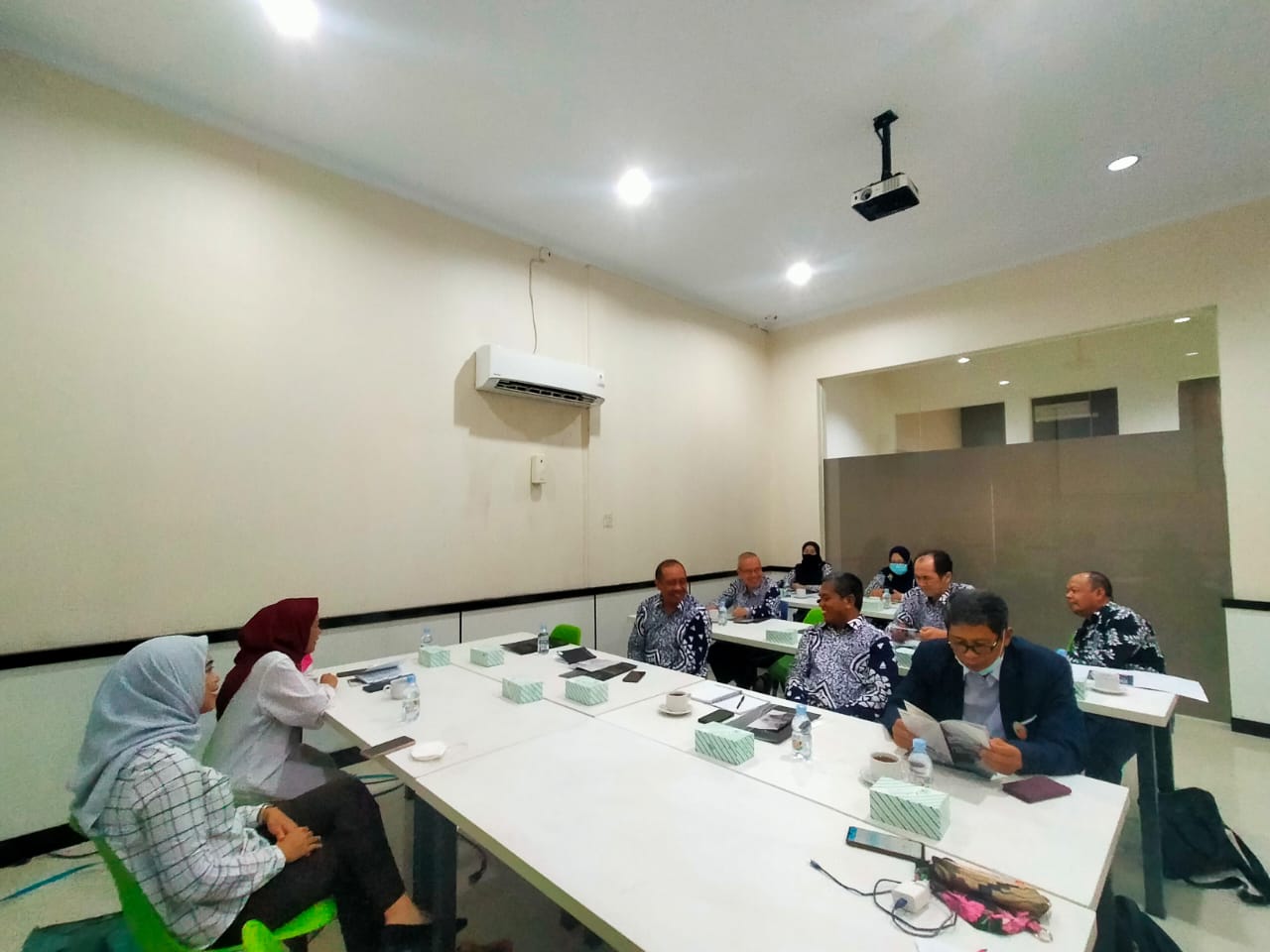
 The entourage was welcomed by the Head of PDIE FEB UNS, Prof. Dr. Rahmawati, M.Si., Ak., and the Head of Development Economics Study, Tri Mulyaningsih, S.E., M.Si., Ph.D.
 Tri Mulyaningsih added that the monitoring and evaluation process initiated by Prof. Rahma is expected to encourage students to report their progress to the study program, facilitating their study to get completed earlier. In a specific instance, for students who need specific assistance, the Head of the Study Program can send a recommendation letter to get assistance from the student’s workplace or employer.
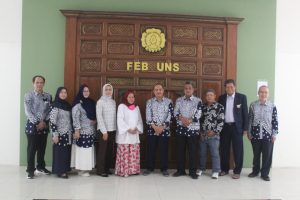 Further, PDIE also facilitates students with a study room on the third floor of the Bachtiar Effendi Building.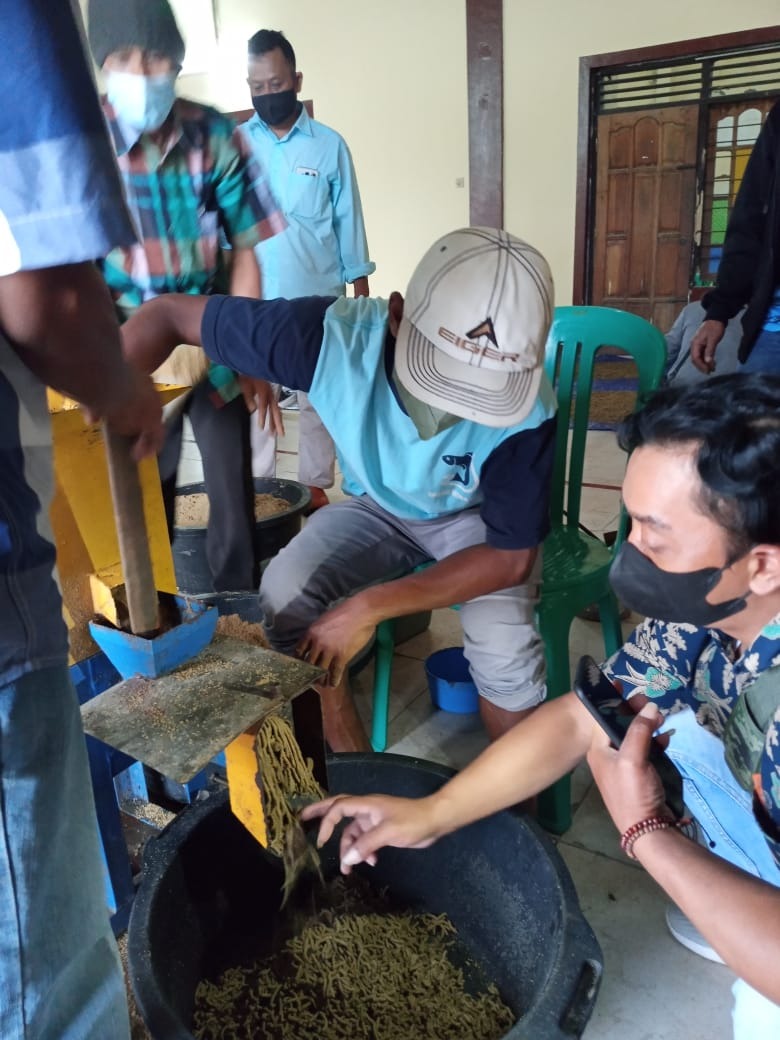
 The Development Economics Study Program Community Service team, Faculty of Economics and Business (FEB), Universitas Sebelas Maret (UNS) Surakarta, organized community assistance for fish farmers in Trenceng Village, Sumbergempol Sub-District, Tulungagung Regency. The program, which aims to assist the development of community skills in producing fish pellets independently, effectively, and efficiently, was implemented well in 2022.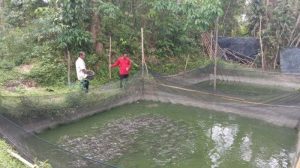

 The recent workshop hosted by the Study Program invited Associate Professor Clotilde Coron, Ph.D., from IAE Paris Sorbonne Business School, France. Prof. Coron previously delivered numerous topics in the earlier sessions of this Visiting Professor Program. In this session, Prof. Coron shared the steps of the Human Resource Management (HRM) research article publication.
 For around one hour, Prof. Coron also explained the six stages of preparing a research article, such as planning, finding a suitable publishing outlet, understanding the article structure according to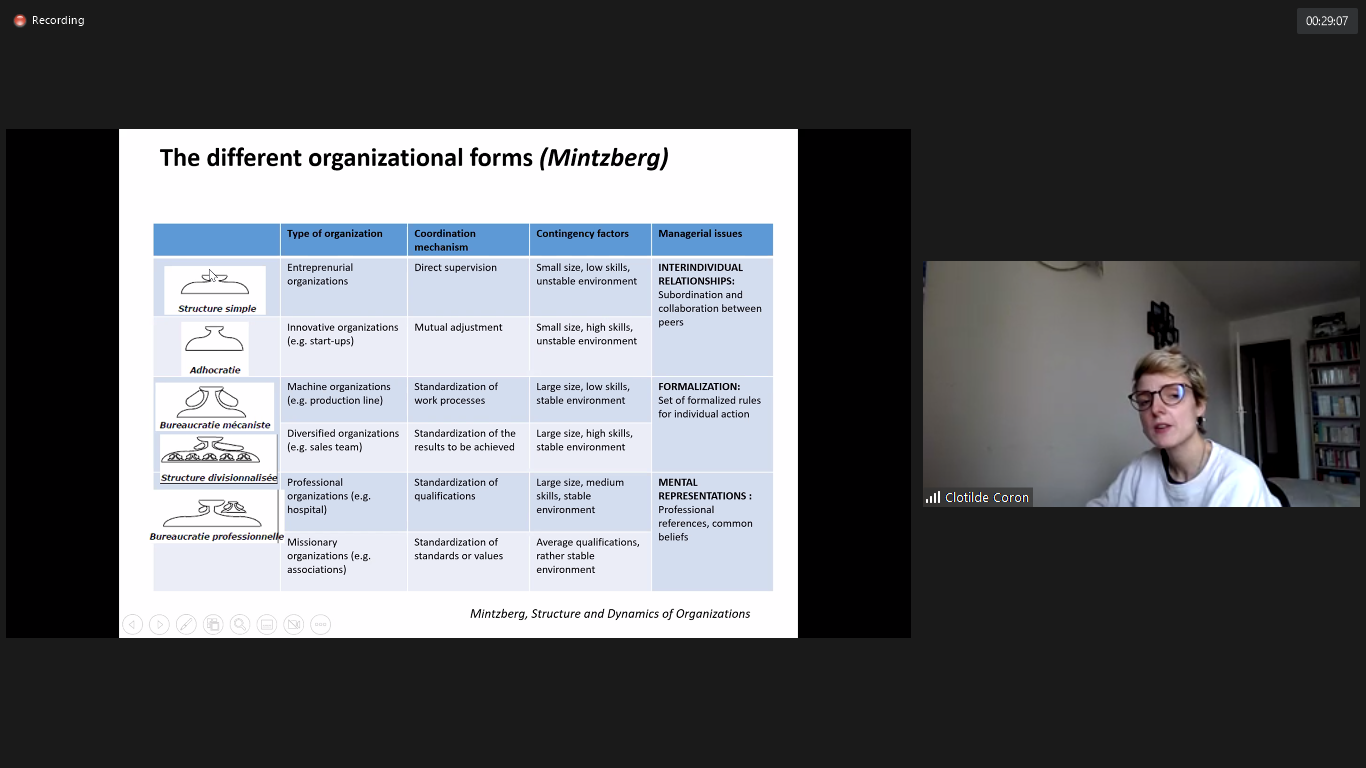
 The material presentation started with the organization configuration approach proposed by Mintzberg regarding the five internal actors in an organization, namely, the strategic plan officer (executive), middle management, center operation, technostructure, and supporting staff. “In the organizational configuration approach, each part of the five categories has a different role,” said Prof. Coron.
 The discussion about organization management is followed by the advantage of systems in human resource management and the significance of workplace flexibility. According to Prof. Coron, this flexibility is crucial in this VUCA environment, where transformation can happen quickly. For an organization, flexibility can be defined as the capacity to execute an initiative quickly and the capability to adjust organizational processes and structure.

 Further, she explains the digital technology applied in the human resource management sector and the existing challenges, which include disruption, economic platforms, collaboration, and automatization. On the other hand, she also mentioned the advantages of digital technology adoption in human resource management, including productivity improvement, enhanced focus on high-added-value assignments, and data usage for human resource performance improvement.