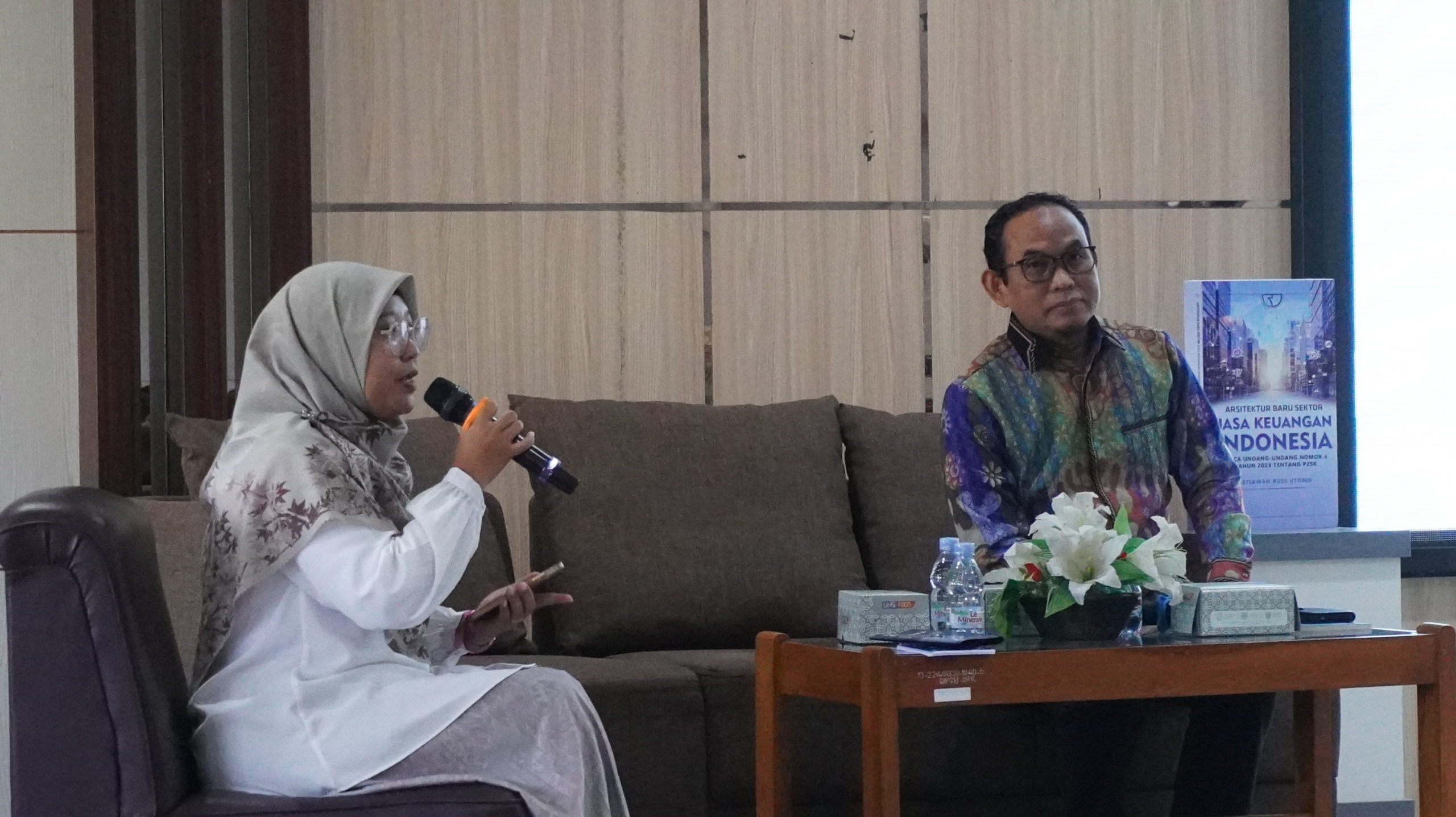
Management Study Program, Faculty of Economics and Business (FEB), Universitas Sebelas Maret (UNS) held a Book Review session entitled “The New Architecture of Indonesia’s Financial Services Sector After Law Number 4 of 2023 on the P2SK Law” on Monday, 24 November 2025 at the Soedarah Soepono Hall, FEB UNS. The event invited the author of the reviewed book, Setiawan Budi Utomo, Senior Executive Researcher (Director), Research Specialist, and Lecturer at OJK Institute. The session was moderated by Arum Setyowati, PhD., one of the lecturers at FEB UNS.
 This academic forum served as a platform to examine the major transformation of Indonesia’s financial services sector following the enactment of the P2SK Law, an omnibus regulation that restructures institutional architecture, supervisory scope, and the direction of national financial development.
Dr. Sinto Sunaryo, S.E., M.Si., SHRM.CP., Head of the Management Study Program, stated in her remarks that the current activity is expected to provide academic enrichment and expand students’ understanding. She highlighted the importance of bringing perspectives that align with Indonesia’s regulatory context, especially the policy landscape of the financial sector after the introduction of the P2SK Law.
“We encourage various perspectives from academics and practitioners, thus creating link and match between the two point-of-views. Students should not only learn theories but also understand how these theories operate within the Indonesian context. Please make the most of this event, ask as many questions as needed, and we hope Mr. Setiawan can share insights that help students understand the realities of the national financial sector,” she said.
The P2SK Law as a Milestone in National Financial Reform
In his presentation, Setiawan explained that prior to the enactment of the P2SK Law, Indonesia’s financial services sector faced several challenges, including fragmented regulations, overlapping mandates, weak coordination among authorities, and low financial inclusion in various regions. At least 17 sectoral laws operated independently, highlighting the urgent need for harmonization through an omnibus approach.
The P2SK Law, enacted in January 2023, represents a major leap in financial sector reform following the establishment of the Financial Services Authority (OJK) in 2011. Containing 341 articles, the regulation introduces institutional strengthening, broader supervisory coverage, digital governance, consumer protection, and the advancement of sharia finance and sustainable financing.
 Institutional Transformation and Coordination Strengthening
One of the key components of the P2SK Law is the enhancement of cross-authority coordination among OJK, Bank Indonesia, LPS, and the Ministry of Finance through the Financial System Stability Committee (KSSK). The Committee now holds a stronger legal basis for crisis prevention, early intervention, and policy protocol formulation during systemic stress.
The supervision of financial services cooperatives and Microfinance Institutions (LKM) has also shifted under OJK’s authority, creating a more integrated supervisory structure. This change is significant because many cooperatives and LKM previously operated without adequate governance standards.
Banking Reform and the Emergence of Digital Banks
 In the banking sector, the speaker emphasized that the P2SK Law adopts a more systematic risk-based supervision through three categories: normal, intensive, and special supervision. The Law also supports the consolidation of BPR/BPRS, the strengthening of sharia banking structures, and the acceleration of digital service transformation. The emergence of digital banks has become a strategic development. The P2SK Law provides clearer governance guidelines related to minimum capital, cybersecurity, digital know your customer (KYC) mechanisms, and technology risk management. The Law also encourages the integration of environmental, social, and governance (ESG) principles into financing portfolios as part of the transition toward sustainable finance.
Non-Bank Financial Sector and Financial Technology Innovation
 Regulation transformation extends to the non-bank sector, including insurance, pension funds, financing companies, and venture capital firms. These industries are required to improve governance, enhance digital transformation, and strengthen service transparency.
Regarding technology, the speaker described how the P2SK Law regulates Financial Sector Technology Innovation (ITSK), including fintech, e-wallets, peer-to-peer lending, insurtech, and digital assets. The regulation covers licensing, personal data protection, real-time digital reporting, and the development of regulatory sandboxes and innovation hubs that facilitate collaboration between regulators and industry players. Consumer protection in the digital ecosystem is also a central focus, particularly through algorithm transparency, limitations on personal data access, and the establishment of AI-based complaint channels.
Financial Inclusion, Cooperatives, and Sharia Finance
The P2SK Law introduces strategies to expand financial inclusion, particularly for women, MSME actors, persons with disabilities, and communities in underdeveloped regions. Local governments are encouraged to integrate inclusion programs into their medium-term development plans and regional budgets. With regard to cooperatives and LKM, the book highlights the need for governance improvements, reporting standardization, human resource certification, and strengthened oversight to prevent predatory practices conducted under the guise of cooperatives. The P2SK Law also places significant emphasis on sharia finance, including alignment with the halal ecosystem, sharia compliance mechanisms, and the development of sharia-based financing instruments.
 The discussion session was highly interactive, with questions from participants regarding implementation challenges, digital transformation readiness, and the role of students in contributing to the financial sector’s governance in the future. “The success of the P2SK Law depends heavily on human resource capacity, the harmonization of derivative regulations, and the ability of financial institutions to adapt to technology,” Setiawan said.
This activity supports SDG 8 (Decent Work and Economic Growth) through enhanced literacy of the financial sector, SDG 10 (Reduced Inequalities) through improved access to inclusive finance, and SDG 16 (Peace, Justice and Strong Institutions) through strengthened understanding of financial governance and institutional regulation.
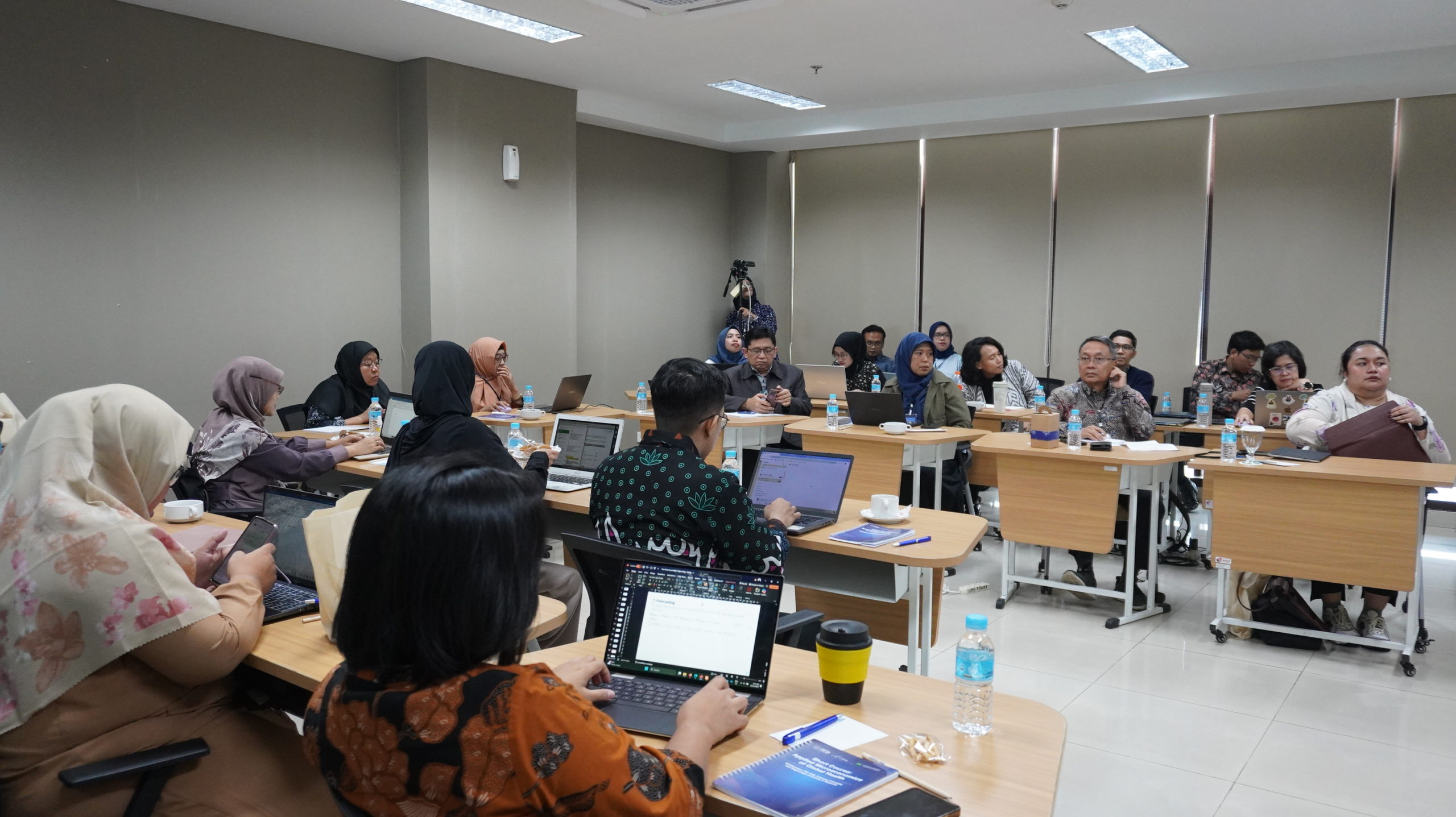


 “This workshop brings together economists and health scholars so that we can examine major issues such as malnutrition, pandemics, and mental health from interdisciplinary perspectives. Hopefully, this activity will not only expand knowledge but also broaden networks and research collaboration,” said Prof. Tri.
 Over three days, participants take part in six structured intensive sessions. On the first day, discussions focus on Universal Health Coverage and the Economics of Nutrition & Stunting. Participants also join small group activities guided by the speakers. Each group is asked to identify one relevant public health issue, share perspectives, and agree on a topic to be analyzed throughout the workshop series. The groups then present their initial findings before proceeding to the next sessions.
 The first day concludes with a cultural activity at Javanologi UNS, where speakers and participants have the opportunity to play gamelan, learn about traditional Javanese instruments, and experience firsthand the cultural practices that form an essential aspect of local heritage.
 On the second day, the program continues with discussions on Nutrition Transition & the Triple Burden of Malnutrition and Globalization & Health. The third day centers on Health Behaviours & Behavioural Field Experiments and a Behavioural Design Tutorial. The short course concludes with a closing dinner.
 Prof. Tri hopes that this program becomes a platform for researchers, practitioners, and academics from multiple disciplines to strengthen shared understanding of global health economics. “I hope you enjoy this program and experience the hospitality of UNS and the city of Solo,” she concluded.

 In his opening remarks, Mulyadi, S.E., M.Ec.Dev., Ph.D., Lecturer at FEB UNS, emphasized the importance of this activity as a platform for cross-cultural learning. He encouraged students to use the opportunity to actively practice their English communication skills. “I expect active participation from the students. Push yourselves to the fullest so that your English proficiency improves through direct conversations with international students,” stated Dr. Mulyadi. He further noted that such interactions can expand students’ perspectives, particularly for those planning to pursue further studies abroad.
 Meanwhile, Sylivia highlighted the importance of having an interest in the country one plans to visit. Such interest, she explained, helps individuals better prepare for life in a new environment. “Although many people can speak English, there are still situations, such as in traditional markets, where we need to understand the local language,” she noted while sharing her experiences in Indonesia.
 Tazegul shared her personal experience attending an English training center, where all participants were constantly encouraged to communicate in English, even if imperfectly. “Because we were used to speaking English every day, my skills improved rapidly; the environment plays a major role,” she explained.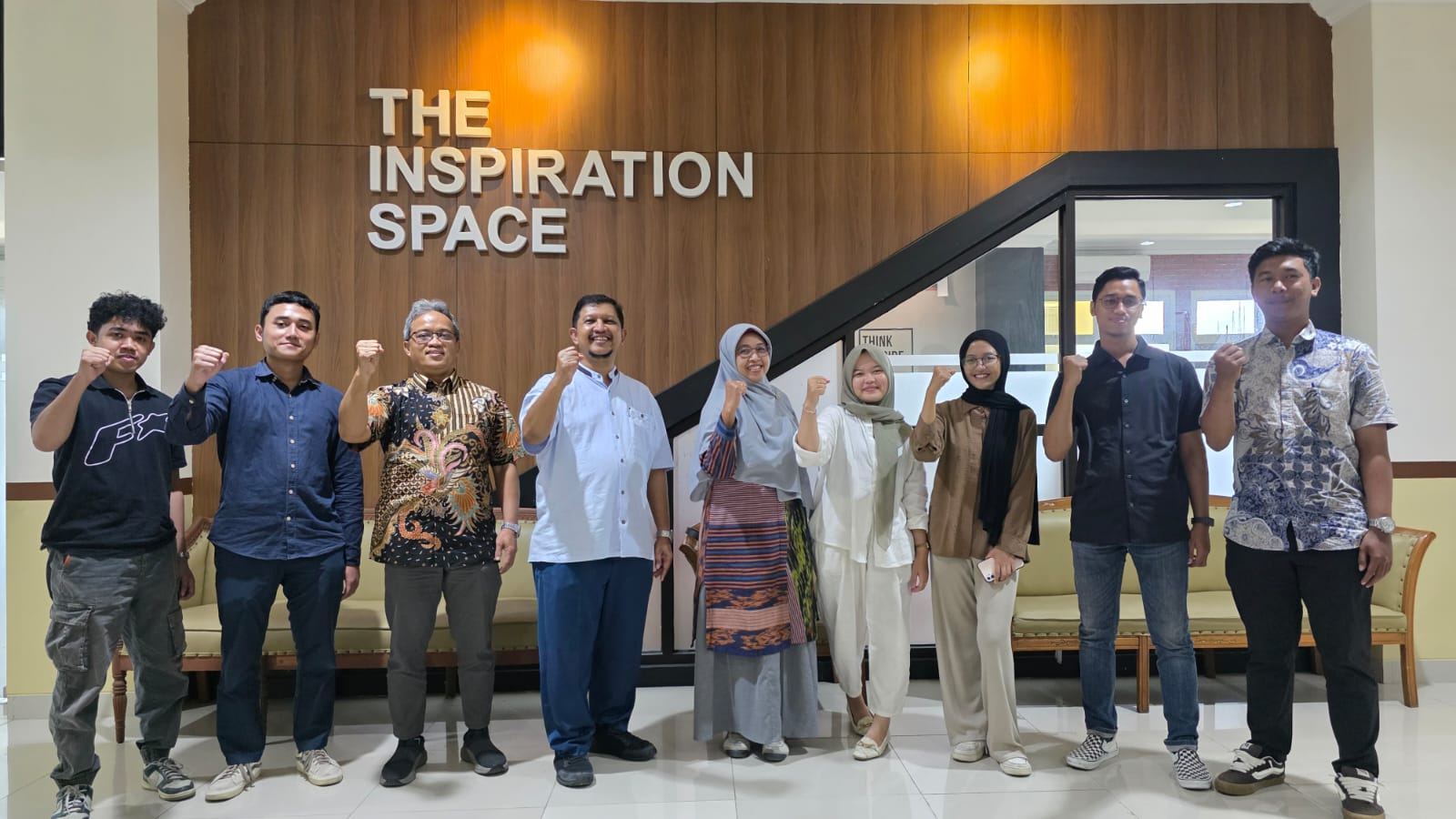
 She pointed out the need for multidisciplinary approaches, including product design, consumer behavior analysis, and digital marketing strategies, to ensure that tenants remain competitive. For her, the success of an incubator depends not only on physical facilities but also on strong mentoring networks, market access, and the integration of research outcomes with industry needs.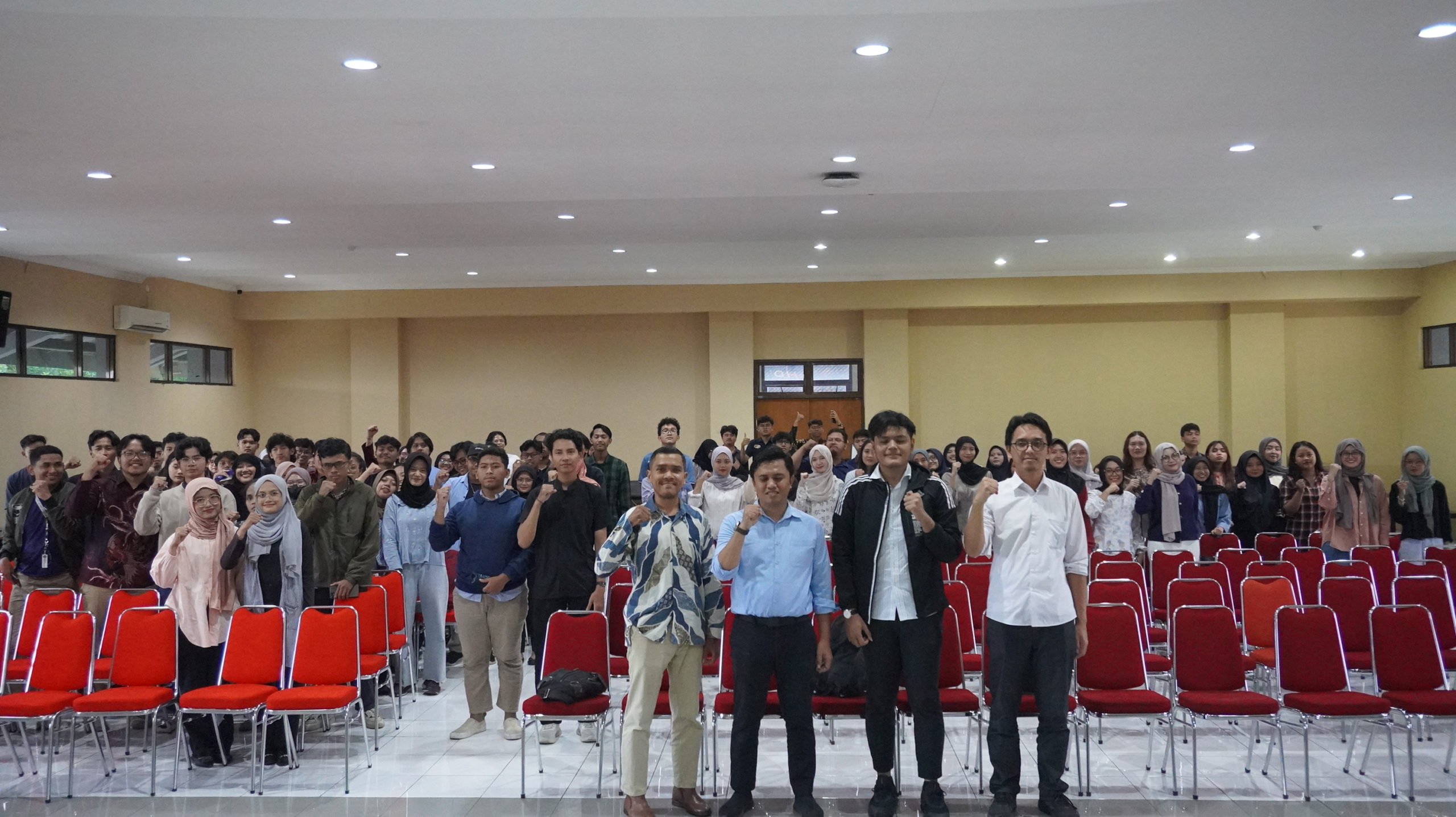
 The session, which presents two FEB UNS alumni as speakers, is opened by Tastaftiyan Risfandy, S.E., M.Sc., Ph.D., Vice Dean for Student and Alumni Affairs FEB UNS. In his opening remarks, he emphasized that the program provides an important platform for students to understand any relevant competencies required in the current and future industry needs. “Students must be able to recognize the direction of industrial change, understand the competencies that you will need, prepare for it, and build the confidence needed to pursue their career paths,” he stated.
 In the first session, Adhi Rohman Tri Widagdo, Senior Analyst II Financing at PT Pertamina Geothermal Energy Tbk., shares insights on financial competencies, business analysis, and the growing demand for human resources capable of adapting to developments in sustainable energy. Adhi highlights the changing landscape of the labor market shaped by digital transformation, automation and AI, and the transition toward sustainable and green industries. He emphasizes that graduates today must go beyond theoretical knowledge to develop critical thinking, problem-solving abilities, technological literacy, data proficiency, communication skills, and creativity.
 The next session is delivered by Syaiful Amri, Sub Branch Head KCPS Klaten, Bank BTN, who explains the development of the banking industry, particularly the housing finance sector. He outlines the strategic role of Bank BTN as a pioneer in the national housing market, having financed more than five million mortgage units, including 300 thousand Sharia-based mortgages.
 This 2nd Batch of Pre-Job Training serves as one of FEB UNS’s strategic initiatives to connect students with contemporary industry requirements. Through insights on emerging competency trends, sectoral developments, and mental preparedness, the program contributes to enhancing the competitiveness of FEB UNS graduates in the job market.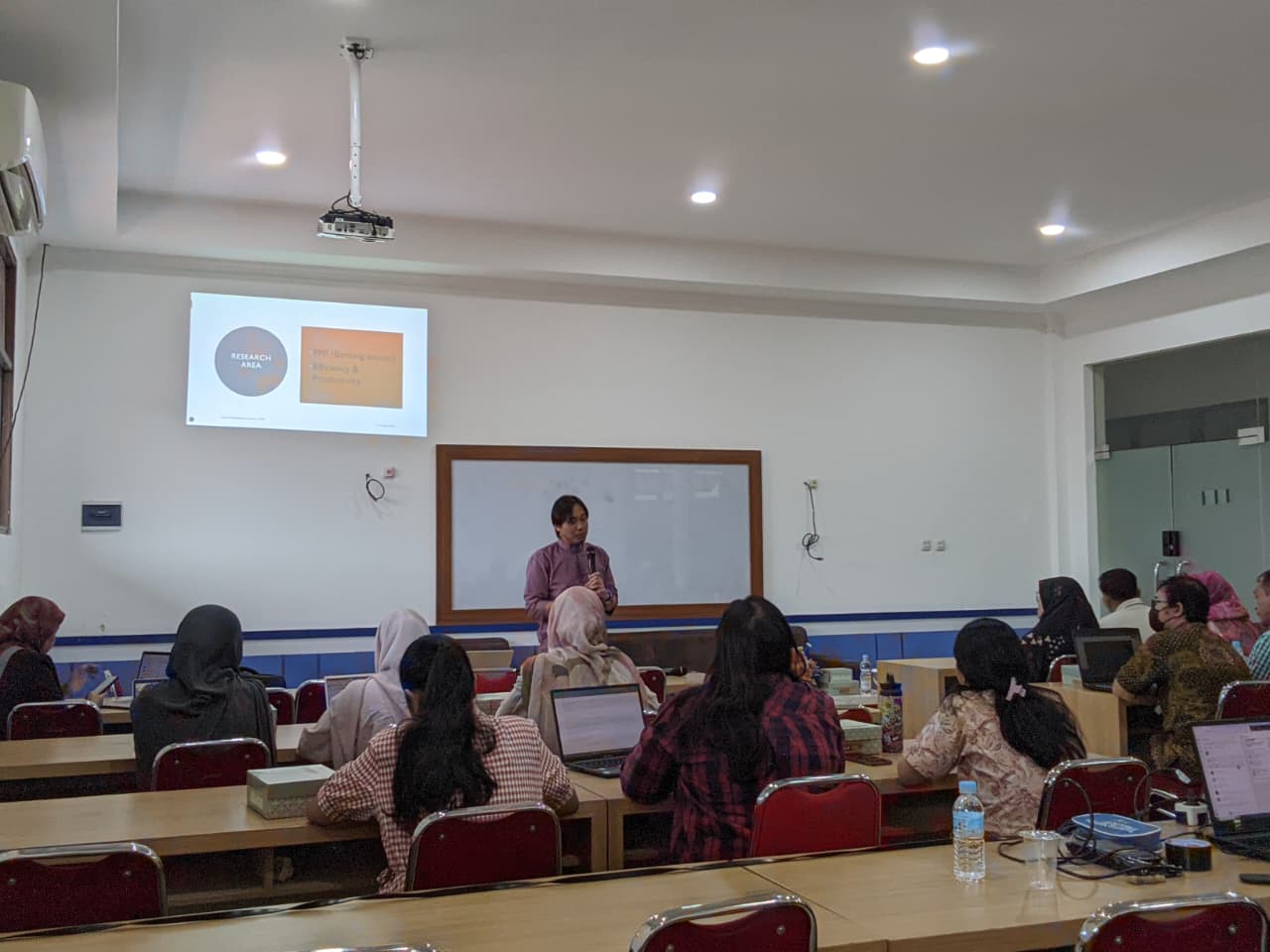
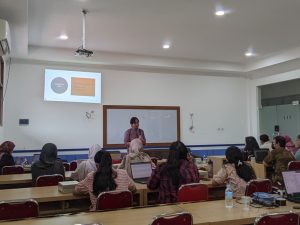 “Meanwhile, for editors, there are three aspects they will consider: similarity, scope alignment, and novelty. Novelty is subjective and concerns new contributions. Its assessment depends on the editor of the journal,” explained Assoc. Prof. Fakarudin.
 During his presentation, Heri delivers material titled “The Happiness Trap: Finding Peace Amid Pressure.” He explains that many individuals unconsciously fall into the expectation of being constantly happy, a condition that often intensifies dissatisfaction and anxiety. He emphasizes that genuine happiness does not arise from avoiding difficulties, but from the ability to find meaning in every stage of life.
 Participants demonstrate strong enthusiasm throughout the program. Many actively engage in discussions, share experiences regarding workplace pressures, and practice emotional management techniques introduced by the speaker. Additionally, the roleplay and Feeling Game sessions also generate high participation, reflected through group interactions, communication practice, and simulated work scenarios. Positive responses emerge as participants encounter practical concepts applicable to daily routines, including strategies for managing energy, strengthening positive mindsets, and addressing minor conflicts in the work environment.
 The training provides Academic Support Staff not only with new knowledge but also with opportunities to build stronger working relationships and enhance well-being in fulfilling daily responsibilities. This initiative aligns with FEB UNS’s commitment to supporting the Sustainable Development Goals (SDGs), particularly SDG 3 (Good Health and Well-Being), SDG 4 (Quality Education), and SDG 8 (Decent Work and Economic Growth). Through this program, FEB UNS continues to promote a healthy, productive, and sustainable work environment.