FEB

Kategori: faculty

  • Expert Team Contributions in the Pre-Feasibility Assessment of Batik Ulu Bengkulu Technology Downstreaming

    Expert Team Contributions in the Pre-Feasibility Assessment of Batik Ulu Bengkulu Technology Downstreaming

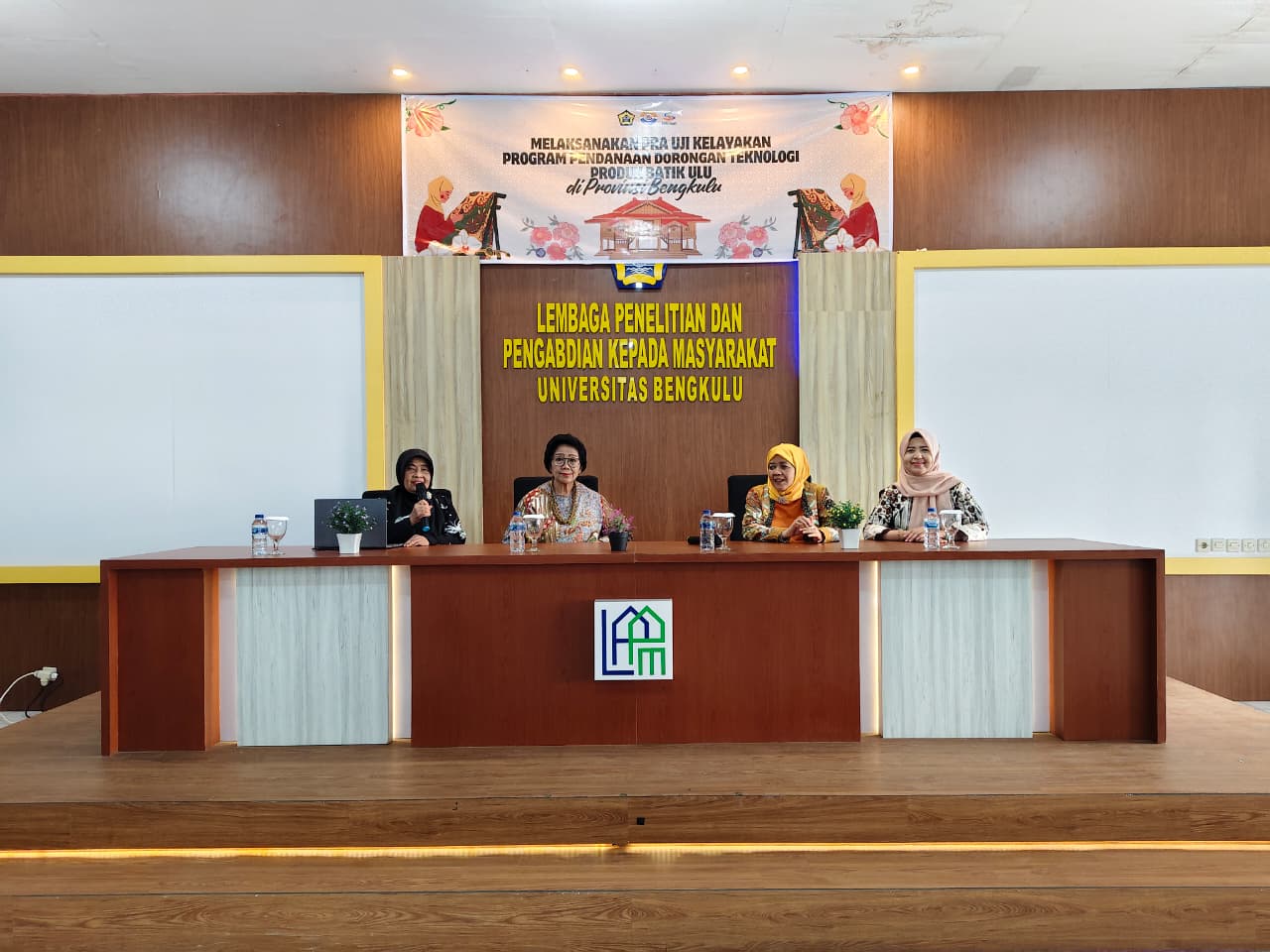
    A continuous effort to develop Batik Ulu, as a cultural heritage of Bengkulu through a comprehensive study is carried out by the Expert Team of the Priority Research Downstreaming Program – Technology Acceleration. This assessment examines technology readiness, market potential, regulatory compliance, financial feasibility, and business model formulation to advance future commercialization prospects for Batik Ulu. The activity involves interdisciplinary researchers from various universities, each contributing expertise relevant to the program.

    One of the key contributors, Prof. Dr. Rahmawati, M.Si., Ak., plays an essential role, particularly in the areas of finance, investment, and risk management. Her expertise is crucial in analyzing production cost structures, estimating investment requirements, projecting financial feasibility, and identifying risk mitigation strategies for batik MSMEs. Her extensive experience in MSME financial analysis and her portfolio of intellectual property works related to batik further strengthens the methodological rigor and recommendations produced by the team.

    Other than Prof. Rahmawati, the expert team includes Dr. Siti Nurlaela, M.Si., Ak., CA. (Chair), with expertise in business models and the batik market; Dr. Ismiyanto, SH., MH., with expertise in legal and regulatory aspects, including intellectual property; Ratna Endah Santosa, S.Sn., M.Sn., specializing in batik design and textile arts; and Prof. Endang Dwi Amperawati, M.M., specializing in marketing and product commercialization.

    Within this assessment, Prof. Rahmawati contributes primarily to the financial feasibility analysis and cost structure formulation for the development of new Batik Ulu technology; financial risk assessment related to the use of new dyeing and heating technologies, including the application of natural dyes derived from powdered bovine bone; and the reinforcement of MSME financial management, particularly through training on accounting digitalization and the preparation of sales dashboards. She also engages in evaluating both limited and extensive field trials to ensure cost efficiency and the potential for improved margins for artisans.

    The team’s activities also include focus group discussions, problem mapping, technology development for production processes, training on intellectual property and trademarks, and the formulation of new motifs. All activities are conducted together with the Regional Development Planning Agency (Bappeda) of Bengkulu Municipality and Batik Ulu MSMEs to ensure that the proposed solutions can be applied directly in practice.

    This assessment is expected to produce an innovative and financially viable downstreaming model for Batik Ulu that enhances the competitiveness of MSMEs, with analytical contributions from Prof. Rahmawati ensuring that each recommendation is supported by sound and sustainable financial considerations.

    The activity supports SDG 8 (Economic Growth), SDG 9 (Innovation and Infrastructure), and SDG 12 (Sustainable Production) through MSME capacity development, technological innovation, and cultural preservation.

  • FEB UNS Receives a Visit from FEB Universitas Cenderawasih Jayapura

    FEB UNS Receives a Visit from FEB Universitas Cenderawasih Jayapura

    Faculty of Economics and Business (FEB), Universitas Sebelas Maret (UNS), receives a benchmarking visit from the Faculty of Economics and Business, Universitas Cenderawasih (UNCEN) Jayapura. The entourage was welcomed directly by the Dean of FEB UNS, Prof. Bhimo Rizky Samudro, S.E., M.Si., Ph.D., along with the faculty leadership and staff. This occasion was conducted in Meeting Room I, Soeharno TS Building, on 6 November 2025.

    Started with an overview of FEB UNS’s academic programs, followed by an open discussion facilitated by the faculty leadership, the session aims to develop collaboration in academic development, student affairs, and faculty governance.

    In his remarks, Prof. Bhimo highlights the importance of institutional collaboration. He stated that each faculty has distinctive research strengths that can complement one another. “We are very open to discussion and collaboration. Without collaboration, progress will be difficult to achieve. Academic partnerships are essential, especially considering the many unique research topics in the eastern region that we do not encounter here,” he stated.

    Meanwhile, Dr. Agustinus Numberi, S.E., M.M., Vice Dean I of FEB Universitas Cenderawasih, states that their visit was intended to learn about academic practices, student affairs, and financial services at FEB UNS.

    “We are currently developing an integrity zone, and therefore we want to learn how UNS implements a one-stop service and effective administrative management. In addition, we see many opportunities for research collaboration, particularly in studies related to culture and human resource development,” he explained.

    He further explains that FEB UNCEN consists of three departments with eight study programs offered at the undergraduate, master’s, and doctoral levels. All programs currently hold an “Excellent” accreditation status, and several are preparing for further accreditation processes.

    The discussion proceeded constructively leading to opportunities for broader cooperation between the two faculties in education, research, and institutional capacity development. This meeting also contributes to the advancement of the Sustainable Development Goals (SDGs), particularly those related to quality education and partnerships for development.

  • FEB UNS and Central Java Regional Research and Innovation Agency to Conduct Research on the Free Nutritious Meal Program in Three Regions of Central Java

    FEB UNS and Central Java Regional Research and Innovation Agency to Conduct Research on the Free Nutritious Meal Program in Three Regions of Central Java

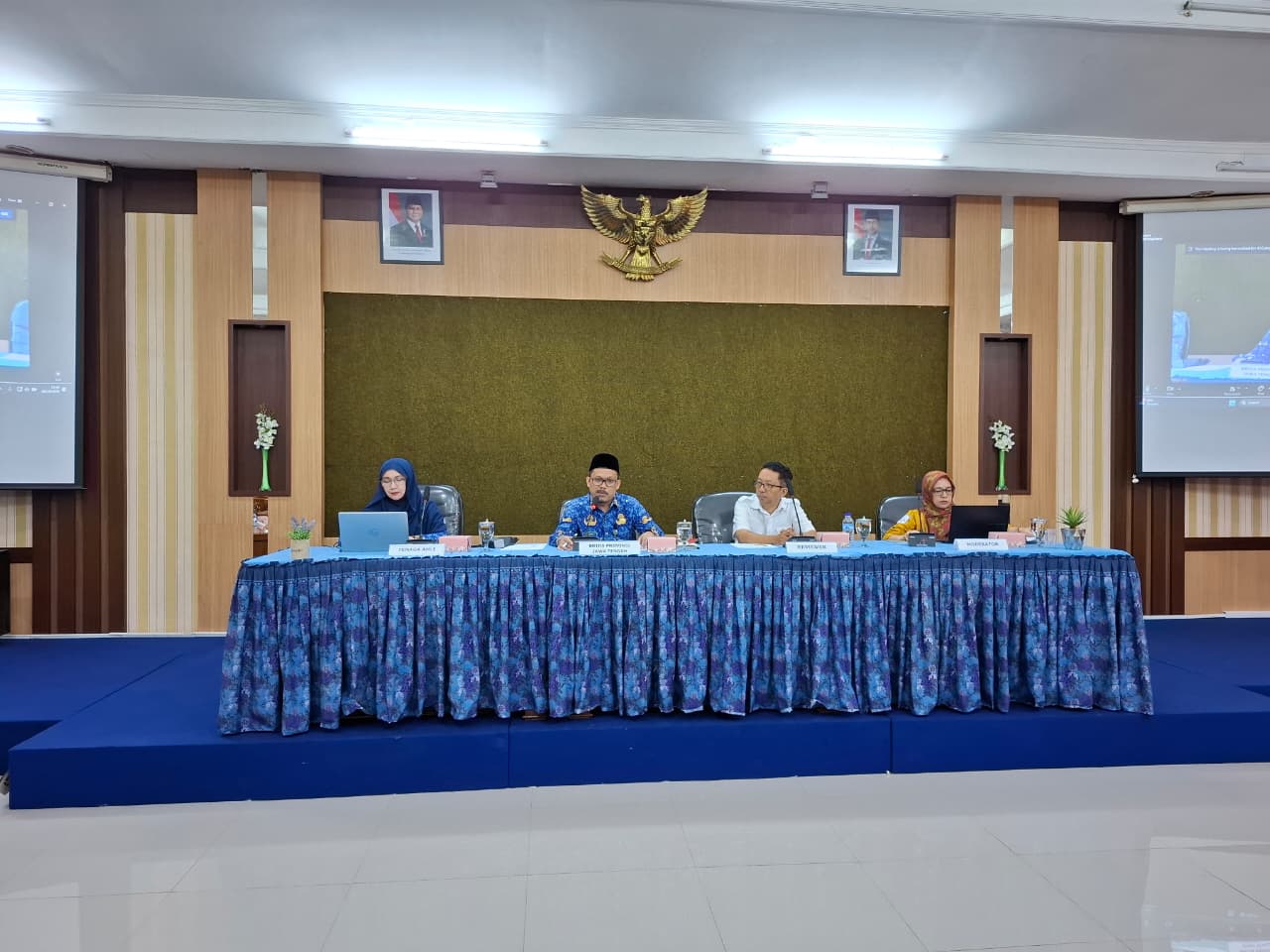
    Faculty of Economics and Business (FEB), Universitas Sebelas Maret (UNS), continues to demonstrate its contribution to public policy research through its collaboration with the Central Java Regional Research and Innovation Agency (Brida). This partnership produced an in-depth analysis of the implementation of the Free Nutritious Meal (MBG) Program, a strategic initiative designed to enhance community nutrition, support education, reduce household economic burdens, and promote the utilization of local food resources.

    The research team from FEB UNS was led by Prof. Dr. Izza Mafruhah, S.E., M.Si., together with Dewi Ismoyowati, S.E., M.Ec.Dev., Dr. Nurul Istiqomah, S.E., M.Si., and several students. The study examined three selected regions—Demak Municipality, Wonosobo Municipality, and Pekalongan City—using a comprehensive academic approach to observe how the MBG Program operates in practice, particularly in relation to the availability of local food resources and the dynamics of fulfilling the nutritional needs of targeted beneficiaries.
    The findings indicate that the participation of local producers in supplying food for the MBG Program remains limited, requiring strengthened distribution efficiency and improved collaboration between local governments, food providers, and other stakeholders. The study also highlights the significance of developing supporting infrastructure, capacity-building for stakeholders, management of organic and inorganic waste, as well as nutrition and health education aligned with directives from the National Nutrition Agency (BGN).

    The research illustrates the ongoing progress of MBG implementation in Central Java. As of October 2025, a total of 1,596 Food and Nutrition Provision Units (SPPG) have been established, representing 49.4 percent of all districts and cities. These data provide an essential foundation for local governments to refine implementation strategies, particularly in strengthening regional independence in providing nutritious food.
    Through its involvement in this research initiative, FEB UNS reaffirms its active role as a strategic partner for government institutions in formulating evidence-based policies. This contribution also aligns with FEB UNS’s commitment to supporting the Sustainable Development Goals (SDGs), particularly those related to ending hunger, improving health and well-being, and fostering partnerships for development.

  • FEB UNS Expands Research Network by Engaging Malaysian Academics

    FEB UNS Expands Research Network by Engaging Malaysian Academics

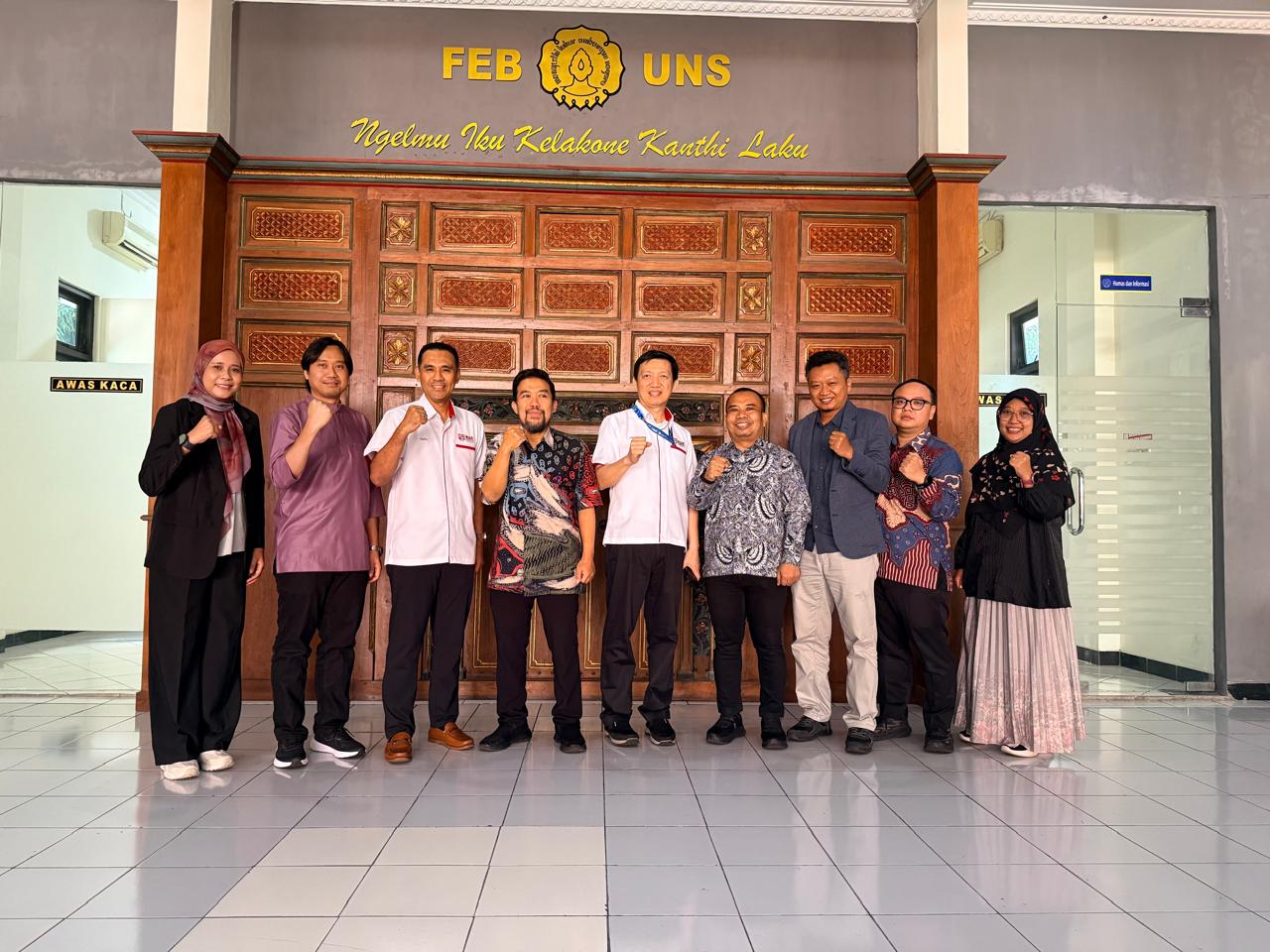
    Faculty of Economics and Business (FEB), Universitas Sebelas Maret (UNS), welcomed four academics from leading Malaysian universities as part of its effort to strengthen research collaboration and broaden international academic engagement on Friday, 31 October 2025. The visiting scholars are Prof. Law Siong Hook (School of Business and Economics, Universiti Putra Malaysia), Prof. Mohamad Fazli Sabri (Faculty of Human Ecology, Universiti Putra Malaysia), Dr. Fakarudin Bin Kamarudin (School of Business and Economics, Universiti Putra Malaysia), and Dr. Nazratul Aina binti Mohd Anwar (Universiti Sains Islam Malaysia).

    The delegation was welcomed by the Dean of FEB UNS, Prof. Bhimo Rizky Samudro, alongside with the Vice Dean for Non-Academic Affairs, Sutaryo, Ph.D., Head of the Center for Fintech and Banking, Putra Pamungkas, Ph.D., Arum Setyowati, Ph.D., and Linggar Ikhsan Nugroho, M.Ec.Dev.

    Speaking to feb.uns.ac.id, Prof. Bhimo stated that FEB UNS has maintained long-standing academic network with some of the visiting scholars through joint research, student advisory activities, and academic exchange among faculty members. “We have a numerous collaborations with several colleagues from Malaysia for a considerable period, particularly through the Center for Fintech and Banking UNS. Some of them are acting as external supervisors for FEB UNS master’s and doctoral students. This meeting serves to consolidate existing networks and formalize ongoing cooperation,” he explained.

    He further noted that Universiti Putra Malaysia (UPM) is accredited by AACSB in the field of business. UPM was the first institution in Malaysia to receive the accreditation for its Faculty of Economics and Management (now School of Economics and Business), marking an important momentum for FEB UNS, which is currently preparing its Eligibility Application as an initial step toward the accreditation.

    In the AACSB preparation process, FEB UNS requires international partners who can provide feedback, informal advisory support, and document review. The presence of UPM scholars, who have frequently engaged with FEB UNS, creates opportunities for such support. “They have visited FEB UNS multiple times and have been involved in numerous joint researches with our faculty. Informally, we receive valuable input for the preparation of AACSB documents, including the review of processes,” Prof. Bhimo added.
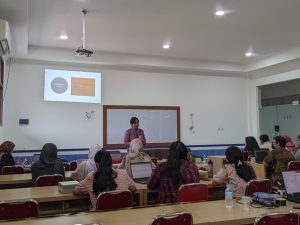
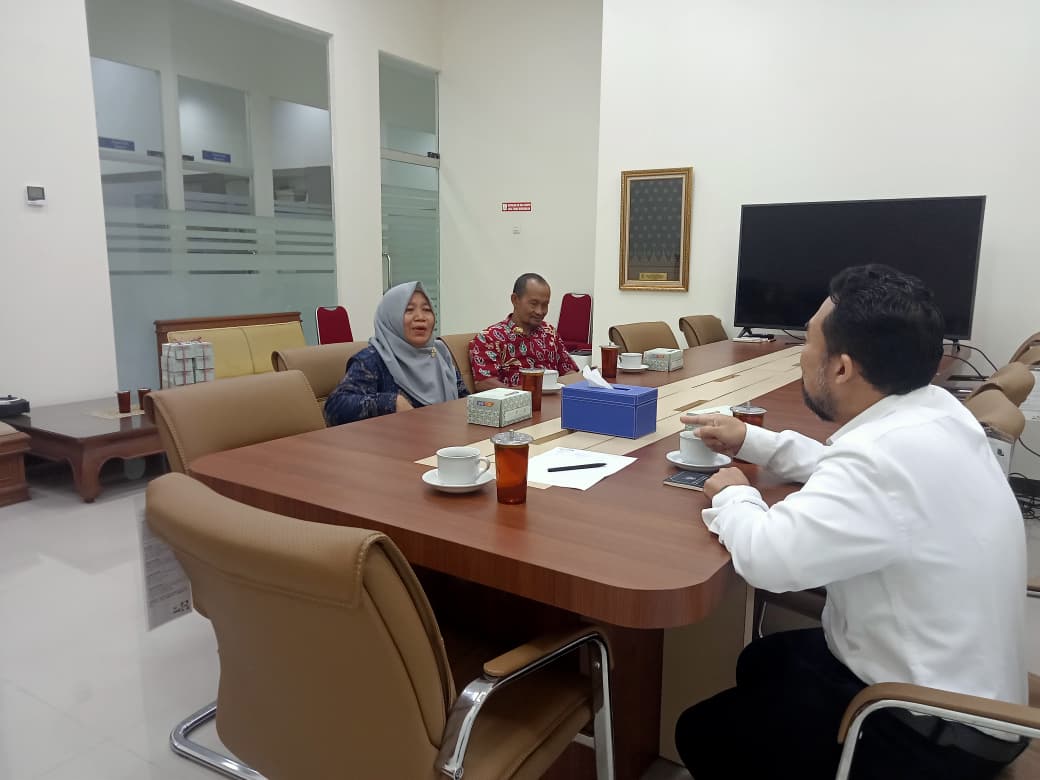
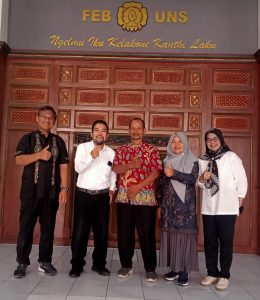
    Aside from the formal meeting, the Malaysian academics delivered public lectures and workshops that received strong interest from students and faculty members. Intensive discussions took place, particularly in master’s and doctoral classes, where research methodology became the main point of exchange.

    “Students were highly engaged, resulting in constructive discussions that open new avenues for collaborative research. Our colleagues from Malaysia also seek opportunities for joint publications, and Indonesia provides a highly collaborative environment,” he said.

    In the coming weeks, FEB UNS will continue its preparation for AACSB documentation. The team aims to finalize the required documents by mid-November, followed by an internal review process before resubmission in April. Furthermore, research collaborations that have previously been conducted through personal networks will begin to be formalized within the institutional database to ensure that all academic partnerships are well-documented and contribute to accreditation processes and faculty development.

    This engagement reaffirms FEB UNS’s commitment to expanding its international research network, enhancing academic quality, and advancing cross-country collaboration. The initiative also supports the Sustainable Development Goals (SDGs), particularly Quality Education (SDG 4) and Partnerships for the Goals (SDG 17).

  • FEB UNS and FEB Universitas Jember Establish Strategic Collaboration to Strengthen the Higher Education Tri Dharma Activities

    FEB UNS and FEB Universitas Jember Establish Strategic Collaboration to Strengthen the Higher Education Tri Dharma Activities

    Faculty of Economics and Business (FEB), Universitas Sebelas Maret (UNS), welcomed an official visit from the Faculty of Economics and Business, Universitas Jember (UNEJ), for a discussion and the signing of a Cooperation Agreement (PKS) on Monday, 27 October 2025. The event took place in the Dean Office Meeting Room and was attended by the Dean of FEB UNS, Prof. Bhimo Rizky Samudro, and the Dean of FEB UNEJ, Prof. Istifada, along with the Head of the Management Study Program, Dr. Sinto Sunaryo, and the Head of the Accounting Study Program, Prof. Doddy Setiawan.

    The signing of the agreement marks an important step for both faculties in strengthening collaboration in the implementation of the Higher Education Tri Dharma activities. At UNS, the cooperation focuses on academic collaboration, joint research activities, and Community Engagement initiatives.

    Prof. Bhimo states that FEB UNS and FEB UNEJ has been establishing academic collaboration for a considerable time, although previously conducted informally through external examinations and seminar invitations. Through this agreement, all activities will be formally documented in accordance with the UNS Rector’s new policy emphasizing the importance of maintaining an institutional record of collaborative activities between UNS faculty members and external partners.

    In earlier years, both faculties also engaged in student exchange under the MBKM program when learning activities were still conducted virtually. Given the current context, future collaboration will place greater emphasis on joint research and Community Engagement activities, which are considered more relevant and sustainable.

    According to Prof. Bhimo, FEB UNEJ’s possesses particular academic strengths that can enrich the collaboration. FEB UNEJ is known for its expertise in plantation economics, a specialization that is not available at FEB UNS and serves as a distinguishing feature in UNEJ’s academic and research profile. “Based on my experience working with them, FEB UNEJ has a distinctive focus on plantation economics. This complements our academic development and opens opportunities for more specific collaborative research topics,” he explained.

    UNEJ currently holds the status of a Public Service Agency (BLU) university and is in the process of transitioning toward a Legal Entity State University (PTN-BH). During the meeting, the UNEJ delegation expressed interest in learning from UNS’s experience in organizational management, institutional governance, and the transformation process toward becoming a legal entity university.

    During the discussion, Prof. Bhimo also proposed new research ideas. Particularly, he noted the issues related to salt farmer economics, which present promising opportunities for future collaborative research. Both faculties agreed that a structured partnership will contribute significantly to enhancing academic quality, research development, and societal contributions.

    This collaboration also aligns with the commitment of both institutions to advancing quality education and sustainable development, in accordance with the Sustainable Development Goals (SDGs), particularly those related to Quality Education (SDG 4), Partnerships for the Goals (SDG 17), and institutional capacity development.

  • Discussing Data Envelopment Analysis, GRISKA and P4M FEB UNS Invited Assoc. Prof. Fakarudin Kamarudin from Universiti Putra Malaysia

    Discussing Data Envelopment Analysis, GRISKA and P4M FEB UNS Invited Assoc. Prof. Fakarudin Kamarudin from Universiti Putra Malaysia

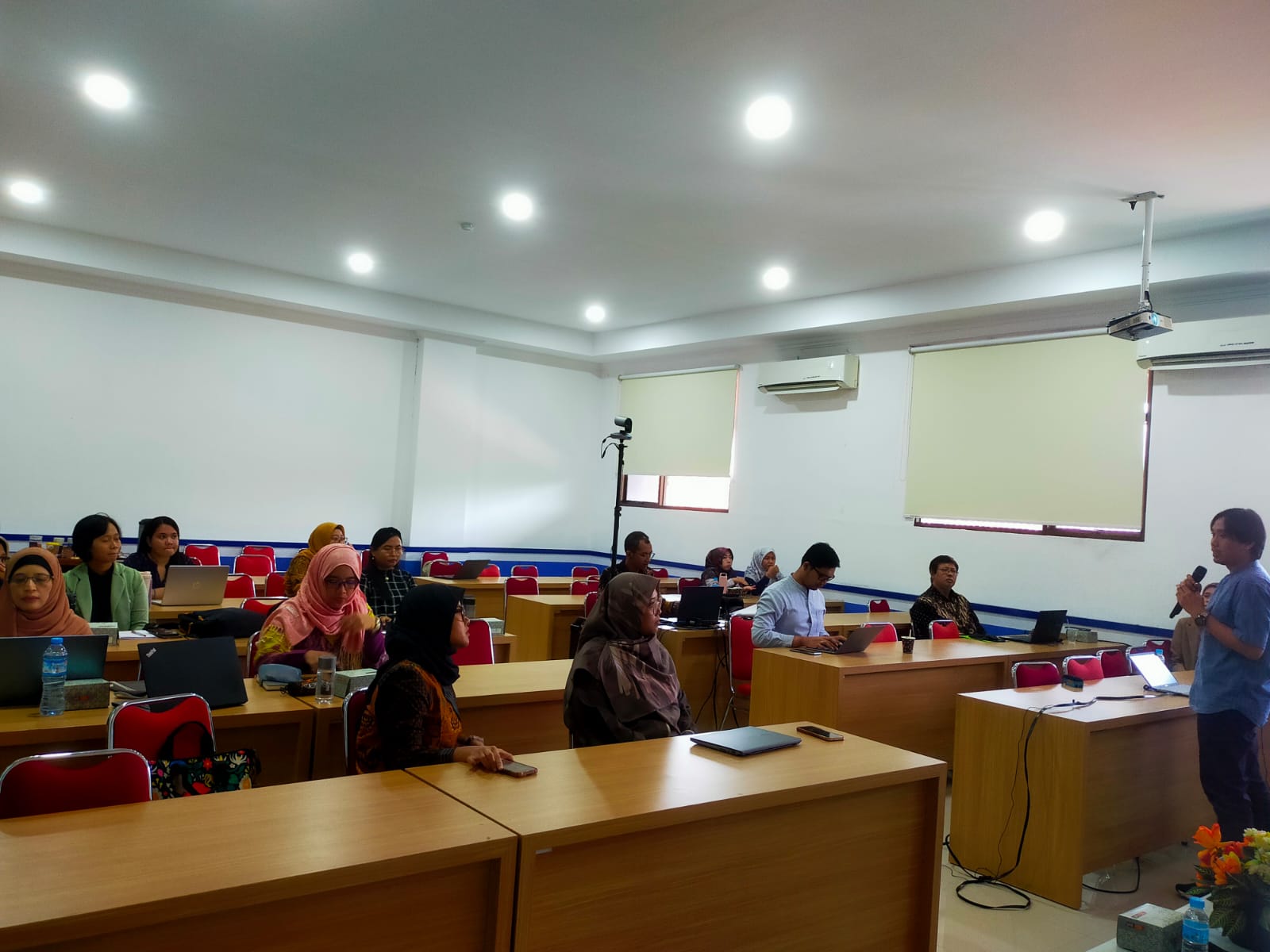
    The Institutional and Financial Market Research Group (GRISKA), in collaboration with the Center for Research and Community Engagement Development (P4M), Faculty of Economics and Business (FEB), Universitas Sebelas Maret (UNS), organizes a Guest Lecture titled “Advancing Research Capacity: From Data Envelopment Analysis to Reputable Publications.” The workshop and talk session features Assoc. Prof. Fakarudin Kamarudin, Ph.D., from Universiti Putra Malaysia, a specialist in data analysis using the Data Envelopment Analysis (DEA) method.

    Opening his presentation, Assoc. Prof. Fakarudin explains the concepts of productivity and efficiency, noting that an organization with a larger output quantity is not necessarily effective. “If we are given additional information, such as data on the resources (inputs) used, we can see that a firm with smaller input and a certain level of output may be more efficient than a firm with both high output and high input,” he states.
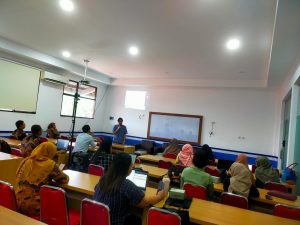
    He further emphasizes that DEA is an appropriate analytical tool for measuring efficiency in situations involving multiple inputs and outputs. He also notes that DEA is not limited to the financial sector. This point is supported through a comprehensive explanation of the historical development of DEA since its introduction by W. Cooper in 1978. As the method evolves, DEA begins to be applied in various sectors, including educational institutions, hospitals, and courts.

    “Thus, DEA is not used only in the financial sector; it can be applied across disciplines as long as we can determine the input, output, and decision-making unit of the research subject,” he adds.
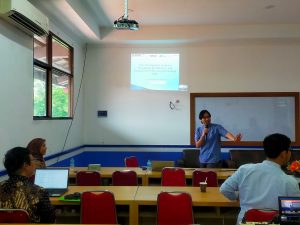
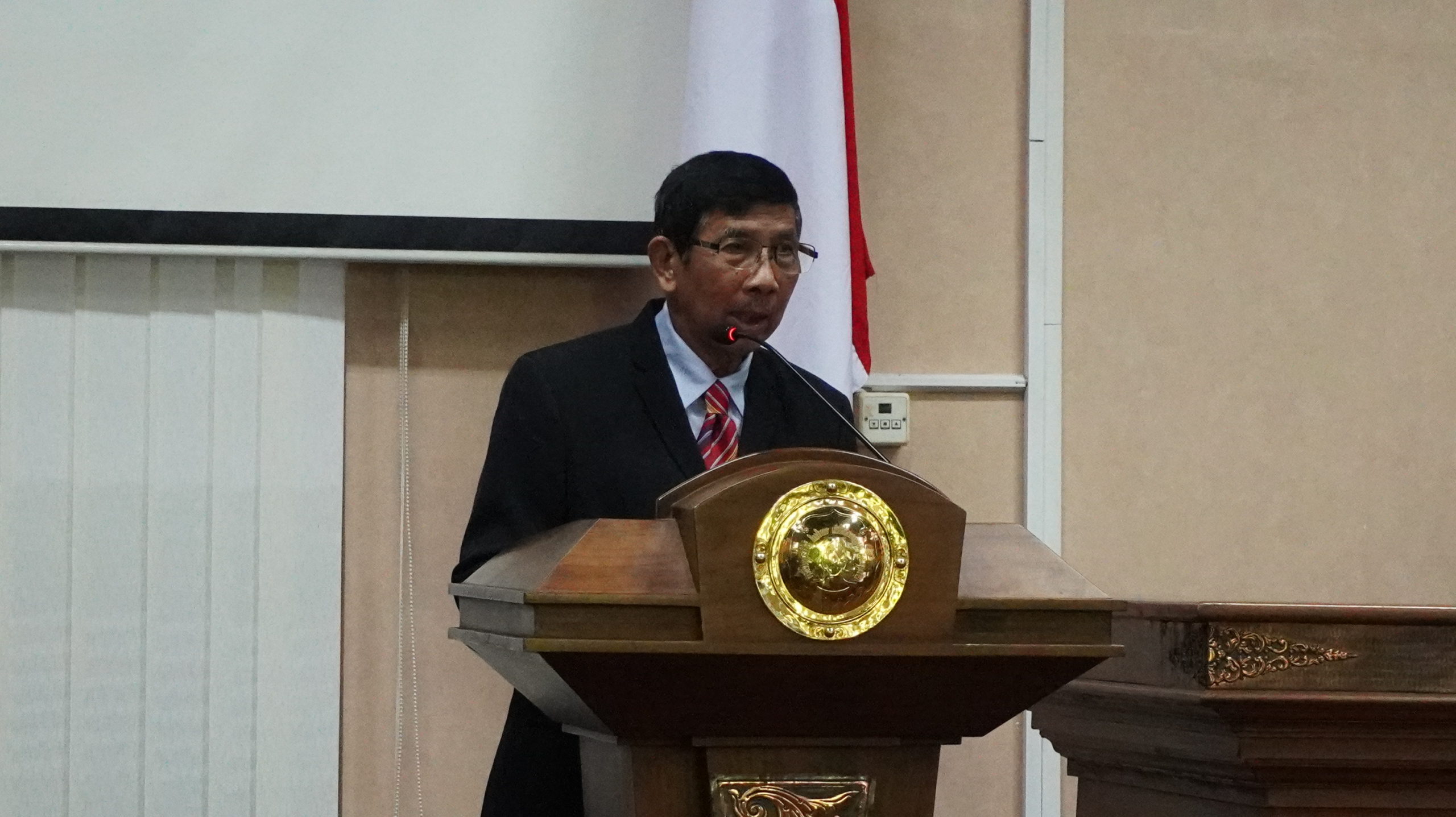
    Assoc. Prof. Fakarudin further describes DEA as a method designed to assess comparative efficiency across organizational units such as bank branches, schools, and hospitals. Efficiency in this context reflects a reduction in resource usage (input) without lowering output quantity, or an increase in output without additional resources.

    Beyond efficiency assessment, researchers frequently utilize DEA to examine operational practices that may support performance improvement within firms or organizational units. “In DEA, there are two main approaches—input-oriented and output-oriented. It is important to note that DEA does not test the influence of one variable on another. No single analytical method can address all research purposes; therefore, our choice of analysis must align with our objectives,” he explains.

    The two-hour Guest Lecture is attended by FEB UNS lecturers from various departments, both conducted virtually through Zoom Cloud Meeting and onsite in Room 5503, Soedarah Soepono Building, FEB UNS. The workshop went interactively, with participants actively discussing various topics related to the application of DEA in ongoing and planned research projects.

  • Academic Oration: Prof. Dr. Tulus Haryono Emphasizes the Need of Positive Image for Public Servant

    Academic Oration: Prof. Dr. Tulus Haryono Emphasizes the Need of Positive Image for Public Servant

    “Nyambut gawe sing penting jeneng, mengko jenang teko dewe,” meaning working with integrity will bring sustenance in its due time. This Javanese proverb was the central message delivered by Prof. Dr. Tulus Haryono, M.Ek., Professor of the Faculty of Economics and Business, Universitas Sebelas Maret (FEB UNS), during his honorary retirement oration on Tuesday, 4 November 2025.

    In his academic oration entitled “Building a Positive Public Service Image Based on Excellent Service in the Digital Era,” Prof. Tulus emphasized that integrity and a positive image become the essential foundation for public servants in delivering respectful and trustworthy public services. He stressed that cultivating a positive image is not merely about appearance but represents the moral and professional responsibility of every public servant.

    “A positive image influences how others perceive and interact with us. When we work responsibly and with commitment, public trust will develop naturally,” stated Prof. Tulus.

    In his presentation, Prof. Tulus outlined five effective steps in building a positive image: understanding self-perception, improving communication quality, maintaining physical appearance and professionalism, recognizing personal strengths and limitations, and managing errors and setbacks wisely. He also highlighted the need for public servants to instill excellent service values—courtesy, responsiveness, and genuine care—in every interaction with the public.

    Entering the digital era, Prof. Tulus highlighted that speed and efficiency in public service must be aligned with a human touch that preserves empathy. Within the education sector, the implementation of digital systems such as SIAKAD, SISTER, and communication via email, WhatsApp, and Zoom requires adherence to ethics and professional responsibility. “Technology indeed accelerates services, but it must not diminish human warmth. Public servants should continue to serve with courtesy and integrity,” he affirmed.
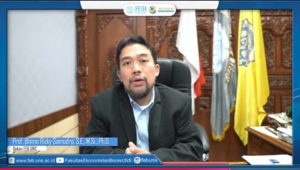
    “I am grateful to complete this service journey well. I hope that my contribution becomes a small part of UNS’s continuous effort toward becoming a world-class university,” concluded Prof. Tulus.

    The message conveyed by Prof. Tulus in this oration aligns with Sustainable Development Goal (SDG) 16: Peace, Justice, and Strong Institutions. The call for a positive image, professionalism, and excellent public services reflects a commitment to transparent, ethical, and fair governance—key foundations of resilient and sustainable institutions.

    A Long Journey of Service

    Prof. Dr. Tulus Haryono is widely recognized as one of the architects of UNS’s quality assurance system and has played an important role in elevating institutional accreditation to the “Excellent” rating. Throughout his career, he has supervised more than 200 undergraduate students, 125 master’s students, and 50 doctoral students, authored 26 books, and published numerous scientific works. He also served as an assessor for the National Accreditation Board for Higher Education (BAN-PT).

    Appreciation from the Dean of FEB UNS

    Dean of FEB UNS, Prof. Bhimo Rizky Samudro, S.E., M.Si., Ph.D., expressed his respect and appreciation for Prof. Tulus’s long-standing service, acknowledging him as one of the key figures in the faculty’s development. “Prof. Tulus is not only a senior and teacher to us but also a foundational figure in FEB UNS’s progress. Many values and systems he established, particularly in quality assurance, have become essential pillars for the faculty’s advancement,” he stated.

    Prof. Bhimo also highlighted that the example set by Prof. Tulus continues to inspire younger academics in upholding professionalism and academic integrity. “He taught us that working in education is not merely fulfilling duties, but an honorable form of service. That spirit is what we aim to sustain,” he added.

    Chair of the UNS Council of Professors, Prof. Drs. Suranto Tjiptowibisono, M.Sc., Ph.D., also extended his appreciation, describing Prof. Tulus as a “sincere, diligent, and forward-looking” figure in serving the university.
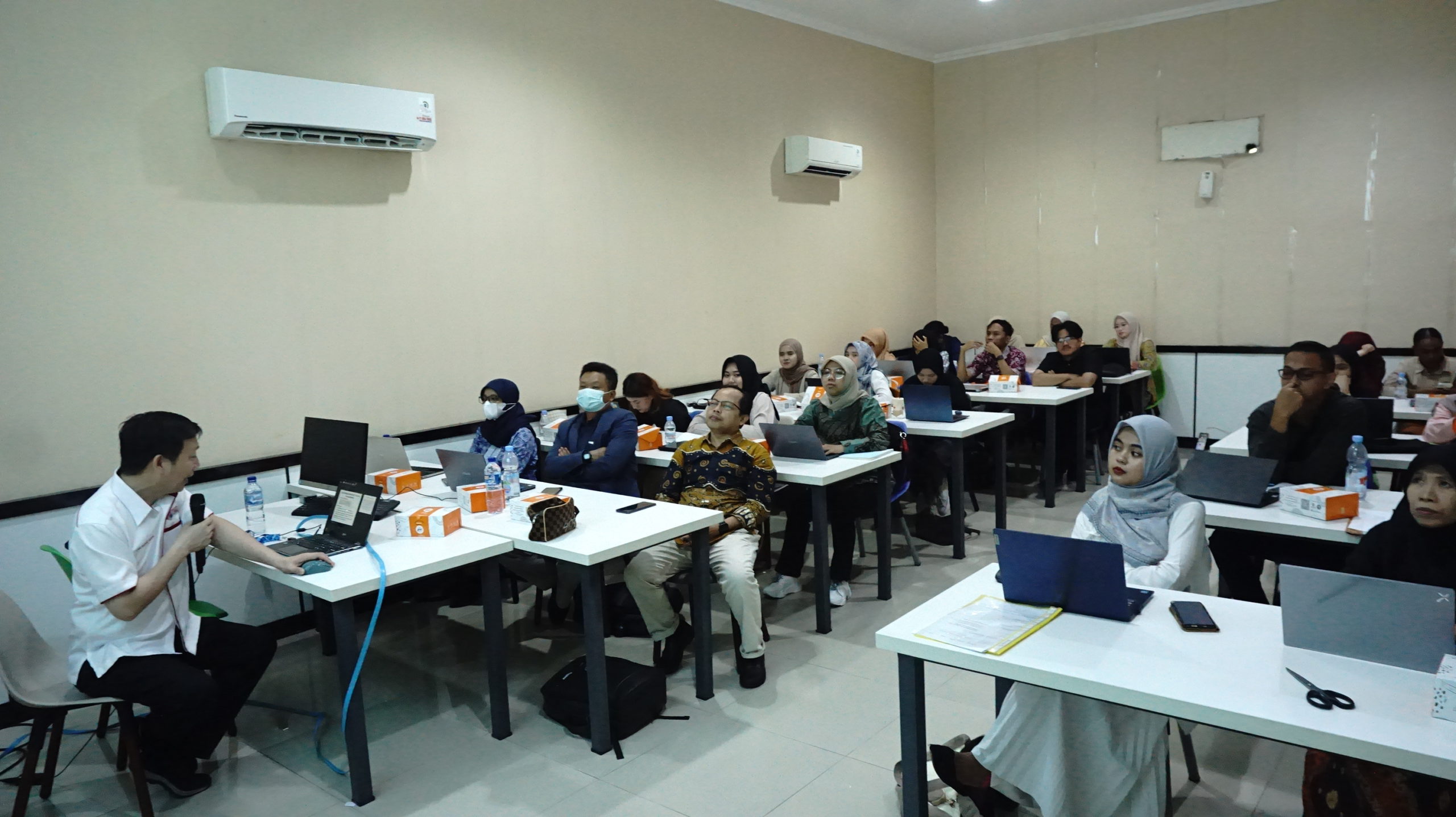
    During the ceremony organized by the UNS Council of Professors, a symbolic baton was handed over from Prof. Tulus to a younger colleague, Pram Suryanadi, S.E., M.Si., representing the continuation of   academic dedication and generational renewal.

  • Spatial Analysis in Econometrics: FEB UNS Invited Prof. Siong Hook Law to a Guest Lecture

    Spatial Analysis in Econometrics: FEB UNS Invited Prof. Siong Hook Law to a Guest Lecture

    Faculty of Economics and Business (FEB), Universitas Sebelas Maret (UNS), in collaboration with the Center for Fintech and Banking (UNS Fintech Center), organized a Guest Lecture entitled “Spatial Durbin Model and Spatial Autoregressive Model,” featuring Prof. Siong Hook Law from Universiti Putra Malaysia. The Guest Lecture, held on Friday, 31 October 2025, was attended by more than 20 participants, including master’s and doctoral students as well as lecturers from FEB UNS. This guest lecture in spatial analysis aims to enhance participants’ knowledge and understanding of analytical tools that may be applied in their theses and dissertations

    Conducted in Room 4103 of the Bachtiar Effendi Building, FEB UNS, Prof. Law opened the discussion by explaining spatial heterogeneity and spatial dependence. These two aspects, he noted, form the foundation of why spatial-based analysis is essential. “When we conduct data analysis involving locational information, there is a theory stating that cities or regions located closer to each other are more dependent compared to two regions that are farther apart,” explained Prof. Law.

    He further elaborated that spatial distance carries two implications: regions may have differing characteristics (heterogeneity) and they may also exhibit dependence. In this context, spatial econometrics aims to estimate and examine econometric models that cover multiple regions. The development of this analytical approach has progressed further alongside advancements in GIS.

    Prof. Law Siong HookThe discussion on spatial analysis covered several subtopics, including distinctions among the Spatial Autoregressive Model (SAR), the Spatial Durbin Model (SDM), and the Spatial Error Model (SER). Prof. Law also introduced techniques for interpreting direct, indirect, and total effects, conducting diagnostic tests, and formulating policy implications. “In interpreting results, direct effects represent regional impacts, indirect effects reflect spillover effects from neighboring regions, and total effects refer to the combined influence of both direct and indirect effects,” explained Prof. Law.
    Aside from the main material, Prof. Law conducted hands-on training using STATA to demonstrate the application of spatial analysis. He emphasized that spatial research offers significant implications, including identifying and formulating targeted interventions, supporting sustainable and inclusive development based on locational dynamics, and guiding coordination at national and regional levels.

    The workshop concluded with a discussion session between Prof. Law and participants who are interested in applying spatial analysis in their theses and future research dissemination. This activity aligns with FEB UNS’s efforts to advance the Sustainable Development Goals (SDGs), particularly Goal 9 (Industry, Innovation, and Infrastructure), Goal 11 (Sustainable Cities and Communities), and Goal 17 (Partnerships for the Goals), through international academic collaboration and the enhancement of research capacity in spatial data analysis.

  • FEB UNS Presents Prof. Mohamad Fazli Sabri to Discuss Financial Literacy, Financial Behavior, and Financial Well-Being

    FEB UNS Presents Prof. Mohamad Fazli Sabri to Discuss Financial Literacy, Financial Behavior, and Financial Well-Being

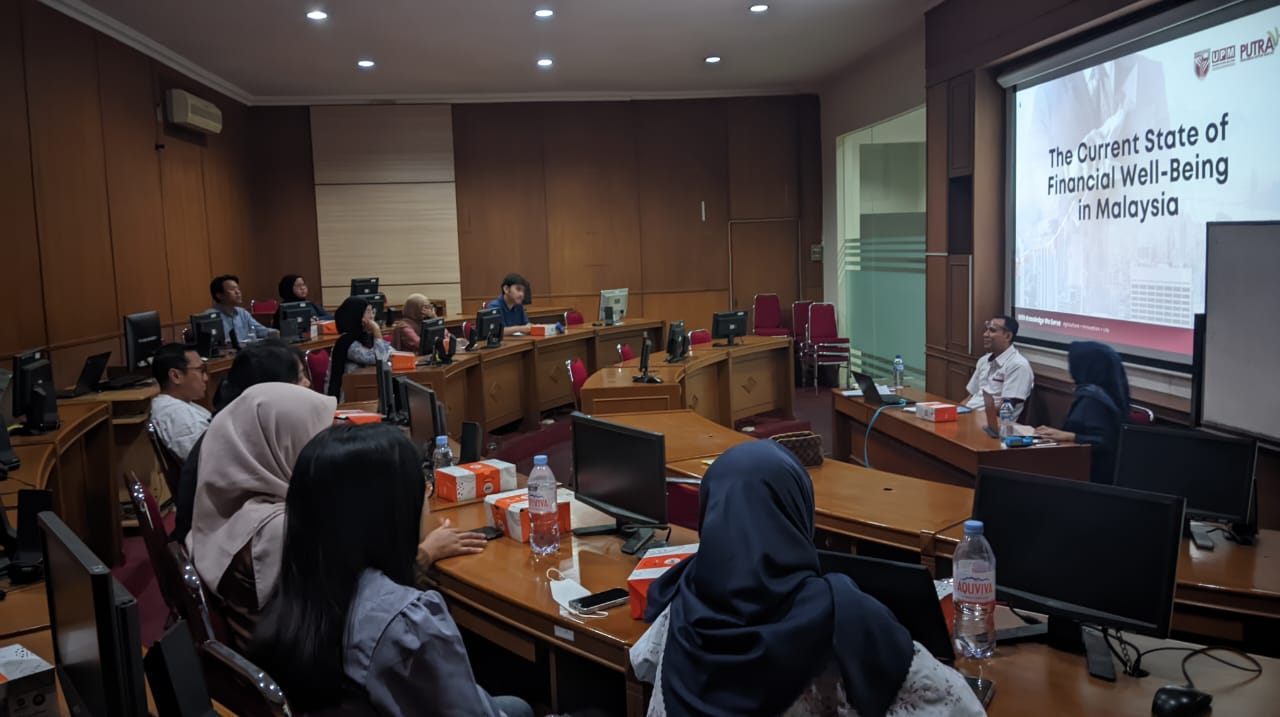
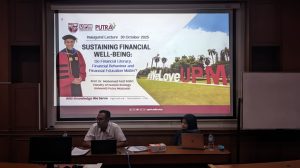
    Faculty of Economics and Business (FEB), Universitas Sebelas Maret (UNS), in collaboration with the UNS Fintech Center, organizes a guest lecture entitled “Sustaining Financial Well-Being: Do Financial Literacy, Financial Behavior, and Financial Education Matter?” featuring Prof. Mohamad Fazli Sabri from Universiti Putra Malaysia (UPM).

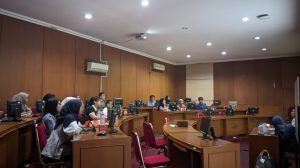
    Held in Room 4202 of the Bachtiar Effendi Building, FEB UNS, the event is attended by master’s and doctoral students, as well as lecturers. The guest lecture aims to expand the understanding of the significance of financial literacy, financial behavior, and financial education in shaping sustainable financial well-being.
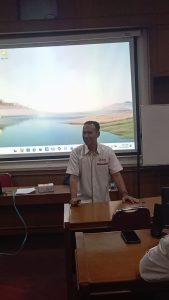
    In his presentation, Prof. Fazli Sabri states that financial well-being is not solely determined by income level but also by an individual’s ability to manage finances, cope with economic pressures, and achieve long-term financial goals. He emphasized, “Financial well-being is not just about having enough money, but about having control, confidence, and the freedom to make sound financial decisions.”

    Based on research conducted in Malaysia, the Malaysian Financial Literacy Index (MYFLIC Index) increased from 56.5 in 2015 to 59.1 in 2024. However, financial behavior and attitudes toward financial management show a declining trend, indicating a persistent gap between knowledge and practice.

    Prof. Fazli further highlights that approximately 1 in 4 Malaysians experience financial shortfall due to rising living costs, alongside a high number of bankruptcy cases predominantly affecting the productive-age population. In this context, strong financial literacy and sound financial behavior play an essential role in building economic resilience at the individual and household levels.
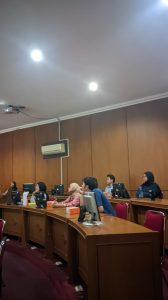
    Furthermore, he emphasizes the importance of adopting a behavioral approach in financial education so that individuals are not only aware but also capable of acting prudently in financial matters. He noted, “Financial literacy must be activated through behavior. Knowledge alone is not enough without good financial habits.”

    Through this guest lecture, participants gain insights into the relationship among financial education, financial behavior, and financial well-being, as well as how digital literacy and financial technology innovations contribute to strengthening society’s economic resilience in the modern era.

    This activity also reflects FEB UNS’s commitment to supporting the Sustainable Development Goals (SDGs), particularly SDG 4 (Quality Education) and SDG 8 (Decent Work and Economic Growth), by advancing financial literacy, responsible financial behavior, and sustainable financial inclusion.

  • FEB UNS Faculty Members Disseminate Research Findings on FinTech User Behavior in the Province of Yogyakarta

    FEB UNS Faculty Members Disseminate Research Findings on FinTech User Behavior in the Province of Yogyakarta

    The development of financial technology (FinTech) in Indonesia maintains its positive trend, although its growth remains slower than the expansion of bank lending. In the Special Region of Yogyakarta (DIY), the two most widely used FinTech services are paylater facilities and online loans. This phenomenon attracts the interest of two lecturers from the Development Economics Study Program, Faculty of Economics and Business (FEB) Universitas Sebelas Maret (UNS), Malik Cahyadin, S.E., M.Si., Ph.D., and Ayya Agmulia Asmarani Islam, S.E., M.E., to conduct an in-depth study on FinTech user behavior in the region. The survey is conducted from July to early August 2025 with funding support from the 2025 DRPM Dikti Research Grant.

    As part of the dissemination process, both researchers serve as speakers in a public lecture entitled “Financial Technology User Behavior in the Province of Yogyakarta in 2025,” held at the Faculty of Economics and Business, Universitas Muhammadiyah Yogyakarta (UMY) on Friday (31/10/2025). The event is attended by approximately 80 participants consisting of students and lecturers from the Development Economics Study Program of FEB UMY.

    Opened by the Head of the Development Economics Study Program of FEB UMY, Dyah Titis Kusuma Wardani, S.E., MIDEC., Ph.D., she expresses appreciation for the collaboration between the two institutions. She states, “We would like to thank the lecturers from FEB UNS for delivering a public lecture at UMY. Hopefully, future public lectures and Community Engagement activities between study programs can be strengthened to advance the academic environment and enhance students’ competencies in economics.”

    In her presentation, Ayya Agmulia Asmarani Islam explains that the availability of various paylater and online loan platforms reflects the strong potential for digital financial inclusion. However, she also emphasizes the need for vigilance. She explains, “In choosing FinTech service we must only consider valid information issued by the Financial Services Authority (OJK) to avoid fraudulent illegal FinTech practices. Students should pay attention to OJK’s official information, this is an expected forms of financial literacy from an academic community.”

    She further notes that survey findings show FinTech users in DIY generally demonstrate good compliance. She adds, “Repayment compliance among FinTech users remains high, indicating that the community tends to fulfill its financial obligations.”

    Meanwhile, Malik Cahyadin presents survey results from 351 FinTech users in the Province of Yogyakarta, consisting of students, formal workers, and micro-entrepreneurs. The descriptive results show that 61.54% of respondents are female and 38.46% male; 85.18% are high school and undergraduate graduates; the most common age range is 20–27 years; and the majority are Muslim (93.16%).

    Malik highlights that the most influential factor affecting FinTech usage decisions is individuals’ ability to adapt to financial technology and the perceived benefits it provides. “Technology adaptation positively influences FinTech usage decisions, while age and education level contribute negatively to transaction intensity,” he states.

    He also provides several recommendations for authorities and industry stakeholders. “OJK and FinTech service providers need to further improve literacy efforts to ensure that the public can make appropriate financial decisions. In addition, FinTech governance and customer data security need to be strengthened in a continuous manner,” he concluded.

    This public lecture serves as an academic collaboration between the Development Economics Study Program FEB UNS and the Development Economics Study Program of FEB UMY. Beyond expanding scholarly networks, the activity is also expected to enhance digital financial literacy and raise students’ awareness of responsible financial behavior in the era of financial technology.

    This event supports the achievement of the Sustainable Development Goals (SDGs), particularly SDG 4 (Quality Education) through strengthening financial literacy among students, and SDG 8 (Decent Work and Economic Growth) by promoting public understanding of inclusive, secure, and sustainable financial technology use.