FEB UNS – Chelsea Nadia Maharani and Raida Raisa Pari, Undergraduate Students in Development Economics, Faculty of Economics and Business (FEB), Universitas Sebelas Maret (UNS) passed the Indonesian International Student Mobility Awards (IISMA) 2024 Program. Both of them managed to pass the rigorous selection process along with 25 other UNS students. In this program, Chelsea Nadia Maharani chose Palacky University Olomouc, Czech Republic, while Raida chose Universiti Sains Malaysia, Malaysia.
IISMA is a Kampus Merdeka program providing a scholarship scheme from the Ministry of Education, Culture, Research, and Technology of the Republic of Indonesia, which provides funding for Indonesian students to study in a one-semester mobility program at leading universities and industries abroad. This year, IISMA selection registration is open from 23 January – 19 February 2024 involving multiple selection stages including administrative selection, nationalism examination, and interviews.
The IISMA preparation series at UNS begins with an internal screening that selects students who are interested in participating in IISMA. From the internal screening process carried out by the International Office (IO), students who pass the previous selection stage will take part in the preparation of the English Proficiency Test (EPT) at the Language Technical Implementation Unit (UPT) covering 20 training sessions.
Students who get EPT scores that meet the IISMA standards can follow the preparation for essay writing, preparation for interviews, and mentoring by IISMA alumni. Assistance by IISMA alumni is carried out during the registration process until the completion of the interview selection. To feb.uns.ac.id, Chelsea and Raida shared their stories on how they passed the qualification selection for IISMA 2024.
Chelsea Nadia Maharani: Don’t Be Afraid to Try Everything New
Chelsea said that her desire to participate in the IISMA program started in the 4th semester. According to her, this program can be a suitable path for her to be able to learn and have an impact, both for personal development and even the surrounding environment.
The purpose of this program itself according to Chelsea is excellent because it opens opportunities for Indonesian students to gain knowledge and experience in studying abroad, which can later be implemented for the development of Indonesia. “I personally feel that there are several stages of registration that are quite tricky. It is necessary for us to commit to completing all the preparation and registration because there are quite a few required documents to be prepared. But because I was in a fairly supportive environment, I always felt motivated during the preparations,” she said.
Furthermore, the reason for choosing Palacky University Olomouc was because Chelsea had previously planned her career path in the future. “The host university that I choose is already on the top list of host universities I would like to take since last year because the courses offered can support my career in the future,” she said.
Chelsea also advised her fellow students, as written in her essay as one of the IISMA requirements, “Life is just like a box of chocolate, you never know what flavor you get unless you try it first,” -Forest Gump. Take advantage of all the opportunities around you. Because, personally, I believe every academic and organizational activity can offer you a completely different experience and knowledge. So, don’t be afraid to try all new things,” she concluded.
Raida Raisa Pari: That Challenge Can Be an Opportunity to Grow and Learn
The desire to attend IISMA actually arose from the beginning of her study because the opportunity to study abroad was very interesting, but Raida could only register for this opportunity in the 6th semester. According to her, one of the difficulties during the IISMA registration is the number of administrative documents that must be completed. This is because Raida had a short time when she wanted to register for IISMA, and it coincided with her internship in Jakarta. Additionally, the stage that she found difficult was the interview. Fortunately, UPT KLI provided a Zoom meeting to prepare for the interview and it really helped her to practice the interview.
“Because of the limited time, I didn’t have much time to prepare myself, especially when doing English tests, so I could only rely on my past knowledge and memory. As for interview preparation, from the day before, I had practiced answering several questions and did not forget to also pray and make a mental preparation,” she explained.
Universiti Sains Malaysia has a good university ranking and its location in Penang makes it more attractive. Raida chose Malaysia because of its proximity to Indonesia and similar demographics. As a Muslim student, Raida thought that Malaysia would be the right country because it would definitely be easy to find places of worship and halal food.
Raida advised that students who want to register for IISMA can prepare themselves from the previous year, thus they will not miss information, because UNS conducted an internal screening stage for applicants. Then you should also prepare well to take the English test because the cost is not cheap. If possible, do not repeat the test for technical reasons (especially if you choose the DET test).
“Keep believing in your potential and remember that every challenge can be an opportunity to grow and learn,” Raida concluded encouragingly.
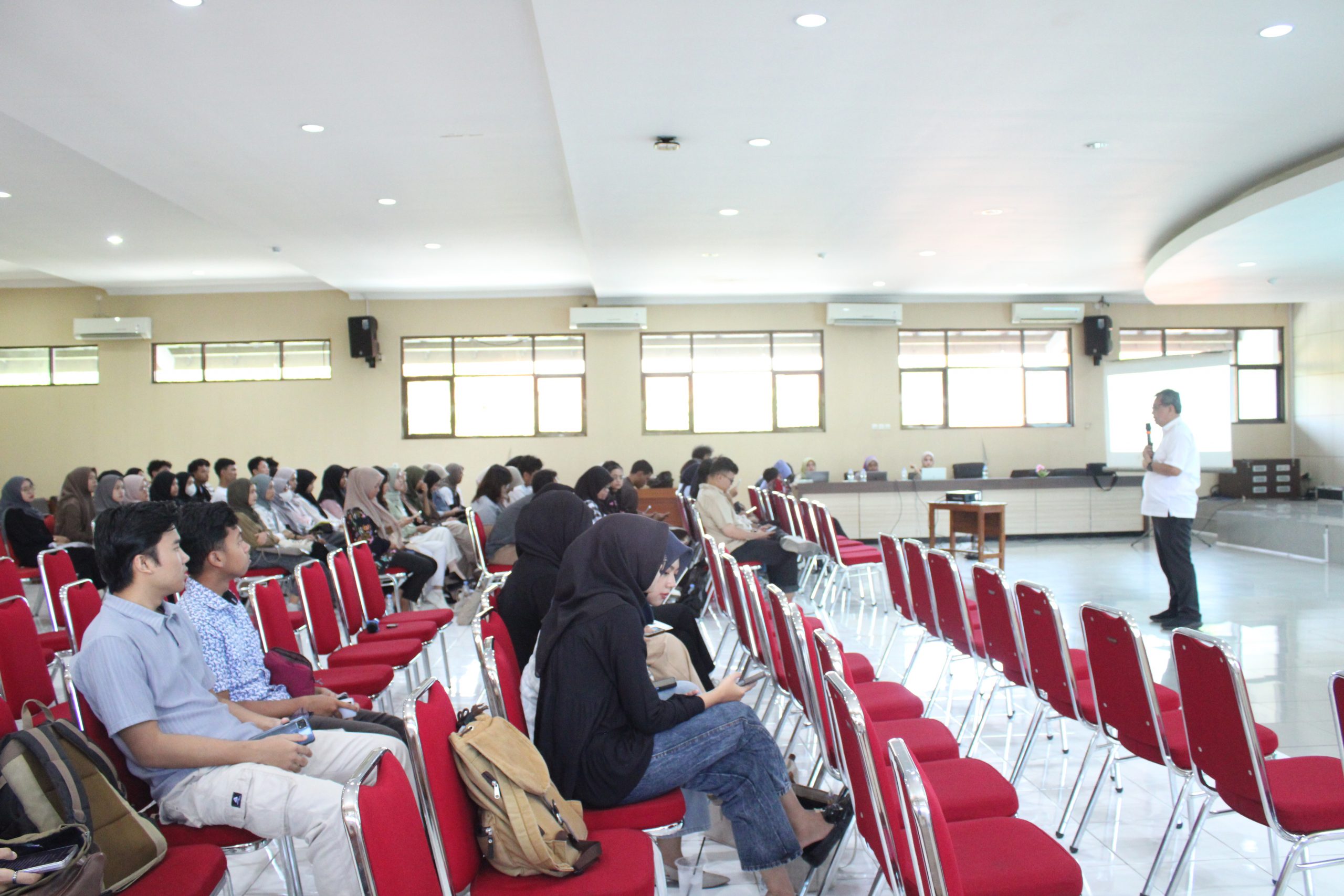
 The guest lecture was attended by over 100 undergraduate students from the Management and Development Economics programs. The session featured Daly Rustamblin, Director of the Bank Liquidation Group, as the keynote speaker, focusing on the theme of Bank Liquidation. The lecture is expected to help students understand the fundamental philosophy (mindset) and acquire the conceptual and practical skills (skill set) related to bank liquidation.
 In a Purchase & Assumption (P&A) approach, good assets are transferred to the acquiring bank, while bad assets are liquidated. Further, a Bridge Bank option involves establishment of a temporary bank to manage good assets, while bad assets are liquidated. In a Temporary Capital Injection, capital is provided to address the bank’s capital shortfall, ensuring compliance with the required capital adequacy ratio. Meanwhile, Liquidation involves converting all assets into cash to fulfill the bank’s obligations.
 Since LPS began operations in 2005, up to September 20, 2024, 137 banks (comprising 1 Commercial Bank, 122 Rural Banks (BPR), and 13 Sharia Rural Banks (BPRS)) have undergone liquidation. Currently, 19 BPR/BPRS are in the liquidation process, while 118 banks have completed liquidation (1 Commercial Bank, 106 BPR, and 11 BPRS).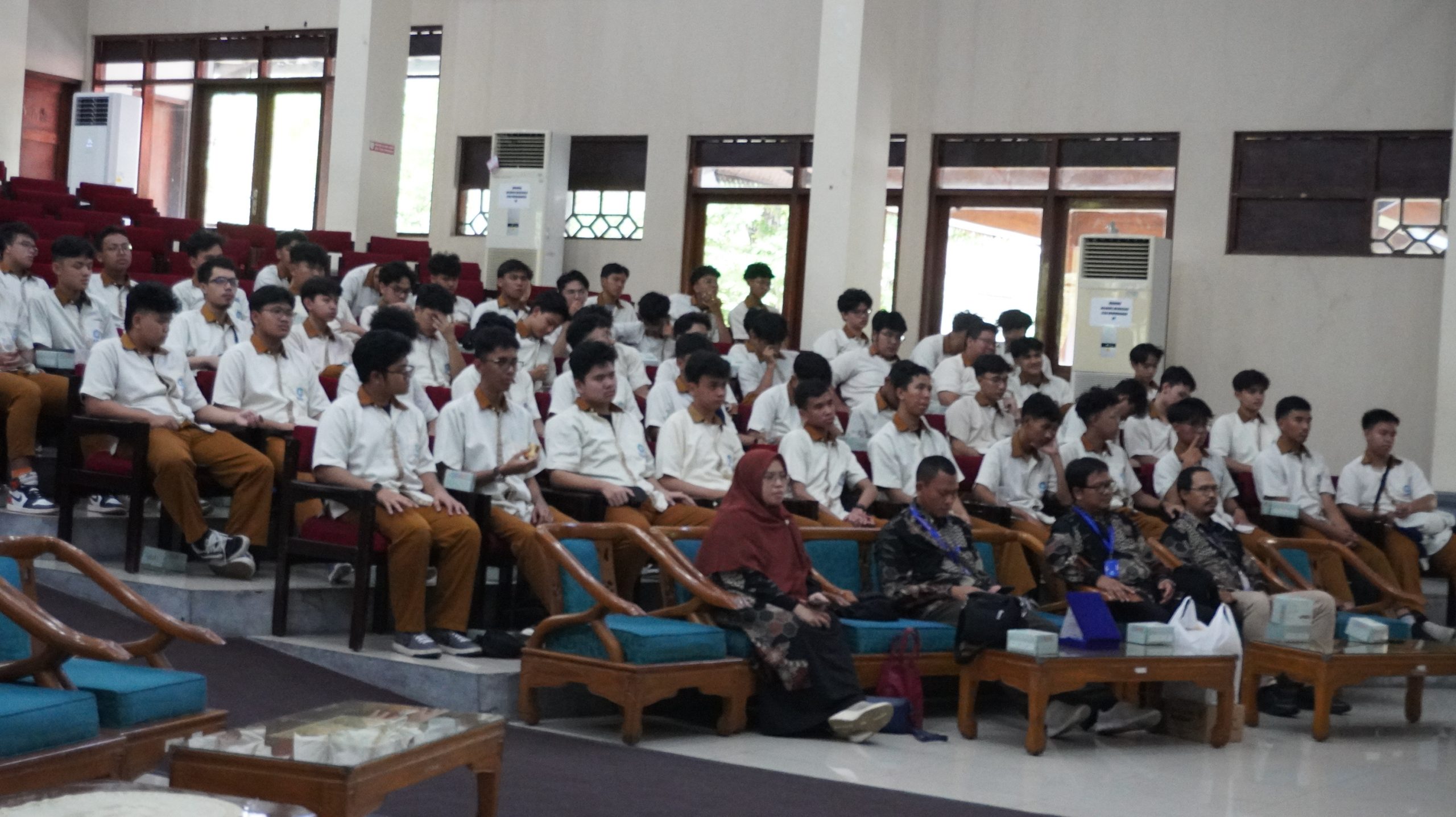
 Aldy Fariz Achsanta, S.E., M.Rech., Ph.D., Head of the Digital Business Undergraduate Program at FEB UNS, provided an overview of the faculty. He highlighted the four undergraduate programs offered in FEB UNS, namely, Management Study Program, Development Economics, Accounting, and Digital Business. Detailed explanations of each program were delivered by the respective program heads in attendance.
 In addition to an introduction to the Digital Business program by Aldy Fariz Achsanta, PhD., students also gained comprehensive information about the Management program from Dr. Sinto Sunaryo, S.E., M.Si., SHRM.CP., and the Economics and Development Studies program, presented by Muhammad Yusuf Indra Purnama, S.E., M.Rech., Ph.D.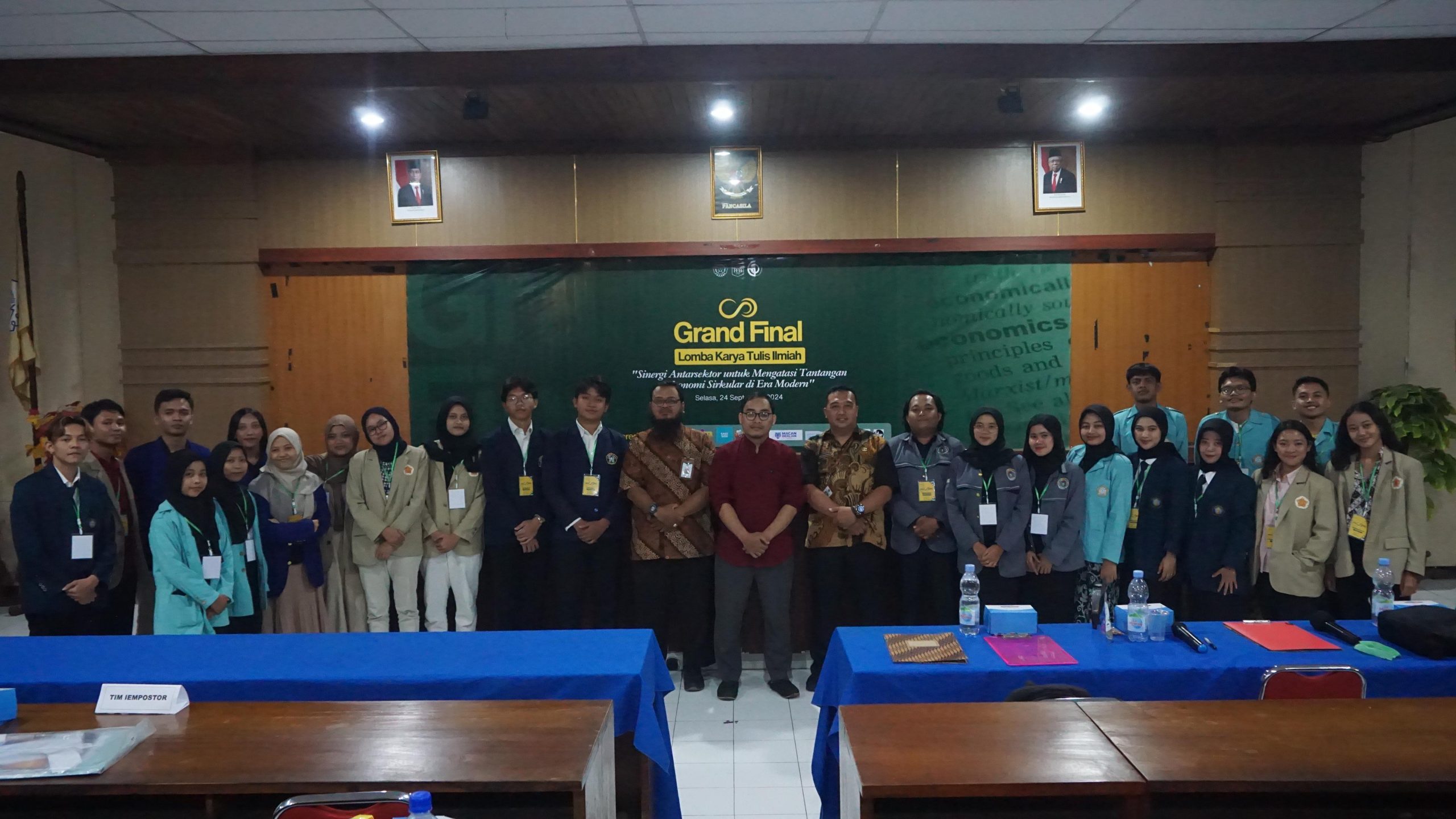


 The panel of judges consisted of three members: Muhammad Nur Hikmat, S.E., M.E., an academic from UNS; along with two external judges — Dr.(c). Ghulam Fathul Amri, SH., SST., ME., MESy., MKn., MM., MT., from the Surakarta City Government; and Rony Widjanarko, SH., MH., Head of the Surakarta City Research and Development Agency (Balitbangda).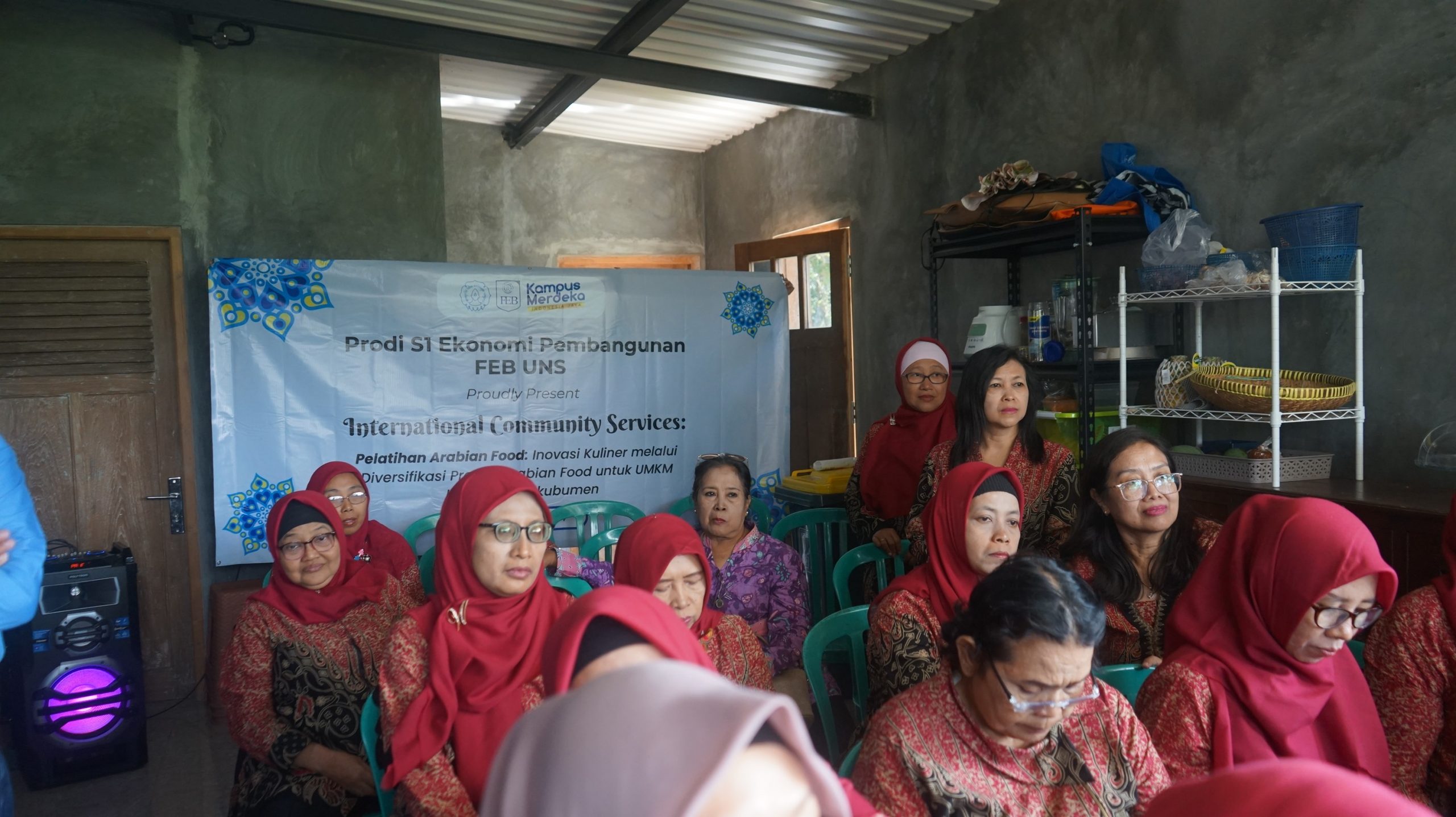
 The three provided training on how to cook three Libyan cuisines namely the Mahlabia, Brack, Almubatana, and Rashtah Musqia. This training is part of an International Community Service Program conducted by the Development Economy Study Program FEB UNS.


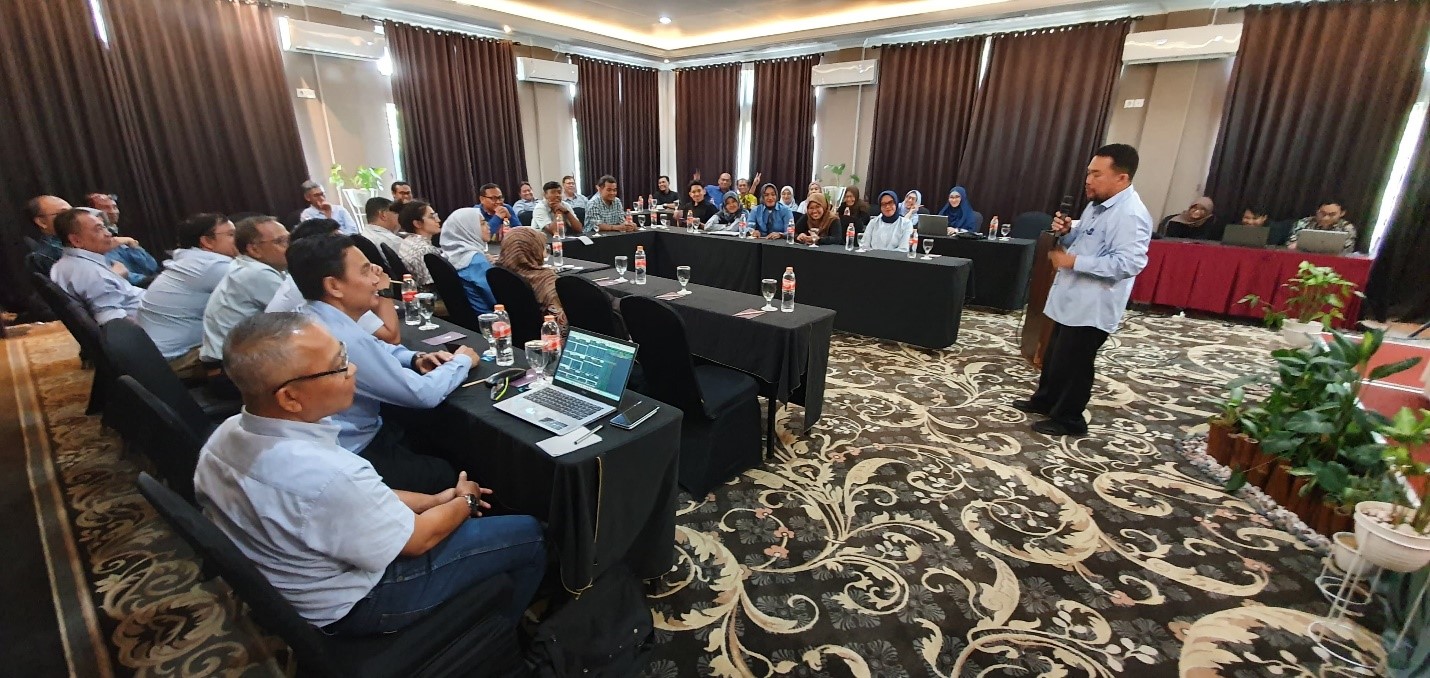
 The event was led by the Head of the Study Program, Bhimo Rizky Samudro, S.E., M.Si., Ph.D., and aimed to enhance teaching quality and deepen understanding of the knowledge cluster among faculty members. The workshop was marked by high enthusiasm, with active interaction from the lecturers of the Development Economics Study Program at FEB UNS. “We are very pleased with the level of participation and enthusiasm shown by the lecturers in this workshop,” said Bhimo Rizky Samudro.
 The workshop covered several important topics, including the latest teaching methods, curriculum development, and aligning course materials with recent advancements in the field of development economics. This workshop is part of the ongoing efforts by the Development Economics Study Program FEB UNS to ensure that students receive high-quality education that meets current job market needs.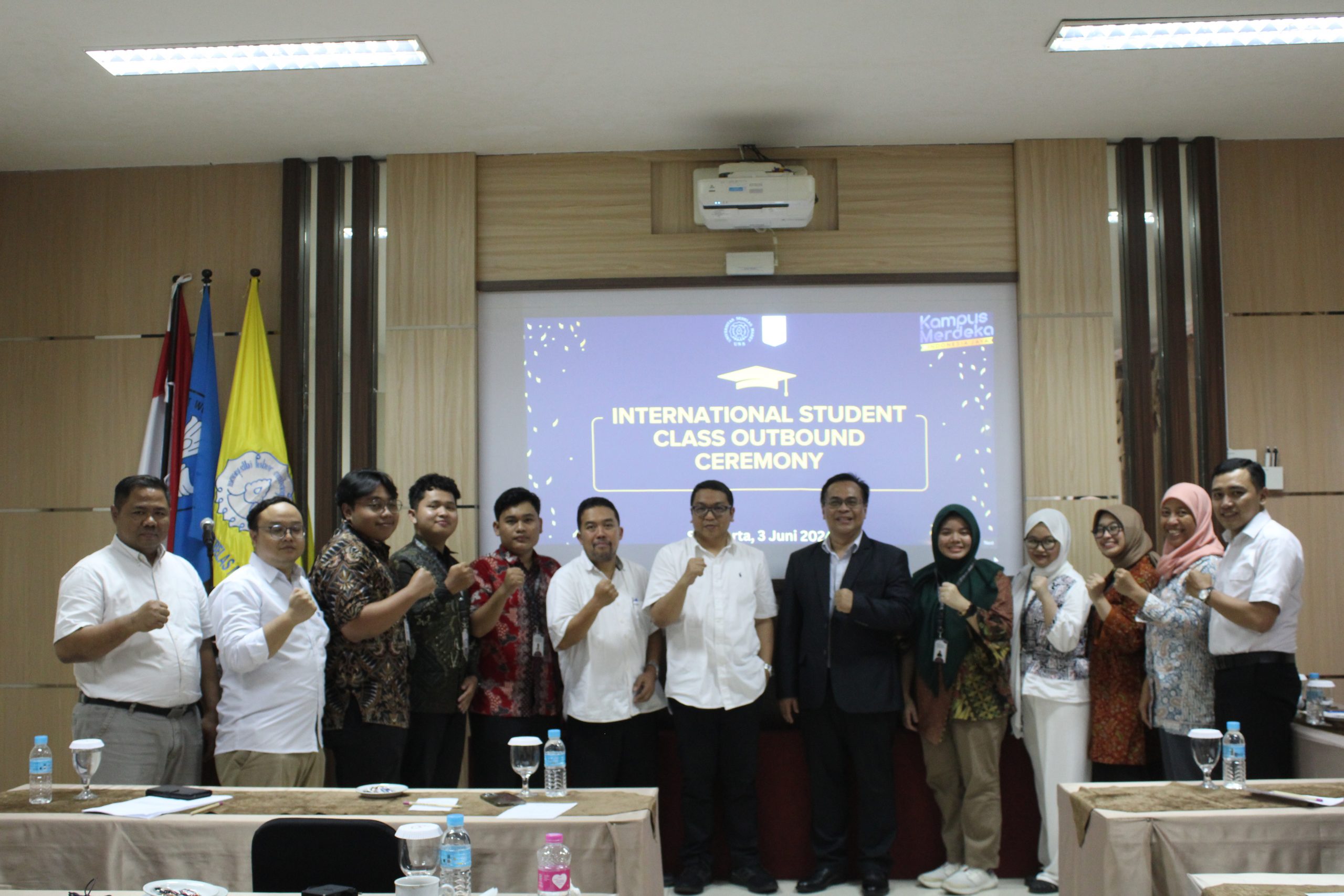


 Bhimo also expressed his gratitude to Osaka University for extending its collaboration with FEB UNS. Expressions of gratitude are also conveyed to Dr. Jaka Aminata who also assisted UNS in this short course. He hopes that the six students can enjoy the whole journey to the short course, either during the program or on their trip to Japan, both in academic and non-academic activities. “We believe this program will be beneficial for students and the university in the future,” he concluded.
 “So you will take three courses, three exams, maybe a take-home exam. For the course to be delivered for two full days, after that there is an exam, don’t panic don’t be afraid, enjoy. Be a professional student,” he said encouragingly.
 “Have a good trip, you will study at a cross-country university, and will interact with friends from Japan. During the 10 days, you can take advantage of this opportunity to get a cross-cultural experience, by studying culture abroad. There you can also discuss how universities manage their graduates, this can be shared with the study program. My message is, be enthusiastic, you will get a lot of knowledge and experience, get friends, and keep the good name of UNS,” he said.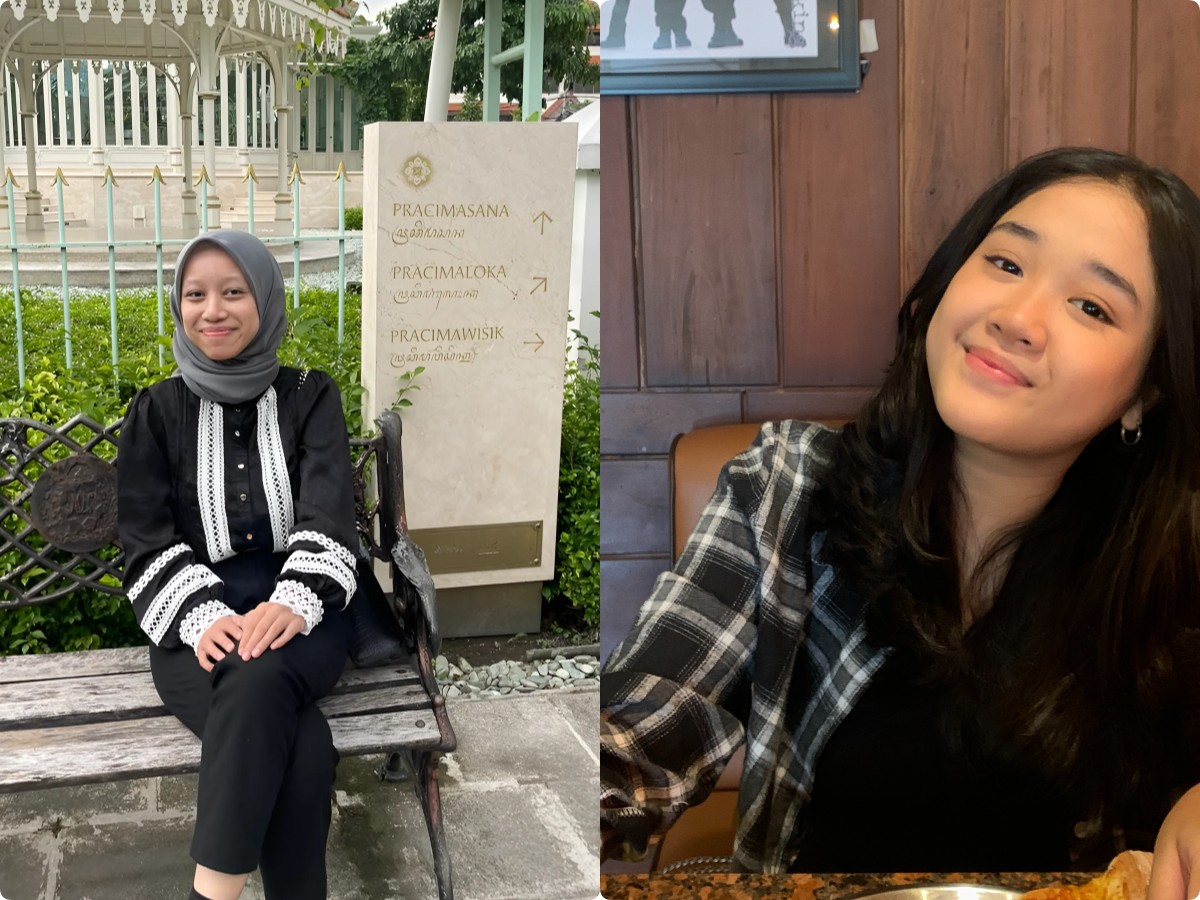
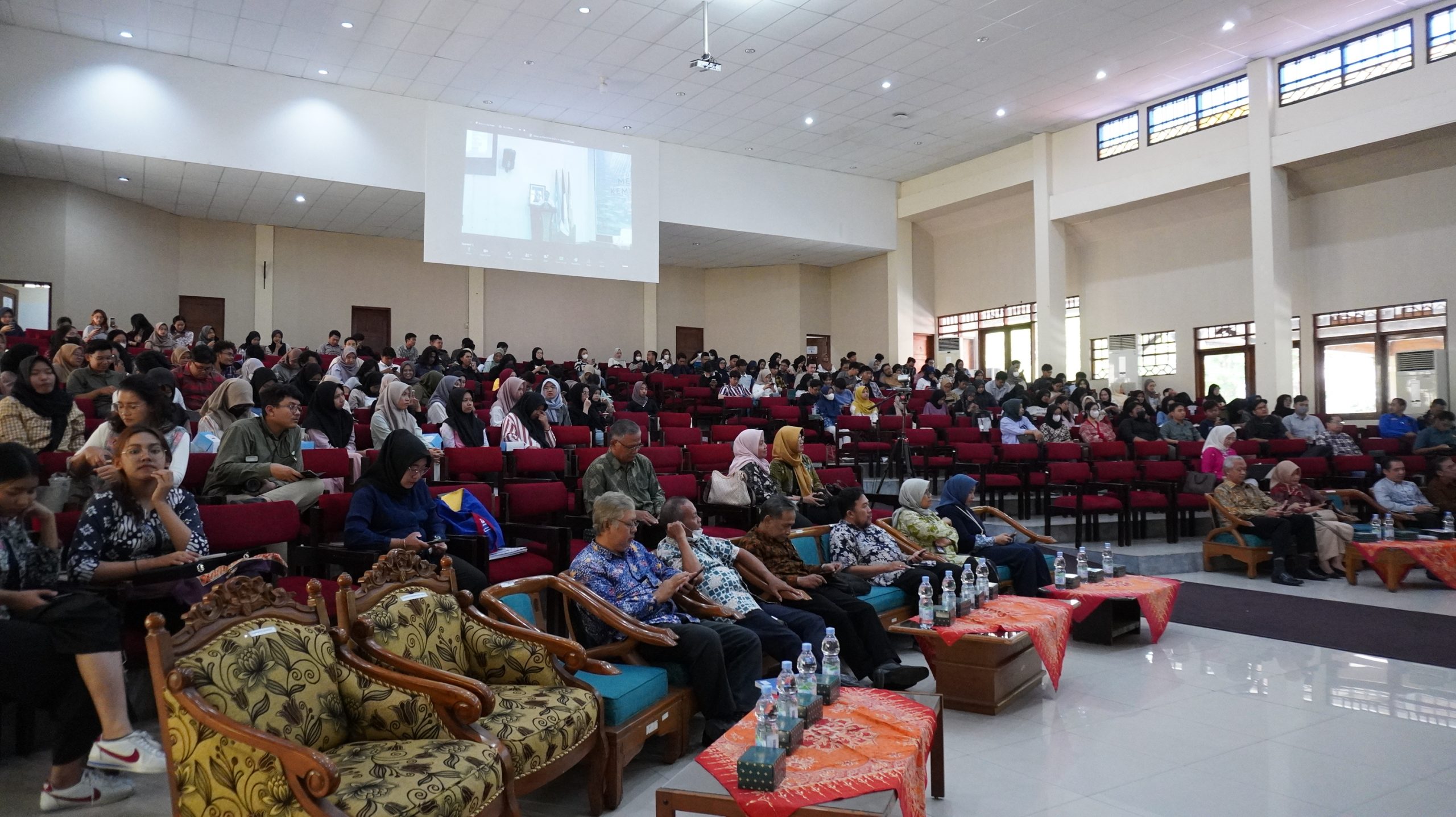
 “We would like to invite friends, especially students, to enjoy and understand the topics on poverty. Because the thought on poverty is rather rare, and rarely pursued,” he said.
 “We need campuses to support the government in tackling poverty. We hope that through this Academic Forum, students will become interested in pursuing the problem of poverty,” he said.
 In this activity, the signing of a Memorandum of Understanding between the Kemenko PMK and UNS on Education, Research, and Community Service was also carried out.
 In the afternoon session, a Workshop on Collaboration Strengthening and Stipulation for Collaboration Program Activities was held in the Soedarah Soepono Building Hall FEB UNS. The activity was attended by Deputy 1 of the Kemenko PMK, FEB Leaders, Lecturers, Kemenko PMK Team, TNP2K Policy Team, and Representatives of other faculties.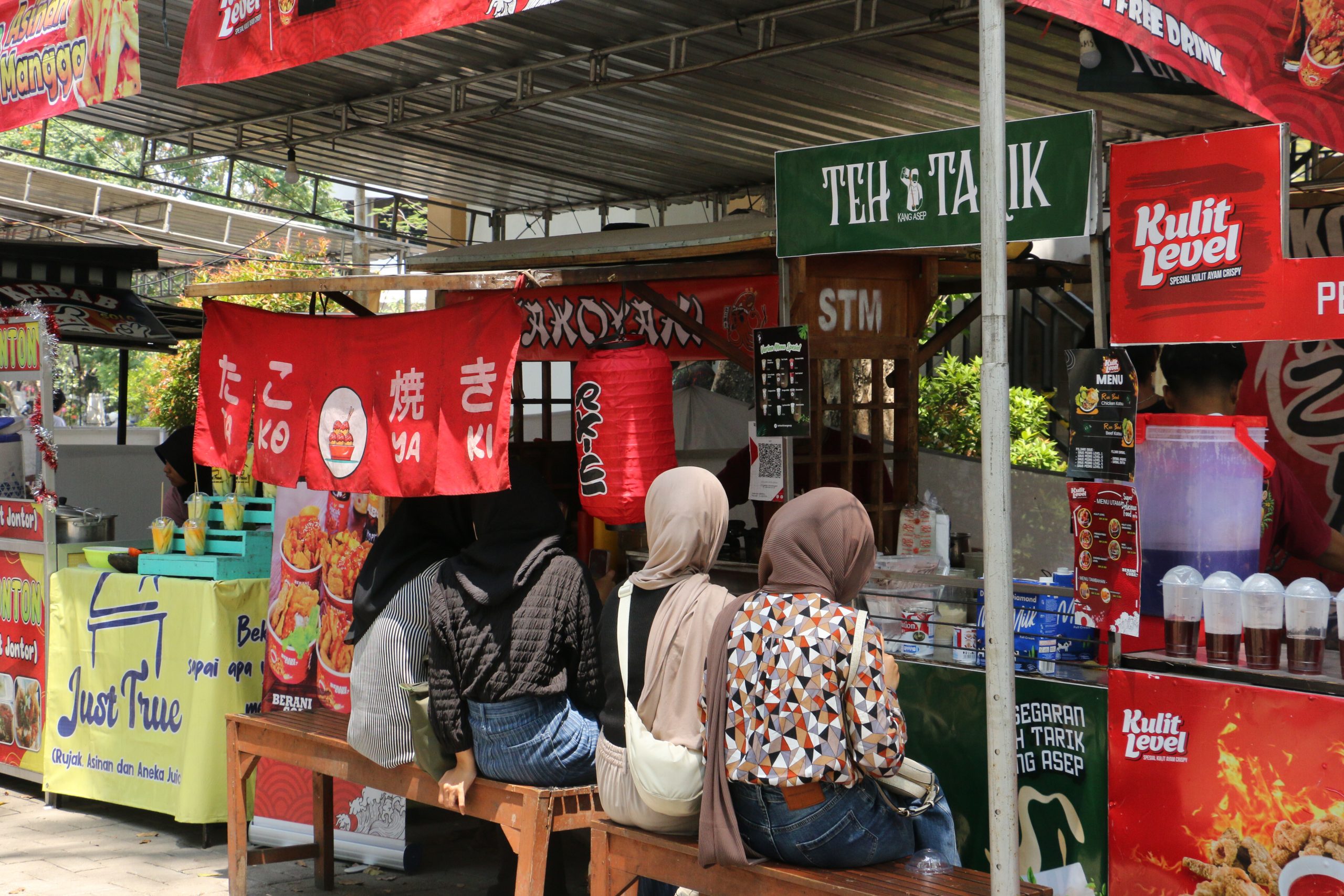

 The Culinary of Development Economics in 2023 is expected to have a great impact in the economic and social fields, because this event prioritizes the cooperation principle, namely ‘from us to us, and for us,’ which has a focus on the development of culinary businesses and art events. Focusing on those aspects is useful for students’ art dissemination and development and, at the same time serves as an entertainment event to strengthen networking among students, especially the undergraduate students in the Development Economics Study Program.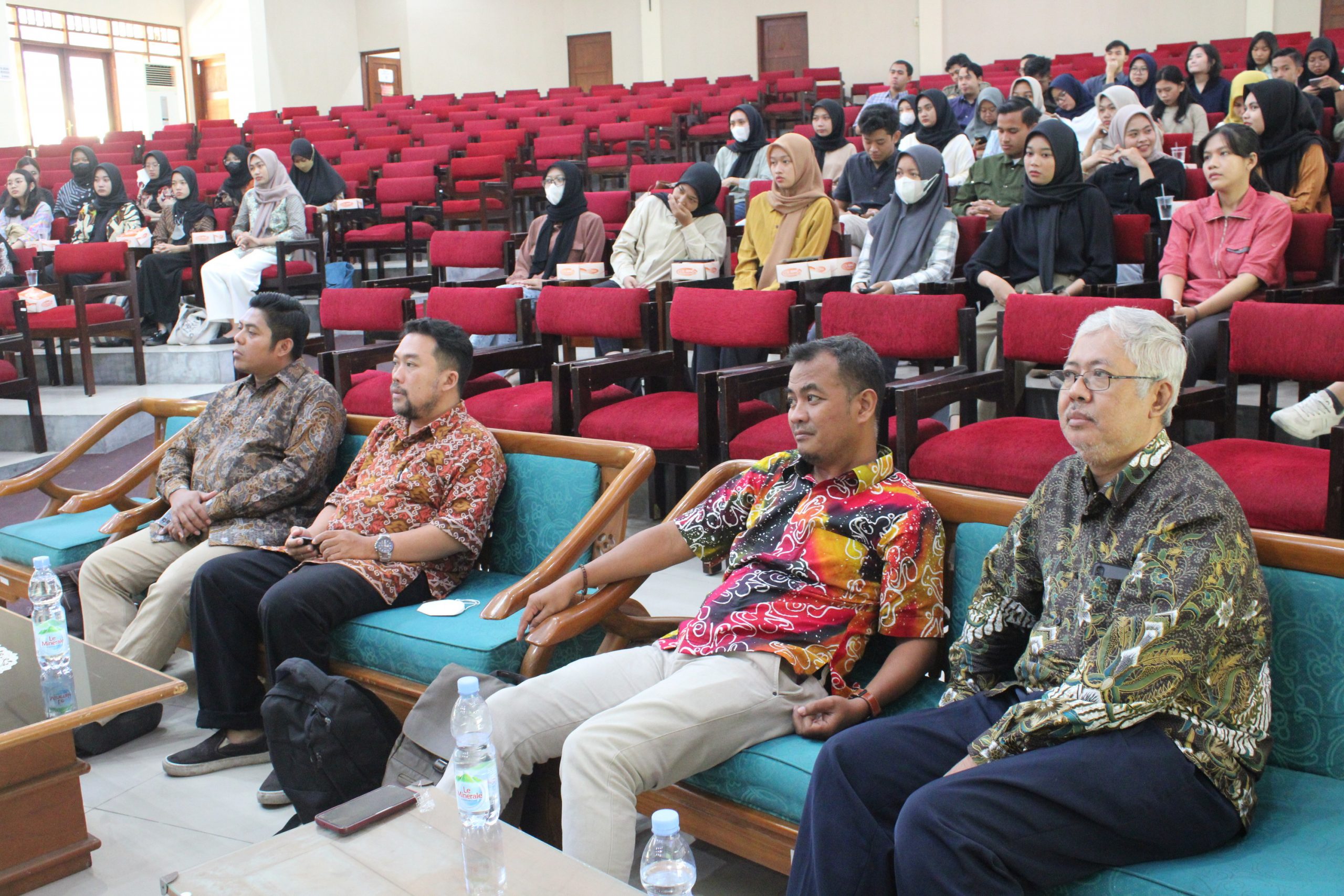

 One of the collaboration initiatives that is still in the discussion process is the establishment of a Fiscal Corner. The Fiscal Corner will be a space for collaboration between FEB and the Ministry of Finance.