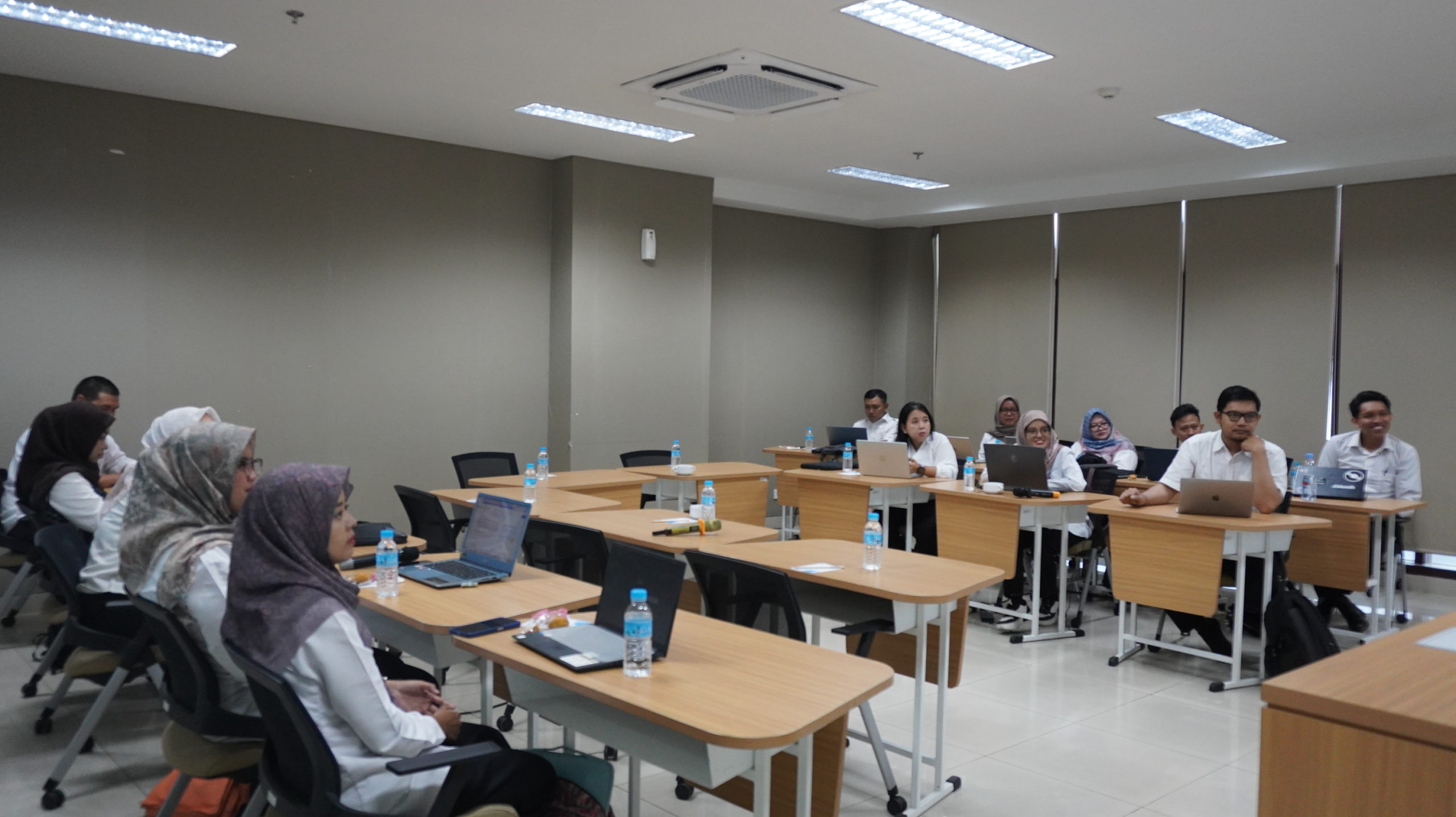
Faculty of Economics and Business (FEB), Universitas Sebelas Maret (UNS), holds a Learning Management System (LMS) Workshop to support Teaching and Learning Process (PBM), attended by FEB UNS lecturers, on Monday, 29 December 2025, at UNS Tower. This event is organized as part of efforts to improve the quality of digital-based learning at FEB UNS.
 The Vice Dean for Academic and Research Affairs of FEB UNS, Prof. Tri Mulyaningsih, S.E., M.Si., Ph.D., in her opening remarks emphasizes the importance of implementing the Learning Management System (LMS) as a key strategy to support the achievement of UNS Key Performance Indicators (IKU). Prof. Tri explains that although various terms are commonly used in digital learning practices, such as Massive Open Online Courses (MOOCs), the official use of the term LMS at FEB UNS aligns with provisions stipulated in the Rector’s Regulation.
The LMS is regarded as an integrated digital platform that not only supports the delivery of course materials but also facilitates class administration, synchronous and asynchronous communication between lecturers and students, as well as learning assessment processes. Furthermore, Prof. Tri encourages lecturers not to focus solely on meeting administrative targets in LMS utilization, but to use it as a medium for instructional innovation. According to her, effective use of the LMS can assist lecturers in creating learning processes that are more interactive, diverse, and engaging for students.
In her presentation, she also highlights the importance of lecturer creativity and an understanding of pedagogical theory in addressing learning challenges in the digital era, including distractions related to mobile phone use in the classroom. Lecturers are expected to design learning strategies that promote active student engagement to maintain focus and sustained attention to the learning materials.
 The workshop also presents examples of good practices in LMS utilization, management of online courses, and opportunities for the development of digital-based learning, including the expansion of online learning through micro-credential schemes. With optimal LMS support, FEB UNS reaffirms its commitment to continuously improve the quality of the teaching and learning process in ways that respond to technological developments and student needs. Through this activity, FEB UNS expects lecturers to become increasingly prepared and competent in integrating digital technology into instruction, while contributing to the improvement of sustainable higher education quality.
This workshop aligns with the achievement of the Sustainable Development Goals (SDGs), particularly SDG 4 (Quality Education) through the improvement of digital-based learning quality, as well as SDG 9 (Industry, Innovation, and Infrastructure) by encouraging the use of information technology in higher education.
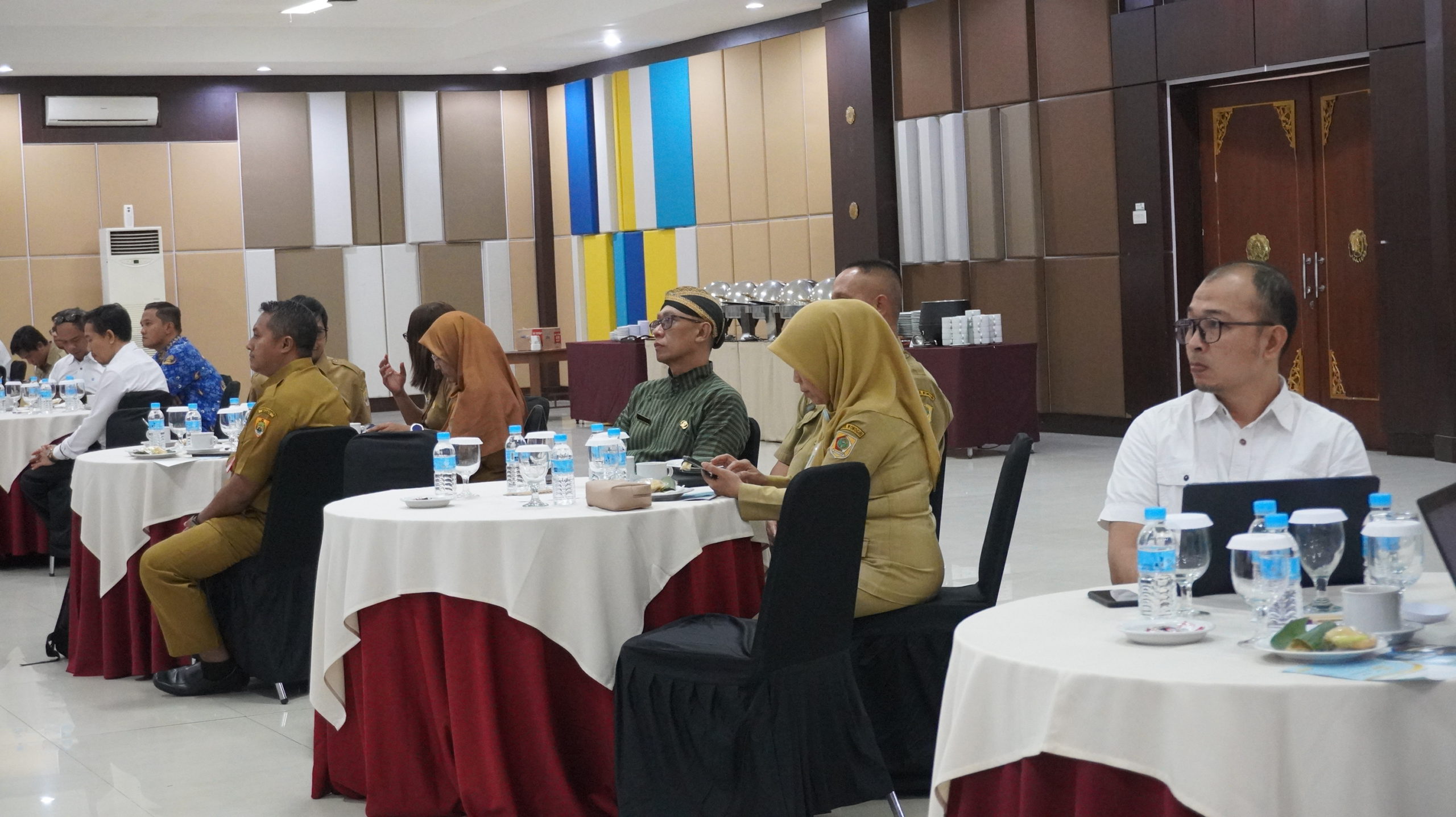


 Meanwhile, Slamet explained that the primary challenge in regional development lies not in planning, but in the disconnect between planning and implementation within the regional budget framework (APBD). Many strategic programs fail at the execution stage due to concerns among regional officials regarding administrative accountability, technical reporting requirements, and limited legal frameworks at the regional level.
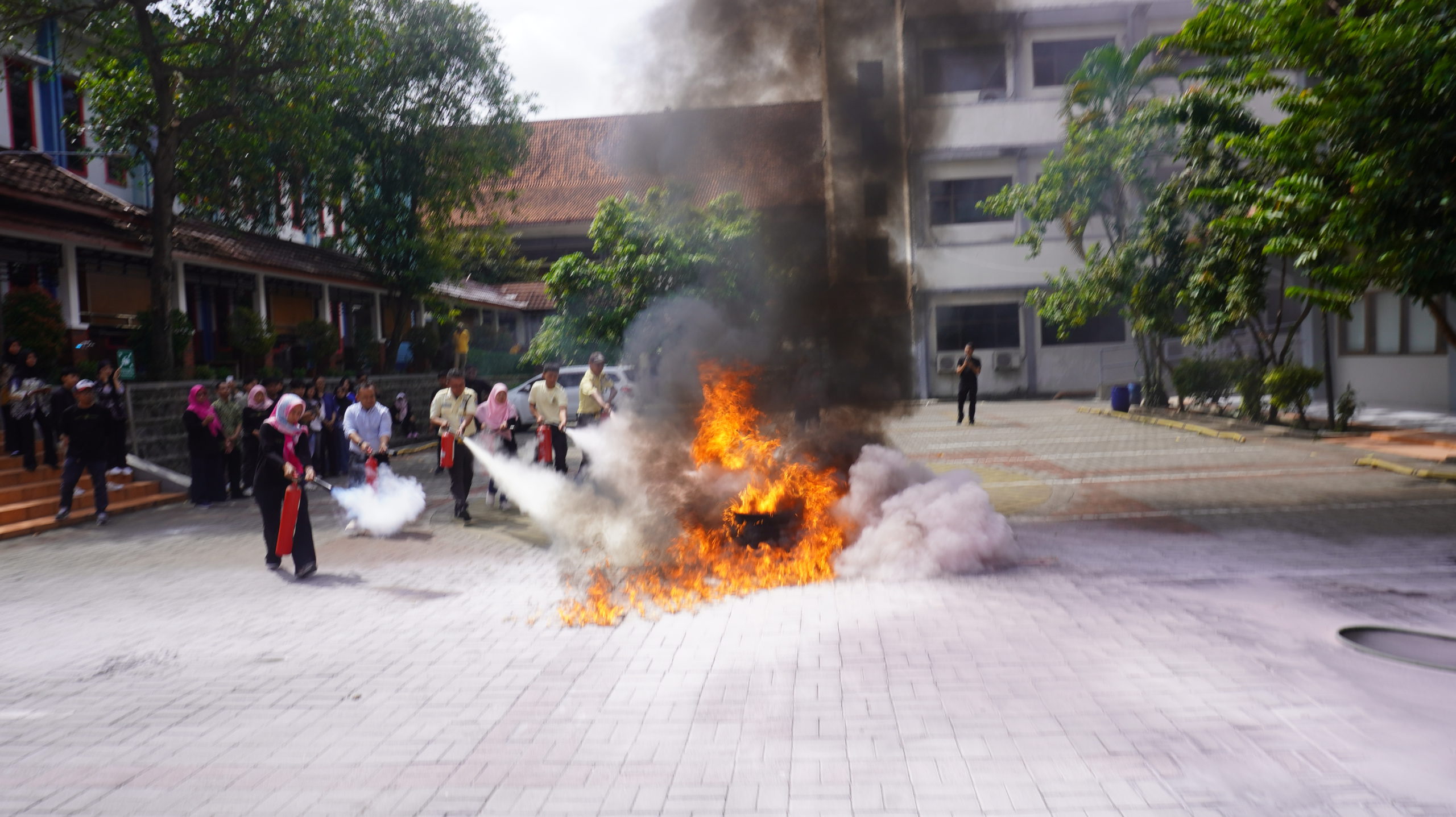

 The Vice Dean for Non-Academic Affairs FEB UNS, Sutaryo, S.E., M.Si., Ph.D., Ak., CA., CRA., CRP., ACPA., stated that the activity formed part of the fulfilment of Occupational Health and Safety (K3) documentation, as well as a concrete application of risk management within the FEB UNS environment.


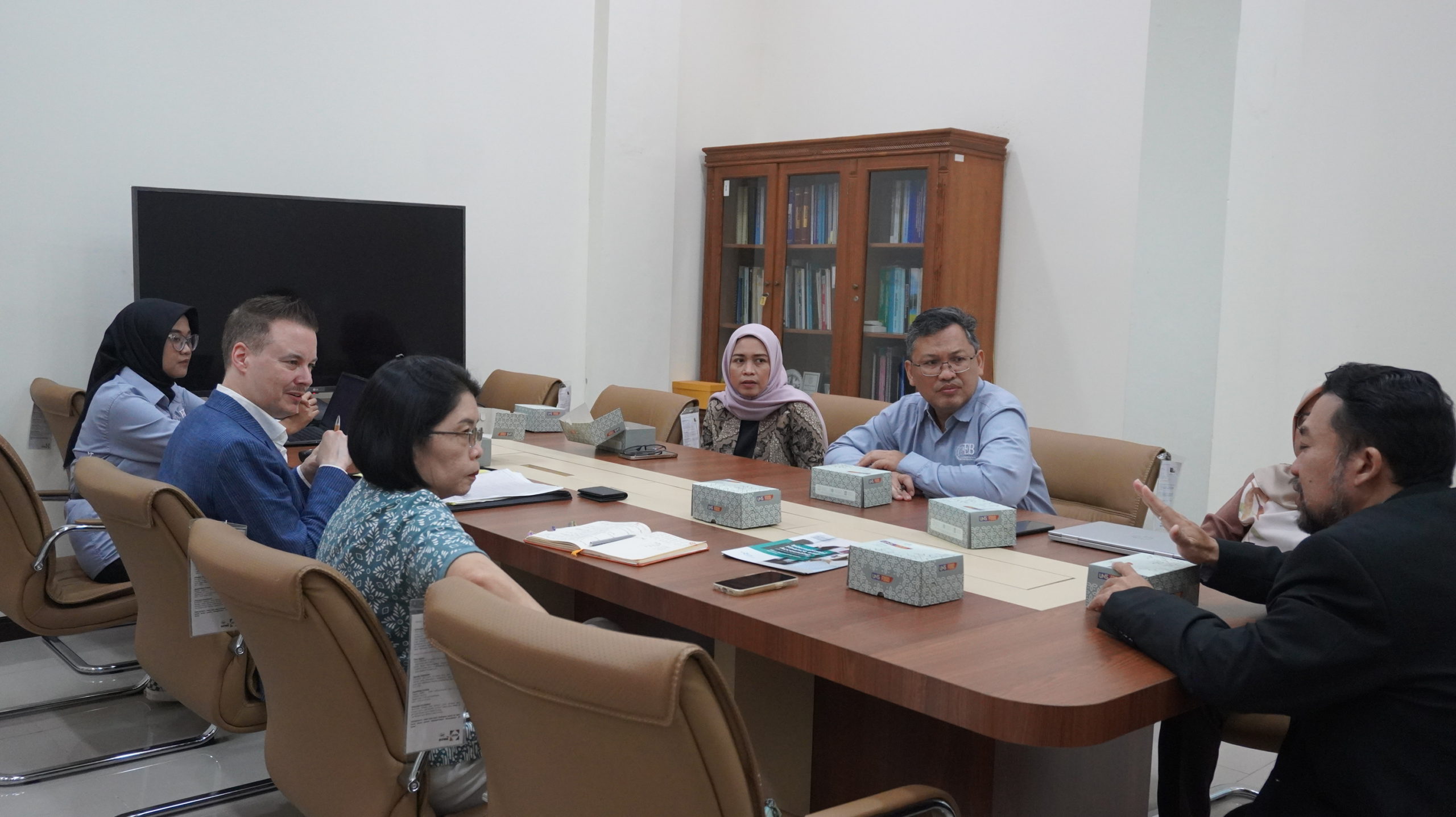
 Faculty of Economics and Business (FEB), Universitas Sebelas Maret (UNS), welcomed a visit from Dr. Dennis Vossen, Program Director of International Finance and Accounting at Saxion University of Applied Sciences, Netherlands, on Wednesday, 24 December 2025. The visit marked an initial step in exploring international collaboration between the two institutions, particularly in aligning curricula for the development of a double degree program in Accounting and Management.
 During the session, both parties explores opportunities for academic collaboration with a focus on curriculum equivalence, learning schemes, and implementation mechanisms for double degree and student exchange programs. The FGD concluded with a shared agreement that FEB UNS expressed its readiness and commitment to establish cooperation with Saxion University through double degree and student exchange initiatives.
 Through this collaboration, FEB UNS reaffirmed its commitment to expanding global academic networks and promoting international student mobility. This partnership is expected to provide international exposure for students while strengthening the global standing of FEB UNS, and to support the achievement of the Sustainable Development Goals (SDGs), particularly SDG 4 (Quality Education) and SDG 17 (Partnerships for the Goals).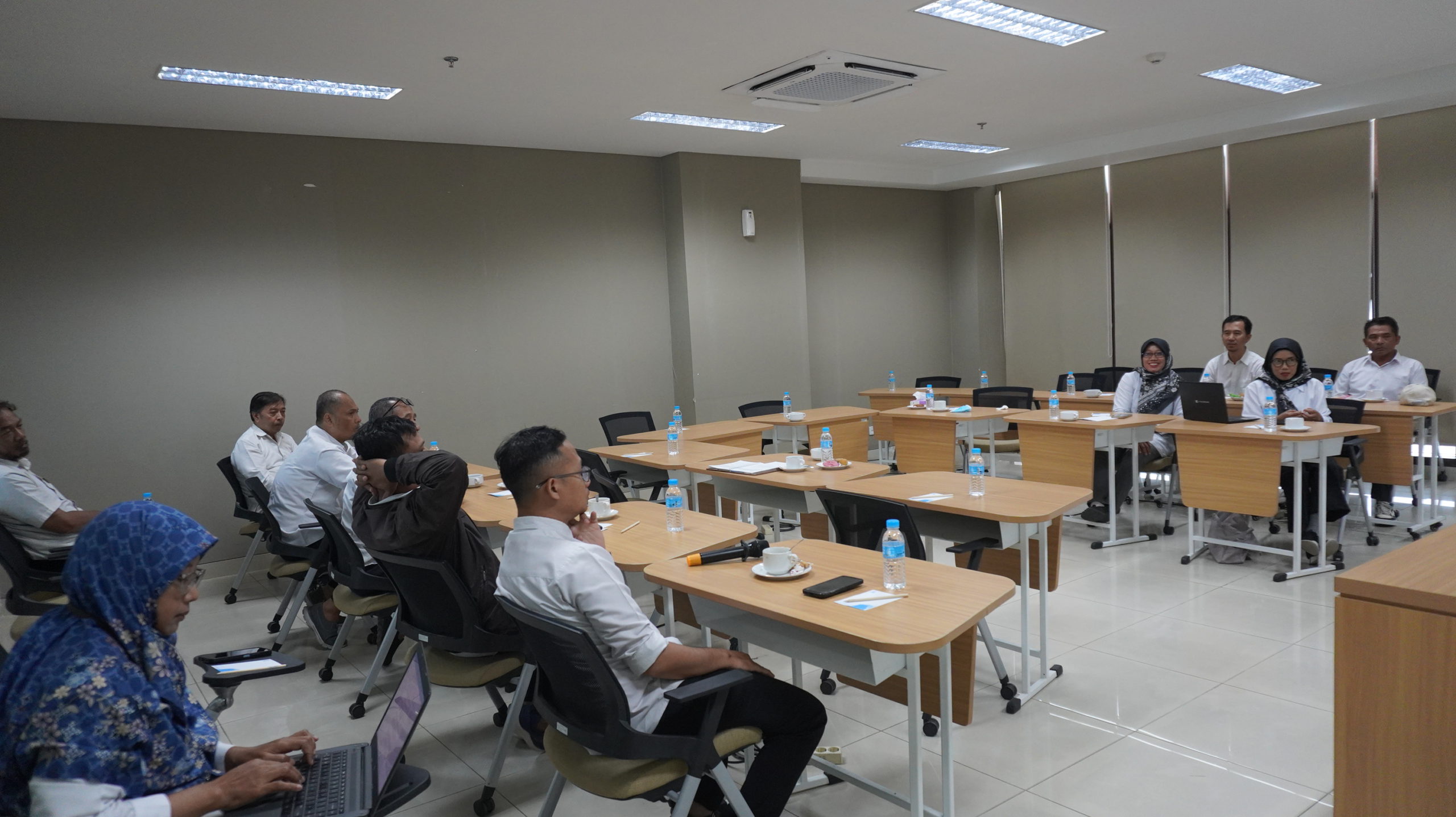


 In her opening remarks, the Chair of the FEB UNS Academic Senate, Prof. Dr. Hunik Sri Runing Sawitri, M.Si., stated that the meeting marked an important moment to align perspectives while completing the strategic plan agenda throughout 2025. Furthermore, Prof. Hunik emphasized that this plenary meeting is a part of the series of discussions on the FEB UNS medium-term strategic program for the 2025–2029 term. It is expected that all inputs and suggestion from the discussions’ session will lead to the finalization stage, thus, allowing the Strategic Plan to be implemented in an effective and sustainable manner.
 On this occasion, the Chair of the Academic Senate also conveyed that although attendance was not fully optimal, the meeting proceeded with a firm commitment to produce the best possible decisions and recommendations for the future development of FEB UNS.
 This activity aligns with the Sustainable Development Goals (SDGs), particularly