FEB

Blog

  • Internal Announcement

    Internal Announcement

    30th September 2021

    Indonesia’s impressive socio-economic development over the past two decades has brought with it a substantial negative impact on the environment. The continuing lack of urban infrastructure leads to widespread congestion, excessive pressure on electricity and water supplies and causes significant environmental impacts and further increased of emissions due to pollution in urban areas. The profound need for further policy reforms and increased investment in urban infrastructure to improve the provision of public services, reduce pollution and reduce CO2 emissions will be medium-term development plan for the years 2020-2024.

    Against this background, the German Ministry for Economic Cooperation and Development (BMZ) and the Indonesian Ministry for National Development Planning (BAPPENAS) agreed to launch the Indonesian – German Green Infrastructure Initiative in the framework of the bilateral government negotiations on 01.and 02. 10.2019. As part of the initiative, an additional EUR 2.5 billion will be made available for subsidized loans via the German Development Bank KfW for investments to promote environment- and/or climate-relevant infrastructure in Indonesia (Urban Public Transport, Solid Waste Management, Water and Wastewater Management). GIZ has been commissioned by BMZ with the implementation of the project Green Infrastructure Development (GID) as a Technical Cooperation assignment complimentary to the Financial Cooperation. In this context, the project aims to strengthen the Indonesian Government’s approach to the coherent identification and development of investment projects in the fields of support for the Indonesian – German Green Infrastructure Initiative.

    To this end, the planning agencies of selected provincial governments, under the coordination of Ministry of National Development Planning (BAPPENAS) and the Committee for the Acceleration of Priority Infrastructure Delivery (KPPIP) under Coordinating Ministry of Maritime Affairs and Investment (CMMAI) and the Coordinating Ministry of Economic Affairs (CMEA), in close coordination with key infrastructure financing institutions, will be supported in project development and implementation in the areas of future-oriented, climate-friendly transport turnaround, implementation of the national waste and marine waste strategy as well as in the area of climate and environmental protection in municipal of urban infrastructure.

    The first stage of implementation will take place at the following provinces that have been selected by the Steering Committee namely West Java, Central Java, East Java and Bali.

    To support the Provincial Advisor for the implementation of the Green Infrastructure Development (GID), we are seeking 4 (four) trainees for the following position:

    Trainee Program for
    West Java Province, Central Java Province, East Java Province, Bali Province

    A. Responsibilities
    During the trainee, participants will be mentored by Provincial Advisor and will be given specific assignments such:
    • Support preparation of various GID activities carried out online and offline, including joint activities with GID Counterparts
    • Collecting and processing data (legal, numeric, and graphic) related to urban infrastructure development in the respective Province
    • Supporting Project list and Process of Project dossiers
    • Supporting Sector Workshops Program conducted by GID and Counterparts
    • Supporting Presentation materials and materials of press release of social media publications
    • Study on green infrastructure development with 3 sectors including water and wastewater management, waste management, and urban public transport.

    B. Tasks

    • Assist the Provincial Advisor in compiling data needed
    • Assist the Provincial Advisor in collecting baseline survey data and radical listening at priority locations
    • Assist the Provincial Advisor in compiling pre-survey and survey reports including preparation for the presentation materials
    • Assist the Provincial Advisor in providing the content for the social media publications for GII website or Provincial website respectively
    • Support to carry out activities or work in the field according to the direction of the Provincial Advisor
    • Support Logistic preparation for the workshop/meeting
    • Assist the Provincial Advisor to provide update report to the Provincial Advisor
    • Assist the Provincial Advisor to provide activity report (and financial report if needed) for administrative purpose in GID.

    C. Required qualifications and competences

    • Fresh graduate or last semester master student in in Economics/Business, Social Science, Development Studies, Urban/Regional Development, or other related academic fields
    • Have a laptop and familiar using the platform for online meetings
    • Good communication, organization, writing skills, and information management skills,
    • Intercultural understanding is additional advantages
    • Self-motivated with time management skills and ability to work with minimum supervision, and strong willingness to learn
    • Good command of Ms. Office (Excel, PowerPoint, Word, Teams) and graphic software
    • Good command of English skills (both written and spoken)
    • Experience in literature research and expert interviews
    • Have an interest in engaging in local, national and international cooperation
    • Preferably active in student/public organizations or activities in Social or Urban/ Regional Development or Environment (climate change).

    Please note that you can only apply for this traineeship if you are currently enrolled as a student or your graduation was no longer than one year ago.

    Duty Station: Bandung / Semarang / Surabaya / Denpasar (during COVID-19 pandemic mostly conducted virtual)
    Working Hours: 5 working days per week, 8 working hours per day
    Expected Joining Date: October 2021
    Period of Traineeship: 3 months
    Direct Supervisor: Provincial Advisor of GID

    Interested candidates shall submit comprehensive resume and a motivation letter to: recruitment-indo@giz.de before October 14th, 2021.

    Please put: GID Trainee EJ or GID Trainee WJ or GID Trainee CJ or GID Trainee Bali as your email subject and name the files using following format:
    [Your Complete Name]_[Motivation Letter/CV]

    Only short-listed candidates will be notified

    GIZ Office Jakarta – HR Department
    Menara BCA, 46th Floor, Jl. MH Thamrin No. 1, Jakarta 10310, Indonesia
    www.giz.de
  • UNS Virtual Job Fair XXII

    Yth.
    Bapak WD 3
    Bapak dan Ibu Kepala Prodi S1, S2 dan S3
    Ibu Pengelola Unit CDC
    Perwakilan Ormawa

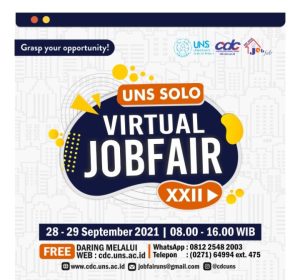
    Menindak lanjuti Surat dari CDC UNS, No. 160/UN27.52/DL.17/2021 tanggal 22 September 2021 perihal pada pokok surat, mohon Bapak dan Ibu bisa mengikuti Pembukaan Kegiatan Virtual UNS Solo Job Fair XXII di UNS Tahun 2021 pada hari selasa, 28 September 2021, pukul 08.00 – 09.00 WIB melalui aplikasi zoom meeting dengan ID Meeting : 912 0457 6432, Press Code : 282828

    Terima Kasih (sub.koordinator.akademik feb uns_27092021)

    https://youtube.com/channel/UC-5dMMJCVNndR8W1i7FD3Tw

  • BPUF FEB UNS Provides Managerial Training for Sharia Cooperative Manager in Solo

    BPUF FEB UNS Provides Managerial Training for Sharia Cooperative Manager in Solo

    A number of the managers in Koperasi Simpan Pinjam dan Pembiayaan Syariah (Sharia Savings and Loans Cooperative-KSPPS) Solo participated in a managerial training organized by the Business Management Agency of the Faculty of Economics and Business (BPUF), Universitas Sebelas Maret (UNS), Saturday, September 25 at the Amrani Hotel Solo.

    The Head of BPUF FEB UNS, Dr. Ahmad Ikhwan Setiawan, SE, MT., in his statements, reveals that the training aims to introduce the significance of fintech implementation to support various cooperative business operations. According to him, fintech implementation in KSPPS Surakarta is still limited, and most of the daily operations activities are still carried out manually, which leads to limited market coverage. This condition is in contrast with the MSMEs spirit in Solo, which encourages online business. Therefore, such asymmetry needs to be addressed immediately to allow KSPPS Surakarta to have a significant role in business and economic growth in Solo.

    Additionally, KSPPS is also expected to synergize with the existing financial institutions to increase product innovation and funding. “Cooperatives need to conduct fintech technology assessments to observe various fintech initiatives that are suitable for cooperatives. Afterward, cooperatives need to internalize and socialize the fintech benefits to avoid employees’ resistance. Selecting the right fintech partners is also crucial to find the most capable and efficient financial technology. Periodical monitoring and evaluation on fintech application is carried out to understand its impact on the cooperatives’ performance,” he explained.

    Dr. Ikhwan added that there are many advantages of fintech implementation in KSPPS Surakarta. Cooperatives that adopt fintech are more capable of demonstrating an excellent service quality to achieve customers’ or members’ satisfaction. Fintech adoption in cooperatives can enhance its’ brand image as a trusted cooperative due to its capabilities to adopt technological advances.

    Fintech adoption can expand a cooperative’s market share, reaching out to more depositors and borrowers, expanding to various cities or even across various regions. Fintech allows communication between depositors and borrowers to be more timely, thus various lending and borrowing decisions can be executed quickly. (Humas FEB)

  • BPUF FEB UNS Beri Pelatihan Manajerial Pengurus Koperasi Syariah di Solo

    BPUF FEB UNS Beri Pelatihan Manajerial Pengurus Koperasi Syariah di Solo

    Sejumlah pengurus Koperasi Simpan Pinjam dan Pembiayaan Syariah (KSPPS) di Solo mengikuti pelatihan manajerial yang diselenggarakan oleh Badan Pengelola Usaha Fakultas Ekonomi dan Bisnis (BPUF) Universitas Sebelas Maret (UNS), Sabtu, 25 September di Hotel Amrani Solo.

    Ketua BPUF, Dr. Ahmad Ikhwan Setiawan, S.E., M.T. dalam rilisnya mengatakan tujuan dari kegiatan ini adalah untuk menyadarkan pentingnya mempertimbangkan berbagai hal dalam penerapan fintech.

    Menurutnya, penerapan fintech pada KSPPS di Surakarta masih sangat terbatas. Sebagian besar dari mereka masih beroperasi secara manual dengan pasar terbatas. Kondisi ini berbalik terbalik dengan semangat UMKM di Solo untuk berbisnis secara online.

    Kesenjangan ini perlu segera diatasi agar KSPPS di Solo berperan secara signifikan bagi peningkatan bisnis maupun pertumbuhan perekonomian Solo secara umum. Selain itu KSPPS juga diharapkan mampu bersinergi dengan lembaga keuangan yang ada untuk meningkatkan inovasi produk dan pembiayaan.

    “Koperasi perlu melakukan asesmen teknologi fintech untuk mengamati berbagai fintech yang sesuai bagi koperasi. Berikutnya koperasi perlu melakukan internalisasi dan sosialisasi kemanfaatan fintech agar karyawan tidak resisten. Pemilihan mitra penerapan fintech juga sangat penting agar dapat dipilih teknologi keuangan yang mumpuni sekaligus efesien. Setiap periode tertentu penerapan fintech bisa dievaluasi (monev) untuk mengetahui dampaknya terhadap kinerja koperasi”  jelasnya.

    Dr. Ikhwan menambahkan, banyak keuntungan yang diperoleh jika KSPPS menerapkan fintech. Koperasi yang menerapkan fintech menunjukkan kesungguhan pelayanan untuk mencapai kepuasan konsumen atau anggota. Koperasi yang mampu menggunakan fintech akan memperoleh citra koperasi yang terpercaya karena mereka mampu beradaptasi dengan kemajuan teknologi.

    Penerapan fintech juga memperluas pasar koperasi baik penabung maupun peminjam yang tidak hanya berasal dari suatu kota namun konsumen -baca anggota koperasi- bisa dari berbagai kota yang tersebar pada berbagai daerah. Fintech memungkinkan komunikasi antara penabung dan peminjam untuk saling terikat bisnis sehingga berbagai keputusan pinjam-meminjam bisa dilaksanakan dengan cepat. (Humas FEB).

  • Managerial Simulation Practices Guest Lecture Discuss The Prospects of Property Business and Thematic Tourism Development

    Managerial Simulation Practices Guest Lecture Discuss The Prospects of Property Business and Thematic Tourism Development

    Discussion on property business will never end because the need for housing is steadily increasing. The main problem revolves around location selection and community purchasing power.

    Property business is a long-term business. The economic value for property assets keeps on increasing, never decreased, it is very resistant to inflation. The most important thing about this business is the legality of the developer because many developers lack legitimacy. This business is included as a capital-intensive business because of the significant procurement need, not to mention the construction process.

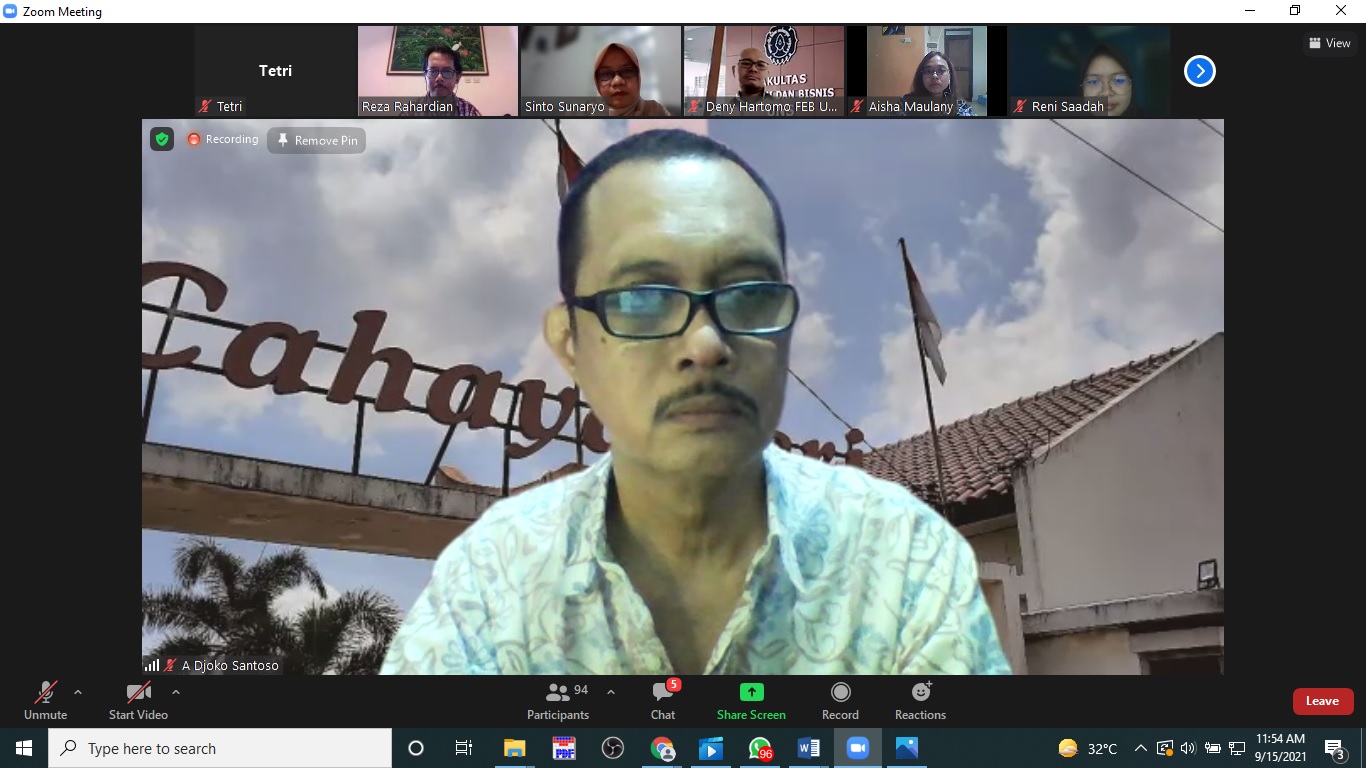
    This statement was made by Djoko Santoso, a Property Business Practitioner in Solo Raya, in Guest Lecture on Managerial Simulation Practices for Property Business Prospects and Thematic Tourism Development organized by the Management Study Program, Faculty of Economics and Business (FEB) Universitas Sebelas Maret (UNS), Wednesday, 15 September 2021.
    Further, Mr. Djoko reveals that the property business value is determined by four things, namely location, facilities, brand, and theme.

    The main focus on determining housing construction is location. In contrast, the supporting infrastructure will be an added value in housing. The most common facilities included are roads and places of worship. Meanwhile, the brand will significantly affect the property selling power or its marketing strategy. When the housing brand is strong in a region, it will affect the marketability of the housing products.

    Several housing estates have started to apply specific themes in their construction, which is usually dependent on specific consumer groups, usually for the upper-level economic community. Based on his experience in the property business, Djoko Santoso sees that the basic guidelines in property business valuation are location and target market, land price, theme or type of housing, ownership system, and marketing. “The first points to consider when choosing a location or target market are the location must be clear, and which target market we choose, whether it is the lower, middle or upper-class because this greatly affects the products we will sell and also the determined targets,” he said.

    Currently, to sell property products, the marketing system is diverse. There is a housing program without a down payment and half payment program, where half of the property price can be paid in 12 installments with no interest and many others. These kinds of marketing systems are done to attract consumers. Likewise, in terms of property business capital, the alternative funding is very diverse. Previously, the only funding available was personal funds. Now we can collaborate with landowners, bank credit funding, or finding investors.

    Meanwhile, the second speaker, Gilang Ramadhan, a musician and Mentor for the Tourism Development of the Ministry of Tourism and Creative Economy, told his experience while working in the tourism sector. According to him, creativity is needed to develop the tourism sector. In developing tourism, we must pay attention to the tourists’ interest in visiting tourism places. VVIP tourists want a place that is truly original. Considering this preference, we can choose an original tourism concept.
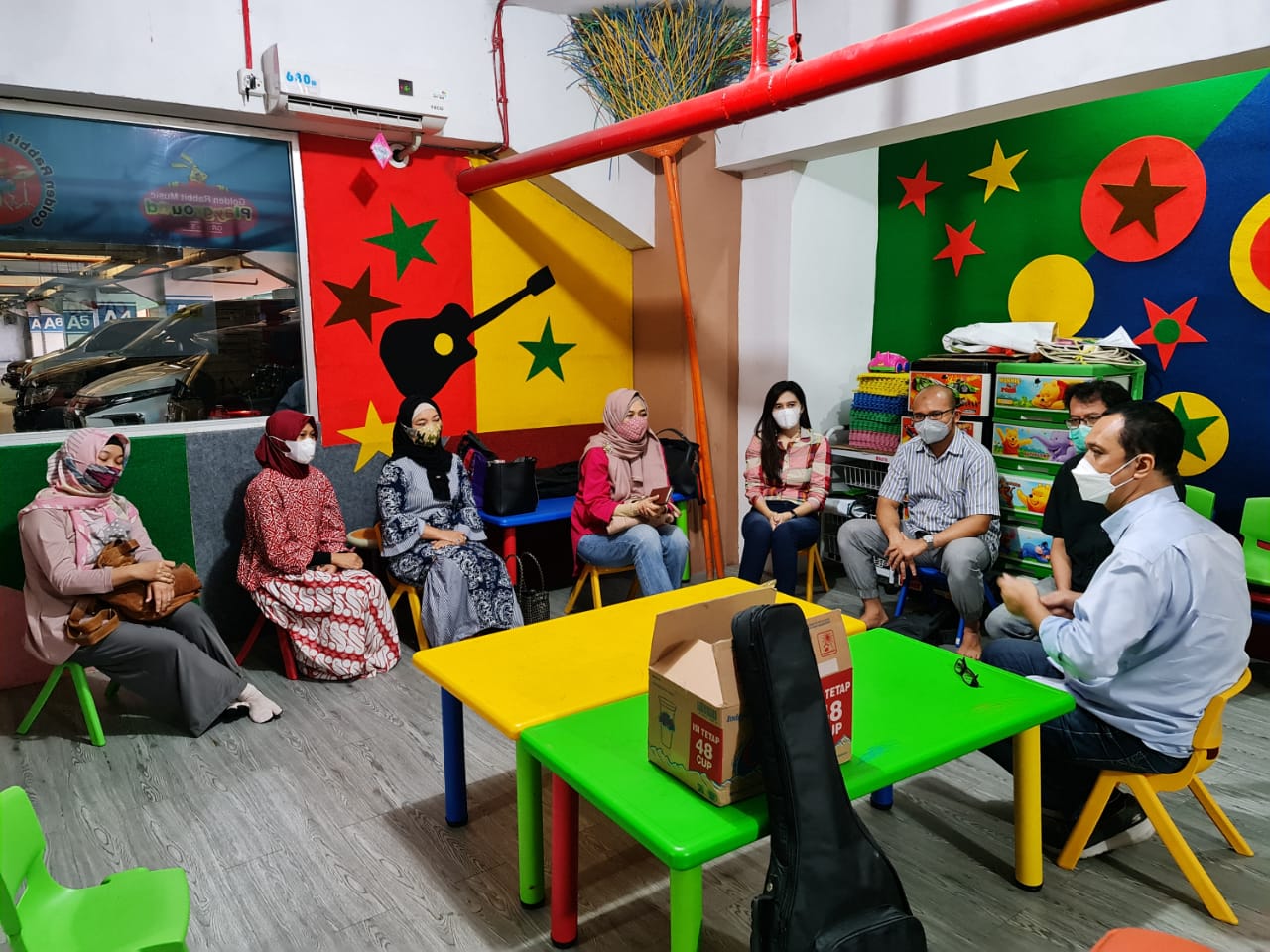
    “It is also necessary to pay attention to what can charm people around the world to visit tourist attractions in Indonesia, for example, coffee. If coffee can be a point of attraction to attract people into visiting a place, use it, and do not forget that we have to use the red and white flag as one of the identities of Indonesia,” he said.

    Another thing that also needs to be done is to record visiting tourists in a relaxed and friendly way, to easily get their contact information in the event of promoting other tourist attractions. A sustainable blueprint is fundamental in developing tourism. Meanwhile, the best blueprint is from Bali. (Humas FEB).

  • Guest Lecture Praktik Simulasi Manajerial Angkat Topik Prospek Bisnis Properti dan Pengembangan Wisata Tematik

    Guest Lecture Praktik Simulasi Manajerial Angkat Topik Prospek Bisnis Properti dan Pengembangan Wisata Tematik

    Dunia properti tidak akan ada habisnya karena kebutuhan rumah semakin hari semakin banyak, hanya saja permasalahannya adalah pada lokasinya dan juga bagaimana daya beli dari masyarakat.

    Bisnis properti merupakan bisnis yang berjangka panjang. Bisnis ini nilai asetnya naik terus, valuenya tidak pernah turun, tahan sekali dengan inflasi. Yang terpenting dari bisnis ini adalah legalitas developer karena banyak sekali yang legalitasnya kurang. Bisnis ini juga padat modal karena pengadaannya sangat besar, belum lagi dengan pembangunannya.

    Pernyataan itu diungkapkan Djoko Santoso, Praktisi Bisnis Properti Solo Raya pada kegiatan Guest Lecture Praktik Simulasi Manajerial Prospek Bisnis Properti dan Pengembangan Wisata Tematik yang diselenggarakan oleh Program Studi (Prodi) S1 Manajemen Fakultas Ekonomi dan Bisnis (FEB) Universitas Sebelas Maret (UNS), Rabu 15 September 2021.

    Selanjutnya disampaikan nilai bisnis properti ditentukan oleh empat hal yakni lokasi, fasilitas, brand dan tematik.

    Untuk menentukan perumahan yang akan dibangun yang utama adalah lokasi. Infrastruktur maupun penunjang-penunjangnya akan menjadi nilai tambah dalam perumahan. Fasilitas yang paling umum diantaranya jalan dan tempat ibadah. Sedangkan brand sangat mempengaruhi daya jual marketingnya. Ketika brand sudah kuat di daerah itu, akan mempengaruhi daya jual produk perumahan.

    Ada beberapa perumahan yang sudah mulai menerapkan tematik dalam pembangunannya, ini sangat tergantung kepada kelompok-kelompok konsumen tertentu, biasanya untuk yang level atas.

    Berdasarkan pengalamannya di bisnis properti, Djoko Santoso melihat bahwa pedoman yang menjadi dasar dalam bisnis properti adalah lokasi dan target pasar, harga lahan, tema atau jenis perumahan, sistem kepemilikan serta marketing.

    “Yang pertama adalah kita harus memilih lokasi atau target pasar, lokasi jelas, dan target pasar yang akan kita tuju yang mana, apakah kelas bawah, menengah atau atas, karena ini sangat mempengaruhi produk yang akan kita jual dan juga target-target yang akan kita sasar” katanya.

    Saat ini, untuk menjual produk, sistem marketingnya sangat beragam, ada program rumah tanpa DP atau  bayar separuh dulu, separuhnya dibayar 12 kali tanpa bunga dan lainya. Sistem marketing seperti ini dilakukan untuk menarik konsumen.

    Demikian pula dalam hal permodalan bisnis properti, sekarang sangat beragam. Jika dulu hanya memakai modal sendiri, saat ini, bisa kerjasama dengan pemilik lahan, pembiayaan oleh bank, atau kerja sama dengan investor.

    Sementara itu, narasumber kedua, Gilang Ramadhan, Musisi, Mentor Pengembangan Pariwisata Kemenparekraf menceritakan pengalamannya selama berkecimpung di bidang pariwisata. Menurutnya, untuk mengembangkan pariwisata harus kreatif.

    Dalam mengembangkan wisata, kita harus memperhatikan minat dari para turis dalam mengunjungi tempat-tempat pariwisata. Turis yang VVIP banyak menginginkan tempat yang benar-benar original. Untuk hal ini,  konsep tempat wisata yang original bisa kita lakukan.

    “Perlu diperhatikan juga, kira-kira apa yang bisa membius orang sedunia untuk mengunjungi tempat-tempat wisata di Indonesia, misalnya kopi. Kopi adalah satu senjata untuk mendatangkan turis, presentasikan itu. Dan jangan lupa, dimana-mana kita harus menggunakan bendera merah putih sebagai salah satu ciri ke Indonesiaan kita” ungkapnya.

    Hal lain yang juga perlu dilakukan adalah mendata turis yang datang dengan cara santai dan  penuh persahabatan, sehingga kita bisa mendapatkan dengan mudah emailnya untuk mempromosikan tempat-tempat wisata lainnya.

    Blueprint  yang  berkesinambungan  sangat penting  dalam  mengembangkan  pariwisata. Sementara   ini,   blueprint  yang   paling  bagus adalah dari Bali. (Humas FEB).

  • Tim Abdimas FEB UNS dan Sekolah Vokasi Bekerja Sama dengan Gilang Ramadhan Studio Band, Latih Peserta Program Cayoo

    Tim Abdimas FEB UNS dan Sekolah Vokasi Bekerja Sama dengan Gilang Ramadhan Studio Band, Latih Peserta Program Cayoo

    Dosen Program Studi (Prodi) di S1 Manajemen Fakultas Ekonomi dan Bisnis (FEB) dan Sekolah Vokasi (SV) Universitas Sebelas Maret (UNS) bekerjasama dengan  Gilang Ramadhan Studio Band  (GRSB) Solo Grand Mall dalam kegiatan pengabdian kepada masyarakat yang telah dimulai sejak 5 Juli 2021.

    GRSB merupakan sekolah pendidikan informal yang menyenangkan dan inovatif untuk semua umur dengan kurikulum yang sudah disusun dengan metode pembelajaran berstandar internasional. GRSB memiliki kelas reguler dan privat diberbagai tingkatan umur, mulai dari umur dibawah 5 tahun hingga 15 tahun dengan instruktur yang mumpuni di bidang alat musik.

    Tim abdimas yakni Dr. Intan Novela QA, SE, M.Si, Reza Rahardian, SE, M.Si, Deny Dwi Hartomo, SE, M.Sc, Lintang Ayuninggar, SE, M.Sc, dan Adnan Effendi, SE, M.Sc memberikan pelatihan dan pendampingan kepada peserta didik GRSB dalam Program Cayoo.

    Dr. Intan Novela QA, SE, M.Si, Ketua abdimas mengatakan tujuan  dari kegiatan ini adalah untuk memberikan pengalaman simulasi sebagai grup musik secara utuh yang mampu tampil di depan audiens baik secara langsung maupun melalui media rekam audio visual.

    “Materi yang diberikan dalam program ini terbagi menjadi 16 sesi antara lain pembelajaran teknik instrumentasi dalam grup musik, pembekalan keterampilan berkomunikasi, pengalaman proses rekaman lagu, pengalaman tampil secara live, dan pengalaman proses rekaman video clip” jelasnya.

    Sebelum pelaksanaan kegiatan, tim abdimas melakukan konsolidasi dan koordinasi pelaksanaan program dengan management GRSB dan orang tua peserta didik.

    Pada sesi perdana, siswa-siswi Cayoo memperoleh pengetahuan tentang skill komunikasi paling mendasar, yaitu bagaimana cara memperkenalkan diri secara lisan, baik di hadapan satu lawan bicara, di depan banyak orang, ataupun dalam sorotan kamera video.

    Sesi kedua yakni Video Perkenalan Diri. Sesi ini tim mengajak peserta untuk langsung praktik memperkenalkan diri melalui media video. Dengan berbagai kreasinya, ada yg syut video sampai beberapa kali, ada yg sambil main alat musik, dan ada pula yang berbahasa asing.

    Sementara itu, untuk sesi ke tiga akan dilaksanakan setelah Pemberlakuan Pembatasan Kegiatan Masyarakat (PPKM) berakhir. (Humas FEB )

  • FE UNTAN Deanery Visit FEB UNS, Discussing MBKM

    FE UNTAN Deanery Visit FEB UNS, Discussing MBKM

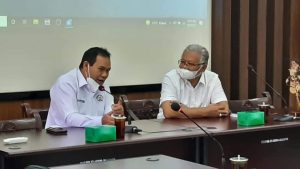
    The Faculty of Economics and Business (FEB) UNS received a visit from the Deanery of the Faculty of Economics, Tanjungpura University (UNTAN) Pontianak, Monday 20 September 2021, in Meeting Room 1 FEB UNS. On this occasion, the representative of FEB UNS presented the faculty profile, the Merdeka Belajar Kampus Merdeka (MBKM) Policy, and its implementation in each study program.

    Dr. Haryono, WD 2 FE UNTAN presenting the FE UNTAN profile

    The entourage of FE UNTAN, consisting of Muz’an Sulaiman, SE., MM., as the Vice-Dean 1 FE UNTAN, Dr. Haryono, SE, Ak, CPA, Asean CPA, as the Deputy Dean 2 FE UNTAN, Dr. Restiatun, MSi, Secretary of the IE Doctoral Study Program FE UNTAN, Dr. Afrizal, MSi, the Head of the FE UNTAN Library, was welcomed by the Dean of FEB UNS, Prof. Djoko Suhardjanto, M.Com. (Hons) Ph.D., Ak., FEB UNS Vice Deans, the Heads of Undergraduate Study Programs, and the Head of Doctoral Programs in Economics FEB UNS. Following the welcome remark, Prof. Djoko Suhardjanto briefly explained the profile of FEB UNS.

    Prof. Djoko mentioned that all undergraduate and postgraduate study programs at FEB UNS have been accredited A from the National Accreditation Board for Higher Education (BAN-PT). International accreditation certifications have also been achieved, such as the EPAS, AUN QA, and ABEST21. Around November this year, the three undergraduate study programs in FEB UNS, the Accounting, Management, and Development Economics will be assessed by AQAS, an international accreditation agency recognized by the Directorate General of Higher Education (Dikti). This year also, FEB UNS has opened an international class.

    “Since 6 October 2020, UNS has obtained the status of a State University with Legal Entity (PTN-BH). In addition, UNS is included in the first cluster or the main cluster of the best universities (PT) in Indonesia. Because of the PTNBH status, there is the main requirement where 50% of the lecturers must have a doctoral degree, and FEB is slowly fulfilling this requirement,” he said.

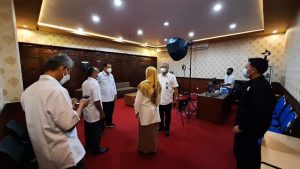
    Visiting the FEB UNS Studio

    Meanwhile, information regarding the MBKM Policy in FEB UNS was delivered by the Vice Dean of Academic Research and Student Affairs FEB UNS, Prof. Izza Mafruhah, SE, M.Si. The implementation at study program level was delivered by the Head of Accounting Study Program, Agung Nur Probohudono, SE, M.Sc., Ph.D., Ak., CA., the Head of Management Study Program, Dr. Atmaji, MM, and the Head of Development Economics Study Program, Bhimo Rizky Samudro, SE, M.Si., Ph.D.

    During the visit, the UNTAN Deanery also visited some of the FEB UNS facilities adapted to national and international accreditation standards, including classrooms, professor rooms, learning studio rooms, work stations, teleconferencing rooms, and others. (Humas FEB).

  • Pimpinan FE UNTAN Kunjungi FEB UNS, Diskusikan MBKM

    Pimpinan FE UNTAN Kunjungi FEB UNS, Diskusikan MBKM

    Fakultas Ekonomi dan Bisnis UNS menerima kunjungan dari pimpinan Fakultas Ekonomi  Universitas Tanjungpura (UNTAN) Pontianak, Senin 20 September 2021 di Ruang Sidang 1 FEB UNS.

    Pimpinan FE UNTAN yakni  Muz’an Sulaiman, SE, MM, Wakil Dekan 1,  Dr. Haryono, SE, Ak, CPA, Asean CPA, Wakil Dekan 2, Dr. Restiatun, MSi, Sekprodi Doktor IE, Dr. Afrizal, MSi, Kepala Perpustakaan diterima langsung oleh Dekan FEB UNS, Prof. Djoko Suhardjanto, M.Com. (Hons) Ph.D.,Ak., para Wakil Dekan, Kepala Program Studi (prodi) S1 dan Kepala Program Doktor Ilmu Ekonomi.

    Di kesempatan itu, Pimpinan FEB UNS menyampaikan profil FEB UNS, Kebijakan Program Merdeka Belajar Kampus Merdeka (MBKM) dan implementasinya di masing-masing prodi.

    Dr. Haryono, WD 2 FE UNTAN saat menyampaikan profil FE UNTAN

    Usai menyampaikan selamat datang kepada pimpinan FE UNTAN, Prof. Djoko Suhardjanto memaparkan sekilas profil FEB UNS.

    Seluruh prodi di FEB UNS, Prodi S1 dan Pascasarjana telah terakreditasi A dari Badan Akreditasi Nasional Perguruan Tinggi (BAN PT). Sertifikasi akreditasi internasional pun telah diraih yakni  EPAS, AUN QA dan ABEST21. Sekitar bulan November tahun ini,  ketiga program studi S1  FEB UNS, Akuntansi, Manajemen dan Ekonomi Pembangunan akan divisitasi AQAS, lembaga akreditasi internasional yang diakui oleh Direktorat Jenderal Pendidikan Tinggi (Dikti).  Tahun ini pula, FEB UNS membuka kelas internasional.

    “Sejak 6 Oktober 2020 lalu, UNS menyandang status sebagai Perguruan Tinggi Negeri Berbadan Hukum (PTN-BH). Selain itu, UNS masuk klaster satu atau klaster utama dari Perguruan Tinggi (PT) terbaik di Indonesia. Karena sudah PTNBH, syarat utama 50% dosennya harus bergelar  doktor dan FEB sudah mendekati” tegasnya.

    Sementara itu, Kebijakan MBKM disampaikan Wakil Dekan Akademik Riset dan Kemahasiswaan FEB UNS, Prof. Izza Mafruhah, SE, M,Si dan untuk implementasinya di masing-masing prodi disampaikan oleh Kaprodi Akuntansi, Agung Nur Probohudono, S.E., M.Si., Ph.D., Ak., CA, Kaprodi Manajemen,  Dr. Atmaji, M.M., dan Kaprodi Ekonomi Pembangunan, Bhimo Rizky Samudro, S.E., M.Si,. Ph.D.

    Rombongan mengunjungi ruang studio FEB UNS

    Dalam kunjungan itu, pimpinan UNTAN juga ditunjukkan beberapa fasilitas FEB UNS yang telah disesuaikan dengan standar akreditasi nasional dan internasional diantaranya ruang kelas, ruang profesor, ruang studio pembelajaran, work station, ruang telekonferen dan lain sebagainya. (Humas FEB).

  • FEB UNS Undang Tiga Narasumber, Diskusikan Revitalisasi Pelatihan atau Jasa Konsultasi Berorientasi Pasar

    FEB UNS Undang Tiga Narasumber, Diskusikan Revitalisasi Pelatihan atau Jasa Konsultasi Berorientasi Pasar

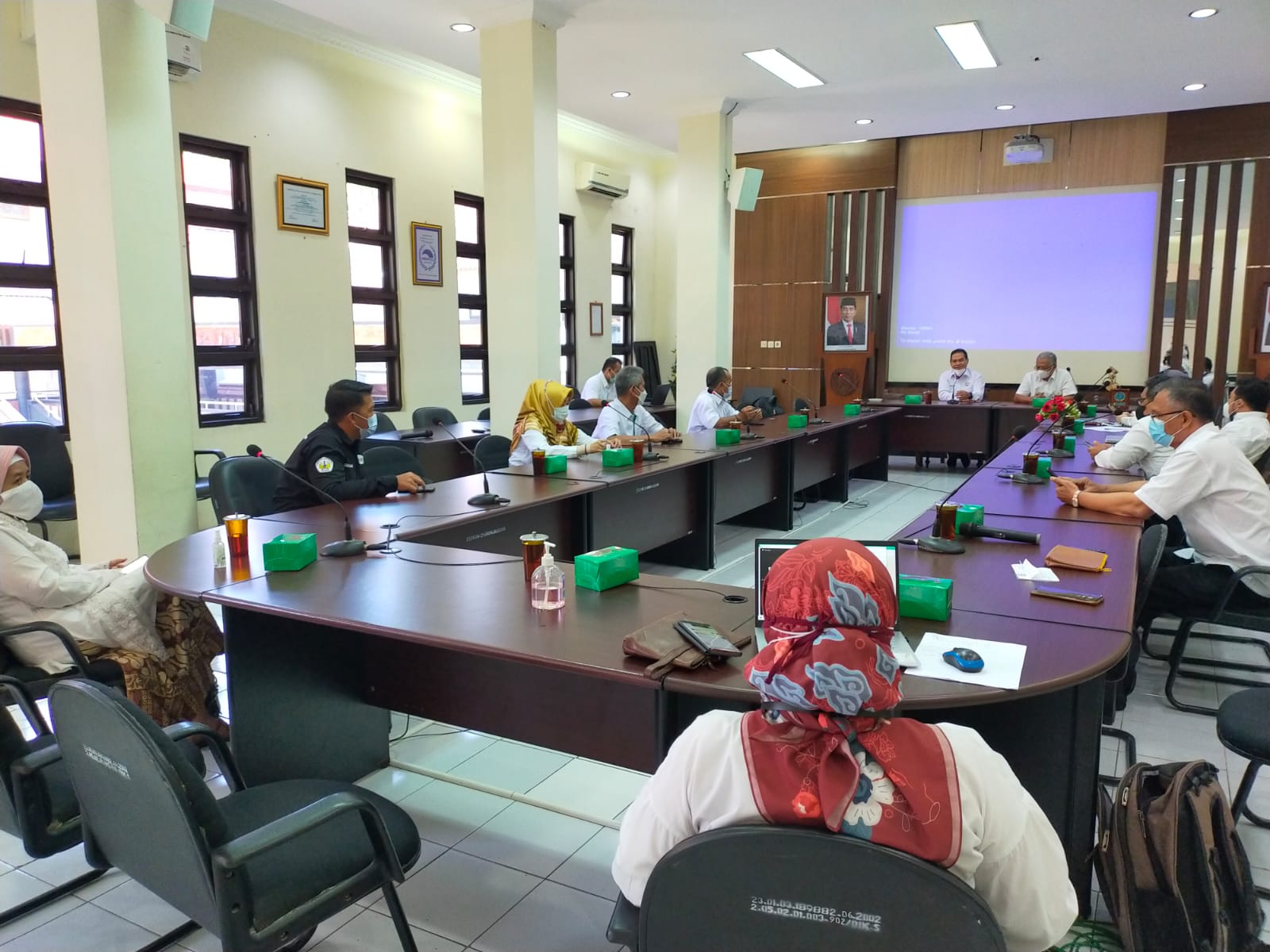
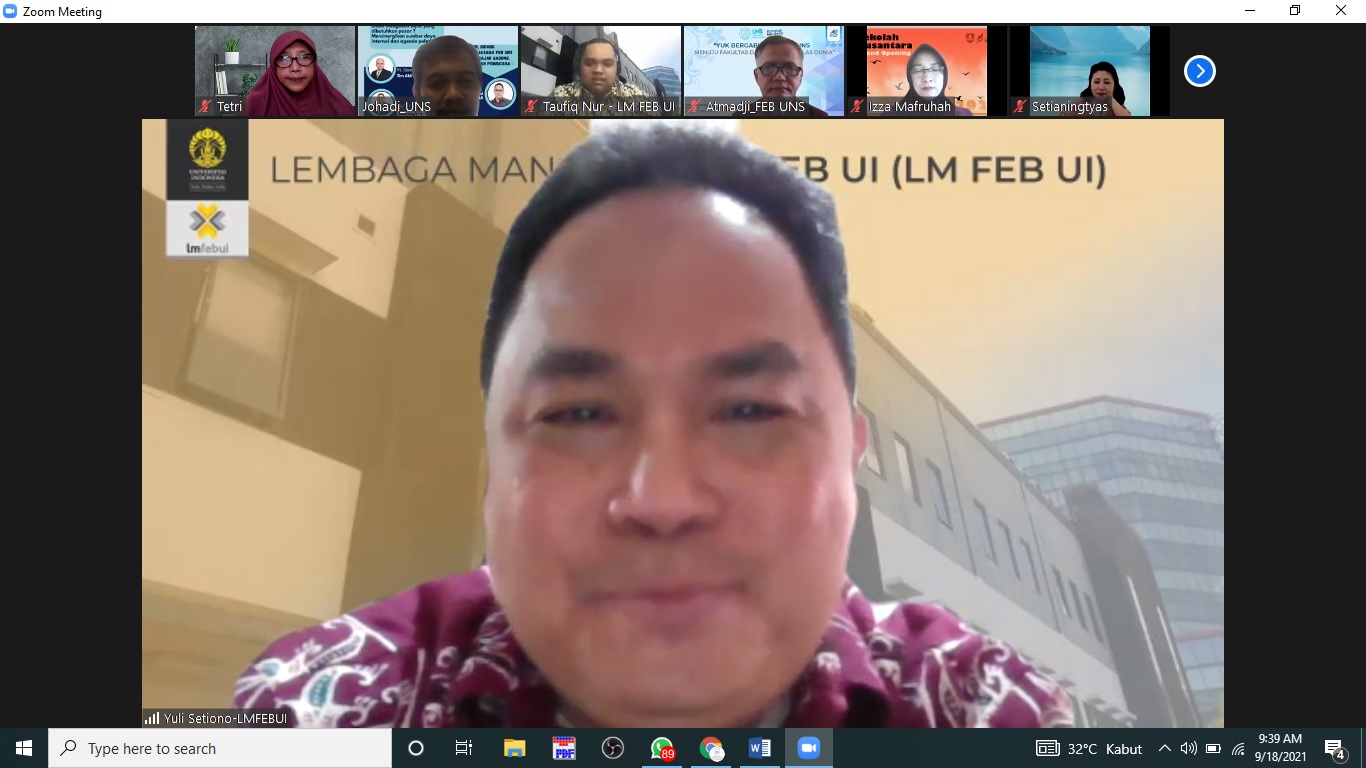
    Bidang Kerjasama Fakultas Ekonomi dan Bisnis (FEB) Universitas Sebelas Maret (UNS) menggelar diskusi daring bertemakan Revitalisasi Pelatihan atau Jasa Konsultasi Berorientasi Pasar, Sabtu  18/9/2021.

    Tiga narasumber dari Lembaga Managemen  FEB Universitas Indonesia dihadirkan yakni Yuli Setiono, MSi, Direktur Training & Asessment, M. Slamet Wibowo, MBA, Tim Ahli Pimpinan dan Taufiq Nur, MSc, Assistant Group Head of Training Services.

    Dr. Ahmad Ikhwan Setiawan, S.E., M.T., Ketua Badan Pengelola Usaha Fakultas (BPUF) dalam sambutannya mengatakan FEB UNS memiliki lembaga pelatihan yang selama ini sudah berusaha bergerak aktif dalam rangka kemandirian lembaga. Misi BPUF adalah generating income, memberikan pendapatan untuk membesarkan nama lembaga. Untuk hal ini, perlu ada yang memotivasi baik dalam menggarap pasar  internal terutama di Solo Raya maupun upaya untuk mengembangkan ke jasa konsultasi.

    “Saat ini, FEB UNS memiliki sumberdaya yang cukup, dalam arti profesor dan doktor yang siap jual. Cuma perlu ada sentuhan yang lebih ke arah marketable atau orientasi pasar sehingga sumber daya kami bisa dioptimalkan untuk peningkatan pengalaman dosen-dosen senior dan juga untuk kemandirian lembaga.” katanya.

    Wakil Dekan Akademik, Riset dan Kemahasiswaan FEB UNS, Prof. Dr. Izza Mafruhah, SE, M.Si mengharapkan hasil dari diskusi ini bisa ditindaklanjuti dengan rapat-rapat kerja.

    “Apa yang kita serap di kegiatan ini menjadi salah satu wacana atau tambahan untuk mempersiapkan  di tahun 2022. Setelah ini, tim kerjasama akan menyelenggarakan rapat-rapat kerja untuk menyusun kerja ke depan. Kita coba terapkan, membangun, merekonstruksi atau merestrukturisasi kegiatan yang ada di FEB UNS” tegasnya.

    Dikatakannya, FEB UNS memiliki Pusat Pengembangan Ekonomi Pembangunan (PPEP), Pusat Pengembangan Manajemen (PPM) dan Pusat Pengembangan Akuntansi (PPA) yang disatukan ke dalam satu wadah yaitu BPUF. BPUF di FEB merupakan penyatuan dari berbagai kekuatan yang ada di fakultas, kita akan mengangkut gerbong FEB ini sesuai dengan kekuatan masing-masing .

    Di pengelolaan kerjasama sebelumnya, FEB UNS merencanakan untuk pemetaan atau identifikasi dari masing-masing keahlian dosen. Kita perlu buat sebuah promosi yang dilakukan bersama-sama sehingga kita bukan hanya memberikan pelayanan kepada mahasiswa namun juga memberikan pelayanan kepada masyarakat , tidak hanya di Solo Raya tapi juga dari Sabang sampai Merauke. Terlebih dengan daring memungkinkan aktifitas tidak hanya untuk masyarakat sekitar tapi juga nasional bahkan internasional.

    Ketiga narasumber memberikan pengalamannya dalam pengelolaan LM FEB UI yang telah berdiri sejak tahun 1963 sebagai perusahaan jasa konsultasi manajemen dengan beberapa produknya yakni asesmen, pelatihan, riset dan konsultasi. (Humas FEB UNS) .