
Students of the Master’s Program in Economics and Development Studies (MESP) FEB UNS achieved notable recognition at the 2025 Tidar International Conference on Economics, Management, Business, and Accounting (TICEMBA). During the international conference held on 30–31 October 2025, two MESP students—David Andrean and Sanefaro Infun J. Mofu—received the Best Presenter 1st Place and Best Presenter 3rd Place awards respectively.
The awards were presented by the Faculty of Economics, Tidar University, in collaboration with the Regional Development Planning, Research, and Innovation Agency of Magelang Municipality as an acknowledgment of the presenters’ strong delivery and research quality.
At the conference, David presented his research titled Do Infrastructure Indicators Reduce Rural Poverty? Evidence from Karanganyar Regency. The study examines how infrastructure development influences poverty levels in rural regions by assessing the dynamics between core and peripheral areas. David explains that Karanganyar, which consists of both growth centers and rural zones, offers an ideal context for assessing whether development narrows existing disparities or unintentionally widens them.
“I am very grateful to receive the Best Presenter title. It is a memorable experience because the participants come from various regions. This award motivates me to continue improving my research and public speaking skills,” David stated.
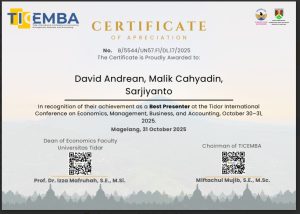 His greatest challenge involved simplifying complex findings into a concise yet meaningful presentation. Supported by PODES data from BPS and clear visualizations, his presentation was considered relevant, sharp, and accessible by the reviewers. David also expressed appreciation for the guidance of his supervisors, Sarjiyanto, Ph.D., and Malik Cahyadin, Ph.D., along with the support of peers and family. He hopes more MESP students will take the opportunity to join international conferences, adding, “We do not need to be perfect to begin. What matters most is the willingness to try. Shoot your shot, you never know which doors will open.”
Another Best Presenter awardee, Sane, delivered a study titled Regional Disparities and Determinants of Poverty in Papua: Klassen Typology Analysis and Panel Data Regression. His research is motivated by the development paradox in Papua, where improvements in macroeconomic indicators do not consistently correlate with substantial poverty reduction. In several periods, poverty rates have even increased.
“Concerns about the situation in Papua encourage me to examine the sources of inequality more rigorously. This is not only an academic study but also a modest advocacy effort to bring Papua’s issues to an international forum,” Sane explained.
 During preparation, his greatest challenge involved balancing thesis proposal work with conference readiness. During the presentation, he needed to condense complex research into a concise and compelling delivery within a seven-minute timeframe. Sane expressed his gratitude to his supervisors, Dr. Evi Gravitiani and Sarjiyanto, Ph.D., for consistently supporting the refinement of his research. “TICEMBA serves as an essential platform to develop scientific communication skills, broaden insights on development issues, and introduce Papua’s concerns into academic discussions,” he added.
These achievements demonstrate the ongoing quality of research and academic development within the MESP Program, which remains aligned with regional and national economic issues.
The studies presented by the two MESP students contribute directly to SDG 1 (No Poverty) through comprehensive analysis of poverty reduction strategies. The topics on infrastructure and spatial inequality further support SDG 9 (Industry, Innovation, and Infrastructure) and SDG 10 (Reduced Inequalities). Their participation in the international conference also contributes to SDG 17 (Partnerships for the Goals) by promoting collaboration and knowledge exchange at the global level.

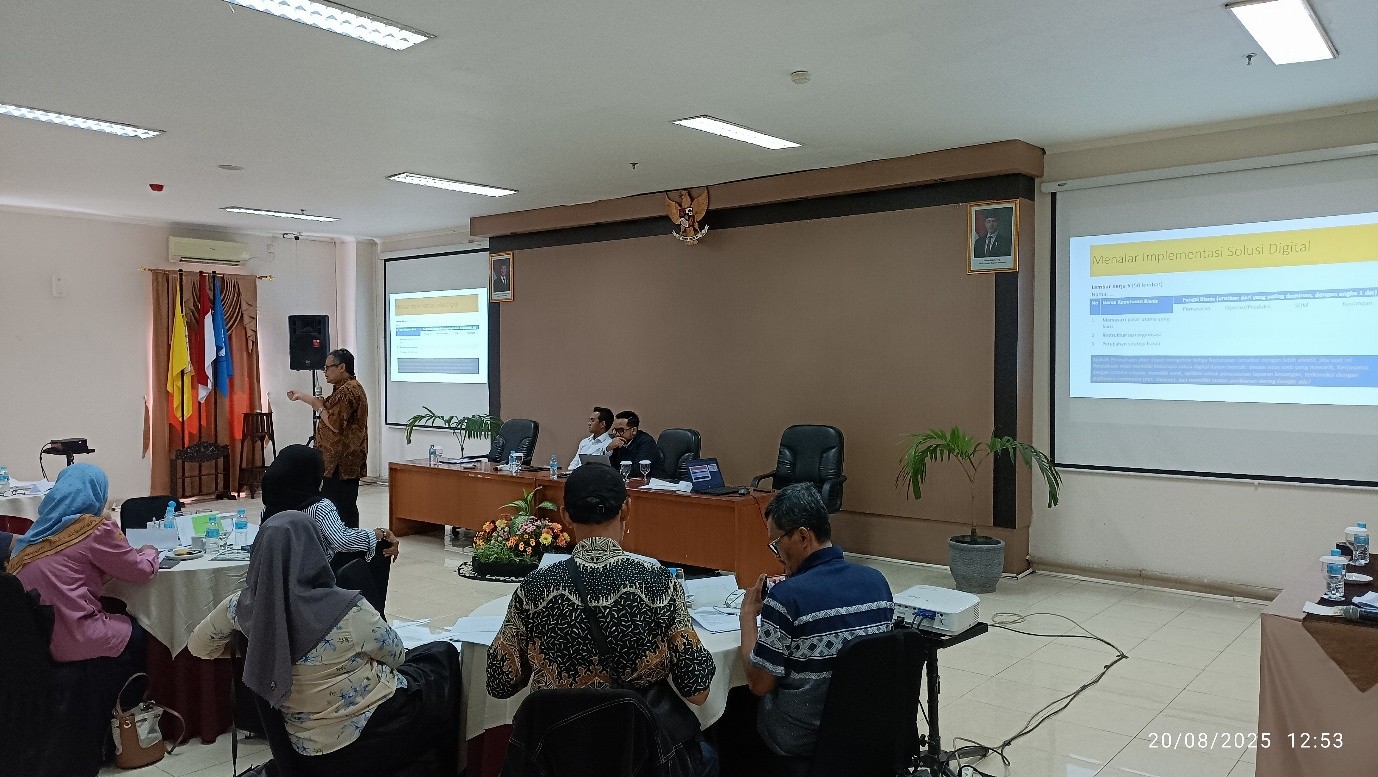
 for entrepreneurs to determine priorities and select digital technologies that genuinely support their needs.”
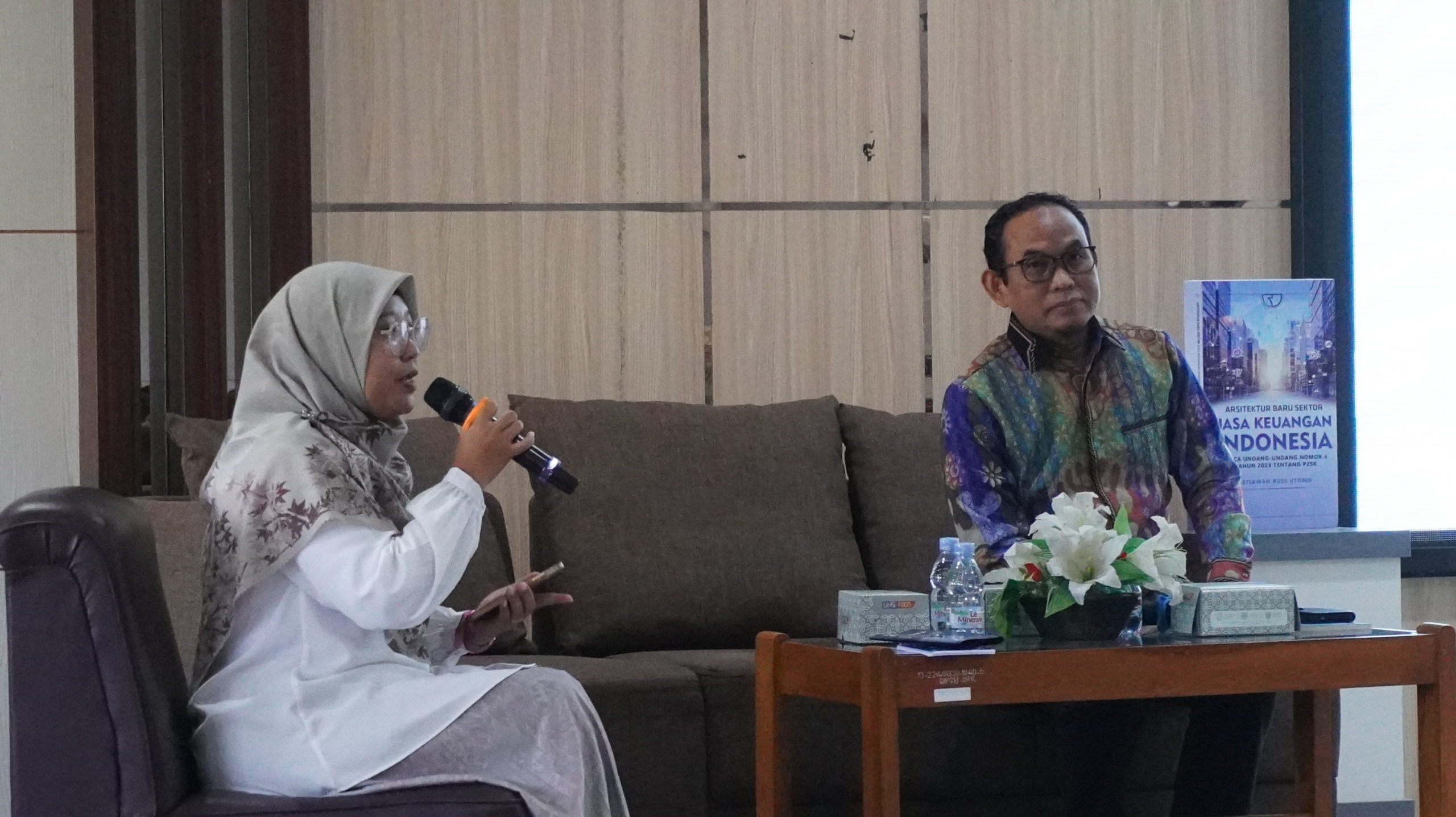
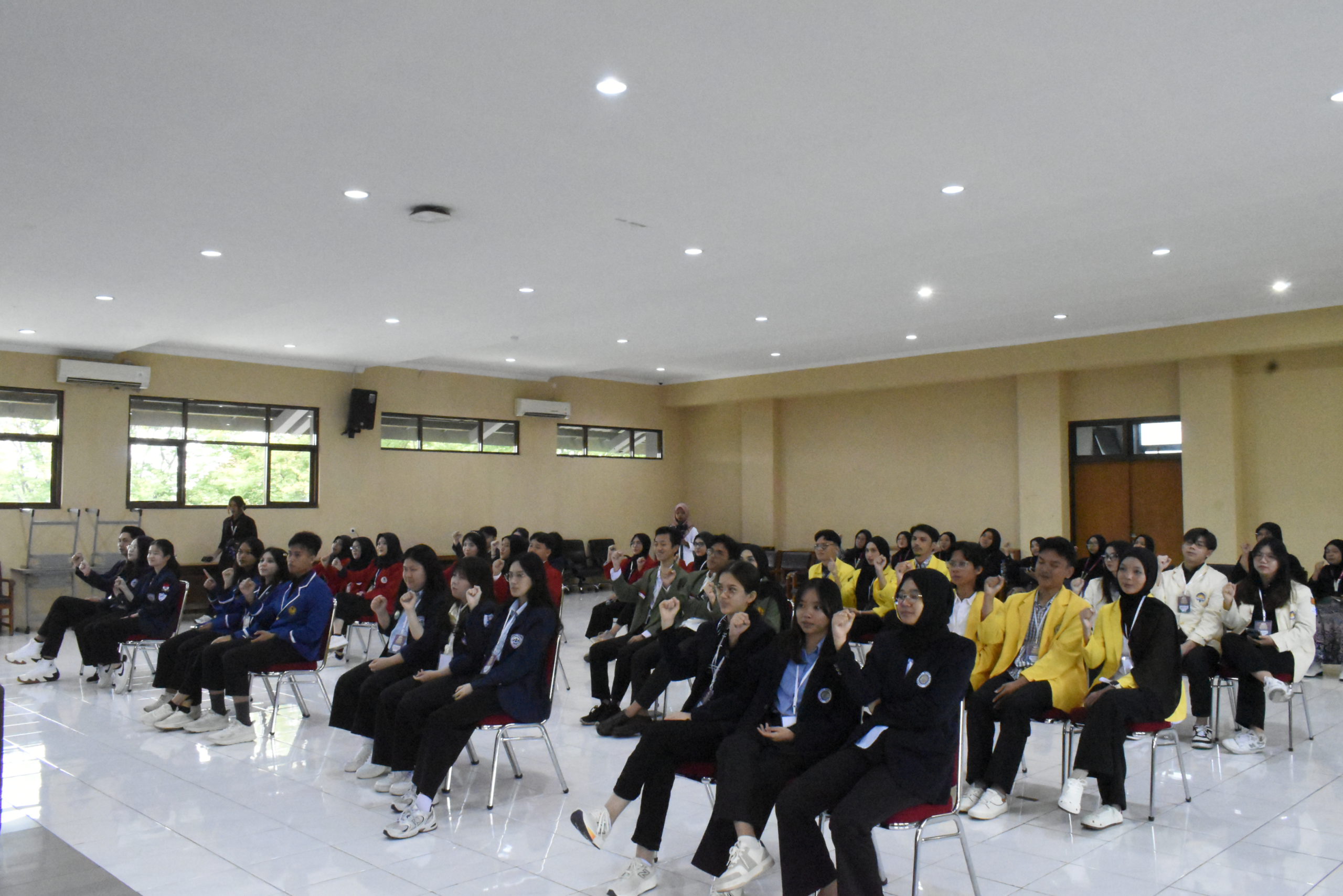
 This academic forum served as a platform to examine the major transformation of Indonesia’s financial services sector following the enactment of the P2SK Law, an omnibus regulation that restructures institutional architecture, supervisory scope, and the direction of national financial development.
 Institutional Transformation and Coordination Strengthening
 In the banking sector, the speaker emphasized that the P2SK Law adopts a more systematic risk-based supervision through three categories: normal, intensive, and special supervision. The Law also supports the consolidation of BPR/BPRS, the strengthening of sharia banking structures, and the acceleration of digital service transformation. The emergence of digital banks has become a strategic development. The P2SK Law provides clearer governance guidelines related to minimum capital, cybersecurity, digital know your customer (KYC) mechanisms, and technology risk management. The Law also encourages the integration of environmental, social, and governance (ESG) principles into financing portfolios as part of the transition toward sustainable finance.
 Regulation transformation extends to the non-bank sector, including insurance, pension funds, financing companies, and venture capital firms. These industries are required to improve governance, enhance digital transformation, and strengthen service transparency.
 The discussion session was highly interactive, with questions from participants regarding implementation challenges, digital transformation readiness, and the role of students in contributing to the financial sector’s governance in the future. “The success of the P2SK Law depends heavily on human resource capacity, the harmonization of derivative regulations, and the ability of financial institutions to adapt to technology,” Setiawan said.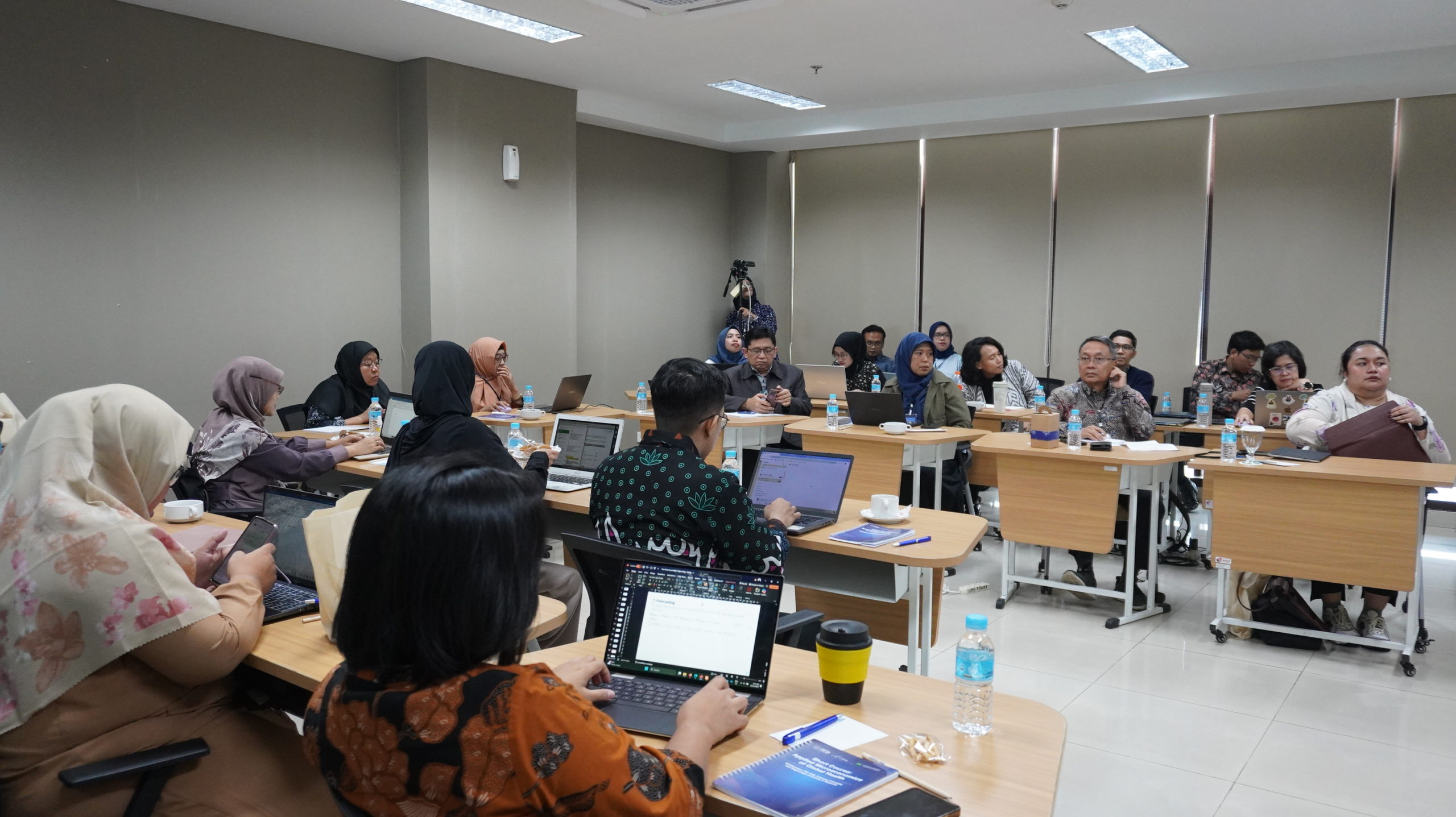


 “This workshop brings together economists and health scholars so that we can examine major issues such as malnutrition, pandemics, and mental health from interdisciplinary perspectives. Hopefully, this activity will not only expand knowledge but also broaden networks and research collaboration,” said Prof. Tri.
 Over three days, participants take part in six structured intensive sessions. On the first day, discussions focus on Universal Health Coverage and the Economics of Nutrition & Stunting. Participants also join small group activities guided by the speakers. Each group is asked to identify one relevant public health issue, share perspectives, and agree on a topic to be analyzed throughout the workshop series. The groups then present their initial findings before proceeding to the next sessions.
 The first day concludes with a cultural activity at Javanologi UNS, where speakers and participants have the opportunity to play gamelan, learn about traditional Javanese instruments, and experience firsthand the cultural practices that form an essential aspect of local heritage.
 On the second day, the program continues with discussions on Nutrition Transition & the Triple Burden of Malnutrition and Globalization & Health. The third day centers on Health Behaviours & Behavioural Field Experiments and a Behavioural Design Tutorial. The short course concludes with a closing dinner.
 Prof. Tri hopes that this program becomes a platform for researchers, practitioners, and academics from multiple disciplines to strengthen shared understanding of global health economics. “I hope you enjoy this program and experience the hospitality of UNS and the city of Solo,” she concluded.

 In his opening remarks, Mulyadi, S.E., M.Ec.Dev., Ph.D., Lecturer at FEB UNS, emphasized the importance of this activity as a platform for cross-cultural learning. He encouraged students to use the opportunity to actively practice their English communication skills. “I expect active participation from the students. Push yourselves to the fullest so that your English proficiency improves through direct conversations with international students,” stated Dr. Mulyadi. He further noted that such interactions can expand students’ perspectives, particularly for those planning to pursue further studies abroad.
 Meanwhile, Sylivia highlighted the importance of having an interest in the country one plans to visit. Such interest, she explained, helps individuals better prepare for life in a new environment. “Although many people can speak English, there are still situations, such as in traditional markets, where we need to understand the local language,” she noted while sharing her experiences in Indonesia.
 Tazegul shared her personal experience attending an English training center, where all participants were constantly encouraged to communicate in English, even if imperfectly. “Because we were used to speaking English every day, my skills improved rapidly; the environment plays a major role,” she explained.