FEB

Blog

  • International Students Sharing Session, Perkuat Wawasan Global Mahasiswa

    International Students Sharing Session, Perkuat Wawasan Global Mahasiswa

    Fakultas Ekonomi dan Bisnis (FEB) Universitas Sebelas Maret (UNS) kembali menghadirkan suasana interaktif dan inspiratif melalui kegiatan International Students Sharing Session pada Kamis, 20 November 2025 di Aula Konimex FEB UNS.

    Kegiatan ini menghadirkan tiga mahasiswa internasional dari berbagai negara yang sedang menempuh studi di FEB UNS, Mabengba David Aja Kofi (Ghana), Sylivia Aulila Lugereka (Tanzania), dan Tazegul Nyyasmammedova (Turkmenistan) yang berbagi pengalaman tentang tantangan dan strategi bertahan sebagai mahasiswa.

    Dalam sambutannya, Mulyadi, S.E., M.Ec.Dev., Ph.D., Dosen FEB UNS, menekankan pentingnya kesempatan ini sebagai sarana belajar lintas budaya. Ia menegaskan bahwa mahasiswa harus memanfaatkan momentum ini untuk melatih kemampuan bahasa Inggris secara langsung.

    “Saya berharap partisipasi aktif mahasiswa. Dorong diri kalian semaksimal mungkin agar kemampuan berbahasa Inggris meningkat melalui percakapan dengan mahasiswa internasional,” jelas Dr. Mulyadi.

    Dr. Mulyadi juga menambahkan bahwa interaksi seperti ini dapat membuka wawasan mahasiswa yang berencana melanjutkan studi ke luar negeri.

    Dalam sesinya, Kofi memberikan motivasi kuat kepada peserta untuk tidak takut melakukan kesalahan saat menggunakan bahasa Inggris. Menurutnya, komunikasilah yang utama.

    “Jangan takut salah. Kita bukan penutur asli, jadi tidak perlu memakai standar profesional. Yang penting lawan bicara memahami maksud kita,” tuturnya.

    Kofi mengingatkan bahwa ketakutan terhadap kesalahan justru menjadi penghalang terbesar dalam kemampuan berbahasa.

    Sementara itu, Sylivia menekankan pentingnya interest terhadap negara yang akan dikunjungi. Ketertarikan tersebut, katanya, akan membuat seseorang lebih siap menghadapi kehidupan di negara baru.

    “Walau banyak orang bisa bahasa Inggris, tetap ada situasi seperti di pasar tradisional di mana kita perlu memahami bahasa lokal,” jelasnya sambil memberi contoh pengalaman di Indonesia.

    Selain itu, Sylivia membagikan tips pengelolaan keuangan bagi mahasiswa asing. Ia menyarankan membandingkan harga dengan mata uang negara asal sebagai strategi penghematan yang efektif.

    Tazegul membagikan pengalaman personalnya ketika mengikuti training center bahasa Inggris. Di tempat tersebut, seluruh peserta didorong untuk terus berkomunikasi dalam bahasa Inggris meskipun belum sempurna.

    “Karena terbiasa berbicara bahasa Inggris setiap hari, kemampuan saya berkembang pesat, lingkungan sangat berpengaruh,” ungkapnya.

    Kegiatan sharing ini tidak hanya membahas persoalan bahasa, tetapi juga mengupas strategi bertahan hidup, mengatasi homesickness, manajemen keuangan, hingga cara membangun jejaring global sebelum lulus. Melalui interaksi langsung, mahasiswa FEB UNS mendapatkan pemahaman lebih mendalam tentang kehidupan sebagai pelajar internasional.

    Kegiatan International Students Sharing Session selaras dengan tujuan SDG 4: Quality Education dan SDG 17: Partnerships for the Goals. Melalui pertukaran pengalaman dan dialog lintas budaya, kegiatan ini memperkuat kualitas pembelajaran global dan membangun kemitraan internasional di lingkungan kampus.
  • UNS–UNDIP Synergy Strengthens Research-Based Startup Incubation Ecosystem

    UNS–UNDIP Synergy Strengthens Research-Based Startup Incubation Ecosystem

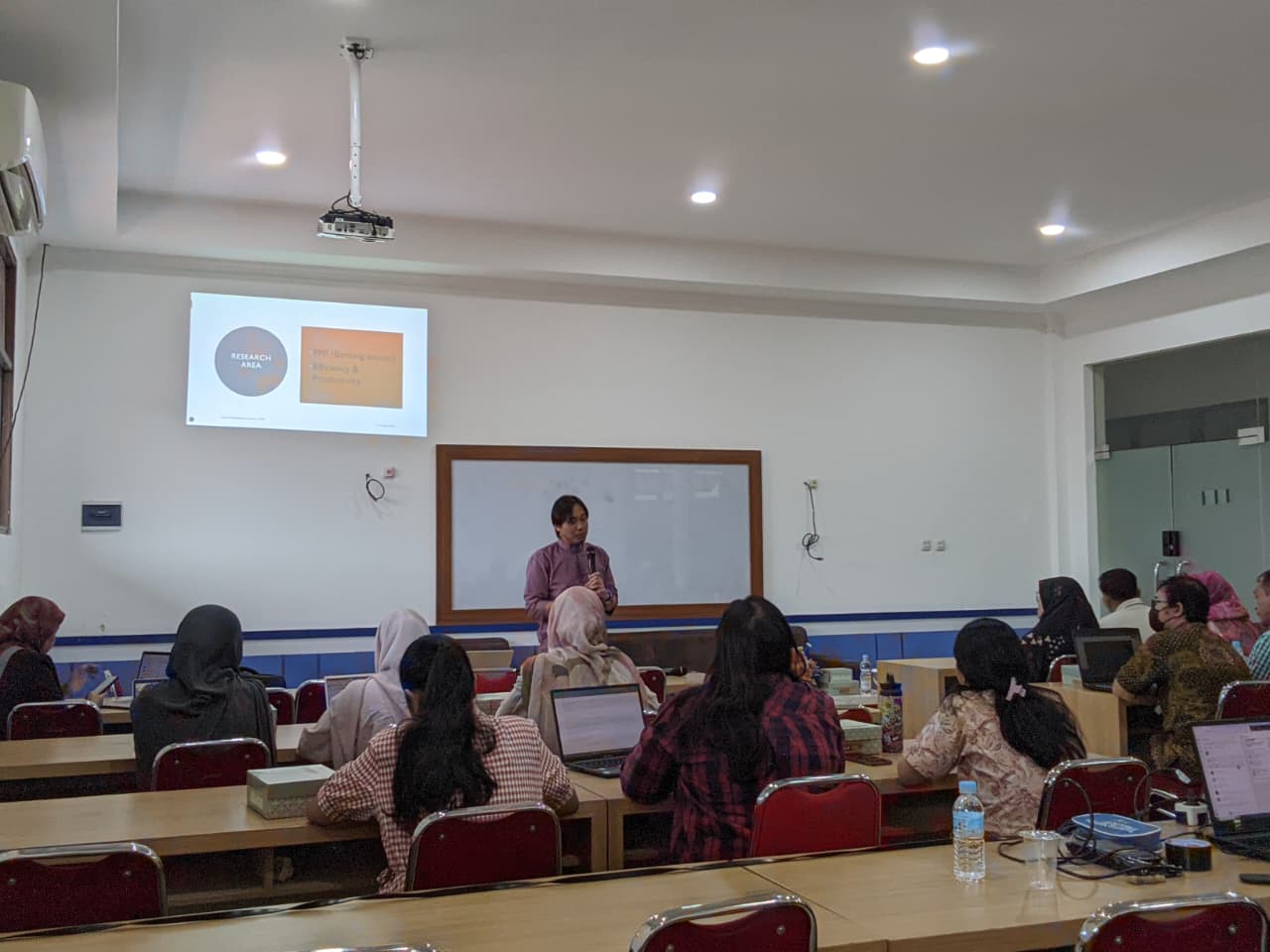
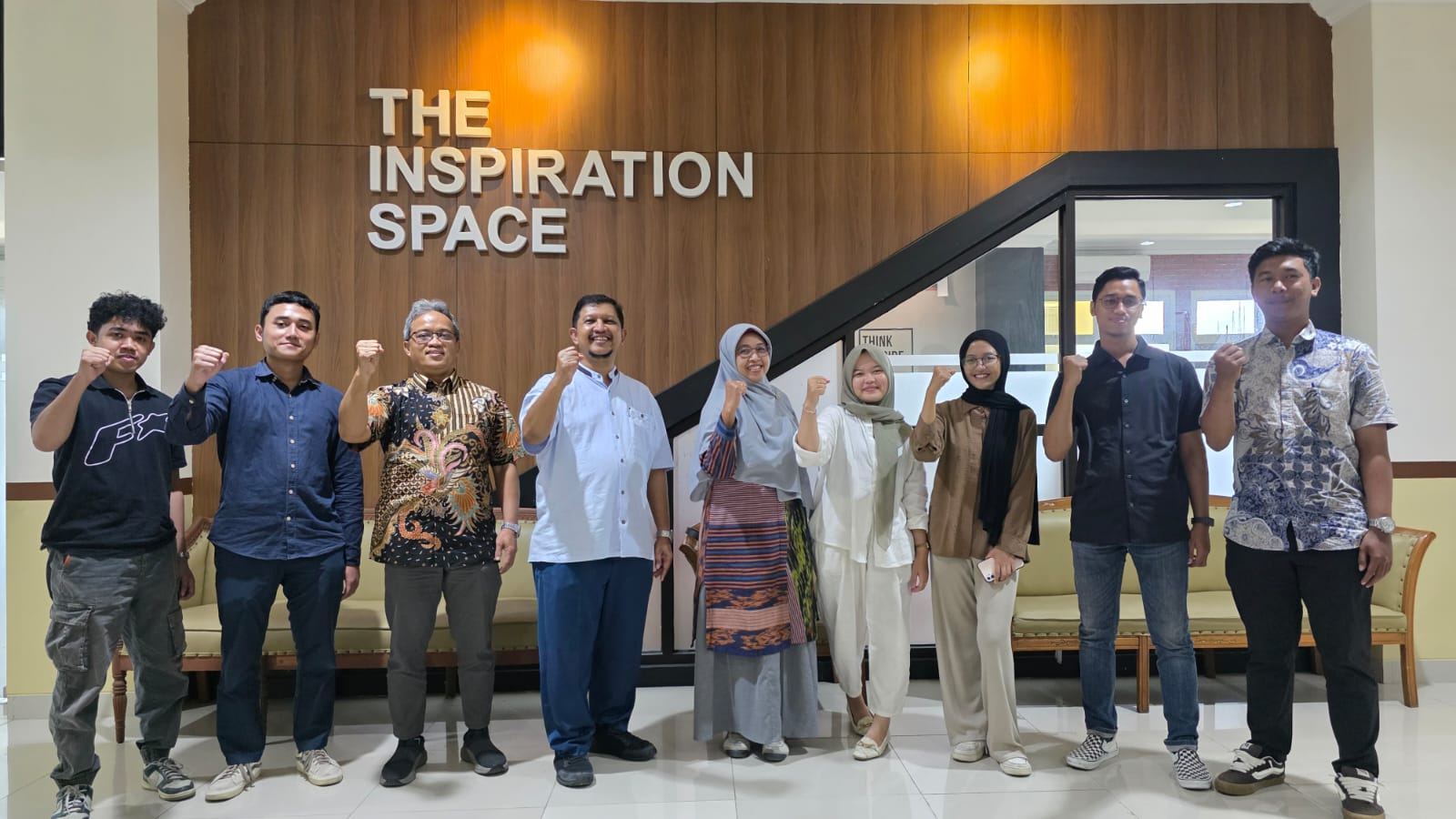
    The Behavioral Marketing Research Group (RG), Faculty of Economics and Business (FEB), Universitas Sebelas Maret (UNS), in collaboration with the Entrepreneurship Clinic and Business Incubator (KKIB), Universitas Diponegoro (UNDIP), strengthened their partnership in developing a research-based startup incubation ecosystem through a Focus Group Discussion (FGD) held on Tuesday, 18 November 2025. The forum served as an academic platform to examine the role of incubators in nurturing research-driven innovative business ideas within higher education institutions.

    Dr. Ahmad Ikhwan Setiawan, Head of the Behavioral Marketing Research Group at FEB UNS, emphasized that business incubators are a critical foundation for supporting students and researchers in developing ideas, building business models, and receiving professional mentoring. He noted that incubators can accelerate the transformation of innovation into solutions that provide value and benefits to society.

    Prof. Dr. Datien Eriska Utami from UIN RM Said highlighted the importance of establishing modern incubators as collaborative ecosystems that adapt to market dynamics and technological developments. She pointed out the need for multidisciplinary approaches, including product design, consumer behavior analysis, and digital marketing strategies, to ensure that tenants remain competitive. For her, the success of an incubator depends not only on physical facilities but also on strong mentoring networks, market access, and the integration of research outcomes with industry needs.
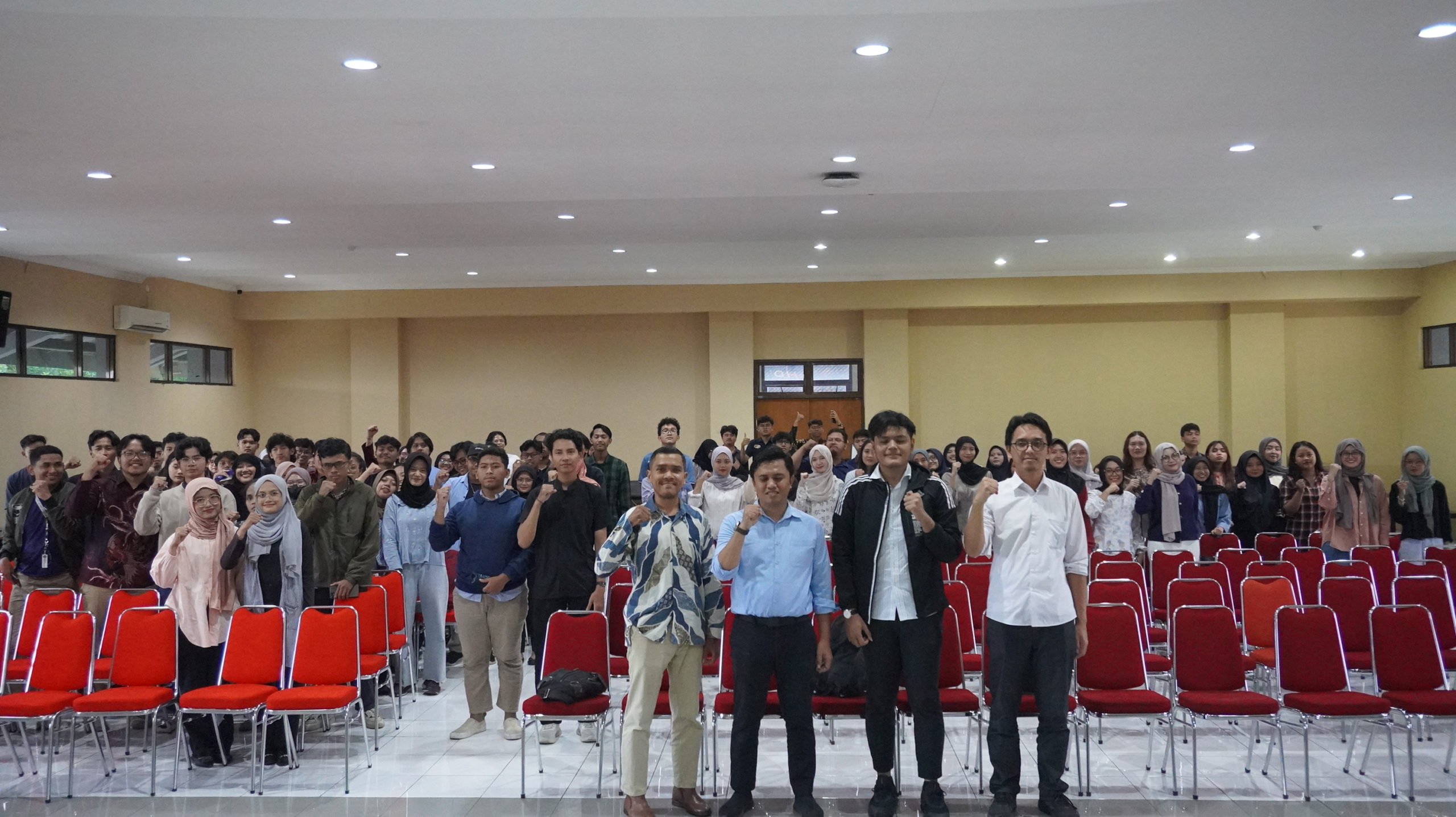
    From the incubator management perspective, Dr. Idris, Head of KKIB UNDIP, explained that universities must provide an enabling environment for startup growth. This includes space for creativity, experimentation, and a strong culture of innovation. He added that institutional policies, research support, and industry partnerships are essential factors that enable startups to grow from idea development to commercialization.

    Through this FGD, both institutions agreed to strengthen research collaboration, share best practices, and promote the development of an incubator model capable of supporting the emergence of competitive startups at the national level. This collaboration is expected to enhance the campus entrepreneurship ecosystem while contributing to national innovation and competitiveness.

    This incubation initiative aligns with SDG 4 (Quality Education) through improved research-based entrepreneurship capacity; SDG 8 (Decent Work and Economic Growth) through the creation of new business opportunities and the strengthening of the creative economy; and SDG 9 (Industry, Innovation and Infrastructure) through the advancement of innovation ecosystems, industry collaboration, and research commercialization in higher education institutions.

  • Sinergi UNS–UNDIP Perkuat Ekosistem Inkubator Startup Berbasis Riset

    Sinergi UNS–UNDIP Perkuat Ekosistem Inkubator Startup Berbasis Riset

    Research Group (RG) Pemasaran Keperilakuan Fakultas Ekonomi dan Bisnis (FEB) Universitas Sebelas Maret (UNS) bersama Klinik Kewirausahaan dan Inkubator Bisnis (KKIB) Universitas Diponegoro (UNDIP) memperkuat kolaborasi pengembangan ekosistem inkubasi startup melalui kegiatan Focus Group Discussion (FGD) pada Selasa, 18 November 2025.

    Forum ini menjadi ruang strategis untuk mendalami peran inkubator dalam mengembangkan ide bisnis inovatif berbasis riset di lingkungan perguruan tinggi.

    Ketua RG Pemasaran Keperilakuan FEB UNS, Dr. Ahmad Ikhwan Setiawan menegaskan bahwa inkubator bisnis merupakan fondasi penting dalam mendorong mahasiswa dan peneliti mengembangkan ide, membangun model bisnis, serta mendapatkan pendampingan profesional.

    Menurutnya, keberadaan inkubator mampu mempercepat proses transformasi inovasi menjadi solusi yang memiliki nilai dan manfaat bagi masyarakat.

    Sementara itu, Prof. Dr. Datien Eriska Utami dari UIN RM Said menekankan pentingnya membangun inkubator modern sebagai ekosistem kolaboratif yang adaptif terhadap dinamika pasar dan perkembangan teknologi.

    Prof. Datien menyoroti perlunya pendekatan multidisiplin meliputi desain produk, analisis perilaku konsumen, hingga strategi pemasaran digital untuk memastikan para tenant mampu bersaing secara berkelanjutan.

    Baginya, kesuksesan inkubator tidak hanya bergantung pada fasilitas fisik, tetapi juga pada kekuatan jaringan mentor, akses pasar, dan kemampuan mengintegrasikan hasil riset dengan kebutuhan industri.

    Dari perspektif pengelolaan inkubator, Dr. Idris, Kepala KKIB UNDIP menegaskan bahwa perguruan tinggi harus menyediakan lingkungan yang kondusif bagi tumbuhnya startup. Hal ini mencakup ruang bagi kreativitas, keberanian bereksperimen, serta budaya inovasi yang kuat. Ia menambahkan bahwa dukungan kebijakan institusi, fasilitas riset, hingga kemitraan industri menjadi faktor penting agar startup dapat tumbuh sejak tahap ide hingga komersialisasi.

    Melalui FGD ini, kedua institusi sepakat memperkuat kolaborasi riset, berbagi praktik terbaik, serta mendorong pengembangan model inkubator yang mampu menjadi motor lahirnya startup unggul di tingkat nasional.

    Kolaborasi ini diharapkan tidak hanya memperkuat ekosistem kewirausahaan kampus, tetapi juga memberi kontribusi konkret bagi pertumbuhan inovasi dan daya saing nasional.

    Inisiatif pengembangan inkubator startup ini berkontribusi pada SDG 4 (Quality Education) melalui peningkatan kapasitas kewirausahaan berbasis riset; SDG 8 (Decent Work and Economic Growth) melalui penciptaan peluang usaha baru dan penguatan ekonomi kreatif; serta SDG 9 (Industry, Innovation and Infrastructure) melalui penguatan ekosistem inovasi, kolaborasi industri, dan percepatan hilirisasi riset di perguruan tinggi.

  • Pre Job Training Batch 2: FEB UNS Perkuat Kesiapan Mahasiswa Menghadapi Tren Dunia Kerja

    Pre Job Training Batch 2: FEB UNS Perkuat Kesiapan Mahasiswa Menghadapi Tren Dunia Kerja

    Fakultas Ekonomi dan Bisnis (FEB) Universitas Sebelas Maret (UNS) kembali menyelenggarakan Pre-Job Training Batch 2, sebuah program yang dirancang untuk memperkuat kesiapan karier mahasiswa dalam menghadapi dinamika dan tantangan dunia kerja modern.

    Kegiatan yang diikuti lebih dari 200 mahasiswa ini berlangsung di Aula Soedarah Soepono FEB UNS, Senin 17 November 2025.

    Acara yang menghadirkan dua alumni FEB UNS tersebut dibuka oleh Tastaftiyan Risfandy, S.E., M.Sc., Ph.D., Wakil Dekan Bidang Kemahasiswaan dan Alumni FEB UNS.

    Dalam sambutannya, ia menegaskan bahwa kegiatan ini merupakan ruang strategis bagi mahasiswa untuk memahami kompetensi yang relevan dengan kebutuhan industri masa kini maupun masa depan.

    “Mahasiswa harus mampu membaca arah perubahan industri, memahami kompetensi apa saja yang harus disiapkan, serta memiliki keberanian dalam menapaki jalur karier masing-masing dengan percaya diri,” ujarnya.

    Pada sesi pertama, Adhi Rohman Tri Widagdo, Senior Analyst II Financing PT Pertamina Geothermal Energy Tbk  membagikan wawasan terkait kompetensi finansial, analisis bisnis, serta kebutuhan SDM yang mampu beradaptasi dengan perkembangan energi berkelanjutan.

    Adhi menyoroti perubahan lanskap dunia kerja yang dipengaruhi transformasi digital, otomasi & AI, serta dorongan menuju industri hijau (sustainable & green industry).

    Ia menekankan bahwa lulusan saat ini tidak cukup hanya menguasai teori, tetapi juga harus memiliki kemampuan berpikir kritis, pemecahan masalah, literasi teknologi, penguasaan data, kemampuan komunikasi, serta kreativitas.

    Adhi juga mengangkat pendekatan trivium, grammar, rhetoric, dan logic sebagai fondasi penting pendidikan tinggi, yang membentuk kemampuan bahasa, komunikasi persuasif, serta pola pikir analitis mahasiswa.

    “Dunia kerja bukan untuk yang paling pintar, tetapi untuk yang paling adaptif, beretika, dan terus berkembang. Bangun relasi, belajar dari pengalaman, dan tetap rendah hati,” pesan Adhi dalam bagian penutup materinya .

    Sesi berikutnya diisi oleh Syaiful Amri, Sub Branch Head KCPS Klaten, Bank BTN, yang memaparkan perkembangan industri perbankan, terutama sektor pembiayaan perumahan.

    Ia menjelaskan peran strategis Bank BTN sebagai pelopor pasar perumahan nasional, yang telah menyalurkan lebih dari 5 juta unit KPR, termasuk 300 ribu unit KPR Syariah.

    Dalam pemaparannya, Syaiful menyoroti sejumlah isu penting dunia kerja saat ini, antara lain kesenjangan kompetensi (vertical mismatch) antara lulusan dan kebutuhan perusahaan, tingginya pekerja yang menerima upah di bawah UMP, seta tantangan akses hunian akibat kenaikan harga properti.

    Ia juga memberikan motivasi agar mahasiswa mampu menentukan arah karier secara jelas.

    “Tahu diri itu penting. Kamu harus tahu mau kerja di mana, ingin berkontribusi seperti apa, mau gaji berapa, dan apa yang bisa kamu berikan untuk orang tua. Jangan jadi sarjana bingungan,” tegasnya.

    Syaiful mendorong mahasiswa untuk membangun jaringan, melakukan profiling perusahaan yang ingin dilamar, serta menyusun picklist tujuan karier yang dapat dicapai secara bertahap.

    Ia menutup sesi dengan pesan filosofis: “Kita punya timeline masing-masing. Teruslah melangkah, tetap rendah hati, dan mau belajar. Jika tidak bisa menjadi solusi, minimal jangan menambah beban. Kerja kerasmu hari ini bisa jadi karena doa ibumu sedang bekerja.”

    Pre-Job Training Batch 2 ini menjadi salah satu program unggulan FEB UNS dalam menjembatani mahasiswa dengan kebutuhan industri terkini. Melalui kombinasi wawasan mengenai tren kompetensi masa depan, pengetahuan dunia industri, hingga pembekalan kesiapan mental, kegiatan ini diharapkan mampu memperkuat daya saing lulusan FEB UNS di pasar kerja.

    Kegiatan ini juga mendukung kontribusi FEB UNS terhadap pembangunan berkelanjutan, khususnya dalam aspek peningkatan kompetensi SDM, literasi karier, serta pemahaman industri yang relevan dengan Sustainable Development Goals (SDGs), terutama pada tujuan peningkatan kualitas pendidikan, pekerjaan layak, dan pertumbuhan ekonomi berkelanjutan.

  • The Second Batch of Pre-Job Training: FEB UNS Strengthens Student Readiness for Emerging Workforce Trends

    The Second Batch of Pre-Job Training: FEB UNS Strengthens Student Readiness for Emerging Workforce Trends

    Faculty of Economics and Business (FEB), Universitas Sebelas Maret (UNS), continues its commitment to career development by organizing Pre-Job Training Batch 2, a program designed to reinforce students’ readiness for the dynamics and challenges of the modern job market. The event, attended by more than 200 students, takes place at the Soedarah Soepono Hall, FEB UNS, on Monday, 17 November 2025.

    The session, which presents two FEB UNS alumni as speakers, is opened by Tastaftiyan Risfandy, S.E., M.Sc., Ph.D., Vice Dean for Student and Alumni Affairs FEB UNS. In his opening remarks, he emphasized that the program provides an important platform for students to understand any relevant competencies required in the current and future industry needs. “Students must be able to recognize the direction of industrial change, understand the competencies that you will need, prepare for it, and build the confidence needed to pursue their career paths,” he stated.

    In the first session, Adhi Rohman Tri Widagdo, Senior Analyst II Financing at PT Pertamina Geothermal Energy Tbk., shares insights on financial competencies, business analysis, and the growing demand for human resources capable of adapting to developments in sustainable energy. Adhi highlights the changing landscape of the labor market shaped by digital transformation, automation and AI, and the transition toward sustainable and green industries. He emphasizes that graduates today must go beyond theoretical knowledge to develop critical thinking, problem-solving abilities, technological literacy, data proficiency, communication skills, and creativity.

    Adhi also discusses the trivium approach—grammar, rhetoric, and logic—which he describes as an essential foundation of higher education, shaping students’ language proficiency, persuasive communication, and analytical reasoning.  “The job market does not reward those who are simply the smartest, but those who are adaptive, ethical, and committed to continuous growth. Build relationships, learn from experience, and remain humble,” he advised.

    The next session is delivered by Syaiful Amri, Sub Branch Head KCPS Klaten, Bank BTN, who explains the development of the banking industry, particularly the housing finance sector. He outlines the strategic role of Bank BTN as a pioneer in the national housing market, having financed more than five million mortgage units, including 300 thousand Sharia-based mortgages.

    Syaiful further discusses key employment issues, including the competency gap (vertical mismatch) between graduates and corporate needs, the high proportion of workers earning below regional minimum wage standards, and challenges in housing affordability due to rising property prices. He also encourages students to develop clear and purposeful career plans. “Self-awareness matters. You must know where you want to work, what contribution you want to make, the salary you expect, and what you can provide for your parents. Do not become a confused graduate,” he emphasized.

    Syaiful encourages students to build networks, research prospective companies, and create step-by-step career target lists. He concludes his session with a reflective message:
    “We each have our own timeline. Keep moving, stay humble, and be willing to learn. If you cannot be the solution, at least do not add to the burden. Your hard work today may be strengthened by your mother’s prayers.”

    This 2nd Batch of Pre-Job Training serves as one of FEB UNS’s strategic initiatives to connect students with contemporary industry requirements. Through insights on emerging competency trends, sectoral developments, and mental preparedness, the program contributes to enhancing the competitiveness of FEB UNS graduates in the job market.

    The initiative also aligns with FEB UNS’s contribution to sustainable development, particularly in advancing human resource competence, career literacy, and industry awareness relevant to the Sustainable Development Goals (SDGs), especially those concerning quality education, decent work, and sustainable economic growth.

  • Accelerating Student Publications, Master of Management Study Program FEB UNS Invites International Professor

    Accelerating Student Publications, Master of Management Study Program FEB UNS Invites International Professor

    Master of Management (MM) Study Program, Faculty of Economics and Business (FEB), Universitas Sebelas Maret (UNS), Surakarta, in collaboration with the Institutional and Financial Market Research Group (GRISKA), invited Assoc. Prof. Fakarudin Kamarudin, Ph.D., from Universiti Putra Malaysia. The Guest Lecture, titled “A Talk Session: How to Publish in Reputable Journals?” is conducted on Friday, 31 October 2025, at the Soedarah Soepono Building, FEB UNS.

    Dr. Lilik Wahyudi, Head of the Master of Management Study Program FEB UNS, opens the session. In his remarks, Dr. Lilik states that the event forms part of the MM program’s agenda to accelerate student publications. “Yesterday we invited an expert in behavioral studies, and today we invited an expert in finance. Please explore the session thoroughly because Assoc. Prof. Fakarudin is an expert in finance,” said Dr. Lilik. He expresses hope that the session will support MM students in achieving successful international publications.

    Starting his presentation, Assoc. Prof. Fakarudin explains that the first aspect to understand before pursuing publication is identifying the reason one needs to publish research. “We can consider this from two perspectives: the student’s perspective and the lecturer’s perspective. For students, publication is a graduation requirement. For lecturers, the main reason for publishing is related to KPI (Key Performance Indicator),” he explained.

    He further emphasizes that beyond quality, authors should prepare manuscripts by considering three perspectives: the author, the reviewer, and the editor. From the author’s standpoint, key considerations include target, scope, and research team. Alignment between the research topic and the journal’s scope is necessary, as misalignment leads to desk rejection. On the other hand, from the reviewer’s perspective, different elements determine whether an article is suitable for publication. These include novelty (whether the issue presented is relevant and new), the content of the abstract (whether the research objective can be addressed by the chosen methodology), and the empirical analysis (econometrics and results).

    “Meanwhile, for editors, there are three aspects they will consider: similarity, scope alignment, and novelty. Novelty is subjective and concerns new contributions. Its assessment depends on the editor of the journal,” explained Assoc. Prof. Fakarudin.
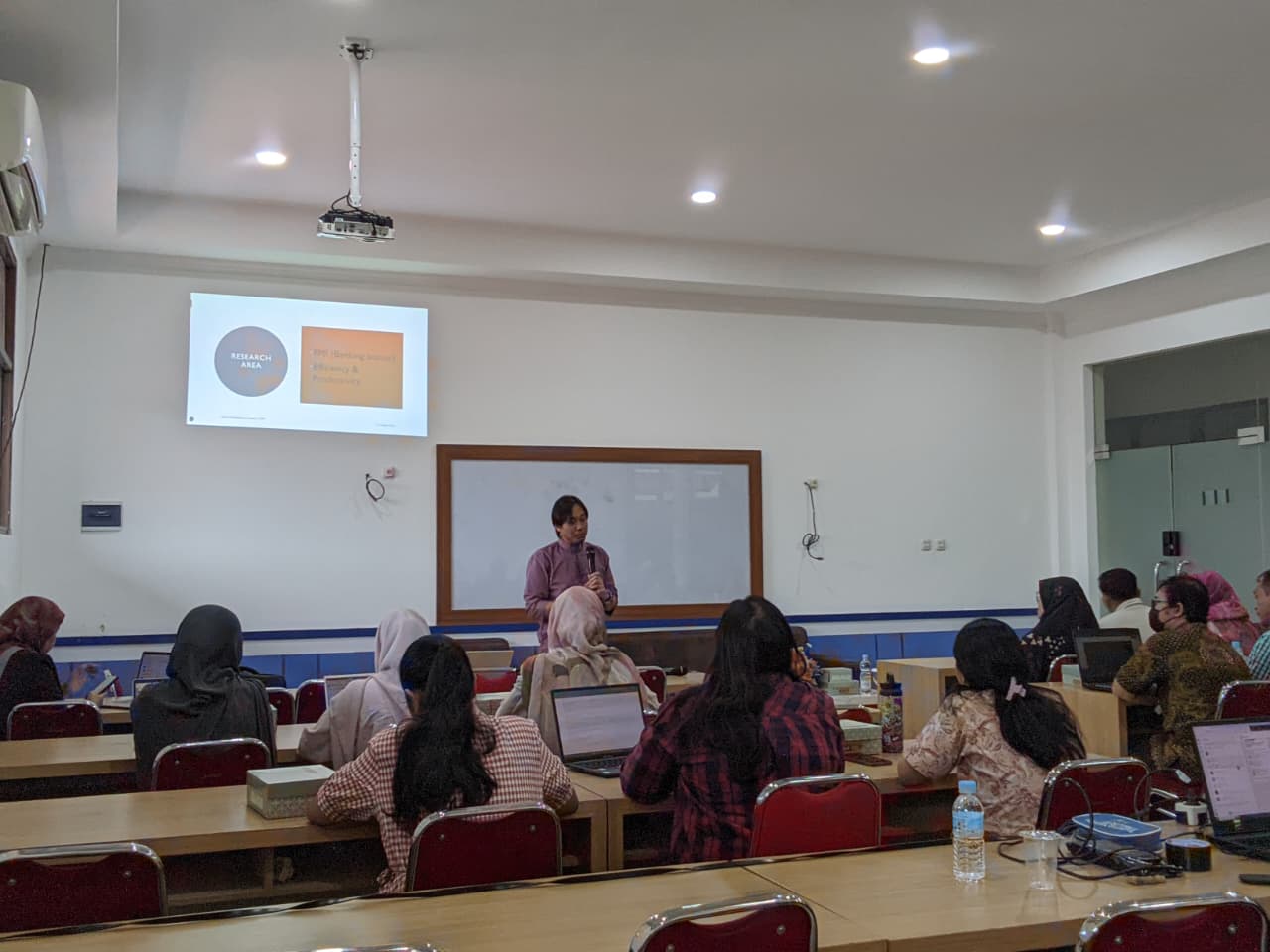
    Assoc. Prof. Fakarudin also reminds participants to be cautious when using artificial intelligence (AI) and highlights the relevance of networking in the publication process. He shares several additional suggestions, including the importance of enhancing researcher visibility in their field of expertise. This visibility can be strengthened by attending international conferences. In addition, serving as a reviewer for reputable journals is an important step toward building professional networks.

    The two-hour guest lecture concludes with an interactive discussion session between Assoc. Prof. Fakarudin and participants, most of whom are postgraduate students within FEB UNS.

    This guest lecture supports the Sustainable Development Goals (SDGs), particularly Goal 4: Quality Education, by strengthening the academic capacity of students and lecturers in reputable scholarly publication. It also supports Goal 17: Partnerships for the Goals through international collaboration between FEB UNS and Universiti Putra Malaysia.

  • Percepatan Publikasi Mahasiswa, Prodi Magister Manajemen FEB UNS Undang International Profesor

    Percepatan Publikasi Mahasiswa, Prodi Magister Manajemen FEB UNS Undang International Profesor

    Program Studi Magister Manajemen (MM), Fakultas Ekonomi dan Bisnis (FEB), Universitas Sebelas Maret (UNS), Surakarta, bekerjasama dengan Grup Riset Institusi dan Pasar Keuangan (GRISKA), menghadirkan Assoc. Prof. Fakarudin Kamarudin, Ph.D., dari Universiti Putra Malaysia.

    Gelaran Guest Lecture bertajuk “A Talk Session: How to Publish in Reputable Journals?” tersebut diselenggarakan pada Jum’at, 31 Oktober 2025, bertempat di Gedung Soedarah Soepono FEB UNS.

    Dr. Lilik Wahyudi, Kepala Program Studi Magister Manajemen (MM) FEB UNS membuka jalannya agenda Guest Lecture tersebut. Dalam sambutannya Dr. Lilik menyampaikan bahwa agenda tersebut adalah bagian dari program percepatan publikasi mahasiswa MM.

    “Kemarin kita sudah mengundang ahli untuk bidang keperilakuan dan hari ini kita menghadirkan pembicara untuk bidang keuangan (finance). Silakan dieksplor seluas-luasnya, karena Assoc. Prof. Fakarudin ini merupakan expert di bidang keuangan,” ungkap Dr. Lilik.

    Harapannya setelah adanya agenda tersebut akan ada mahasiswa yang kemudian sukses melakukan publikasi di tingkat internasional.

    Membuka paparan materi, Assoc. Prof. Fakarudin, menyampaikan bahwa hal pertama yang perlu diperhatikan sebelum melakukan publikasi adalah ‘kenapa kita perlu melakukan publikasi’ atau alasan mengapa seseorang perlu mempublikasikan hasil risetnya.

    “Kita bisa melihat alasan ini dari dua perspektif. Perspektif sebagai mahasiswa dan perspektif sebagai dosen. Tentunya sebagai mahasiswa, publikasi ini menjadi syarat kelulusan. Sementara sebagai dosen, tentunya alasan utama melakukan publikasi adalah untuk tujuan KPI (Key Performance Indicator),” jelasnya.

    Lebih lanjut, Ia menjelaskan bahwa selain kualitas, dalam melakukan publikasi, penulis perlu menulis artikel dengan mempertimbangkan tiga perspektif, sebagai penulis, reviewer, dan editor.

    Sebagai penulis, beberapa aspek yang penting dipertimbangkan adalah target, scope, dan tim peneliti. Kesesuaian antara topik penelitian dan scope jurnal yang dituju adalah penting karena ketidaksesuaian akan berujung pada desk rejection.

    Disisi lain, sebagai reviewer, terdapat pertimbangan berbeda dalam memilih artikel yang akan diterima dan dipublikasikan di jurnal. Pertimbangan tersebut mencakup kebaharuan (apakah isu yang diangkat relevan dan baru), isi dari abstrak (apakah tujuan dari penelitian dapat terjawab dengan metodologi yang dipakai), dan analisis empiris (ekonometri dan hasil).

    “Sementara itu, sebagai editor, tiga hal yang akan dilihat yaitu similarity (tingkat kesamaan/plagiarisme), kesesuaian scope, dan novelty. Novelty ini sifatnya subjektif. Ini merujuk pada kontribusi baru (new contribution). Sehingga ini tergantung pada editor dari jurnal tersebut,” jelas Assoc. Prof. Fakarudin.

    Assoc. Prof. Fakarudin juga memperingatkan peserta terkait penggunaan artificial intelligence (AI) dan pentingnya networking dalam proses publikasi.

    Lebih jauh, beliau juga membagikan beberapa tips seperti pentingnya visibilitas peneliti di bidang keahliannya. Hal ini bisa dibangun dengan menghadiri konferensi internasional. Selain itu, menjadi reviewer pada jurnal bereputasi menjadi satu poin penting untuk membangun networking.

    Guest lecture yang berlangsung selama kurang lebih dua jam tersebut, ditutup dengan sesi diskusi interaktif antara Assoc. Prof. Fakarudin dengan peserta guest lecture, yang mayoritas merupakan mahasiswa program pascasarjana di lingkungan FEB UNS.

    Kegiatan guest lecture ini turut mendukung Sustainable Development Goals (SDGs), khususnya Tujuan 4: Pendidikan Berkualitas, melalui peningkatan kapasitas akademik mahasiswa dan dosen dalam publikasi ilmiah bereputasi, serta Tujuan 17: Kemitraan untuk Mencapai Tujuan, melalui kolaborasi internasional antara FEB UNS dan Universiti Putra Malaysia.

  • Improving Support Staff Capacity: FEB UNS Hosts Training on Mindset and Performance Development

    Improving Support Staff Capacity: FEB UNS Hosts Training on Mindset and Performance Development

    Faculty of Economics and Business (FEB), Universitas Sebelas Maret (UNS) organizes Academic Support Staff Training on Performance Optimization on Friday, 7 November 2025, at the Soedarah Soepono Building Hall. The program is designed for FEB UNS Academic Support Staff, featuring Heri Susilo, a Happiness Motivator and author who actively provides education on personal development and productivity.

    During his presentation, Heri delivers material titled “The Happiness Trap: Finding Peace Amid Pressure.” He explains that many individuals unconsciously fall into the expectation of being constantly happy, a condition that often intensifies dissatisfaction and anxiety. He emphasizes that genuine happiness does not arise from avoiding difficulties, but from the ability to find meaning in every stage of life.

    Participants also learn the Late Happiness Model, which consists of four steps: Let it flow, Appreciate the process, Embrace meaning, and Transform pain. The model offers practical guidance for accepting emotions, appreciating work processes, and transforming challenges into personal strengths.

    Aside from the main presentation, the training also includes interactive sessions such as the Feeling Game and leadership roleplay designed to strengthen communication, collaboration, and group dynamic sensitivity. Heri also introduces the concept of Expand Your State, described as the ability to broaden one’s internal capacity to better manage work-related pressures. Concluding the session, participants explore the Energy Investment concept, which comprises four elements: Resources, Attention, Effort, and Time. This energy management framework serves as an essential strategy for achieving optimal performance while maintaining mental balance in the workplace.

    Participants demonstrate strong enthusiasm throughout the program. Many actively engage in discussions, share experiences regarding workplace pressures, and practice emotional management techniques introduced by the speaker. Additionally, the roleplay and Feeling Game sessions also generate high participation, reflected through group interactions, communication practice, and simulated work scenarios. Positive responses emerge as participants encounter practical concepts applicable to daily routines, including strategies for managing energy, strengthening positive mindsets, and addressing minor conflicts in the work environment.

    The training provides Academic Support Staff not only with new knowledge but also with opportunities to build stronger working relationships and enhance well-being in fulfilling daily responsibilities. This initiative aligns with FEB UNS’s commitment to supporting the Sustainable Development Goals (SDGs), particularly SDG 3 (Good Health and Well-Being), SDG 4 (Quality Education), and SDG 8 (Decent Work and Economic Growth). Through this program, FEB UNS continues to promote a healthy, productive, and sustainable work environment.
  • FEB UNS Organizes Sharing Session for UNS Global Challenge 2026

    FEB UNS Organizes Sharing Session for UNS Global Challenge 2026

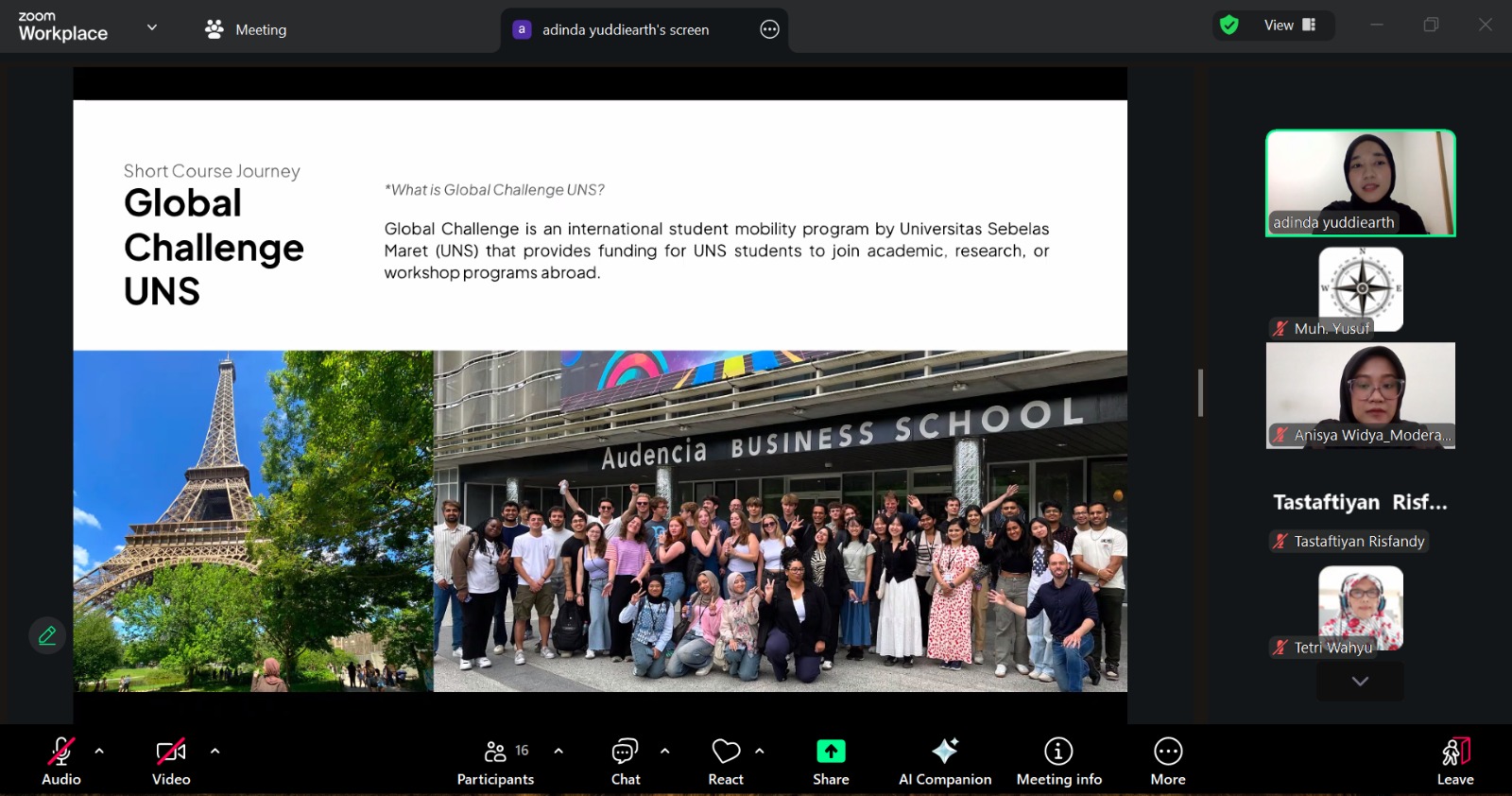
    Faculty of Economics and Business (FEB), Universitas Sebelas Maret (UNS), organizes Sharing Session for UNS Global Challenge 2026 to strengthen students’ readiness for international mobility programs. The session is conducted virtually on Friday, 14 November 2025, featuring Tastaftiyan Risfandy, S.E., M.Sc., Ph.D., Vice Dean for Student and Alumni Affairs at FEB UNS, and Adinda Yuddiearth, a Development Economics student and Awardee of the 2025 UNS Global Challenge program at Audencia Business School, France.

    Tastaftiyan Risfandy, Ph.D., provides a comprehensive explanation of the requirements, timeline, and selection procedures both for the university-level and faculty-level registration pathways. For the university-level pathway, the provision states that applicant should be an active student status of at least the third semester. Additionally, they must provide a Letter of Acceptance from partner universities and a proof of English proficiency (optional). The program is scheduled for April–July 2026 and providing a fully funded scheme options.

    Meanwhile, the faculty-level pathway targets students from the sixth semester (at least) and requires proof of English proficiency, where the selection process consists of two interview stages. This faculty-level pathway program runs from April to September 2026 with co-funding or fully funded schemes.

    Tastaftiyan also outlines the complete timeline, ranging from registration and selection processes to announcement and final report submission. Additionally, students receive information regarding funding components, including airfare, visa fees, and living allowance for selected participants according to each pathway’s provisions. This dissemination is intended to provide students with a comprehensive understanding for the academic planning, administrative preparation, and strategies to maximize their chances of admission into the program.

    The second speaker, Adinda, shares her experience participating in the Short Course on Cross Cultural Management at Audencia Business School, France, held from 23 to 27 June. By participating in the program she gains intensive learning combining theory, case studies, class discussions, and group projects with students from various countries. The multicultural learning environment offers her deep insights into how culture influences communication, work styles, and team dynamics in global economic and business contexts.

    “The class was super insightful and meaningful. The mentor was truly an expert in the field. The sessions were highly interactive, with workshops, case discussion groups, and a final individual presentation on the last day. The class was incredibly diverse, with participants from Brazil, Hong Kong, the UK, Ukraine, France, and the Netherlands. Participants are coming from various majors, not only economics but also politics and science. This diversity leads to a wide range of perspectives in the discussion session. I learned that the more diverse an environment is—whether in school or business—the greater the perspectives that help us grow,” she explained.

    In her presentation, Adinda also describes the preparation steps she does before joining the program, including compiling required documents, preparing an activity plan relevant to her academic field, conducting research on the host university, and managing technical preparations such as budgeting and academic scheduling.

    “I highly recommend organizing everything thoroughly. I used spreadsheets and Notion to list countries, universities, and open programs, and to track which institutions had been contacted, including the email content. Some universities do not list their short courses on their websites, or the information is hard to find. Therefore, students need to contact the universities directly to confirm availability and alignment with the Global Challenge timeline,” she said.

    She also shares several recommendations for students interested in international programs, such as preparing the Letter of Acceptance well in advance, selecting programs aligned with academic goals, and maintaining good communication with the UNS International Office.

    This activity reinforces UNS’s commitment to advancing internationalization and enhancing student capacity through global learning experiences. The program also aligns with SDG 4 (Quality Education) by strengthening learning quality through international exposure, and SDG 17 (Partnerships for the Goals) through expanded collaboration with global educational institutions.

  • FEB UNS Tingkatkan Kompetensi Pegawai melalui Pelatihan Penguatan Mindset dan Kinerja

    FEB UNS Tingkatkan Kompetensi Pegawai melalui Pelatihan Penguatan Mindset dan Kinerja

    Fakultas Ekonomi dan Bisnis (FEB) Universitas Sebelas Maret (UNS) menyelenggarakan Pelatihan Peningkatan Kinerja Pegawai pada Jumat, 7 November 2025 di Aula Gedung Soedarah Soepono.

    Kegiatan yang diikuti oleh Tenaga Kependidikan (Tendik) FEB UNS menghadirkan narasumber Heri Susilo, Happiness Motivator sekaligus penulis yang aktif memberikan edukasi mengenai pengembangan diri dan produktivitas.

    Dalam pemaparannya, Heri membawakan materi berjudul “The Happiness Trap: Menemukan Kedamaian di Tengah Tekanan”.

    Ia menjelaskan bahwa banyak individu tanpa sadar terjebak dalam tuntutan untuk selalu bahagia, sehingga tekanan yang muncul justru memicu rasa tidak puas dan kecemasan.

    Heri menegaskan bahwa kebahagiaan sejati tidak lahir dari menghindari penderitaan, tetapi dari kemampuan memberi makna pada setiap proses hidup.

    Peserta juga mempelajari Late Happiness Model yang mencakup empat langkah: Let it flow, Appreciate the process, Embrace meaning, dan Transform pain. Model ini memberikan panduan praktis untuk menerima emosi, mengapresiasi proses kerja, serta mengubah tantangan menjadi kekuatan personal.

    Selain penyampaian materi, pelatihan dilengkapi sesi interaktif seperti Feeling Game dan leadership role play yang melatih komunikasi, kolaborasi, dan sensitivitas dinamika kelompok. Heri juga memperkenalkan konsep Expand Your State, yaitu kemampuan memperbesar kapasitas diri sehingga lebih siap menghadapi tekanan pekerjaan.

    Pada sesi akhir, peserta diajak memahami konsep Energy Investment yang terdiri dari empat elemen: Resources, Attention, Effort, dan Time. Pengelolaan energi ini menjadi strategi penting untuk mencapai kinerja maksimal sambil menjaga keseimbangan mental di lingkungan kerja.

    Peserta terlihat antusias mengikuti rangkaian materi yang disampaikan. Banyak dari mereka aktif berdiskusi, berbagi pengalaman terkait tekanan yang dihadapi, serta mencoba menerapkan teknik-teknik pengelolaan emosi yang diperkenalkan oleh narasumber.

    Pada sesi role play dan Feeling Game, peserta juga menunjukkan partisipasi yang tinggi melalui interaksi antar kelompok, latihan komunikasi, dan simulasi situasi kerja.

    Respons positif juga muncul ketika narasumber menyampaikan konsep-konsep praktis yang dapat diterapkan dalam rutinitas sehari-hari, seperti strategi mengatur energi, penguatan pola pikir positif, hingga pengelolaan konflik sederhana di lingkungan kerja.

    Pelatihan ini menjadi wadah bagi Tendik untuk tidak hanya memperoleh pengetahuan baru, tetapi juga membangun hubungan kerja yang lebih solid serta meningkatkan well-being dalam menjalankan tugas sehari-hari.

    Kegiatan ini selaras dengan komitmen FEB UNS terhadap pencapaian Sustainable Development Goals (SDGs), khususnya SDG 3 (Good Health and Well-Being), SDG 4 (Quality Education), dan SDG 8 (Decent Work and Economic Growth).

    Melalui pelatihan ini, FEB UNS terus berupaya menciptakan lingkungan kerja yang sehat, produktif, dan berkelanjutan.