FEB

Blog

  • FEB UNS Gelar Sharing Session UNS Global Challenge 2026

    FEB UNS Gelar Sharing Session UNS Global Challenge 2026

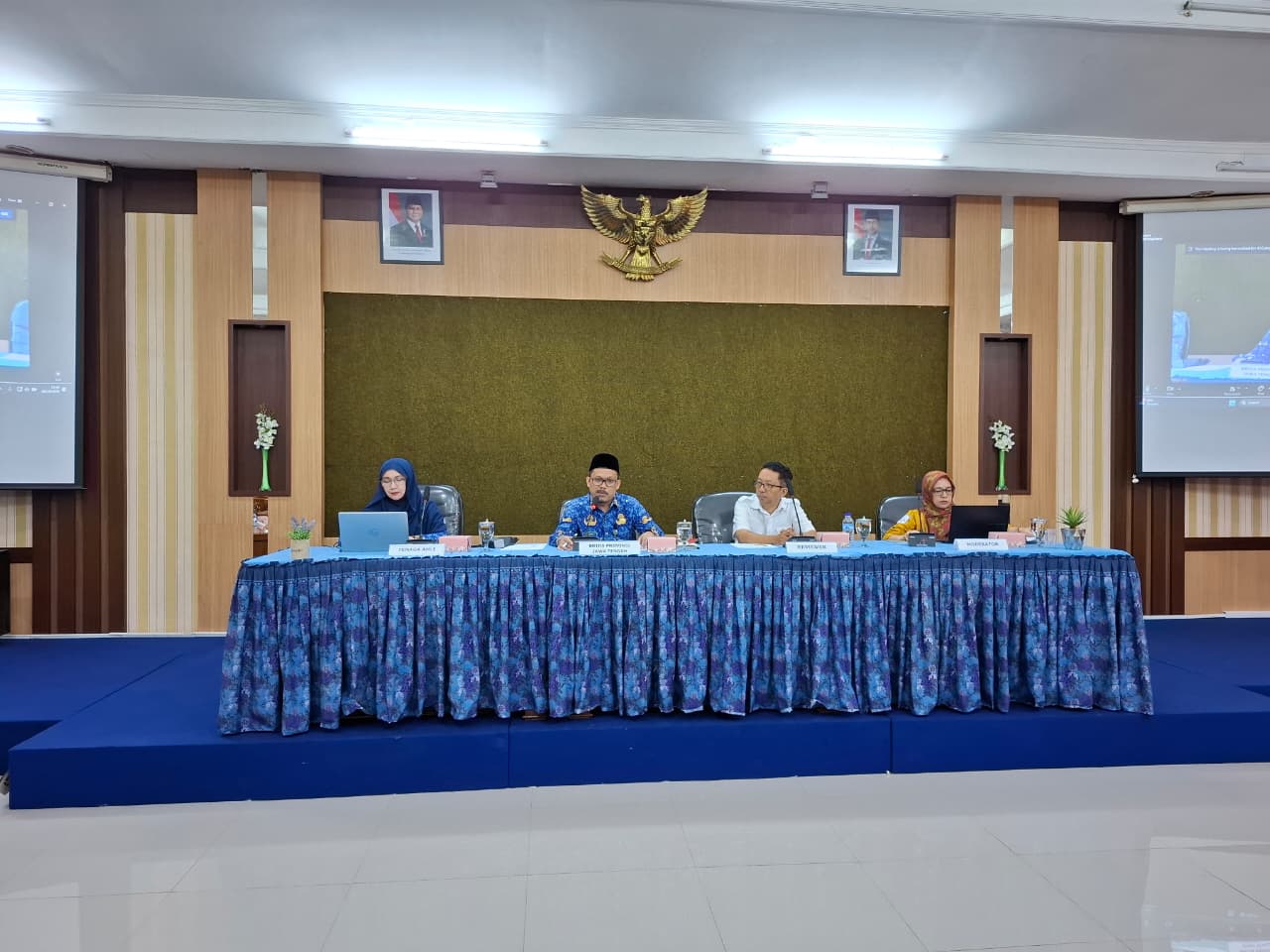
    Fakultas Ekonomi dan Bisnis (FEB) Universitas Sebelas Maret (UNS) menyelenggarakan Sharing Session UNS Global Challenge 2026 sebagai upaya memperkuat kesiapan mahasiswa dalam mengikuti program mobilitas internasional, Jumat 14 November 2025 secara daring.

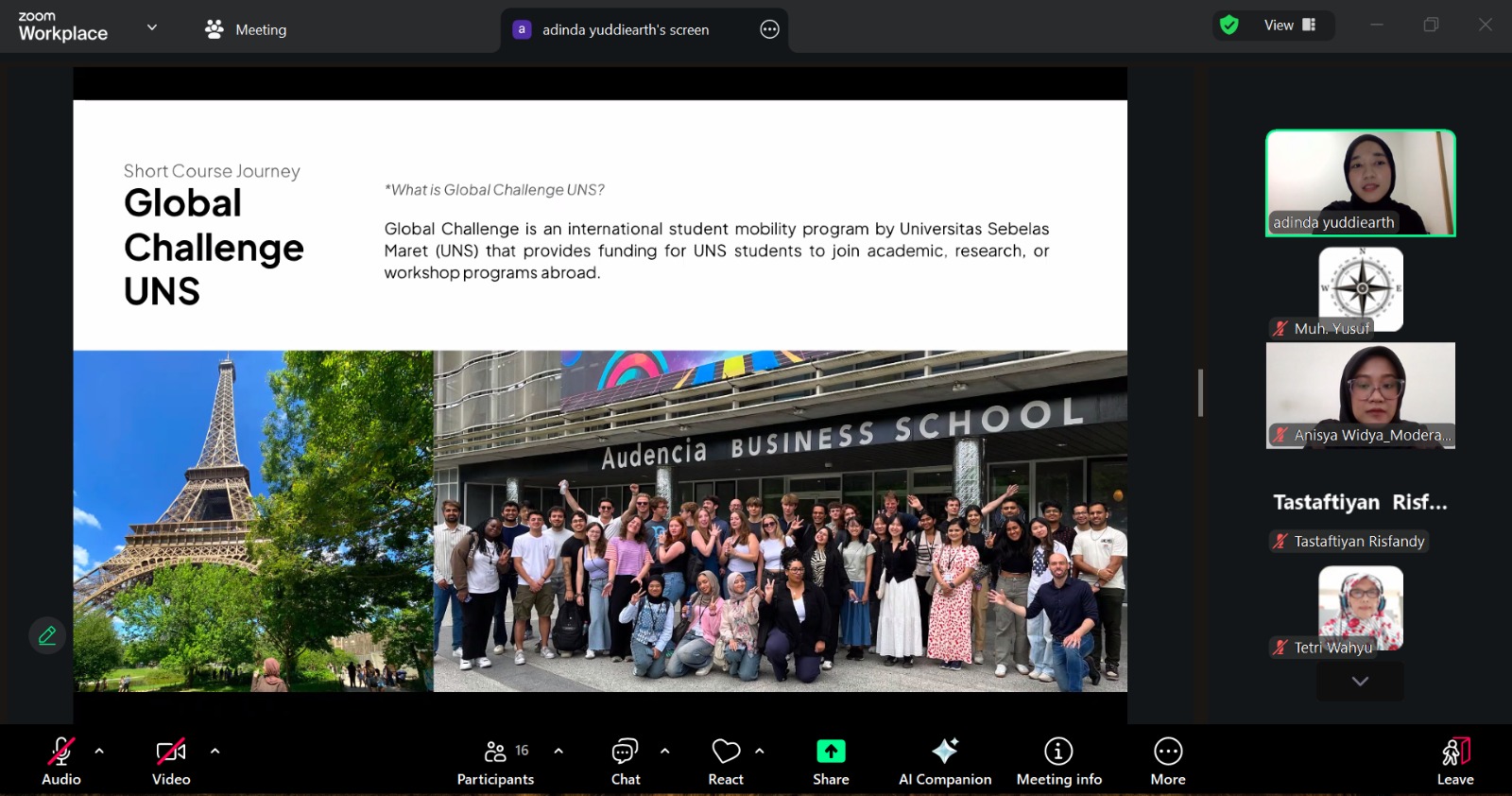
    Kegiatan ini menghadirkan dua narasumber Tastaftiyan Risfandy, S.E., M.Sc., Ph.D, Wakil Dekan  Bidang Kemahasiswaan dan Alumni FEB UNS dan Adinda Yuddiearth, Mahasiswa Ekonomi Pembangunan FEB UNS & Awardee Global Challenge UNS 2025, Audencia Business School, France.

    Tastaftiyan Risfandy, Ph.D menjelaskan secara rinci mengenai ketentuan, timeline, serta prosedur seleksi yang berlaku dalam dua jalur pendaftaran, yaitu jalur universitas dan jalur fakultas.

    Untuk jalur universitas, persyaratan meliputi mahasiswa aktif minimal semester tiga, kemampuan bahasa Inggris (tidak wajib), serta Letter of Acceptance dari universitas mitra. Program dijadwalkan berlangsung pada April–Juli 2026 dan didukung skema fully funded.

    Sedangkan jalur fakultas ditujukan bagi mahasiswa minimal semester enam dengan bukti kemampuan bahasa Inggris yang bersifat wajib, serta proses seleksi yang meliputi dua tahap wawancara. Program dijalankan pada April–September 2026 dengan skema pendanaan co-funding maupun fully funded.

    Ia juga memaparkan timeline lengkap, mulai dari masa pendaftaran, proses seleksi, pengumuman, hingga penyusunan laporan akhir program. Selain itu, mahasiswa mendapat informasi tentang komponen pendanaan, yang mencakup tiket pesawat, biaya visa, hingga uang saku bagi peserta terpilih sesuai ketentuan masing-masing jalur.

    Melalui penjelasan tersebut, mahasiswa diharapkan mendapatkan pemahaman menyeluruh terkait perencanaan akademik, persiapan administratif, hingga strategi untuk memaksimalkan peluang lolos program.
    Sementara itu Adinda berbagi pengalaman saat mengikuti Short Course Cross Cultural Management di Audencia Business School, France yang berlangsung pada 23–27 Juni. Ia memperoleh pembelajaran intensif yang menggabungkan teori, studi kasus, diskusi kelas, serta proyek kelompok dengan mahasiswa dari berbagai negara.

    Pengalaman belajar di lingkungan multikultural tersebut memberikan pemahaman mendalam mengenai bagaimana budaya memengaruhi komunikasi, gaya kerja, dan dinamika tim dalam konteks ekonomi dan bisnis global.

    Kelasnya super insightful dan meaningful. Mentornya benar-benar expert di bidangnya. Kelasnya juga sangat interaktif, ada workshop, case discussion group, dan di hari terakhir ada final individual presentation. Kelasnya diverse banget. Ada yang dari Brazil, Hong Kong, UK, Ukraine, Perancis, sampai Netherlands. Major mereka juga beda-beda, nggak cuma ekonomi, tapi ada politik dan sains. Jadi perspektif yang muncul selama diskusi itu banyak banget. Dari situ aku belajar bahwa makin diverse lingkungannya, entah itu sekolah atau bisnis, makin besar juga perspektif untuk kita berkembang,” Ungkapnya.

    Dalam pemaparannya, Adinda juga menjelaskan rangkaian proses yang ia jalani sebelum mengikuti program, mulai dari pengumpulan dokumen, penyusunan rencana kegiatan yang relevan dengan bidang akademik, hingga riset mengenai universitas tujuan serta persiapan teknis lain seperti pendanaan dan penyesuaian jadwal akademik.

    Aku sangat merekomendasikan teman-teman untuk membuat semuanya terorganisir. Kemarin aku pakai spreadsheet dan notion untuk list negara, universitas, program yang open, sampai nge-track sudah di-approach atau belum, termasuk konten emailnya. Beberapa universitas nggak mencantumkan short course di website mereka, atau informasinya sangat tersembunyi. Jadi teman-teman perlu email langsung universitas untuk memastikan programnya tersedia dan sesuai timeline Global Challenge,jelasnya.

    Ia juga turut membagikan saran kepada mahasiswa yang ingin mengikuti program internasional, seperti pentingnya mulai mempersiapkan LoA dari jauh hari, memilih program yang relevan dengan tujuan akademik, serta menjaga komunikasi yang baik dengan International Office UNS.

    Kegiatan ini memperkuat komitmen UNS dalam mendorong internasionalisasi dan peningkatan kapasitas mahasiswa melalui pengalaman belajar global. Program ini juga selaras dengan SDG 4 (Quality Education) dalam upaya meningkatkan kualitas pembelajaran melalui pengalaman internasional, serta SDG 17 (Partnerships for the Goals) melalui penguatan jejaring dan kolaborasi dengan institusi pendidikan dunia.
     

  • FEB UNS Receives Benchmarking Visit from Institut Pariwisata dan Bisnis Internasional

    FEB UNS Receives Benchmarking Visit from Institut Pariwisata dan Bisnis Internasional

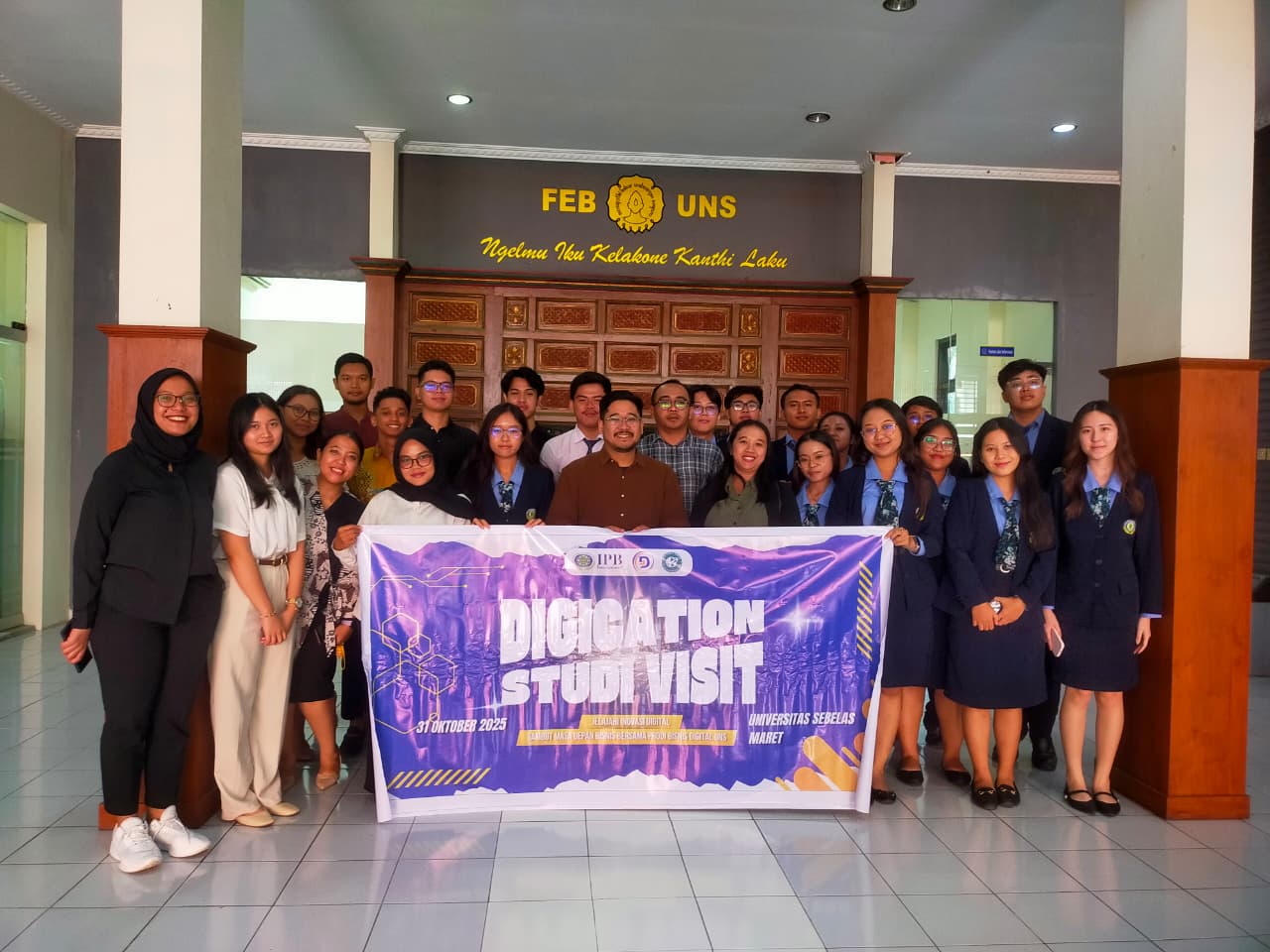
    Faculty of Economics and Business (FEB), Universitas Sebelas Maret (UNS) receives a benchmarking visit and sharing session from the Digital Business Study Program, Institut Pariwisata dan Bisnis Internasional (IPB Internasional), Denpasar, on Friday, 31 October 2025. Held at the FEB UNS campus, this occasion aims to exchange best practices in study program management, digital-based curriculum development, and potential research collaboration. The delegation from IPB Internasional, consisting of 14 members, includes lecturers, study program leaders, and fifth-semester students.

    In his remarks, Aldy Fariz Achsanta, S.E., M.Rech., Ph.D., Head of the Digital Business Study Program FEB UNS, introduces the program’s profile, accreditation achievements, and future development agenda. He also highlights various learning support facilities, including the financial technology laboratory and research collaborations established with several institutions, including the Financial Services Authority (OJK) and the Deposit Insurance Corporation (LPS). “We are committed to strengthening the digital business ecosystem through research-based learning and collaboration with various partners. FEB UNS is also preparing for the AACSB international accreditation process,” he states.

    Ni Made Ayu Natih Widhiarini, S.Tr.Par., M.M., Secretary of the Digital Business Study Program of IPB Internasional, conveys her appreciation for the warm welcome from FEB UNS. The visit is part of IPB Internasional’s annual academic program called Digication (Digital Vacation), a learning activity that integrates the courses e-Tourism, e-Travel, and e-Tour Operator. Through this program, students are tasked with designing and conducting an academic excursion while expanding their knowledge in digital business.

    “We gained extensive insights into digital learning practices, study program management, and opportunities for collaborative research publication. We hope this visit will lead to future cooperation between students and lecturers of both institutions,” she notes.

    The discussion went interactively and concludes with a sharing session between students of both study programs. Through this activity, FEB UNS continues to strengthen its role as a strategic academic partner for other higher education institutions in advancing digital education innovation and applied research. This program also aligns with FEB UNS’s commitment to the Sustainable Development Goals (SDGs), particularly SDG 4 (Quality Education) and SDG 17 (Partnerships for the Goals), through efforts to enhance educational quality and foster cross-institutional collaboration.

  • FEB UNS Student Wins Best Favorite Video Presentation at the International TICEMBA 2025

    FEB UNS Student Wins Best Favorite Video Presentation at the International TICEMBA 2025

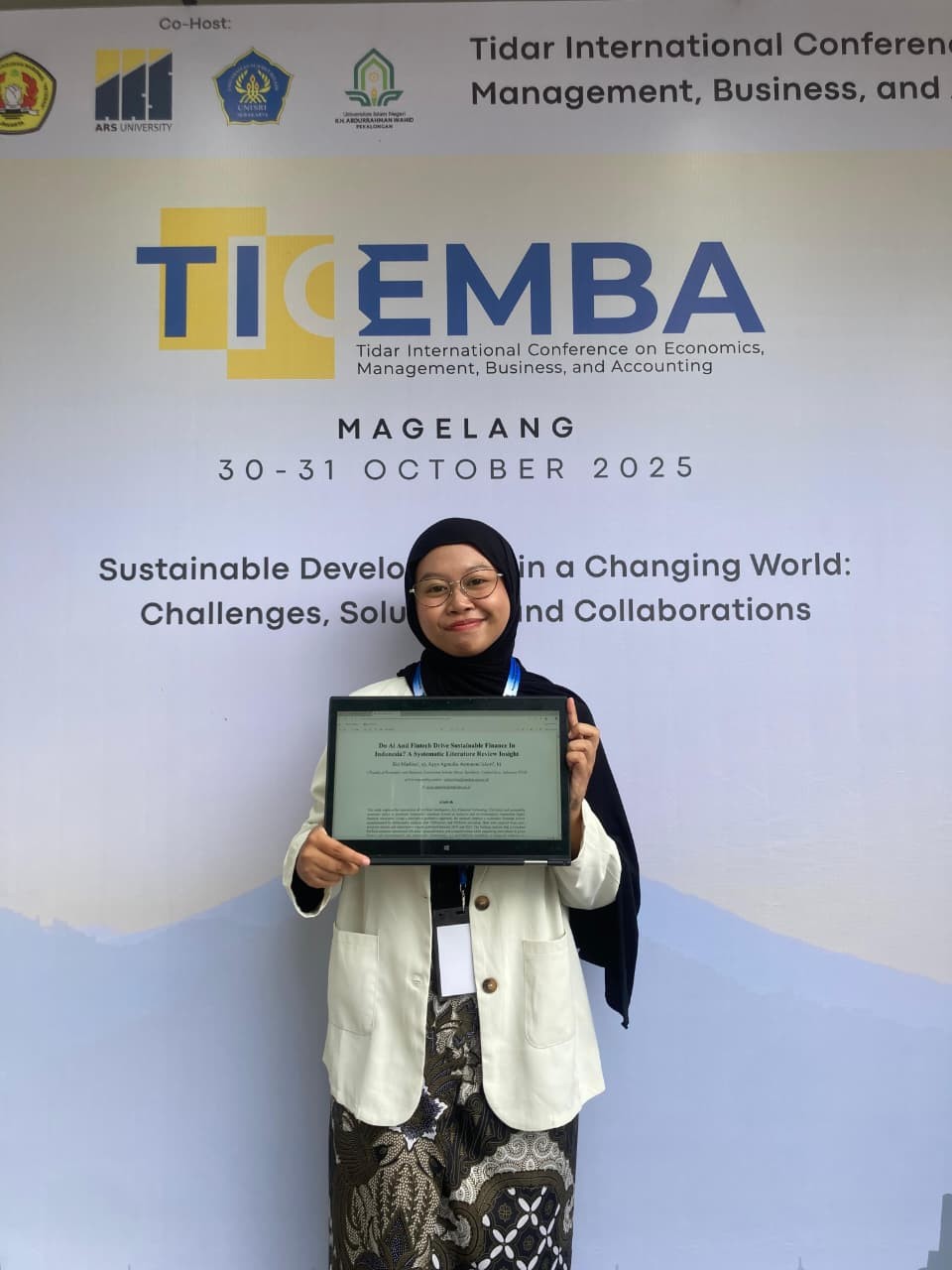
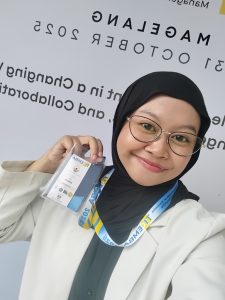
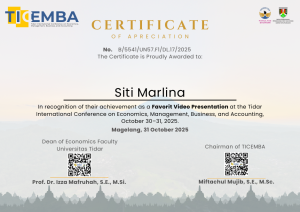
    A remarkable achievement is once again accomplished by a student of the Faculty of Economics and Business (FEB), Universitas Sebelas Maret (UNS). Siti Marlina, a student of the Development Economics Study Program, FEB UNS, earns the Best Favorite Video Presentation award at the Tidar International Conference on Economics, Management, Business, and Accounting (TICEMBA) 2025, organized by the Faculty of Economics, Universitas Tidar (FE Untidar) on Thursday, 30 October 2025.

    The international conference, conducted in a hybrid format at the General Lecture Hall (GKU) dr. H.R. Suparsono, is attended by 269 participants from various universities and research institutions, consisting of 200 onsite and 69 online participants. Taking on a grand theme of “Sustainable Development in a Changing World: Challenges, Solutions, and Collaborations,” TICEMBA 2025 serves as an important platform for cross-disciplinary academic collaboration in addressing global economic challenges in an era of transformation.

    Marlin presents a scientific work entitled “Do AI and FinTech Drive Sustainable Finance in Indonesia? A Systematic Literature Review Insight” as one of the presenter in this international agenda. The article examines the role of Artificial Intelligence (AI) and Financial Technology (FinTech) in supporting sustainable finance in Indonesia through a Systematic Literature Review enriched with bibliometric analysis using VOSviewer and the PRISMA method.

    Speaking to feb.uns.ac.id, Marlin explains that her research highlights the contribution of technology to enhancing green economic development. “AI and FinTech play a significant role in accelerating financial inclusion and promoting sustainable economic practices. Through technology, the distribution of funds, risk assessment, and the management of green investments can be carried out more efficiently and transparently,” she states.

    The findings indicate that the integration of technology and sustainability forms a critical foundation for strengthening national economic resilience and accelerating Indonesia’s transition toward an inclusive and environmentally conscious digital financial system. For her conference presentation, Marlin produced a communicative and engaging video concept (link: https://www.youtube.com/watch?v=9rzWl3P7Q_Y).

    “My video concept uses simple language and a storytelling approach to avoid rigidness. I wanted the audience to feel like they were being taken through a story rather than listening to a formal presentation. I also added subtitles to make the content easier to follow,” she explains.

    TICEMBA 2025 becomes a valuable experience for Siti Marlina as it marks her first international conference. “I am very grateful to meet many incredible individuals from diverse backgrounds. Even though most participants were lecturers and postgraduate students, the experience motivated me to learn more and gain confidence,” she says.

    Further, Marlin states that her achievement is made possible under a supervision of FEB UNS faculty, Ayya Agmulia Asmarani Islam, S.E., M.E., “I received substantial guide from Ms. Ayya, starting from the early stages of writing the paper to my conference preparation. Her support was essential in deepening my understanding of the research and preparing myself as a presenter,” Marlin adds.

    For Marlin, this award becomes a motivation to maintain her academic achievement. “This award is both an appreciation and an encouragement for me to keep contributing through research. Moving forward, I hope to explore further the intersection of economics, technology, financial inclusion, and sustainability,” she remarks.

    This accomplishment reflects the strong research spirit of FEB UNS students in addressing global economic issues through scientific and data-driven approaches. Through TICEMBA 2025, Marlin not only brings pride to FEB UNS but also strengthens the academic reputation of Universitas Sebelas Maret in digital economics, sustainable finance, and financial technology research.

    This achievement also aligns with UNS’s commitment to the Sustainable Development Goals (SDGs), particularly in supporting inclusive economic development, technological innovation, and environmentally oriented sustainable development.

  • FEB UNS Terima Kunjungan Studi Banding Institut Pariwisata dan Bisnis Internasional Denpasar

    FEB UNS Terima Kunjungan Studi Banding Institut Pariwisata dan Bisnis Internasional Denpasar

    Fakultas Ekonomi dan Bisnis (FEB) Universitas Sebelas Maret (UNS) menerima kunjungan studi banding dan sharing session dari Program Studi S1 Bisnis Digital, Institut Pariwisata dan Bisnis Internasional (IPB Internasional), Denpasar, pada Jumat (31/10/2025).

    Kegiatan yang berlangsung di Ruang Sidang 1 Gedung Soeharno TS FEB UNS ini bertujuan untuk saling berbagi praktik baik dalam pengelolaan program studi, pengembangan kurikulum berbasis digital, dan peluang kolaborasi riset.

    Rombongan IPB Internasional yang berjumlah 14 orang terdiri dari dosen, pimpinan program studi, serta perwakilan mahasiswa semester lima.

    Dalam sambutannya, Aldy Fariz Achsanta, S.E., M.Rech., Ph.D., Ketua Program Studi Bisnis Digital FEB UNS, memperkenalkan profil prodi, capaian akreditasi, serta arah pengembangan ke depan. Ia juga memaparkan berbagai fasilitas pendukung pembelajaran, termasuk laboratorium financial technology dan kerja sama riset yang telah dijalin,  diantaranya dengan Otoritas Jasa Keuangan (OJK) dan Lembaga Penjamin Simpanan (LPS).

    “Kami berkomitmen untuk terus memperkuat ekosistem bisnis digital melalui pembelajaran berbasis riset dan kolaborasi dengan berbagai mitra. FEB UNS juga sedang menyiapkan proses akreditasi internasional AACSB” ujarnya.

    Sekretaris Program Studi Bisnis Digital IPB Internasional, Ni Made Ayu Natih Widhiarini, S.Tr.Par., M.M., menyampaikan apresiasinya atas sambutan dari FEB UNS.

    Kunjungan ini merupakan bagian dari program tahunan akademik IPB Internasional yang disebut Digication (Digital Vacation), yaitu kegiatan pembelajaran yang mengintegrasikan mata kuliah e-Tourism, e-Travel, dan e-Tour Operator.

    Melalui kegiatan ini, mahasiswa ditugaskan untuk merancang dan melaksanakan perjalanan akademik sekaligus memperluas wawasan di bidang bisnis digital.

     “Kami memperoleh banyak wawasan mengenai praktik pembelajaran digital, pengelolaan program studi, dan peluang kolaborasi publikasi riset. Semoga ke depan bisa terjalin kerja sama antara mahasiswa dan dosen dari kedua institusi,” ujarnya.

    Diskusi berjalan interaktif dan diakhiri dengan sesi sharing antar mahasiswa kedua program studi. Melalui kegiatan ini, FEB UNS terus memperkuat perannya sebagai mitra akademik strategis bagi perguruan tinggi lain dalam pengembangan inovasi pendidikan digital dan riset terapan.

    Kegiatan ini juga sejalan dengan komitmen FEB UNS terhadap Tujuan Pembangunan Berkelanjutan (SDGs), khususnya poin ke-4 (Quality Education) dan ke-17 (Partnerships for the Goals), melalui peningkatan kualitas pendidikan dan kolaborasi lintas institusi.

  • Mahasiswa FEB UNS Raih Best Favorite Video Presentation di Ajang Internasional TICEMBA 2025

    Mahasiswa FEB UNS Raih Best Favorite Video Presentation di Ajang Internasional TICEMBA 2025

    Prestasi membanggakan kembali diraih oleh mahasiswa Fakultas Ekonomi dan Bisnis (FEB) Universitas Sebelas Maret (UNS). Siti Marlina, mahasiswa Program Studi Ekonomi Pembangunan FEB UNS, berhasil meraih penghargaan Best Favorite Video Presentation dalam ajang Tidar International Conference on Economics, Management, Business, and Accounting (TICEMBA) 2025 yang diselenggarakan oleh Fakultas Ekonomi Universitas Tidar (FE Untidar) pada Kamis, 30 Oktober 2025.

    Konferensi internasional yang digelar secara hybrid di Gedung Kuliah Umum (GKU) dr. H.R. Suparsono tersebut diikuti oleh 269 peserta dari berbagai perguruan tinggi dan lembaga riset, terdiri atas 200 peserta luring dan 69 peserta daring.

    Dengan mengusung tema “Sustainable Development in Changing World: Challenges, Solutions, and Collaborations,” TICEMBA 2025 menjadi wadah penting bagi kolaborasi akademik lintas bidang dalam menghadapi tantangan ekonomi global di era perubahan.

    Dalam ajang ini, Marlin, sapaan akrabnya, mempresentasikan karya ilmiah berjudul “Do AI and FinTech Drive Sustainable Finance in Indonesia? A Systematic Literature Review Insight.” Artikel tersebut mengulas peran Artificial Intelligence (AI) dan Financial Technology (FinTech) dalam mendorong pembiayaan berkelanjutan (sustainable finance) di Indonesia melalui pendekatan Systematic Literature Review yang dilengkapi analisis bibliometrik menggunakan VOSviewer dan metode PRISMA.

    Kepada feb.uns.ac.id,  Marlin menjelaskan bahwa risetnya berupaya menyoroti kontribusi teknologi terhadap penguatan ekonomi hijau.

    “AI dan FinTech memiliki peran besar dalam mempercepat inklusi keuangan dan mendorong praktik ekonomi yang berkelanjutan. Melalui teknologi, proses penyaluran dana, penilaian risiko, hingga pengelolaan investasi hijau bisa dilakukan lebih efisien dan transparan,” terangnya.

    Hasil penelitian tersebut menunjukkan bahwa integrasi teknologi dan keberlanjutan menjadi kunci dalam memperkuat ketahanan ekonomi nasional serta mempercepat transisi Indonesia menuju sistem keuangan digital yang inklusif dan ramah lingkungan.

    Dalam proses presentasi, Marlin mengusung konsep video yang komunikatif dan menarik (link: https://www.youtube.com/watch?v=9rzWl3P7Q_Y).

    “Konsep video saya dibuat dengan tata bahasa ringan dan gaya storytelling agar tidak membosankan. Saya ingin audiens merasa seperti diajak bercerita, bukan sekadar mendengarkan presentasi formal. Saya juga menambahkan subtitle agar penonton lebih mudah memahami pesan yang saya sampaikan,” ungkapnya.

    Ajang TICEMBA 2025 menjadi pengalaman berharga bagi Siti Marlina karena merupakan konferensi internasional pertamanya.

    “Saya sangat senang bisa bertemu banyak orang luar biasa dari berbagai latar belakang. Meskipun banyak peserta dari kalangan dosen dan pascasarjana, saya justru semakin termotivasi untuk belajar dan berani tampil,” ujarnya.

    Keberhasilan ini juga didukung oleh bimbingan dosen FEB UNS, Ayya Agmulia Asmarani Islam, S.E., M.E.

    “Saya mendapat banyak arahan dan bimbingan dari Bu Ayya sejak awal menulis paper hingga persiapan konferensi. Bimbingan beliau sangat berarti dalam memperdalam pemahaman riset dan mempersiapkan diri sebagai presenter,” tambahnya.

    Bagi Marlin, penghargaan ini menjadi motivasi untuk terus berkembang di bidang akademik.

    “Penghargaan ini saya anggap sebagai apresiasi sekaligus dorongan untuk terus berkontribusi melalui riset. Ke depan, saya ingin meneliti lebih jauh tentang keterkaitan antara ekonomi, teknologi, inklusi keuangan, dan keberlanjutan,” tuturnya.

    Prestasi ini menunjukkan semangat riset mahasiswa FEB UNS dalam menjawab isu-isu ekonomi global dengan pendekatan ilmiah dan berbasis data.

    Melalui ajang TICEMBA 2025, Marlin tidak hanya membawa nama baik FEB UNS, tetapi juga memperkuat reputasi akademik Universitas Sebelas Maret di bidang riset ekonomi digital, keuangan berkelanjutan, dan teknologi keuangan.

    Pencapaian ini juga sejalan dengan komitmen UNS terhadap Tujuan Pembangunan Berkelanjutan (SDGs), khususnya dalam mendukung ekonomi inklusif, inovasi teknologi, dan pembangunan berkelanjutan yang berwawasan lingkungan.

  • Expert Team Contributions in the Pre-Feasibility Assessment of Batik Ulu Bengkulu Technology Downstreaming

    Expert Team Contributions in the Pre-Feasibility Assessment of Batik Ulu Bengkulu Technology Downstreaming

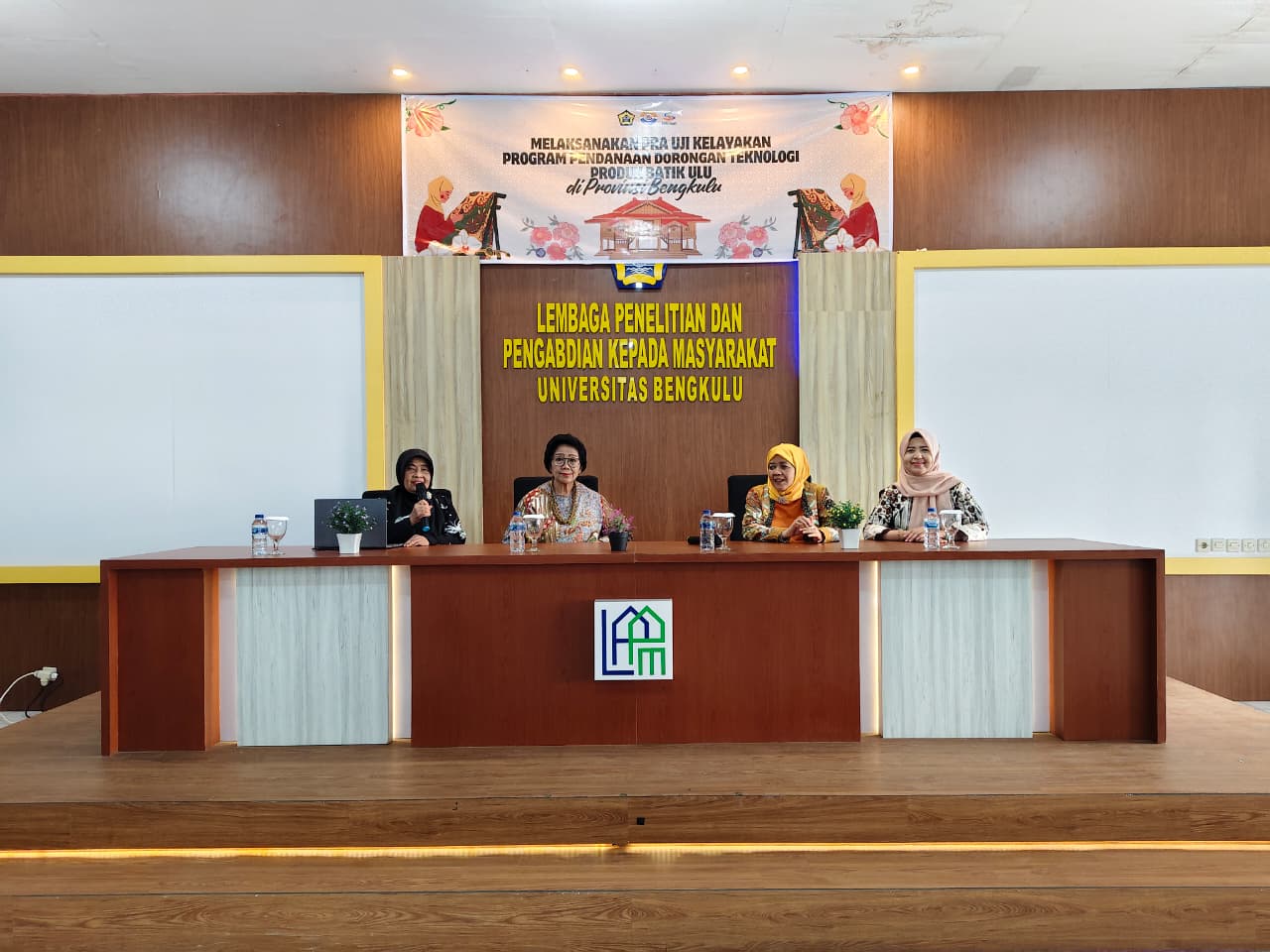
    A continuous effort to develop Batik Ulu, as a cultural heritage of Bengkulu through a comprehensive study is carried out by the Expert Team of the Priority Research Downstreaming Program – Technology Acceleration. This assessment examines technology readiness, market potential, regulatory compliance, financial feasibility, and business model formulation to advance future commercialization prospects for Batik Ulu. The activity involves interdisciplinary researchers from various universities, each contributing expertise relevant to the program.

    One of the key contributors, Prof. Dr. Rahmawati, M.Si., Ak., plays an essential role, particularly in the areas of finance, investment, and risk management. Her expertise is crucial in analyzing production cost structures, estimating investment requirements, projecting financial feasibility, and identifying risk mitigation strategies for batik MSMEs. Her extensive experience in MSME financial analysis and her portfolio of intellectual property works related to batik further strengthens the methodological rigor and recommendations produced by the team.

    Other than Prof. Rahmawati, the expert team includes Dr. Siti Nurlaela, M.Si., Ak., CA. (Chair), with expertise in business models and the batik market; Dr. Ismiyanto, SH., MH., with expertise in legal and regulatory aspects, including intellectual property; Ratna Endah Santosa, S.Sn., M.Sn., specializing in batik design and textile arts; and Prof. Endang Dwi Amperawati, M.M., specializing in marketing and product commercialization.

    Within this assessment, Prof. Rahmawati contributes primarily to the financial feasibility analysis and cost structure formulation for the development of new Batik Ulu technology; financial risk assessment related to the use of new dyeing and heating technologies, including the application of natural dyes derived from powdered bovine bone; and the reinforcement of MSME financial management, particularly through training on accounting digitalization and the preparation of sales dashboards. She also engages in evaluating both limited and extensive field trials to ensure cost efficiency and the potential for improved margins for artisans.

    The team’s activities also include focus group discussions, problem mapping, technology development for production processes, training on intellectual property and trademarks, and the formulation of new motifs. All activities are conducted together with the Regional Development Planning Agency (Bappeda) of Bengkulu Municipality and Batik Ulu MSMEs to ensure that the proposed solutions can be applied directly in practice.

    This assessment is expected to produce an innovative and financially viable downstreaming model for Batik Ulu that enhances the competitiveness of MSMEs, with analytical contributions from Prof. Rahmawati ensuring that each recommendation is supported by sound and sustainable financial considerations.

    The activity supports SDG 8 (Economic Growth), SDG 9 (Innovation and Infrastructure), and SDG 12 (Sustainable Production) through MSME capacity development, technological innovation, and cultural preservation.

  • Kontribusi Tim Pakar dalam Pra Uji Kelayakan Hilirisasi Teknologi Batik Ulu Bengkulu

    Kontribusi Tim Pakar dalam Pra Uji Kelayakan Hilirisasi Teknologi Batik Ulu Bengkulu

    Batik Ulu sebagai warisan budaya Bengkulu terus dikembangkan melalui kajian komprehensif yang dilakukan Tim Pakar Program Hilirisasi Riset Prioritas – Dorongan Teknologi. Kajian ini menilai kesiapan teknologi, potensi pasar, kepatuhan regulasi, kelayakan finansial, serta model bisnis untuk memperkuat peluang komersialisasi Batik Ulu di masa mendatang. Program hilirisasi dilaksanakan selama 3 bulan, September hingga Desember 2025

    Kegiatan yang digelar ini melibatkan para peneliti lintas disiplin dari berbagai perguruan tinggi, dengan peran signifikan dari masing-masing pakar dan Universitas Bengkulu sebagai mitra.

    Salah satu kontributor utama, Prof. Dr. Rahmawati, M.Si., Ak., Dosen Fakultas Ekonomi dan Bisnis (FEB) Universitas Sebelas Maret (UNS) memegang peranan strategis pada aspek keuangan, investasi, dan manajemen risiko. Kepakaran Prof. Rahmawati sangat dibutuhkan untuk menganalisis struktur biaya produksi, estimasi kebutuhan investasi, proyeksi kelayakan finansial, hingga mitigasi risiko usaha UMKM batik.

    Pengalamannya dalam kajian keuangan UMKM dan kepemilikan berbagai karya HKI terkait batik memperkuat kualitas metodologi dan rekomendasi yang dihasilkan tim.

    Selain Prof. Rahmawati, tim pakar juga terdiri dari Dr. Siti Nurlaela, M.Si., Ak., CA. (Ketua), kepakaran model bisnis dan pasar batik, Dr. Ismiyanto, SH., MH., kepakaran legal, regulasi, dan HKI; Ratna Endah Santosa, S.Sn., M.Sn., kepakaran desain batik dan seni tekstil, Prof. Endang Dwi Amperawati, M.M., kepakaran pemasaran dan komersialisasi produk

    Dalam kajian ini, Prof. Rahmawati terutama terlibat pada analisis kelayakan finansial dan perumusan struktur biaya dalam pengembangan teknologi baru Batik Ulu, kajian risiko finansial terkait penggunaan teknologi pewarna dan pemanas baru, termasuk pemanfaatan pewarna alami bubuk tulang sapi, penguatan manajemen keuangan UMKM, khususnya melalui pelatihan digitalisasi akuntansi dan penyusunan dashboard penjualan, evaluasi hasil uji lapangan terbatas dan uji lapangan luas, untuk memastikan efisiensi biaya dan potensi peningkatan margin bagi perajin.

    Rangkaian kegiatan tim juga meliputi FGD, pemetaan masalah, pengembangan teknologi produksi, pelatihan HKI dan merek dagang, hingga penyusunan motif baru. Semua proses dilaksanakan bersama Bappeda Kabupaten Bengkulu dan UKM Batik Ulu guna memastikan solusi yang ditawarkan dapat diimplementasikan langsung di lapangan.

    Kajian ini diharapkan menghasilkan model hilirisasi Batik Ulu yang inovatif, layak secara finansial, dan mampu meningkatkan daya saing UMKM, dengan kontribusi analitis dari Prof. Rahmawati yang memastikan setiap rekomendasi memiliki dasar keuangan yang kuat dan berkelanjutan.

    Kegiatan ini mendukung SDG 8 (Pertumbuhan Ekonomi), SDG 9 (Inovasi dan Infrastruktur), serta SDG 12 (Produksi Berkelanjutan) melalui penguatan UMKM, inovasi teknologi, dan pelestarian budaya.

  • FEB UNS Receives a Visit from FEB Universitas Cenderawasih Jayapura

    FEB UNS Receives a Visit from FEB Universitas Cenderawasih Jayapura

    Faculty of Economics and Business (FEB), Universitas Sebelas Maret (UNS), receives a benchmarking visit from the Faculty of Economics and Business, Universitas Cenderawasih (UNCEN) Jayapura. The entourage was welcomed directly by the Dean of FEB UNS, Prof. Bhimo Rizky Samudro, S.E., M.Si., Ph.D., along with the faculty leadership and staff. This occasion was conducted in Meeting Room I, Soeharno TS Building, on 6 November 2025.

    Started with an overview of FEB UNS’s academic programs, followed by an open discussion facilitated by the faculty leadership, the session aims to develop collaboration in academic development, student affairs, and faculty governance.

    In his remarks, Prof. Bhimo highlights the importance of institutional collaboration. He stated that each faculty has distinctive research strengths that can complement one another. “We are very open to discussion and collaboration. Without collaboration, progress will be difficult to achieve. Academic partnerships are essential, especially considering the many unique research topics in the eastern region that we do not encounter here,” he stated.

    Meanwhile, Dr. Agustinus Numberi, S.E., M.M., Vice Dean I of FEB Universitas Cenderawasih, states that their visit was intended to learn about academic practices, student affairs, and financial services at FEB UNS.

    “We are currently developing an integrity zone, and therefore we want to learn how UNS implements a one-stop service and effective administrative management. In addition, we see many opportunities for research collaboration, particularly in studies related to culture and human resource development,” he explained.

    He further explains that FEB UNCEN consists of three departments with eight study programs offered at the undergraduate, master’s, and doctoral levels. All programs currently hold an “Excellent” accreditation status, and several are preparing for further accreditation processes.

    The discussion proceeded constructively leading to opportunities for broader cooperation between the two faculties in education, research, and institutional capacity development. This meeting also contributes to the advancement of the Sustainable Development Goals (SDGs), particularly those related to quality education and partnerships for development.

  • FEB UNS and Central Java Regional Research and Innovation Agency to Conduct Research on the Free Nutritious Meal Program in Three Regions of Central Java

    FEB UNS and Central Java Regional Research and Innovation Agency to Conduct Research on the Free Nutritious Meal Program in Three Regions of Central Java

    Faculty of Economics and Business (FEB), Universitas Sebelas Maret (UNS), continues to demonstrate its contribution to public policy research through its collaboration with the Central Java Regional Research and Innovation Agency (Brida). This partnership produced an in-depth analysis of the implementation of the Free Nutritious Meal (MBG) Program, a strategic initiative designed to enhance community nutrition, support education, reduce household economic burdens, and promote the utilization of local food resources.

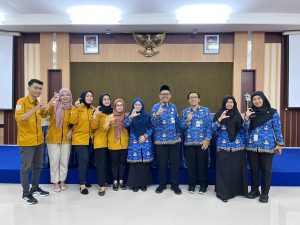
    The research team from FEB UNS was led by Prof. Dr. Izza Mafruhah, S.E., M.Si., together with Dewi Ismoyowati, S.E., M.Ec.Dev., Dr. Nurul Istiqomah, S.E., M.Si., and several students. The study examined three selected regions—Demak Municipality, Wonosobo Municipality, and Pekalongan City—using a comprehensive academic approach to observe how the MBG Program operates in practice, particularly in relation to the availability of local food resources and the dynamics of fulfilling the nutritional needs of targeted beneficiaries.
    The findings indicate that the participation of local producers in supplying food for the MBG Program remains limited, requiring strengthened distribution efficiency and improved collaboration between local governments, food providers, and other stakeholders. The study also highlights the significance of developing supporting infrastructure, capacity-building for stakeholders, management of organic and inorganic waste, as well as nutrition and health education aligned with directives from the National Nutrition Agency (BGN).

    The research illustrates the ongoing progress of MBG implementation in Central Java. As of October 2025, a total of 1,596 Food and Nutrition Provision Units (SPPG) have been established, representing 49.4 percent of all districts and cities. These data provide an essential foundation for local governments to refine implementation strategies, particularly in strengthening regional independence in providing nutritious food.
    Through its involvement in this research initiative, FEB UNS reaffirms its active role as a strategic partner for government institutions in formulating evidence-based policies. This contribution also aligns with FEB UNS’s commitment to supporting the Sustainable Development Goals (SDGs), particularly those related to ending hunger, improving health and well-being, and fostering partnerships for development.

  • FEB UNS Expands Research Network by Engaging Malaysian Academics

    FEB UNS Expands Research Network by Engaging Malaysian Academics

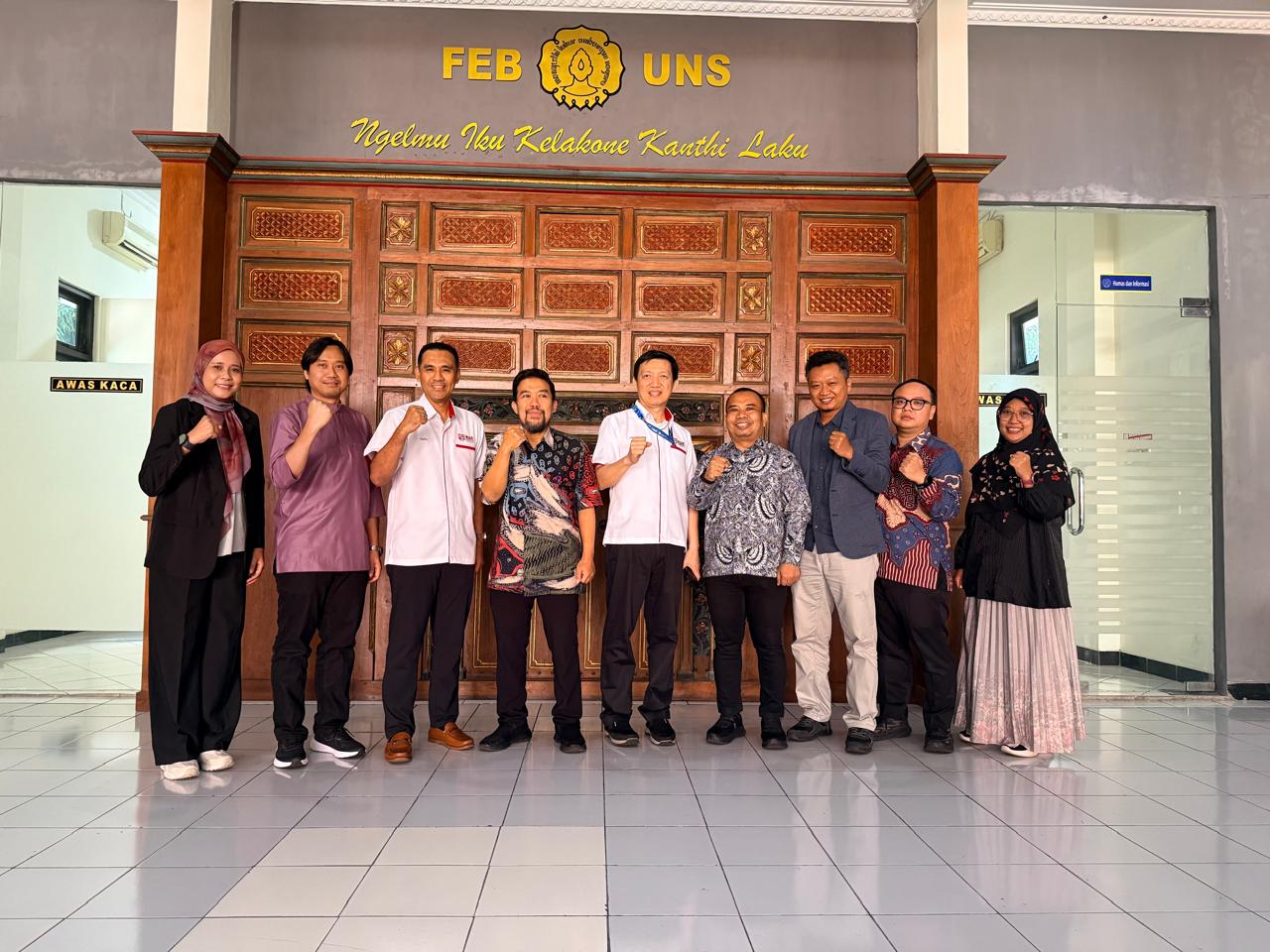
    Faculty of Economics and Business (FEB), Universitas Sebelas Maret (UNS), welcomed four academics from leading Malaysian universities as part of its effort to strengthen research collaboration and broaden international academic engagement on Friday, 31 October 2025. The visiting scholars are Prof. Law Siong Hook (School of Business and Economics, Universiti Putra Malaysia), Prof. Mohamad Fazli Sabri (Faculty of Human Ecology, Universiti Putra Malaysia), Dr. Fakarudin Bin Kamarudin (School of Business and Economics, Universiti Putra Malaysia), and Dr. Nazratul Aina binti Mohd Anwar (Universiti Sains Islam Malaysia).

    The delegation was welcomed by the Dean of FEB UNS, Prof. Bhimo Rizky Samudro, alongside with the Vice Dean for Non-Academic Affairs, Sutaryo, Ph.D., Head of the Center for Fintech and Banking, Putra Pamungkas, Ph.D., Arum Setyowati, Ph.D., and Linggar Ikhsan Nugroho, M.Ec.Dev.

    Speaking to feb.uns.ac.id, Prof. Bhimo stated that FEB UNS has maintained long-standing academic network with some of the visiting scholars through joint research, student advisory activities, and academic exchange among faculty members. “We have a numerous collaborations with several colleagues from Malaysia for a considerable period, particularly through the Center for Fintech and Banking UNS. Some of them are acting as external supervisors for FEB UNS master’s and doctoral students. This meeting serves to consolidate existing networks and formalize ongoing cooperation,” he explained.

    He further noted that Universiti Putra Malaysia (UPM) is accredited by AACSB in the field of business. UPM was the first institution in Malaysia to receive the accreditation for its Faculty of Economics and Management (now School of Economics and Business), marking an important momentum for FEB UNS, which is currently preparing its Eligibility Application as an initial step toward the accreditation.

    In the AACSB preparation process, FEB UNS requires international partners who can provide feedback, informal advisory support, and document review. The presence of UPM scholars, who have frequently engaged with FEB UNS, creates opportunities for such support. “They have visited FEB UNS multiple times and have been involved in numerous joint researches with our faculty. Informally, we receive valuable input for the preparation of AACSB documents, including the review of processes,” Prof. Bhimo added.
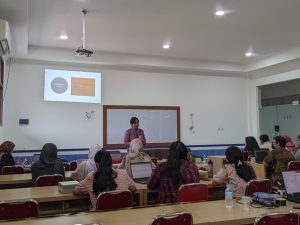
    Aside from the formal meeting, the Malaysian academics delivered public lectures and workshops that received strong interest from students and faculty members. Intensive discussions took place, particularly in master’s and doctoral classes, where research methodology became the main point of exchange.

    “Students were highly engaged, resulting in constructive discussions that open new avenues for collaborative research. Our colleagues from Malaysia also seek opportunities for joint publications, and Indonesia provides a highly collaborative environment,” he said.

    In the coming weeks, FEB UNS will continue its preparation for AACSB documentation. The team aims to finalize the required documents by mid-November, followed by an internal review process before resubmission in April. Furthermore, research collaborations that have previously been conducted through personal networks will begin to be formalized within the institutional database to ensure that all academic partnerships are well-documented and contribute to accreditation processes and faculty development.

    This engagement reaffirms FEB UNS’s commitment to expanding its international research network, enhancing academic quality, and advancing cross-country collaboration. The initiative also supports the Sustainable Development Goals (SDGs), particularly Quality Education (SDG 4) and Partnerships for the Goals (SDG 17).