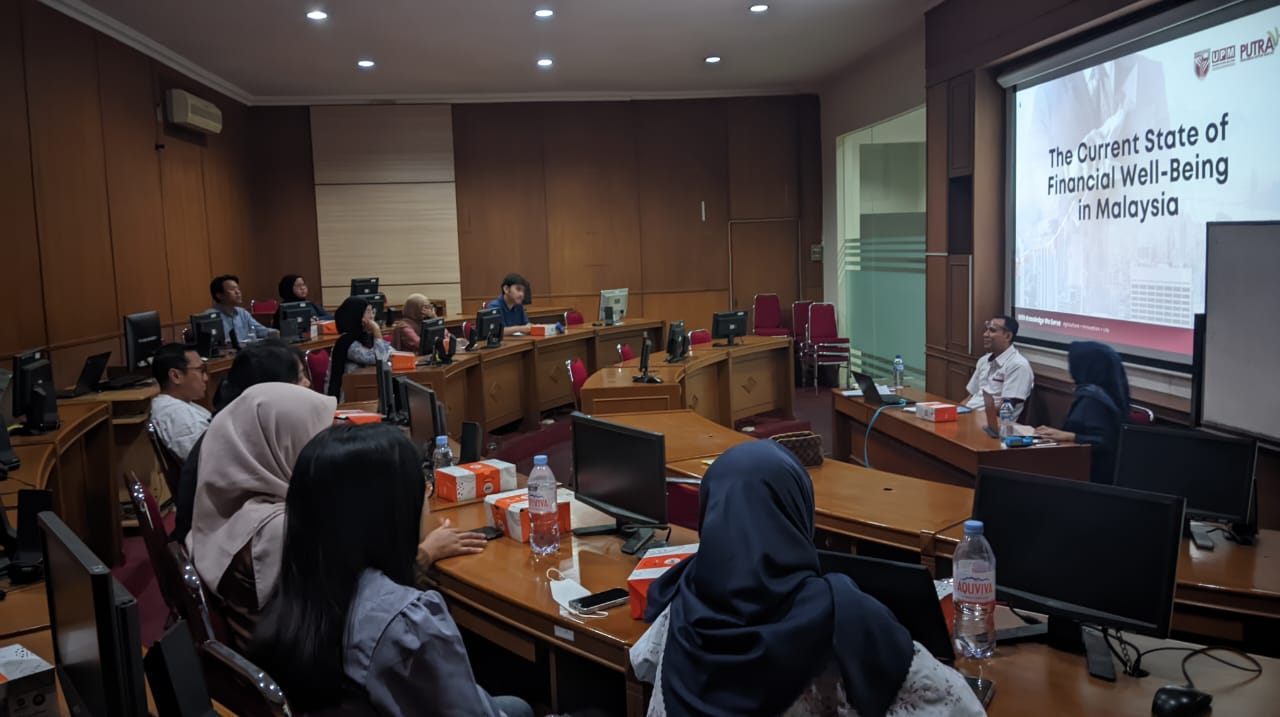
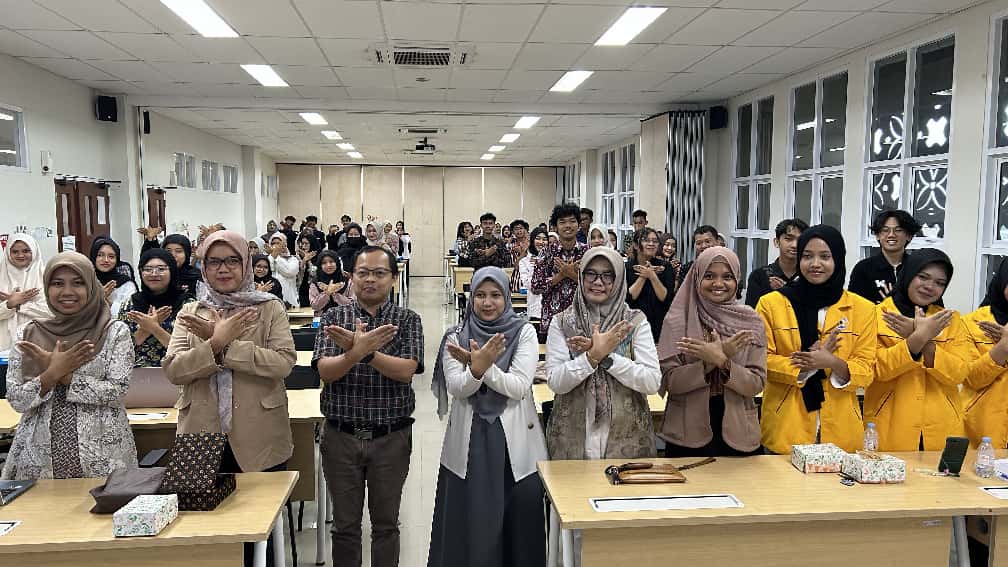
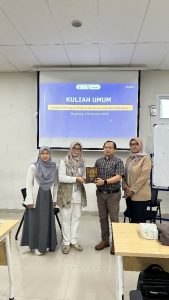
Faculty of Economics and Business (FEB), Universitas Sebelas Maret (UNS), in collaboration with the UNS Fintech Center, organizes a guest lecture entitled “Sustaining Financial Well-Being: Do Financial Literacy, Financial Behavior, and Financial Education Matter?” featuring Prof. Mohamad Fazli Sabri from Universiti Putra Malaysia (UPM).
 Held in Room 4202 of the Bachtiar Effendi Building, FEB UNS, the event is attended by master’s and doctoral students, as well as lecturers. The guest lecture aims to expand the understanding of the significance of financial literacy, financial behavior, and financial education in shaping sustainable financial well-being.
In his presentation, Prof. Fazli Sabri states that financial well-being is not solely determined by income level but also by an individual’s ability to manage finances, cope with economic pressures, and achieve long-term financial goals. He emphasized, “Financial well-being is not just about having enough money, but about having control, confidence, and the freedom to make sound financial decisions.”
Based on research conducted in Malaysia, the Malaysian Financial Literacy Index (MYFLIC Index) increased from 56.5 in 2015 to 59.1 in 2024. However, financial behavior and attitudes toward financial management show a declining trend, indicating a persistent gap between knowledge and practice.
 Prof. Fazli further highlights that approximately 1 in 4 Malaysians experience financial shortfall due to rising living costs, alongside a high number of bankruptcy cases predominantly affecting the productive-age population. In this context, strong financial literacy and sound financial behavior play an essential role in building economic resilience at the individual and household levels.
Furthermore, he emphasizes the importance of adopting a behavioral approach in financial education so that individuals are not only aware but also capable of acting prudently in financial matters. He noted, “Financial literacy must be activated through behavior. Knowledge alone is not enough without good financial habits.”
Through this guest lecture, participants gain insights into the relationship among financial education, financial behavior, and financial well-being, as well as how digital literacy and financial technology innovations contribute to strengthening society’s economic resilience in the modern era.
This activity also reflects FEB UNS’s commitment to supporting the Sustainable Development Goals (SDGs), particularly SDG 4 (Quality Education) and SDG 8 (Decent Work and Economic Growth), by advancing financial literacy, responsible financial behavior, and sustainable financial inclusion.

 Ika Alicia Sasanti, S.E., M.E., a lecturer of Development Economics at FEB UNS, in her presentation highlights the importance of accurate FinTech literacy for students in the digital era. She emphasizes that FinTech platforms currently operating are regulated by OJK and may serve as relevant topics for academic inquiry. “Students need to understand both the opportunities and risks of FinTech to make productive use of it. A repayment compliance rate exceeding 90 percent shows that the community is becoming more responsible in meeting its financial obligations,” she explained.
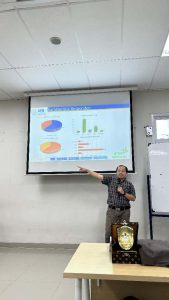 Following this, Malik Cahyadin, S.E., M.Si., Ph.D., a lecturer of Development Economics at FEB UNS, presents findings from his research on FinTech user behavior in the Province of Central Java, funded by the UNS Institute for Research and Community Engagement (LPPM) in 2025. The study is conducted from July to early August 2025 with 585 respondents consisting of formal workers and micro-entrepreneurs.
 Survey results show that 61.03 percent of respondents are female, 56.41 percent are senior high school graduates, and the majority are aged 17–25 years. Malik explains that financial technology adoption, installment repayment ability, and trust level influence FinTech transaction intensity positively. In contrast, age and gender influence transaction levels negatively. “Beyond literacy, OJK and FinTech service providers must ensure that digital financial services operate in a trustworthy and secure manner. Bank Indonesia should also consider the implications of FinTech for money supply and inflation,” he noted.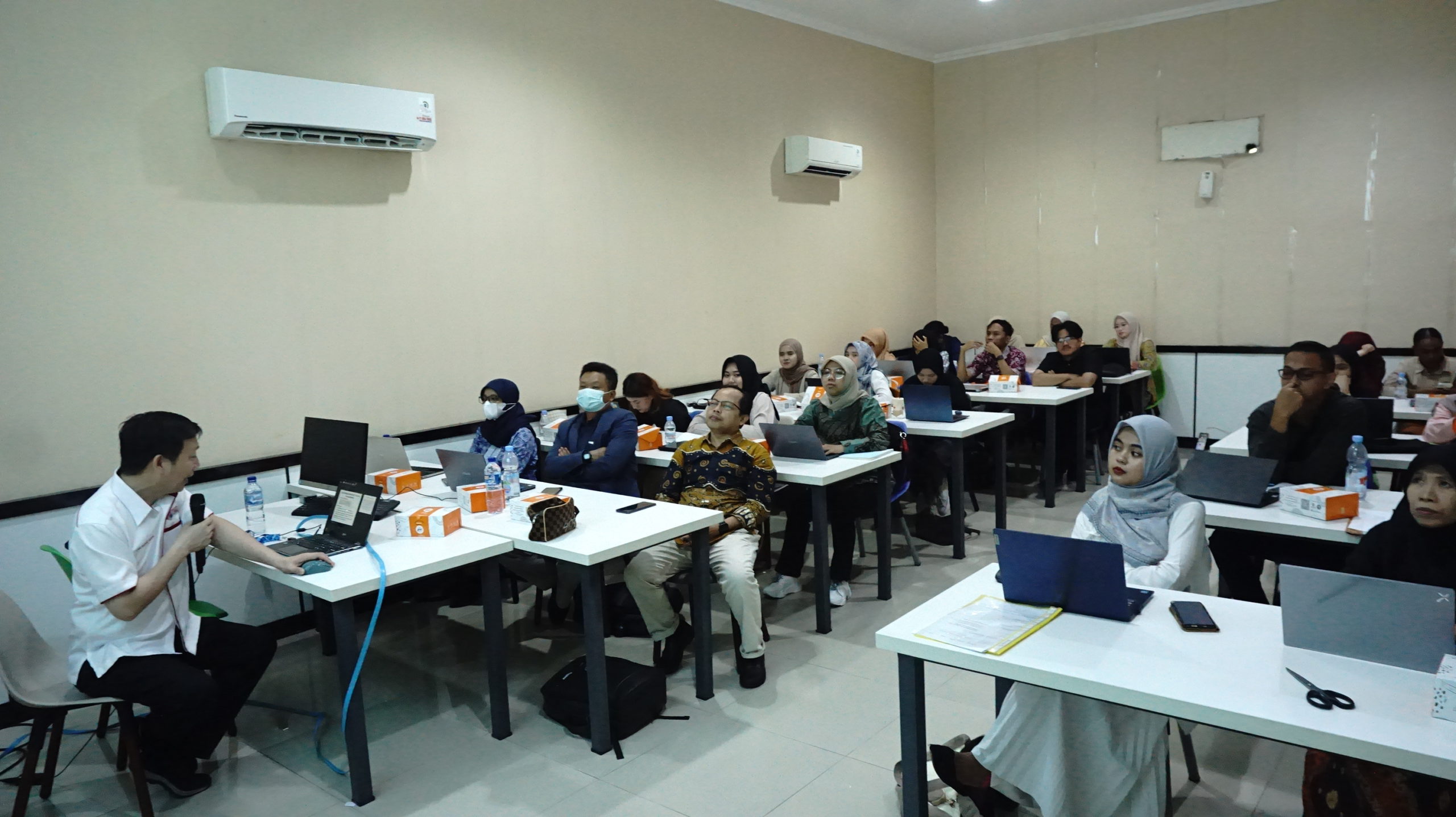


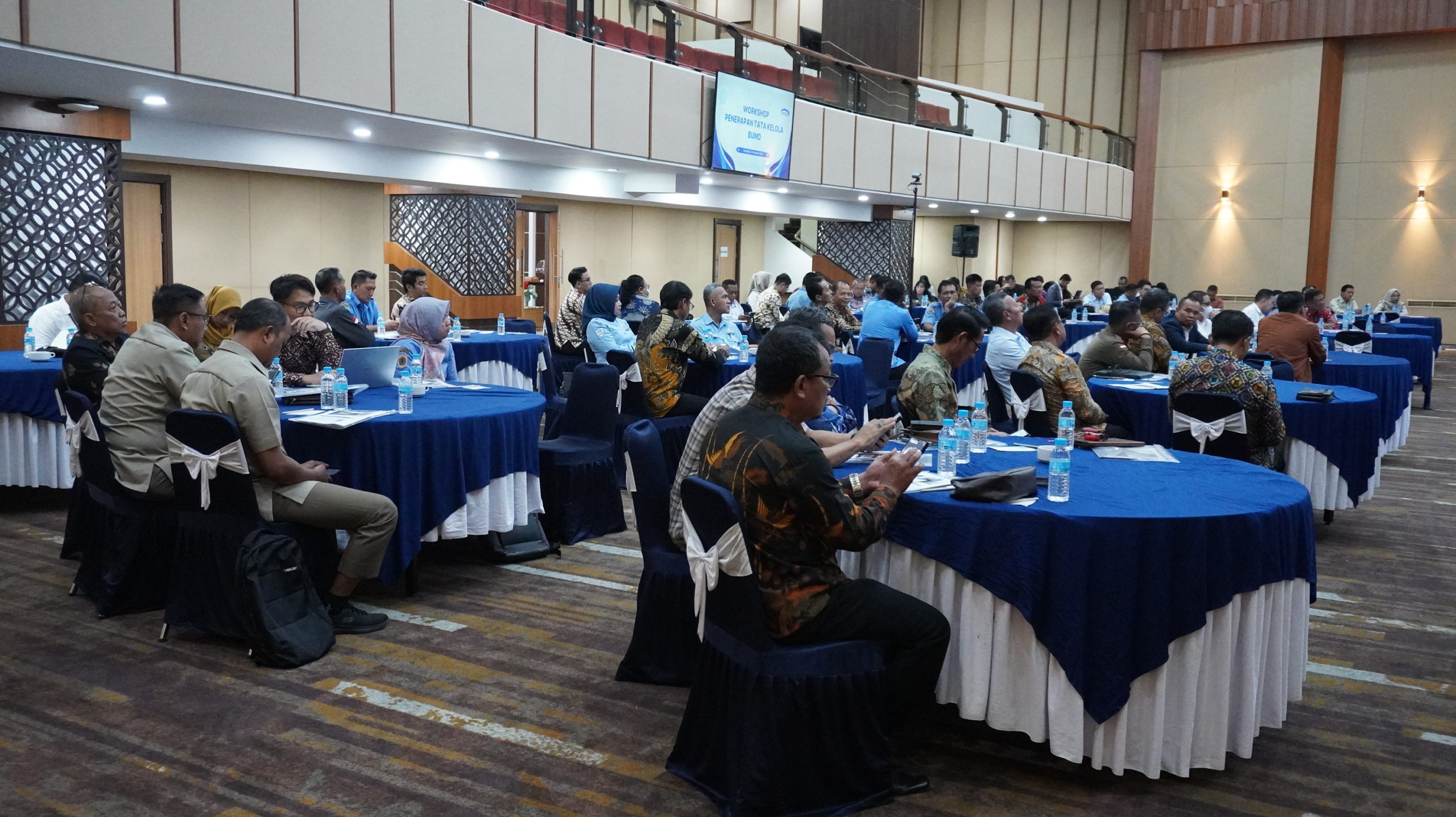

 He also expresses hope that the outcomes of the workshop will contribute meaningfully to improving BUMD governance in Central Java, ultimately supporting regional development.
 “Ensuring effective implementation of GCG requires commitment from regional leaders so that the principles of good governance are internalized across all corporate organs, from the supervisory board and directors to staff members,” Buyung states.


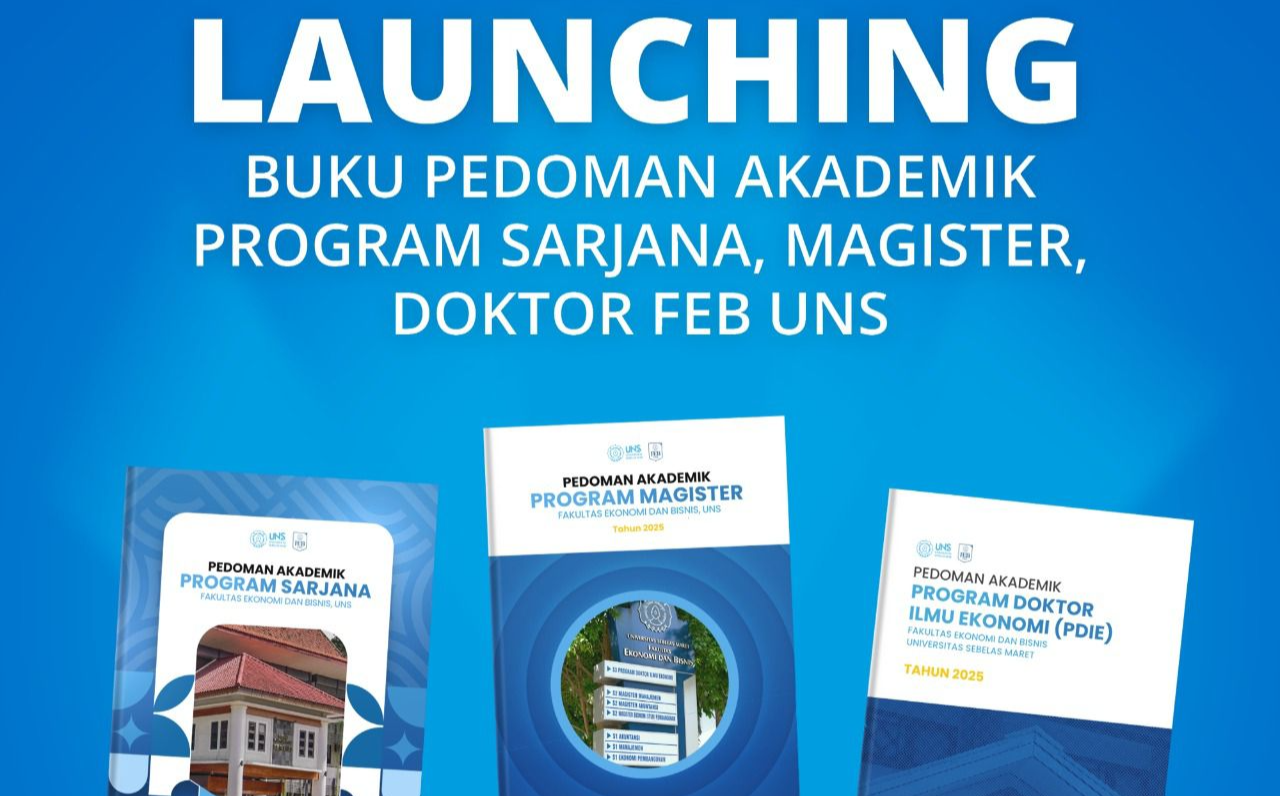
 “There are two main objectives of this activity: improving the quality of graduates and enhancing the quality of curriculum and learning experiences. The academic and curricular information presented in this handbook will help students to graduate on time, acquire knowledge and skills relevant to the job market, and ensure a meaningful and enjoyable learning experience at FEB UNS,” she explained.
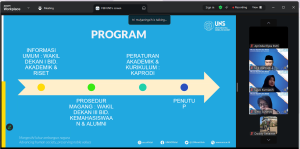
 Through the launch of this Academic Handbook, FEB UNS hopes that all students can follow a clearer academic path, understand their rights and responsibilities, and make full use of the available learning facilities. This initiative also reaffirms FEB UNS’s commitment to supporting the achievement of the Sustainable Development Goals (SDGs), particularly