FEB

Blog

  • Prodi S1 Manajemen Selenggarakan Kuliah Tamu: Membedah Etika dan Regulasi AI di Sektor Perbankan

    Prodi S1 Manajemen Selenggarakan Kuliah Tamu: Membedah Etika dan Regulasi AI di Sektor Perbankan

    Program Studi S1 Manajemen Fakultas Ekonomi dan Bisnis (FEB) Universitas Sebelas Maret (UNS) menyelenggarakan kuliah tamu bertajuk “Navigating the Ethics of AI in Banking Industry” sebagai bagian dari mata kuliah Etika Bisnis, Minggu 19 Oktober 2025.

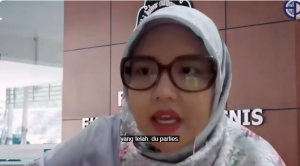
    Kegiatan yang berlangsung secara daring melalui Zoom Meeting ini menghadirkan Yuni Dwi Wijayanti, S.E., Ak., M.B.A., M.Com., CHRP, PCC, Policy Account Consultant di Hays Consulting Service, New Zealand.

    Dalam paparannya, Yuni Dwi Wijayanti menjelaskan bagaimana kecerdasan buatan (Artificial Intelligence/AI) telah membawa transformasi besar dalam dunia perbankan, mulai dari layanan pelanggan hingga sistem manajemen risiko dan upaya pencegahan pencucian uang (anti-money laundering/AML). Pemanfaatan AI kini menjadi elemen penting dalam meningkatkan efisiensi, kecepatan, dan akurasi di sektor keuangan.

    Ia mencontohkan penggunaan chatbot seperti DINI milik BNI untuk layanan pelanggan 24 jam, implementasi machine learning dalam credit scoring yang mempercepat proses pengambilan keputusan kredit, serta sistem deteksi penipuan berbasis AI yang memperkuat keamanan finansial di berbagai bank, termasuk BNI dan Suncorp.

    Namun, di balik manfaatnya, Yuni menegaskan bahwa AI juga membawa tanggung jawab moral dan sosial.

    “AI bukan hanya sekadar alat teknologi, tetapi juga refleksi dari nilai dan keputusan manusia yang mengoperasikannya,” ujarnya. Tantangan etika yang perlu diantisipasi meliputi bias dan diskriminasi dalam data, kurangnya transparansi dalam keputusan otomatis, pentingnya perlindungan data pribadi sesuai UU PDP 2022 dan Privacy Act 2020 di Selandia Baru, serta isu akuntabilitas atas kesalahan sistem.

    Ia menekankan pentingnya prinsip explainability, yaitu kemampuan lembaga keuangan menjelaskan alasan keputusan AI kepada nasabah. Di tingkat global, praktik etika AI diatur melalui OECD AI Principles dan EU AI Act (2024), sementara Indonesia telah memiliki arah melalui National AI Strategy 2020–2045 yang menekankan inovasi berbasis etika dan kemanusiaan.

    Sebagai penutup, Yuni mengingatkan mahasiswa agar memandang AI bukan sekadar alat efisiensi, melainkan ruang pengambilan keputusan yang berintegritas. “AI bisa menggantikan banyak fungsi manusia, tetapi tidak akan pernah menggantikan moralitas, empati, dan tanggung jawab,” pesannya.

    Kegiatan ini menjadi bagian dari inisiatif DIKTISAINTEK BERDAMPAK, yang menegaskan komitmen Program Studi S1 Manajemen FEB UNS dalam memberikan pendidikan relevan dan berdaya saing global. Kegiatan ini juga mendukung pencapaian Tujuan Pembangunan Berkelanjutan (SDGs), khususnya tujuan ke-4 (Pendidikan Berkualitas) dan tujuan ke-9 (Inovasi dan Infrastruktur) melalui penguatan literasi etika digital di era kecerdasan buatan.

  • Wakil Wali Kota Surakarta Beri Kuliah Praktisi di FEB UNS: Bangun Kepemimpinan Otentik di Era Digital

    Wakil Wali Kota Surakarta Beri Kuliah Praktisi di FEB UNS: Bangun Kepemimpinan Otentik di Era Digital

    Program Studi S1 Manajemen Fakultas Ekonomi dan Bisnis (FEB) Universitas Sebelas Maret (UNS) menyelenggarakan Kuliah Praktisi secara daring bertajuk “Leadership in the Digital Era: Building an Authentic Presence on Social Media” Kamis, 16 Oktober 2025.

    Kegiatan ini menghadirkan Astrid Widayani, S.S., S.E., M.B.A., Ph.D (Cand.), Wakil Wali Kota Surakarta, sebagai narasumber utama, dan dipandu oleh Dr. Wulan Permatasari, S.E., M.M., SHRM.CP sebagai moderator.

    Dalam sambutannya, Dr. Sinto Sunaryo, S.E., M.Si., SHRM.CP., Ketua Program Studi S1 Manajemen FEB UNS, menjelaskan bahwa kuliah praktisi merupakan agenda rutin yang menghubungkan teori akademik dengan praktik profesional.

    “Mahasiswa diharapkan memperoleh wawasan langsung dari para praktisi agar dapat memahami penerapan teori dalam konteks nyata, terutama di bidang kepemimpinan,” ujarnya.

    Astrid Widayani membuka pemaparannya dengan membahas konsep persona pejabat publik di media sosial, yaitu bagaimana citra dan identitas seorang pemimpin dibangun secara daring untuk menjangkau publik, menjelaskan kebijakan, serta menampilkan sisi personal dan emosional.

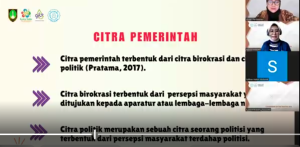
    Ia juga menguraikan bahwa citra pemerintah terbentuk dari dua dimensi: citra birokrasi dan citra politik, yang keduanya sangat dipengaruhi oleh persepsi masyarakat terhadap aparatur dan pemimpin publik.

    Lebih lanjut, Astrid menjelaskan dimensi “authentic presence” yang menjadi kunci kepemimpinan di era digital.

    “Kehadiran otentik di media sosial bukan sekadar eksis, tetapi harus konsisten antara nilai pribadi dan pesan yang disampaikan, transparan, serta membangun interaksi dua arah,” tegasnya.

    Ia menambahkan bahwa autentisitas diukur dari kredibilitas, kepercayaan, dan koneksi emosional yang tumbuh antara pemimpin dan publik.

    Sebagai strategi, Astrid menyoroti empat langkah membangun authentic presence: menemukan nilai inti (core value), menjaga konsistensi dengan konten yang relevan, mendengarkan audiens secara aktif, dan berinteraksi secara otentik tanpa gimmick. Ia menutup sesinya dengan menekankan bahwa autentisitas akan menumbuhkan kepercayaan publik, pondasi utama dalam kepemimpinan yang berkelanjutan.

    Kuliah ini diikuti secara daring oleh mahasiswa yang sebagian besar dari Prodi S1 Manajemen berjalan interaktif melalui sesi tanya jawab.

    Melalui kegiatan ini, mahasiswa tidak hanya mempelajari teori kepemimpinan, tetapi juga bagaimana membangun citra diri dan kepemimpinan yang kredibel di ruang digital.

    Kegiatan kuliah praktisi ini juga mendukung pencapaian Sustainable Development Goals (SDG) 4: Pendidikan Berkualitas dan SDG 16: Perdamaian, Keadilan, dan Kelembagaan yang Tangguh, dengan menumbuhkan generasi pemimpin muda yang berintegritas, adaptif, dan komunikatif di era digital.

  • Forum Diskusi Pimpinan Ormawa FEB UNS Bahas Reorganisasi dan Penguatan Tata Kelola UKM

    Forum Diskusi Pimpinan Ormawa FEB UNS Bahas Reorganisasi dan Penguatan Tata Kelola UKM

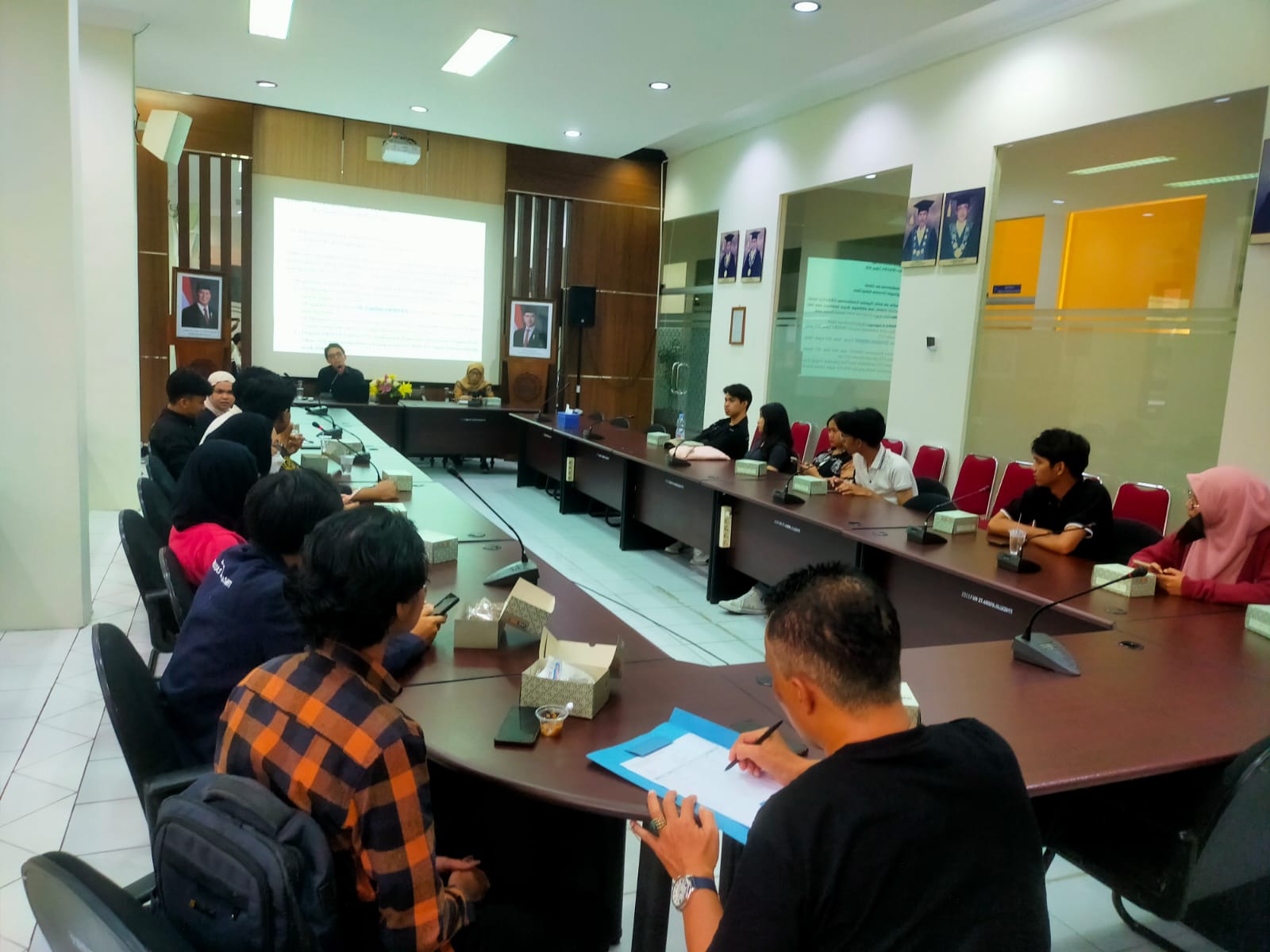
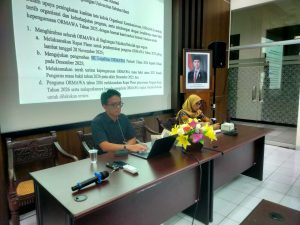
    Fakultas Ekonomi dan Bisnis (FEB) Universitas Sebelas Maret (UNS) menggelar Forum Diskusi Pimpinan Organisasi Mahasiswa (Ormawa) dan Unit Kegiatan Mahasiswa (UKM), Jumat 17 Oktober 2025 di Ruang Sidang 1 Gedung Soeharno TS FEB UNS.

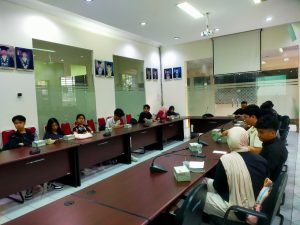
    Kegiatan ini dihadiri oleh Ketua dan Wakil Ketua/Sekretaris/Bendahara dari seluruh UKM dan Ormawa di lingkungan FEB, bersama jajaran Bidang Kemahasiswaan dan Alumni.

    Forum ini merupakan pertemuan ketiga yang diselenggarakan dalam rangka persiapan reorganisasi kepengurusan Ormawa dan UKM tahun 2026.

    Wakil Dekan Bidang Kemahasiswaan dan Alumni, Tastaftiyan Risfandy, S.E., M.Sc., Ph.D., menyampaikan apresiasi atas berbagai kegiatan mahasiswa yang telah terlaksana dengan baik hingga penghujung tahun, seperti Management Carnival oleh HMJM, ALCOFE oleh HMJEP, dan ACTIVE oleh HMJAk dan sebagainya.

    “Kegiatan sudah sampai pada tahap puncak, dan saya tahu betul perjuangan teman-teman dalam menyelenggarakan acara itu tidak mudah. Apresiasi setinggi-tingginya untuk semua,” tutur Tastaftiyan.

    Lebih lanjut, ia menjelaskan bahwa pelaksanaan reorganisasi tahun ini rencananya dimajukan. Jika tahun lalu pelantikan pengurus baru dilakukan pada Maret, maka tahun 2026 akan digelar pada awal Januari. Langkah ini diambil agar pengurus baru memiliki waktu lebih panjang untuk beradaptasi dan menjalankan program kerja sebelum perkuliahan dimulai.

    Bidang Kemahasiswaan menargetkan rapat pleno Ormawa dapat diselenggarakan maksimal pada 28 November 2025, dengan tahapan seleksi pengurus, pemilihan pengurus harian, dan rekrutmen anggota baru yang terjadwal secara serentak antar-UKM.

    “Diharapkan SK pengurus sudah ditandatangani Dekan pada akhir Desember, dan pelantikan dilakukan bersama pada minggu pertama perkuliahan,” imbuhnya.

    Dalam forum tersebut juga dibahas sejumlah isu strategis, antara lain mekanisme survei mahasiswa, tata kelola peminjaman ruang, serta rencana renovasi sekretariat UKM.

    Perwakilan UKM mengusulkan agar SOP Ormawa dipublikasikan secara terbuka dan setiap perubahan aturan atau struktur organisasi (SOTK) disosialisasikan melalui forum bersama untuk menghindari miskomunikasi dan mendukung kelancaran kegiatan mahasiswa.

    Amelia Zailani Pertiwi, S.IP., Kepala Subbag Non Akademik menyampaikan bahwa renovasi ruang UKM tengah berproses serta akan disusun alur baru peminjaman ruang agar lebih transparan dan adil.

    Melalui forum ini, FEB UNS menegaskan komitmennya untuk terus memperkuat tata kelola kemahasiswaan yang partisipatif dan akuntabel. Langkah-langkah seperti penyamaan jadwal reorganisasi, transparansi SOP, serta optimalisasi fasilitas diharapkan dapat mendukung terciptanya lingkungan organisasi mahasiswa yang inklusif, produktif, dan berkelanjutan, sejalan dengan semangat Sustainable Development Goals (SDGs), khususnya SDG 4 (Pendidikan Berkualitas) dan SDG 16 (Institusi yang Tangguh dan Inklusif).

  • Strengthening Graduate Program Competitiveness, FEB UNS Discusses RPL Curriculum for MESP

    Strengthening Graduate Program Competitiveness, FEB UNS Discusses RPL Curriculum for MESP

    Faculty of Economics and Business (FEB), Universitas Sebelas Maret (UNS), held a Preliminary Discussion of the Recognition of Prior Learning (RPL) Curriculum for the Master’s Program in Economics and Development Studies (MESP) on Thursday, October 16, 2025, at the Project-Based Learning (PBL) Laboratory, Soedarah Soepono Building, FEB UNS.

    The session was opened by Prof. Tri Mulyaningsih, S.E., M.Si., Ph.D., Vice Dean for Academic and Research Affairs of FEB UNS, and attended by Prof. Dr. Suryanto, S.E., M.Si., Head of the MESP Program; Prof. Dr. Sarwanto, S.Pd., M.Si., Head of the Institute for Educational Development and Quality Assurance (LPPMP) UNS, who were attending the session virtually, as well as lecturers of the MESP Program.

    In her remarks, Prof. Tri Mulyaningsih explained that the discussion marked an important step in facilitating the MESP Program’s preparation to launch its RPL track. She stated, “RPL is the acknowledgment of learning outcomes acquired through prior professional experience. FEB has gained experience in managing RPL at the undergraduate level, such as in the Accounting Study Program that admitted students from the Financial and Development Supervisory Board (BPKP). For the master’s level, we are designing an RPL model based on credit recognition through professional portfolios rather than mere credit transfers.”

    She further explained that RPL offers extensive potential for collaboration with government agencies and professional institutions. Through RPL, study programs can attract practitioners with relevant experience, thereby not only increasing student enrollment but also enriching academic interaction in the classroom.

    “The development of RPL should not only be viewed from an academic standpoint but also from the perspective of program efficiency. Some programs still face challenges in student enrollment. With RPL, we hope to enhance program attractiveness, expand collaborative networks, and make the curriculum more aligned with labor market needs,” she added.

    Meanwhile, Prof. Dr. Suryanto, S.E., M.Si., Head of the MESP Program, noted that this discussion is part of the curriculum renewal effort to strengthen the competitiveness of the master’s programs within FEB UNS. He stated, “We are still lagging behind the Master of Management Program in terms of student admission. Therefore, in addition to the existing regular and fast-track programs, RPL provides an important alternative for prospective students who already possess professional experience and competencies.”

    He added that the RPL model in MESP will open opportunities for graduates from both Economics and non-Economics undergraduate programs with at least three years of work experience, particularly in planning, public policy, or regional economics. Through an assessment and portfolio-based mechanism, participants’ professional experiences will be recognized as part of their learning outcomes in accordance with academic standards.

    The interactive discussion also received substantive input from LPPMP UNS regarding academic governance and administrative requirements for RPL, including registration criteria, credit recognition procedures, and portfolio verification processes.

    Through this curriculum draft discussion, the MESP Program is expected to open the RPL track in the even semester of the 2025/2026 academic year. The program aims to expand access to higher education for professionals while contributing to the enhancement of human resource capacity in economic planning and policy development.
    This initiative aligns with FEB UNS’s commitment to supporting the Sustainable Development Goals (SDGs), particularly SDG 4 on Quality Education through inclusive learning access and recognition of non-formal education, and SDG 8 on Decent Work and Economic Growth through the advancement of professional capacity in public and development economics sectors.

  • FEB UNS Strengthens Research and Community Engagement Synergy through the 2025 Competitive Grant

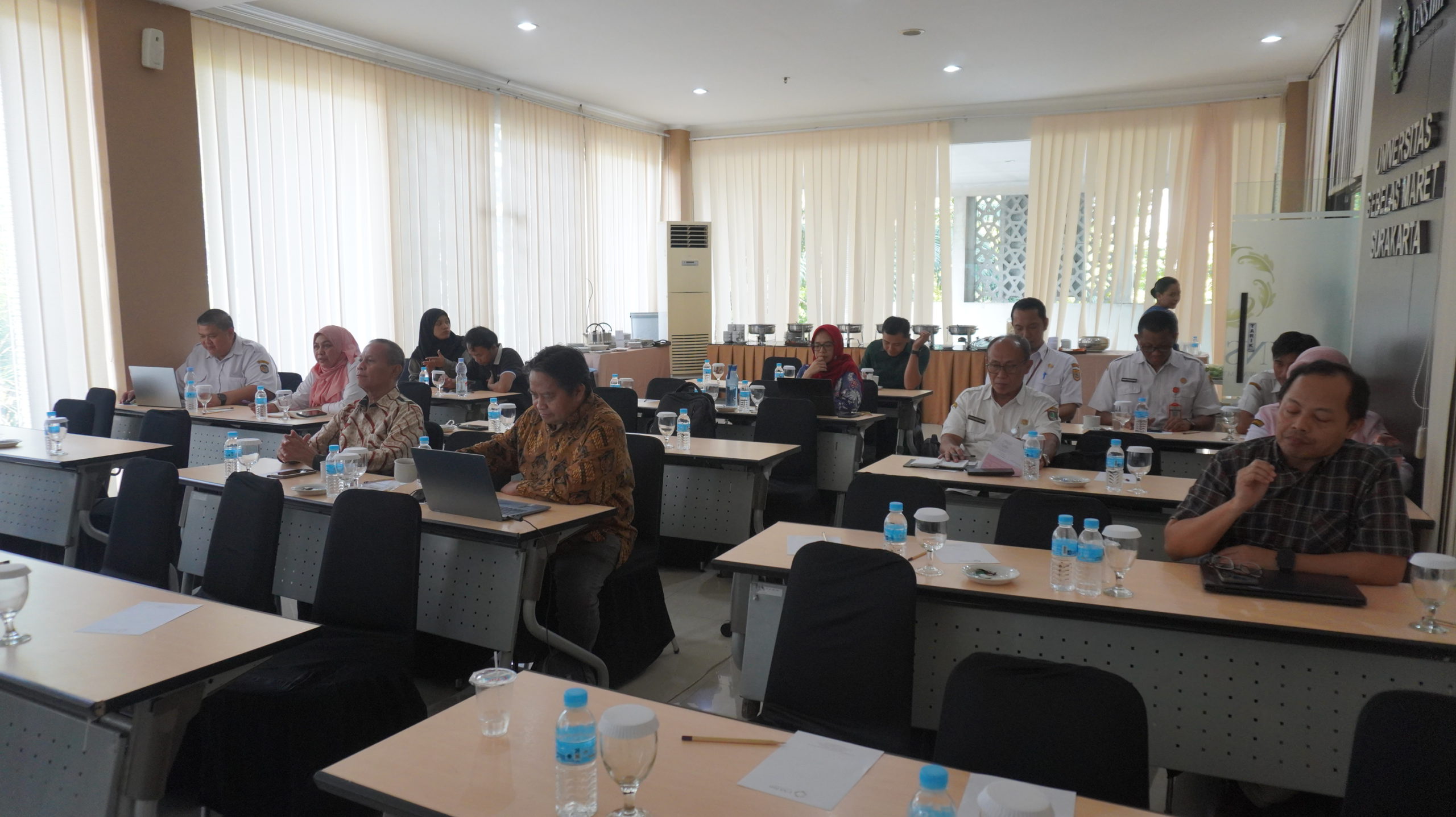
    The Center for Research and Community Engagement Development (P4M), Faculty of Economics and Business (FEB), Universitas Sebelas Maret (UNS), organized “Coordination Meeting for the Implementation of the 2025 FEB UNS Competitive Grant.” The meeting was conducted virtually via Zoom on Tuesday, October 14, 2025, with the aim to strengthen collaboration among study programs, research groups, and supporting units within FEB UNS, as an effort to increase both the quantity and quality of research and community engagement grant proposals.

    In her opening remarks, the Head of P4M FEB UNS, Dila Maghrifani, S.E., B.Sc., M.Sc., Ph.D., stated that the meeting served as a follow-up to the initiatives provided by the UNS Institute for Research and Community Service (LPPM UNS) and marked an important step in strengthening research synergy at the faculty level. “This activity is expected to become a platform for collaboration and communication, as well as to establish a synergy among the entire academic community of FEB UNS. Hopefully, the grant programs facilitated by LPPM can be beneficial and open more opportunities for stronger research and community engagement collaborations in the future,” said Dila.

    She further explained that P4M would continue to play a facilitating role for lecturers and research groups in accessing various internal and external grant opportunities.

    In his remarks, Prof. Tri Mulyaningsih, S.E., M.Si., Ph.D., Vice Dean for Academic and Research Affairs FEB UNS, emphasized that this coordination was a joint initiative between the Academic Affairs Division and P4M to encourage more active participation of lecturers in grant proposal submissions. “The goal of this activity is simple yet strategic—to increase the number of proposals submitted by FEB UNS faculty members. This year, UNS has received approximately IDR 13 billion in funding for the Equity Grant Scheme, which is a valuable opportunity we should make the most of together,” she stated.

    Prof. Tri further explained that the Equity Grant offers significant potential because it is an internal UNS program, meaning the competition is limited within the UNS’s academic community. Therefore, the probability of success is higher than in national-level competitive schemes.

    She also noted that several types of Equity Grants specifically target the fields of economics, business, and agriculture—areas that align closely with FEB’s research focus. “We aim to foster synergy among P4M, research groups, and study programs. Through this collaboration, we can direct flagship research to align with the strategic goals of the faculty and the university,” she explained.

    Prof. Tri further highlighted that the Equity Grant will be implemented from January to June 2026, in line with the FEB UNS Strategic Plan (Renstra) 2025–2029. She highlighted that this grant serves not only as a funding opportunity but also as part of the faculty’s strategy to achieve its vision. “This activity is fully aligned with the FEB UNS Strategic Plan, which envisions the faculty as globally reputable and inclusive. ‘Global’ means having international competitiveness, while ‘inclusive’ means ensuring that all disciplines and groups progress together. This grant serves as one of the pathways to realize that vision,” she explained.

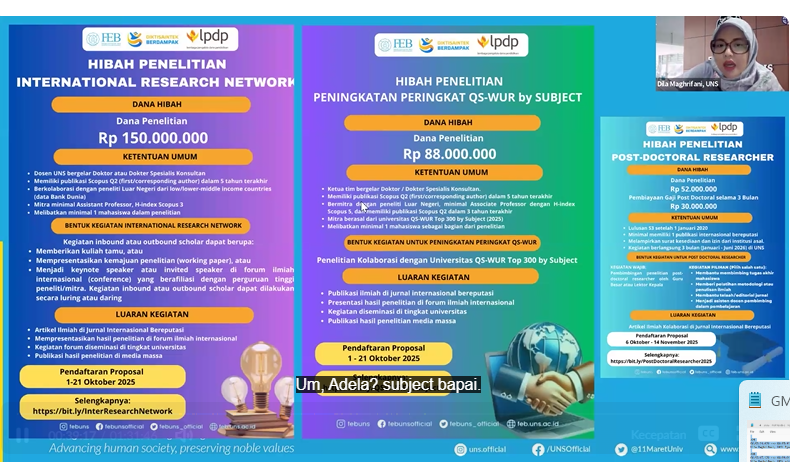
    In her presentation, Prof. Tri also elaborated on how grant implementation could support the faculty’s strategic objectives, including enhancing international reputation and integrating research with teaching. She gave examples of grant schemes that could fund collaborative teaching and international research initiatives, such as inviting visiting professors or postdoctoral fellows from reputable overseas universities.
    “If we can invite visiting professors or postdoctoral researchers from abroad, they can contribute to the development of teaching materials, research methods, and academic quality assurance. UNS even provides dedicated grant support for such initiatives, including participation in international conferences,” she elaborated.

    Additionally, Prof. Tri encouraged that each grant activity be directed toward strengthening the integration of education and research through the dissemination of international research outcomes and the development of research-based teaching materials.

    She also highlighted the need for strengthening alumni career development programs and enhancing human resource capacity. “FEB must continue to produce high-quality human resources. This can be achieved through training, international collaboration, and sending staff for further studies abroad—all of which can be linked to ongoing grant programs,” she added.

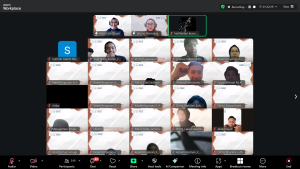
    The coordination activity concluded with a breakout room discussion divided into three fields—Economics, Management, and Accounting. In each session, participants discussed plans for implementing grants in their respective fields, identifying potential collaborative research and administrative support needs.

    Through this coordination, P4M FEB UNS hopes that all lecturers and research groups can fully take part in the current competitive grant opportunities to strengthen academic networks, enhance research publications and community engagement, and contribute to the faculty’s overall performance achievements. “We wished that every grant to be not only funding-oriented but also to make a tangible contribution to accomplish FEB UNS’s vision as a globally reputable and socially impactful faculty,” concluded Prof. Tri.

  • Research-Based Policy Planning Workshop Promotes Collaboration between FEB UNS and Regional Governments

    Research-Based Policy Planning Workshop Promotes Collaboration between FEB UNS and Regional Governments

    Development Economics Study Program, Faculty of Economics and Business (FEB), Universitas Sebelas Maret (UNS), organized a Research-Based Policy Planning Workshop on Wednesday, October 15, 2025, at UNS Inn. This agenda is part of a collaborative initiative between the Development Economics Study Program FEB UNS, the National Development Planning Agency (Bappenas) of the Republic of Indonesia, and the Regional Research and Innovation Agency (BRIDA) of Central Java Province. The workshop aims to strengthen the role of academic research in supporting evidence-based policy for regional development. Through this initiative, universities are expected to serve as strategic partners for local governments in developing adaptive, innovative, and impactful public policies.

    The workshop opened with remarks from Johadi, S.E., M.Sc., Head of Cooperation at FEB UNS, who emphasized the importance of enhancing fiscal planning and public policy capacity amid regional financial constraints. “Hopefully, this workshop will bring new perspectives amid fiscal pressures. Our budget base will decline by about 19.9 percent in 2026 compared to 2025, which will have a major impact since intergovernmental transfers account for around 83 percent of our budget. Given this situation, research conducted by local governments in collaboration with BRIDA and Bappeda must propose policy recommendations that are effective, well-targeted, and outcome-oriented,” said Johadi.

    He further highlights the importance of embedding sustainability and accountability principles in regional public investment. “Public investment must generate good returns or deliver a high public service obligation. If neither is achieved, it means public funds have not been utilized optimally. Therefore, research and innovation at universities must contribute to policies that are sustainable and inclusive,” he added.

    Johadi also reaffirmed FEB UNS’s commitment to building cross-sector collaboration not only with government institutions but also with business actors and the wider community. “At FEB UNS, we have units that specifically focus on strengthening collaborative networks. The expectation is that universities can serve as centers for research development that represent the interests of policymakers and support MSMEs to become more productive,” he explained.

    The workshop consisted of two main sessions. The first session discussed Development Planning and Policy Papers, presented by speakers from the Ministry of National Development Planning (Bappenas), highlighting the role of academics in developing research-based policy briefs. The second session featured speakers from BRIDA Central Java Province, who discussed the importance of regional research and innovation as a foundation for long-term development planning.

    The event was attended by approximately 25 participants, including lecturers, researchers, and representatives from Bappeda and BRIDA across the Solo Raya region, including Surakarta, Sukoharjo, Karanganyar, Boyolali, Sragen, and Wonogiri. Discussions were active and productive, addressing various technical issues in data-based planning, budgeting, and policy evaluation.
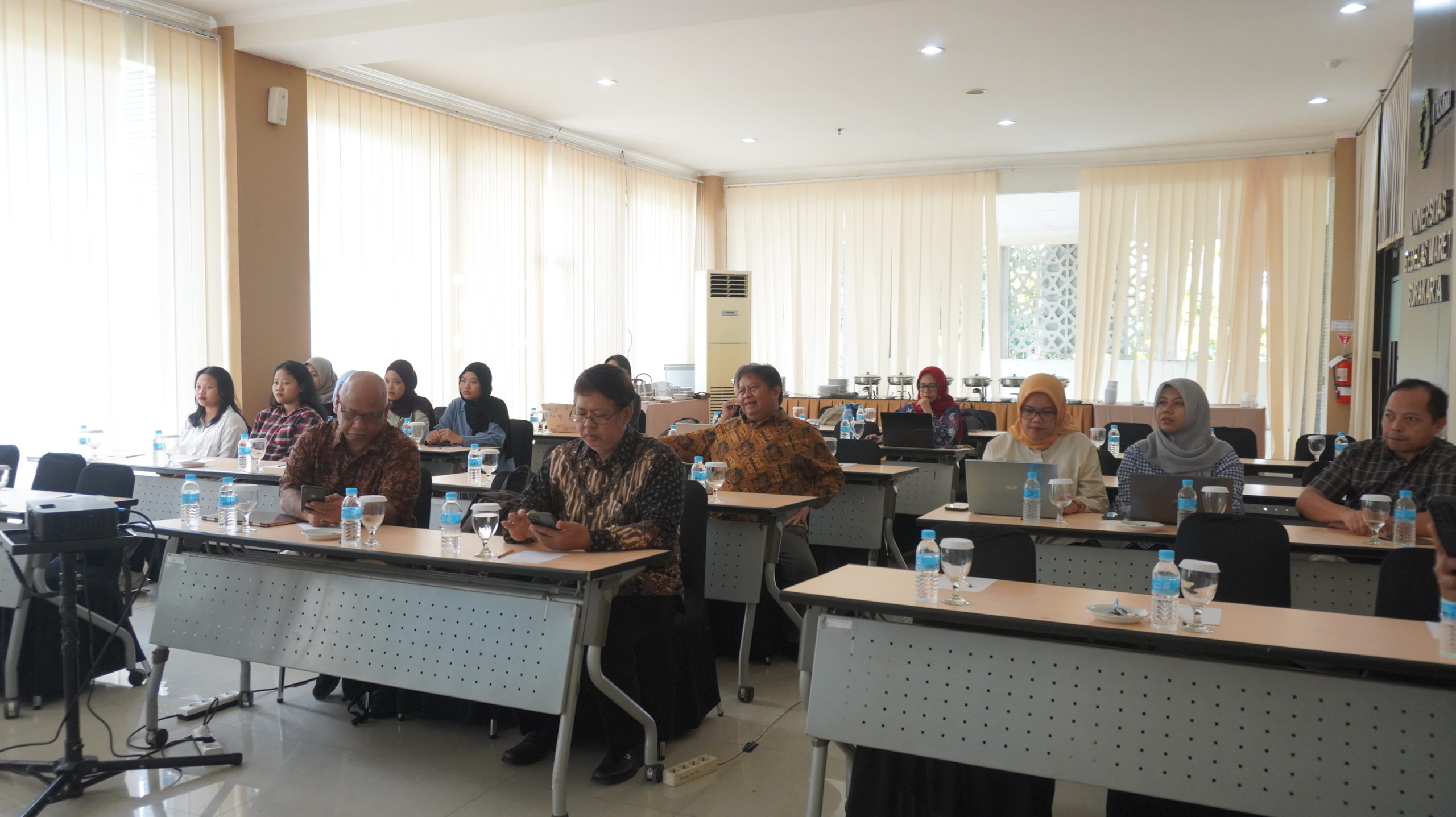
    Through this activity, FEB UNS reinforces its role as a strategic partner for regional governments in advancing research-based policy development. The synergy between universities and planning institutions is expected to strengthen local governments’ technocratic capacity to formulate policies that are effective, efficient, and sustainable in the long term.

    The Research-Based Policy Planning Workshop also supports the achievement of the Sustainable Development Goals (SDGs), particularly SDG 8 (Decent Work and Economic Growth), SDG 9 (Industry, Innovation, and Infrastructure), and SDG 17 (Partnerships for the Goals) through institutional capacity building, collaborative research, and inclusive, sustainable regional development.

  • Fiscal Corner FEB UNS and Ministry of Finance Hold Workshop on Enrichment of Development Planning and Budgeting Module

    Fiscal Corner FEB UNS and Ministry of Finance Hold Workshop on Enrichment of Development Planning and Budgeting Module

    The Fiscal Corner of the Faculty of Economics and Business (FEB), Universitas Sebelas Maret (UNS), in collaboration with the Ministry of Finance of the Republic of Indonesia, organized a Workshop on Enrichment of Learning Materials for the Development Planning and Budgeting (PPP) Module on Wednesday, October 15, 2025, at UNS Inn. This agenda is part of the ongoing implementation of a strategic partnership between FEB UNS and the Ministry of Finance aimed at strengthening the curriculum and fiscal learning development.

    The workshop opened with remarks from Prof. Bhimo Rizky Samudro, S.E., M.Si., Ph.D., Dean of FEB UNS, who emphasized the importance of developing adaptive and contextual curricula that respond to the dynamics of public policy. “One crucial point is how we develop an adaptive curriculum, where the learning process is directed toward case-based and project-based learning. This material is designed not only for postgraduate courses but also for undergraduate levels and is relevant to all study programs at FEB—Development Economics, Accounting, and Management,” stated Prof. Bhimo.

    Prof. Bhimo further expressed that the collaboration with the Ministry of Finance has become a key asset for FEB UNS, particularly through the Fiscal Corner initiatives that have been active since 2024. “We have built a strong collaboration with the Ministry of Finance through various activities and policy research projects. Currently, we are also participating in the Financial Research initiative initiated by the Ministry of Finance as a follow-up to our ongoing partnership,” he added.

    The workshop continued with a presentation by Dr. Mulyanto, M.E., Head of Fiscal Corner FEB UNS, who introduced the draft of the Development Planning and Budgeting module.

    Designed based on the Outcome-Based Education (OBE) approach, the module consists of 12 chapters. These chapters are divided into two main sections, namely, planning and budgeting, which cover national, regional, and village levels. The learning framework combines theoretical understanding and practical application through document preparation simulations, fiscal analysis, and data-driven public policy recommendations.

    The following session featured a presentation by Noor Cholis Madjid, S.E., M.Si., Senior Instructor at the Center for Training in Budget and Treasury, Financial Education and Training Agency (BPPK) of the Ministry of Finance, who discussed the reinforcement of concepts in national planning and budgeting. He emphasized the need for stronger integration between development planning and fiscal policy through the Medium-Term Expenditure Framework (MTEF) and Performance-Based Budgeting (PBB) approaches.

    Further, Risky Sulistyanto, S.E., M.M., Head of the Finance Division of the Secretariat General of the Ministry of Finance, delivered a presentation on the practical implementation of development planning and budgeting across ministries and agencies. He shared insights on budget formulation, fiscal supervision, and financial policy innovations within the Ministry of Finance.

    The event, moderated by Adib Barliyin Abdurrahim and Titin Dwi Aryanti, proceeded interactively with active participation from lecturers, curriculum developers, and postgraduate students of FEB UNS. Participants engaged in discussions and provided constructive feedback on the integration of project-based fiscal and budgeting learning in the classroom.

    Through this workshop, FEB UNS continues to strengthen its academic collaboration with the Ministry of Finance in developing a curriculum that is contextual, applicable, and oriented toward enhancing students’ competencies in public planning and budgeting.

    The Workshop on Enrichment of Learning Materials for the Development Planning and Budgeting Module also supports the achievement of the Sustainable Development Goals (SDGs), particularly Goal 4 (Quality Education)—by improving curriculum quality and practice-based learning methods—and Goal 17 (Partnerships for the Goals)—by reinforcing collaboration between FEB UNS and the Ministry of Finance in promoting transparent and sustainable fiscal governance.

  • Joy in Serving, Professional in Performance: FEB UNS Organizes Employee Performance Improvement Training

    Joy in Serving, Professional in Performance: FEB UNS Organizes Employee Performance Improvement Training

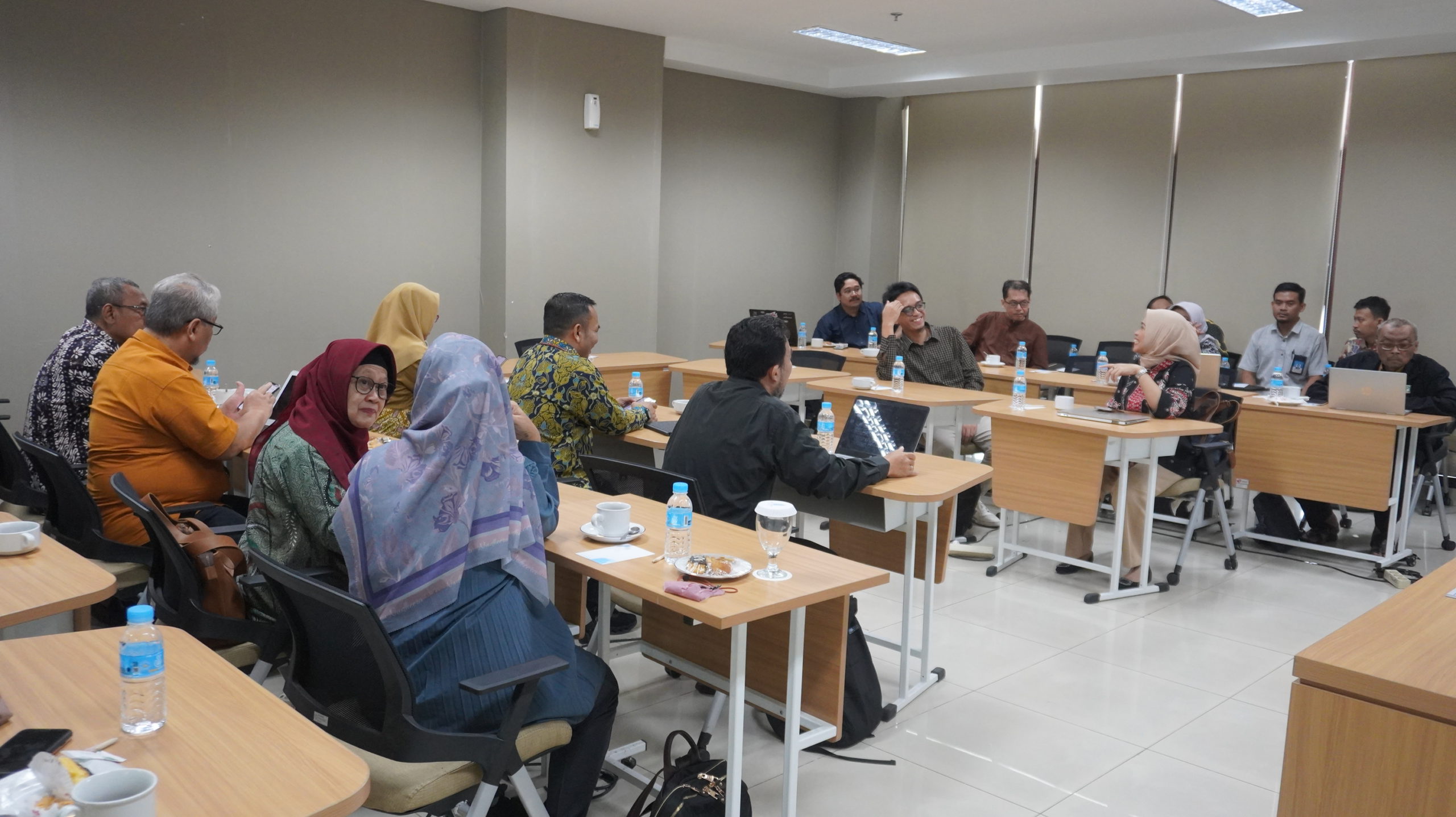
    Faculty of Economics and Business (FEB), Universitas Sebelas Maret (UNS), organized an Employee Performance Improvement Training. The training, which aims to enhance service quality, is conducted on Friday, October 17, 2025, at the Soedarah Soepono Building Auditorium, FEB UNS. The activity is a regular agenda initiated by the Non-Academic Affairs Division of FEB UNS as part of continuous efforts to strengthen the competence and professionalism of academic support staff.

    In his opening remarks, Sutaryo, S.E., M.Si., Ph.D., Ak., CA., CRA., CRP., ACPA, Vice Dean for Non-Academic Affairs of FEB UNS, emphasized the importance of commitment and responsibility among all staff members in providing the best service to the academic community and the public. He stated, “This type of training will be conducted continuously for at least four times a year, each with a different theme. There should be no reason to stop learning, whether one is approaching retirement or already senior, because we are all service providers who must deliver the best service, speak courteously, and behave properly. While we receive compensation, we must also demonstrate performance.”

    The training featured two speakers. The first session was delivered by Eko Rahayuningsih, S.E., Akt., M.Si., M.Acc., CA., ASEAN., CPA., CGAA., CHRMP., CCMs., CRMP., presenting material on Optimizing Human Resource Performance to Enhance Service Quality. In her presentation, she highlighted the need to transform human resource management from a traditional human resources approach to human capital, where employees are recognized not merely as production factors but as valuable organizational assets.

    She explained, “Every expenditure on human resources is not merely a cost but an investment. When employee performance aligns with organizational objectives, efficiency, productivity, and public service quality will improve.”

    The second session was delivered by Heri Susilo, a happiness motivator and author of Happiness at Work, who presented material titled Living Happily, Living Meaningfully. Conducted in an interactive format through games, reflection, and team activities, the session created an engaging and meaningful training atmosphere.

    Heri emphasized that happy employees tend to be more productive, creative, and positively contribute to their work environment. He stated, “Good performance is born from happy employees. Workplace happiness is built on three pillars: meaning, engagement, and positive emotion. Happy employees will work with integrity, discipline, and a collaborative spirit.”

    The training program was conducted interactively through discussions, reflections, and experience-sharing among staff members. The event also served as an opportunity for academic support staff to strengthen their commitment to service excellence and to cultivate an adaptive work culture responsive to organizational change.
    Through this training, FEB UNS strives to foster a productive, inclusive, and service-oriented work environment focused on improving the quality of public service delivery.

    This initiative aligns with the university’s commitment to supporting the Sustainable Development Goals (SDGs), particularly SDG 4 on Quality Education through staff competence development, and SDG 8 on Decent Work and Economic Growth through the advancement of professional and competitive human resources.

  • FEB UNS Academic Senate Discusses Strategic Plan, Organizational Structure, and New Study Program Proposal

    FEB UNS Academic Senate Discusses Strategic Plan, Organizational Structure, and New Study Program Proposal

    The Academic Senate of the Faculty of Economics and Business (FEB), Universitas Sebelas Maret (UNS), held a plenary session to discuss and ratify the faculty’s strategic documents, including the 2024–2029 Strategic Plan, the Organizational Structure and Work Procedures (SOTK), and the proposal for the establishment of the Undergraduate Study Program in Islamic Economics and Finance. The session took place at UNS Tower and was attended by members of the faculty’s academic senate.

    In her opening remarks, Prof. Dr. Hunik Sri Runing Sawitri, M.Si., Chair of the FEB Academic Senate, explained that the plenary session is a follow-up to the Dean’s Office’s formal request for the Faculty Senate to review and approve the Strategic Plan, Organizational Structure, and the proposed new study program.

    “We have invited all members (of the Academic Senate) to review and provide input, therefore, the drafted documents can be further refined. Hopefully, the revisions will be minimal, and the results of today’s discussion can soon be finalized,” stated Prof. Hunik.

    Meanwhile, Sutaryo, S.E., M.Si., Ph.D., Ak., CA., CRA., CRP., ACPA., Vice Dean for Non-Academic Affairs, emphasized that this discussion marked an important step in reaffirming the faculty’s strategic direction for the next five years.

    “The Strategic Plan is essentially based on the 2024 achievements and baseline data, projected through 2029. Ideally, its formulation follows the performance agreement between the Dean and the Rector. However, as the said process is still underway, we continue to move forward to ensure that the faculty’s direction remains clear and measurable,” he explained.

    The Dean also presented an overview of the proposed Strategic Plan and the Organizational Structure and Work Procedures, followed by presentations from the Vice Deans of FEB UNS.

    Further, Arif Rahman Hakim, S.E., M.Ec.Dev., Ph.D., and Mulyadi, S.E., M.Ec.Dev., as the proposal team delivered a presentation on the establishment of the Undergraduate Study Program in Islamic Economics and Finance, explaining its background, urgency, academic prospects, and the increasing demand for qualified human resources in Islamic economics and finance.

    The session also received insights from Prof. Irwan Trinugroho, S.E., M.Sc., Ph.D., QC, Vice Rector for Planning, Cooperation, Internationalization, and Information Affairs UNS, who provided strategic pointers to the forum.

    The plenary discussion proceeded dynamically and constructively, with active participation from senate members who shared responses, comments, and recommendations for improving the draft Strategic Plan, Organizational Structure, and new study program proposal. The open discussion addressed key strategic aspects, including academic development direction, institutional governance, and the relevance of the Islamic Economics and Finance program to the growing Islamic economic sector in Indonesia.

    Following the discussions, the plenary session concluded with several agreements and recommendations to rectify the documents before their official ratification. This process reflects the commitment of the FEB UNS Academic Senate to implementing transparent, participatory, and data-driven governance in support of the faculty’s vision toward international recognition.
    The initiative also contributes to the achievement of the Sustainable Development Goals (SDGs), particularly Goal 4 (Quality Education)—through the enhancement of governance and the development of relevant study programs—and Goal 8 (Decent Work and Economic Growth)—by fostering competitive graduates who contribute to inclusive and sustainable economic growth.

  • FEB UNS Dorong Sinergi Penelitian dan Pengabdian Melalui Koordinasi Hibah Kompetitif 2025

    FEB UNS Dorong Sinergi Penelitian dan Pengabdian Melalui Koordinasi Hibah Kompetitif 2025

    Pusat Pengembangan Penelitian dan Pengabdian kepada Masyarakat (P4M) Fakultas Ekonomi dan Bisnis (FEB) Universitas Sebelas Maret (UNS) menyelenggarakan kegiatan Koordinasi Pelaksanaan Hibah Kompetitif FEB UNS 2025 secara daring melalui Zoom Meeting, Selasa 14 Oktober 2025.

    Kegiatan ini bertujuan memperkuat kolaborasi antara program studi, kelompok riset, dan unit pendukung di lingkungan FEB UNS dalam rangka meningkatkan jumlah serta kualitas proposal hibah penelitian dan pengabdian.

    Ketua P4M FEB UNS, Dila Maghrifani, S.E., B.Sc., M.Sc., Ph.D., dalam sambutannya menyampaikan bahwa kegiatan ini menjadi tindak lanjut dari fasilitasi LPPM UNS dan merupakan momentum penting untuk membangun sinergi riset di tingkat fakultas.

    “Kegiatan ini kami harapkan dapat menjadi ruang kolaborasi, komunikasi, dan sinergi bagi seluruh civitas akademika FEB UNS. Semoga pelaksanaan hibah yang difasilitasi oleh LPPM ini dapat diterima dengan baik dan menjadi pintu bagi kolaborasi riset dan pengabdian yang lebih kuat di masa mendatang,” ujar Dila.

    Ia juga menambahkan bahwa P4M akan terus berperan sebagai fasilitator bagi dosen dan kelompok riset dalam mengakses berbagai peluang hibah, baik internal UNS maupun eksternal.

    Prof. Tri Mulyaningsih, S.E., M.Si., Ph.D., Wakil Dekan Bidang Akademik dan Penelitian FEB UNS dalam arahannya menegaskan bahwa kegiatan koordinasi ini merupakan inisiatif bersama antara Bidang Akademik dan P4M untuk menggerakkan seluruh dosen agar lebih aktif dalam pengajuan proposal hibah.

    “Tujuan kegiatan ini sederhana namun strategis, yakni mendorong peningkatan jumlah proposal yang diajukan oleh dosen-dosen FEB UNS. Tahun ini UNS memperoleh kuota pendanaan sekitar Rp13 miliar untuk skema Hibah Equity, ini merupakan kesempatan emas yang harus kita manfaatkan bersama,” tegasnya.

    Lebih lanjut, Prof. Tri menjelaskan bahwa Hibah Equity memberikan peluang besar karena bersifat internal UNS, sehingga kompetisinya hanya di antara sivitas akademika UNS sendiri. Dengan demikian, peluang keberhasilan lebih tinggi dibandingkan hibah kompetitif di tingkat nasional.

    Bahkan, menurutnya, terdapat beberapa jenis hibah Equity yang secara spesifik menyasar bidang ekonomi, bisnis, dan pertanian, sehingga relevan dengan kompetensi dan fokus riset di FEB.

    “Kami ingin menginisiasi sinergi antara P4M, kelompok riset (research group), dan program studi. Melalui kerja sama ini, kita bisa mengarahkan riset-riset unggulan agar selaras dengan arah strategis fakultas dan universitas,” tuturnya.

    Prof. Tri juga menyoroti bahwa pelaksanaan hibah Equity akan berlangsung pada Januari hingga Juni 2026, sejalan dengan Rencana Strategis (Renstra) FEB UNS 2025–2029.

    Menurutnya, hibah ini tidak hanya menjadi peluang pendanaan, tetapi juga bagian dari strategi pencapaian visi fakultas.

    “Kegiatan ini sangat inline dengan Renstra FEB UNS yang menargetkan fakultas bereputasi global dan inklusif. Global artinya kita memiliki daya saing internasional, sementara inklusif berarti kita mengajak semua kelompok dan bidang untuk maju bersama. Hibah ini adalah salah satu jalan untuk mewujudkan itu,” jelasnya.

    Dalam paparannya, Prof. Tri juga memaparkan bagaimana pelaksanaan hibah dapat mendukung pencapaian tujuan strategis fakultas, mulai dari peningkatan reputasi internasional hingga integrasi penelitian dan pembelajaran.

    Ia mencontohkan bahwa berbagai skema hibah dapat diarahkan untuk mendukung kegiatan kolaborasi pengajaran dan penelitian internasional, seperti mendatangkan visiting professor atau postdoctoral fellow dari universitas luar negeri bereputasi. Melalui kegiatan tersebut, dosen dan mahasiswa FEB dapat memperoleh pembaruan dalam materi ajar, metode pembelajaran, dan riset kolaboratif internasional.

    “Kalau kita bisa mengundang visiting professor atau postdoc dari luar negeri, mereka bisa berkontribusi pada pengembangan materi pembelajaran, metode riset, hingga penjaminan mutu akademik. UNS bahkan menyediakan dukungan hibah untuk kegiatan ini, termasuk untuk dosen yang mengikuti konferensi internasional,” paparnya.

    Selain itu, Prof. Tri juga mendorong agar setiap kegiatan hibah diarahkan untuk memperkuat integrasi antara pendidikan dan penelitian melalui diseminasi hasil riset internasional serta penyusunan materi ajar berbasis riset.

    Lebih jauh, Prof. Tri menyinggung pentingnya mengembangkan program pengembangan karier alumni dan peningkatan kapasitas sumber daya manusia.

    “FEB harus melahirkan SDM unggul, dan itu bisa dicapai melalui pelatihan, kolaborasi internasional, serta pengiriman staf untuk studi lanjut di luar negeri. Semua ini dapat dikaitkan dengan program hibah yang sedang dibuka,” tambahnya.

    Kegiatan koordinasi ini diakhiri dengan sesi diskusi melalui breakout room yang dibagi berdasarkan bidang keilmuan, Ekonomi, Manajemen, dan Akuntansi. Dalam sesi ini, para peserta membahas rencana pelaksanaan hibah di masing-masing bidang, termasuk identifikasi potensi riset kolaboratif dan kebutuhan dukungan administratif.

    Melalui koordinasi ini, P4M FEB UNS berharap seluruh dosen dan kelompok riset dapat memanfaatkan peluang hibah kompetitif untuk memperkuat jejaring akademik, meningkatkan publikasi dan pengabdian, serta mendukung capaian kinerja fakultas.

    “Kami ingin setiap hibah tidak hanya berorientasi pada pendanaan, tetapi juga berkontribusi nyata terhadap visi FEB UNS sebagai fakultas bereputasi global dan berdampak bagi masyarakat,” pungkas Prof. Tri.