
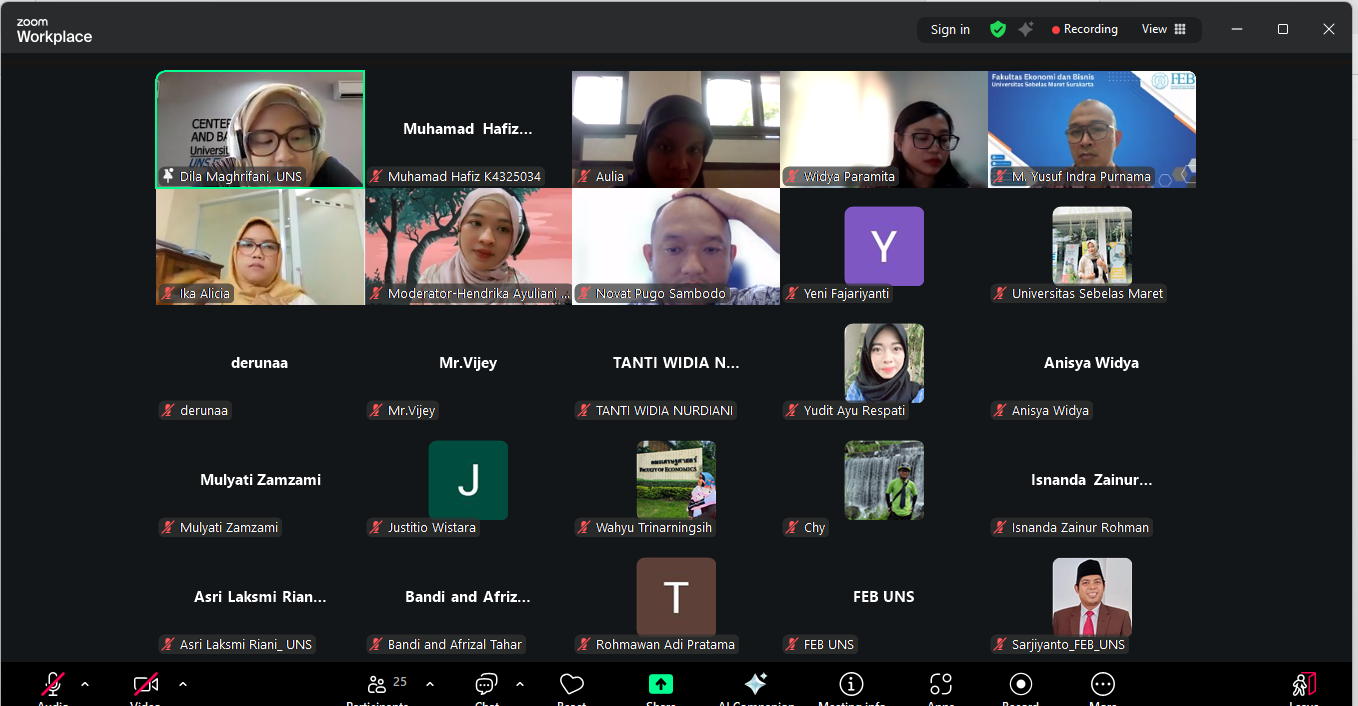
Faculty of Economics and Business (FEB), Universitas Sebelas Maret (UNS), through the Lab Bina Desa (Village Development Laboratory), hosted a virtual training session on Business and Financial Management with the theme “Capital Assistance and Financing” on Thursday, 16 October 2025. The event, led by Yogi Pasca Pratama, S.E., M.E., Ph.D., featured Bagus Hendri Setiawan, Interim Head of Bank BTN for Sulawesi, Maluku, and Papua Regional Office, as the keynote speaker.
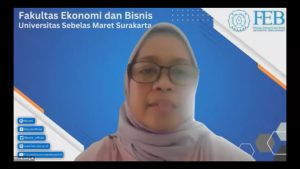 Opening the event, Prof. Tri Mulyaningsih, S.E., M.Si., Ph.D., Vice Dean for Academic and Research Affairs, emphasized the urgency of strengthening financial literacy among students and rural communities. “This Lab Bina Desa initiative is expected not only to broaden students’ insights into the banking sector but also to empower rural communities to achieve greater prosperity through stronger economic activities,” she stated. She further noted that understanding business financing mechanisms would be valuable for students, both in pursuing careers in finance and in developing their own entrepreneurial ventures.
Serving as the keynote speaker for the session, Bagus Hendri Setiawan shared insights based on his professional experience in the banking sector, particularly in supporting the development of Micro, Small, and Medium Enterprises (MSMEs). He explained that banks play an essential role as financial intermediaries by channeling public funds into productive sectors through credit and financing programs.
 “The government cannot carry out its duty alone. The private sector, especially MSMEs, plays a major role in supporting the national economy. Therefore, the banking sector is committed to expanding access to funding, providing guidelines, and strengthening financial literacy,” he said.
Bagus also presented BTN’s initiatives for MSME empowerment, including the Micro and Small Business Credit (KUMK) and People’s Business Credit (KUR) programs in collaboration with Indonesian ministries. He introduced BTN’s ongoing digital transformation, which enhances operational efficiency through Decision Engine technology and various digital solutions for entrepreneurs. He also highlighted the significance of well-prepared financial statements—such as income statements and balance sheets—as tools to evaluate business performance and financial health.
This training reflects FEB UNS’s commitment to enhancing the business and students’ and rural communities’ financial management capacity. It also aligns with the Sustainable Development Goals (SDGs), particularly Goal 8 (Decent Work and Economic Growth) and Goal 9 (Industry, Innovation, and Infrastructure), through initiatives that promote financial literacy, access to capital, and digital transformation for inclusive and competitive economic growth.
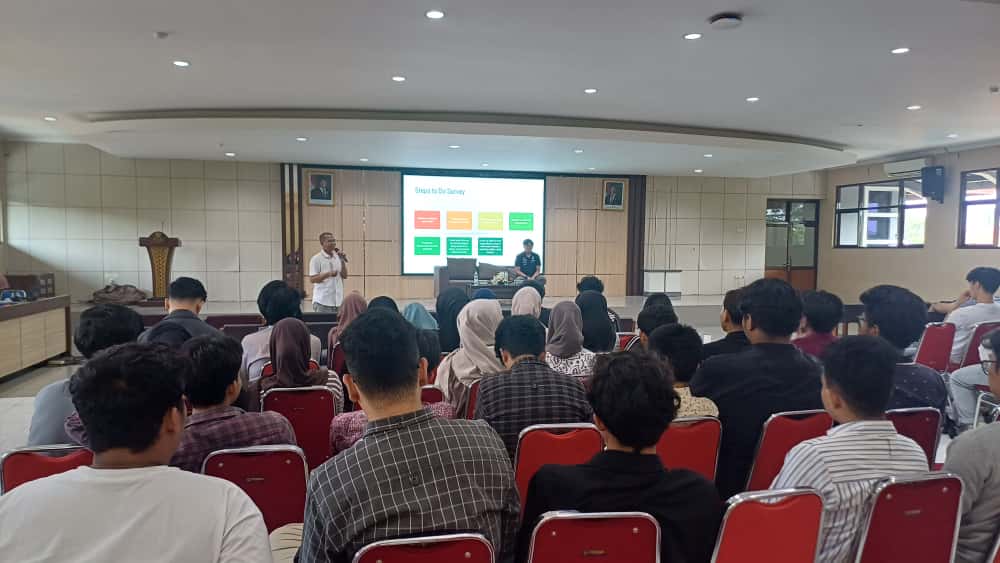
 In his material presentation, Dr. Zamroni provided a comprehensive overview of quantitative research methodology, covering survey techniques, questionnaire development, and field observation. He explained that surveys are essential tools for gathering both quantitative and qualitative data that are specific and relevant to research objectives. He further emphasized that well-designed questionnaires are crucial to ensure research validity and reliability.
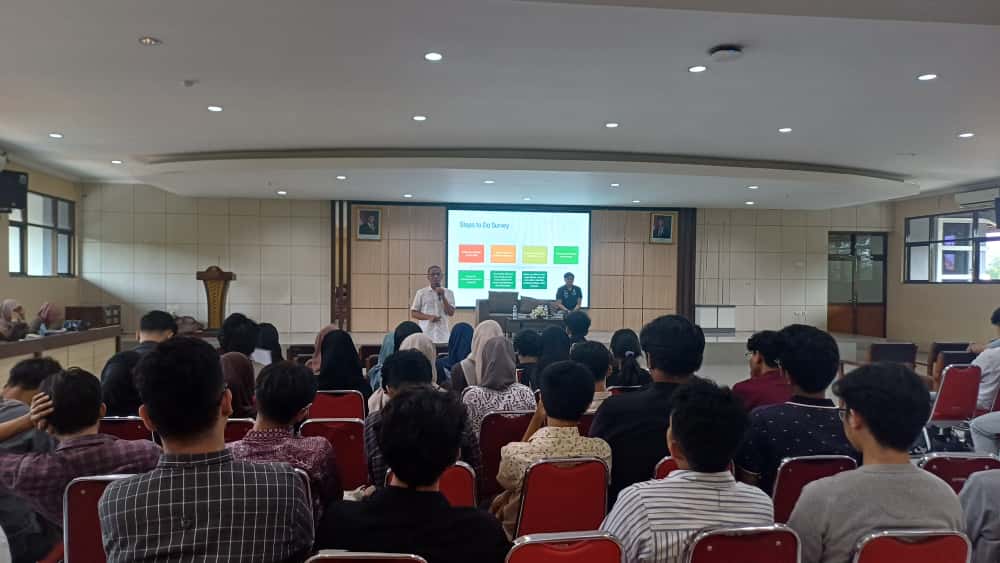
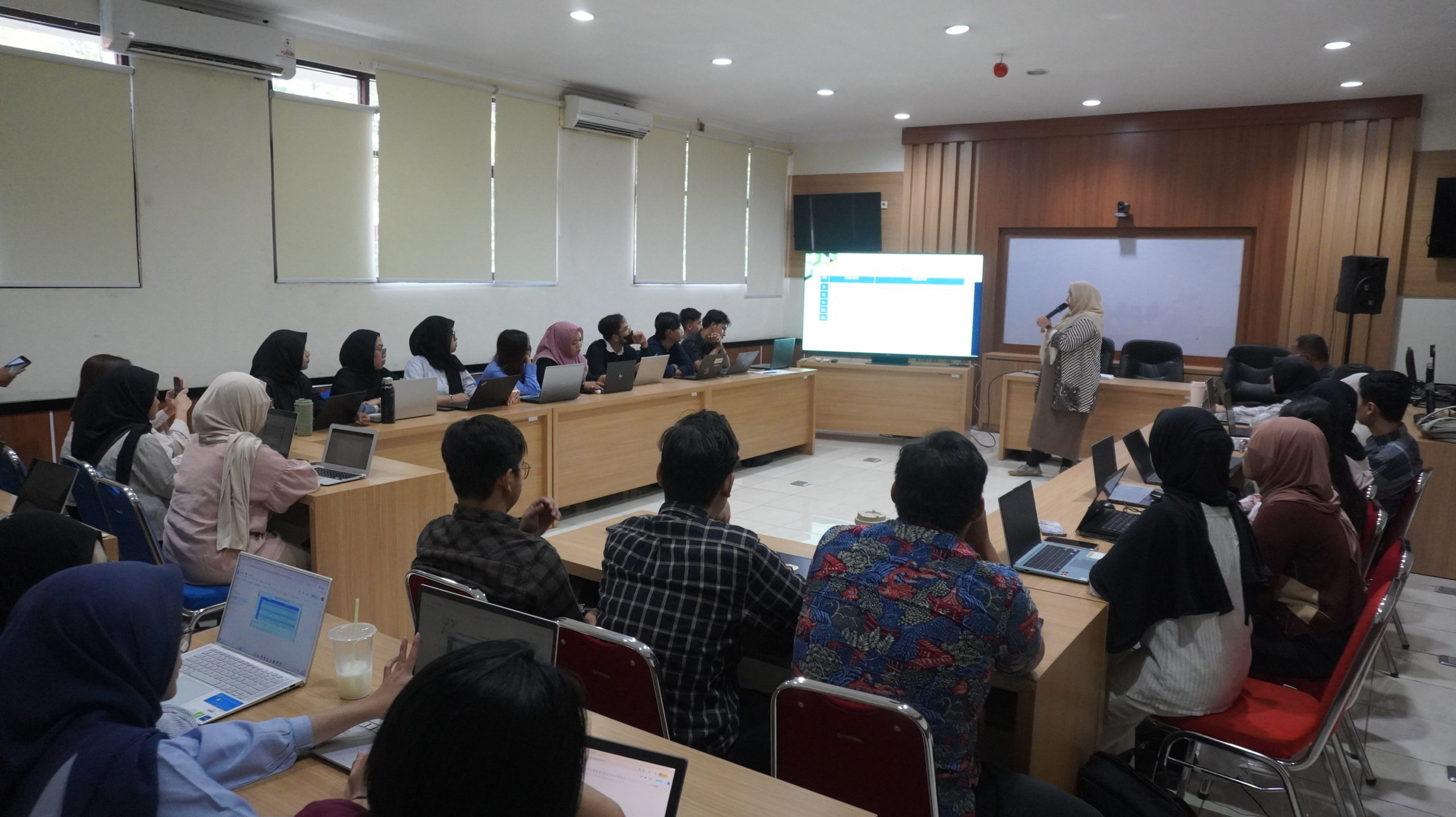
 The program began with two days of intensive training on 13–14 October, followed by a competency certification assessment by the National Professional Certification Agency (BNSP) on the third day, 15 October 2025.


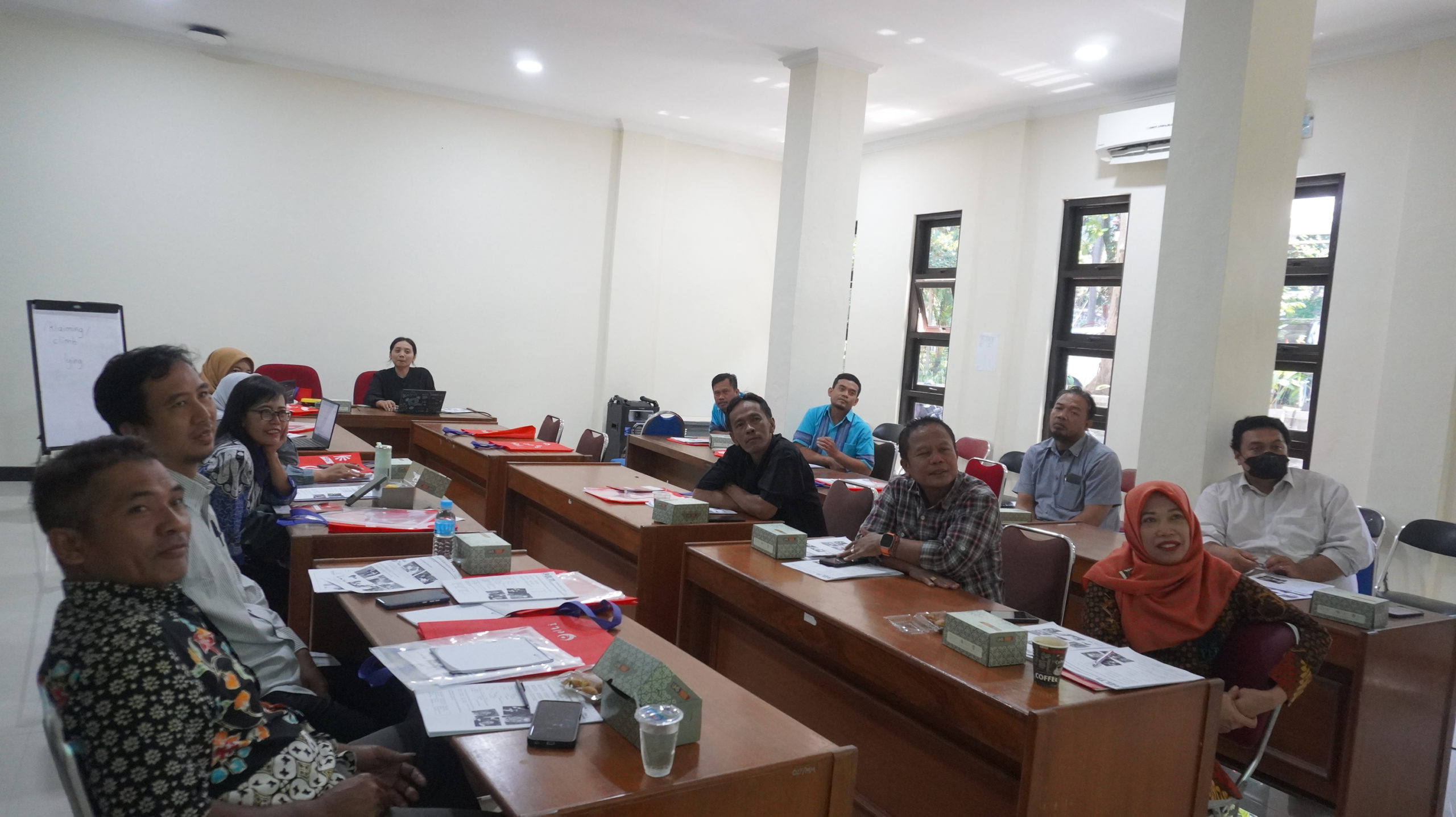
 The training took place over three days on 7, 9, and 14 October 2025 at Meeting Room 2, Soeharno TS Building, 1st Floor, FEB UNS. Academic Support Staff from various units across FEB UNS participated in two sessions of the workshop.

 He also encouraged staff to use technology to support their language learning process, such as translation applications and digital assistants. “Many tools are available now, from translators to AI tools. What matters most is the willingness to try and get used to it, because without practice, the skill will fade,” he added.
 He also shared plans to conduct regular training sessions for Academic Support Staff every quarter, covering various themes such as public speaking, work ethics, and public service improvement, as part of the faculty’s commitment to strengthening human resource capacity.