FEB

Blog

  • Laboratorium Ekspor Impor FEB UNS Gandeng PPEJP Kemendag Gelar Pelatihan Persiapan Ekspor

    Laboratorium Ekspor Impor FEB UNS Gandeng PPEJP Kemendag Gelar Pelatihan Persiapan Ekspor

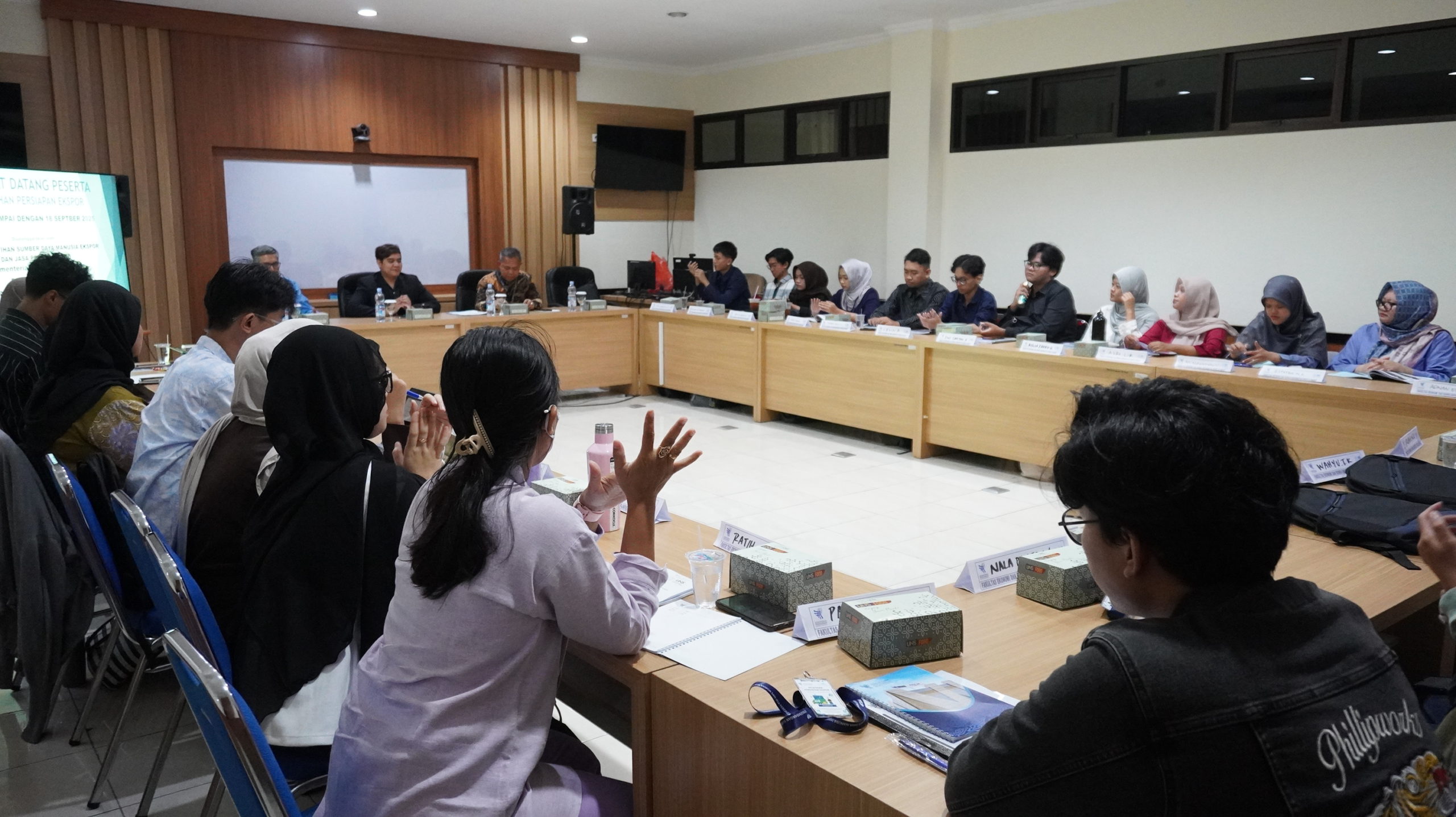
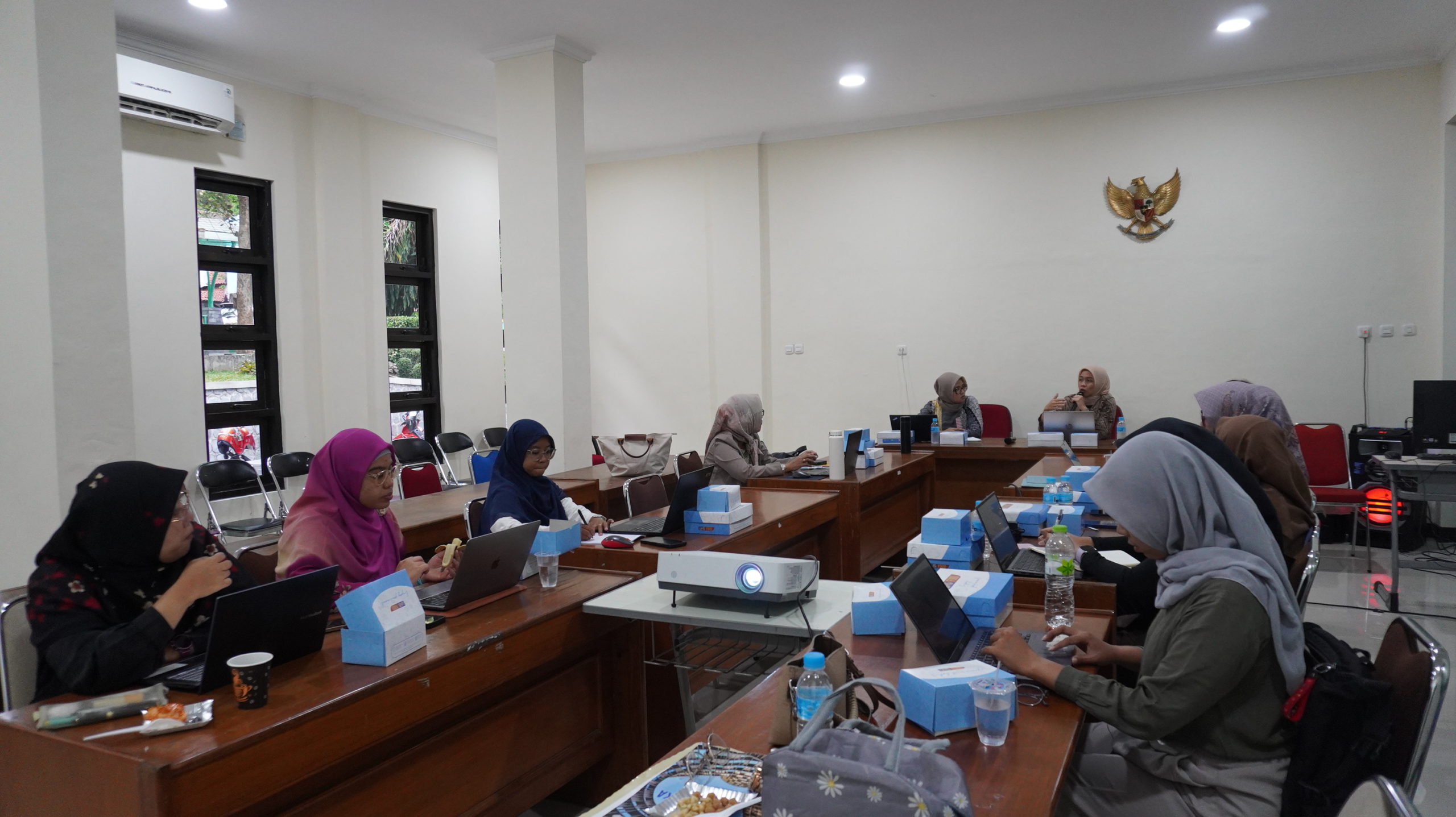
    Laboratorium Ekspor Impor Fakultas Ekonomi dan Bisnis (FEB) Universitas Sebelas Maret (UNS) bekerja sama dengan Pusat Pengembangan Sumber Daya Manusia Ekspor dan Jasa Perdagangan (PPEJP), Kementerian Perdagangan Republik Indonesia, menyelenggarakan Pelatihan Persiapan Ekspor di Laboratorium Teleconference, Gedung Soedarah Soepono.

    Kegiatan ini diselenggarakan selama tiga hari, dari tanggal 16 hingga 18 September 2025, dan akan ditutup dengan ujian sertifikasi pada hari keempat, 19 September 2025. Ujian tersebut merupakan bagian dari skema sertifikasi kompetensi ekspor, yang bertujuan untuk memastikan kesiapan peserta dalam menghadapi dunia ekspor secara profesional dan terstandarisasi.

    Pelatihan menghadirkan para narasumber ahli dan berpengalaman di bidang perdagangan internasional, antara lain Fernandes, Eriklex D., dan Lukman Nurjaman. Narasumber menyampaikan materi-materi krusial terkait prosedur ekspor, dokumen ekspor, mekanisme pembayaran internasional, serta tata niaga ekspor.

    Mulyana, Tim PPEJP Kementerian Perdagangan menekankan pentingnya pelatihan ini sebagai bekal untuk mengikuti uji kompetensi sertifikasi. Ia berharap para peserta dapat mengikuti pelatihan dengan serius dan memahami materi yang diberikan.

    “Kami berharap para peserta dapat fokus dan memahami materi-materi yang diberikan oleh para pengajar. Semoga semuanya bisa lulus uji kompetensi dan menjadi insan-insan yang sukses, kompeten, serta mampu bersaing di bidang ekonomi dan bisnis, khususnya dalam pengembangan ekspor-impor Indonesia,” ujarnya.

    Sementara itu, Kepala Laboratorium Ekspor Impor FEB UNS, Dr. Arif Rahman Hakim, S.E., M.Ec.Dev., menyampaikan bahwa kerja sama antara FEB UNS dan PPEJP telah terjalin sejak tahun 2001. Salah satu wujud nyata dari kerja sama ini adalah pendirian Laboratorium Ekspor Impor sebagai pusat pembelajaran dan pengembangan kompetensi di bidang perdagangan internasional.

    Dr. Arif juga menyampaikan bahwa pelatihan ini diikuti oleh 30 peserta dari berbagai jenjang, mulai dari mahasiswa S1, S2, S3 hingga dosen. Menurutnya, kegiatan ini merupakan upaya nyata untuk menciptakan SDM unggul yang siap berperan dalam mendukung peningkatan kinerja ekspor nasional.

    Kegiatan ini turut mendukung pencapaian Sustainable Development Goals (SDGs), khususnya SDG 4 (Pendidikan Berkualitas), SDG 8 (Pekerjaan Layak dan Pertumbuhan Ekonomi), dan SDG 17 (Kemitraan untuk Tujuan).

    Melalui pelatihan ini, FEB UNS berkontribusi mencetak SDM kompeten yang siap mendukung pertumbuhan ekspor dan pembangunan ekonomi berkelanjutan.

  • P4M FEB UNS Working Paper Forum Discusses the Role of Vouchers in Adolescent Food Consumption Patterns

    P4M FEB UNS Working Paper Forum Discusses the Role of Vouchers in Adolescent Food Consumption Patterns

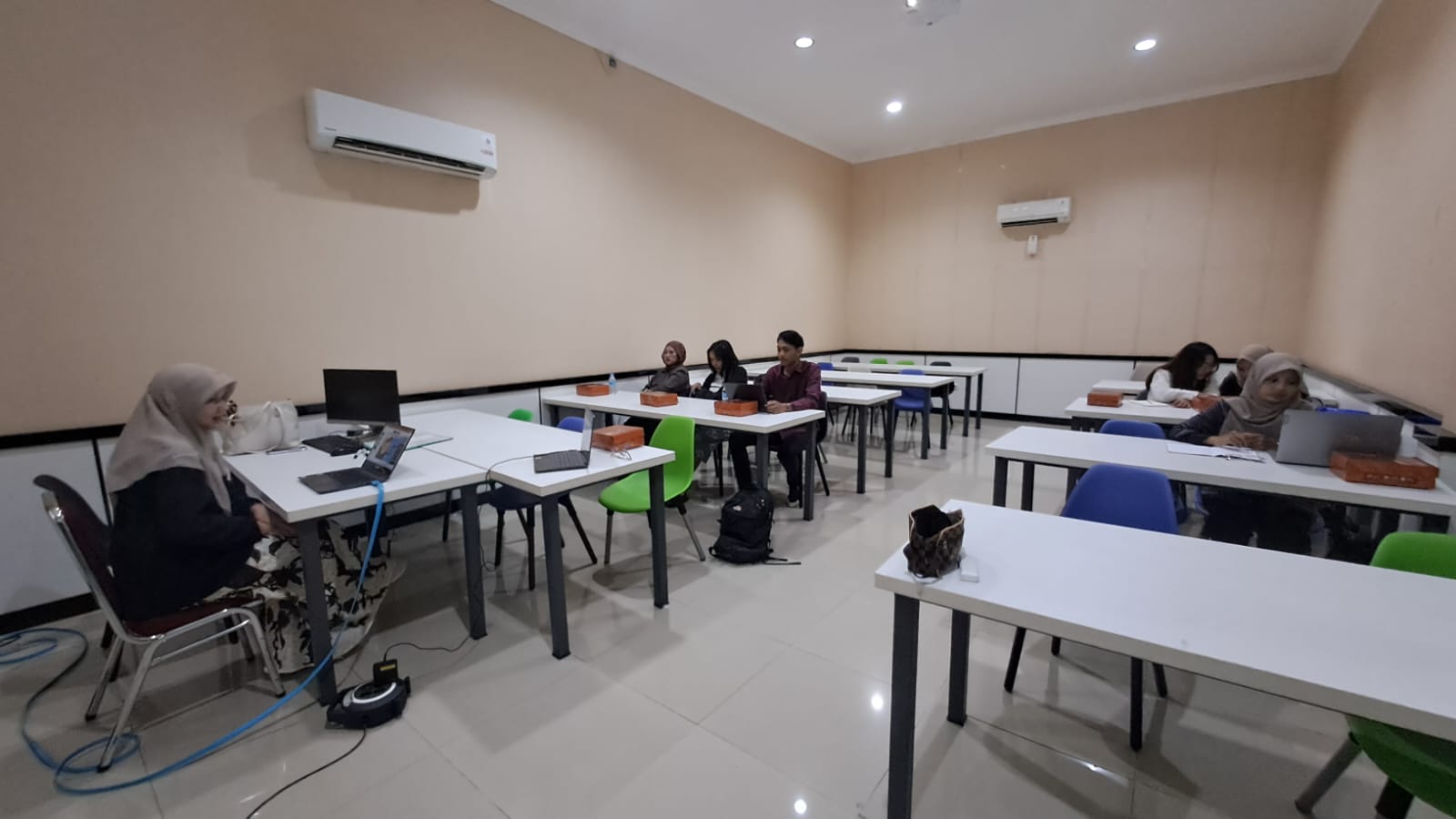
    The Center for Research and Community Engagement Development (P4M), Faculty of Economics and Business, Universitas Sebelas Maret (FEB UNS), in collaboration with Applied Microeconomics Research Group, organized Working Paper Forum on Wednesday, September 10, 2025, at Meeting Room 2, Soeharno TS Building, FEB UNS. The forum was attended by members of the FEB UNS academic community, including lecturers, researchers, and students. The discussion highlighted a study entitled “Socioeconomic Experimental Study: The Role of Vouchers & Agency in Food Consumption Preferences among Adolescents,” presented by Prof. Tri Mulyaningsih, S.E., M.Si., Ph.D.

    In her presentation, Prof. Tri addressed the issue of the double burden of malnutrition in Indonesia, namely the growing consumption of high-calorie and sugary foods amid persistently high rates of stunting and anemia, particularly among adolescents. This phenomenon reflects the rising intake of processed, calorie-dense foods, while stunting and anemia remain pressing public health challenges.

    The research involved 1,011 students aged 12–16 from five schools in Solo City. Participants were divided into three experimental groups: a control group receiving vouchers for stationery, a group receiving vouchers for healthy food, and a group receiving choice vouchers (healthy or unhealthy food). The three-week intervention was combined with nutrition education and included measurements of eating behavior, daily consumption, and psychological factors before and after the intervention.

    Findings showed that vouchers were effective in increasing healthy food consumption in the short term, yet eating patterns returned to their original state once the intervention ended. More notably, providing choice (agency) enhanced preferences for healthy food, especially among younger students with specific psychological traits such as higher compliance and stronger needs for autonomy.

    “Our conclusion is that policies based on providing choice hold potential as an effective strategy to encourage healthy eating among adolescents. However, interventions need to be continuous and tailored to age in order to achieve long-term impact,” Prof. Tri stated.
    Through this forum, FEB UNS reaffirms its commitment to supporting research that is not only innovative but also applicable in improving quality of life, especially among the younger generation. As part of its dedication to sustainable development, this session contributes to the achievement of the Sustainable Development Goals (SDGs), particularly SDG 3 on health and well-being, which targets reductions in stunting and malnutrition, and SDG 4 on quality education through the dissemination of knowledge and health awareness. This collaborative effort reflects the vital role of higher education institutions in creating solutions that bring positive impacts to society and sustainable national development.

  • MAKSI FEB UNS Promotes Accelerated Study Through Fast-Track Program and Prestigious Scholarships

    MAKSI FEB UNS Promotes Accelerated Study Through Fast-Track Program and Prestigious Scholarships

    The Master of Accounting (MAKSI) Study Program, Faculty of Economics and Business (FEB), Universitas Sebelas Maret (UNS), organized a dissemination session entitled “Shaping the Future in Academic Opportunity” on Friday, May 23, 2025. The event was conducted in a hybrid format at the Bachtiar Effendi Building, FEB UNS, and via Zoom Meeting. It featured two keynote speakers: Prof. Doddy Setiawan, S.E., M.Si., Ph.D., Ak., Head of the Accounting Study Program, and Lulus Kurniasih, S.E., M.S.Ak., Ph.D., Head of the Master of Accounting Study Program (MAKSI).

    The session introduced the fast-track program, specifically designed to provide opportunities for students aspiring to continue their studies at the master’s level in a shorter time and at a more efficient cost. This initiative serves as a strategic effort to encourage outstanding students to pursue advanced studies without a lengthy gap. Prof. Doddy Setiawan emphasized that the core of the program lies in allowing students to undertake undergraduate and master’s levels simultaneously. Through this scheme, students are able to complete both degrees within five years. In addition to time efficiency, participants also benefit from a 50% tuition fee reduction during the first two semesters.

    “We want students not only to complete their undergraduate studies but also to directly pursue their master’s level while maintaining academic quality. The fast-track program is the best pathway for this. Most importantly, students will receive intensive supervision starting from the first semester to ensure they can follow the program successfully,” he remarked.

    By providing this pathway, FEB UNS offers high-achieving students the chance to accelerate their academic and professional careers through a well-structured and integrated program. Further, Dr. Lulus Kurniasih explained that the fast-track route is open to active undergraduate students, particularly in the Accounting study program, starting from their sixth semester. “Students may begin taking master’s-level courses while still enrolled in the undergraduate program. This enables them to graduate from the master’s program faster and at a much lower cost, as they only pay 50% of tuition in the first two semesters,” she explained.

    The program is open to students with a minimum GPA of 3.50, a TOEFL score of at least 450, and a TPA score of 425 or a passing result on the Scholastic Aptitude Test from the UNS Faculty of Psychology, along with one recommendation letter from a faculty member holding a doctoral degree. Beyond administrative selection, applicants are also required to undergo an academic interview to ensure their readiness and motivation for joining the program. In addition to introducing the fast-track pathway, the event also highlighted various scholarship opportunities available to both fast-track and regular students.
    “We want to ensure that outstanding students are not hindered by financial barriers. They can take advantage of scholarships such as the Scopus Scholarship, LPDP, and the Education for Master’s Leading to Doctorate for Excellent Undergraduates (PMDSU),” she added.

    For instance, the Scopus Scholarship at UNS is awarded each semester to two students who managed to publish their scientific manuscript in a reputable journal. Meanwhile, the LPDP Scholarship from the Ministry of Finance provides full funding for outstanding master’s students. As for the PMDSU Scholarship, it offers an integrated pathway to complete both master’s and doctoral studies. Admission to the fast-track program is open only from April to August, and applicants are required to contact the admissions office or the Head of the MAKSI Study Program beforehand.

    Through the fast-track program and the scholarship opportunities offered, the MAKSI Study Program FEB UNS contributes to achieving the Sustainable Development Goals (SDGs), particularly in ensuring inclusive and equitable access to quality education (SDG 4).

    This program also supports the development of competent and competitive human resources, which play a key role in driving sustainable economic growth, decent employment, and innovation (SDGs 8 and 9). Thus, MAKSI FEB UNS not only produces highly qualified graduates but also plays an active role in building a fairer and more sustainable future for Indonesia and the global community.

  • Academic Senate FEB UNS Chairmanship Handover Ceremony: Leadership Transition from Prof. Tulus to Prof. Hunik

    Academic Senate FEB UNS Chairmanship Handover Ceremony: Leadership Transition from Prof. Tulus to Prof. Hunik

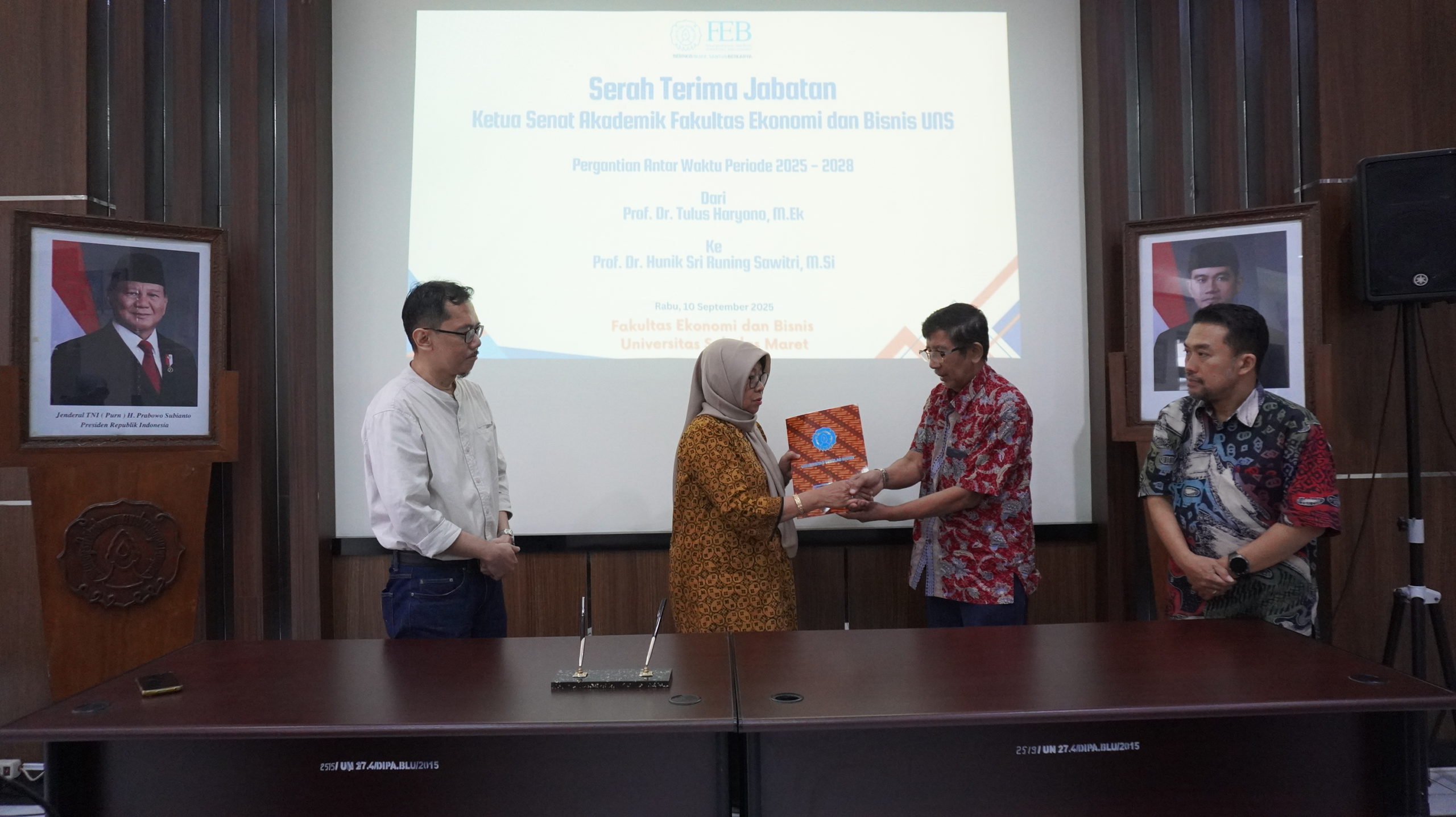
    The Academic Senate of the Faculty (SAF), Faculty of Economics and Business (FEB), Universitas Sebelas Maret (UNS), conducted the handover ceremony of the SAF Chairmanship on Wednesday, September 10, 2025, at 1st Assembly Room, Soeharno TS Building, FEB UNS. The event marked the conclusion of Prof. Dr. Tulus Haryono, M.Ek., leadership as the Chair of the SAF FEB UNS (2021–2025) and the transfer of responsibility to Prof. Dr. Hunik Sri Runing Sawitri, M.Si., for the interim period of 2025–2028. The signing of the official handover document was conducted formally and witnessed by the Dean of FEB UNS, Prof. Bhimo Rizky Samudro, S.E., M.Si., Ph.D., along with the Secretary of SAF FEB UNS, Reza Rahardian, S.E., M.Si. The event was also attended by members of the Academic Senate of FEB UNS.

    In his remarks, Prof. Tulus expressed gratitude for the collaboration and support he received during his tenure. He stated that as of September 1, 2025, he has officially entered retirement. “Thank you for all the support. I may have not contributed much to FEB UNS, and I apologize if I made mistakes along the way,” he conveyed with humility.

    As the newly appointed Chair of SAF, Prof. Hunik emphasized her commitment to continue strengthening the role of SAF in maintaining sound academic governance and called for collective support from all members. “I sincerely ask for your support, for me to be able to fulfil this responsibility well,” she said.

    On behalf of FEB UNS Board of Professor and all senate members, appreciation was extended to Prof. Tulus for his consistent leadership, meaningful contributions, and commitment to upholding SAF’s function as an internal oversight body with a strategic role in shaping faculty academic policies.

    The Dean of FEB UNS, Prof. Bhimo Rizky Samudro, also expressed his appreciation both personally and representing the faculty to Prof. Tulus for his dedication and inspiration throughout his term. “Prof. Tulus has provided many valuable insights for the faculty. Hopefully, Prof. Hunik will carry this transition forward and further contribute to improving academic policies within FEB,” he noted.

    This leadership transition reflects FEB UNS’s commitment to the principles of Good Governance and Quality Education, in line with the Sustainable Development Goals (SDGs), particularly Goal 4: Quality Education and Goal 16: Peace, Justice, and Strong Institutions. Through the active role of the Academic Senate as a supervisory body, FEB UNS continues to ensure an inclusive, fair, and high-quality educational process while strengthening transparent and accountable academic institutions.
  • Working Paper Forum P4M FEB UNS Bahas Peran Voucher dalam Pola Konsumsi Makanan Remaja

    Working Paper Forum P4M FEB UNS Bahas Peran Voucher dalam Pola Konsumsi Makanan Remaja

    Pusat Pengembangan Penelitian dan Pengabdian kepada Masyarakat (P4M) Fakultas Ekonomi dan Bisnis Universitas Sebelas Maret (FEB UNS) bersama Research Group for Applied Microeconomics menggelar Working Paper Forum, Rabu, 10 September 2025, di Ruang Sidang 2 Gedung Soeharno TS FEB UNS.

    Forum ini diikuti oleh civitas akademika FEB UNS, termasuk dosen, peneliti, dan mahasiswa.

    Working Paper Forum mengangkat topik Studi Eksperimen Sosial Ekonomi: Peranan Voucher & Agency dalam Preferensi Konsumsi Makanan pada Remaja yang dipaparkan oleh Prof. Tri Mulyaningsih, S.E., M.Si., Ph.D.

    Dalam paparannya, Prof. Tri menjelaskan fenomena double burden of malnutrition yang terjadi di Indonesia, yakni meningkatnya konsumsi makanan tinggi kalori dan gula di tengah tingginya angka stunting dan anemia, khususnya pada remaja.

    Fenomena ini ditandai oleh peningkatan konsumsi makanan olahan tinggi kalori dan gula, sementara angka stunting dan anemia masih menjadi persoalan serius, terutama di kalangan remaja.

    Penelitian yang melibatkan 1.011 siswa berusia 12-16 tahun dari lima sekolah di Kota Solo ini membagi partisipan dalam tiga kelompok eksperimen, yaitu kelompok kontrol yang menerima voucher alat tulis, kelompok voucher makanan sehat, dan kelompok voucher pilihan (makanan sehat atau tidak sehat).

    Intervensi selama tiga minggu ini juga disertai edukasi gizi dengan pengukuran perilaku makan, konsumsi harian, serta faktor psikologis sebelum dan sesudah intervensi.

    Hasil penelitian menunjukkan bahwa pemberian voucher memang mampu meningkatkan konsumsi makanan sehat dalam jangka pendek, namun pola konsumsi kembali ke kondisi awal setelah intervensi selesai.

    Lebih menarik, pemberian pilihan (agency) terbukti meningkatkan preferensi makanan sehat, terutama pada siswa yang lebih muda dengan karakter psikologis tertentu, seperti tingkat kepatuhan dan kebutuhan akan otonomi yang tinggi.

    “Kesimpulan kami, kebijakan berbasis pemberian pilihan ini berpotensi menjadi strategi efektif untuk mendorong pola makan sehat pada remaja, namun intervensi harus berkelanjutan dan disesuaikan dengan usia agar dampaknya dapat bertahan dalam jangka panjang,” ungkap Prof. Tri.

    Melalui forum ini, FEB UNS menunjukkan komitmennya dalam mendukung riset yang tidak hanya inovatif tapi juga aplikatif untuk perbaikan kualitas hidup masyarakat, terutama generasi muda.

    Sebagai bagian dari visi pembangunan berkelanjutan, penelitian ini turut berkontribusi pada pencapaian Sustainable Development Goals (SDGs), khususnya SDG 3 tentang kesehatan dan kesejahteraan yang menargetkan penurunan stunting dan malnutrisi, serta SDG 4 yang mendukung pendidikan berkualitas melalui penyebaran ilmu pengetahuan dan edukasi kesehatan.

    Upaya kolaboratif ini menjadi bukti nyata bahwa perguruan tinggi berperan aktif dalam menciptakan solusi yang berdampak positif bagi masyarakat dan pembangunan bangsa secara berkelanjutan.

  • MAKSI FEB UNS Sosialisasikan Akselerasi Studi Lewat Program Percepatan dan Beasiswa Unggulan

    MAKSI FEB UNS Sosialisasikan Akselerasi Studi Lewat Program Percepatan dan Beasiswa Unggulan

    Program Studi Magister Akuntansi (MAKSI) Fakultas Ekonomi dan Bisnis (FEB) Universitas Sebelas Maret (UNS) adakan Sosialisasi bertajuk Shaping The Future in Academic Opportunity, Jumat, 23 Mei 2025 secara hybrid di Ruang Kelas Gedung Bachtiar Effendi FEB UNS dan Zoom Meeting.

    Acara ini menghadirkan dua pembicara utama, yaitu Prof. Doddy Setiawan, S.E., M.Si., Ph.D., Ak., Ketua Program Studi S-1 Akuntansi FEB UNS, dan Lulus Kurniasih, S.E., M.S.Ak., Ph.D., Ketua Program Studi MAKSI Akuntansi FEB UNS.

    Dalam sosialisasi tersebut, diperkenalkan program percepatan yang dirancang khusus untuk membuka peluang bagi mahasiswa yang ingin melanjutkan studi ke jenjang MAKSI dengan waktu lebih singkat dan biaya yang lebih efisien. Kegiatan ini menjadi langkah strategis untuk mendorong mahasiswa berprestasi melanjutkan studi tanpa jeda panjang.

    Prof. Doddy Setiawan menyampaikan bahwa inti dari program percepatan ini adalah mahasiswa akan mengikuti jenjang S1 dan S2 secara bersamaan. Program ini dirancang agar mahasiswa dapat menyelesaikan studi S1 dan S2 dalam waktu lima tahun.

    Selain efisiensi waktu, peserta program juga mendapatkan potongan biaya kuliah sebesar 50% pada semester pertama dan kedua.

    “Kita ingin mahasiswa tidak hanya selesai S1, tapi langsung bisa lanjut S2 dengan kualitas akademik yang terjaga. Program percepatan adalah jalur terbaik untuk itu. Yang paling penting, sejak semester pertama mahasiswa sudah mendapatkan pendampingan intensif agar dapat mengikuti program ini dengan baik” tegasnya.

    Dengan demikian, FEB UNS memberikan kesempatan bagi mahasiswa berprestasi untuk mengembangkan karier akademik dan profesional secara lebih cepat melalui program yang terintegrasi dan terstruktur dengan baik ini.

    Lebih lanjut, Lulus Kurniasih, Ph.D menjelaskan jalur percepatan studi dari sarjana ke magister terbuka bagi mahasiswa aktif program S1, khususnya dari jurusan Akuntansi, sejak mereka berada di semester enam.

    “Mahasiswa bisa mulai mengambil mata kuliah magister saat masih di S1. Ini memberi mereka kesempatan untuk lulus S2 lebih cepat, dengan biaya yang jauh lebih ringan, karena di dua semester awal mereka hanya membayar 50% UKT,” jelasnya.

    Program percepatan terbuka bagi mahasiswa dengan IPK minimal 3,50, memiliki TOEFL minimal 450, nilai TPA minimal 425 atau lolos Tes Bakat Skolastik dari Fakultas Psikologi UNS, serta mendapatkan satu rekomendasi dari dosen bergelar doktor. Selain seleksi administrasi, calon peserta juga harus melalui wawancara akademik untuk memastikan kesiapan dan motivasi mereka mengikuti program ini.

    Tidak hanya memperkenalkan jalur percepatan, acara ini juga menyoroti berbagai peluang beasiswa yang bisa diakses oleh mahasiswa program percepatan maupun reguler.

    “Kami ingin memastikan bahwa mahasiswa unggul tidak terhambat oleh kendala biaya. Ada beasiswa Scopus, LPDP, hingga Pendidikan Magister menuju Doktor untuk Sarjana Unggul (PMDSU) yang bisa mereka manfaatkan,” tambahnya.

    Beasiswa Scopus UNS, misalnya, diberikan kepada dua mahasiswa setiap semester yang memiliki publikasi ilmiah bereputasi. Sementara itu, Beasiswa LPDP dari Kementerian Keuangan RI memberikan pendanaan penuh bagi mahasiswa magister berprestasi. Bagi mereka yang ingin langsung melanjutkan ke jenjang doktor, tersedia pula Beasiswa PMDSU yang memungkinkan mahasiswa menyelesaikan pendidikan S2 dan S3 dalam waktu yang terintegrasi.

    Penerimaan program percepatan hanya di bulan April-Agustus dengan terlebih dahulu menghubungi admisi atau Kaprodi MAKSI.

    Dengan menghadirkan program percepatan studi dan berbagai peluang beasiswa, Program Studi MAKSI FEB UNS turut berkontribusi pada pencapaian Sustainable Development Goals (SDGs), khususnya dalam memastikan akses pendidikan berkualitas dan inklusif bagi seluruh lapisan masyarakat (SDG 4).

    Program ini juga mendukung pengembangan sumber daya manusia yang kompeten dan berdaya saing, yang menjadi kunci dalam mendorong pertumbuhan ekonomi yang berkelanjutan, pekerjaan layak, dan inovasi (SDG 8 dan 9).

    Dengan demikian, MAKSI FEB UNS tidak hanya mencetak lulusan unggul, tetapi juga berperan aktif dalam membangun masa depan yang lebih berkeadilan dan berkelanjutan bagi Indonesia dan dunia.

  • Serah Terima Jabatan Ketua Senat Akademik FEB UNS: Estafet Kepemimpinan dari Prof. Tulus ke Prof. Hunik

    Serah Terima Jabatan Ketua Senat Akademik FEB UNS: Estafet Kepemimpinan dari Prof. Tulus ke Prof. Hunik

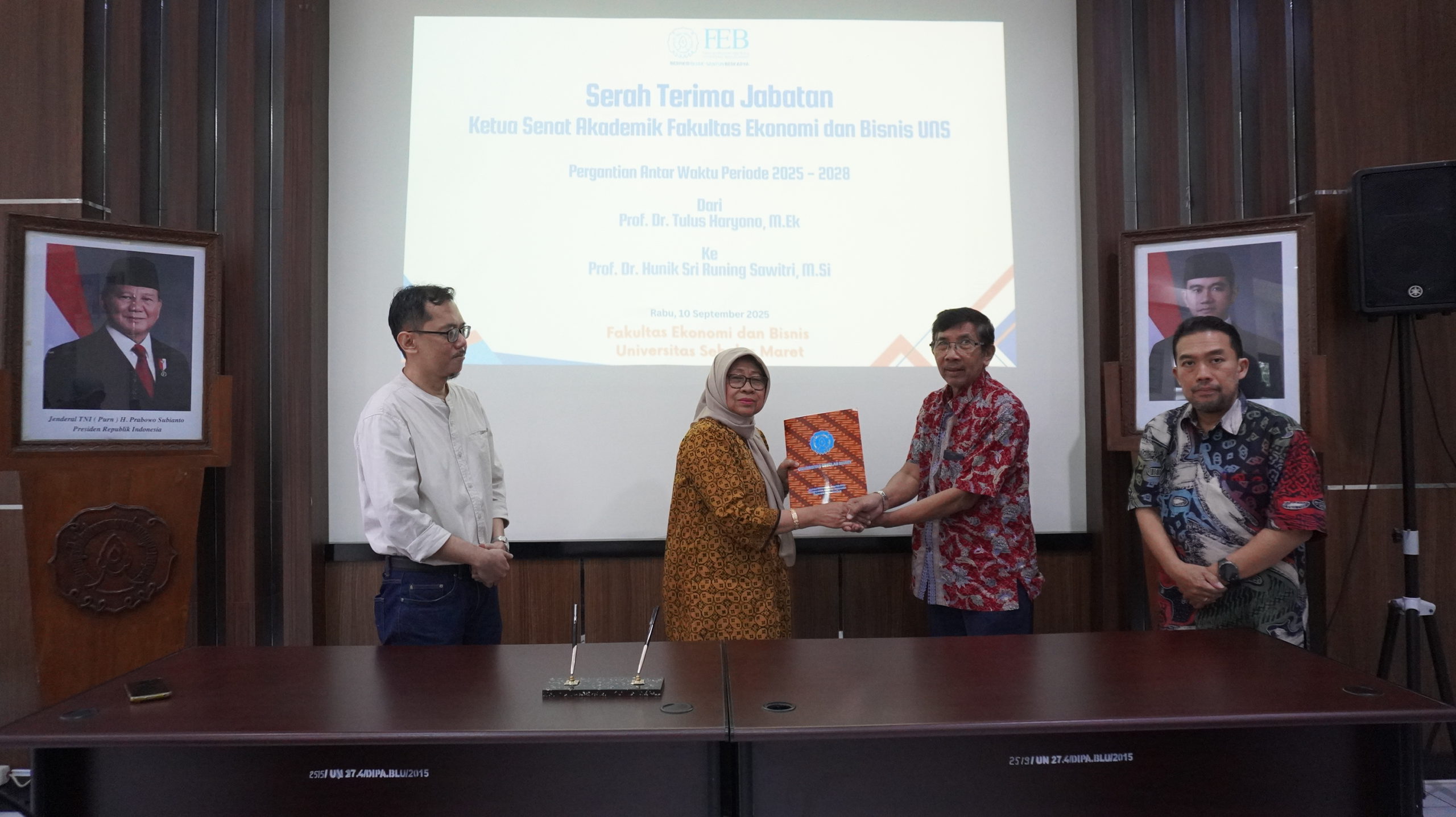
    Senat Akademik Fakultas (SAF) Fakultas Ekonomi dan Bisnis (FEB) Universitas Sebelas Maret (UNS) menyelenggarakan acara serah terima jabatan Ketua SAF pada Rabu 10 September 2025 di Ruang Sidang 1 Gedung Soeharno TS FEB UNS.

    Acara ini menandai berakhirnya masa kepemimpinan Prof. Dr. Tulus Haryono, M.Ek. sebagai Ketua SAF FEB UNS sejak 2021 hingga 2025, dan sekaligus penyerahan amanah kepemimpinan kepada Prof. Dr. Hunik Sri Runing Sawitri, M.Si. dalam masa Pergantian Antar Waktu periode 2025–2028.

    Penandatanganan berita acara serah terima jabatan dilakukan secara resmi dan disaksikan oleh Dekan FEB UNS, Prof. Bhimo Rizky Samudro, S.E., M.Si., Ph.D., dan Sekretaris SAF FEB UNS, Reza Rahardian, S.E., M.Si. Kegiatan ini turut dihadiri oleh para anggota Senat Akademik FEB UNS.

    Dalam sambutannya, Prof. Tulus menyampaikan rasa terima kasih atas kerja sama dan dukungan yang telah Ia terima selama menjabat. Prof. Tulus menyatakan bahwa per 1 September 2025, dirinya resmi memasuki masa purna tugas.

    “Terima kasih atas semua dukungannya. Saya mungkin tidak memberikan banyak kontribusi di FEB UNS, mohon maaf jika selama ini ada kesalahan,” ujar Prof. Tulus dengan rendah hati.

    Sebagai Ketua SAF baru, Prof. Hunik menyampaikan komitmennya untuk melanjutkan peran penting SAF dalam menjaga tata kelola akademik yang baik serta mengharapkan dukungan dari seluruh anggota senat.

    “Saya mohon dukungan dari Ibu dan Bapak semuanya, supaya bisa melaksanakan tugas ini dengan baik,” tuturnya.

    Atas nama Ketua Komisi Profesor dan seluruh anggota senat, disampaikan apresiasi yang tinggi kepada Prof. Tulus atas kepemimpinan yang konsisten, kontribusi nyata, serta semangat menjaga fungsi SAF sebagai lembaga pengawasan internal yang berperan strategis dalam kebijakan akademik fakultas.

    Dekan FEB UNS, Prof. Bhimo Rizky Samudro, juga menyampaikan ucapan terima kasih baik secara pribadi maupun institusional kepada Prof. Tulus atas dedikasi dan inspirasi yang telah diberikan selama masa jabatannya.

    “Prof. Tulus telah memberikan banyak masukan bermanfaat bagi fakultas. Semoga Prof. Hunik dapat meneruskan estafet ini dan terus berkontribusi terhadap kebijakan yang lebih baik di lingkungan FEB,” ungkapnya.

    Pergantian kepemimpinan ini mencerminkan komitmen FEB UNS terhadap prinsip Good Governance dan Quality Education, yang sejalan dengan Tujuan Pembangunan Berkelanjutan (SDGs), khususnya Goal 4: Quality Education dan Goal 16: Peace, Justice and Strong Institutions.

    Melalui peran aktif Senat Akademik sebagai lembaga pengawasan, FEB UNS terus berupaya memastikan proses pendidikan yang inklusif, adil, dan berkualitas, serta memperkuat institusi akademik yang transparan dan akuntabel.

  • PELATIHAN KOMPUTER PAJAK: Coretax

    [Laboratorium Perpajakan FEB UNS Proudly Presents]

    ✨PELATIHAN KOMPUTER PAJAK: Coretax✨

    Pelaksanaan:
    ? Jumat, 26 September 2025
    ⏰ 08:30 – 15:00 WIB
    ? Lab. D, Gedung Soedarah Soepono, Lantai 3, FEB UNS

    Pembicara:
    ? Rika Arindina Wati, S.Ak., BKP., CTA
    (MNCo)

    Here come the Current Tax Update with Lab. Perpajakan x MNCo! Grab the unlimited benefit for FREE:
    ?Sesi Pelatihan Komputer Pajak
    ?Panel Diskusi
    ?E-Sertifikat
    ?Konsumsi

    RSVP — reserve your seat now, as AVAILABILITY is LIMITED!
    uns.id/komputer-pajak

    Eligible hanya untuk Mahasiswa Akuntansi Jenjang Sarjana FEB UNS (yang sedang atau sudah mengambil mata kuliah Perpajakan)

    Thank you and see you there!
    ______________
    More Information:
    wa.me/6285176978287 (Hayyu)

  • STATA Software Training: Promoting Accounting Study Program Lecturers Quantitative Data Analysis Skills at FEB UNS

    STATA Software Training: Promoting Accounting Study Program Lecturers Quantitative Data Analysis Skills at FEB UNS

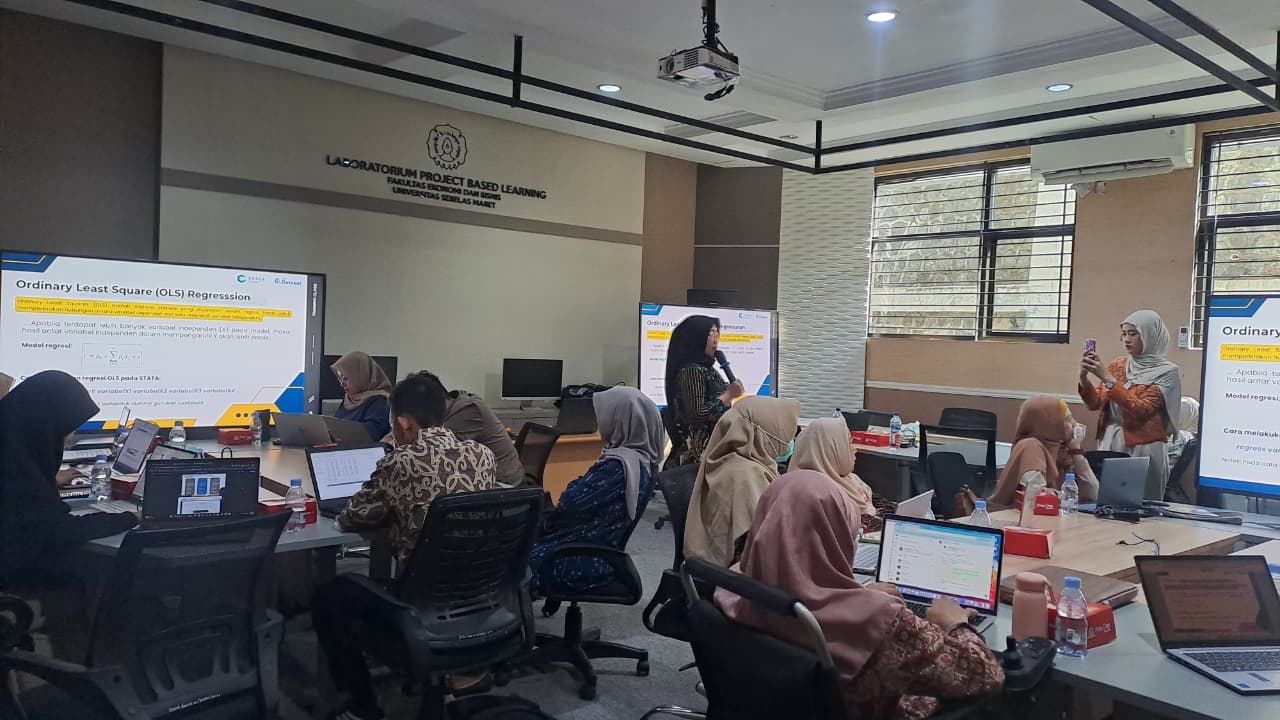
    The Accounting Study Program, Faculty of Economics and Business (FEB), Universitas Sebelas Maret (UNS) successfully organized a two-day STATA Software Training on Thursday and Friday, 8–9 August 2025, at the Project-Based Learning Laboratory, Soedarah Soepono Building, FEB UNS. The training, attended by lecturers from the Accounting Study Program, featured Hamidah Dwi Nita, S.Stat., Statistician Officer at the Center for Environmental, Social, and Governance Studies (CESGS), as the main instructor.

    The training aims to strengthen lecturers’ skills to use STATA as a quantitative data analysis tools, particularly in supporting research and scientific publication. The Head of the Accounting Study Program, Prof. Doddy Setiawan, S.E., M.Si., Ph.D., Ak., in his opening remarks, emphasized the need for mastering modern statistical software to produce high-quality research for publication in both national and international journals.

    Over the two-day program, participants received comprehensive materials on various concepts and data analysis techniques using STATA, with a special focus on panel data. The topics covered include: a quick introduction to STATA and setting up working directories, opening datasets, and recording analysis activities (log). The training also covers the fundamentals of regression analysis, ranging from Ordinary Least Squares (OLS), logit/probit regression, to panel regression models; application of Fixed Effects (FE) and Random Effects (RE) models, along with model selection using statistical tests such as the F-Test, LM Test, and Hausman Test. Other than the fundamentals, the training also address discussion on endogeneity problem, how to conduct robustness checks using Instrumental Variables (IV) and the Generalized Method of Moments (GMM); and dynamic panel data analysis using Arellano-Bond and Arellano-Bover estimators to handle lagged dependent variables.

    The training not only provided theoretical understanding but also hands-on practice in applying STATA, enabling lecturers to integrate these analytical techniques into their research. Through this program, the Accounting Study Program of FEB UNS reaffirms its commitment to improving the quality of research and scientific publications by its lecturers, while fostering innovative, data-driven academic development.

    This training is also aligned with the Sustainable Development Goals (SDGs), particularly Goal 4: Quality Education, by enhancing human resource capacity through mastery of data analysis technology. With stronger competencies, lecturers of the Accounting Study Program at FEB UNS are expected to produce high-quality research that contributes to sustainable economic development and the improvement of societal welfare.