FEB

Blog

  • Pelatihan Software STATA Tingkatkan Kemampuan Analisis Data Kuantitatif Dosen Prodi Akuntansi FEB UNS

    Pelatihan Software STATA Tingkatkan Kemampuan Analisis Data Kuantitatif Dosen Prodi Akuntansi FEB UNS

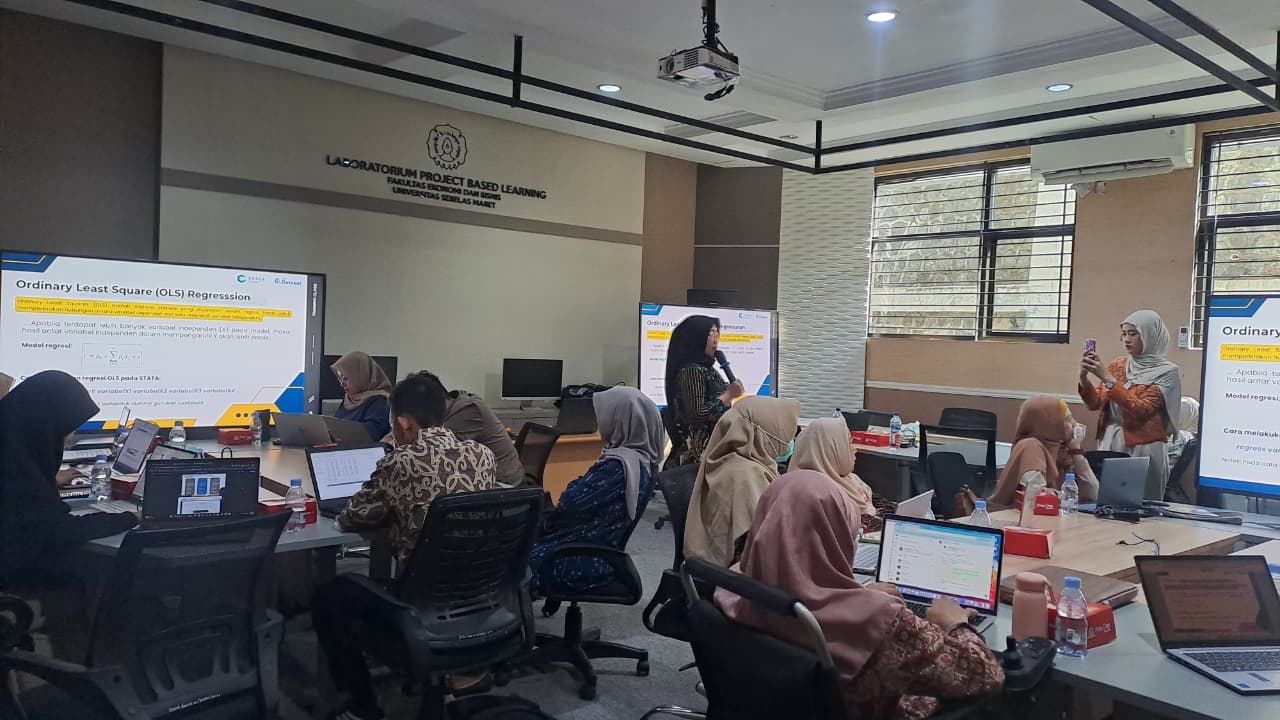
    Program Studi S-1 Akuntansi Fakultas Ekonomi dan Bisnis (FEB) Universitas Sebelas Maret (UNS) sukses menggelar Pelatihan Software STATA selama dua hari, Kamis dan Jumat, 8-9 Agustus 2025 di Laboratorium Project Based Learning, Gedung Soedarah Soepono FEB UNS.

    Kegiatan yang diikuti oleh dosen Program Studi Akuntansi menghadirkan narasumber Hamidah Dwi Nita, S.Stat., Statistician Officer di Center for Environmental, Social, and Governance Studies (CESGS).

    Pelatihan ini bertujuan untuk meningkatkan kompetensi dosen dalam menggunakan software STATA sebagai alat bantu analisis data kuantitatif, khususnya dalam mendukung riset dan publikasi ilmiah.

    Ketua Prodi Akuntansi, Prof. Doddy Setiawan, S.E., M.Si., Ph.D., Ak., dalam sambutannya menyampaikan pentingnya penguasaan software statistik modern untuk menghasilkan penelitian berkualitas yang dapat diterima di jurnal nasional maupun internasional.

    Selama dua hari pelatihan, para peserta mendapatkan materi mendalam mengenai berbagai konsep dan teknik analisis data menggunakan STATA, khususnya pada data panel.

    Beberapa topik yang dibahas antara lain: pengenalan cepat penggunaan STATA dan pengaturan direktori kerja, membuka data, serta pencatatan aktivitas analisis (log); Dasar-dasar analisis regresi, mulai dari Ordinary Least Squares (OLS), regresi logit/probit, hingga model regresi panel; Penggunaan model Fixed Effects (FE) dan Random Effects (RE) serta pemilihan model yang tepat menggunakan uji statistik seperti F-Test, LM Test, dan Hausman Test; Penanganan masalah endogenitas dan robusteness check dengan metode Instrumental Variables (IV) dan Generalized Method of Moments (GMM) serta Analisis model panel dinamis dengan estimator Arellano-Bond dan Arellano-Bover untuk menangani variabel dependen lagged.

    Pelatihan ini tidak hanya memberikan pemahaman teoritis tetapi juga praktik langsung dalam menggunakan STATA, sehingga dosen-dosen diharapkan dapat menerapkan teknik analisis tersebut dalam riset-risetnya.

    Dengan adanya pelatihan ini, Prodi Akuntansi FEB UNS terus berkomitmen meningkatkan kualitas riset dan publikasi ilmiah dosennya, sekaligus mendukung pengembangan akademik yang inovatif dan berbasis data.

    Kegiatan pelatihan ini sejalan dengan upaya mendukung Sustainable Development Goals (SDGs), khususnya tujuan ke 4 yaitu Pendidikan Berkualitas, dengan meningkatkan kapasitas sumber daya manusia melalui penguasaan teknologi analisis data.

    Dengan kompetensi yang lebih baik, dosen Prodi Akuntansi FEB UNS dapat menghasilkan riset berkualitas yang mendukung pembangunan ekonomi berkelanjutan dan peningkatan kesejahteraan masyarakat.

  • SE Rektor tentang Himbauan Pemberian Ucapan Selamat dalam Bentuk Bibit Pohon.

    Surat Edaran Rektor nomor 20/UN27/HK.06/2025 tentang Himbauan Pemberian Ucapan Selamat dalam Bentuk Bibit Pohon. Link Himbauan-Pemberian-Ucapan-dalam-Bentuk-Bibit-Pohon-1.pdf

  • Himbauan Pemberian Ucapan Selamat dalam Bentuk Bibit Pohon.

    Surat Edaran Rektor tentang Himbauan Pemberian Ucapan Selamat dalam Bentuk Bibit Pohon. Berikut link :

    Himbauan-Pemberian-Ucapan-dalam-Bentuk-Bibit-Pohon.pdf


  • UNS and 13 Partner Universities Declare the Consortium of the International Association of Studies on Economic Growth and Development in Emerging Markets at SMICDE 2025

    UNS and 13 Partner Universities Declare the Consortium of the International Association of Studies on Economic Growth and Development in Emerging Markets at SMICDE 2025

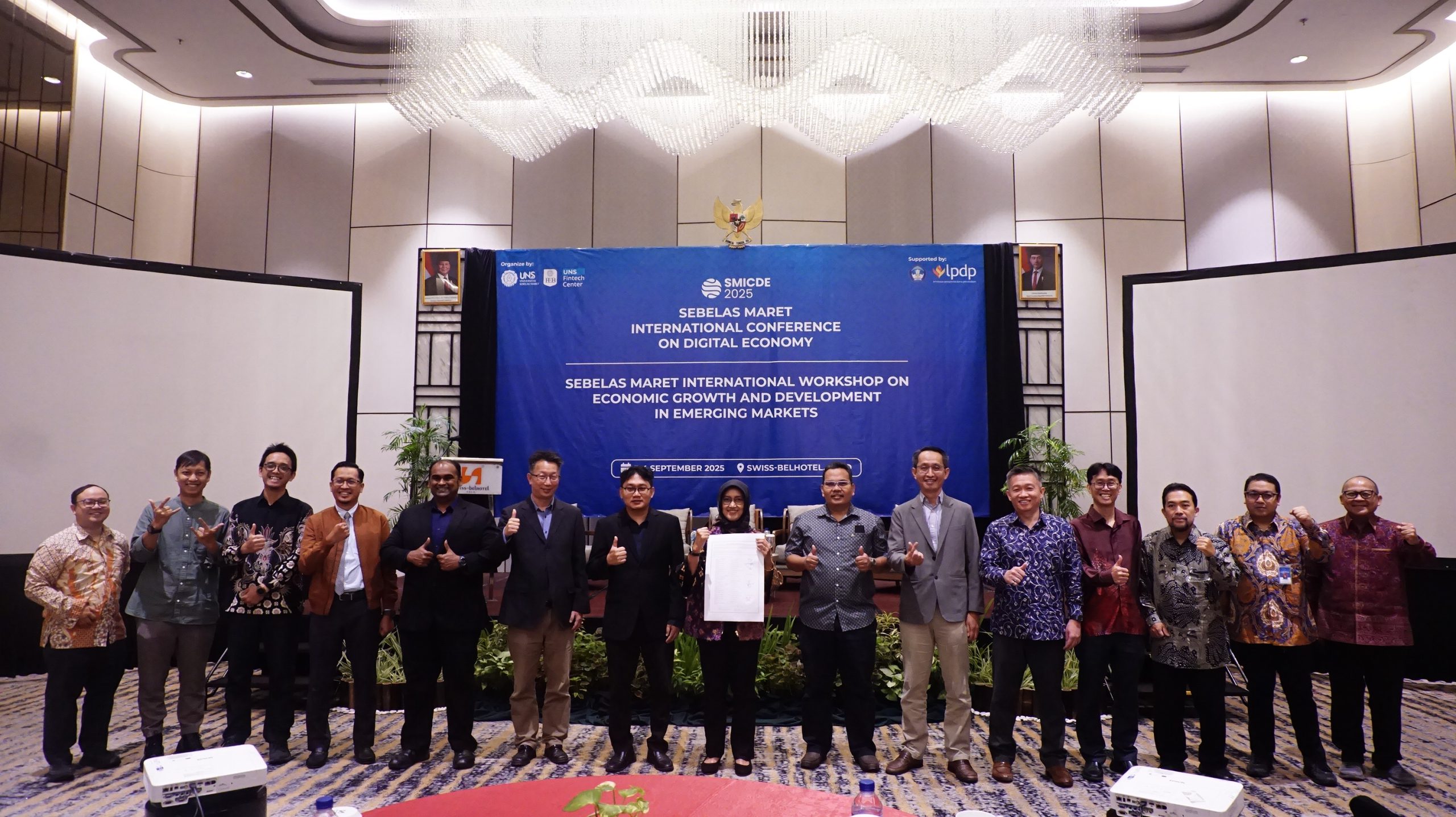
    The annual conference, “Sebelas Maret International Conference on Digital Economy (SMICDE),” returned in 2025. This year, SMICDE is organized by the Faculty of Economics and Business (FEB), Universitas Sebelas Maret (UNS), in collaboration with the Center for Fintech and Banking (UNS Fintech Center), supported by the Indonesia Endowment Funds for Education Agency (LPDP) and the Ministry of Higher Education, Science, and Technology of the Republic of Indonesia. The event featured two keynote speakers and five invited speakers.

    The 2025 SMICDE, carrying the theme “Towards Digital Future: New Challenges in Global Economics,” also serves as the venue for the Declaration of Consortium on SDG 8: “International Association of Studies on Economic Growth and Development in Emerging Markets.” The declaration was signed by representatives from UNS, University of Akron (USA), Harvard University & University of Messina, Universiti Putra Malaysia, Universiti Utara Malaysia, Universiti Sains Malaysia, Universiti Malaysia Sarawak, Chung Hua University Taiwan, Asia Pacific University Malaysia, University of Malaya Malaysia, Taylor’s University Malaysia, University of Buckingham UK, and Ostim Technical University Turkey.

    The declaration marked the beginning of a shared commitment among higher education institutions to advance collaborative research, knowledge exchange, and academic partnerships, fostering sustainable and inclusive economic growth in line with SDG 8, while strengthening cooperation between academia, government, industry, and society. With this declaration, the 14 universities pledged to enhance collaboration and drive collective action for a better and sustainable future.

    This commitment was highlighted by Prof. Dr. Fitria Rahmawati, SSi., MSi., Vice Rector for Academic and Research Affairs of UNS, representing the Rector of UNS, in her welcoming remarks.

    “Hopefully, this declaration will not only remain as a ceremonial statement, but also a concrete commitment to advancing SDG 8, promoting inclusive and sustainable economic growth, productive employment, and decent work for all. UNS will take an active leadership role, not merely as a member, but also coordinating and leading activities within this network to ensure that this collaboration yields meaningful impact. Let us work together to advance the achievement of the SDGs in developing countries,” she emphasized.

    The Dean of FEB UNS, Prof. Bhimo Rizky Samudro, S.E., M.Si., Ph.D., in his remarks during the event, also emphasized the need of producing tangible contributions, beyond academic insights.

    “We are honored to host a meeting that brings together academics, practitioners, policymakers, and industry leaders from around the world. We believe that cross-disciplinary and cross-institutional collaboration is crucial in addressing today’s digital challenges. Through this conference, we hope to encourage knowledge exchange, best practices, and partnerships that will contribute to advancing digital innovation for global prosperity,” he stated.

    Held at Swiss-Belhotel Solo on September 3–4, 2025, this year SMICDE featured the Sebelas Maret International Workshop on Economic Growth and Development in Emerging Markets on its opening day. The workshop hosted nine speakers and five discussants who presented interactive academic discussions in various topic regarding economic growth and SDG’s.

    This workshop, along with the SMICDE conference, reflects the active role of Universitas Sebelas Maret in accelerating the achievement of SDG 8: Decent Work and Economic Growth, as highlighted in Prof. Irwan Trinugroho, S.E., MSc., Ph.D., QCRO., Vice Rector for Planning, Cooperation, Internationalization, and Information of UNS, remarks.

    “UNS has been designated as one of the universities to accelerating the achievement of SDG 8. The expectation is for this association to serve as a hub for researchers, particularly those focusing on studies related to economic growth and emerging markets. Hopefully, this two-day conference will be a productive and valuable session for both participants and speakers,” he stated.

    On the second day, Prof. John W. Goodell (University of Akron, USA) and Prof. Bruno S. Sergi (University of Messina & Harvard University) delivered keynote speeches titled “The New Belief Finance” and “DESI and the Progress on Digital Development in Europe.” In addition to the keynote sessions and plenary discussions, SMICDE 2025 also served as a platform for more than 70 selected articles presented in parallel sessions.

    Awards for best papers were given to five selected articles across three categories. For the Master’s (S2) category, the award went to Bimo Saktiawan from Universitas Gadjah Mada (UGM) with his article entitled “When Diversity is High, Can it Avoid Ethical Breaches? The Impact of Board Gender Inclusion on Greenwashing Practices.”

    In the Doctoral (S3) category, the award was presented to Ika Swasti Putri from Universitas Sebelas Maret for her article entitled “CEO Characteristics, Popularity Level, and Climate Change Disclosure: Evidence from the Energy & Basic Materials Sectors in Indonesia.”

    Three awards in the Faculty Member and Researcher category were granted to: “Asymmetric Risk Premium in the Digital Asset Market” by Berlian Karlina (Universitas Indonesia) awarded the Best Paper 3; “Does Islamic Financial Development Drive Energy Transition in OIC Countries: The Role of Institutional Quality” by Rahmat Heru Setianto (Universitas Airlangga) with Best Paper 2 award; and “Does Playing by the Rules Pay-off? Market Conduct & Performance in Indonesia’s Life Insurance Sector” by Ahmad Danu Prasetyo (OJK Institute), is selected as the First Best Paper.
  • FEB UNS Organizes Digisign Training to Enhance Academic Support Staff Competence in Digital Administration

    FEB UNS Organizes Digisign Training to Enhance Academic Support Staff Competence in Digital Administration

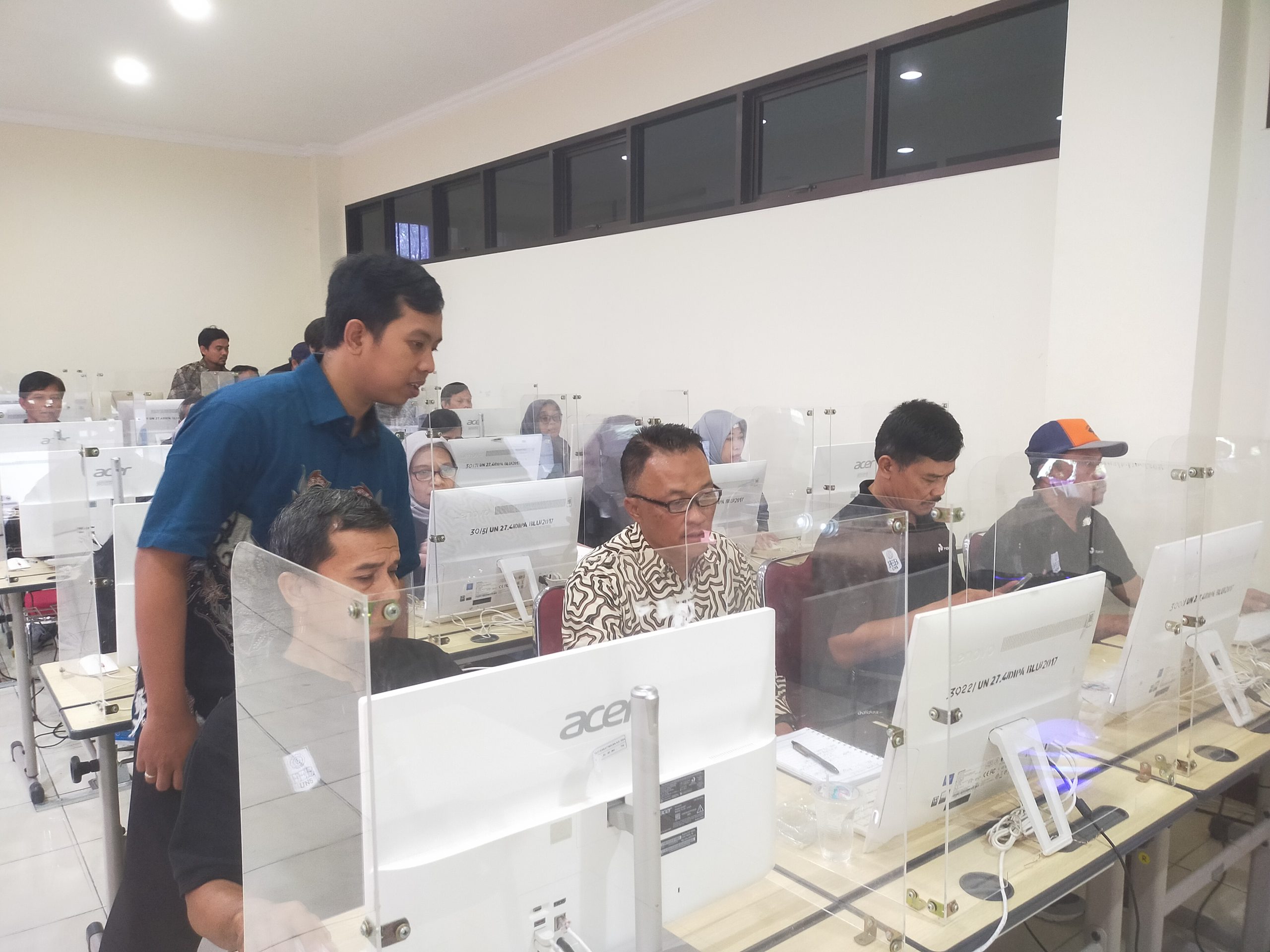
    Faculty of Economics and Business (FEB), Universitas Sebelas Maret (UNS) held a Digisign Training for Academic Support Staff on Friday, July 25, 2025, at Computer Laboratory E, 3rd Floor, Soedarah Soepono Building, FEB UNS. The event was officially opened by Sutaryo, S.E., M.Si., Ph.D., Ak., CA., CRA., CRP., ACPA., Vice Dean for Non-Academic Affairs.

    In his remarks, he explained that the previous Digisign training was limited only to several persons in charge (PIC), such as drafters and signers. Therefore, the current training is expanded to include all Academic Support Staff of FEB UNS to ensure a seamless administration and staff readiness in the case of job rotation or position restructuring within the faculty.

    “We ask all participants to follow this training seriously, thus you can gain maximum understanding and skills in using Digisign. It is important to emphasize that digital signatures have now become a mandatory policy within the university. Therefore, all outgoing correspondence, whether from the university, faculty, or study programs, are no longer permitted to use manual signatures,” he stressed.

    He further emphasized that although some documents had previously been signed manually, going forward all official documents must use digital signatures. Units without drafter access may submit a request, and the faculty will facilitate this need.

    “If you encounter difficulties in this process, please report first to your direct supervisor, then through the coordinator, followed by the Vice Dean, and if necessary, to the Dean. Do not make independent decisions. Any wrong decision will certainly cause problems, while even the right decision may not necessarily receive recognition. Therefore, let us safeguard this process together,” he advised.

    He also noted that the use of Digisign not only aims to standardize administration but also strengthens internal control systems to ensure that all official documents issued can be accounted for more effectively.

    This training also contributes to the achievement of the Sustainable Development Goals (SDGs), particularly SDG 4 (Quality Education) and SDG 16 (Peace, Justice, and Strong Institutions), by strengthening institutional capacity and improving the efficiency of transparent and accountable administrative governance.

  • UNS Bersama 13 Universitas Mitra Deklarasikan Konsorsium International Association of Studies on Economic Growth and Development in Emerging Markets Pada SMICDE 2025

    UNS Bersama 13 Universitas Mitra Deklarasikan Konsorsium International Association of Studies on Economic Growth and Development in Emerging Markets Pada SMICDE 2025

    Gelaran konferensi tahunan Sebelas Maret International Conference on Digital Economy (SMICDE) kembali hadir di tahun 2025. Pada tahun ini SMICDE diselenggarakan oleh Fakultas Ekonomi dan Bisnis (FEB), Universitas Sebelas Maret (UNS), bekerja sama dengan UNS Fintech Center dan didukung oleh Lembaga Pengelola Dana Pendidikan (LPDP) serta Kementerian Pendidikan Tinggi, Sains, dan Teknologi Republik Indonesia, menghadirkan dua keynote speaker dan lima pembicara tamu.

    SMICDE 2025 yang mengangkat tema “Towards Digital Future: New Challenges in Global Economics” juga menjadi venue pembacaan Declaration of Consortium on SDG 8: “International Association of Studies on Economic Growth and Development in Emerging Markets” yang ditandatangani oleh perwakilan dari UNS, University of Akron (USA), Harvard University & University of Messina, Universiti Putra Malaysia, Universiti Utara Malaysia, Universiti Sains Malaysia, Universiti Malaysia Sarawak, Chung Hua University Taiwan, Asia Pacific University Malaysia, University of Malaya Malaysia, Taylor’s University Malaysia, University of Buckingham UK, dan Ostim Technical University Turki.

    Deklarasi tersebut menjadi awal dari komitmen institusi perguruan tinggi dalam memajukan penelitian kolaboratif, pertukaran pengetahuan, dan pertukaran akademis, meningkatkan pertumbuhan ekonomi yang berkelanjutan dan inklusif selaras dengan SDG 8, serta membangun kerja sama antara akademisi, pemerintah, industri, dan masyarakat.

    Dengan ditandatanganinya deklarasi tersebut, ke-14 perguruan tinggi berikrar untuk memperkuat kerja sama dan mendorong aksi kolektif untuk masa depan yang lebih baik dan berkelanjutan.

    Ikrar tersebut juga disoroti oleh Prof. Dr. Fitria Rahmawati, SSi., MSi., Wakil Rektor Bidang Akademik dan Penelitian UNS, dalam pidato sambutannya mewakili Rektor UNS.

    “Semoga deklarasi ini tidak hanya menjadi sebuah pernyataan seremonial, namun juga komitmen konkrit dalam memajukan SDG 8, memajukan pertumbuhan ekonomi yang inklusif dan berkelanjutan, lapangan kerja yang produktif, dan pekerjaan yang layak bagi semua. UNS dengan akan mengambil peran aktif kepemimpinan, sehingga UNS tidak sebatas menjadi anggota, tetapi akan mengkoordinasikan dan memimpin kegiatan dalam network ini. Memastikan bahwa kolaborasi ini akan menghasilkan dampak yang bernilai. Mari kita bersama memajukan pencapaian SDG pada negara berkembang” tegasnya.

    Peran aktif akademisi untuk dapat menyumbangkan hasil konkrit, bukan hanya keilmuan, juga ditekankan oleh Dekan FEB UNS, Prof. Bhimo Rizky Samudro, S.E., M.Si., Ph.D., dalam sambutannya pada event tersebut.

    “Adalah kebanggaan bagi kami untuk dapat menyelenggarakan sebuah pertemuan yang mempertemukan akademisi, praktisi, pembuat kebijakan, serta pemuka industri dari seluruh dunia. Kami percaya bahwa kolaborasi lintas disiplin dan institusi ini sangatlah penting dalam menghadapi tantangan digital saat ini. Melalui konferensi ini kami berharap untuk dapat mendorong pertukaran pengetahuan, best practices, dan membangun kemitraan yang akan berkontribusi untuk memajukan inovasi digital demi kemakmuran global,” tuturnya.

    Bertempat di Swiss-Belhotel Solo, Rabu-Kamis, 3-4 September 2025, SMICDE 2025 menjadi gelaran special dengan dilaksanakannya Sebelas Maret International Workshop on Economic Growth and Development in Emerging Markets di hari pertama konferensi. Pada sesi International Workshop, hadir 9 (sembilan) pembicara dan 5 (lima) pembahas (discussants) yang menyajikan diskusi akademis yang interaktif.

    Pelaksanaan Sebelas Maret International Workshop on Economic Growth and Development in Emerging Markets dan SMICDE ini menjadi wujud peran serta Universitas Sebelas Maret dalam proses percepatan pencapaian SDG 8: lapangan kerja yang layak dan pertumbuhan ekonomi, sebagaimana disampaikan dalam sambutan Wakil Rektor Bidang Perencanaan, Kerjasama, Internasionalisasi, dan Informasi UNS, Prof. Irwan Trinugroho, S.E., MSc., PhD., QCRO.

    “UNS menjadi salah satu universitas yang ditargetkan untuk melakukan percepatan SDG 8. Harapannya adalah agar asosiasi dapat menjadi Hub untuk peneliti, khususnya mereka yang berfokus pada studi terkait pertumbuhan ekonomi dan emerging market. Semoga konferensi yang berlangsung selama dua hari ini akan menjadi sesi yang produktif dan bermanfaat, baik bagi peserta maupun speaker yang hadir” ungkapnya.

    Di hari kedua, Prof. John W. Goodell, University of Akron (USA) dan Prof. Bruno S. Sergi (University of Messina & Harvard University), menyampaikan keynote speech (pidato utama) dengan judul “the New Belief Finance” dan “DESI and the Progress on Digital Development in Europe.” Selain keynote speech dan materi pembicara tamu yang disampaikan dalam sesi plenary, SMICDE 2025 juga menjadi platform bagi lebih dari 70 artikel terpilih untuk dapat dipresentasikan pada sesi paralel session.

    Penghargaan bagi artikel terbaik (best paper) juga diberikan pada 5 (lima) artikel terpilih yang terbagi dalam 3 kategori. Artikel terbaik untuk kategori mahasiswa Master (S2) diberikan kepada Bimo Saktiawan dari Universitas Gadjah Mada (UGM) dengan artikel berjudul “ When Diversity is High, Can it Avoid Ethical Breaches? The Impact of Board Gender Inclusion on Green Washing Practices,” sementara pada kategori mahasiswa Doktoral (S3), penghargaan ini diberikan kepada Ika Swasti Putri dari Universitas Sebelas Maret dengan artikel berjudul “CEO Characteristics, Popularity Level, and Climate Change Disclosure, Evidence from the Energy & Basic Materials Sectors in Indonesia.”   jelasnya.

    Tiga artikel yang mendapatkan penghargaan di kategori Faculty Member and Researcher adalah, “Asymmetric Risk premium in the Digital Asset Market” oleh Berlian Karlina dari Universitas Indonesia (UI) yang memperoleh predikat Best Paper 3, “Does Islamic Financial Development Drive Energy Transition in OIC Countries: the Role of Institutional Quality” oleh Rahmat Heru Setianto dari Universitas Airlangga dengan predikat Best Paper 2, dan “Does Playing by the Rules Pay-off? Market Conduct & Performance in Indonesia’s Life Insurance Sector” oleh Ahmad Danu Prasetyo dari OJK Institute yang terpilih sebagai best paper pertama.
  • FEB UNS Adakan Pelatihan Digisign untuk Tingkatkan Kompetensi Tendik dalam Administrasi Digital

    FEB UNS Adakan Pelatihan Digisign untuk Tingkatkan Kompetensi Tendik dalam Administrasi Digital

    Fakultas Ekonomi dan Bisnis (FEB) Universitas Sebelas Maret (UNS) adakan Pelatihan Digisign bagi Tenaga Kependidikan (Tendik), Jumat 25 Juli 2025 di Laboratorium Komputer E, Lantai 3, Gedung Soedarah Soepono FEB UNS.

    Kegiatan ini dibuka secara resmi oleh Sutaryo, S.E., M.Si., Ph.D., Ak., CA., CRA., CRP., ACPA, selaku Wakil Dekan Bidang Non Akademik.

    Dalam sambutannya, Ia menyampaikan bahwa pelatihan Digisign sebelumnya telah dilakukan, namun terbatas hanya pada beberapa person in charge (PIC), seperti drafter dan signer.

    Di pelatihan ini diperluas untuk seluruh tenaga kependidikan FEB UNS, guna memastikan kesiapan dan kelancaran proses administrasi apabila sewaktu-waktu terjadi perubahan tugas atau alih peran di lingkungan fakultas.

    “Mohon Bapak Ibu dapat mengikuti pelatihan ini dengan serius, sehingga memperoleh pemahaman dan keterampilan yang maksimal terkait penggunaan Digisign. Perlu kami tegaskan bahwa penandatanganan digital saat ini telah menjadi kebijakan wajib dari universitas. Maka, seluruh surat keluar, baik dari universitas, fakultas, maupun prodi sudah tidak diperkenankan lagi menggunakan tanda tangan manual” tegasnya.

    Dikatakan, meskipun beberapa waktu lalu masih terdapat surat yang ditandatangani secara manual, ke depan seluruh dokumen resmi harus menggunakan tanda tangan digital. Apabila suatu unit belum memiliki akses sebagai drafter, maka dapat mengajukan permohonan, dan pihak fakultas akan memfasilitasi.

    “Jika Bapak Ibu menghadapi kendala dalam proses ini, mohon disampaikan terlebih dahulu kepada atasan langsung, bisa melalui koordinator, kemudian kepada wakil dekan, dan bila perlu sampai ke tingkat dekan. Jangan mengambil keputusan sendiri. Karena apa pun bentuk keputusan itu, jika salah akan menimbulkan masalah, sementara jika benar pun belum tentu mendapat penghargaan. Maka, mari kita jaga prosesnya bersama,” pungkasnya memberikan arahan.

    Lebih lanjut, penggunaan Digisign ini tidak hanya bertujuan untuk keseragaman administrasi, tetapi juga sebagai bagian dari sistem pengendalian internal agar seluruh dokumen resmi yang diterbitkan dapat dipertanggungjawabkan secara lebih baik.

    Pelatihan ini turut mendukung pencapaian Tujuan Pembangunan Berkelanjutan (SDGs), khususnya SDG 4 (Pendidikan Berkualitas) dan SDG 16 (Perdamaian, Keadilan, dan Kelembagaan yang Tangguh), dengan memperkuat kapasitas kelembagaan dan meningkatkan efisiensi tata kelola administrasi yang transparan dan akuntabel.


  • FEB UNS Hosted Guest Lecture to Welcome New Students of the Economics Study Program

    FEB UNS Hosted Guest Lecture to Welcome New Students of the Economics Study Program

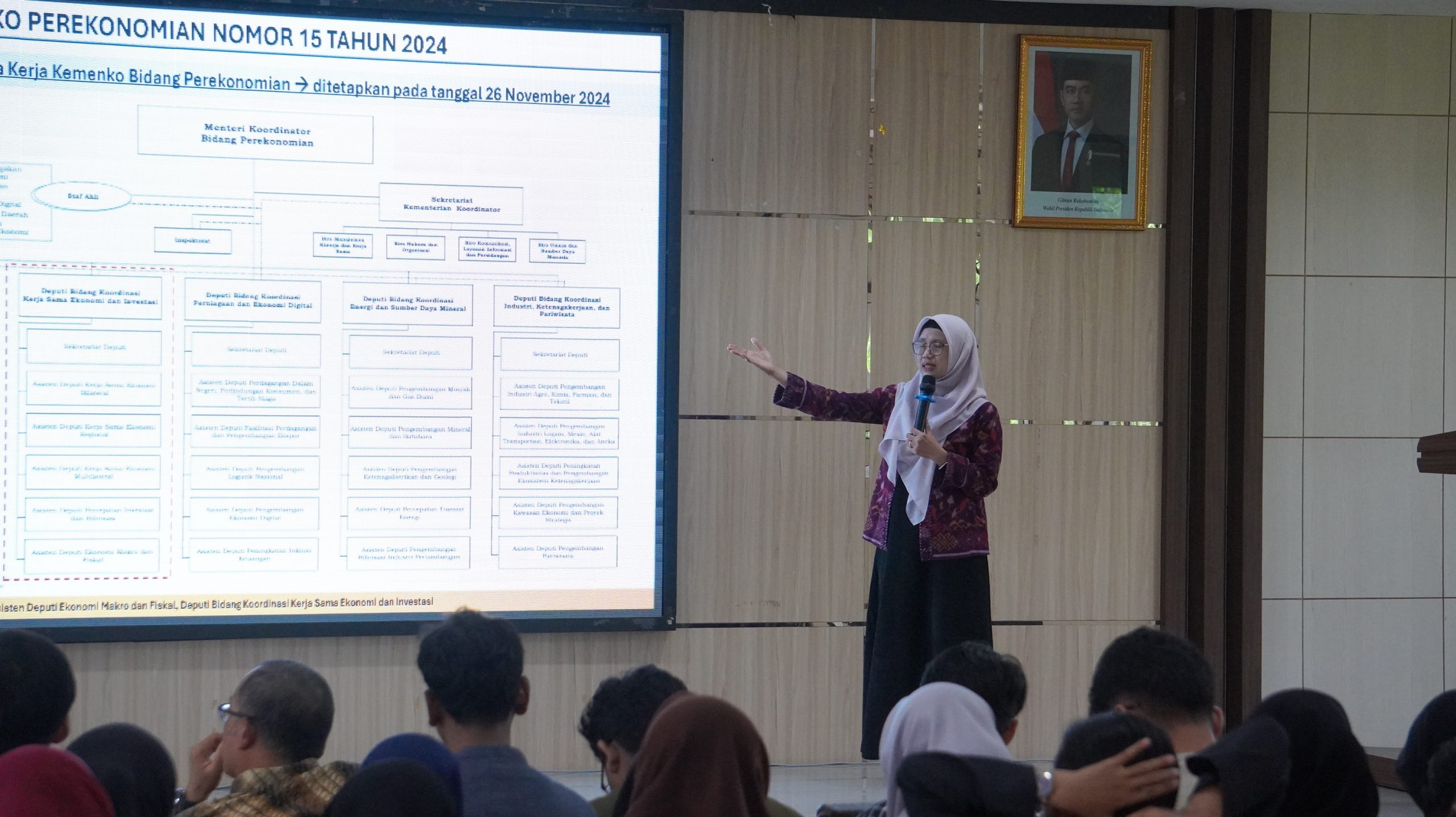
    The Faculty of Economics and Business (FEB), Universitas Sebelas Maret (UNS) organized a Guest Lecture to welcome new undergraduate students of the Economics Study Program on Friday, August 29, 2025, at the Soedarah Soepono Hall, FEB UNS. This event served as part of the faculty’s efforts to broaden students’ perspectives on strategic issues in economics.

    In his opening remarks, Prof. Bhimo Rizky Samudro, S.E., M.Si., Ph.D., Dean of FEB UNS, emphasized that this activity is an important forum that provides students with in-depth insights, information, and up-to-date data, particularly on domestic and global economic developments. He highlighted its strategic importance for students, especially those entering their seventh semester.

    “This event is the right moment for students to ask questions, engage in discussions, and analyze current economic developments,” stated Prof. Bhimo.

    He further explained that through this forum, students not only gain experience in data workshops or training but also build a strong theoretical foundation and understanding of data that underlies economic analysis. This way, students are expected to conduct more accurate estimations and predictions in their research.

    Meanwhile, Ferry Ardiyanto, Interim Deputy Assistant for Macroeconomics and Fiscal Affairs, in his address to the new students of the Economics Study Program, reminded them of the importance of perseverance and confidence in choosing Development Economics as a major, which he believes offers promising prospects in both the public and private sectors. Students were encouraged to pursue a path aligned with their passion to maximize their potential.

    “Studying economics is very exciting because it covers many aspects that can be learned and applied—from theory, methodology, to the use of various analytical software. Believe me, economics is a highly promising field, and expertise in development economics is greatly needed,” he said.

    The Coordinating Ministry for Economic Affairs also offers internship opportunities for students. These internships not only provide practical experience but also broaden professional networks and deepen understanding of public policy formulation. Through this initiative, FEB UNS hopes students will gain not only academic insights but also motivation and readiness to pursue careers in economics while contributing to national development.

    The first speaker, Siti Wahyuningrum, S.ST., M.Si., Senior Policy Analyst, Deputy Assistant for Macroeconomics and Fiscal Affairs, Coordinating Ministry for Economic Affairs of the Republic of Indonesia, delivered a presentation on Global and Domestic Economic Dynamics and Structural Policies to Sustain Economic Resilience. Meanwhile, the second speaker, Dr. Sarjiyanto, S.E., MBA., lecturer at FEB UNS, discussed Regional Economic Development Aspects in Building National Economic Resilience and Sustainability.

    This activity aligns with FEB UNS’s commitment to supporting the Sustainable Development Goals (SDGs), particularly SDG 4: Quality Education, by providing data-driven, analytical, and policy-oriented learning, as well as SDG 8: Decent Work and Economic Growth, by preparing students to contribute to national economic development through a strong understanding of global economic dynamics and fiscal policy. Through this forum, students are expected not only to understand theory but also to apply their knowledge in various strategic sectors.
  • Head of MM Study Program FEB UNS Designs Structured Curriculum Strategy, Targets Graduation within 2 Years

    Head of MM Study Program FEB UNS Designs Structured Curriculum Strategy, Targets Graduation within 2 Years

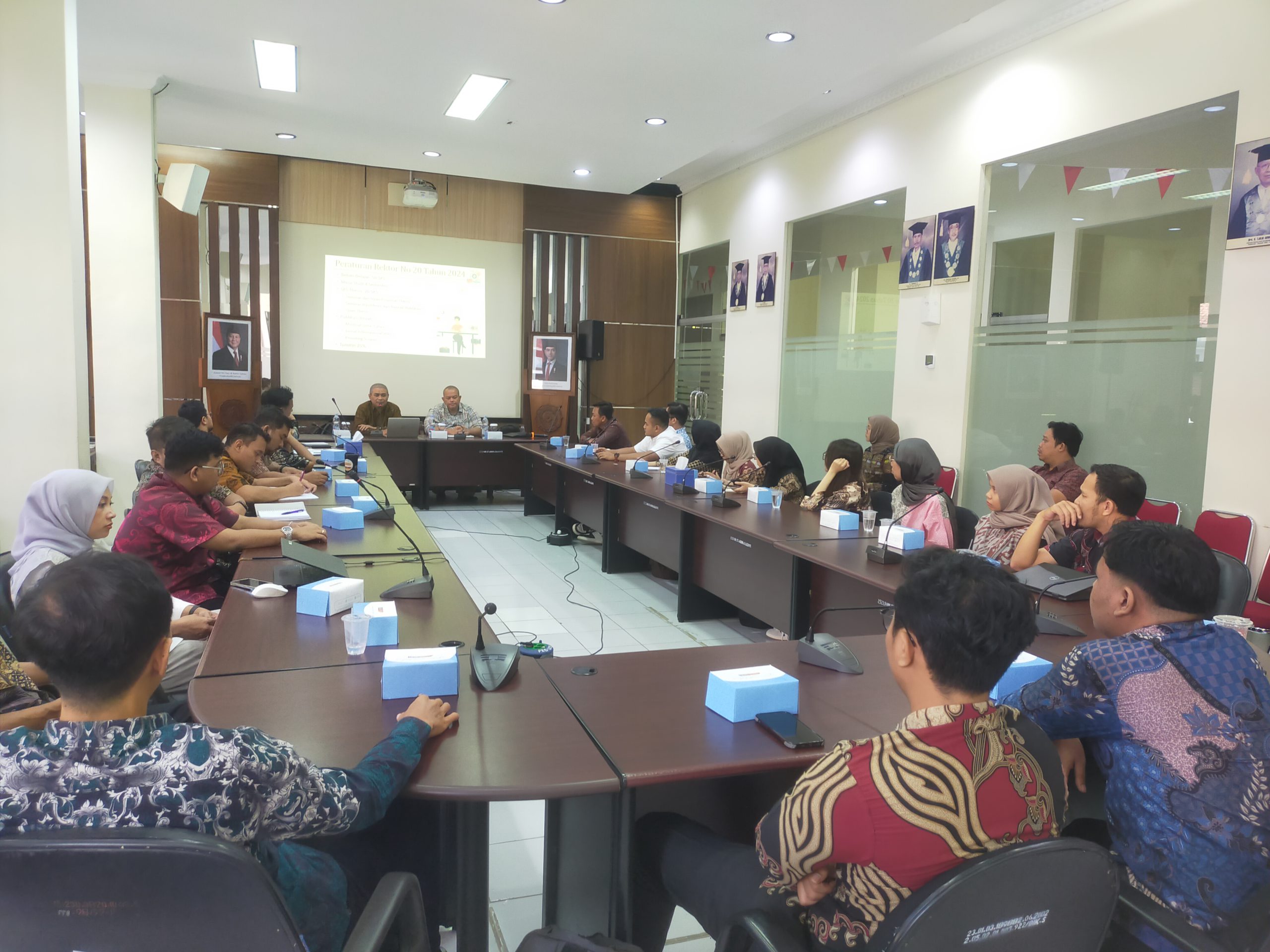
    The Master of Management (MM) Study Program, Faculty of Economics and Business (FEB), Universitas Sebelas Maret (UNS), held its New Student Orientation on Saturday, 30 August 2025, at Meeting Room 1, Soeharno TS Building, FEB UNS. The event, attended by 36 new MM students, served as an introduction to the curriculum, learning system, and academic direction.

    In his presentation, Dr. Lilik Wahyudi, S.E., M.Si., Head of the MM Study Program, explained the implementation of Rector’s Regulation No. 20 of 2024, which stipulates that MM students will complete 56 credits across four semesters, including 26 thesis credits. In addition to the thesis examination, students are required to produce publications in nationally or internationally accredited journals, with a maximum similarity index of 25 percent (Turnitin).

    One of the strategies introduced by the Head of the Study Program is the acceleration of scientific publications. Students are guided from the first semester through individual proposal writing. In the following semesters, the research is developed into a research report, transformed into a manuscript for publication in the third semester, and finally presented in a research seminar during the fourth semester. “We do not want you to spend too much time here; aim to finish within a maximum of two years,” he emphasized.

    To support this target, students are provided with access to the EasyStudy MM UNS digital platform. A tiered thesis standard is also introduced, ranging from simple replication studies in Sinta-indexed journals to more complex research aimed at Q1–Q2 international journals.

    Dr. Lilik emphasized that the orientation is not merely an introduction, but also a strategic direction. “We want MM students to realize from the very beginning that their academic journey does not stop at writing a thesis. You must be prepared to produce scientific works that can be published and make a broad impact, both nationally and internationally,” he said.

    Through this structured curriculum designed to accelerate research and publication, the MM Study Program UNS is committed to producing graduates who not only complete their studies on time but are also productive in generating recognized scientific works. Following the strategic direction delivered by the Head of the MM Study Program, the event continued with a session on Strategies for On-Time Graduation at the Master’s Level, presented by Dr. I Made Bayu Dirgantara, S.E., M.M., lecturer at Universitas Diponegoro. This session provided guidance to new students on how to design effective academic strategies.

    The program then proceeded with academic information delivered by Dyah Wasita Winahyu, S.E., Head of the Academic Subdivision FEB UNS, who outlined the academic and administrative regulations students must understand throughout their studies.

    This activity aligns with the Sustainable Development Goals (SDGs), particularly SDG 4: Quality Education, by promoting inclusive and equitable learning, and SDG 8: Decent Work and Economic Growth, by encouraging innovation and research that contribute to sustainable economic development and the creation of decent employment opportunities. With this structured academic strategy, graduates of the MM Study Program FEB UNS are expected to become agents of change who support sustainable development at both the national and global levels.

  • FEB UNS Gelar Kuliah Tamu Sambut Mahasiswa Baru Prodi S1 Ekonomi Pembangunan

    FEB UNS Gelar Kuliah Tamu Sambut Mahasiswa Baru Prodi S1 Ekonomi Pembangunan

    Fakultas Ekonomi dan Bisnis (FEB) Universitas Sebelas Maret (UNS) menyelenggarakan Kuliah Tamu Menyambut Mahasiswa Baru Program Studi S1 Ekonomi Pembangunan, Jumat, 29 Agustus 2025, bertempat di Aula Gedung Soedarah Soepono FEB UNS. Acara ini menjadi bagian dari upaya memperluas wawasan mahasiswa baru mengenai isu-isu strategis dalam bidang ekonomi.

    Prof. Bhimo Rizky Samudro, S.E., M.Si,. Ph.D, Dekan FEB UNS dalam sambutannya menyampaikan kegiatan ini merupakan  sebuah forum penting yang memberikan kesempatan bagi mahasiswa untuk mendapatkan wawasan mendalam, informasi, serta data terkini terutama mengenai perekonomian domestik dan global. Kegiatan ini sangat strategis dan bermanfaat bagi mahasiswa, khususnya mereka yang memasuki semester 7.

     “Acara ini menjadi momen yang tepat bagi mahasiswa untuk bertanya, berdiskusi, serta mengkaji perkembangan perekonomian terkini,” ujar Prof. Bhimo.

    Ia menambahkan, melalui forum ini, mahasiswa tidak hanya sekadar mengikuti workshop atau pelatihan pengolahan data, tetapi juga mendapatkan dasar teoretik yang kuat serta pemahaman data yang mendasari analisis ekonomi. Dengan demikian, mahasiswa diharapkan dapat melakukan estimasi dan prediksi yang lebih akurat dalam riset mereka.

    Sementara itu, Ferry Ardiyanto,Plt Asisten Deputi Ekonomi Makro dan Fiskal dalam sambutannya kepada mahasiswa baru Ekonomi Pembangunan mengingatkan pentingnya keteguhan dan keyakinan mahasiswa dalam memilih jurusan Ekonomi Pembangunan, yang menurutnya memiliki prospek cerah di berbagai sektor, baik di pemerintahan maupun swasta. Mahasiswa pun didorong untuk memilih jalur yang paling sesuai dengan passion mereka agar dapat berkembang maksimal.

    “Kuliah di jurusan ekonomi sangat menarik karena banyak yang bisa dipelajari dan diaplikasikan, mulai dari teori, metodologi, hingga penggunaan berbagai software analisis Percayalah, jurusan ekonomi sangat menjanjikan dan banyak dibutuhkan, terutama di bidang ekonomi pembangunan,” ujarnya.

    Kemenko Bidang Perekonomian juga membuka peluang magang bagi mahasiswa. Magang ini tidak hanya memberikan pengalaman praktis, tetapi juga membuka peluang jaringan dan pemahaman lebih dalam tentang formulasi kebijakan publik.

    Melalui kegiatan ini, FEB UNS berharap mahasiswa tidak hanya mendapatkan wawasan akademik, tetapi juga motivasi dan kesiapan dalam menapaki karier di bidang ekonomi serta berkontribusi dalam pembangunan nasional.

    Hadir sebagai pembicara pertama, Siti Wahyuningrum, S.ST, M.Si, Analis Kebijakan Ahli Madya,  Asisten Deputi Ekonomi Makro dan Fiskal Kementerian Koordinator Bidang Perekonomian Republik Indonesia. Ia menyampaikan materi mengenai Dinamika Perekonomian Global dan Domestik, Kebijakan Struktural untuk Menjaga Keberlanjutan Ketahanan Ekonomi.

    Sementara itu, pembicara kedua, Dr. Sarjiyanto, S.E., MBA., dosen FEB UNS, mengupas topik Aspek Pembangunan Ekonomi Kewilayahan dalam Menciptakan Ketahanan dan Keberlanjutan Ekonomi Nasional.

    Kegiatan ini sejalan dengan komitmen FEB UNS dalam mendukung pencapaian Tujuan Pembangunan Berkelanjutan (SDGs), khususnya SDG 4: Pendidikan Berkualitas melalui penyediaan pembelajaran yang berbasis data, analisis, dan kebijakan publik terkini, serta SDG 8: Pekerjaan Layak dan Pertumbuhan Ekonomi dengan mendorong mahasiswa menjadi lulusan yang siap berkontribusi pada pembangunan ekonomi nasional melalui pemahaman yang kuat terhadap dinamika ekonomi global dan kebijakan fiskal. Melalui forum ini, diharapkan mahasiswa tidak hanya memahami teori, tetapi juga mampu mengimplementasikan ilmunya secara nyata di berbagai sektor strategis.