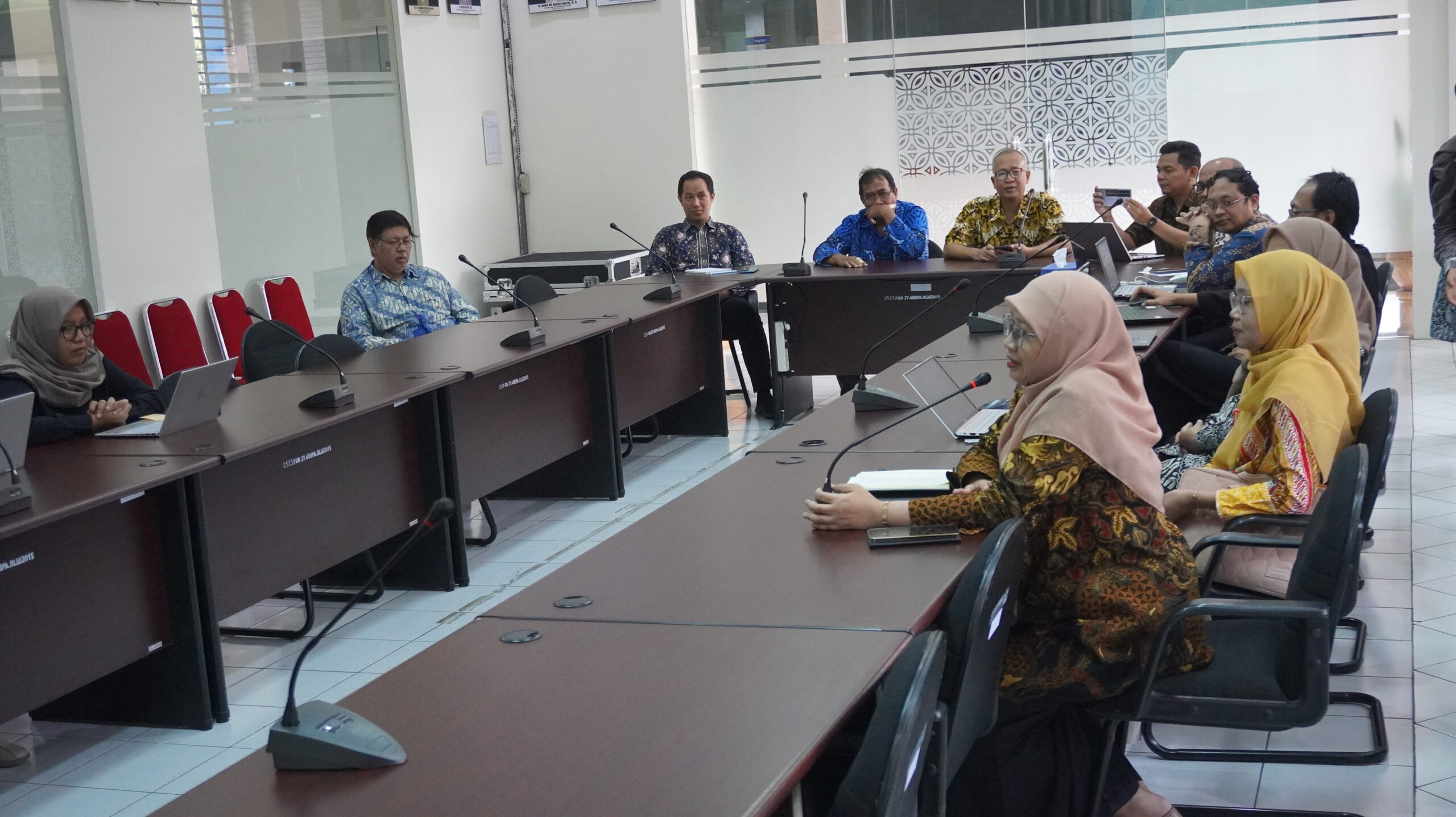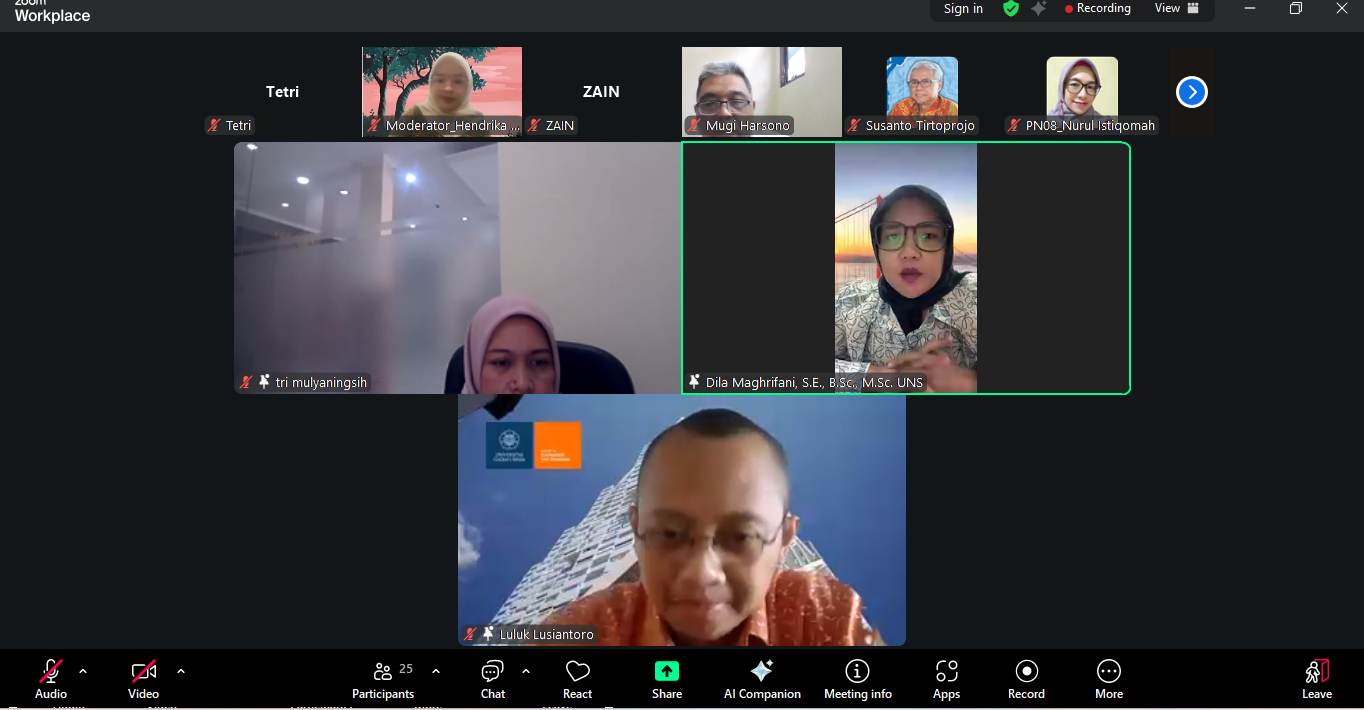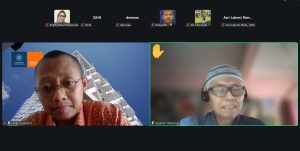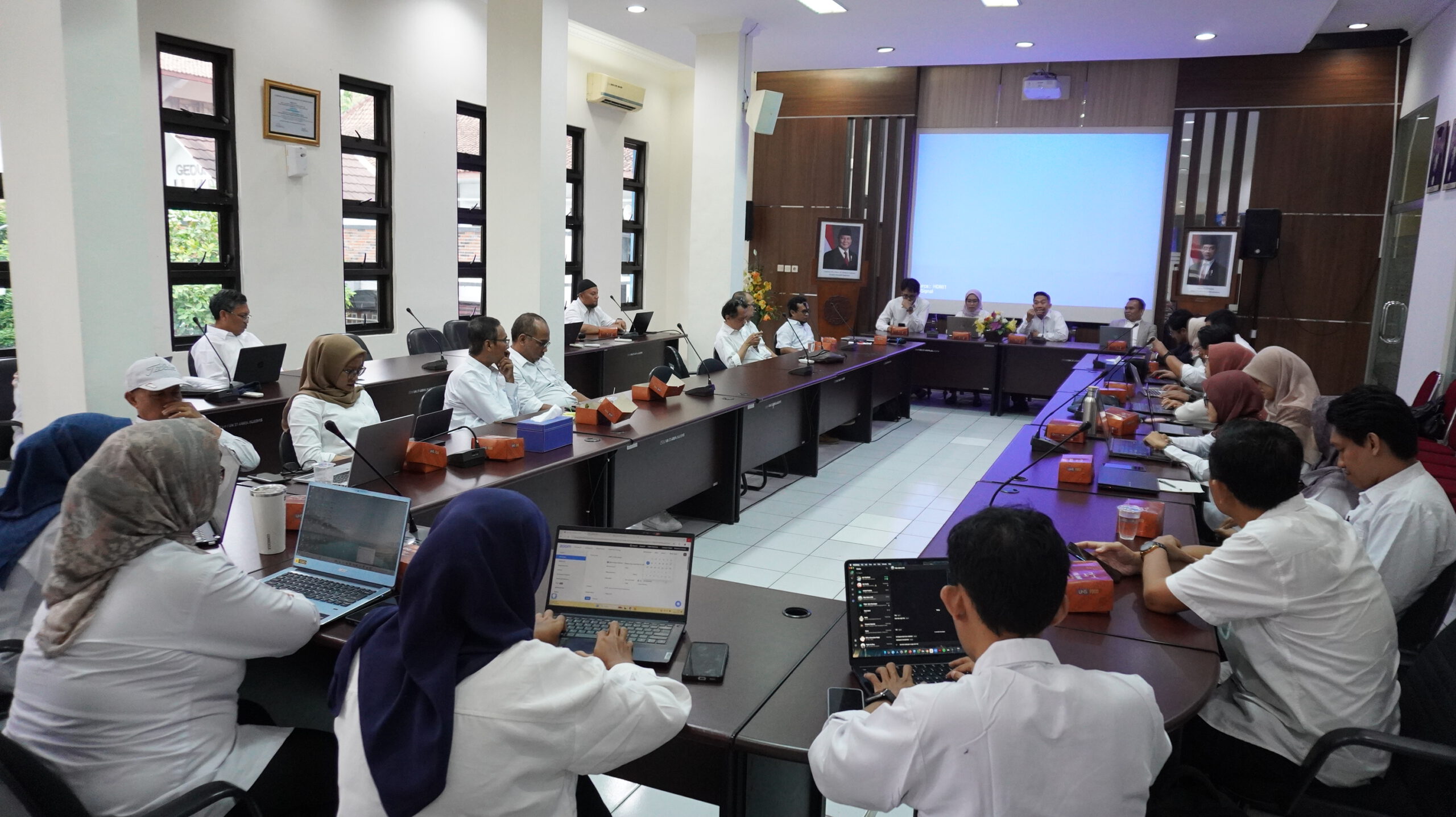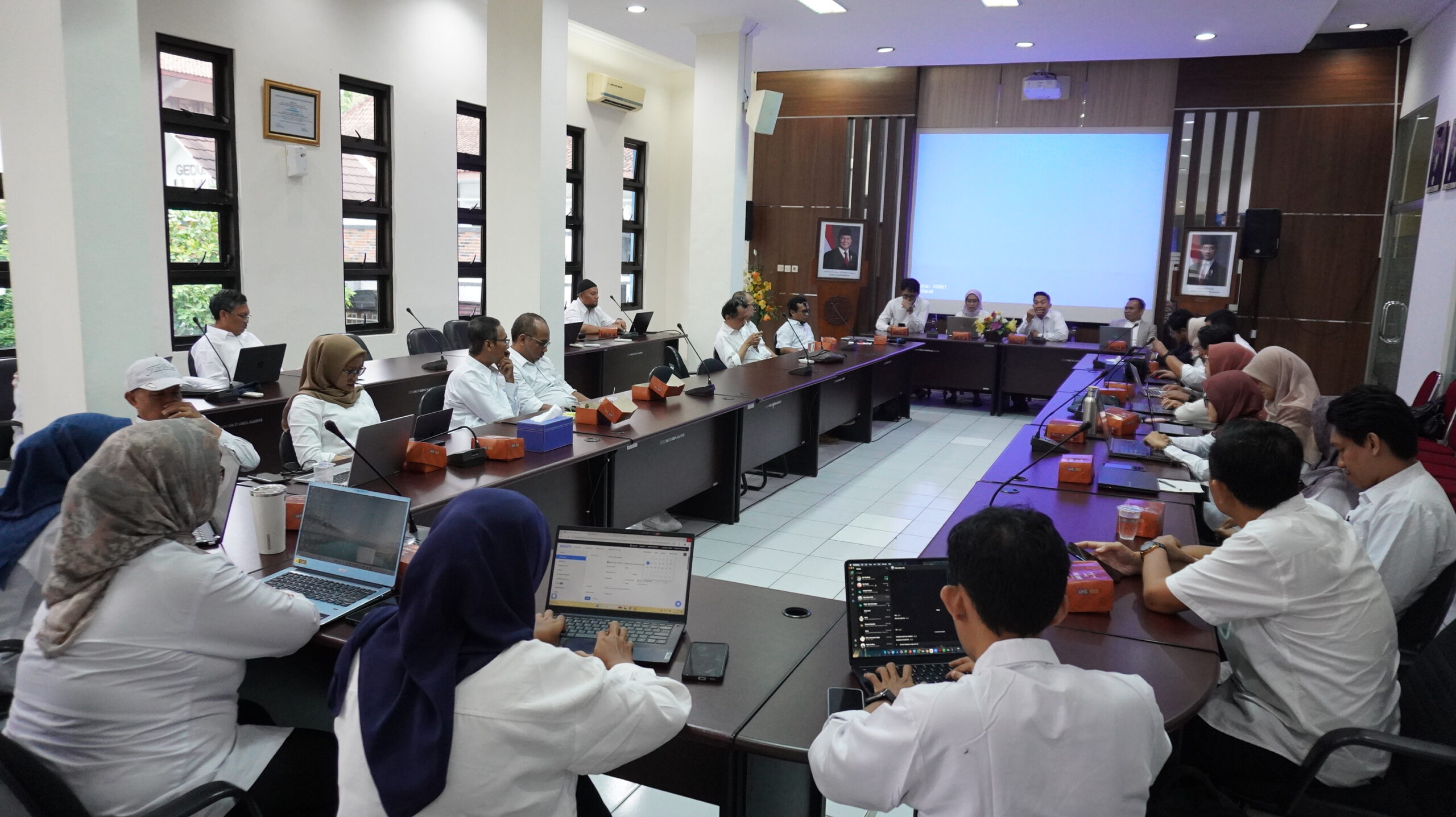
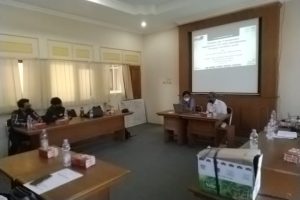
Faculty of Economics and Business (FEB), Universitas Sebelas Maret (UNS), organized a workshop entitled “Academic Growth Lab: PhD., Writing, and Research” at the Meeting Room I, Soeharno TS Building. The event was attended by the faculty leadership, Heads of Study Program, and junior lecturers within FEB UNS to discuss strategies for pursuing doctoral studies and strengthening research publications.
In his opening remarks, the Dean of FEB UNS, Prof. Bhimo Rizky Samudro, S.E., M.Si., Ph.D., emphasized the importance for young lecturers—particularly those under 40 years of age—to take strategic initiatives in pursuing doctoral (Ph.D.) studies abroad. Prof. Bhimo highlighted the concept of “Study Independence” as a key element in academic career development. He encouraged lecturers to actively seek scholarships independently from various external funding institutions, both national and international.

“The most ideal position is when we secure both the study placement and scholarship independently. This is not merely an individual matter, but also about minimizing social or bureaucratic transaction costs, thus, upon returning to UNS after graduation, one can work with greater comfort and independence,” he stated, reflecting on his personal experience.
Regarding study planning, the Dean stressed the necessity of close coordination between lecturers and their respective Study Program. This coordination aims to ensure that lecturers’ departure for further studies does not disrupt the stability of the teaching and learning process at the faculty.
“There should not be a significant shortage of teaching staff due to lecturer’s departure for further study and return schedules. Synchronization of manpower planning among the Faculty, Study Program, and individual lecturers is essential to prevent the need for sudden recruitment of adjunct lecturers solely to fill teaching gaps,” he added.

Despite promoting independence, FEB UNS remains committed to providing support for lecturers preparing to study abroad, including language capacity enhancement and administrative assistance. Internal scholarships from UNS are maintained as a contingency scheme or “final safeguard” if primary external funding schemes are not secured. Complementing the Dean’s direction, the Vice Deans also reinforced the faculty’s commitment by delivering specific guidance and motivation related to academic capacity development.
The workshop also served as a platform for disseminating the latest policies on further studies, including provisions for lecturers above 50 years of age, to ensure that each age group contributes optimally to faculty advancement.

This initiative aligns with FEB UNS’s commitment to supporting the Sustainable Development Goals (SDGs), particularly SDG 4 (Quality Education) through the enhancement of lecturers’ qualifications to international standards, as well as SDG 17 (Partnerships for the Goals) by encouraging research and study collaboration through global scholarship networks.
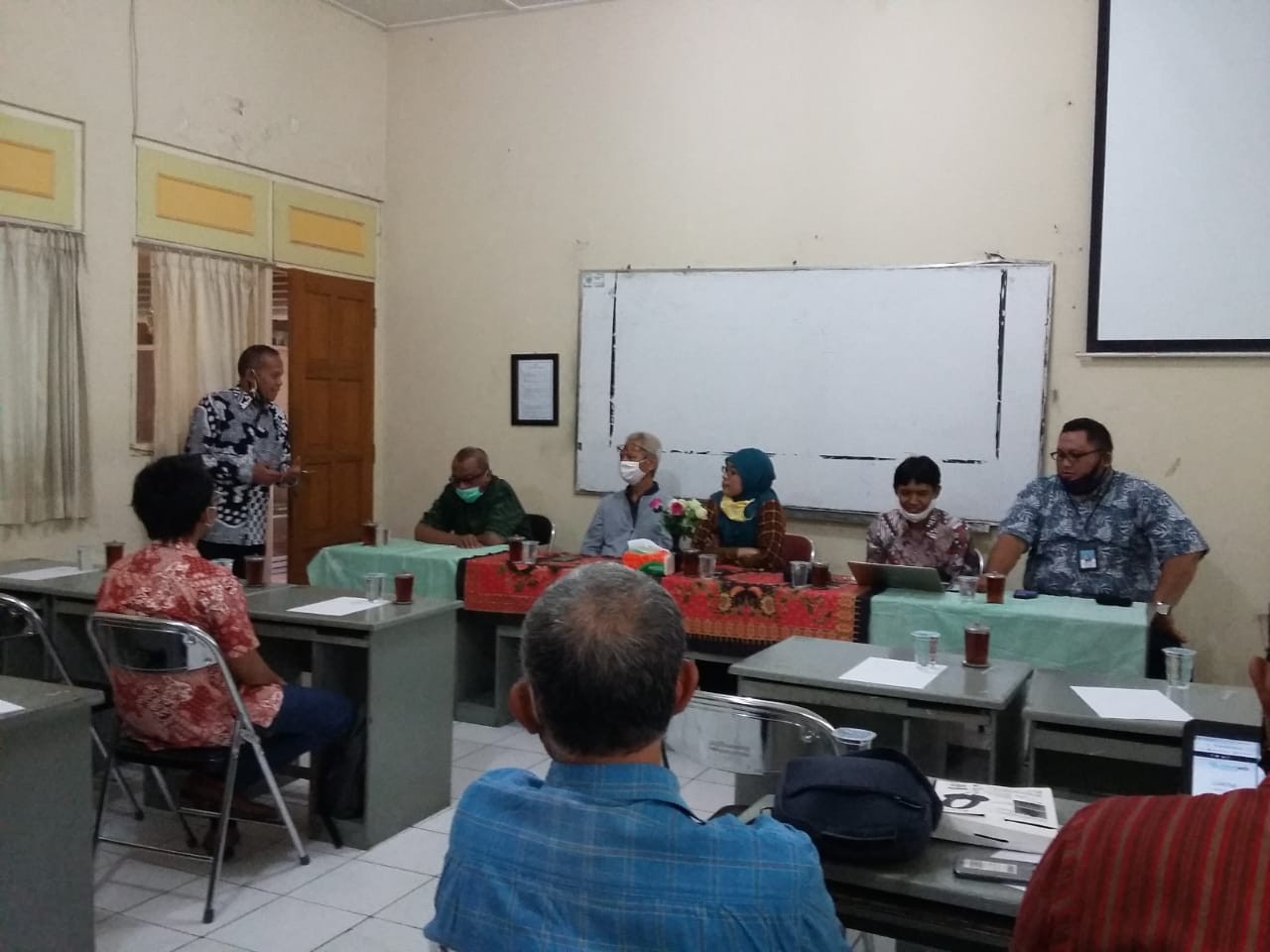
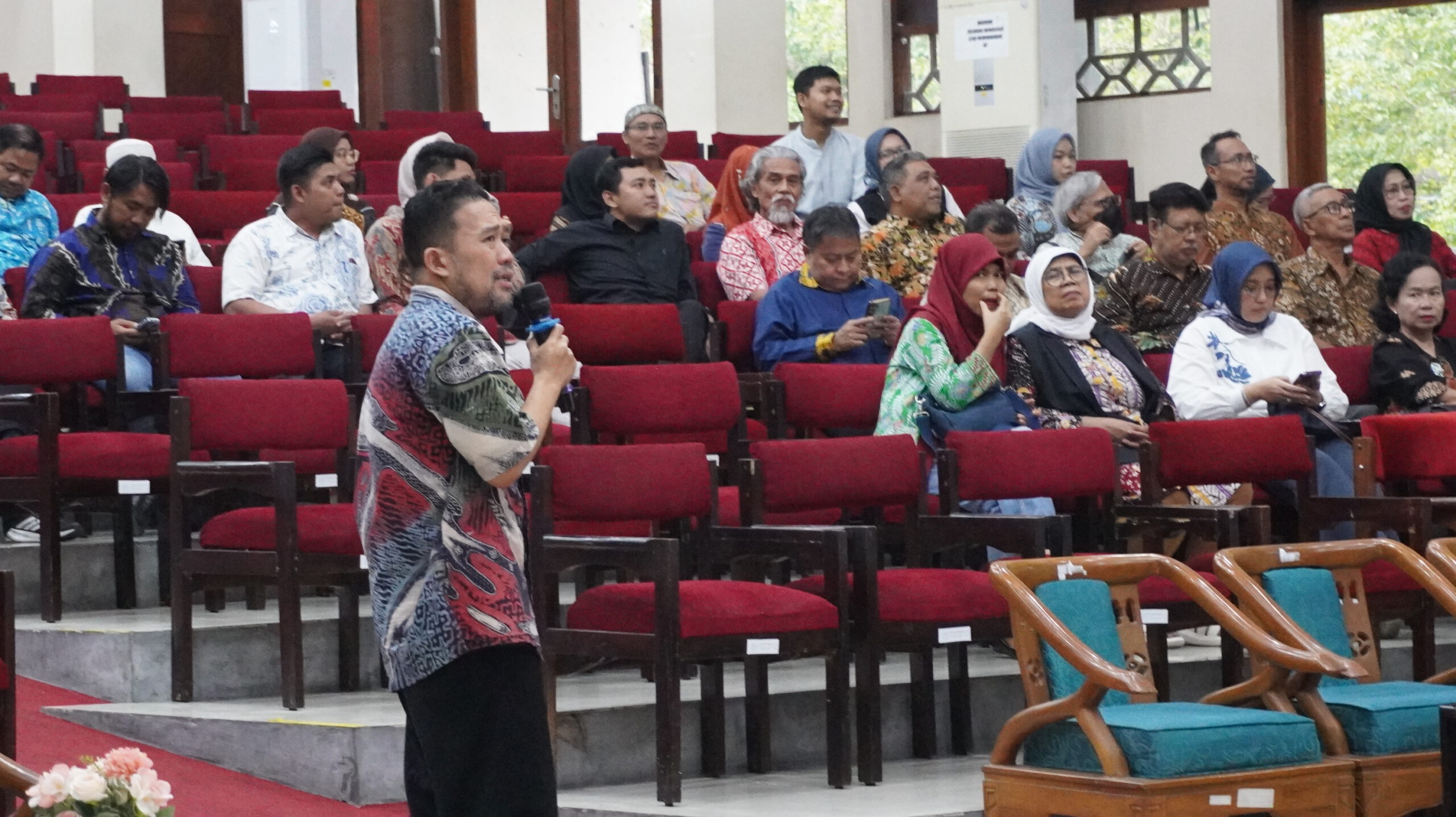

 On human resources, updates were delivered regarding revisions to lecturer mapping within each Study Program, mandatory reporting of BKD, SKP, LHKPN, and SPT, as well as the structuring of lecturers’ home base arrangement. From the infrastructure perspective, classrooms and supporting facilities were declared ready, including hybrid learning facilities and the development of a master plan for FEB’s infrastructure expansion.
 The Faculty Council Meeting concluded with a Ramadan Reflection Session (Kajian Ramadan 1447 H) delivered by Dr. Hanifullah Syukri, M.Hum., followed by a communal iftar attended by the extended FEB community. The occasion also saw the announcement of winners of the sports and fun games competitions held in celebration of the 50th Anniversary of Universitas Sebelas Maret.